
When news breaks of a natural disaster in the Himalayas, the global headlines often paint a sweeping picture. A single headline reading "Flash Floods in Nepal" can make it sound as if an entire nation of mountains has suddenly closed its gates. The Himalayas have sustained life, culture, and adventure for centuries. While local relief efforts continue in Rasuwa, the vast trails of Everest, Annapurna, and Manaslu remain as majestic, welcoming, and serene as ever.
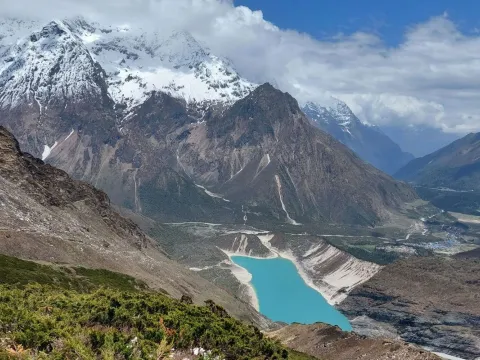
Learn about Manaslu Trek permit costs, required permits, documents, guide rules, Tsum Valley permits, and how to get permits for the Manaslu Circuit Trek.
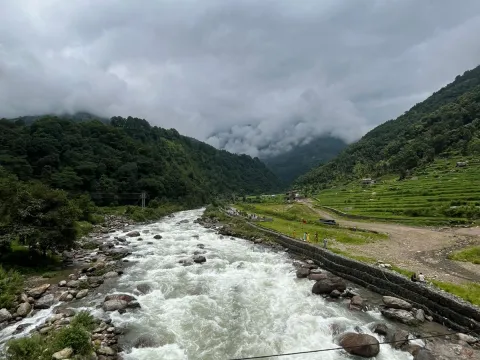
The flash flood along the Bhotekoshi River is a localized tragedy confined to specific northern border corridors. Beyond the affected riverfronts in Rasuwa, Nepal's premier mountain destinations—Everest, Annapurna, and Manaslu—remain safe, structurally stable, and ready to welcome mountain enthusiasts.
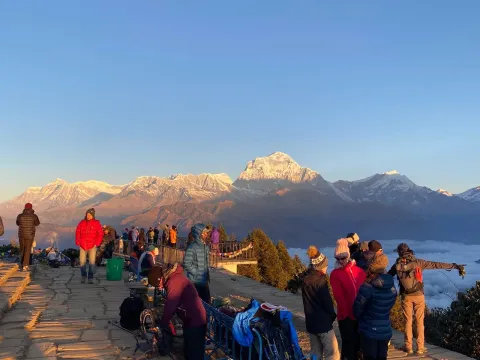
Trekking through the Annapurna Region of Nepal is a bucket-list dream for outdoor enthusiasts around the world. Among the various routes woven through these majestic Himalayas, the Ghorepani Poon Hill trek stands out as a quintessential classic. Famous for its vibrant rhododendron forests, rich Gurung and Magar culture, and unrivaled sunrise views of Dhaulagiri (8167 m) and Annapurna I (8091 m), this 4-to-5-day trek offers maximum mountain drama with minimal altitude risk.
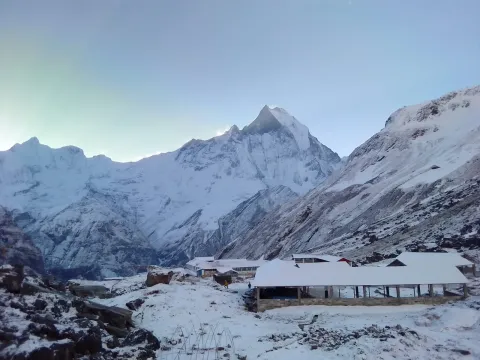
To trek in the Himalayas is to enter an internal conversation with vertical space. Yet, for all the romantic poetry written about Nepal’s high trails, modern Himalayan travel literature has largely degraded into a sea of commodity "guides." They read like brochures written by algorithms: identical packing lists, copied-and-pasted histories, and sanitized itinerary overviews that treat every mountain valley as interchangeable.
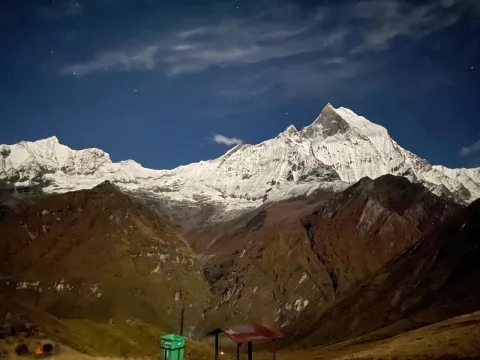
There is a moment—usually somewhere between the stone steps of Bamboo and the damp, narrow jaws of Deurali—when the Annapurna trail stops feeling like a pleasant mountain walk and starts feeling like an initiation. The trees thin out. The moisture-laden air of the lower Modi Khola valley grows crisp, biting, and noticeably light. You take a deep breath, expecting the rich scent of damp earth and moss, but instead, you catch the sterile, cold metallic tang of pure altitude.
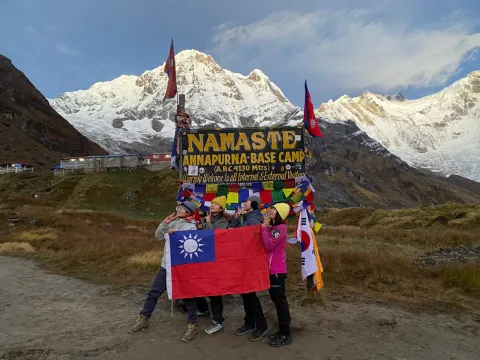
If you have ever stared at a photograph of the morning light hitting the icy peak of Mount Ama Dablam or watched dust swirl behind a yak train on the Annapurna Circuit, you already know the pull. Nepal calls to travelers in a way few other places on Earth manage to do. It isn’t just a destination; for many, it is a pilgrimage of dirt, endurance, and quiet wonder.
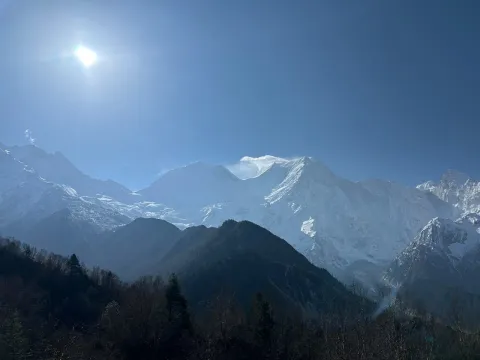
I am sharing my Manaslu Circuit Trek Diary in today's blog post. Last year on October 2025, I went to the Manaslu Circuit Trek journey for the first time with my friends. It was so eventful. The journey changed my perspective of mountains and rural Nepal. Now, I can say clearly why the trail is getting lots of attention and popularity from people across the globe. Natural beauty and cultural heritages including raw thrills of the trail can make your walking vacation worth every penny spent for this.
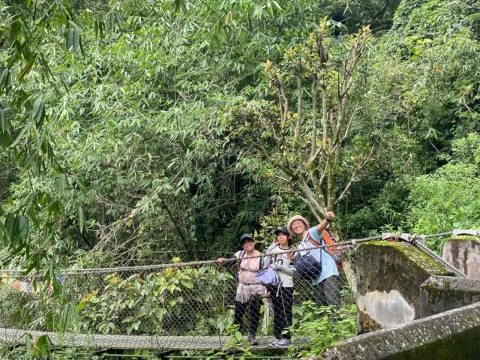
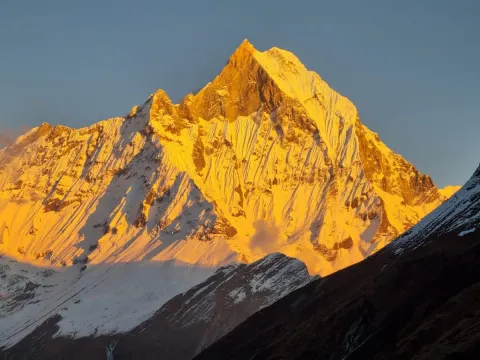
Imagine waking up, unzipping your tent or looking out a teahouse window, and being greeted by a massive wall of pure, blinding white ice glowing gold under the first rays of the morning sun. No haze. No clouds. Just raw, majestic Himalayan peaks so close you feel like you could reach out and touch them.
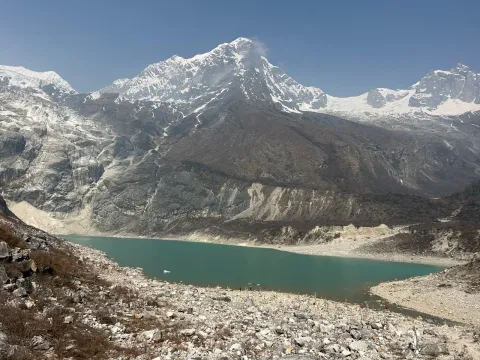
Do you have thought of crowded trails and waiting in line at suspension bridges on the Annapurna route makes you break out in a cold sweat, there is an alternative. Meet the Manaslu Circuit Trek. If you have a solid level of physical fitness, a taste for authentic culture, and a desire to see the Himalayas in their rawest form without the commercial circus, the Manaslu Circuit in October is arguably the finest trekking experience Nepal has to offer.
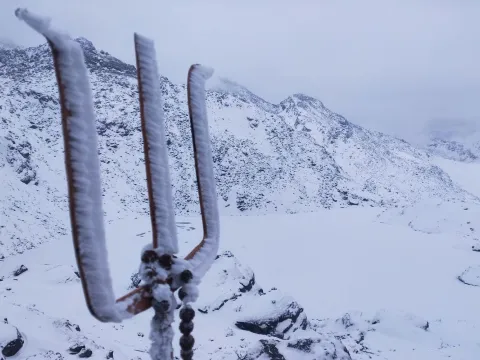
Plan your Janai Purnima 2026 trek to Gosainkunda. Discover the festival, sacred lake, trek route, itinerary, travel tips, and what to expect.
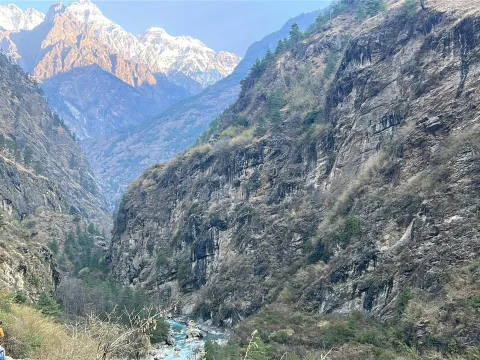
There is a precise moment in early October when the sky over the Himalayas shifts. The heavy, moisture-laden clouds of the summer monsoon break apart, chased away by high-altitude winds. What remains is an atmosphere so crisp and transparent it feels almost surreal. The air loses its humid weight, the dust is entirely washed from the leaves, and the great white walls of the world’s highest peaks emerge in absolute, unblemished clarity.