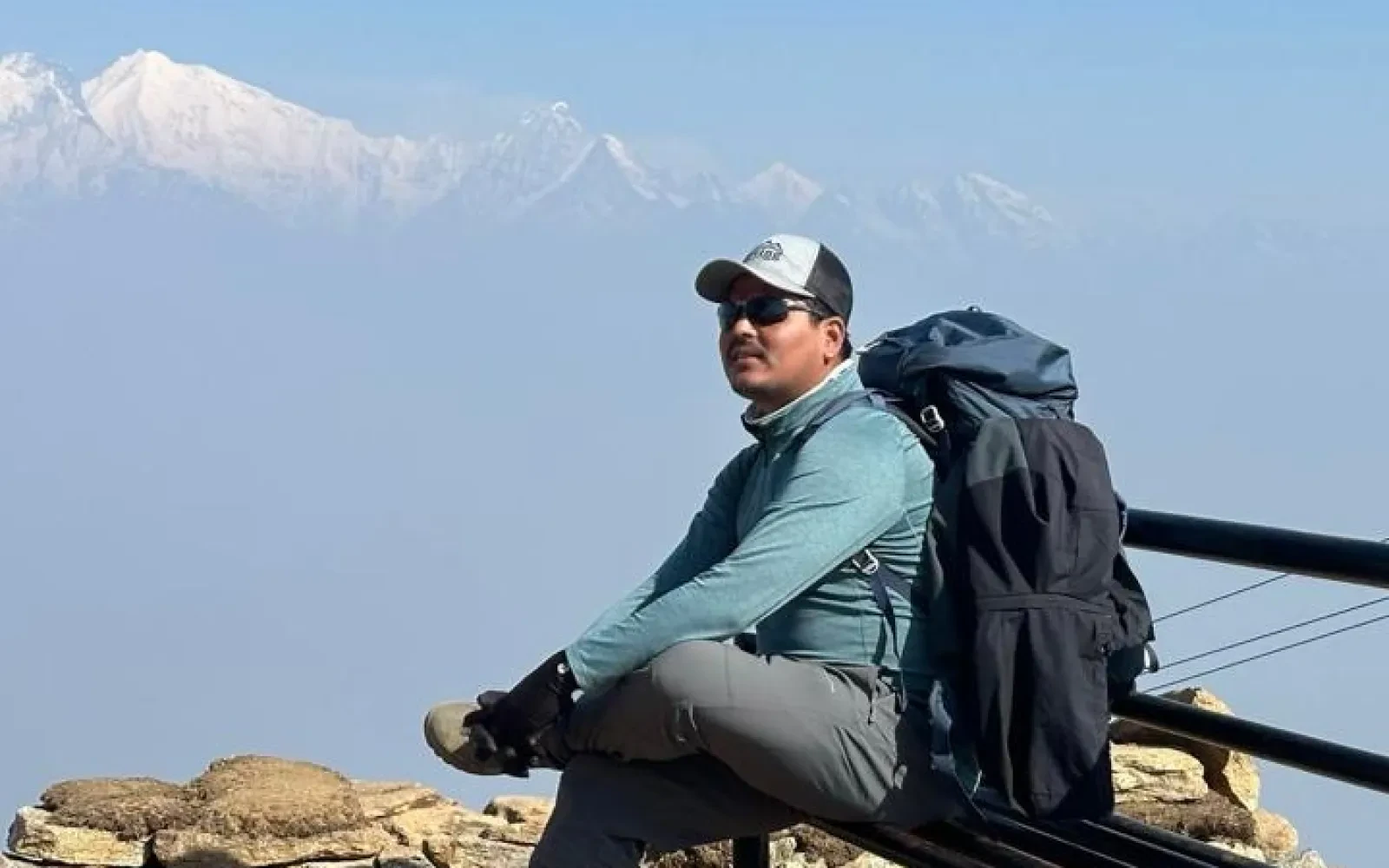
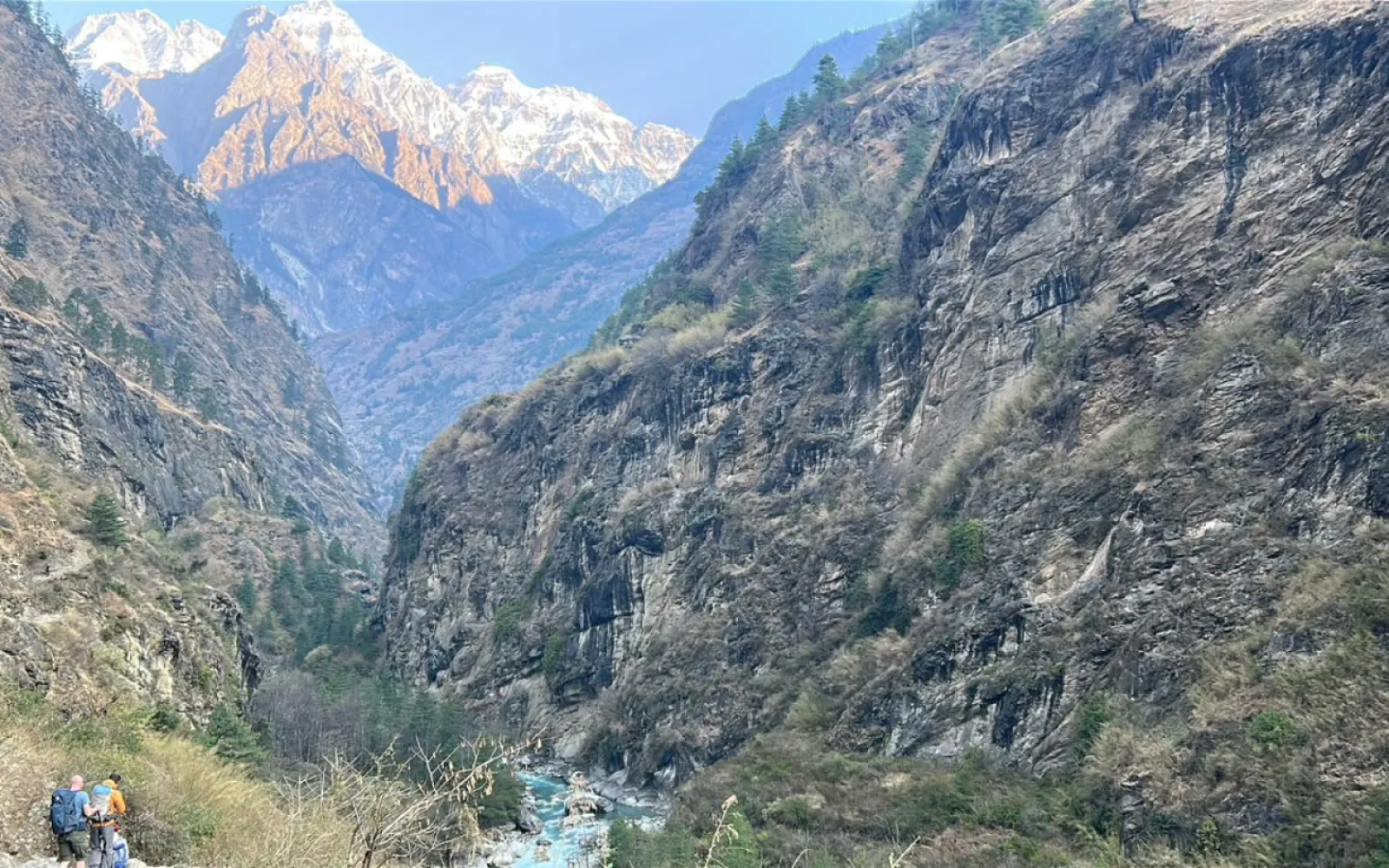
There is a precise moment in early October when the sky over the Himalayas shifts. The heavy, moisture-laden clouds of the summer monsoon break apart, chased away by high-altitude winds. What remains is an atmosphere so crisp and transparent it feels almost surreal. The air loses its humid weight, the dust is entirely washed from the leaves, and the great white walls of the world’s highest peaks emerge in absolute, unblemished clarity.
This is autumn in Nepal—the undisputed golden hour of Himalayan trekking.
If you are planning to lace up your boots and head to Nepal during October and November, you are aiming for the sweet spot of mountain travel. But because this window is universally recognized as the best, navigating it requires more than just booking a flight and showing up. It demands an understanding of microclimates, crowd dynamics, changing trail logistics, and the cultural rhythms that pulse through the valleys during these months.
This guide moves past the standard packing lists and basic itineraries. This is your master blueprint to navigating Nepal’s autumn peaks like a seasoned mountain traveler.
To understand why autumn is the peak season, you have to understand the transition of the seasons.
October is characterized by stability. The monsoon usually retreats by late September, leaving the landscape lush, vibrant green, and completely dust-free.
· The Atmosphere: High-pressure systems dominate, meaning day after day of bright blue skies and exceptional visibility. If you want those postcard-perfect shots of Ama Dablam, Machapuchare, or Manaslu framed against a deep azure sky, October delivers.
· The Temperature: Daytime temperatures at moderate altitudes (1,500m to 3,500m) hover comfortably between 15°C and 22°C (59°F to 72°F)—ideal for hiking in a light shirt. Night temperatures drop, but rarely below freezing until you cross the 4,000-meter mark.
As the calendar turns to November, the air becomes significantly drier and cooler.
· The Atmosphere: The clarity actually improves even further. While October can occasionally see lingering afternoon clouds, November days are relentlessly clear from dawn to dusk.
· The Temperature: It is noticeably colder. By mid-November, the mercury drops well below freezing point at night across all high camps. High passes like Thorong La (5,416m) or Cho La (5,420m) will experience biting winds and sub-zero daytime temperatures. However, for those who don’t mind layering up, the trade-off is quieter trails and unparalleled mountain vistas.
While the entire country opens up in autumn, different routes offer vastly different experiences during these peak months. Here is a curated breakdown of where to go based on what you are looking for.
The Khumbu region is electric in autumn. Mountaineering expeditions target autumn peaks, and the trails are alive with global energy.
· Why Autumn: The high-altitude visibility makes the flight into Lukla significantly more reliable than in summer or spring. The views from Kala Patthar or Gokyo Ri are sharp enough to see the intricate ice flutings on Everest’s Southwest Face.
· The Insider Strategy: To escape the heavy traffic on the main highway to Everest Base Camp, take the detour through the Gokyo Valley. Cross the Cho La Pass to loop back to EBC. It splits the crowds in half and gives you the mirror-like turquoise waters of the Gokyo Lakes under cloudless October skies.
The Annapurna region offers the greatest ecological diversity of any trek in Nepal, transforming from subtropical terraced rice paddies to arid trans-Himalayan rain shadows.
· Why Autumn: October coincides with the harvest season. The lower valleys are ablaze with golden rice paddies and bright orange marigolds. Furthermore, it is the perfect window to cross the treacherous Thorong La Pass (5,416m) before heavy winter snowsets close it off in late December.
· The Insider Strategy: With the expansion of dirt roads in the Annapurna region, true purists should utilize the Mardi Himal Trek or the Khopra Danda ridge line as alternative additions. These ridges keep you high above the valleys, looking directly across at the massive south face of Annapurna I and Dhaulagiri.
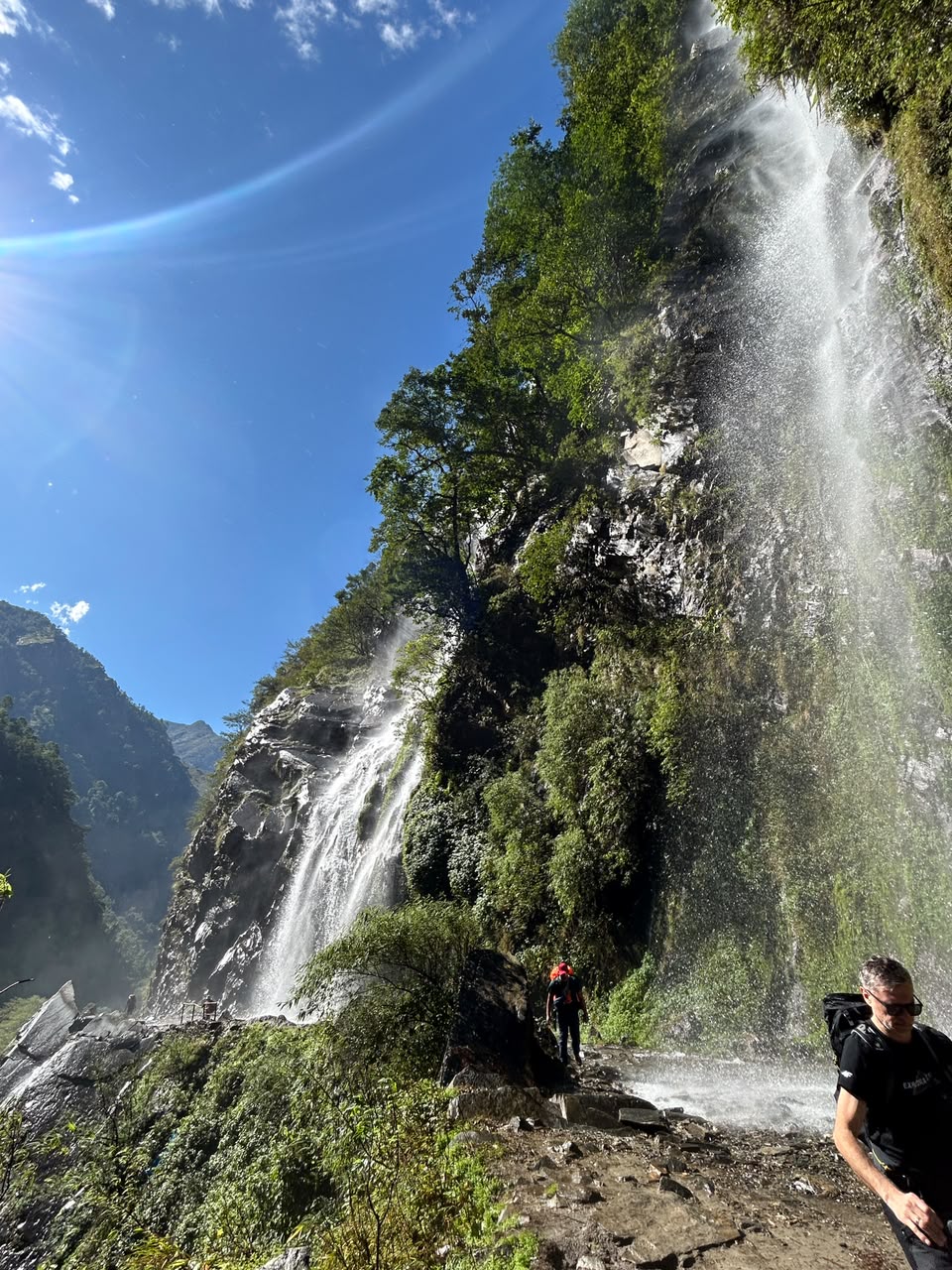
For those seeking the grandeur of the classic routes without the human congestion, Manaslu is the premier choice.
· Why Autumn: Manaslu relies heavily on stable weather to navigate the rugged, steep Budhi Gandaki river gorge and the formidable Larkya La Pass (5,106m). In autumn, the river levels drop, making the trail highly secure, and the pass remains free of deep, impassable winter drifts.
· The Insider Strategy: Take your time in the Tibetan-influenced villages of Samagaon and Samdo. The autumn sunlight illuminates the ancient wooden monasteries and Mani walls beautifully, and you'll catch Tibetan traders coming across the border peaks.
If you only have 7 to 10 days, Langtang is an underrated masterpiece.
· Why Autumn: Being closer to Kathmandu, it is highly accessible. The valley opens up into a wide, glacier-carved amphitheater at Kyanjin Gompa. Autumn provides pristine views of Langtang Lirung (7,227m) and the surrounding peaks bordering Tibet.
Let’s address the elephant on the trail: you will not be alone. October and November attract thousands of trekkers from around the globe. Flights to Lukla sell out months in advance, and popular teahouses in Namche Bazaar or Ghorepani operate at maximum capacity.
However, "crowded" in the Himalayas is relative. You are still walking through vast, open valleys. To preserve the solitude of your mountain sanctuary, employ these three tactical adjustments:
The average trekking group follows a rigid schedule: breakfast at 7:00 AM, hit the trail by 8:00 AM, arrive at the next teahouse by 1:00 PM.
· The Counter-Move: Wake up at 5:30 AM. Have your breakfast early and be on the trail by 6:30 AM. You will experience the sharpest, quietest mornings, catch the sunrise hitting the peaks while the trail is completely silent, and arrive at your destination early enough to secure the warmest room in the teahouse.
Almost every major trekking route in Nepal has an alternative, lesser-traveled path that runs parallel to the main highway.
· In Everest: Walk on the opposite side of the Dudh Koshi river through villages like Phortse instead of Tengboche.
· In Annapurna: Walk the eastern bank of the river from Tal up to Chame, bypassing the jeep tracks entirely.
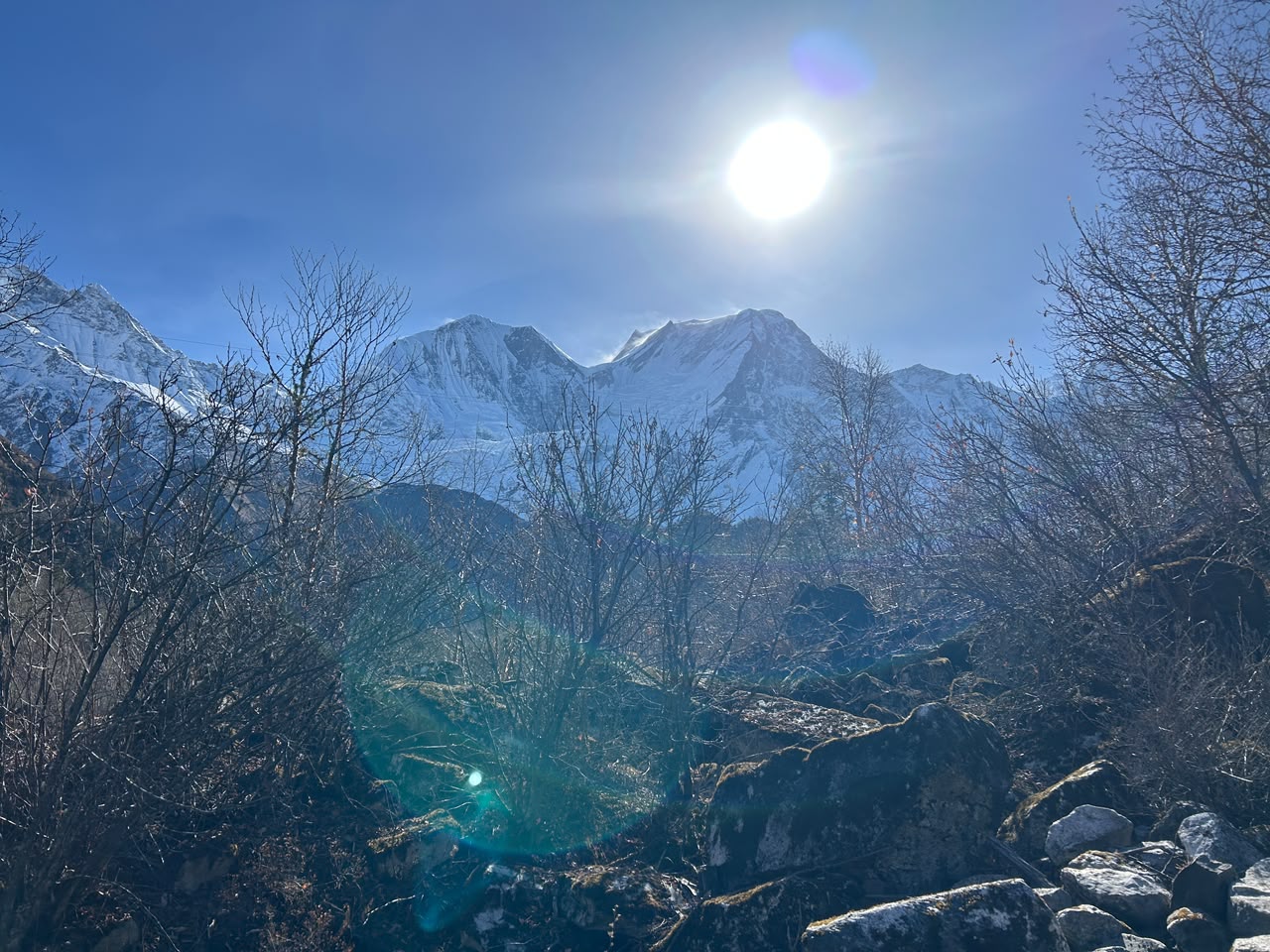
If you are highly averse to crowds, book your trek for the second half of November. The mass commercial groups generally clear out by early November. While the temperatures are colder, the trails empty out dramatically, the skies remain crystal clear, and teahouse hosts have more time to sit with you around the central stove.
Packing for autumn requires preparing for two entirely different climates: the mild, sunny warmth of the afternoon valleys and the bitter, sub-zero freeze of the high-altitude nights.
· An 800-Fill Down Jacket: Do not skimp here. Teahouse bedrooms are not heated; they are essentially wooden boxes that reflect the outside temperature. Once the sun dips behind a 7,000-meter peak at 4:30 PM, the temperature drops instantly. You need a heavy, high-quality down jacket to stay warm during dinner and mornings.
· Merino Wool Base Layers: Merino wool is the gold standard for autumn. It retains warmth even when damp, regulates body temperature beautifully across changing altitudes, and naturally resists odor—a critical feature when you haven't showered in six days.
· Proper Sleeping Bag Line: Most teahouses provide blankets, but during peak October/November, demand is high, and blankets can run short. Bring a four-season sleeping bag rated down to -10 to -14 degrees Celsius along with a silk or fleece liner for an extra layer of warmth.
· Sun and Wind Protection: The autumn sun at 4,000 meters is intense. Bring Category 3 or 4 UV polarized sunglasses, high-SPF sunblock, and a buff to protect your neck and throat from the cold, dry air (preventing the infamous "Khumbu cough").
Trekking in autumn isn't merely an exercise in physical endurance or landscape photography; it is an immersion into the deepest spiritual traditions of the country. The post-monsoon abundance sets the stage for Nepal’s two most significant national festivals.
Dashain is the longest and most auspicious festival in Nepal, celebrating the victory of good over evil.
· What you will see: As you walk through lower villages, you will see massive bamboo swings (Pingale) set up in village squares. Children fly colorful paper kites against the backdrop of the white peaks.
· The Experience: You will notice locals wearing Tika (a mixture of rice, yogurt, and vermilion) on their foreheads, blessed by their elders. It is a time of family reunions, joy, and deep hospitality. Do not be surprised if a teahouse family invites you to join their holiday feast.
Occurring a few weeks after Dashain, Tihar is arguably the most beautiful festival in the world.
· What you will see: Over five days, animals are honored (crows, dogs, cows) with flower garlands and tika. At night, houses and teahouses are illuminated with small clay oil lamps (dias) and strings of colorful lights to welcome Lakshmi, the goddess of wealth.
· The Experience: Children perform traditional dances and songs (Bhailo and Deusi) outside houses. Walking through a mountain village illuminated by hundreds of flickering oil lamps beneath a brilliant, star-filled Himalayan sky is an experience that stays with you forever.
Executing a flawless autumn trek requires sharp attention to logistical timelines. Because it is peak season, spontaneous planning can lead to frustrating delays.
To manage traffic congestion at Kathmandu’s Tribhuvan International Airport (TIA), the Civil Aviation Authority frequently diverts all flights to Lukla (Everest Region) from Kathmandu to Manthali Airport in Ramechhap during the peak months of October and November.
· What this means: Ramechhap is a 4 to 5-hour drive from Kathmandu. You will need to wake up around 1:00 AM to drive to Ramechhap for a morning flight to Lukla, or travel there the afternoon before. Factor this travel day into your itinerary.
Because autumn air is exceptionally dry, you lose moisture rapidly simply by breathing. Dehydration mimics and accelerates the symptoms of Acute Mountain Sickness (AMS).
· The Golden Rule: Drink 4 to 5 liters of water daily. Use electrolyte replacements or hydration tablets.
· Ascent Profile: Ensure your itinerary includes dedicated acclimatization days (typically around 3,440m in Namche Bazaar or 3,500m in Manang). Never ascend more than 500 meters of sleeping altitude per day once you cross 3,000 meters.
As of recent regulations, the Nepal Tourism Board requires independent trekkers to hire a licensed trekking guide or porter-guide for most standard trekking routes to ensure safety and support local economies.
· The Benefit: A guide does not just show you the path. In peak autumn, a guide is your golden ticket to securing the best rooms in teahouses, navigating flight changes smoothly, and bridging the cultural gap between you and the local communities.
Nepalese Mountain is Calling
There is a reason why generations of mountaineers and explorers have waited patiently all year long for the autumn months to arrive in Nepal. Standing at the top of a high Himalayan pass in late October, surrounded by an amphitheater of jagged, glowing peaks under an endless blue sky, you realize that every challenging step, cold night, and early morning was worth it.
The trails are ready, the air is perfectly clear, and the peaks are waiting. Plan early, pack smartly, respect the local culture, and prepare yourself for the trek of a lifetime.
Are you ready to plan your autumn adventure? Contact Roving Nepal Trek today to secure your expert local guides, permits, and custom itineraries for the ultimate October & November trekking experience.
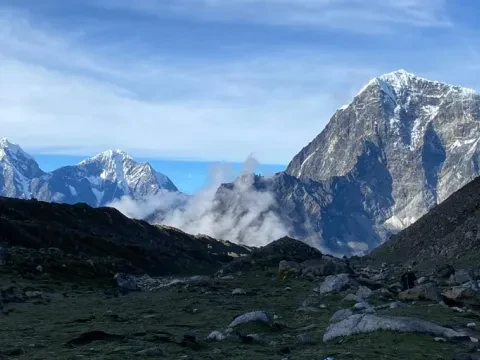
The presence of Himalayas and diverse landscape has made Nepal one of the most desirable trekking destinations. In this blog let’s know about the Top 5 Nepal Trekking Destinations for 2026/2027.
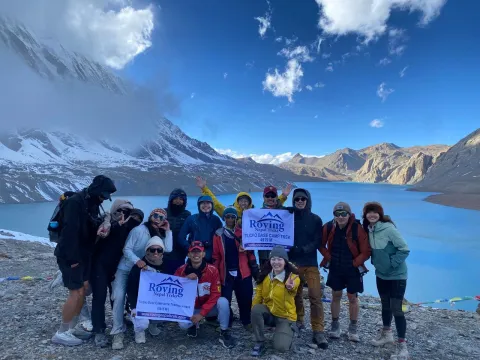
What makes the Annapurna Circuit Trek with Tilicho Lake special are not simply the mountains. It's the constant change. One week you're walking through green river valleys lined with pine forests and traditional villages. A few days later, you're crossing windswept high-altitude terrain that feels more like Tibet than Nepal. Then comes Tilicho Lake, a stunning turquoise body of water sitting at nearly 5,000 meters above sea level.
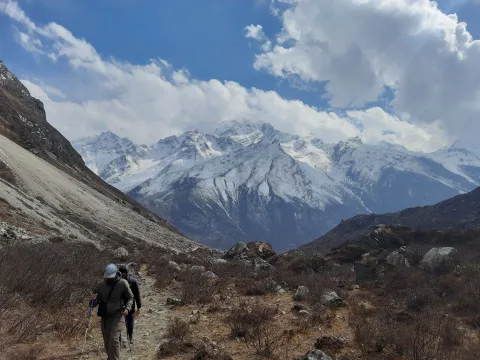
The Langtang Valley Trek is one of Nepal's most rewarding Himalayan adventures, offering breathtaking mountain scenery, rich Tamang culture, ancient monasteries, alpine forests, glaciers, and panoramic viewpoints. Located north of Kathmandu near the Tibetan border, this trek is ideal for travelers seeking spectacular Himalayan landscapes without the crowds commonly found on the Everest or Annapurna trekking routes.
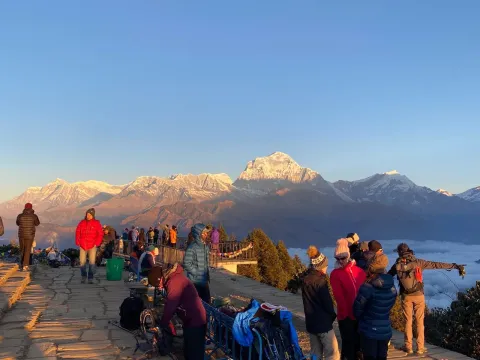
Unlike many high-altitude Himalayan treks, the Annapurna Base Camp Trek reaches an impressive elevation while passing through a variety of landscapes. Trekkers experience terraced farmland, traditional Gurung villages, rhododendron forests, waterfalls, rivers, alpine landscapes, and spectacular mountain viewpoints. With experienced local guides and careful planning, Roving Nepal Trek can help you create a safe and memorable Annapurna adventure.
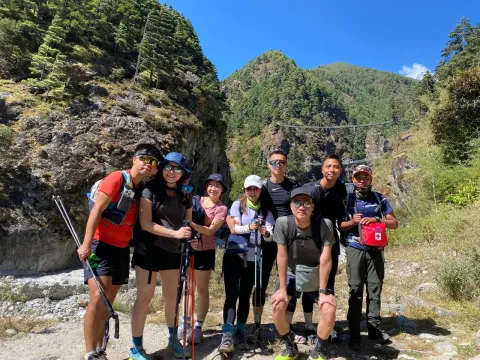
Get the latest and complete Everest Base Camp Trek Guide in today’s blog. The Everest Base Camp Trek is one of the world's most iconic trekking adventures, taking you into the heart of Nepal's Khumbu region and to the foot of the highest mountain on Earth, Mount Everest (8,848.86 m). With experienced local guides, careful planning, and the right preparation, your dream of reaching Everest Base Camp can become a safe and unforgettable adventure.
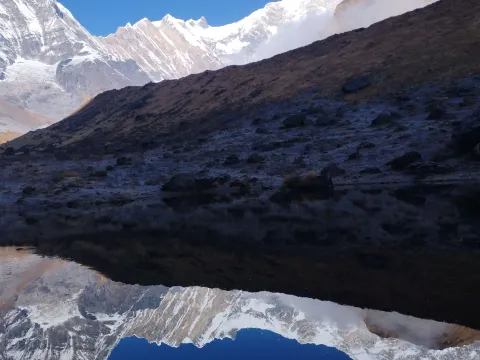
Discover the best season for trekking in Nepal. Compare autumn, spring, winter, and monsoon seasons to choose the perfect time for your Himalayan adventure.