Need help with booking? Send us a message.
· Essential Logistics Covered: The package pays for your licensed local guides, porters, all required national park and municipal permits, airport transfers, and route accommodations.
· Total Food Flexibility: Meals are unbundled. You order and pay directly from teahouse menus, keeping you in complete control of your daily budget and appetite.
· Strategic Flight Routing: Peak-season flights are routed through Ramechhap to bypass Kathmandu's heavy air traffic and secure your early-morning Lukla departure.
· Built-in Acclimatization: Mandatory active rest days in Namche Bazaar (3,440m) and Dingboche (4,410m) safely prep your body for the thinner air higher up the valley.
· Authentic Teahouse Experience: You sleep in classic, locally-run lodges with communal dining halls for a raw, genuine connection to Sherpa trekking culture.
· Uncompromised Safety: Your crew handles daily health and oxygen monitoring, expert pacing, and complete coordination of emergency helicopter evacuations if ever required.
· Direct Local Management: Your trek is handled by ground-level professionals who personally know the trail rhythms, teahouse owners, and fast-changing weather patterns.
We know you want to stand at the foot of the world’s highest peak. You just don't want to empty your bank account doing it. A budget-friendly Everest Base Camp trek cuts out unnecessary luxury. It keeps the core adventure completely intact. You still get the crisp mountain air. You still cross those swaying suspension bridges draped in colorful prayer flags. We focus heavily on securing clean, basic teahouses. We prioritize filling meals that keep your tired legs moving. Forget the fancy lattes in Namche. We skip the overpriced helicopter transfers. Instead, you walk the legendary trail alongside our local guides. You pay for what truly matters: safety, trail logistics, and an experienced team. This approach strips away the fluff. It leaves you with raw, unfiltered Khumbu culture. We've designed this package for real trekkers. You carry a daypack. Our porters handle the heavy gear. You experience Everest exactly how the pioneers did. Simple. Gritty. Unforgettable.
Let’s talk about getting to the trailhead. During peak trekking seasons like spring and autumn, your flight won't depart from Kathmandu. Nepal's aviation authority actively diverts these flights to Manthali Airport in Ramechhap. Why? Kathmandu’s single runway just gets too crowded to handle the volume. We’ll wake you up around 1 or 2 AM. You hop into a shared vehicle for a bumpy four to five-hour drive. It sounds rough. It is. But it guarantees a much higher chance of actually flying to Lukla that morning. Ramechhap has better early-morning visibility and far fewer air traffic delays. In the quieter winter or monsoon months, we can usually fly you directly out of Kathmandu. Either way, that 20-minute flight into the Tenzing-Hillary Airport will spike your adrenaline. You’ll land on a tiny runway that slopes sharply up a mountain. Grab your bag. The trek starts immediately.
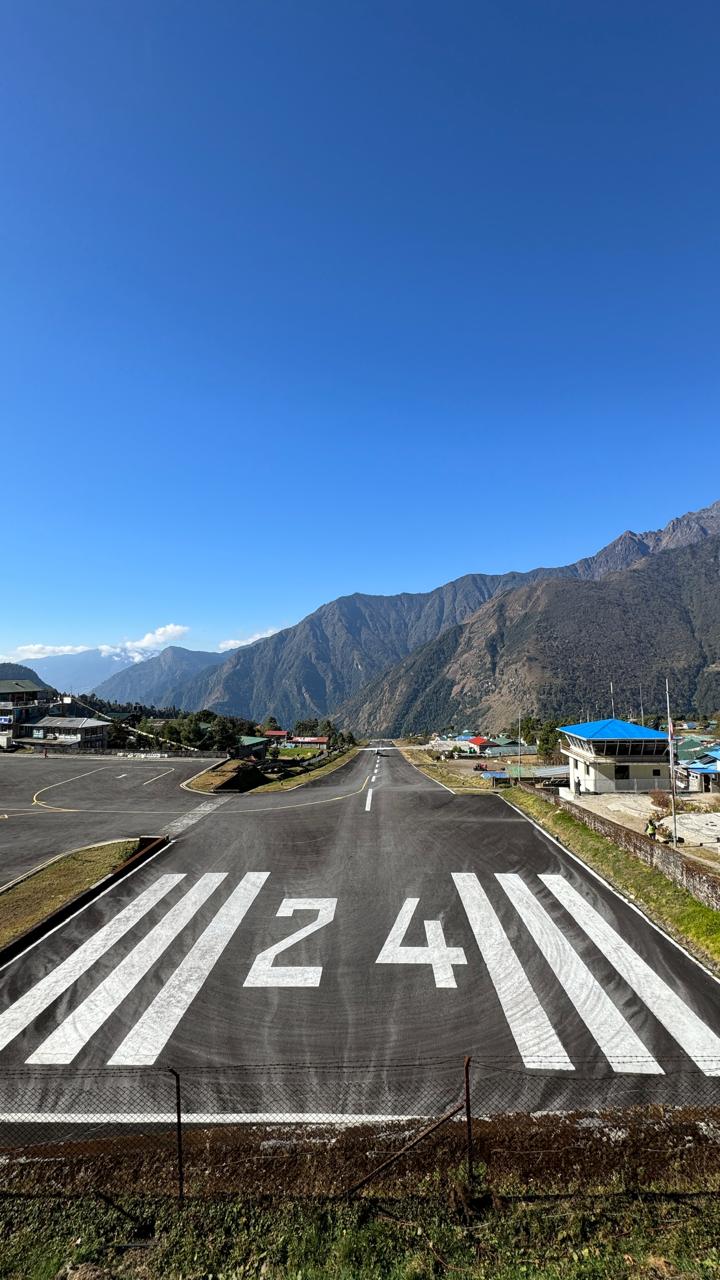
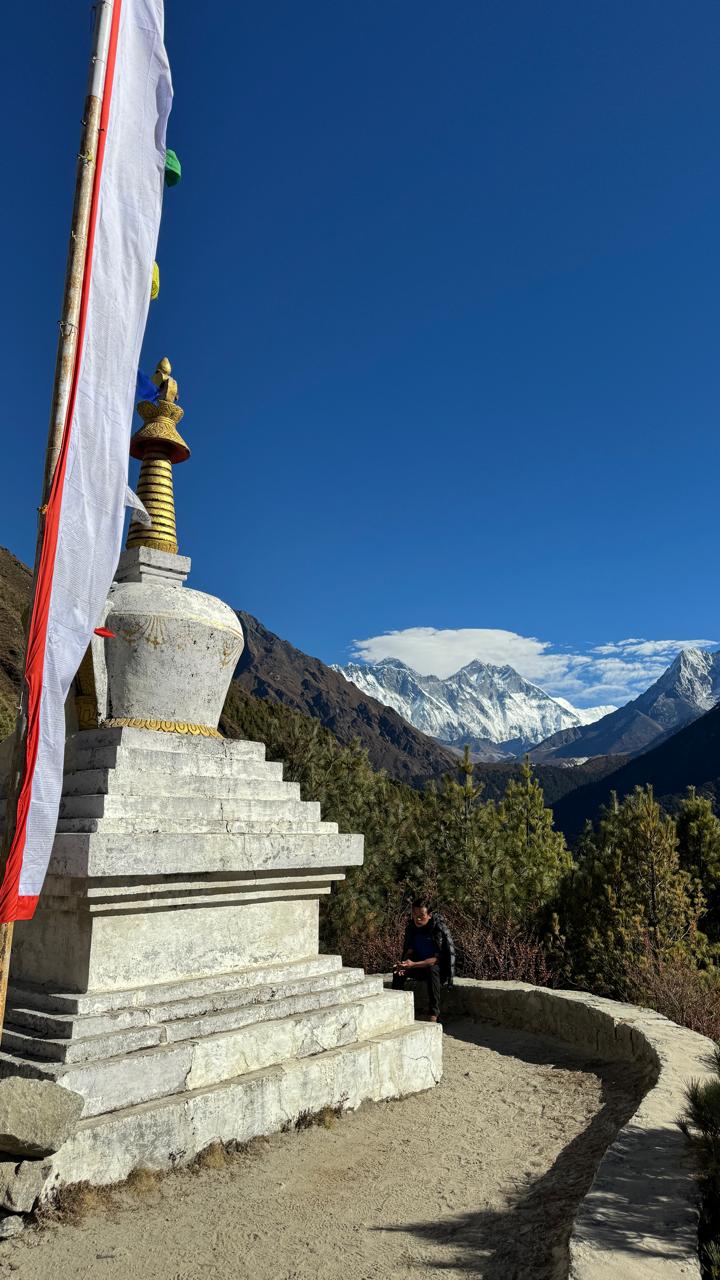
You hit the dirt the moment you land. We walk downhill first. We head toward Phakding along the churning Dudh Kosi river. The air feels thick here at 2,800 meters. Don't get used to it. Over the next week, we climb steadily through dense pine forests and dusty, exposed ridges. We pass ancient mani stones carved with Tibetan mantras. We push up the steep, brutal hill into Namche Bazaar. Your thighs will burn. You will question your life choices. Then you see Everest peeking through the clouds for the first time. We leave the tree line behind after Tengboche. The landscape turns harsh and barren. Wind-scoured rocks quickly replace the juniper bushes. We navigate the Khumbu Glacier's massive lateral moraine. It feels entirely like walking on the moon. Finally, we step into Base Camp at 5,364 meters. Tents scatter across the shifting ice. You made it.
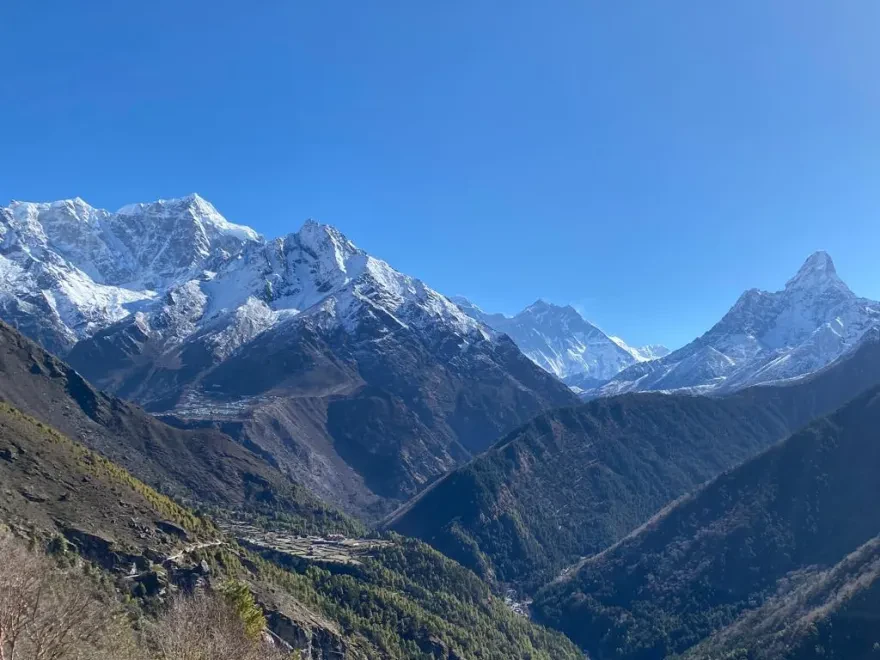
We do not mess around with altitude. You simply can't power through thin air. Your body needs time to build up red blood cells. That’s exactly why we enforce two mandatory acclimatization stops on this route. We spend our first extra night in Namche Bazaar at 3,440 meters. We don't just sit in the teahouse, though. We hike high. We push up to the Everest View Hotel to stare at the stunning ridges of Ama Dablam. Then we return to sleep low. Our second acclimatization stop hits at Dingboche. We rest at 4,410 meters. We take a steep, breathless scramble up Nangkartshang Peak. The wind up there absolutely howls. The massive panorama of Makalu and Lhotse will steal whatever breath you have left. These days feel like hard work. They are. But climbing high and sleeping low is the only proven way to keep acute mountain sickness away.
Things go wrong in the Himalayas. The weather rolls in fast. Flights out of Lukla routinely get grounded for days by thick fog. If you book your international flight home the day after your trek ends, you will probably miss it. We strongly advise padding your schedule with at least two reserve days. What happens if a bad stomach bug hits you hard in Lobuche? A reserve day lets you sleep it off safely. You won't have to quit the trek. What if we get stuck in Lukla waiting for clear skies? Those extra days mean you don't panic. You just order another pot of mint tea and wait it out. The mountain always dictates the schedule. We just adapt. Buffer days act as cheap insurance. They protect your entire investment in this massive trip. Never trek the Khumbu on a painfully tight deadline.
This trek is not a technical climb. You do not need ropes, ice axes, or crampons. But do not underestimate it. You walk for six to eight hours a day. You do this for nearly two weeks straight. You do it on rocky, uneven trails with half the oxygen you are used to breathing. It demands solid cardiovascular endurance. We have successfully guided fit 12-year-olds. We have guided highly determined 70-year-olds. Age matters much less than your mental grit and sheer physical preparation. If you can hike for six hours with a weighted daypack back home, you can do this. You just need to walk slowly. We call it the "Himalayan shuffle." The biggest barrier isn't your age. It's the altitude. Our guides watch you closely for any symptoms. We constantly pace the group to the slowest walker. Bring a stubborn mindset. We'll handle the rest.
You can tackle this trail in a few vastly different ways. Our budget package keeps things completely standard. You sleep in basic wooden teahouse rooms. You share a cold hallway bathroom. You eat massive plates of dal bhat to fuel up. It’s authentic. It’s exactly how backpacking in Nepal started. But maybe you want a slightly softer landing. We offer upgraded packages too. Standard packages might throw in a few hot showers and prepaid Wi-Fi cards along the route. Want real comfort? Our luxury options book you into high-end lodges like Yeti Mountain Home. You get heated electric blankets. You get attached western toilets. You even get decent brewed coffee. Some trekkers choose a swift heli-out option to skip the long, painful walk back down to Lukla. We heavily customize the journey to match your wallet and your pain tolerance. The mountains look exactly the same either way.
We designed this budget itinerary to give you maximum flexibility. Full-board packages heavily lock you into a strict meal budget. They dictate exactly what you can eat. We strip that restriction away. You pay us for the absolute essentials: your domestic flights, trail permits, a licensed guide, a strong porter, and your nightly bed. You handle your own daily food budget. Want to eat cheap noodle soup for three days straight? Do it. Want to splurge on a massive yak steak and a slice of warm apple pie in Dingboche? Your choice. You completely control your daily spending. This brilliant setup prevents you from overpaying for a rigid meal plan you might not even use if altitude severely kills your appetite. You manage your cash. You buy your own boiled water. You pay for your own battery charging. It puts you fully in the driver's seat.
We handle the logistical nightmare so you can just walk. Even on a budget package, we cover the big-ticket items. Your package pays for our guide's fair salary. It completely covers your porter’s daily wages. We sort out your Sagarmatha National Park and local municipality permits in advance. We book your critical airport transfers. We firmly guarantee your bed in the teahouses, which is incredibly crucial during the chaotic October rush. Most importantly, we provide comprehensive insurance for all our hardworking Nepali staff. Our guides do more than simply point the way. They constantly monitor your oxygen levels. They secure your food orders in heavily crowded dining halls. They coordinate emergency helicopter rescues immediately if things go south. They know the trail closures. They know which suspension bridges are safe. You are paying for a massive local safety net. We keep you moving forward.
You could easily book with a massive Western agency. They will happily charge you triple. They just outsource the actual ground work to local companies like us anyway. Cut out the middleman entirely. When you book directly with Roving Nepal Trek, your money stays firmly in the local economy. It goes straight to the guides and porters who live in these harsh valleys. We know these winding trails intimately. We personally inspect the teahouses. We have tight, direct relationships with the domestic airlines, which helps immensely when flight delays hit. We are a registered, legally compliant Nepali company. We offer transparent pricing with absolutely zero hidden fees. We grew up in the massive shadow of these mountains. We treat our staff ethically, paying them fair wages and always carrying proper insurance. Trek with locals. You get a deeper, safer, and far more authentic Khumbu experience.
What important safety precautions should I follow?
Walk slowly. Drink at least four liters of water daily. Always yield to massive yaks on the trail—always stand firmly on the uphill side when they aggressively pass.
What should I know about altitude acclimatization?
Listen to your struggling body. Never stubbornly ignore a headache or nausea. Climbing high and sleeping low during acclimatization days is the absolute best preventative strategy.
What should I do if the Lukla flight is delayed or cancelled?
Stay calm. Weather delays are incredibly common. We will constantly attempt to rebook you on the very next available flight. This is exactly why you heavily need buffer days built into your trip.
Why should I allow extra days in my itinerary?
Buffer days safely absorb chaotic Lukla flight cancellations, unexpected sickness, or terrible weather on the trail. They keep you from painfully missing your international flight home.
Welcome to Nepal! Upon arrival at Tribhuvan International Airport in Kathmandu, our representative will meet you and transfer you to your hotel. After check-in, you will have time to relax and recover from your journey. Your trekking guide will meet you and provide an initial introduction to the Everest Base Camp adventure. The guide will explain the general trekking program, route, accommodation, meals, altitude profile and important safety considerations. If time permits, you may take a leisurely walk around the nearby area of Thamel. Overnight in Kathmandu
 Max. altitude 1m / 3ft.
 Today is dedicated entirely to trek preparation, giving you an additional day in Kathmandu before beginning the mountain journey. After breakfast, meet your trekking guide for a detailed briefing and equipment inspection. Your guide will check your trekking clothing, footwear, sleeping bag, backpack and other essential equipment. If anything is missing, you will have time to rent or purchase equipment from Kathmandu's numerous trekking shops. Overnight in Kathmandu
Max. altitude 1,400m / 4,593ft. After an early breakfast, transfer to the airport for your scenic flight toward Lukla, the gateway to the Everest region. During the peak trekking seasons, flights may operate from Ramechhap/Manthali Airport rather than Kathmandu, requiring an overland transfer from Kathmandu. After landing at Lukla, you will meet the rest of the trekking crew and make final preparations before starting your walk. The trail passes through traditional mountain settlements, cultivated terraces, rhododendron vegetation, small streams and suspension bridges. You will gradually follow the Dudh Koshi Valley toward Phakding. The first trekking day is deliberately short, allowing your body to begin adjusting to the mountain environment.
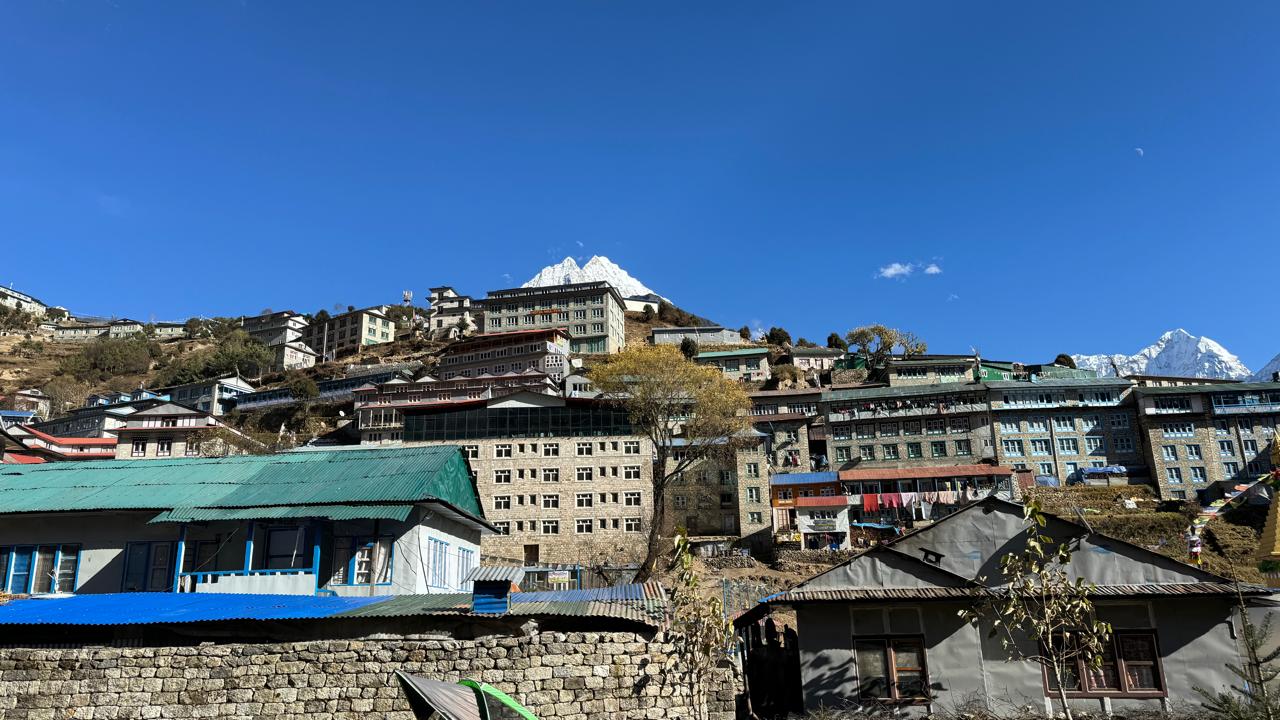
Max. altitude 2,610m / 8,563ft. After breakfast, begin the trek toward Namche Bazaar. The trail follows the Dudh Koshi River and crosses several suspension bridges decorated with colorful prayer flags. After approximately one and a half hours, you reach the entrance area of Sagarmatha National Park near Monjo, where the required national park permit is checked. Continue toward Jorsalle, where you will have a lunch break. After lunch, the trail continues through pine and rhododendron forests before reaching the famous Hillary suspension bridge. From here, the route climbs steadily toward Namche Bazaar. If the weather is clear, you may catch your first distant glimpse of Mount Everest. Eventually, the trail opens into the spectacular amphitheater of Namche Bazaar, the commercial and cultural center of the Khumbu region.
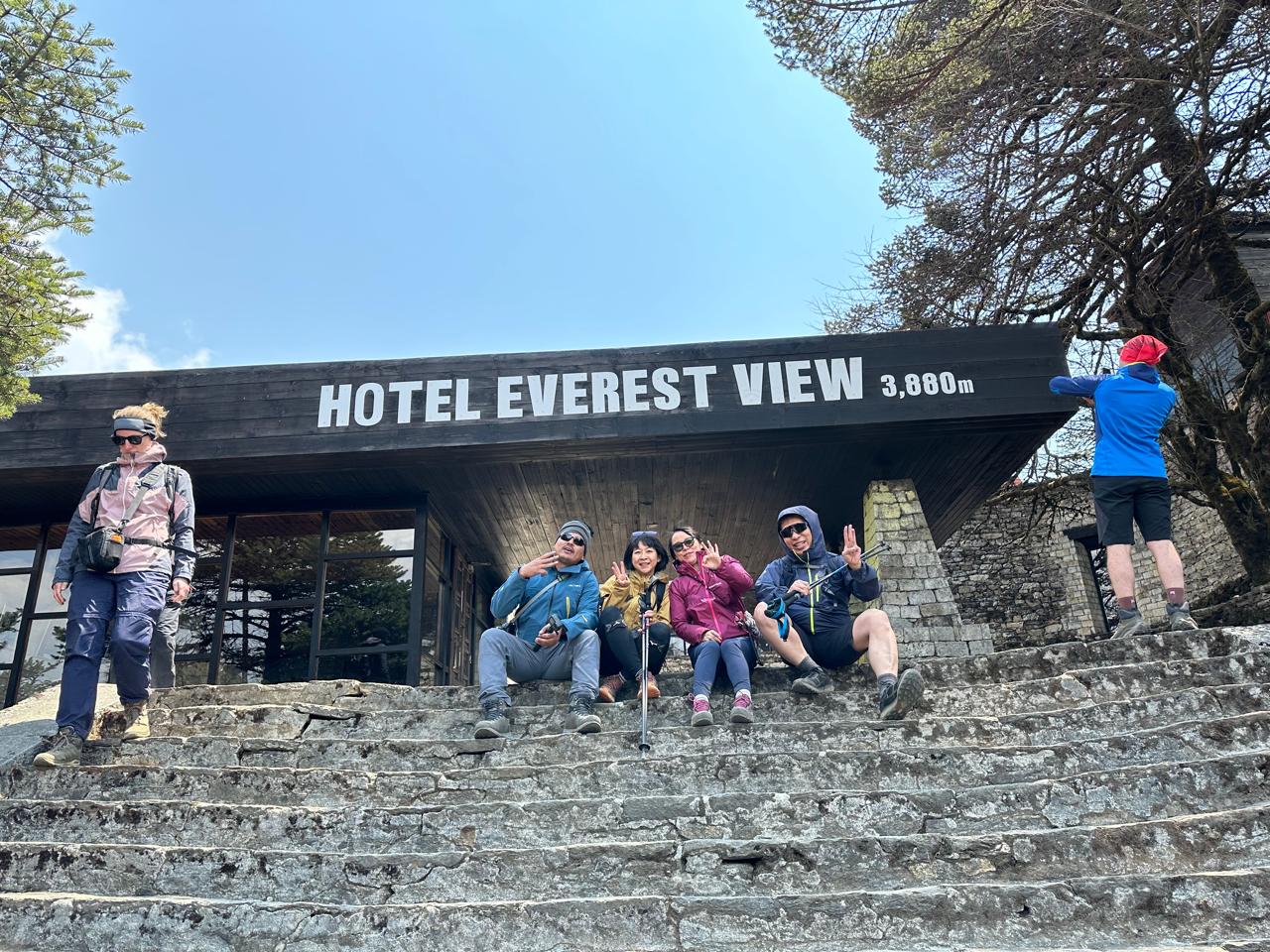
Max. altitude 3,440m / 11,286ft. Today is your first important acclimatization day. Rather than spending the entire day resting, you will take a gradual hike to a higher elevation before returning to Namche Bazaar to sleep. After breakfast, walk toward the viewpoint above Namche Bazaar. The trail passes through the hills toward Syangboche, eventually reaching the famous Everest View Hotel area. From the viewpoint, you can enjoy panoramic views of Everest and surrounding Himalayan peaks, including Ama Dablam, Thamserku, Lhotse, Nuptse, Kusum Kanguru and Kwangde. After spending time enjoying the mountain panorama, descend back to Namche. The afternoon can be spent exploring the lively Sherpa town, visiting local shops and bakeries, or relaxing at your teahouse. Overnight in Namche Bazaar
Max. altitude 3,880m / 12,730ft. After breakfast, leave Namche Bazaar and follow a scenic trail toward Kyangjuma. This section of the route offers beautiful views of Ama Dablam and other Himalayan peaks. The trail then descends toward Phungi Thanga, where you stop for lunch. After lunch, the route climbs through beautiful rhododendron and pine forests toward Tengboche. Tengboche is famous for its historic Buddhist monastery and its spectacular location overlooking the surrounding mountains. In the evening, depending on monastery activities and arrival time, you can visit Tengboche Monastery and experience the peaceful Buddhist atmosphere of the region. Overnight in Tengboche
Max. altitude 3,867m / 12,687ft. After breakfast, descend from Tengboche toward Debuche and continue along the Imja River. After crossing the river, the trail climbs toward the traditional village of Pangboche. Continue through the Imja Valley and stop at Somare for lunch. Beyond Somare, vegetation becomes increasingly sparse as you enter the higher alpine landscape. The trail consists of rocks and small pebbles and follows sections of the valley ridge toward Dingboche. At approximately 4,410 m, Dingboche is one of the last major settlements before the higher reaches of the Everest Base Camp trail. The village offers magnificent views of Ama Dablam and the surrounding peaks. Overnight in Dingboche
Max. altitude 4,400m / 14,436ft. Today is the second major acclimatization day of the trek. After breakfast, carry only a small daypack and hike toward Nangkartshang/Nagarshan Hill, located above Dingboche. The trail is rugged and steep in places, but the higher you climb, the more impressive the views become. From the upper slopes, you can enjoy views across the valleys and toward some of the great peaks of the Khumbu region. After spending some time at the viewpoint, descend back to Dingboche. Following lunch, you can relax at the lodge or take a gentle walk around the village and interact with local residents, guides and other trekkers. This acclimatization day is an important part of the itinerary before continuing toward elevations above 4,900 m. Overnight in Dingboche
Max. altitude 5,100m / 16,732ft. After breakfast, leave Dingboche and walk across open alpine meadows. The trail provides views toward Pheriche and the surrounding mountains, with Mount Pumori and Lobuche Peak appearing prominently in the distance. Continue toward Thukla, where you stop for lunch. After lunch comes one of the more memorable sections of the day: the climb toward Thukla Pass. At the top of the pass, you will see numerous memorials and chortens dedicated to climbers and mountaineers who lost their lives in the Everest region. Take some time to reflect before continuing along the rugged trail beside the Lobuche River. Eventually, you arrive at Lobuche, a small high-altitude settlement surrounded by dramatic Himalayan peaks. Overnight in Lobuche
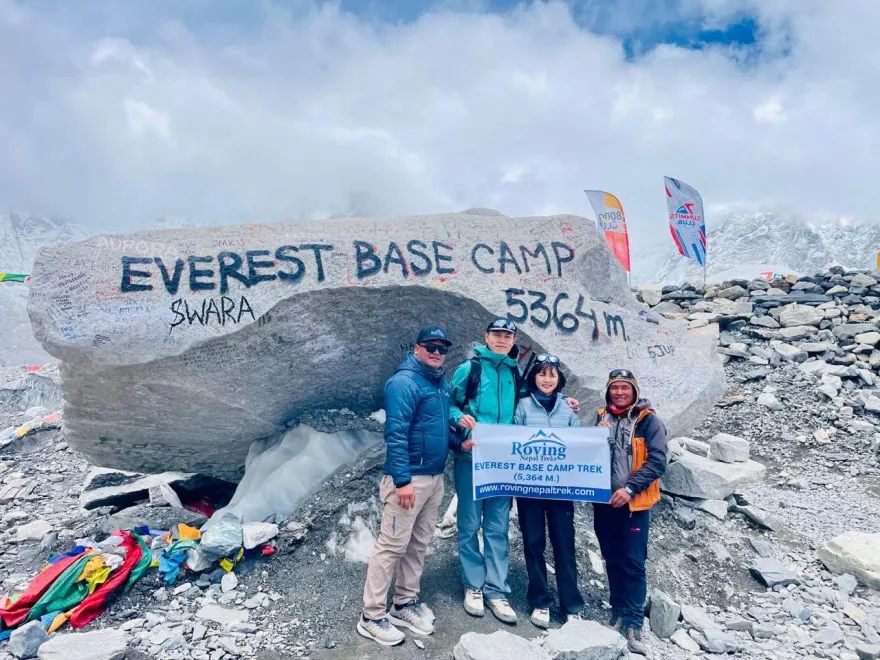
Max. altitude 4,910m / 16,109ft. Today is the major highlight of your Everest Base Camp journey. Start early from Lobuche and follow the trail toward Gorak Shep. The landscape becomes increasingly rugged as you move across rocky terrain and glacial moraines. After reaching Gorak Shep, take a break and have lunch before beginning the final approach to Everest Base Camp. The trail from Gorak Shep to Base Camp follows the glacial and moraine landscape of the Khumbu Glacier. It can be challenging to navigate and requires careful walking. After approximately one and a half hours, you reach Everest Base Camp. Celebrate this incredible achievement at the base camp area and take photographs beside the famous Everest Base Camp marker and surrounding glacier landscape. It is important to note that Mount Everest itself is not directly visible from the exact Base Camp location, so your guide will point out suitable viewpoints along the approach where the mountain can be seen. After spending time at Base Camp, retrace the trail to Gorak Shep. Overnight in Gorak Shep
Max. altitude 5,100m / 16,732ft. Rise before dawn for one of the most spectacular experiences of the entire trek: the ascent of Kala Patthar. The climb takes approximately one and a half hours. As the first light reaches the Himalayas, the surrounding peaks gradually turn golden. From Kala Patthar, enjoy spectacular views of Mount Everest, Nuptse, Pumori, Lhotse and the Khumbu Glacier. After spending time at the viewpoint, descend to Gorak Shep for breakfast. Continue toward Lobuche and stop for lunch before descending further through Thukla toward Pheriche. The significant loss of elevation makes the afternoon more comfortable after the previous days at extreme altitude.
Max. altitude 4,200m / 13,780ft. After breakfast, begin the return journey toward Namche Bazaar. From Pheriche, reconnect with the main Everest Base Camp trail around the Somare area. Continue through the familiar landscapes toward Tengboche. The route gradually descends through forested sections and mountain villages. From Tengboche, continue toward the Dudh Koshi Valley before making the final ascent to Namche Bazaar. After several days at high altitude, arriving back in Namche provides a welcome opportunity to relax, enjoy the cafés and bakeries, and reconnect with the lively atmosphere of the Sherpa town. Overnight in Namche Bazaar
Max. altitude 3,440m / 11,286ft. Today is your final full day of trekking. Retrace the trail from Namche toward Lukla, passing through Monjo and Phakding. The route follows the Dudh Koshi Valley and crosses several suspension bridges along the way. Although the distance is relatively long, the lower elevation makes the walking more comfortable than the high-altitude sections of the trek. Upon reaching Lukla, celebrate the successful completion of your Everest Base Camp adventure with your guide and trekking crew. This is a wonderful opportunity to thank the team members who supported you throughout the journey. Overnight in Lukla
Max. altitude 2,860m / 9,383ft. After breakfast, prepare for your flight from Lukla to Kathmandu. The flight is subject to weather and operational conditions. During peak trekking seasons, flights may operate through Ramechhap/Manthali Airport. Upon arrival in Kathmandu, transfer to your hotel and check in. The remainder of the day is kept deliberately flexible. This day also functions as a reserve day in case your Lukla flight is delayed because of weather or other operational circumstances. Roving Nepal Trek specifically notes that Lukla flights are weather-dependent and that additional flexibility is advisable. If your flight operates as scheduled, you can spend the afternoon relaxing, enjoying a massage, shopping for souvenirs or exploring Thamel. Overnight in Kathmandu
Max. altitude 1,400m / 4,593ft. You get free time to explore different places of Kathmandu Valley on your own.
Max. altitude 1,400m / 4,593ft. We will transfer you to airport for final departure
How much cash should I carry during the trek?
Plan for roughly $25 to $35 USD (in Nepali Rupees) per day to properly cover three meals, hot drinks, Wi-Fi, and battery charging fees.
Are ATMs available along the Everest Base Camp route?
Namche Bazaar and Lukla technically have ATMs. However, they frequently run completely out of cash or randomly break down. Withdraw all your rupees down in Kathmandu.
Is travel insurance required for the trek?
Absolutely. You strictly must have a solid policy that explicitly covers trekking up to 6,000 meters and specifically includes emergency helicopter evacuation.
Can I charge my phone and camera during the trek?
Yes. Teahouse dining rooms clearly have communal charging stations. You pay a fee heavily based on the device or the hour. Bringing a high-capacity solar power bank easily saves money.
· Transport & Transfers
o Airport transfers (pick-up and drop-off) in Kathmandu.
o Round-trip domestic flights (Kathmandu or Ramechhap to Lukla and back to Kathmandu/Ramechhap) including air passenger taxes.
· Permits & Official Documentation
o Sagarmatha National Park Entry Permit.
o Khumbu Pasang Lhamu Rural Municipality Entry Permit.
o Local government taxes and agency service charges.
· Guide & Support Staff
o Licensed, English-speaking trekking guide for the full duration of the trek.
o Shared porter service (typically 1 porter per 2 trekkers, carrying up to 18–20 kg total / 9–10 kg per trekker).
o Daily wage, food, accommodation, equipment, airfare, and insurance for all accompanying guides and porters.
· Accommodation
o Twin-sharing basic teahouse/lodge accommodation along the trekking trail (standard rooms with shared bathroom facilities).
· Safety & Gear Essentials
o Pulse oximeter carried by the guide for daily oxygen level and pulse rate tracking at altitude.
o Comprehensive medical first aid kit managed by the guide.
o Trekking route map and company duffel bag (provided on a loan/return basis).
o Company T-Shirt and Sleeping Bag
o Trek Completion Certificate
· Meals
o Full board meals on the trail: 3 meals a day (Breakfast, Lunch, Dinner) selected from the teahouse menu or set daily local meals.
· Travel Insurance
o Mandatory high-altitude travel and medical insurance covering emergency helicopter evacuation up to 5,500 meters and medical treatment costs.
· International Travel & Visas
o International airfare to and from Kathmandu.
o Nepal Tourist Visa fee ($30 for 15 days / $50 for 30 days) payable upon arrival at Tribhuvan International Airport.
· Kathmandu Extra Expenses
o Lunch and dinner during your stay in Kathmandu.
o Hotel nights in Kathmandu
· Trail Extras & Personal Amenities
o Hot showers and bucket baths at teahouses ($2 – $6 per shower).
o Electronic device charging fees ($2 – $5 per device/power bank).
o Internet access / Wi-Fi cards (Everest Link or local SIM data) on the trail ($3 – $5 per card).
o All beverages: boiled/bottled drinking water, hot teas/coffees, soft drinks, energy drinks, and alcohol.
o Personal snacks, energy bars, and chocolates purchased along the trail.
· Personal Gear & Tipping
o Personal clothing, sleeping bags, down jackets, trekking boots, and trekking poles (available for rental or purchase in Kathmandu).
o Tips and gratuities for the trekking guide and porters (customary expectance on Nepalese treks, typically 10–15% of the trek total).
o Emergency evacuation costs and expenses arising from unforeseen circumstances (weather delays, landslides, flight cancellations).
Your Start Date is the day you land in Nepal, and your End Date is when you fly home.
If the set Budget Cost Everest Base Camp Trek group dates don’t suit your schedule, we can offer alternative dates upon request.
Stick to synthetic materials or merino wool (avoid heavy cotton, as it retains moisture and cold).
· Base Layer: 2x thermal tops & 1x thermal bottom (leggings) for cold days and sleeping.
· Trekking Tops: 2–3 quick-dry short/long-sleeve shirts.
· Trekking Pants: 2x breathable/quick-dry pants (convertible pants are a great budget option).
· Mid-Layer: 1x fleece jacket or heavy fleece pullover.
· Outer Layer (Warmth): 1x Heavy Down Jacket (-10°C to -15°C rating). (Rent this in Thamel for cheap instead of buying).
· Outer Layer (Weather): 1x Windproof/Waterproof rain shell jacket + light rain pants or a sturdy poncho.
· Underwear: 4–5 pairs of quick-dry performance underwear.
· Trekking Boots: Broken-in, waterproof mid/high-ankle boots. (Do not buy cheap/new boots right before the trek—blisters will ruin your trip).
· Camp Shoes: 1x pair of lightweight sandals, Crocs, or light trainers for teahouse evenings.
· Socks: 4x pairs of thick merino/wool hiking socks + 1x pair of warm clean socks strictly for sleeping.
· Headwear: 1x sun hat / baseball cap, 1x warm fleece beanie, and 1x Buff/neck gaiter.
· Gloves: 1x pair of lightweight fleece liner gloves + 1x pair of warm/insulated windproof gloves.
· Eyewear: 1x UV400 polarized sunglasses (essential to prevent snow blindness above 4,000 m).
· Backpack:
o If trekking without a porter: A 50L–60L durable backpack with a rain cover.
o If trekking with a porter: A 20L–30L daypack for yourself + a 60L–80L duffel bag for the porter.
· Sleeping Bag: 4-season sleeping bag rated to -15°C (5°F). (Rent in Kathmandu).
· Sleeping Bag Liner: Adds extra warmth and keeps rented sleeping bags clean.
· Trekking Poles: 1 pair adjustable poles (saves your knees on steep descents). (Rent or buy cheap in Thamel).
Buying bottled water on trail gets extremely expensive ($2–$4 per bottle high up).
· Water Purification: Water purification tablets (Aquatabs / Chlorine Dioxide) or a squeeze filter (e.g., Sawyer Squeeze).
· Water Bottles: 2x 1-Liter wide-mouth Nalgene-style hard plastic bottles. (Nalgene bottles can hold hot water at night to act as a bed warmer).
· First Aid / Meds:
o Diamox (Acetazolamide): Buy cheaply over the counter in Kathmandu for altitude prevention.
o Basic painkillers (Ibuprofen/Paracetamol), anti-diarrheal tablets, throat lozenges, and blister pads/moleskin.
o SPF 50+ sunscreen and SPF lip balm.
Teahouses charge per hour/device for electricity and hot showers high up.
· Power Bank: 1x 20,000 mAh power bank. Keep electronics inside your sleeping bag at night so the cold doesn't drain the battery.
· Headlamp: Essential for early morning pushes (e.g., Kala Patthar) and nighttime teahouse trips.
· Wet Wipes & Toilet Paper: 2–3 packs of wet wipes (your "cold shower" substitute) and 2–3 rolls of toilet paper (teahouses do not supply this for free).
· Microfiber Towel: Small, quick-drying towel.
1. Rent Gear in Kathmandu: Renting a down jacket, sleeping bag, and trekking poles for 12 days usually costs under $35–$45 USD total, saving you hundreds compared to buying.
2. Bring Cash in NPR: ATMs high up (e.g., Namche) are unreliable. Carry enough Nepali Rupees from Kathmandu to cover charging, hot water, Wi-Fi, and meals.
3. Trail Snacks: Buy your energy bars, nuts, and instant coffee in Kathmandu super markets—prices double or triple once you fly to Lukla.
It’s a stripped-down, highly efficient package covering just the vital logistics: guides, porters, permits, flights, and beds. You control your own spending on meals, drinks, and trail extras.
The standard itinerary takes 12 to 14 days from Kathmandu and back. This directly includes the walk up, the walk down, and two crucial acclimatization days.
It is physically demanding but entirely non-technical. Expect 6 to 8 hours of daily walking on rough terrain at high altitude. Sheer stamina and mental toughness are required.
You will reach 5,364 meters (17,598 feet) at Everest Base Camp. If you push up Kala Patthar for sunrise, you hit 5,545 meters (18,192 feet).
You heavily rely on well-broken-in hiking boots, a high-quality down jacket, a sleeping bag rated for -15°C, thermal base layers, and a reliable daypack.
Bring smart layers. Pack moisture-wicking shirts, trekking pants, warm socks, a heavy fleece, a waterproof shell, gloves, a warm hat, a bright headlamp, and water purification tablets.
No formal high-altitude experience is required. However, you must be physically active, highly comfortable walking long distances, and mentally prepared for basic living conditions.
You sleep in basic, family-run teahouses. Rooms are unheated, twin-share wooden boxes with thin plywood walls and foam mattresses. You strictly use communal bathrooms.
In our budget format, meals are completely excluded. You buy your own food directly from the teahouse menus, giving you total control over your daily spending. Teahouse menus are surprisingly massive. You will regularly find local dal bhat, momos, garlic soup, fried rice, pancakes, hot pasta, and even basic mountain pizzas.
Yes, but you pay extra for them. Teahouses charge strict hourly or daily rates for Wi-Fi. You also pay a set fee to charge your phone or power bank.
Spring (March to May) and Autumn (September to November) consistently offer the clearest skies, stable weather, and the absolute best mountain views.
| No of people | Price per person |
|---|---|
| 1 - 3 | $1,600 |
| 4 - 7 | $1,499 |
| 7 - 10 | $1,450 |
| No of people | Price per person |
|---|---|
| 2 - 4 | $2,150 |
| 4 - 10 | $2,000 |
| No of people | Price per person |
|---|---|
| 1 - 3 | $2,400 |
| 4 - 8 | $1,900 |
| 8 - 12 | $1,700 |
| No of people | Price per person |
|---|---|
| 1 - 1 | $1,200 |
| 2 - 4 | $850 |
| 4 - 8 | $800 |
| 8 - 15 | $750 |
| 15 - 30 | $700 |
| No of people | Price per person |
|---|---|
| 1 - 1 | $1,700 |
| 2 - 4 | $1,400 |
| 4 - 6 | $1,350 |
| 6 - 10 | $1,300 |
| 10 - 20 | $1,250 |
| No of people | Price per person |
|---|---|
| 1 - 1 | $2,499 |
| 2 - 4 | $1,899 |
| 4 - 8 | $1,799 |
| 8 - 15 | $1,750 |