Need help with booking? Send us a message.
Every trekker's dream is to do the Everest Base Camp Trek once in their life. Meanwhile getting EBC trek with heli return is a beautiful opportunity in itself. Roving Nepal Trek has been making it possible to complete this trek.
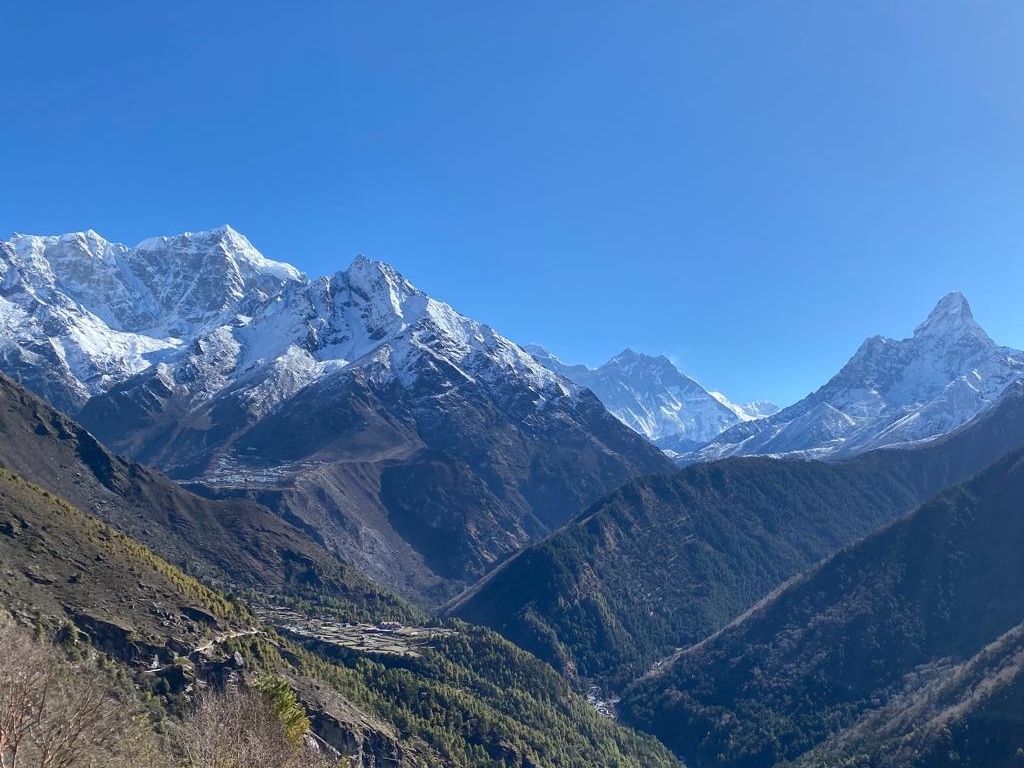
It is a 12-day trek where you will be standing beneath the tallest mountain in the world. Besides Everest, there are opportunities to view mountains like Ama Dablam, Cho Oyu, Lhotse, etc.
However, a good trekking agency like Roving Nepal Trek is a must if you are thinking of making this journey safe and memorable. There are many more aspects to understand than itinerary so stick with us as we explain in detail.
These could be important questions that readers might be having. Whether they can perform this trek or not could be the major query. To make it easier to understand you will need to be physically fit.
Although the experienced guides from Roving Nepal Trek will help you your physical stamina is the key. You will need to trek for at least 5 hours in the rugged terrains every day. Not only that some days might be longer for treks.
The changes in weather along with the frequent drop in weather could present new challenges but with good physical health and mental strength you can do it.
We can also provide long itinerary which is meant for elderly citizens and kids for successful Everest Trek.
The answer to this could be different for different people. The major reason why the EBC trek with heli return is difficult is because you need to be fit.
If you have an experience of trekking and can walk the long journey it isn't difficult. EBC trek with heli return isn't as tough as the Annapurna circuit trek.
There might be rugged terrains even in EBC trek with heli return but with the fixed routes the journey seems to be easier. Meanwhile, the experienced guides from Roving Nepal Trek make the journey worth your effort.
Lastly, you will need to be in good physical shape and start your physical exercises 3 months before starting this trekking journey. Anyone with an increased weight shouldn't focus on this trekking journey.
Like a lot of other treks in Nepal, autumn and spring are the best time to do the EBC trek with heli return. With the best weather and clear skies, you get an opportunity to embrace the actual beauty of Nepal.
However, it doesn't mean you only can perform treks in autumn and spring. There are a lot of trekkers who book the winter treks with Roving Nepal Trek for EBC with heli return. But it is important to say these are tough times.
You will need to be an experienced trekker to do the EBC trek with heli return during the winter season. With the temperature going below negative, it becomes very difficult to complete the trek.
Advantages of Choosing Roving Nepal Trek for EBC Trek with Heli Return
There are plenty of trekking agencies in Kathmandu and overall Nepal that provide the EBC trek with heli return. But there are some specific advantages of choosing Roving Nepal Trek as your next guide for the trip.
Not only with the experience of the guides and also the rich history of the trekking agency, there are some unique and specific reasons why you should choose, Roving Nepal Trek. They are:
It is very difficult to predict the actual cost of an EBC trek with heli return. Any trek that goes beyond 10 days majorly remains on the higher side. Not only that EBC is a tough trek and you could face some unseen circumstances.
This could result in increased and decreased costs. But with Roving Nepal Trek you could have some cost considerations if you book in with a larger group.
From accommodation to food and other unseen circumstances, the cost could be high or low based on the situation. Henceforth predicting the actual cost is tough. If you are willing to know in more detail contact Roving Nepal Trek.
The first day of the trek marks the arrival in Kathmandu. Trekkers will be landing at the international airport and members from Roving Nepal Trek will receive them. You will be spending the night at the respective hotels.
 Accommodation 3-star Hotel
  Max. altitude 1,400m / 4,593ft.
 After spending the first day in Kathmandu we will take the early morning flight to Lukla. On one of the most scenic flights, you will reach Lukla in 35 minutes. Following that we will trek to Phakding which takes 4 hours. Tourists will spend overnight at Phakding.
Accommodation Tea House Max. altitude 2,610m / 8,563ft. The third day marks the entry to the gateway of Mount Everest. Yes, we are talking about Namche Bazaar. Following a long and rigged trek of more than 5 hours we will reach Namche Bazaar, spending the night there
Accommodation Tea House Max. altitude 3,440m / 11,286ft. Accommodation Tea House Max. altitude 3,440m / 11,286ft. Accommodation Tea House Max. altitude 3,860m / 12,664ft. Accommodation Tea House Max. altitude 4,410m / 14,469ft. Accommodation Tea HOUSE Max. altitude 5,083m / 16,677ft. The journey moves to even tougher terrains when we trek towards Dingboche. Trekkers could feel slight altitude sickness as the altitude reaches 4910m. A trekking of 6 hours will take you to Dingboche.
Accommodation Tea House Max. altitude 4,910m / 16,109ft. Accommodation Tea House Max. altitude 5,364m / 17,598ft. Accommodation tea House Max. altitude 5,555m / 18,225ft. As the Roving Nepal Trek team celebrates their journey at Lukla, we have to return to Kathmandu on the 11th day. It will be a 35 minute flight from Lukla to Kathmandu. As we reach Kathmandu, tourists have an option to tour the city as the guides will help you with it
Accommodation 3-star Hotel Max. altitude 1,400m / 4,593ft. Two nights 3-star hotel in Kathmandu with breakfast
All Ground Transport n private vehicles , includes airport pick up drop
Two nights 3-star hotel in Kathmandu with breakfast
Full board meals during the trek.
Best available twin-sharing lodge-to-lodge accommodation during the trek
One highly experienced, helpful, and friendly guide, porters (1 porter for 2 people), and their food, accommodation, salary, equipment, and accidental insurance for all staff.
Round-trip to/from Lukla, including transfers (flights operate via Ramechhap Airport during peak season).
Duffle bag for the trek.
Service of Heli shuttle from Gorekshep to Lukla.
Duffle bag for the trek.
Down jacket and sleeping bag during the trek, if required.
Roving Nepal Trek T-shirt, trekking map, and trip achievement certificate.
First aid medicine kit with an oximeter to monitor oxygen level and heartbeat during the trek.
All required trekking permits, including Sagarmatha National Park and Khumbu Pasang Lhamu Rural Municipality fees.
Government taxes & office service charge
Lunches and dinners while in Kathmandu.
Personal travel insurance.
International airfare.
Nepal entry visa. Upon arrival at Tribhuvan International Airport in Kathmandu, a visa can be obtained quickly. A multiple-entry tourist visa for 30 days is available for US $50 or equivalent in foreign currency. Similarly, a multiple-entry tourist visa for 90 days can be obtained for US $100. Please bring two passport-size photos.
Soft drinks, including water.
Local/guided tours in Kathmandu.
Snacks and other personal expenses.
Hot showers during the trek, except in Phakding, Namche, and Lukla.
Personal trekking equipment.
Wi-Fi internet and phone calls unless they are free.
Tips and gratuities for trekking staff and drivers.
Your Start Date is the day you land in Nepal, and your End Date is when you fly home.
If the set Everest Base Camp Trek With Heli Return group dates don’t suit your schedule, we can offer alternative dates upon request.
1. The Layering System (Clothing)
No cotton allowed! Cotton traps sweat and will freeze against your skin. Stick to synthetic blends or merino wool.
Base Layer (Next to Skin)
Insulation Layer (Mid-Layer)
Outer Layer (Weather Protection)
2. Hands, Feet & Head
Your extremities are the first to feel the high-altitude chill.
3. Gear & Electronics
4. Toiletries, Health & First Aid
Running water is rare at high altitudes, and things freeze overnight.
· The Heli-Return Golden Rule: Keep your passport, permit paperwork, wallet, and critical medication in your daypack, never in the duffel bag. When you board the helicopter at Gorak Shep or Pheriche, duffel bags are sometimes loaded onto separate cargo flights or separate helicopter runs depending on weight restrictions. You want your vital documents physically on your lap.
EBC was my best trip ever. The beauty of Nepal is cant be compared. Big thanks to the Roving hiking team which made the trek easy and smooth for us to cover. Special thnx to GOKARNA. LOVE EBC.
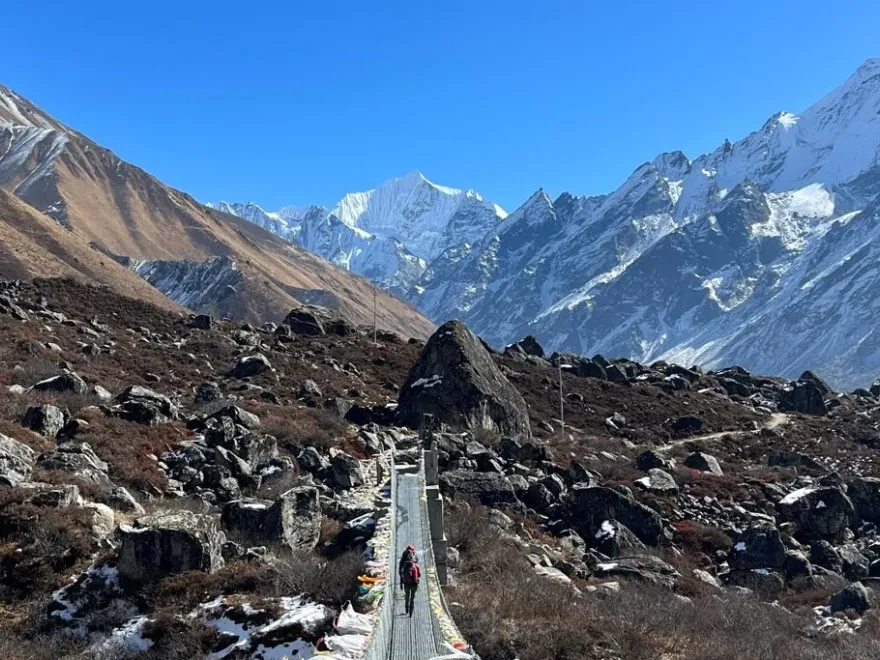
The Everest Base Camp Trek with Helicopter Return combines Nepal's most iconic trekking adventure with the convenience of a scenic helicopter flight back to Kathmandu. Trekkers hike through the famous Khumbu Valley, passing Sherpa villages, Buddhist monasteries, suspension bridges, and alpine landscapes before reaching Everest Base Camp (5,364 m) and Kala Patthar (5,545 m). Instead of retracing the trail back to Lukla, the return journey is completed by helicopter, providing breathtaking aerial views of Mount Everest, glaciers, and Himalayan valleys while reducing the overall trekking duration by several days. This option is ideal for travelers seeking the complete Everest trekking experience with greater comfort and time efficiency.
The trek is generally rated as moderately challenging to challenging, primarily because of the high altitude rather than technical difficulty. Trekkers usually walk 5 to 7 hours daily, covering approximately 8 to 15 kilometers depending on the day's itinerary. The highest point, Kala Patthar, reaches 5,545 meters, where oxygen levels are about half of those at sea level. Although no climbing experience is necessary, good physical fitness is essential. Regular cardiovascular training, hiking, and leg-strengthening exercises before the trek significantly improve endurance and overall enjoyment of the journey.
The primary difference is the return journey. A traditional Everest Base Camp Trek requires trekkers to descend on foot over several days back to Lukla, making the entire trip last approximately 12 to 14 days. The Helicopter Return package eliminates the return trek by flying directly from Gorakshep or Pheriche to Kathmandu, reducing the overall duration while providing spectacular aerial views of Everest, the Khumbu Glacier, and surrounding Himalayan peaks. This option is especially popular with travelers who have limited vacation time or wish to avoid the physical strain of the long descent.
Yes. Altitude sickness is the most significant challenge of the Everest Base Camp Trek. The trek reaches elevations above 5,500 meters, where oxygen levels are approximately 50% of sea level. Symptoms may include headaches, nausea, dizziness, fatigue, difficulty sleeping, and loss of appetite. The itinerary includes carefully planned acclimatization days at Namche Bazaar and Dingboche to help the body adjust naturally. Drinking 3 to 4 liters of water daily, walking at a steady pace, eating nutritious meals, and immediately informing your guide of any symptoms greatly reduce the risk of serious altitude-related illnesses.
The Everest Base Camp Trek with Helicopter Return offers the perfect balance between adventure, comfort, and efficiency. Trekkers experience every major highlight of the classic Everest route, including Namche Bazaar, Tengboche Monastery, Everest Base Camp, and Kala Patthar, while avoiding the repetitive four-day descent back to Lukla. The helicopter flight provides an unforgettable bird's-eye view of the Himalayas and allows travelers to save valuable time without missing the most important trekking experiences. It is an excellent choice for those seeking a premium Everest adventure with added convenience.
Preparing physically is one of the most important steps before attempting the Everest Base Camp Trek. Since you'll be hiking 5 to 7 hours each day at increasingly higher altitudes, it is recommended to begin training 6 to 8 weeks before your trip. Focus on cardiovascular exercises such as hiking, jogging, cycling, swimming, and stair climbing to improve endurance. Strength training for your legs, core, and lower back will help you carry your daypack more comfortably on uneven terrain. If possible, practice hiking with a backpack weighing 5 to 8 kg to simulate actual trekking conditions. Regular stretching also improves flexibility and reduces muscle soreness. Good preparation allows you to enjoy the journey while reducing fatigue and minimizing the risk of injury.
The Everest region experiences dramatic temperature changes, making a proper layering system essential. Daytime temperatures in lower villages like Lukla and Namche Bazaar can range from 10°C to 20°C, while temperatures at Gorakshep and Kala Patthar often fall below -15°C, especially before sunrise. Your packing list should include moisture-wicking base layers, trekking shirts, fleece jackets, an insulated down jacket, waterproof jacket and trousers, thermal underwear, warm gloves, woolen hat, neck gaiter, and several pairs of trekking socks. Waterproof trekking boots with good ankle support are highly recommended, and they should be well broken in before the trek to prevent blisters. Layering allows you to adjust your clothing according to the weather and altitude throughout the journey.
Carrying the right equipment significantly improves comfort and safety during the Everest Base Camp Trek. A 25 to 35-liter daypack is ideal for carrying your daily essentials such as water, snacks, extra clothing, camera, and personal items. Trekking poles help reduce pressure on your knees during steep ascents and descents, particularly on rocky terrain. Other essential gear includes UV-protection sunglasses, sunscreen (SPF 30 or higher), lip balm, headlamp with spare batteries, reusable water bottles or hydration bladder, water purification tablets, rain cover, power bank, basic first-aid kit, and personal medications. A sleeping bag rated to approximately -15°C is also recommended, especially during spring, autumn, and winter departures.
Although teahouses provide beds, blankets, and pillows, bringing a sleeping bag is highly recommended. Rooms at higher elevations are generally unheated, and nighttime temperatures at Gorakshep can easily drop below -10°C, even during the peak trekking seasons. A sleeping bag rated between -10°C and -15°C offers additional warmth and improves sleeping comfort. Many trekking companies also provide sleeping bags as part of the package or offer them for rent in Kathmandu. A good night's sleep is especially important for proper acclimatization and recovery before long trekking days.
Yes. Kathmandu has many reputable outdoor stores where trekkers can rent or purchase high-quality trekking equipment. Common rental items include down jackets, sleeping bags, trekking poles, duffel bags, backpacks, and crampons (for winter treks if needed). Renting equipment is an economical choice for travelers who do not regularly participate in high-altitude trekking. However, personal items such as trekking boots, thermal clothing, socks, and base layers should ideally be brought from home to ensure proper fit, comfort, and hygiene. Most rental equipment is specifically designed for Himalayan trekking and is suitable for Everest Base Camp conditions.
Accommodation during the Everest Base Camp Trek is primarily in traditional Sherpa teahouses, which provide simple but comfortable lodging throughout the Khumbu region. Most rooms feature twin beds with mattresses, pillows, and blankets, while bathrooms are usually shared, especially at higher elevations. Lower villages such as Lukla and Namche Bazaar offer more comfortable lodges with attached bathrooms and better facilities, whereas accommodations become more basic above Dingboche. Dining halls are typically heated with a central stove in the evenings, creating a warm and welcoming environment where trekkers can relax after a long day. Despite their simplicity, teahouses offer an authentic Himalayan experience and a chance to interact with local Sherpa families.
The Everest region offers a wide selection of freshly prepared meals designed to meet the energy needs of trekkers. The most popular option is Dal Bhat, Nepal's traditional meal consisting of rice, lentil soup, seasonal vegetables, curry, and pickles, often with unlimited rice refills. Other menu items include fried rice, pasta, noodles, pizza, soups, potatoes, momos, eggs, porridge, Tibetan bread, sandwiches, and pancakes. Many bakeries in Namche Bazaar also sell pastries, cakes, and coffee. As supplies are transported by porters, yaks, and helicopters, food prices increase with altitude. High-carbohydrate meals are generally recommended because they provide sustained energy and support acclimatization.
Safe drinking water is readily available throughout the Everest region, although trekkers should avoid untreated tap or stream water. Most teahouses sell boiled or filtered drinking water, and several villages have refill stations that promote environmentally friendly trekking. Carrying a reusable water bottle or hydration bladder with a capacity of 1 to 2 liters is strongly recommended. Many trekkers also carry purification tablets, portable filters, or UV purification devices for added safety. Drinking approximately 3 to 4 liters of water per day helps prevent dehydration, improves acclimatization, and reduces the likelihood of altitude sickness during the trek.
Yes. Vegetarian meals are widely available throughout the Everest region, and many teahouses also prepare vegan-friendly meals upon request. Popular vegetarian dishes include Dal Bhat, vegetable fried rice, vegetable noodles, soups, pasta, potatoes, chapati, and porridge. Since fresh meat becomes less reliable at higher elevations due to transportation limitations, many guides recommend choosing vegetarian meals above Namche Bazaar. Travelers following vegan or gluten-free diets should inform their trekking company in advance so that guides can communicate dietary requirements to lodge owners whenever possible. Although menu choices become more limited at higher elevations, most dietary needs can still be accommodated with proper planning.
Most villages along the Everest Base Camp route provide electricity, Wi-Fi, and hot shower facilities, although these services usually require an additional fee. Charging electronic devices generally costs between NPR 300 and NPR 600, depending on altitude and available power sources. Wi-Fi is available in many teahouses but becomes slower and less reliable at higher elevations. Mobile phone coverage is also inconsistent beyond Namche Bazaar. Carrying a fully charged power bank is highly recommended to ensure your phone, camera, or GPS device remains operational throughout the trek. Hot showers are available in many villages, although they may be limited at the highest elevations.
The best seasons for the Everest Base Camp Trek are spring (March to May) and autumn (September to November). Spring offers moderate temperatures, blooming rhododendron forests, and clear mountain views, while autumn provides stable weather and exceptional visibility following the monsoon season. Daytime temperatures at lower elevations generally range from 10°C to 20°C, while temperatures at Everest Base Camp and Kala Patthar often remain below freezing. These seasons provide the safest conditions for trekking and helicopter flights, making them the most popular times to visit the Everest region.
Yes. Winter trekking between December and February offers fewer crowds, crystal-clear mountain views, and a peaceful trekking experience. However, temperatures can become extremely cold, especially at Gorakshep and Kala Patthar, where nighttime temperatures may fall below -20°C. Snowfall occasionally affects trail conditions, and helicopter operations may experience weather-related delays. Proper winter clothing, insulated sleeping bags, and flexible travel plans are essential for anyone considering a winter Everest adventure.
The trek is possible during the June to August monsoon season, but it presents several challenges. Frequent rainfall affects Lukla flights, increases cloud cover, and makes lower trails muddy and slippery. Leeches are occasionally found in forested sections below Namche Bazaar. On the positive side, the trails are much quieter, and the surrounding landscapes become lush and green. Trekkers choosing the monsoon season should pack waterproof clothing, backpack rain covers, and quick-drying layers while allowing additional flexibility for possible flight delays.
Temperatures vary greatly depending on altitude and season. Lukla and Namche Bazaar generally experience daytime temperatures between 10°C and 20°C, while Dingboche and Lobuche are considerably colder. At Gorakshep and Kala Patthar, daytime temperatures often range between -5°C and 5°C, while nighttime temperatures commonly fall below -15°C during spring and autumn. Winter temperatures can be significantly lower. Dressing in multiple layers is the most effective way to stay comfortable throughout the trek.
Yes. Helicopter flights in the Everest region are highly dependent on weather conditions. Poor visibility, strong winds, snowfall, or heavy rain may delay or temporarily suspend helicopter operations for safety reasons. If weather conditions prevent flying, trekkers may need to wait until conditions improve or continue descending on foot to a lower altitude where flying becomes possible. It is strongly recommended to keep one or two extra days available in your Nepal travel schedule to accommodate any weather-related delays.
Although regulations may change over time, trekking with a licensed guide is strongly recommended for the Everest Base Camp Trek. Guides assist with navigation, accommodation, permits, acclimatization monitoring, weather updates, and emergency response. They also provide valuable insights into Sherpa culture, local traditions, and Himalayan history. An experienced guide greatly enhances both safety and the overall trekking experience, particularly in the event of altitude-related issues or unexpected weather changes.
Hiring a porter is optional but highly recommended. A porter typically carries 20 to 25 kg, often shared between two trekkers, allowing each trekker to carry only a lightweight daypack. This significantly reduces physical strain during long trekking days and enables you to conserve energy for higher elevations. Employing local porters also supports the economy of Sherpa communities and contributes to responsible tourism in the Everest region.
The Everest Base Camp Trek is considered safe for healthy individuals who follow proper acclimatization procedures and trek with experienced guides. Guides carry first-aid kits, monitor trekkers for altitude sickness, and coordinate emergency assistance when required. Helicopter evacuations are available in serious medical situations, provided appropriate travel insurance is in place. Walking at a comfortable pace, staying hydrated, and following guide instructions greatly reduce potential risks associated with high-altitude trekking.
Yes. Comprehensive travel insurance is essential for the Everest Base Camp Trek. Your policy should specifically cover trekking up to 5,500 meters, emergency helicopter evacuation, medical treatment, hospitalization, trip interruption, and lost baggage. Rescue operations in the Everest region can be expensive, often costing several thousand US dollars. Carefully review your insurance policy before traveling to ensure high-altitude trekking is fully covered.
Gradual acclimatization is the most effective way to reduce the risk of altitude sickness. Drink 3 to 4 liters of water daily, eat balanced carbohydrate-rich meals, avoid alcohol, sleep well, and maintain a slow, steady walking pace. The itinerary includes important acclimatization days that should never be skipped. If you develop symptoms such as persistent headache, dizziness, nausea, or unusual fatigue, notify your guide immediately. Early recognition and appropriate action greatly improve safety at high altitude.
Trekkers visiting the Everest region require the Sagarmatha National Park Entry Permit and the Khumbu Pasang Lhamu Rural Municipality Entrance Permit. These permits contribute to conservation efforts, trail maintenance, and local community development within the Everest region. Most trekking companies arrange all required permits before the trek begins, making the process simple for travelers. You should always carry your permits during the trek, as they are checked at several official entry points along the route.