Need help with booking? Send us a message.
Kathmandu - Besisahar - Manang - Tilicho - Thorong La - Muktinath - Pokhara - Kathmandu
Tea House
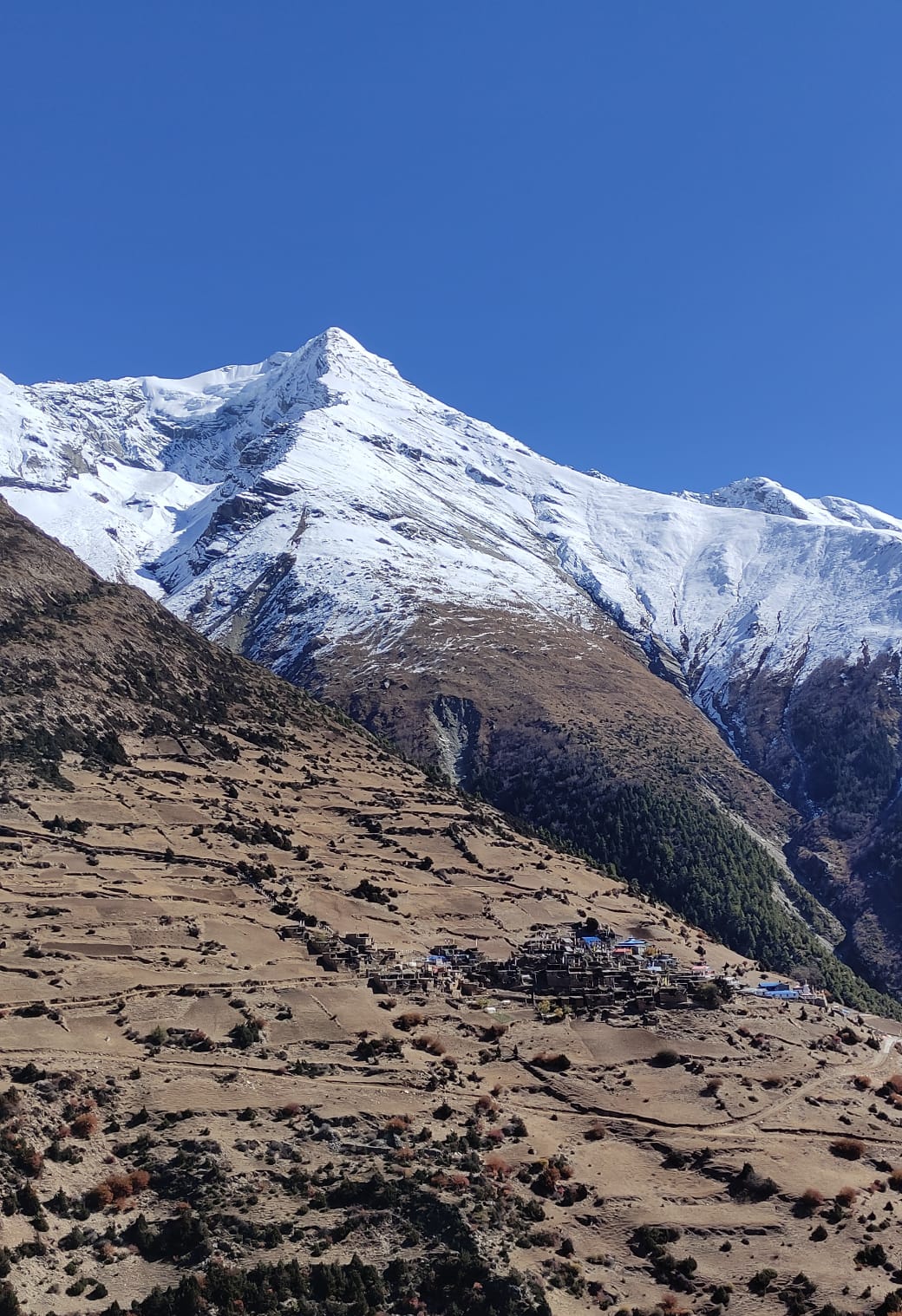
The Annapurna Circuit Trek with Tilicho Lake is one of Nepal's most rewarding trekking experiences, combining the legendary Annapurna Circuit with a visit to the breathtaking Tilicho Lake, one of the world's highest lakes. This remarkable journey takes you through diverse landscapes, traditional mountain villages, lush forests, alpine meadows, dramatic river valleys, and the spectacular Thorong La Pass (5,416 m), offering a perfect blend of natural beauty, cultural immersion, and high-altitude adventure.
Unlike many treks that focus on a single destination, the Annapurna Circuit showcases Nepal's incredible geographical diversity. Within a few days, trekkers transition from subtropical forests and terraced farmland to rugged alpine terrain and snow-covered mountain passes. The addition of Tilicho Lake makes the journey even more extraordinary, rewarding trekkers with stunning turquoise waters surrounded by towering Himalayan peaks.
Whether you are an experienced trekker or a physically fit adventurer seeking your first Himalayan challenge, the Annapurna Circuit Trek with Tilicho Lake offers unforgettable scenery, authentic local culture, and lifelong memories.
The Annapurna Circuit has long been recognized as one of the world's finest trekking routes. Adding Tilicho Lake transforms this classic trek into an even more spectacular adventure.
This trek allows you to experience:
Unlike shorter treks, the Annapurna Circuit offers an ever-changing landscape, ensuring that every trekking day feels different from the last.
The adventure begins with a scenic drive from Kathmandu to the trailhead before following the Marsyangdi River valley through charming Gurung and Tibetan-influenced villages. As you ascend gradually, you'll pass waterfalls, suspension bridges, pine forests, and terraced fields before reaching the beautiful village of Manang.
A rest day in Manang allows for proper acclimatization while offering opportunities for short hikes to nearby viewpoints. From here, the route diverts toward the spectacular Tilicho Lake. The trail becomes more rugged and dramatic as you cross landslide-prone sections and rocky cliffs before reaching Tilicho Base Camp.
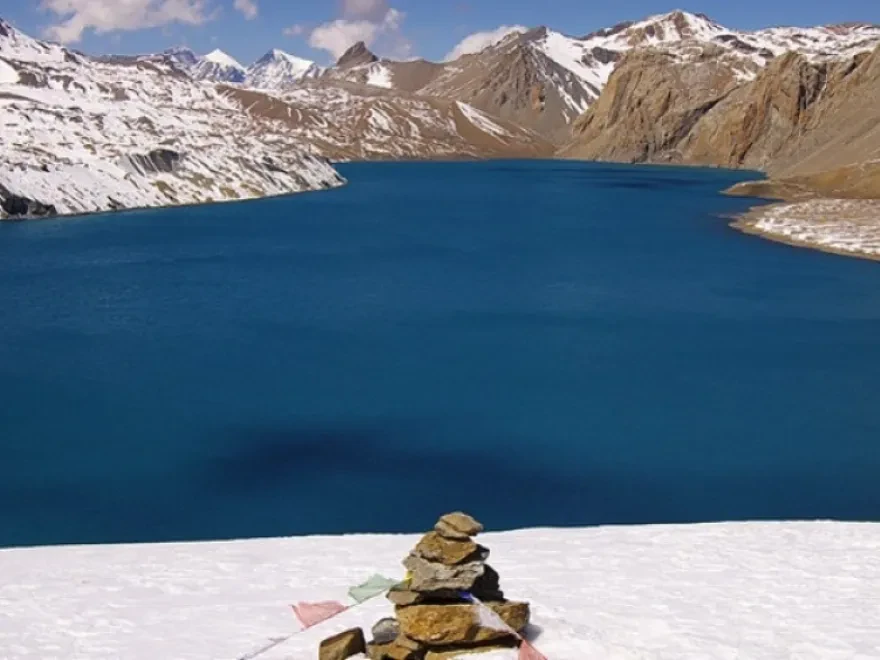
An early morning hike brings you to the magnificent Tilicho Lake, where crystal-clear turquoise waters reflect the surrounding snow-covered peaks. Standing beside one of the highest alpine lakes in the world is a truly unforgettable experience.
After returning to the main Annapurna Circuit, the journey continues toward Yak Kharka and Thorong Phedi before crossing the legendary Thorong La Pass. This challenging yet rewarding day offers panoramic views of the Annapurna and Dhaulagiri mountain ranges.
Descending from the pass, you'll arrive at the sacred pilgrimage site of Muktinath, revered by both Hindus and Buddhists. The trail then continues through the dramatic Kali Gandaki Valley before concluding with a scenic drive or flight, depending on your itinerary.
Tilicho Lake is undoubtedly one of Nepal's most spectacular alpine lakes. Nestled beneath the towering cliffs of Tilicho Peak and surrounded by rugged Himalayan landscapes, the lake's vivid blue waters create an unforgettable contrast against snow-covered mountains.
Reaching Tilicho Lake requires additional effort compared to the standard Annapurna Circuit, but the reward is one of Nepal's most iconic high-altitude destinations.
Crossing Thorong La Pass is the highest point of the trek and one of the greatest achievements for trekkers in Nepal.
The ascent begins before sunrise, allowing trekkers to reach the pass before afternoon winds develop. Colorful prayer flags mark the summit, while breathtaking panoramic views stretch across the Annapurna and Dhaulagiri Himalayan ranges.
Successfully crossing Thorong La is a memorable milestone and one of the defining moments of the Annapurna Circuit.
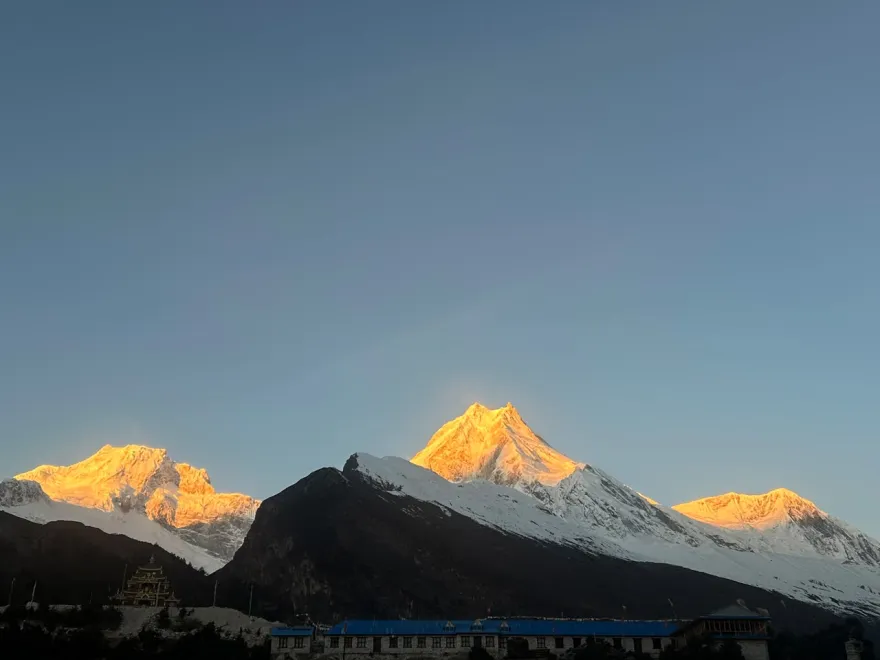
Manang is one of the most fascinating villages in the Himalayas. Surrounded by snow-capped mountains, it serves as an essential acclimatization stop before heading to higher elevations.
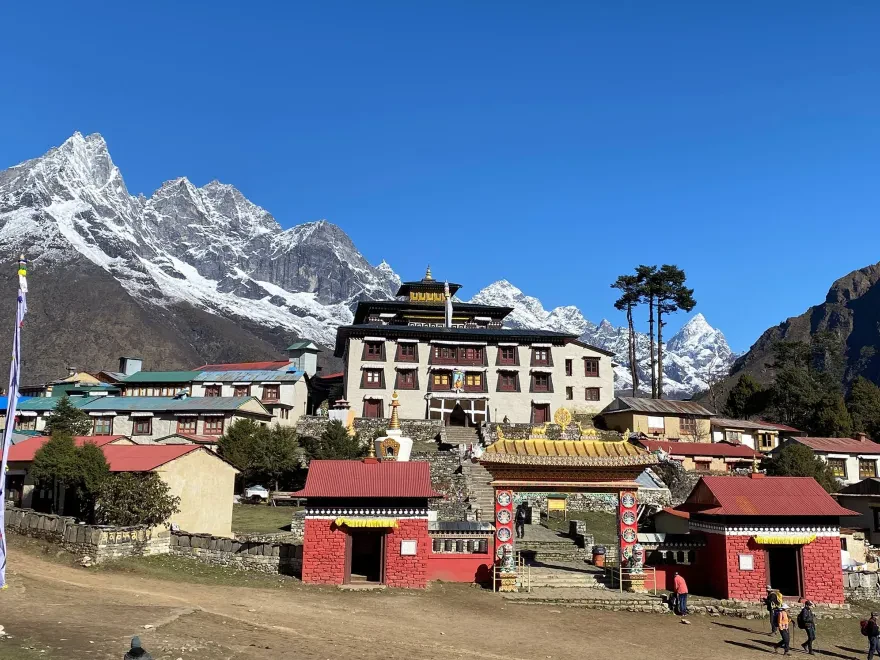
Visitors can explore ancient monasteries, bakeries, museums, and traditional stone villages while enjoying magnificent mountain views.
Popular acclimatization hikes include:
These hikes help improve acclimatization while providing spectacular scenery.
Located at an elevation of 3,800 meters, Muktinath is one of Nepal's most sacred pilgrimage destinations.
The temple attracts thousands of Hindu and Buddhist pilgrims every year who come to bathe beneath the 108 water spouts and worship the eternal natural flame.
Even for non-religious visitors, Muktinath offers a peaceful atmosphere and unique cultural experience.
One of the greatest advantages of the Annapurna Circuit Trek with Tilicho Lake is the incredible variety of mountain panoramas.
Depending on weather conditions, trekkers can enjoy views of:
Every stage of the trek reveals new perspectives of these magnificent Himalayan giants.
The Annapurna region is home to several ethnic communities, each with its own traditions, architecture, language, and way of life.
Lower elevations are predominantly inhabited by Gurung and Magar communities, while the higher villages around Manang and Mustang reflect strong Tibetan Buddhist influences.
Along the trail, trekkers will encounter:
Interacting with local families and staying in teahouses provides an authentic cultural experience that is as memorable as the mountain scenery itself.
The Annapurna Conservation Area is Nepal's largest protected conservation area and supports an incredible diversity of ecosystems.
During the trek, you'll pass through:
Wildlife occasionally spotted includes:
Spring is particularly beautiful when rhododendron forests bloom with vibrant colors.
The Annapurna Circuit Trek with Tilicho Lake is considered a moderately challenging to challenging trek.
While no technical climbing experience is required, trekkers should be prepared for long walking days, steep ascents, rocky terrain, and high-altitude conditions.
The most demanding sections include:
A good level of physical fitness and proper acclimatization are essential for a safe and enjoyable journey.
The best seasons are spring (March to May) and autumn (September to November).
Spring
Spring offers blooming rhododendron forests, stable weather, moderate temperatures, and excellent mountain visibility. This season is perfect for photographers and nature lovers.
Autumn
Autumn is the most popular trekking season due to its crystal-clear skies, dry trails, and spectacular mountain views after the monsoon.
Winter
Winter treks are possible, but heavy snowfall may temporarily close Thorong La Pass, making itinerary changes necessary.
Monsoon
The summer monsoon brings rain to the lower regions, muddy trails, and limited mountain visibility. However, the Manang and Mustang areas receive comparatively less rainfall due to the Himalayan rain shadow.
The Annapurna Circuit Trek with Tilicho Lake follows a well-established teahouse route.
Most accommodations provide:
Although accommodations become more basic at higher elevations, they remain comfortable and welcoming.
Teahouses serve a wide variety of freshly prepared meals.
Popular menu items include:
Dal Bhat is particularly recommended because it provides balanced nutrition and unlimited refills in many teahouses.
The Annapurna Circuit Trek with Tilicho Lake is far more than a mountain hike—it is a complete Himalayan experience. Every day presents new landscapes, fascinating cultures, dramatic mountain scenery, and unforgettable challenges. From the tranquil beauty of Tilicho Lake to the exhilarating crossing of Thorong La Pass and the spiritual atmosphere of Muktinath, this trek offers countless moments that remain with you long after the journey ends.
If you're looking for a classic Nepal trekking adventure that combines breathtaking natural beauty, rich cultural heritage, and the thrill of high-altitude exploration, the Annapurna Circuit Trek with Tilicho Lake stands among the finest trekking experiences in the world.
Trekking Permits
All trekkers require valid permits before entering the Annapurna region.
Depending on current government regulations, required permits generally include:
Permit requirements may change according to government policies.
Mandatory Licensed Guide
As per current Nepal Tourism regulations, foreign trekkers are generally required to trek with a licensed guide in the Annapurna region.
Hiring an experienced guide enhances safety, assists with logistics, provides cultural insights, and offers valuable support throughout the trek.
Flight & Road Conditions
Road conditions in mountainous regions may be affected by landslides, weather, maintenance work, or traffic.
Delays are occasionally unavoidable, especially during the monsoon season.
Flexible travel plans are always recommended.
Itinerary Flexibility
The published itinerary serves as a guideline.
Your guide may modify the schedule due to:
These adjustments are made with your safety and overall trekking experience in mind.
High-Altitude Challenges
At elevations above 3,500 meters, physical activity becomes more demanding due to reduced oxygen levels.
Trekkers are encouraged to:
Luggage
Most trekking packages include porter service.
A porter typically carries luggage for two trekkers, with a combined weight limit of around 20 kg (approximately 10 kg per trekker).
Trekkers should carry a personal daypack containing:
Cash Availability
ATMs are available in Kathmandu and Pokhara but are very limited or unavailable along much of the trekking route.
Trekkers should carry enough Nepalese Rupees to cover:
Most teahouses accept cash only.
Health & Medical Information
If you have any pre-existing medical conditions such as heart disease, asthma, diabetes, or high blood pressure, please consult your doctor before booking the trek.
Inform your trekking company and guide of any medical conditions or dietary requirements before departure.
Environmental Responsibility
The Annapurna Conservation Area is one of Nepal's most valuable protected regions.
Please help preserve its natural beauty by:
Respect Local Culture
The Annapurna region is home to diverse ethnic communities with deep-rooted Buddhist and Hindu traditions.
While trekking:
Showing respect for local traditions enriches your trekking experience and fosters positive interactions with local communities.
Why Book with Us?
We are committed to providing safe, enjoyable, and unforgettable trekking experiences through:
Our goal is to ensure every trekker experiences the Annapurna Circuit with confidence, comfort, and lasting memories while maintaining the highest standards of safety and responsible tourism.
Welcome to Nepal from Roving Nepal Trek! Upon your arrival at Tribhuvan International Airport in Kathmandu, our airport representative will warmly greet you and transfer you to your hotel. After checking in, you can relax after your journey or spend some time exploring the colorful streets of Thamel, Kathmandu's popular tourist district filled with cafes, restaurants, trekking shops, and cultural attractions. In the evening, meet your trekking guide for a detailed briefing about the Tilicho Lake and
 Accommodation 3 * Hotel or equivalent
  Max. altitude 1,400m / 4,593ft.
 After an early breakfast, begin a long but incredibly scenic drive towards Chame, the headquarters of Manang District. The journey follows winding mountain roads alongside the Trishuli and Marsyangdi Rivers, passing charming villages, terraced farmlands, waterfalls, and lush forests. As you leave the busy city behind, the mountain scenery gradually becomes more dramatic. Depending on road conditions, the drive takes around 9 to 10 hours. Upon reaching Chame, enjoy your first evening surrounded by the Annapurna Himalayas while preparing for the trekking days ahead.
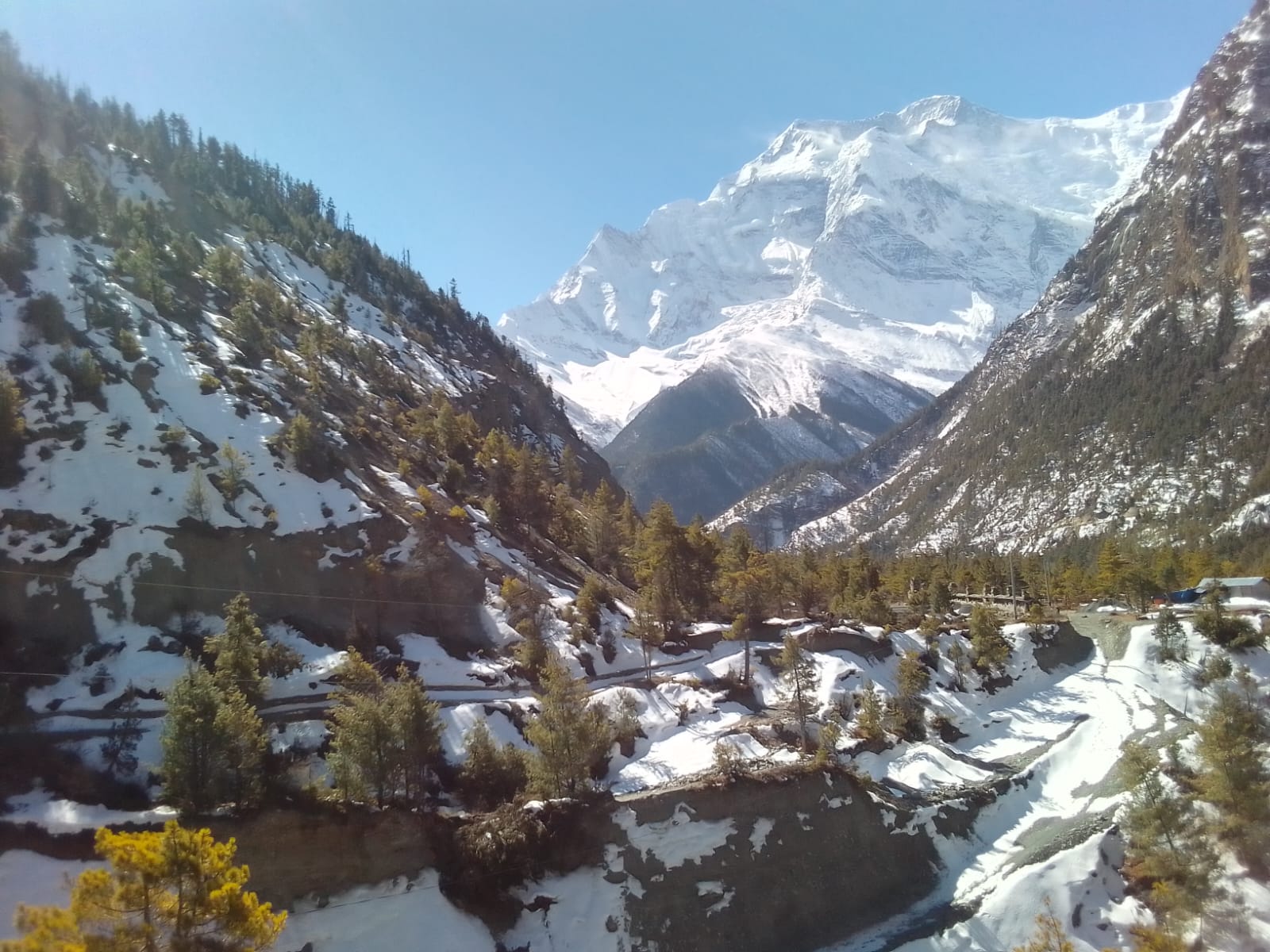
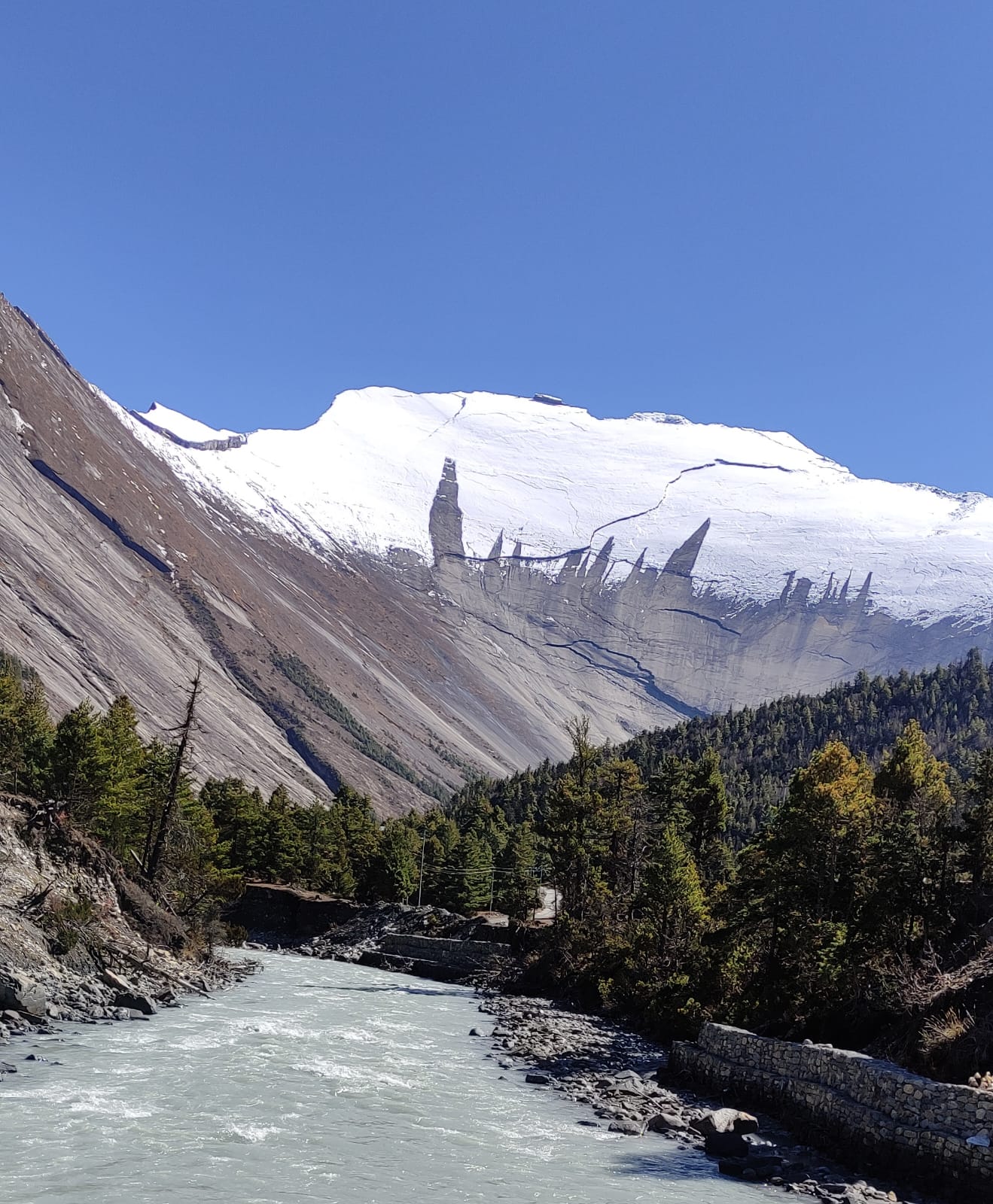
Today's trek begins through fragrant pine forests with magnificent views of Lamjung Himal and Annapurna II. The trail follows the Marsyangdi River, crossing suspension bridges and passing through small settlements before reaching the impressive Paungda Danda rock face, one of the largest curved rock formations in Nepal. As you continue, the valley widens and offers stunning panoramic views of the surrounding snow-capped peaks. After approximately five to six hours of trekking, you arrive at Pisang, a beautiful village known for its traditional stone houses, ancient monastery, and breathtaking Himalayan backdrop.
Today offers one of the most scenic walks of the entire trek. Following the higher trail through Ghyaru and Ngawal rewards you with spectacular views of Annapurna II, III, IV, Gangapurna, and Tilicho Peak. Although the climb is slightly more demanding, the breathtaking scenery makes every step worthwhile. Along the way, you'll pass Tibetan-style villages, colorful prayer flags, and ancient monasteries that reflect the region's rich Buddhist heritage. After six to seven hours of trekking, arrive in Manang, a picturesque Himalayan village where you'll spend two nights to allow your body to acclimatize.
Acclimatization is essential for a safe and enjoyable high-altitude trek. Instead of complete rest, you'll take a short hike to nearby viewpoints such as Gangapurna Lake, Ice Lake, or the famous Himalayan Rescue Association viewpoint. These hikes help your body adjust to the thinner air while offering spectacular views of Annapurna, Gangapurna, Chulu Peaks, and the surrounding glaciers. Spend the afternoon exploring Manang village, visiting local bakeries, monasteries, or small museums. Staying active while allowing adequate rest significantly reduces the risk of altitude sickness during the upcoming higher sections.
Leaving the main Annapurna Circuit trail, today's route heads towards the remote Tilicho Lake region. The trail gradually climbs through alpine landscapes with juniper shrubs, yak pastures, and rocky hillsides. The scenery becomes increasingly rugged as you gain elevation, with magnificent views of Gangapurna, Tilicho Peak, and surrounding mountain ranges. The peaceful trail sees fewer trekkers, making the journey feel more secluded. After around four to five hours of trekking, reach Shree Kharka, a small seasonal settlement where you'll spend the night while preparing for tomorrow's journey to Tilicho Base Camp.
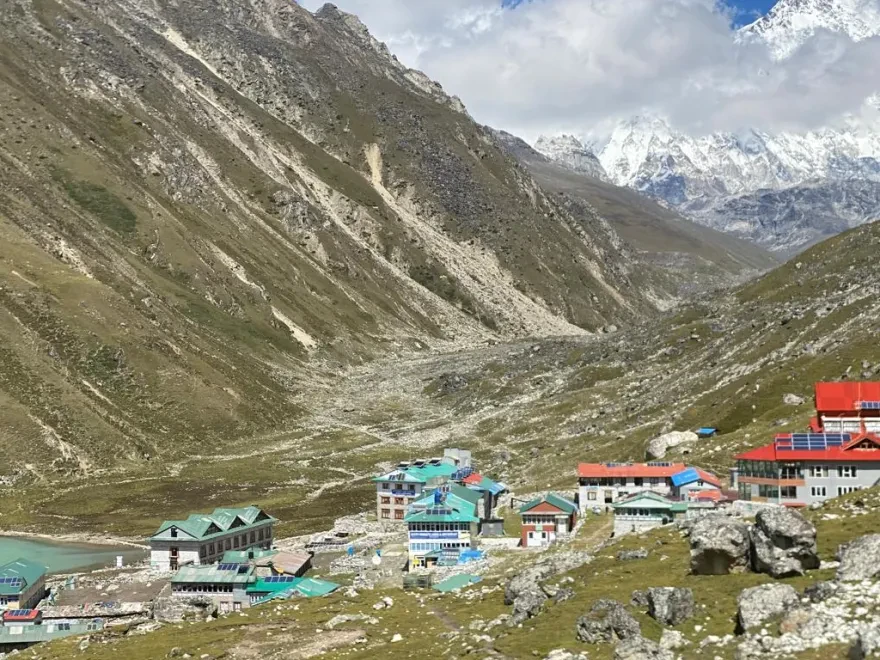
Today's trail traverses narrow mountain paths beneath towering cliffs, requiring careful footing in a few landslide-prone sections. Although the distance is relatively short, the dramatic landscape makes this one of the most memorable days of the trek. The surrounding mountains create an unforgettable alpine environment unlike anywhere else in Nepal. After four to five hours of trekking, arrive at Tilicho Base Camp, nestled beneath steep rocky slopes. Spend the afternoon resting, hydrating well, and preparing for tomorrow's early morning hike to the spectacular Tilicho Lake.
Start before sunrise for one of the trek's greatest highlights—Tilicho Lake, one of the world's highest lakes. The gradual climb rewards you with unforgettable views of the brilliant turquoise lake surrounded by towering snow-covered peaks and dramatic rocky landscapes. The peaceful atmosphere and pristine beauty make the early morning effort worthwhile. After spending time enjoying the scenery and taking photographs, retrace your steps to Tilicho Base Camp before continuing downhill to Shree Kharka. This rewarding day combines incredible natural beauty with a satisfying sense of achievement in the Himalayas.
Today's trail rejoins the classic Annapurna Circuit route as you trek towards Yak Kharka. The path gently climbs and descends across high alpine meadows where yaks often graze peacefully against a stunning mountain backdrop. The landscape feels increasingly barren yet incredibly beautiful, with expansive views stretching across the surrounding Himalayan ranges. The trek is relatively moderate, allowing your body additional time to adjust to the altitude before crossing Thorong La Pass. After several hours of walking, arrive at Yak Kharka, where you'll rest and prepare for the challenging days ahead.
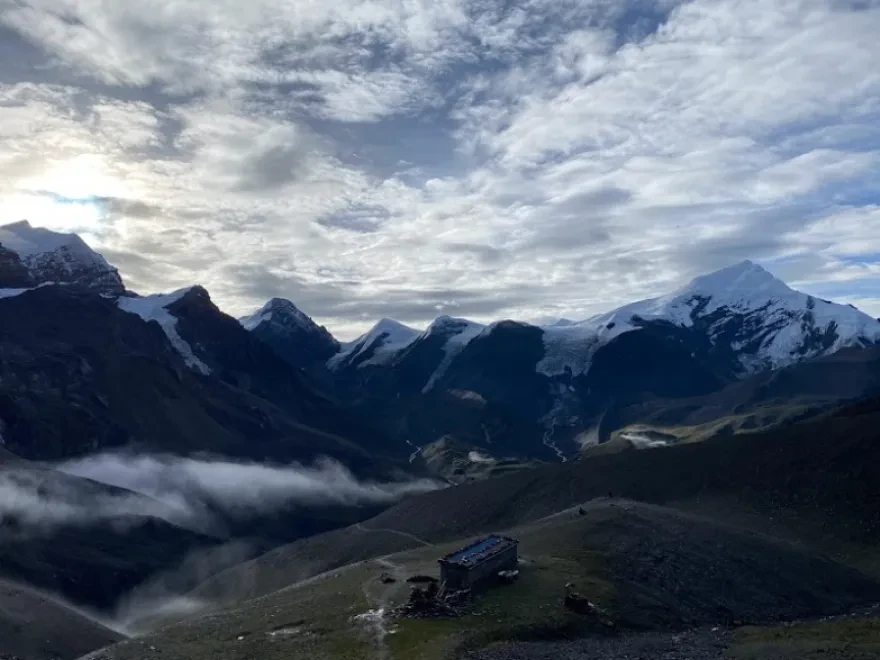
The trail gradually ascends through rugged alpine terrain toward Thorong Phedi, the final overnight stop before crossing Thorong La Pass. Although today's trek is relatively short, gaining altitude makes the walk feel more demanding. Along the way, you'll enjoy spectacular views of rocky cliffs, snow-covered peaks, and deep valleys carved by glaciers over thousands of years. After reaching Thorong Phedi, spend the remainder of the day resting, staying hydrated, and conserving energy. An early bedtime is recommended, as tomorrow's challenging pass crossing begins before dawn.
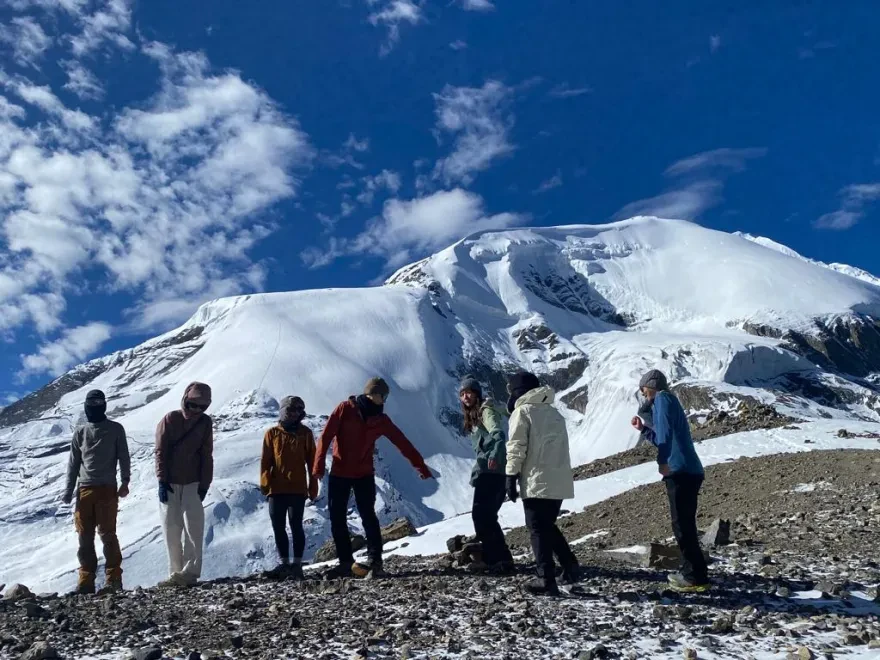
Today marks the most exciting and challenging day of the trek. Starting before sunrise, climb steadily to Thorong La Pass, the highest point of your adventure at 5,416 meters. Reaching the colorful prayer flags at the summit is an unforgettable achievement, rewarded with breathtaking panoramic views of the Annapurna and Dhaulagiri ranges. After celebrating your accomplishment, descend carefully through rugged mountain landscapes to the sacred pilgrimage site of Muktinath. The temple complex is revered by both Hindus and Buddhists, making it a culturally meaningful conclusion to this incredible mountain crossing.
After breakfast, leave the high Himalayas behind and enjoy a scenic drive to the beautiful lakeside city of Pokhara. The journey passes through Kali Gandaki Gorge, traditional villages, waterfalls, apple orchards, and changing landscapes as you descend from the mountains into lower elevations. Upon arrival, check into your hotel and enjoy a well-deserved hot shower and comfortable accommodation. Spend the evening relaxing beside Phewa Lake, exploring Lakeside's lively restaurants and cafes, or simply celebrating the successful completion of your unforgettable Himalayan trekking adventure.
After breakfast, return to Kathmandu either by a scenic tourist bus or depending on your travel preference. The drive offers beautiful countryside views. Upon arrival in Kathmandu, transfer to your hotel and enjoy your free afternoon. You may visit local markets for souvenirs, explore UNESCO World Heritage Sites, or relax at one of Thamel's many cafes. Please remember that Kathmandu tour is not included in this package but we can arrange the trip upon extra payment. In the evening, you may join a traditional Nepali farewell dinner with cultural performances to celebrate your memorable journey.
Your unforgettable Tilicho Lake and Annapurna Circuit adventure comes to an end today. Depending on your international flight schedule, enjoy a relaxed morning before our representative transfers you to Tribhuvan International Airport. We recommend arriving at the airport at least three hours before departure. As you leave Nepal, take with you unforgettable memories of towering Himalayan peaks, crystal-clear alpine lakes, welcoming mountain communities, and the incredible achievement of crossing Thorong La Pass. We sincerely thank you for traveling with us and look forward to welcoming you back for another Himalayan adventure in the future.
Maximum Altitude
The highest point of the Annapurna Circuit Trek with Tilicho Lake is Thorong La Pass (5,416 m / 17,769 ft). During the trek, you will also visit Tilicho Lake (4,919 m / 16,138 ft), one of the highest alpine lakes in the world. Because of the high altitude, proper acclimatization and a gradual ascent are essential for a safe and enjoyable trekking experience.
Trek Duration
The Annapurna Circuit Trek with Tilicho Lake typically takes 14 to 18 days, depending on your itinerary, transportation choices, and acclimatization schedule. The side trip to Tilicho Lake usually adds two to three extra days compared to the standard Annapurna Circuit.
Daily Walking Hours
Most trekking days involve 5 to 7 hours of walking, while some days, particularly the hike to Tilicho Lake and the crossing of Thorong La Pass, may require 8 to 10 hours of trekking. The pace is generally moderate with regular breaks for rest, meals, and photography.
Physical Fitness
This trek is suitable for trekkers with a good level of physical fitness. Although no technical climbing skills are required, the combination of long walking days, steep ascents, rocky trails, and high altitude makes the trek physically demanding.
Preparing with cardiovascular exercises, hiking, stair climbing, cycling, or jogging for several weeks before your trip is highly recommended.
Altitude Sickness Awareness
Altitude sickness can affect anyone regardless of age or fitness level. Proper acclimatization is the key to minimizing risks.
Common symptoms include:
Our experienced trekking guides closely monitor every trekker throughout the journey. If symptoms worsen, the guide will recommend appropriate action, including additional rest, descending to a lower altitude, or arranging emergency evacuation if necessary.
Acclimatization is Essential
Your itinerary includes carefully planned acclimatization days, especially in Manang, allowing your body to adjust to increasing elevations.
During acclimatization days, short hikes to higher elevations followed by returning to sleep at a lower altitude help improve adaptation and reduce the risk of altitude sickness.
Accommodation
Accommodation is provided in local teahouses along the trekking route.
Most teahouses offer:
Rooms become simpler at higher elevations, especially near Tilicho Base Camp and Thorong Phedi.
Meals
Freshly prepared meals are available throughout the trek.
Typical menu options include:
Dal Bhat is highly recommended because it provides excellent nutrition and sustained energy for trekking.
Drinking Water
Staying hydrated is extremely important at high altitude.
Trekkers can obtain drinking water by:
To reduce plastic waste, carrying a reusable water bottle or hydration bladder is encouraged.
Internet & Mobile Network
Mobile network coverage is available in many villages but becomes less reliable at higher elevations.
Most teahouses provide Wi-Fi for an additional fee; however, internet speed may be slow due to the remote mountain environment.
It's best to inform family and friends that communication may be limited during parts of the trek.
Electricity & Charging
Electricity is available in most villages.
Charging electronic devices usually incurs a small additional fee, particularly above Manang. Carrying a power bank is highly recommended, especially for cameras, phones, and GPS devices.
Hot Showers
Many teahouses provide hot showers for an extra charge.
At higher elevations, hot water may be limited depending on weather conditions and available energy sources.
Weather Can Change Quickly
Mountain weather is highly unpredictable.
Even during the best trekking seasons, conditions can change rapidly with sudden snowfall, rain, strong winds, or temperature drops.
Packing appropriate clothing for a wide range of weather conditions is essential.
Travel Insurance
Comprehensive travel insurance is strongly recommended.
Your policy should cover:
Always carry a copy of your insurance details during the trek.
Responsible Trekking
Help preserve the Annapurna region by following responsible trekking practices:
Responsible tourism helps protect the mountains and supports the livelihoods of local communities.
Your Start Date is the day you land in Nepal, and your End Date is when you fly home.
If the set Annapurna Circuit Trek with Tilicho Lake group dates don’t suit your schedule, we can offer alternative dates upon request.
The Annapurna Circuit Trek with Tilicho Lake is an extended version of Nepal's classic Annapurna Circuit. In addition to crossing the famous Thorong La Pass (5,416 m), the trek includes a side trip to Tilicho Lake (4,919 m), one of the world's highest alpine lakes. The route offers breathtaking mountain scenery, diverse landscapes, traditional villages, Buddhist monasteries, and an unforgettable Himalayan adventure.
The trek is considered moderately challenging to challenging. It involves walking 5–8 hours on most days, with longer days while hiking to Tilicho Lake and crossing Thorong La Pass. Although no technical climbing skills are required, good physical fitness and proper acclimatization are essential.
Most itineraries take 14 to 18 days, depending on transportation, acclimatization days, and side trips. The visit to Tilicho Lake generally adds two or three days to the standard Annapurna Circuit Trek.
The highest point is Thorong La Pass (5,416 meters / 17,769 feet). Trekkers also visit Tilicho Lake (4,919 meters / 16,138 feet) during the journey.
Previous trekking experience is helpful but not mandatory. Anyone with good physical fitness, determination, and adequate preparation can complete the trek. Training before your trip with hiking, jogging, cycling, or stair climbing is highly recommended.
Essential items include:
Your trekking company will usually provide a detailed packing list before departure.
Yes. Kathmandu has many trekking shops where you can rent or purchase equipment such as sleeping bags, down jackets, trekking poles, crampons (when required), duffel bags, and other trekking gear at reasonable prices.
Accommodation is provided in local teahouses. Rooms are generally twin-sharing with comfortable beds, blankets, and shared bathroom facilities. Higher-altitude villages offer more basic facilities, but they are clean and suitable for trekkers.
Teahouses offer a wide variety of meals, including Dal Bhat, fried rice, noodles, pasta, pizza, momos, soups, eggs, pancakes, potatoes, seasonal vegetables, tea, coffee, and hot chocolate. Vegetarian options are widely available.
Yes. Drinking water is available throughout the trek. You can buy boiled water at teahouses or refill your bottle using treated water. Carrying a reusable water bottle and purification tablets or a water filter is recommended.
The best seasons are spring (March to May) and autumn (September to November). These months offer stable weather, comfortable temperatures, clear mountain views, and excellent trekking conditions.
Yes, winter trekking is possible from December to February. However, heavy snowfall can sometimes make Thorong La Pass inaccessible. Winter trekkers should be prepared for colder temperatures and flexible itineraries.
The trek is possible during the summer monsoon, especially because Manang and Mustang lie in the Himalayan rain-shadow area and receive less rainfall than many other trekking regions. However, lower sections may experience rain, muddy trails, landslides, and transportation delays.
Yes. According to current Nepal tourism regulations, foreign trekkers are generally required to trek with a licensed guide in the Annapurna region. A professional guide enhances safety, manages logistics, provides cultural insights, and assists in emergencies.
A porter is not mandatory but is highly recommended. Porters carry your main luggage, allowing you to trek comfortably with only a light daypack. This makes the journey more enjoyable, especially at higher elevations.
Experienced guides monitor trekkers daily for signs of Acute Mountain Sickness (AMS). If symptoms develop, they may recommend additional acclimatization, a slower pace, descending to a lower altitude, or arranging emergency evacuation if necessary. Safety is always the highest priority.
Yes. Comprehensive travel insurance covering high-altitude trekking (up to at least 5,500 meters), emergency helicopter evacuation, medical treatment, and trip interruption is strongly recommended for all trekkers.
Trekkers generally require an Annapurna Conservation Area Permit (ACAP) and any other permits required under the latest Nepal government regulations. Your trekking agency can usually arrange these permits before the trek begins.
Booking one to three months in advance is recommended, especially during the busy spring and autumn trekking seasons. Early booking ensures better availability of guides, accommodation, transportation, and permits while allowing sufficient time to prepare for your Himalayan adventure. We can arrange last minute bookings too!
| No of people | Price per person |
|---|---|
| 1 - 1 | $2,100 |
| 2 - 4 | $1,700 |
| 5 - 10 | $1,649 |
| No of people | Price per person |
|---|---|
| 1 - 1 | $1,150 |
| 2 - 4 | $1,000 |
| 4 - 8 | $970 |
| 8 - 15 | $950 |
| No of people | Price per person |
|---|---|
| 1 - 1 | $1,200 |
| 2 - 4 | $850 |
| 4 - 8 | $800 |
| 8 - 15 | $750 |
| 15 - 30 | $700 |