Need help with booking? Send us a message.
Everest Base Camp Trek via Chola Pass is a thrilling and challenging adventure that takes you through the breathtaking landscapes of the Everest region in Nepal. This trek combines the classic Everest Base Camp route with the addition of crossing the high mountain pass known as Chola Pass.
Upon your arrival at Tribhuvan International Airport in Kathmandu, you will be greeted by our representative and transferred to your hotel. Spend the day resting and preparing for the trek. Take this opportunity to explore the vibrant city of Kathmandu and visit its UNESCO World Heritage Sites.
 Accommodation ***hotel
  Meals company will be provide
  Max. altitude 1,400m / 4,593ft.
 Take an early morning scenic flight from Kathmandu to Lukla, the starting point of the trek. From Lukla, begin trekking towards Phakding, following the Dudh Koshi River. The trail passes through picturesque Sherpa villages, suspension bridges, and lush forests.
Accommodation Hotel Meals company will be provide Max. altitude 2,610m / 8,563ft. Continue your trek along the banks of the Dudh Koshi River, crossing several suspension bridges. After a challenging ascent, reach Namche Bazaar, the trading hub and cultural center of the Everest region. Enjoy panoramic views of Everest and other surrounding peaks.
Accommodation Hotel Meals company will be provide Max. altitude 3,440m / 11,286ft. Spend an extra day in Namche Bazaar for acclimatization. Take a hike to the nearby Everest View Hotel or visit the Sherpa Museum to learn about the local culture and mountaineering history. This day helps you adapt to the increasing altitude and reduces the risk of altitude sickness.
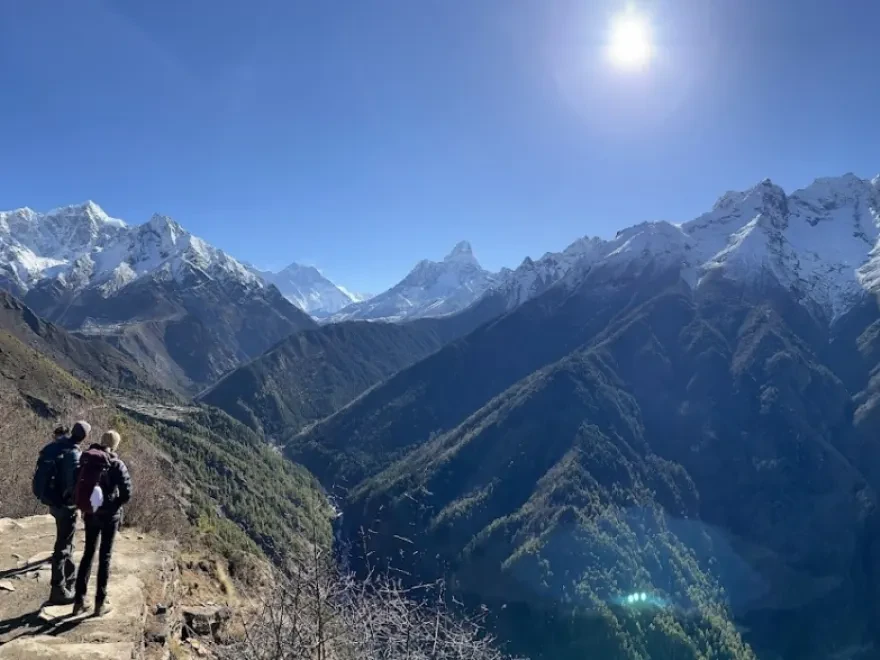
Accommodation Hotel Meals company will be provide Max. altitude 3,440m / 11,286ft. Resume the trek and follow the trail, offering breathtaking views of Everest, Nuptse, Lhotse, and Ama Dablam. Pass through rhododendron forests and reach Tengboche, home to the famous Tengboche Monastery. Attend a prayer ceremony and immerse yourself in the peaceful ambiance.
Accommodation Hotel Meals company will be provide Max. altitude 3,867m / 12,687ft. The trail descends through forests and crosses the Imja Khola River before gradually ascending towards Dingboche. Enjoy the stunning views of Island Peak and other neighboring peaks along the way.
Accommodation Hotel Meals company will be provide Max. altitude 4,410m / 14,469ft. Another acclimatization day in Dingboche to allow your body to adjust to the altitude. You can take a hike to Nagarjun Hill or Chukkung Ri for breathtaking views of the surrounding mountains.
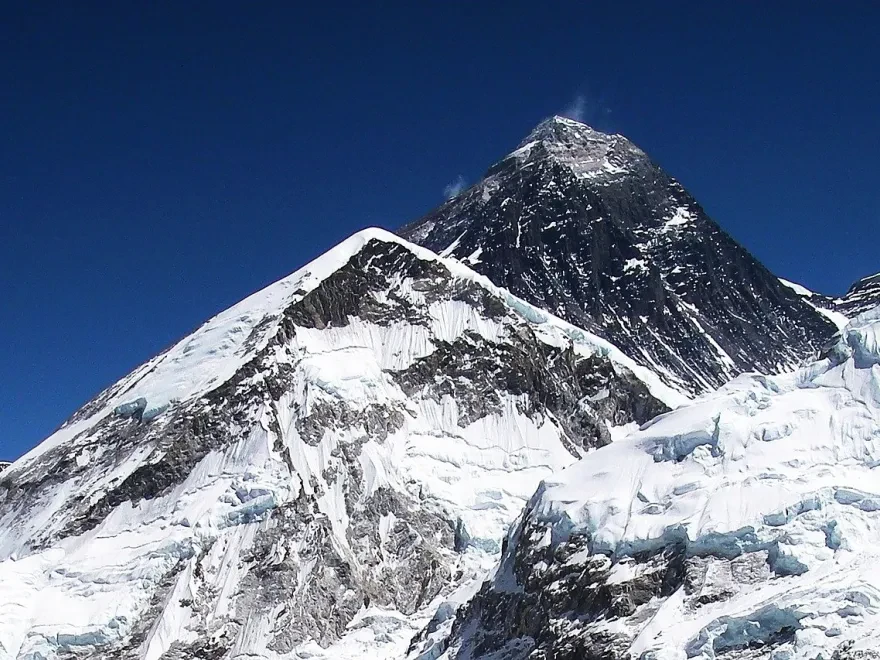
Accommodation Hotel Meals company will be provide Max. altitude 4,410m / 14,469ft. Accommodation Hotel Meals company will be provide Max. altitude 4,940m / 16,207ft. The highlight of the trek! Trek to Everest Base Camp through the rugged and icy terrain of the KhumbuGlacier. Marvel at the Khumbu Icefall and soak in the incredible surroundings as you reach the base camp of the world's highest peak, Mount Everest. After spending some time at Everest Base Camp, trek back to Gorak Shep for an overnight stay.
Accommodation Hotel Meals company will be provide Max. altitude 5,364m / 17,598ft. In the early morning, hike up to the famous viewpoint of Kala Patthar for a mesmerizing sunrise over Everest and its neighboring peaks. After capturing the breathtaking views, descend to Dzongla for an overnight stay.
Accommodation Hotel Max. altitude 4,830m / 15,846ft. Embark on a challenging day as you cross the Cho La Pass. The pass offers spectacular views of the surrounding mountains and glaciers. Descend carefully into the Gokyo Valley, known for its pristine lakes and stunning landscapes. Reach Gokyo and rest for the night.
Accommodation Hotel Meals company will be provide Max. altitude 4,790m / 15,715ft. Spend the day exploring the beautiful Gokyo Valley, which is adorned with turquoise lakes. Take a hike up Gokyo Ri for breathtaking panoramic views of Everest, Cho Oyu, Makalu, and other Himalayan peaks. Marvel at the serene beauty of the region before descending back to Gokyo for an overnight stay.
Meals company will be provide Max. altitude 4,790m / 15,715ft. Begin your descent as you leave the Gokyo Valley behind. Trek through the picturesque landscapes, passing through Machhermo and reaching Dole, a small settlement tucked away in the mountains.
Accommodation Hotel Meals company will be provide Max. altitude 4,200m / 13,780ft. Continue your descent through forests and charming Sherpa villages. Reach Namche Bazaar, where you can relax, explore the market, and reflect on the incredible journey you've undertaken.
Accommodation Hotel Meals company will be provide Max. altitude 3,440m / 11,286ft. Follow the familiar trail back to Lukla, enjoying the last moments of the Everest region. Celebrate the successful completion of your trek with your fellow trekkers and guides. Overnight stay in Lukla.
Accommodation Hotel Meals company will be provide Max. altitude 2,810m / 9,219ft. Catch an early morning flight from Lukla to Kathmandu. Upon arrival, transfer to your hotel and have the rest of the day free to rest or explore the city's cultural landmarks and indulge in some souvenir shopping.
Accommodation ***hotel Meals your self Max. altitude 1,400m / 4,593ft. It's time to bid farewell to the mystical Himalayas. You will be transferred to the airport for your departure flight, carrying unforgettable memories of the Everest Base Camp Trek via Chola Pass.
Meals your self Max. altitude 1,400m / 4,593ft. Need to Know
Your Start Date is the day you land in Nepal, and your End Date is when you fly home.
If the set Everest Base Camp Trek via Chola Pass group dates don’t suit your schedule, we can offer alternative dates upon request.
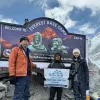
We had a great time with Rabi from Roving Nepal Trek in April 2024 that he took good care of us over the entire trekking period. We would like to thank Basu, Rabi and our porter Guam for their careful arrangement so that we could have completed the trek safely, and happily. We reached Roving Nepal Trek in January this year and Basu had communicated effectively and very clearly of every detail of the trek with us. Thanks for his patient of answering our inexperience questions. Finally we decided to have the EBC trek in April 2024. Basu picked up us at the airport on the day of New Year of Nepal and transferred us to the hotel. On the next day we met at his office and we also first met our guide, Rabi. We thank Basu for his warm welcome and his preparation which made us feel very comfortable. We appreciated Rabi for his caring that he let us complete our trek at our pace, without pressure during the trek. He offered sufficient of tea breaks every day. When there were animals crossing, he paid attention and made sure we were safe. We really appreciated that. On the way to Namche my husband found muscles of his legs are stressed and painful, Rabi did very care and helped a lot. He helped to carry the bag and made my husband walk easily. He also brought my husband a spray to release the pain after we arrived the hotel. We appreciated him for his caring and accompanying over the trek. Another remarkable appreciation is the flexible arrangements of this company. We had our morning flight to Lukla delayed in Ramechhap Airport (few hours’ road trip from Kathmandu city center) and it was eventually cancelled at the evening. This company had arranged an accommodation opposite to the airport and we found it convenient to settle down over night (not much accommodation there and that one we stayed is clean and comfortable). We saw many other tourists had to call taxi leaving the airport and searching accommodation. Also in Dingboche, we found we had no problem of the altitude and tried to request for skipping the acclimatization day on the following day for saving energy to EBC. Surprisingly Rabi could have arranged the accommodations of the following days at such a short in time (with no good network in the mountain). Later in Gorakshae another trekker told us she could only get an accommodation after asking three hotels (heard there are only four hotels there) even they came few hours earlier than us. We believe Roving Nepal Trek is so professional that it is experienced in handling all trekking issues and it has a very good network with hotels and its management in Nepal trekking is excellent. In Namche we met Santosh of Roving, thanks for his advices that giving us confident to finish the destination of every day. We recommend Roving Nepal Trek to any of you who is planning for a trek in Nepal. Their professional arrangement would make the trip be accomplishable safely and smoothly. They are trustworthy and we are happy to have the trek with this company.
The Everest Base Camp Trek via Cho La Pass is considered moderately difficult to challenging. Trekkers must walk long distances at high altitude while crossing the Cho La Pass at 5,420 meters. Steep ascents, rocky trails, glacier crossings, and unpredictable weather increase the difficulty level. Proper acclimatization is essential because of the risk of altitude sickness. While the trek is demanding, physically fit trekkers with preparation and determination can successfully complete it and enjoy one of Nepal’s most rewarding Himalayan adventures.
The Everest Base Camp Trek via Cho La Pass usually takes around 16 to 20 days depending on the itinerary and acclimatization schedule. Most trekking packages include acclimatization days in Namche Bazaar and Dingboche to help trekkers adjust to the altitude safely. The duration may also vary based on weather conditions, fitness level, and side trips such as Gokyo Lakes or Kala Patthar. A gradual trekking pace is highly recommended to reduce fatigue and lower the risk of altitude sickness during the journey.
The highest altitude reached during the Everest Base Camp Trek via Cho La Pass is Cho La Pass itself at 5,420 meters above sea level. Many trekkers also climb Kala Patthar at 5,545 meters for panoramic views of Mount Everest and surrounding Himalayan peaks. At these elevations, oxygen levels are significantly lower, making trekking more physically demanding. Proper acclimatization and hydration are essential to reduce the risk of altitude sickness. The high-altitude experience is one of the most exciting and challenging parts of the trek.
Yes, the Cho La Pass route is generally harder than the standard Everest Base Camp Trek. While both treks involve high altitude and long walking days, the Cho La route includes a challenging mountain pass crossing with steep, icy, and rocky terrain. Trekkers also face glacier sections and more remote trails compared to the regular EBC route. However, the additional difficulty comes with greater adventure, stunning views, and the opportunity to visit both Everest Base Camp and Gokyo Lakes in a single trekking experience.
The Everest Base Camp via Cho La Pass Trek is suitable for adventurous trekkers who are physically fit and ready for a challenging Himalayan journey. It is ideal for experienced hikers and active beginners willing to prepare properly before the trek. Since the route includes high altitude, difficult terrain, and long walking days, trekkers should have good stamina and mental determination. Those looking for a more adventurous alternative to the standard Everest Base Camp Trek often choose the Cho La Pass route for its spectacular scenery and challenge.
Trekkers should have a good level of physical fitness for the Cho La Pass Trek. Daily walking hours usually range from 5 to 8 hours on steep and uneven mountain trails. Strong cardiovascular endurance, stamina, and leg strength are important for handling high-altitude trekking conditions. While professional athletic ability is not required, regular exercise and hiking experience can make the trek much more comfortable. Proper physical preparation also helps reduce fatigue and improves overall safety during the challenging Cho La Pass crossing.
Training for the Cho La Pass Trek should focus on endurance, strength, and cardiovascular fitness. Hiking on hills, stair climbing, running, cycling, and long-distance walking are excellent preparation activities. Strength exercises for the legs and core can help improve stability on rocky mountain trails. Ideally, trekkers should begin training at least two to three months before the trek. Carrying a backpack during practice hikes can also help simulate trekking conditions. Consistent preparation greatly improves confidence, stamina, and overall trekking performance in high-altitude environments.
Essential gear for crossing Cho La Pass includes warm layered clothing, waterproof jackets, insulated gloves, trekking boots, thermal wear, and a high-quality sleeping bag. Trekking poles are highly recommended for stability on steep and icy sections. Sunglasses, sunscreen, and a headlamp are also important due to strong sunlight and cold conditions at high altitude. Since weather changes quickly in the Himalayas, proper gear is essential for safety and comfort. Lightweight but durable equipment helps trekkers manage the demanding mountain environment more effectively.
Crampons or microspikes are not always mandatory but can be very useful during the Cho La Pass crossing, especially when trails are icy or snow-covered. During colder months or after snowfall, the pass can become slippery and dangerous without additional traction. Many trekking guides recommend carrying lightweight microspikes for better grip and stability. In peak trekking seasons like spring and autumn, trail conditions are usually manageable, but weather can change unexpectedly. Having proper traction equipment improves safety and confidence during difficult sections of the trek.
Preparation for high-altitude trekking in Nepal should include physical training, mental preparation, and understanding altitude sickness prevention. Trekkers should focus on improving stamina and endurance before arrival. It is also important to follow a gradual ascent during the trek, stay hydrated, and allow proper acclimatization days. Learning about symptoms of altitude sickness can help trekkers respond quickly if problems occur. Carrying suitable clothing and equipment for changing weather conditions is equally important. Good preparation greatly increases safety, comfort, and enjoyment during the Himalayan trekking experience.
Accommodation during the Everest Base Camp via Cho La Pass Trek mainly consists of teahouses and mountain lodges. These lodges provide basic but comfortable rooms with twin beds, blankets, and shared bathrooms. In lower villages, trekkers may find accommodations with attached bathrooms and hot showers, while facilities become simpler at higher elevations. Dining halls are usually heated and serve as common gathering areas for trekkers. Although accommodations are basic compared to city hotels, they offer warm hospitality and essential comfort throughout the Himalayan trekking journey.
Yes, teahouses are available throughout most sections of the Cho La Pass trekking route. Villages along the trail provide simple mountain lodges where trekkers can rest, eat meals, and spend the night. Popular stops such as Namche Bazaar, Dingboche, Dzongla, Gokyo, and Lobuche have established teahouse facilities. However, accommodation options become more limited in remote high-altitude areas near the pass. During peak trekking seasons, teahouses can fill quickly, so advance booking through trekking agencies or guides is often recommended for convenience and better accommodation availability.
Trekkers can expect simple but nutritious meals during the Everest Base Camp via Cho La Pass Trek. Common dishes include dal bhat, noodles, fried rice, soups, potatoes, pasta, pancakes, eggs, and bread. Dal bhat, a traditional Nepali meal of rice, lentils, and vegetables, is especially popular because it provides good energy for trekking. Tea, coffee, and hot drinks are widely available at teahouses. Although menu options become more limited at higher elevations, trekkers generally find enough variety to maintain energy throughout the challenging mountain journey.
Yes, vegetarian food is widely available throughout the Everest Base Camp and Cho La Pass Trek. Most teahouses offer meals such as vegetable fried rice, dal bhat, soups, noodles, potatoes, and pasta without meat. Vegan options are also possible, although choices may be more limited at higher altitudes. Trekkers should clearly communicate dietary requirements to guides or teahouse staff before ordering meals. Since meat is often transported long distances without refrigeration, many trekkers prefer vegetarian meals during the trek for freshness, digestion, and overall health at high altitude.
Yes, most teahouses along the Everest Base Camp via Cho La Pass route offer charging facilities and Wi-Fi services for an additional fee. Charging electronic devices becomes more expensive at higher elevations because electricity is limited and often powered by solar energy. Wi-Fi connections are available in many villages but may be slow or unreliable due to weather and remote mountain conditions. Carrying a power bank or spare batteries is highly recommended. Mobile network coverage is also available in some areas, although signals can be inconsistent.
The best seasons for the Everest Base Camp Trek via Cho La Pass are spring from March to May and autumn from September to November. These months offer stable weather, clear skies, and excellent mountain visibility. Spring brings blooming rhododendron forests and moderate temperatures, while autumn provides dry trails and crisp Himalayan views after the monsoon season. Winter trekking is possible but extremely cold, with heavy snow around Cho La Pass. Monsoon season is less favorable because rain, clouds, and slippery trails can make trekking more difficult and dangerous.
Temperatures around Cho La Pass can become extremely cold, especially during early mornings and nighttime. During peak trekking seasons, temperatures may drop between -10°C and -15°C near the pass. In winter, temperatures can fall much lower with strong winds and heavy snow. The cold weather becomes more challenging because of high altitude and lower oxygen levels. Proper layering, insulated clothing, gloves, hats, and warm sleeping bags are essential for comfort and safety. Trekkers should be prepared for sudden weather changes and freezing conditions during the crossing.
The Cho La Pass route is generally more dangerous during winter and monsoon seasons due to harsh weather and difficult trail conditions. Winter often brings heavy snowfall, icy trails, and freezing temperatures that can block the pass or increase the risk of accidents. During the monsoon season, rain, landslides, slippery trails, and poor visibility make trekking challenging. Although experienced trekkers may still attempt the route, spring and autumn are considered much safer and more comfortable seasons. Proper preparation and experienced guides become especially important during off-season trekking.
Weather plays a major role in the overall difficulty of the Everest Base Camp via Cho La Pass Trek. Sudden snowfall, strong winds, freezing temperatures, and poor visibility can make trails more dangerous and physically exhausting. Icy paths around Cho La Pass increase the risk of slipping, while rain during the monsoon season creates muddy and unstable trails. Clear weather improves trekking conditions, mountain views, and overall safety. Trekkers should always be prepared for rapidly changing Himalayan weather by carrying proper clothing and following flexible trekking schedules when necessary.
Trail conditions during spring and autumn are generally considered the best for trekking Everest Base Camp via Cho La Pass. Spring offers moderate temperatures, blooming rhododendrons, and stable weather, making the trails scenic and comfortable. Autumn provides dry paths, clear skies, and excellent mountain visibility after the monsoon season. While some sections near Cho La Pass may still have snow or ice, trails are usually manageable during these seasons. These favorable conditions make spring and autumn the most popular times for trekkers seeking safety, adventure, and beautiful Himalayan scenery.
Hiring a guide for the Everest Base Camp Trek via Cho La Pass is highly recommended because the route involves high altitude, remote mountain trails, and challenging pass crossings. Experienced guides help with navigation, acclimatization, accommodation arrangements, and emergency support if problems occur. They also provide valuable knowledge about local culture, weather, and trekking safety. Although some experienced trekkers may attempt the route independently, traveling with a guide increases overall safety and comfort. Many trekkers find guided trekking more enjoyable and less stressful in the Everest region.
Independent trekking on the Cho La Pass route is possible for experienced trekkers, but it carries additional risks. Navigation can become difficult during bad weather or snowfall, especially near the pass where trails may be icy or unclear. Altitude sickness, sudden weather changes, and remote conditions also increase safety concerns. Trekkers without prior high-altitude experience may struggle with acclimatization and emergency situations. Hiring a guide or joining an organized trekking group is generally safer and more convenient, particularly for first-time visitors trekking in Nepal’s Everest region.
Altitude sickness is one of the main risks during the Everest Base Camp via Cho La Pass Trek because trekkers spend several days above 4,000 meters. Symptoms may include headaches, nausea, dizziness, fatigue, loss of appetite, and difficulty breathing. Severe cases can become dangerous if ignored. Rapid ascent without proper acclimatization increases the risk significantly. Trekkers should walk slowly, drink plenty of water, and include rest days in their itinerary. Guides monitor symptoms carefully and may recommend descending immediately if altitude sickness becomes serious during the trek.
Yes, porters are widely available for the Everest Base Camp and Cho La Pass Trek. Porters help carry heavy bags and trekking equipment, allowing trekkers to walk more comfortably at high altitude. Most porters carry around 15 to 20 kilograms and are experienced in navigating mountain trails. Hiring a porter not only reduces physical strain but also supports local employment in the Everest region. Many trekking agencies offer guide and porter services together. Trekkers are still advised to carry a small daypack with essential personal items during the journey.
Emergency support during the Cho La Pass Trek includes local health posts, experienced guides, satellite communication, and helicopter evacuation services if necessary. Larger villages such as Namche Bazaar and Pheriche have medical clinics that specialize in altitude-related illnesses. In serious situations, helicopter rescues can transport trekkers to Kathmandu for medical treatment. Travel insurance covering high-altitude trekking and helicopter evacuation is strongly recommended before starting the journey. Guides are trained to recognize symptoms of altitude sickness and other emergencies, helping trekkers respond quickly and safely in difficult situations.
Trekkers need two main permits for the Everest Base Camp via Cho La Pass Trek. These include the Sagarmatha National Park Entry Permit and the Khumbu Pasang Lhamu Rural Municipality Permit. Both permits are checked at different points along the trekking route. Trekkers can obtain them in Kathmandu or Monjo before entering the Everest region. Permit requirements may occasionally change, so checking current regulations before traveling is recommended. Carrying permits throughout the trek is essential because officials regularly inspect documents at checkpoints along the route.
The cost of the Everest Base Camp via Cho La Pass Trek varies depending on trekking style, duration, and services included. Budget trekkers may spend around USD 1,200 to 1,800, while guided packages with flights, accommodation, meals, and porters can cost USD 2,000 or more. Expenses include permits, domestic flights to Lukla, accommodation, food, guide services, and personal equipment. Additional costs may include Wi-Fi, charging devices, hot showers, and travel insurance. Prices also tend to increase during peak trekking seasons because of higher demand and limited accommodation availability.
Yes, travel insurance is highly recommended and often considered essential for the Everest Base Camp via Cho La Pass Trek. The policy should cover high-altitude trekking above 5,000 meters, emergency medical treatment, and helicopter evacuation services. Weather conditions, altitude sickness, injuries, and flight delays are common challenges in the Everest region. Without proper insurance, emergency evacuation costs can become extremely expensive. Trekkers should carefully check policy details before traveling to ensure coverage includes adventure trekking activities and remote mountain rescue operations in Nepal’s high-altitude trekking regions.
It is best to book the Everest Base Camp and Cho La Pass Trek at least two to four months in advance, especially for spring and autumn seasons. These periods attract large numbers of trekkers, making flights, guides, and teahouse accommodations fill quickly. Early booking also provides more time for physical preparation, gear planning, and obtaining travel insurance. During peak seasons, last-minute arrangements may result in limited accommodation options and higher costs. Booking early helps ensure a smoother trekking experience with better logistical arrangements and guide availability.
Yes, helicopter return options are available after completing the Everest Base Camp and Cho La Pass Trek. Many trekkers choose helicopter flights from locations such as Gorakshep, Kala Patthar, or Gokyo to return directly to Kathmandu or Lukla. Helicopter returns save time and reduce the long descent required on foot. They are also useful during emergencies or weather-related delays. However, helicopter services are expensive and depend heavily on weather conditions. Advance arrangements through trekking agencies are recommended, particularly during busy trekking seasons in the Everest region. It is amazing adventure to experience if you end the adventurous trekking with the bird eye view of the Khumbu region. Normally, you can start the helicopter return flight from Gokyo. Allocate around 800 $ to 900 $ for single sharing flight to Lukla from Gokyo.
| No of people | Price per person |
|---|---|
| 1 - 1 | $1,550 |
| 2 - 4 | $1,399 |
| 5 - 9 | $1,250 |
| 9 - 20 | $1,150 |