Need help with booking? Send us a message.
Kathmandu - Machha khola - Deng - Namrung - Samagaon - Samdo - Dharmasala - Larke La Pass- bimthang - Tilje - beshisahar - ktm
Tea House
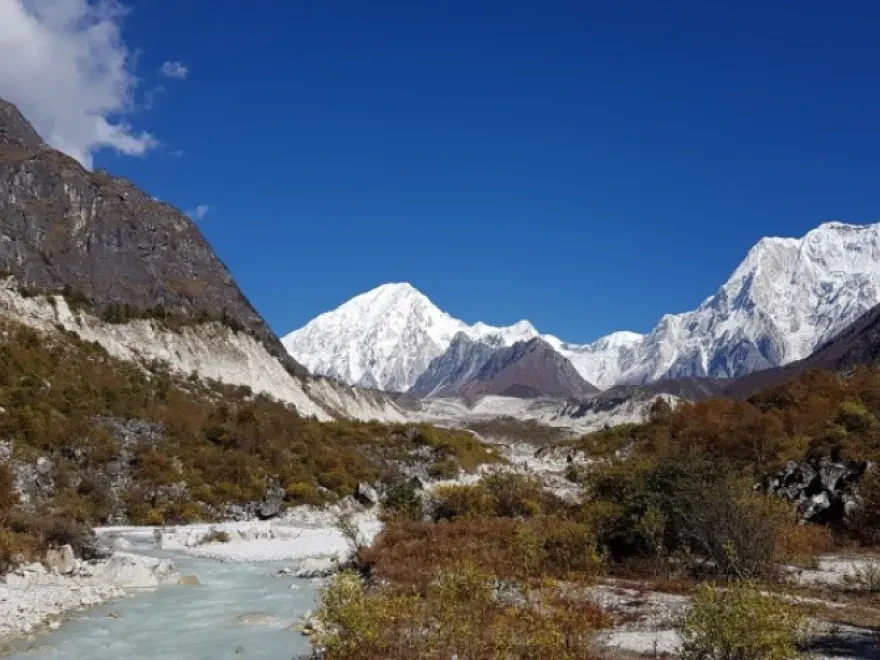
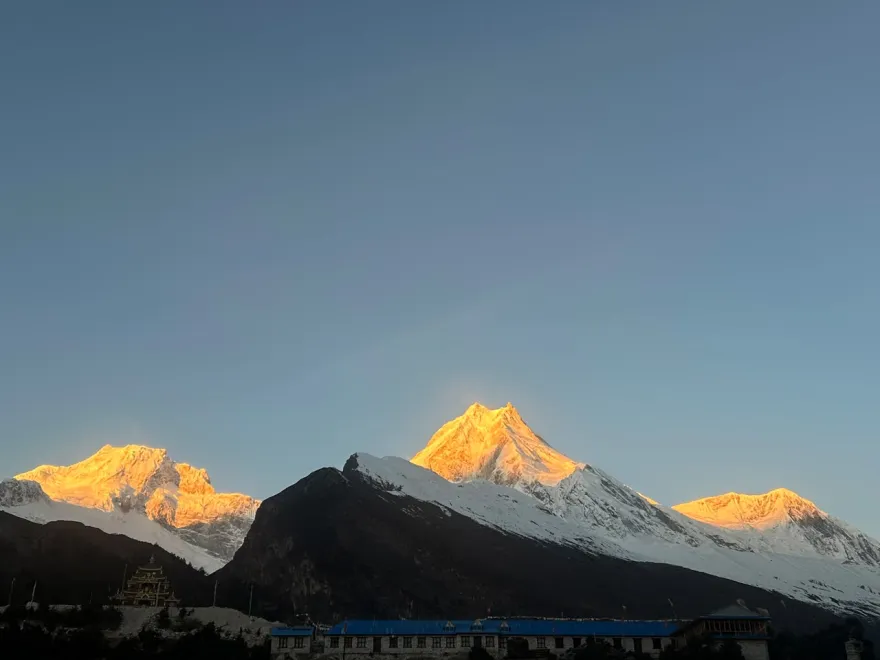
The Manaslu Circuit Short Trek is one of Nepal’s most rewarding Himalayan adventures, offering dramatic mountain scenery, authentic villages, and rich Tibetan-influenced culture. This trek circles the majestic Mount Manaslu, the world’s eighth-highest peak at 8,163 meters. Compared to longer Himalayan treks, the short itinerary is designed for trekkers with limited time but a strong desire to experience remote mountain landscapes. The route passes through deep river gorges, alpine forests, suspension bridges, and High Mountain passes. Trekkers enjoy panoramic views, peaceful trails, and warm local hospitality. The journey combines natural beauty, cultural immersion, and thrilling adventure into an unforgettable trekking experience in Nepal.
The Short Manaslu Circuit Trek is perfect for travelers seeking an off-the-beaten-path trekking experience within a limited timeframe. Unlike the crowded Everest and Annapurna regions, Manaslu offers peaceful trails and untouched natural beauty. This shorter itinerary allows trekkers to experience the major highlights of the region without committing to a long expedition. It combines spectacular Himalayan scenery, traditional Tibetan-influenced villages, and the exciting crossing of Larke Pass. The trek is ideal for adventure lovers who want a balanced mix of challenge and comfort. With fewer crowds, authentic local culture, and diverse landscapes, the short Manaslu trek provides a truly rewarding and memorable Himalayan journey.
The best seasons for the Manaslu Circuit Short Trek are spring and autumn. Spring, from March to May, offers stable weather, blooming rhododendron forests, and clear mountain views. Temperatures are moderate, making trekking comfortable at both lower and higher elevations. Autumn, from September to November, is the most popular trekking season because of its dry weather, crystal-clear skies, and excellent visibility of Himalayan peaks. Winter trekking is possible but can be difficult due to heavy snowfall at Larke Pass. The monsoon season brings rain, muddy trails, and landslide risks. Choosing the right season greatly improves safety, visibility, and the overall trekking experience in the Manaslu region.
The Manaslu Circuit Short Trek is considered moderately challenging and suitable for physically fit trekkers with some hiking experience. The trail includes steep ascents, rocky paths, suspension bridges, and long walking days through remote mountain terrain. High altitude is one of the main challenges, especially while crossing Larke Pass at 5,106 meters. Trekkers usually walk between five to eight hours daily depending on the itinerary. Proper acclimatization and a steady pace are essential to avoid altitude-related problems. Although the trek demands good physical endurance, it does not require technical climbing skills. With preparation, determination, and proper guidance, most trekkers can successfully complete this incredible Himalayan adventure.
Trekkers need several permits to enter and trek in the Manaslu region because it is a protected and restricted area of Nepal. The main permits required include the Manaslu Restricted Area Permit, the Manaslu Conservation Area Permit, and the Annapurna Conservation Area Permit. These permits help regulate tourism and support conservation efforts in the region. Trekkers are also required to travel with a licensed guide and in a group of at least two people. Permit fees vary depending on the trekking season and duration of stay. Carrying valid permits during the trek is mandatory, as checkpoints along the trail regularly inspect trekking documents and identification.
The Manaslu Restricted Area Permit is mandatory for all foreign trekkers entering the restricted section between Jagat and Dharapani. This special permit is issued by the Government of Nepal to control tourism and preserve the region’s unique culture and environment. The permit cost depends on the season and number of trekking days. During autumn, the fee is generally higher because of peak trekking demand. Trekkers cannot obtain this permit independently and must arrange it through a registered Nepalese trekking agency. A licensed guide and at least two trekkers are compulsory requirements. Proper permit management ensures legal trekking access and supports sustainable tourism development in the Manaslu region.
Accommodation during the Manaslu Circuit Short Trek mainly consists of local teahouses and mountain lodges. Rooms are usually simple but comfortable, often with twin beds, blankets, and shared bathrooms. In lower villages, some teahouses provide hot showers and internet access, although facilities become more basic at higher elevations. Meals along the trail include a variety of Nepali and international dishes such as dal bhat, noodles, soups, fried rice, pasta, potatoes, and Tibetan bread. Hot drinks like tea, coffee, and ginger lemon honey are widely available. Eating freshly prepared meals and staying hydrated are important for maintaining energy and adjusting properly to the high-altitude trekking environment.
Transportation to Machha Khola usually begins with a scenic drive from Kathmandu. Travelers can choose between local buses, shared jeeps, or private four-wheel-drive vehicles depending on budget and comfort preferences. The road journey passes through beautiful hills, rivers, terraced farms, and traditional villages before reaching the trekking starting point. Public buses are cheaper but often crowded and less comfortable. Shared jeeps offer faster travel and moderate comfort, while private jeeps provide the most convenient and flexible transportation option. Road conditions can be rough and bumpy, especially during the monsoon season. Despite the long drive, the changing landscapes and rural scenery make the journey itself an enjoyable adventure.
During the Manaslu Circuit Short Trek, trekkers usually walk between ten to eighteen kilometers each day depending on terrain and elevation. Daily trekking durations generally range from five to eight hours, including rest breaks and lunch stops. Lower sections of the trail involve gradual climbs through villages and forests, while higher elevations require slower and more careful walking. The toughest day is crossing Larke Pass, which may take eight to nine hours due to altitude and steep terrain. Trekking schedules are designed to balance physical activity with proper acclimatization. Maintaining a comfortable pace, staying hydrated, and taking regular breaks help ensure a safer and more enjoyable trekking experience.
Crossing Larke Pass at 5,106 meters is the most exciting and challenging part of the Manaslu Circuit Short Trek. Trekkers usually begin early in the morning to avoid strong afternoon winds and changing weather conditions. The ascent involves steep rocky trails, snowy sections, and thin mountain air, making it physically demanding. However, the reward at the top is truly unforgettable. Panoramic views of Himlung Himal, Cheo Himal, Kang Guru, and Annapurna peaks create an incredible Himalayan experience. Prayer flags fluttering at the pass add spiritual beauty to the landscape. Descending toward Bimthang reveals stunning glaciers and alpine valleys, making the entire crossing a memorable achievement for trekkers.
Altitude sickness is a common concern during the Manaslu Circuit Short Trek because the trail reaches elevations above 5,000 meters. Symptoms may include headaches, nausea, dizziness, fatigue, and shortness of breath. Proper acclimatization is the best way to reduce risks. Trekkers should walk slowly, drink plenty of water, eat nutritious meals, and avoid alcohol during the trek. Taking rest days at higher elevations helps the body adjust naturally. It is important to recognize symptoms early and descend immediately if conditions worsen. Traveling with an experienced guide improves safety and emergency management. Carrying basic medications, warm clothing, and travel insurance also contributes to a safer trekking experience.
Packing properly for the Manaslu Circuit Short Trek is essential for comfort and safety in changing mountain conditions. Important clothing items include thermal layers, waterproof jackets, trekking pants, gloves, warm hats, and quality hiking boots. A sleeping bag suitable for cold temperatures is highly recommended at higher elevations. Trekkers should also carry sunglasses, sunscreen, lip balm, water bottles, trekking poles, and a headlamp. Personal medications, toiletries, and energy snacks are useful during long trekking days. Since weather conditions can change quickly, layering clothes is important for temperature management. Packing light but including all essential gear helps improve mobility and overall trekking enjoyment in remote Himalayan terrain.
The Nubri and Tsum regions of the Manaslu area are rich in Tibetan Buddhist culture, ancient traditions, and spiritual heritage. Local communities maintain unique customs, languages, clothing, and religious practices that have remained unchanged for centuries. Trekkers encounter beautifully decorated monasteries, prayer wheels, mani walls, and colorful prayer flags throughout the journey. Agriculture, yak herding, and trade remain important parts of daily life in these remote mountain villages. The people are known for their hospitality, simplicity, and deep spiritual beliefs. Festivals, rituals, and monastery ceremonies offer valuable cultural experiences for visitors. Exploring these regions provides insight into one of Nepal’s most authentic and culturally preserved Himalayan communities.
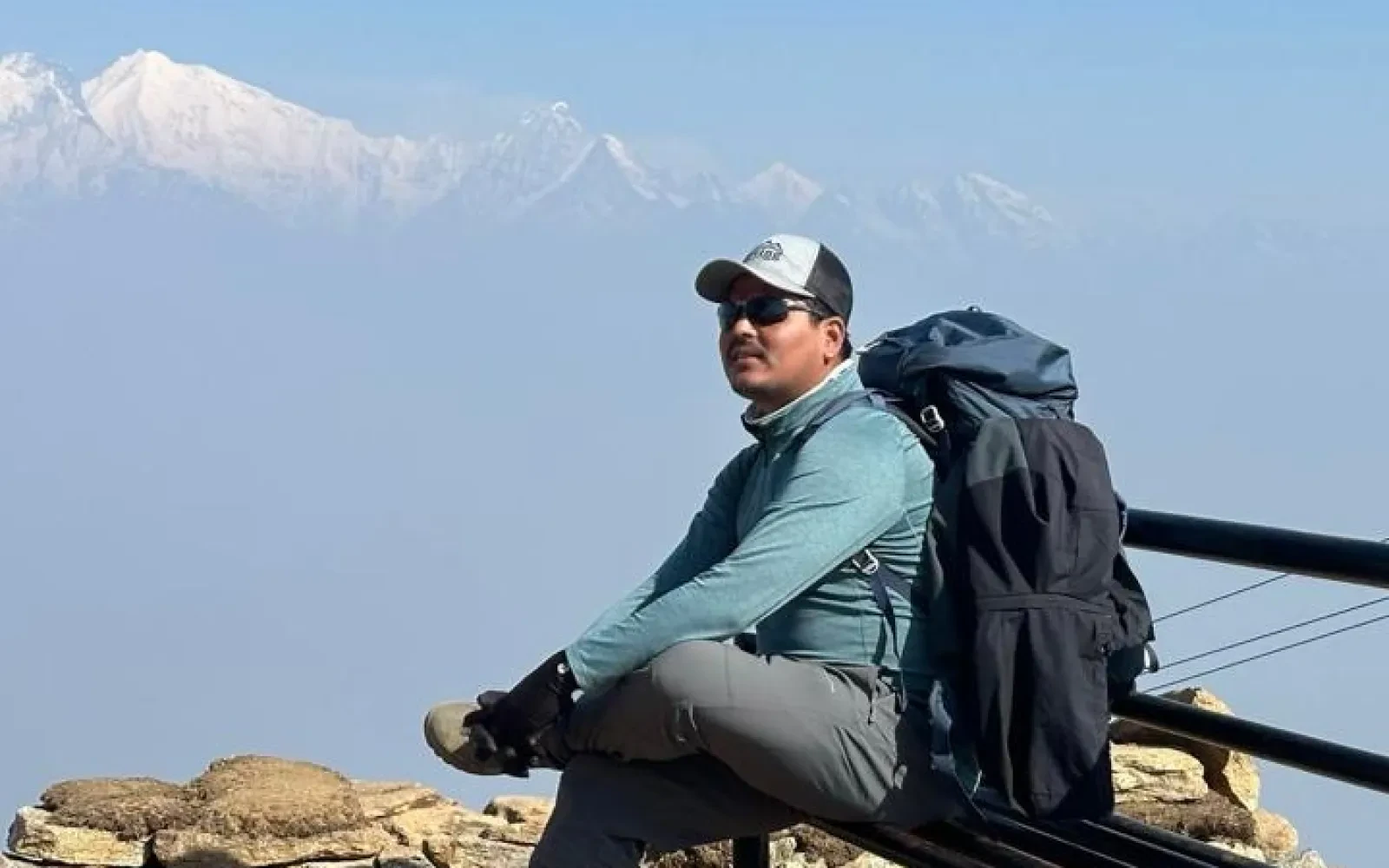
Trekking with a local Nepalese guide from Roving Nepal Trek enhances both safety and cultural understanding during the Manaslu Circuit journey. Local guides possess deep knowledge of mountain trails, weather conditions, altitude management, and regional traditions. They help organize permits, accommodation, transportation, and daily logistics, allowing trekkers to focus fully on the adventure. Experienced guides also provide valuable information about local culture, Buddhist heritage, and village lifestyles. In emergencies, their quick decision-making and communication skills become extremely important. Choosing a local trekking company directly supports Nepalese communities and sustainable tourism. Personalized service, friendly support, and professional guidance make the overall trekking experience safer, smoother, and more memorable.
The journey begins with an exciting drive from Kathmandu to Jagat through scenic hills, rivers, and traditional Nepalese villages. The road follows the Trishuli River before entering the Budhi Gandaki Valley, offering beautiful landscapes throughout the journey. Travelers pass terraced farms, waterfalls, and small roadside settlements while experiencing Nepal’s rural countryside. Parts of the road can be rough and bumpy, especially after Arughat, but the scenery makes the drive enjoyable. Jagat is a charming village with stone houses and a peaceful atmosphere, serving as the official entry point of the Manaslu trekking region. Overnight at a local teahouse prepares trekkers for the adventure ahead.
 Accommodation Tea House
  Meals As Per Menu
  Max. altitude 1,340m / 4,396ft.
 The trek from Jagat to Deng follows scenic trails through forests, rocky paths, and traditional mountain villages. Trekkers cross several suspension bridges over the Budhi Gandaki River while enjoying views of waterfalls and steep river gorges. The trail passes through beautiful settlements like Salleri, Sirdibas, and Philim, where Tibetan-influenced culture becomes increasingly visible. Walking through pine forests and narrow canyons creates a sense of adventure and remoteness. Gradual elevation gain helps the body begin adjusting to higher altitudes. Deng is a small and peaceful village surrounded by hills and forests, offering a relaxing overnight stop before continuing deeper into the remote Manaslu region.
Accommodation Tea House Meals As per Menu Max. altitude 1,860m / 6,102ft. The trail from Deng to Namrung enters a more culturally rich and mountainous section of the Manaslu region. Trekkers walk through dense forests, cross wooden bridges, and pass mani walls and prayer flags reflecting Tibetan Buddhist traditions. Villages such as Ghap and Bihi provide opportunities to observe local lifestyles and traditional stone houses. As the elevation increases, mountain views become more impressive, especially of Ganesh Himal and nearby snow-covered peaks. The peaceful atmosphere and fewer crowds make the trek especially enjoyable. Namrung is a beautiful village known for its Tibetan culture, ancient monasteries, and stunning Himalayan scenery, making it one of the memorable overnight stops along the trek.
Accommodation Tea House Meals As Per Menu Max. altitude 2,630m / 8,629ft. The trek from Namrung to Samagaun offers some of the most spectacular mountain scenery of the entire journey. The trail passes through picturesque villages like Lho and Shyala, where trekkers enjoy breathtaking views of Mount Manaslu and surrounding Himalayan peaks. Ancient monasteries, yak pastures, and colorful prayer flags create a strong spiritual atmosphere along the route. The landscape gradually changes from forested hills to open alpine terrain. Walking through traditional Tibetan-style settlements provides insight into local culture and daily mountain life. Samagaun is a large and scenic village located beneath Mount Manaslu, offering excellent opportunities for rest, acclimatization, and cultural exploration before heading to higher elevations.
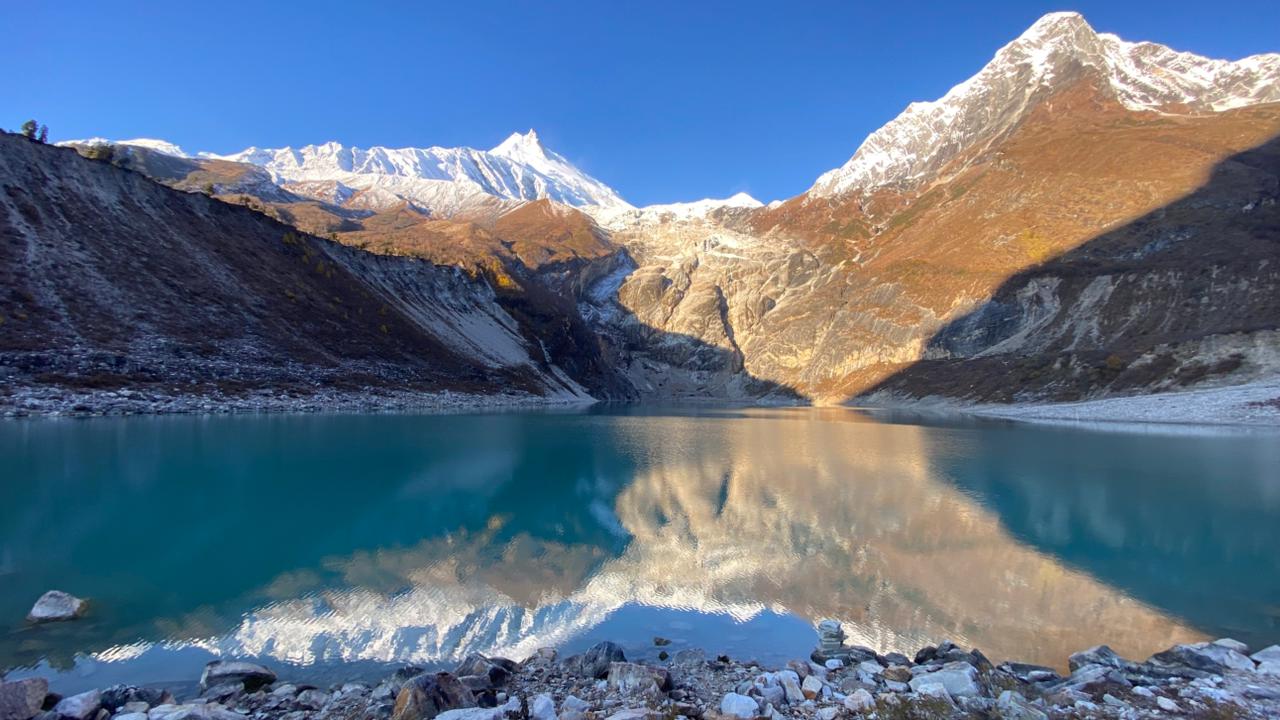
Accommodation Tea House Meals As per Menu Max. altitude 3,530m / 11,581ft. Acclimatization day at Samagaun is important for helping trekkers adjust safely to increasing altitude before crossing higher mountain sections. Instead of complete rest, short hikes around the village improve acclimatization and provide opportunities for exploration. Popular side trips include visits to Birendra Lake, Pungyen Monastery, or viewpoints near Manaslu Base Camp. These hikes offer magnificent views of glaciers, snow-covered peaks, and alpine landscapes. Trekkers can also explore local monasteries, interact with villagers, and observe traditional Tibetan Buddhist culture. Proper rest, hydration, and nutrition during this day are essential for maintaining good health and reducing the risk of altitude sickness during the upcoming high-altitude trekking days.
Accommodation Tea Hose Meals As Per Menu Max. altitude 4,800m / 15,748ft. The trek from Samagaun to Samdo is relatively short but offers stunning high-altitude scenery and a gradual ascent toward the Tibetan border region. The trail passes through wide yak grazing fields, glacial streams, and barren alpine landscapes surrounded by snow-covered peaks. Trekkers often spot yaks, blue sheep, and Himalayan birds along the route. As the elevation increases, the air becomes thinner, requiring a slower walking pace and regular hydration. Samdo is a remote Tibetan refugee village with a unique cultural atmosphere and traditional stone houses. The village provides incredible mountain views and serves as an important acclimatization stop before heading toward Dharamsala and Larke Pass.
Accommodation Tea House Meals As per menu Max. altitude 3,875m / 12,713ft. The trek from Samdo to Dharamsala is a gradual climb through rugged alpine terrain and glacial valleys. Although the walking distance is shorter than previous days, the increasing altitude makes the trek physically demanding. Trekkers follow narrow mountain trails while enjoying panoramic views of surrounding peaks and icy landscapes. The route passes ancient trade paths once used for commerce between Nepal and Tibet. Dharamsala, also known as Larke Phedi, is a small settlement serving as the final stop before crossing Larke Pass. Basic teahouse accommodations provide shelter and meals for trekkers preparing for the challenging pass crossing. Resting well and staying hydrated are essential before the next day’s adventure.
Accommodation Tea House Meals As Per Menu Max. altitude 4,460m / 14,633ft. Crossing Larke Pass is the most demanding and rewarding day of the Manaslu Circuit Short Trek. Trekkers begin early before sunrise to take advantage of stable morning weather conditions. The climb toward the pass involves steep rocky trails, icy sections, and breathtaking alpine scenery. Upon reaching the summit, trekkers are rewarded with panoramic views of Himlung Himal, Annapurna II, Kang Guru, and surrounding snow-covered peaks. Prayer flags at the top create a memorable Himalayan atmosphere. After celebrating the achievement, the trail descends carefully through glacial valleys toward Bimthang. The long day requires endurance and determination, but the incredible mountain landscapes make the experience unforgettable for every trekker.
Accommodation Tea House Meals As per menu Max. altitude 5,106m / 16,752ft. The descent from Bimthang to Dharapani offers beautiful changes in scenery as trekkers leave the high alpine region behind. The trail passes through rhododendron forests, pine woodlands, and peaceful mountain villages while following rivers and waterfalls downhill. Trekkers enjoy warmer temperatures and easier breathing as the altitude decreases. Along the route, there are impressive views of Manaslu, Lamjung Himal, and surrounding green valleys. Traditional villages provide opportunities to observe local culture and agricultural lifestyles. Dharapani is a lively settlement connected to the Annapurna Circuit trail, offering comfortable teahouses and a relaxing atmosphere. Completing this stage brings a strong sense of achievement after the challenging mountain crossing.
Accommodation Tea House Meals As per menu Max. altitude 1,963m / 6,440ft. The final day of the adventure involves a long but scenic drive from Dharapani back to Kathmandu. The journey follows winding mountain roads through beautiful valleys, rivers, waterfalls, and traditional hillside villages. Trekkers gradually leave the remote Himalayan region behind while reflecting on the unforgettable experiences of the Manaslu Circuit. Parts of the road can be rough and dusty, especially in remote sections, but the changing landscapes keep the journey interesting. Upon arriving in Kathmandu, trekkers can enjoy comfortable accommodations, hot showers, and celebratory meals after completing the challenging trek. The drive marks the conclusion of an incredible Himalayan adventure filled with culture, nature, and personal achievement.
Accommodation 3*** Hotel Meals Breakfast Max. altitude 1,400m / 4,593ft. Your Start Date is the day you land in Nepal, and your End Date is when you fly home.
If the set Manaslu Circuit Short Trek group dates don’t suit your schedule, we can offer alternative dates upon request.
The Manaslu Circuit Short Trek is considered moderately difficult and is suitable for trekkers with a reasonable level of fitness and some hiking experience. The trail includes steep ascents, rocky paths, suspension bridges, and long walking days at high altitude. Crossing Larkya La Pass, the highest point of the trek, can be physically demanding due to thin air and cold weather conditions. However, proper acclimatization, a steady pace, and preparation make the trek achievable for most active travelers. Regular cardio exercise and short practice hikes before the trip can greatly improve endurance and overall trekking comfort during the Manaslu Circuit adventure.
The highest point of the Manaslu Circuit Trek is Larkya La Pass, which stands at an elevation of 5,106 meters (16,752 feet) above sea level. This spectacular mountain pass is one of the major highlights of the trek and offers breathtaking panoramic views of snow-covered Himalayan peaks, including Manaslu, Himlung Himal, Cheo Himal, and Annapurna II. Crossing the pass is physically challenging because of the altitude and cold temperatures, especially during early mornings. Trekkers usually begin the ascent before sunrise to avoid strong afternoon winds. Reaching Larkya La Pass is considered a rewarding achievement and an unforgettable trekking experience in Nepal.
The Manaslu Circuit Short Trek typically takes around 10 to 14 days, depending on the itinerary, pace, acclimatization schedule, and transportation arrangements. Shorter itineraries are designed for trekkers with limited time but still include major highlights such as traditional villages, Buddhist monasteries, and the crossing of Larkya La Pass. Some trekkers choose longer itineraries for better altitude acclimatization and a more relaxed trekking experience. The trek usually begins with a drive from Kathmandu to Machha Khola or Soti Khola and ends in Dharapani or Besisahar. Travel time to and from Kathmandu is generally included within the total trekking duration.
The Manaslu Circuit Trek can be suitable for beginners who are physically fit, mentally prepared, and willing to handle challenging mountain conditions. Although the trek is more demanding than some popular routes in Nepal, beginners can complete it successfully with proper preparation and a carefully planned itinerary. The trail involves long walking days, steep ascents, and high-altitude trekking, especially near Larkya La Pass. Training before the trek, including cardio exercises and practice hikes, is highly recommended. Hiring an experienced guide and allowing enough time for acclimatization also greatly improves safety and confidence. A positive mindset and steady pace are important for first-time trekkers.
The Manaslu Circuit Trek is special because it offers a combination of spectacular Himalayan scenery, authentic cultural experiences, and relatively untouched trekking trails compared to more crowded routes in Nepal. Trekkers pass through remote mountain villages influenced by Tibetan Buddhist traditions, visit ancient monasteries, and enjoy breathtaking views of Mount Manaslu, the world’s eighth-highest peak. The trail also features diverse landscapes ranging from subtropical forests to alpine glaciers and High Mountain passes. Crossing Larkya La Pass adds excitement and adventure to the journey. The restricted nature of the region helps preserve its natural beauty and traditional lifestyle, creating a unique and rewarding trekking experience for visitors.
Yes, the Manaslu Circuit Short Trek is absolutely worth doing for travelers seeking a less crowded and highly rewarding Himalayan adventure. The trek combines stunning mountain scenery, cultural richness, remote villages, and challenging high-altitude trekking into one unforgettable experience. Unlike busier trekking routes, the Manaslu region offers peaceful trails and a more authentic connection with local communities and Tibetan Buddhist culture. The dramatic crossing of Larkya La Pass is both physically demanding and deeply rewarding. Despite its shorter itinerary, the trek still includes the major highlights of the region. For nature lovers and adventure seekers, the Manaslu Circuit provides exceptional value and lifelong memories.
During the Manaslu Circuit Trek, trekkers generally walk between 5 and 8 hours each day, depending on the itinerary, terrain, weather, and altitude. Some shorter days are designed for acclimatization and recovery, while longer days occur when crossing mountain passes or moving between remote villages. The trek includes gradual climbs, steep ascents, rocky trails, and suspension bridges that require steady effort throughout the day. Walking times may increase at higher elevations because of thinner air and slower pacing. Frequent rest breaks and proper hydration help maintain energy levels. A moderate fitness level and regular preparation hikes can make daily trekking more comfortable and enjoyable.
Packing properly for the Manaslu Circuit Trek is important because weather conditions can change quickly at different elevations. Essential items include warm layered clothing, a waterproof jacket, thermal wear, trekking pants, gloves, hats, sunglasses, sunscreen, trekking boots, and a warm sleeping bag. Trekkers should also carry water bottles, water purification tablets, personal medications, toiletries, energy snacks, and a first-aid kit. Trekking poles and a headlamp are also useful, especially during high-altitude sections and early morning walks. Since temperatures can drop below freezing near Larkya La Pass, quality cold-weather gear is highly recommended to ensure comfort, warmth, and overall trekking safety.
Yes, trekking gear can easily be rented in Kathmandu before starting the Manaslu Circuit Trek. Popular areas such as Thamel offer many trekking shops that rent sleeping bags, down jackets, trekking poles, crampons, backpacks, and other essential equipment at reasonable prices. Renting gear is a convenient option for travelers who do not want to purchase expensive mountain equipment for a single trip. Most rental shops provide both budget and high-quality gear, though it is important to inspect items carefully before renting. Many trekking agencies also assist clients with gear rental arrangements. Renting equipment in Kathmandu helps reduce luggage weight and overall travel expenses significantly.
Yes, most tea houses along the Manaslu Circuit Trek offer charging facilities for phones, cameras, and other electronic devices. Charging is usually available in dining halls or designated charging areas rather than inside individual rooms. At higher elevations, electricity may come from solar power systems, making charging slower and less reliable during cloudy weather. Tea houses generally charge an extra fee for battery charging services, especially in remote villages. Trekkers are advised to carry a power bank or spare batteries for convenience during long trekking days. Conserving battery usage and keeping devices warm in cold temperatures can also help extend battery performance significantly.
Yes, tea houses are available throughout most sections of the Manaslu Circuit Trek, making it possible to trek without camping equipment. These locally operated lodges provide basic accommodation, meals, and a warm place to rest after long walking days. Tea houses are commonly found in villages such as Namrung, Samagaon, Samdo, Dharamsala, and Bhimthang. Facilities become simpler at higher elevations, but most lodges still offer comfortable beds, blankets, and traditional Nepali hospitality. Staying in tea houses also allows trekkers to interact with local communities and experience mountain culture. During peak trekking seasons, booking through an agency helps secure accommodation in advance.
Accommodation on the Manaslu Circuit Trek mainly consists of basic tea houses and mountain lodges operated by local families. Rooms are generally simple, with twin beds, mattresses, pillows, and blankets. Bathrooms may be shared, especially in remote villages and higher-altitude locations. Some lower-elevation tea houses offer attached bathrooms and hot showers for an additional charge. Dining halls are usually heated with a central stove, creating a comfortable social atmosphere during cold evenings. Although luxury facilities are limited, the hospitality and cultural experience make the stay memorable. Trekkers should carry a warm sleeping bag for extra comfort, particularly during colder trekking seasons and high-altitude nights.
The Manaslu Circuit Trek offers a variety of simple but nourishing meals suitable for trekking at high altitude. Tea houses commonly serve traditional Nepali dishes such as dal bhat, which includes rice, lentil soup, vegetables, and pickles. Other popular options include noodles, fried rice, pasta, soups, potatoes, momos, pancakes, eggs, porridge, and Tibetan bread. Many lodges also provide tea, coffee, hot lemon, and snacks. Vegetarian meals are widely available and often recommended because meat transportation in remote areas may not always be hygienic. The food helps provide energy for long trekking days while allowing trekkers to experience local Himalayan cuisine and culture.
The best time for the Manaslu Circuit Short Trek is during the spring season from March to May and the autumn season from September to November. These months offer stable weather, clear mountain views, moderate temperatures, and ideal trekking conditions. Spring brings blooming rhododendron forests and colorful landscapes, while autumn provides crisp air and excellent visibility after the monsoon rains. Winter trekking is possible but can be extremely cold, especially around Larkya La Pass, where heavy snowfall may block the trail. The monsoon season from June to August is less recommended because of slippery paths, landslides, and reduced mountain visibility along the route.
Temperatures during the Manaslu Circuit Trek vary depending on the season and altitude. Lower villages are generally mild, but temperatures drop significantly at higher elevations, especially near Larkya La Pass. During spring and autumn, nighttime temperatures at high altitude can fall between -10°C and -15°C, while daytime temperatures remain more comfortable for walking. Winter conditions can become much colder with heavy snowfall and freezing winds. Proper layered clothing and a quality sleeping bag are essential for staying warm and comfortable. Cold weather is especially noticeable during early morning starts and overnight stays in high mountain villages where heating facilities are limited or unavailable.
Yes, hiring a licensed guide is mandatory for the Manaslu Circuit Trek because the region is classified as a restricted area by the Government of Nepal. Independent trekking is not allowed, and trekkers must travel in a group of at least two people accompanied by a registered guide through a licensed trekking agency. A guide helps manage permits, accommodations, route navigation, safety, and communication with locals. Guides also provide valuable cultural insights about the remote mountain communities along the trail. Having a guide significantly improves safety and convenience, especially during high-altitude sections and unpredictable mountain weather conditions throughout the trek.
Yes, altitude sickness is a common concern during the Manaslu Circuit Trek because the route reaches elevations above 5,000 meters at Larkya La Pass. Symptoms may include headaches, nausea, dizziness, fatigue, loss of appetite, and difficulty sleeping. Proper acclimatization is extremely important to reduce the risk of altitude sickness. Trekkers should ascend gradually, drink plenty of water, avoid alcohol, and rest adequately during the journey. Experienced guides monitor trekkers for signs of altitude-related illness and recommend slower pacing when needed. Choosing a well-planned itinerary with acclimatization days greatly improves safety and helps trekkers enjoy the experience comfortably and responsibly.
Yes, travel insurance is highly recommended and often considered essential for the Manaslu Circuit Trek. Because the trek reaches remote high-altitude areas, comprehensive insurance should cover emergency helicopter evacuation, medical treatment, trip cancellations, accidents, and trekking activities above 5,000 meters. Weather conditions and altitude-related health issues can sometimes require urgent evacuation to Kathmandu for medical care. Without insurance, emergency rescue costs can be extremely expensive. Trekkers should carefully check policy details before traveling to Nepal to ensure high-altitude trekking coverage is included. Carrying a copy of your insurance policy and emergency contact information during the trek is also strongly advised for safety.
WiFi is available in some tea houses along the Manaslu Circuit Trek, especially in lower villages and popular overnight stops such as Samagaon and Namrung. However, internet connections are often slow, unreliable, and affected by weather conditions or power availability. As trekkers move to higher and more remote sections of the trail, internet access becomes limited or unavailable. Some tea houses charge an additional fee for WiFi usage. Mobile network coverage is also inconsistent throughout the region. Trekkers should prepare for limited communication during the journey and enjoy the opportunity to disconnect from daily routines while experiencing the natural beauty and peaceful mountain environment.
Several permits are required for the Manaslu Circuit Trek due to its protected and restricted status. Trekkers need the Manaslu Restricted Area Permit (RAP), the Manaslu Conservation Area Permit (MCAP), and the Annapurna Conservation Area Permit (ACAP). If the route includes the Tsum Valley, an additional Tsum Valley Permit is also necessary. These permits help regulate tourism and support conservation efforts in the region. All permits must be arranged through a registered trekking agency in Nepal. Travelers are also required to trek with a licensed guide and in a minimum group of two trekkers for permit approval and trekking access.
| No of people | Price per person |
|---|---|
| 1 - 1 | $1,150 |
| 2 - 4 | $1,000 |
| 4 - 8 | $970 |
| 8 - 15 | $950 |