Need help with booking? Send us a message.
Tilicho Base Camp Trek is a stunning and challenging trek in the Annapurna region of Nepal. It is renowned for its breathtaking mountain views, high-altitude landscapes, and the opportunity to visit the mesmerizing Tilicho Lake, one of the highest lakes in the world. Here is a detailed overview of the Tilicho Base Camp Trek:
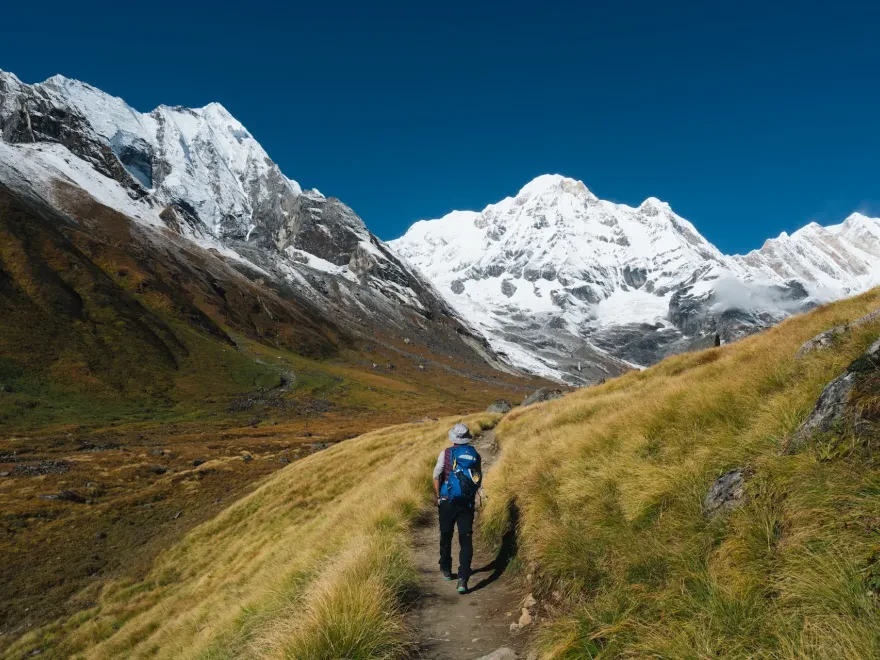
The Tilicho Base Camp Trek takes you through a variety of landscapes, from lush valleys and dense forests to barren alpine terrain. Here are some key highlights of the trek:
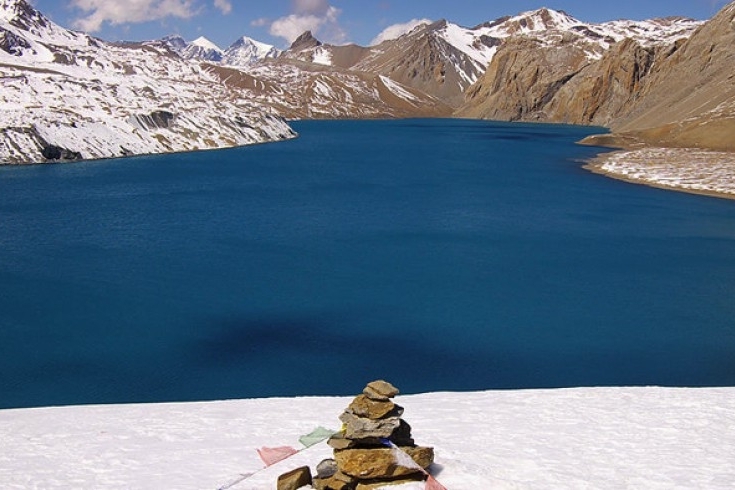
Tilicho Lake: The main highlight of the trek is the visit to Tilicho Lake, located at an altitude of 4,919 meters. Surrounded by snow-capped peaks, including Annapurna II and Gangapurna, the turquoise waters of Tilicho Lake offer a truly mesmerizing sight.
Annapurna Circuit: The trek follows a section of the famous Annapurna Circuit, one of the most popular and diverse trekking routes in the world. You will pass through beautiful villages, terraced fields, rhododendron forests, and high mountain passes.
Mesokanto La Pass: The trek offers an optional detour to Mesokanto La Pass, which provides stunning panoramic views of the Annapurna and Manaslu ranges. This side trip adds an extra challenge and rewards you with breathtaking vistas.
Thorong La Pass: The trek also includes crossing the challenging Thorong La Pass (5,416 meters), which is the highest point of the Annapurna Circuit. This is a memorable and exhilarating experience that offers incredible views of the surrounding peaks.
This isn't your average walk in the woods. Combining the classic Annapurna Circuit with a massive side trip to Tilicho Lake creates one of the most visually stunning journeys on the planet. We love this specific route because it perfectly breaks up the standard trail and takes you way off the beaten path. You get all the lush valleys and subtropical forests of the lower Marsyangdi River on the way up. Then, bam. Everything changes.
You're suddenly thrust into a high-altitude desert environment that feels more like the surface of the moon than the Himalayas. Adding Tilicho, one of the world's highest lakes sitting at 4,919 meters, turns a great trek into an absolute masterpiece. We've guided countless hikers up those scree slopes. The look on their faces when they finally see that massive expanse of turquoise water surrounded by imposing glacial peaks is always priceless. It's tough, we won't lie to you about that. But the sheer variety of landscapes, local Gurung and Manangi cultures, and raw alpine wilderness makes every single blister worth it.
Let's talk about the actual hike to the lake. It gets intense fast. After you leave Manang to acclimatize, the path splits away from the main Thorong La route and heads straight into the wild. The trail leading to Tilicho Base Camp is notoriously tricky. You'll be crossing steep, narrow landslide areas where the gravel constantly shifts under your boots. Watch your step. Seriously. We always tell our groups to stay close, move steadily, and keep their eyes on the path rather than the jaw-dropping views of Gangapurna towering to your left.
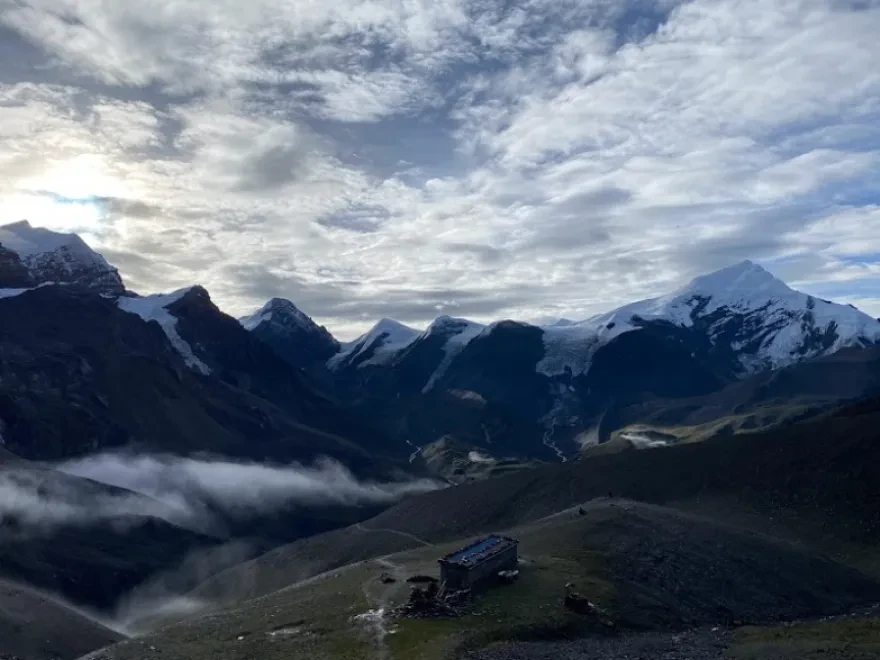
Once you hit base camp and finally rest up, the early morning push up to the lake itself is a serious lung-burner. It takes about three to four hours of steep climbing through cold, thin air before the terrain finally levels out. But when you crest that final ridge and the freezing wind hits your face, the sight of Tilicho Peak perfectly reflected in the icy blue water is something you'll never forget.
This is the big one. It demands respect.
Crossing Thorong La Pass is the absolute climax of the entire circuit. After you return from the lake and rejoin the main trail at Yak Kharka, you'll slowly make your way up to Thorong Phedi or High Camp. The summit day starts in the pitch black. We usually wake you up around 3 AM. It is brutally cold. You'll strap on your headlamps and start putting one foot in front of the other while the stars slowly fade out behind the towering peaks. The climb up to the 5,416-meter pass is a slow, grueling slog that tests your mental grit just as much as your physical stamina. Breathe in. Breathe out. Just keep moving. Reaching the prayer-flag-draped summit board brings an incredible rush of relief and pure adrenaline, followed by a knee-punishing 1,600-meter descent down into the Mustang region toward Muktinath. It hurts. Your knees will complain endlessly. But you'll be riding that high for weeks.
Altitude sickness doesn't care how fit you are at home. It just doesn't.
That is exactly why we bake so much acclimatization time into this specific itinerary. By heading to Tilicho Lake before tackling Thorong La, you are actually doing your body a massive favor. Sleeping at Tilicho Base Camp forces your body to adapt to the thin air, which makes the final push over the pass much more manageable. Still, we monitor our trekkers constantly. We check your oxygen levels, ask about your headaches, and make sure you're drinking gallons of garlic soup and water. Hydration is everything up here.
If the weather turns nasty or someone shows serious signs of Acute Mountain Sickness (AMS) on the way up, we turn around. No summit is worth risking your life. Our guides know these valleys like the back of their hands, and they know exactly when to push forward and when to play it completely safe.
Timing can make or break your trip. You really want to aim for the two main trekking windows: autumn and spring. October and November are absolute gold. The monsoon rains have completely washed the dust out of the sky, leaving you with razor-sharp mountain views and stable, crisp weather. It gets busy, though. You will definitely share the trail with plenty of other hikers and pack mule trains kicking up dirt. If you want something a bit quieter with massive splashes of color, go in April or May. The rhododendron forests in the lower sections explode into vibrant reds and pinks, transforming the lower valleys completely.
Winter gets insanely cold. Heavy snowfall frequently blocks both the path to Tilicho and Thorong La Pass entirely, turning a tough hike into a dangerous one. We generally avoid the summer monsoon season too, simply because the lower trails turn into a muddy, leech-infested mess and heavy clouds hide all those massive peaks you flew across the world to see.
Pack smart, pack light. You're going to experience four different seasons in a single two-week trip. Down low near Besisahar, you'll be sweating in shorts and a t-shirt. By the time we hit the landslide areas near Tilicho, you'll be shivering if you stop moving for more than five minutes. You absolutely need a solid layering system. Start with high-quality merino wool base layers that wick sweat away from your skin. Throw in a warm fleece, and top it all off with a heavy-duty down jacket and a reliable windproof shell. Your boots are your best friends. Break them in before you arrive in Kathmandu, or your feet will be a painful mass of blisters by day three.
Bring a warm sleeping bag rated for at least -15°C. Stash plenty of high-energy snacks in your pockets. Also, grab a trusty pair of trekking poles to save your knees on those brutal descents. Don't overpack. You have to carry your daypack, and our porters have strict weight limits too.
Diverse Landscapes: The trek takes you through a wide range of landscapes, including lush green valleys, pine forests, rocky moraines, and glacial terrain. Each day brings new and varied scenery to captivate your senses.
Rich Culture: Along the way, you will encounter diverse ethnic communities, including Gurungs, Thakalis, and Tibetans, each with their own distinct culture and traditions. You will have opportunities to interact with the locals and gain insight into their way of life.
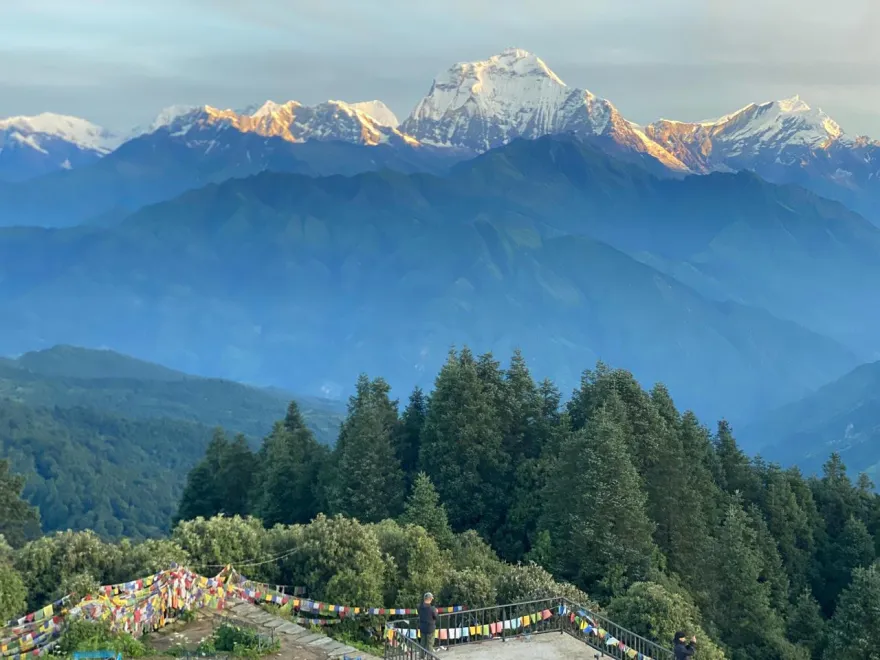
Natural Beauty: The trek offers stunning views of snow-capped peaks, including Annapurna II, Annapurna III, Gangapurna, and Tilicho Peak. The ever-changing vistas of the mountains, valleys, and glaciers create a truly awe-inspiring backdrop.
Challenging Terrain: The Tilicho Base Camp Trek is considered moderately challenging due to its high altitude and steep ascents and descents. Proper acclimatization and physical fitness are essential for a safe and enjoyable trek.
Unique Flora and Fauna: The region is home to a variety of plant and animal species. You may spot rare Himalayan wildlife such as the elusive snow leopard, blue sheep, and various bird species. The diverse flora includes colorful rhododendrons, orchids, and alpine flowers.
Remote and Off-the-Beaten-Path Trek in Nepal: Compared to the popular Annapurna Circuit, the Tilicho Base Camp Trek offers a more remote and off-the-beaten-path experience in Nepal. The trek provides a sense of solitude and tranquility as you explore the pristine mountain landscapes.
The Tilicho Base Camp Trek is a remarkable journey that combines natural beauty, cultural encounters, and personal achievement. It offers a unique opportunity to explore the majestic Himalayas and experience the serenity of the high-altitude wilderness.
Upon your arrival at Tribhuvan International Airport in Kathmandu, you will be greeted by our representative who will transfer you to your hotel. Take the remainder of the day to rest and explore the vibrant capital city. Overnight stay in Kathmandu.
 Accommodation ***hotel
  Meals your self
  Max. altitude 1,400m / 4,593ft.
 After an early morning drive from Kathmandu to Jagat, you will follow the Marshyangdi River upstream. Pass through terraced fields, small villages, and lush forests. Overnight stay in Jagat.
Accommodation ***hotel Meals As per menu Max. altitude 1,300m / 4,265ft. Continue trekking along the Marshyangdi River, crossing suspension bridges and passing through beautiful rhododendron forests. Reach the village of Dharapani, where you can explore the traditional village and its surroundings. Overnight stay in Dharapani.
Accommodation hotel Meals as per menu Max. altitude 1,960m / 6,430ft. Trek through dense forests, following the trail that gradually ascends. Enjoy stunning views of Annapurna II and other surrounding peaks. Reach Chame, the district headquarters of Manang. Overnight stay in Chame.
Accommodation hotel Max. altitude 2,670m / 8,760ft. Continue trekking along the Marshyangdi River, passing through dense forests and beautiful villages. As you ascend, the vegetation changes, and you enter a drier and colder landscape. Reach the village of Pisang, offering panoramic views of Annapurna II and Pisang Peak. Overnight stay in Pisang.
Max. altitude 3,200m / 10,499ft. Embark on a challenging trek as you climb up to the ridge. Enjoy breathtaking views of the Annapurna range and the Manang Valley. Pass through the villages of Hongde and Braga before reaching Manang, a picturesque village with a monastery and stunning mountain vistas. Overnight stay in Manang.
Max. altitude 3,540m / 11,614ft. Spend a day in Manang to acclimatize to the higher altitude. You can take short hikes to nearby viewpoints or explore the village and its monasteries. Overnight stay in Manang.
Leave Manang and trek towards Shree Kharka , a small village known for its traditional Tibetan architecture. Enjoy the serene beauty of the landscape and stunning mountain views. Overnight stay in Shree Kharka .
Max. altitude 4,080m / 13,386ft. Begin the trek towards Tilicho Base Camp, passing through scenic landscapes and high-altitude terrain. As you ascend, the trail becomes more challenging but rewards you with breathtaking mountain views. Reach Tilicho Base Camp, nestled amidst the majestic peaks. Overnight stay in Tilicho Base Camp.
Max. altitude 4,140m / 13,583ft. Wake up early to witness the sunrise over Tilicho Lake, one of the highest lakes in the world. Spend some time exploring the area and taking in the mesmerizing views. Descend back to shreekharka for the night. Overnight stay in shreekharka.
Max. altitude 4,919m / 16,138ft. Continue descending through the barren landscapes, passing through the village of Letdar. Trek along the trail that offers views of Annapurna III and other surrounding peaks. Reach Yak Kharka, a grazing pasture for yaks and other livestock. Overnight stay in Yak Kharka.
Max. altitude 4,020m / 13,189ft. Continue trekking along the trail that gradually ascends towards Thorong Phedi. Pass through rocky landscapes and enjoy views of the surrounding mountains. Thorong Phedi serves as a base camp for crossing the Thorong La Pass. Overnight stay in Thorong Phedi.
Max. altitude 4,450m / 14,600ft. Today is the most challenging and rewarding day of the trek. Start early in the morning to cross the Thorong La Pass. Ascend steeply on a well-defined trail, navigating rocky terrain and snow patches. Reach the prayer-flag adorned pass, where you can enjoy breathtaking panoramic views of the Annapurna and Dhaulagiri mountain ranges. After spending some time at the pass, descend towards Muktinath, a sacred pilgrimage site for both Hindus and Buddhists. Explore the temple complex and enjoy the spiritual ambiance. Overnight stay in Muktinath.
Max. altitude 5,416m / 17,769ft. Visit the Muktinath Temple in the morning and explore the surrounding area. Descend from Muktinath to Jomsom, a beautiful village located in the Kali Gandaki Valley. Jomsom is known for its charming culture, apple orchards, and stunning mountain views. Overnight stay in Jomsom.
Max. altitude 2,720m / 8,924ft. Take a morning flight from Jomsom to Pokhara, which offers spectacular views of the mountains and the Kali Gandaki Gorge. Upon arrival in Pokhara, check into your hotel and spend the rest of the day at leisure. Overnight stay in Pokhara.
Accommodation ***hotel Meals your self Max. altitude 822m / 2,697ft. After breakfast, either take a scenic drive or a short domestic flight from Pokhara to Kathmandu. Once in Kathmandu, check into your hotel and spend the rest of the day at leisure. Overnight stay in Kathmandu.
Accommodation ***hotel Meals your self Max. altitude 1,400m / 4,593ft. After breakfast, transfer to Tribhuvan International Airport for your departure flight, carrying unforgettable memories of the Tilicho Base Camp Trek and your time in Nepal.
Your Start Date is the day you land in Nepal, and your End Date is when you fly home.
If the set Tilicho Base Camp with Throng la pass group dates don’t suit your schedule, we can offer alternative dates upon request.
Essential equipment includes:
Basu is experienced and very professional. He carefully explained the itinerary and gave suitable suggestions based on our needs. My English is good without any difficult accent, and my broken English has no problem communicating! Always be concerned about what we need. When we were bored in the mountain house at night, he enthusiastically chatted with us and had a drink. It was very happy
The Tilicho Base Camp with Thorong La Pass Trek is a challenging Annapurna trekking route that combines a visit to Tilicho Lake with the classic Annapurna Circuit and the crossing of Thorong La Pass.
The trek is considered challenging because of the high altitude, long trekking days, steep trails, remote sections, and Thorong La Pass crossing.
The highest point is Thorong La Pass at 5,416 meters (17,769 ft). Tilicho Lake is located at approximately 4,919 meters (16,138 ft).
It is possible for physically fit beginners with proper preparation, but previous high-altitude trekking experience is strongly recommended.
Prepare with long-distance hiking, cardio training, strength exercises, and regular uphill walking before the trek. You should be able to walk 6–8 hours daily on mountain terrain, including steep climbs and challenging sections.
Accommodation is provided in local teahouses and mountain lodges throughout the trekking route. Teahouses provide basic facilities with beds, meals, and shared dining areas. Facilities become simpler in remote areas. Common meals include:
Yes. Vegetarian meals are widely available throughout the Annapurna region.
Spring (March–May) and Autumn (September–November) are the best seasons for stable weather and clear Himalayan views. Yes, but winter is much more challenging due to heavy snowfall, freezing temperatures, and possible Thorong La Pass closures. Monsoon (June–August) is less recommended due to rain, landslides, slippery trails, and reduced visibility.
Guides assist with:
Yes. The trek reaches above 5,000 meters, making altitude awareness and proper acclimatization essential. Your guide will assess your condition and may recommend rest, medication, slowing the itinerary, or descending if necessary. Yes. Helicopter evacuation can be arranged for serious emergencies when weather conditions allow and insurance coverage is available.
The trek requires the Annapurna Conservation Area Permit (ACAP) that costs NRs. 3000 to foreigners and NRs. 1500 to SAARC citizens but Indian nationalities can get permit at NRs. 1000.