Need help with booking? Send us a message.
Kathmandu - shyabrubesi - Gatlang - Briddim - Kathmandu
Tea House
Nepal is home of more than 125 ethnic communities with their own unique traditions, culture, and values. Therefore, you can call this tiny Himalayan nation blessed by gods and goddesses as these tribes live harmoniously without any kinds of unrest. Mountains are our biggest assets and so does the cultural diversity. Near the Kathmandu Valley inside the Langtang region, we give you the best cultural trek combined with natural wonders in the form of the Tamang Heritage Trail Trek. The travel planners of the Roving Nepal Trek has specially designed this trekking itinerary to give you chance to know about the indigenous Tamang community’s lifestyle, culture, traditions, and values.
Book the Tamang Heritage Trail trek in Nepal and experience both nature’s allures and cultural understanding. Make sure to contact our travel planners today to book the trekking package of your liking. Note down that you can combine the Tamang Heritage Trail Trek with the famous Langtang Valley Trek in Nepal.
The route of the Tamang Heritage Trail Trek in Nepal has changed now! Earlier, the trail used to be long due to lack of accessibility. Nowadays, lots of Tamang Villages are accessible to the rural off road. Therefore, the travel planners of the Roving Nepal Trek have knitted the updated trekking itinerary based on the latest development works in the region. We have covered major Tamang villages of the region and we have also kept the option to whether use the tea house or community home stays during their journey of the Tamang Heritage Trail Trek in Nepal’s Langtang region.
Choose the months of winter season (December – February), spring season (March – May), and autumn season (September – November) for better trekking experiences. Besides these seasons, monsoon season is not highly recommended. High chances of heavy rainfall and poor visibility make the entire trekking experiences shallow and bitter. Therefore, we recommend you to do trekking in spring, autumn, and winter season but not in monsoon season. If you have free time in monsoon season, then you can relish green lush forests, green terraced farmlands, and cool temperature. The villages can still look best even during monsoon season.
The journey of the Tamang Heritage Trail Trek in Nepal is comparatively easier than other trekking trips in the Langtang region. However, some sections of this trail are hard to trek due to steep uphill sections. For example, trek to places like Nagathali and Briddim can be difficult to walk due to steep uphill through forests and terraced farmlands. Even if it is comfortable than other treks, you must prepare physically to be able to walk about 6 to 7 hours a day.
Make sure that you are well prepared for the trek. Prepare your body at least one month prior to the trek. Perform exercises like cycling, swimming, walking, running, and hiking activities to build up cardio – vascular abilities and physical fitness level.
Accommodation along the Tamang Heritage Trail is primarily provided by local teahouses and community-run lodges. These lodges offer simple yet comfortable rooms with basic facilities such as beds, blankets, and shared bathrooms. Staying in these accommodations allows trekkers to experience the warm hospitality of the Tamang people while directly supporting local communities.
Rooms are generally twin-sharing, and amenities become more basic at higher elevations. Although luxury facilities are limited, the authentic village atmosphere and stunning mountain surroundings make the experience memorable. It is advisable to carry a sleeping bag, especially during colder months when temperatures can drop significantly.
Trekkers can enjoy a variety of meals throughout the Tamang Heritage Trail, with most teahouses serving traditional Nepali and Tibetan-inspired dishes. Popular options include dal bhat, noodles, fried rice, soups, momos, and seasonal vegetables. Breakfast often consists of porridge, eggs, bread, pancakes, and tea. Drinking water is available at villages and lodges, but trekkers should purify water before consumption using purification tablets, filters, or UV sterilizers.
Bottled water may be available in some locations but is discouraged due to environmental concerns. Carrying a reusable water bottle is highly recommended for a safer and more sustainable trekking experience.
The Tamang Heritage Trail typically begins from Syabrubesi, a small town in the Langtang region of Nepal. Most trekkers travel from Kathmandu to Syabrubesi by road, which takes approximately seven to nine hours depending on road conditions. Transportation options include public buses, shared jeeps, and private vehicles. Shared jeeps are faster and more comfortable than buses, making them a popular choice among trekkers.
After completing the trek, transportation is available back to Kathmandu from the ending point. The scenic drive offers beautiful views of rivers, terraced hillsides, and rural settlements, adding another memorable aspect to the journey.
Trekkers undertaking the Tamang Heritage Trail must obtain the necessary permits before starting the journey. The primary permits required are the Langtang National Park Entry Permit and the TIMS (Trekkers’ Information Management System) Card, depending on current trekking regulations. These permits help support conservation efforts, maintain trekking infrastructure, and ensure visitor safety. Permits can be obtained in Kathmandu through authorized offices or registered trekking agencies. Trekkers should always carry their permits during the trek, as they may be checked at various checkpoints along the route. Regulations can change, so it is important to verify current requirements before departure.
One of the most rewarding aspects of the Tamang Heritage Trail is the opportunity to experience the rich culture of the Tamang community. The Tamang people have strong Tibetan influences reflected in their language, dress, architecture, religion, and daily lifestyle. Villages such as Gatlang, Tatopani, Thuman, and Briddim showcase traditional stone houses, Buddhist monasteries, prayer flags, and cultural heritage. Visitors often witness local customs, folk dances, and traditional music during their stay. The trail offers meaningful cultural interactions that go beyond mountain scenery, allowing trekkers to gain a deeper understanding of local traditions and the resilience of Himalayan communities.
The Tamang Heritage Trail reaches moderate altitudes compared to many Himalayas trekking routes, making it suitable for trekkers with average fitness levels. The highest point of the trek is Nagthali, situated at approximately 3,165 meters above sea level. Although the risk of altitude sickness is lower than on higher treks, proper acclimatization remains important. Trekkers should ascend gradually, stay hydrated, eat nutritious meals, and avoid excessive physical exertion. Recognizing early symptoms of altitude sickness, such as headaches, dizziness, and fatigue, is essential. Taking adequate rest and maintaining a steady pace greatly contributes to a safe trekking experience.
Safety should always be a priority while trekking the Tamang Heritage Trail. Trekkers should prepare with proper gear, including sturdy hiking boots, layered clothing, rain protection, and a basic first-aid kit. Checking weather forecasts before and during the trek is highly recommended. Staying hydrated and maintaining energy through regular meals can help prevent fatigue. Hiring an experienced guide enhances safety and provides valuable local knowledge. Trekkers should inform family members or trekking agencies about their itinerary and travel plans. Respecting local customs, following marked trails, and avoiding unnecessary risks contribute to a secure and enjoyable adventure.
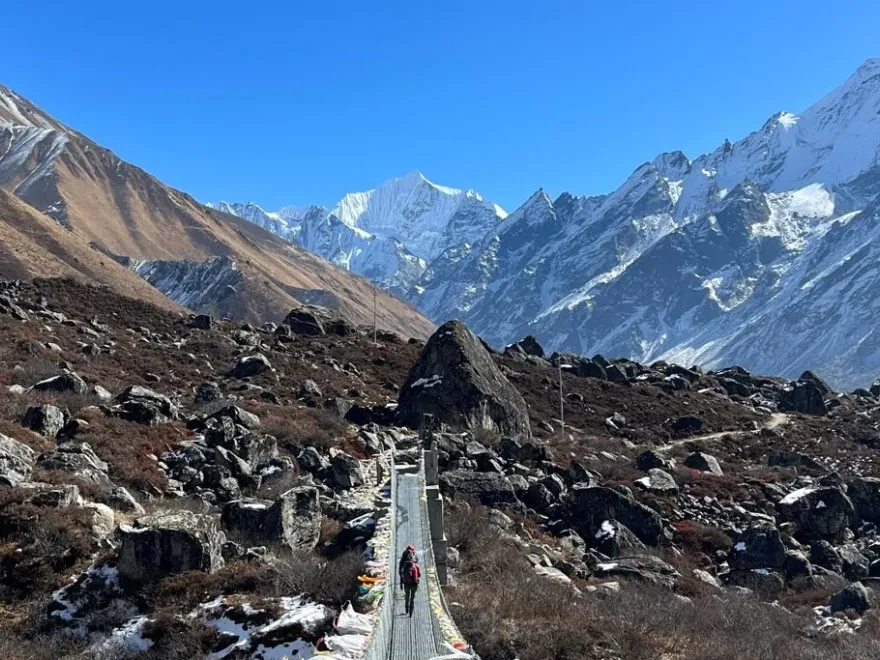
The Tamang Heritage Trail offers a unique combination of cultural immersion, natural beauty, and authentic village experiences. Unlike busier trekking routes, this trail provides a peaceful environment where visitors can connect closely with local communities and traditions. Trekkers enjoy breathtaking views of the Langtang Himalayan range, picturesque villages, lush forests, and terraced landscapes. The route is ideal for those seeking a moderate trek without extreme altitude challenges. Additionally, the trail supports community-based tourism, helping improve local livelihoods. For travelers interested in both cultural discovery and mountain scenery, the Tamang Heritage Trail presents an enriching and unforgettable Himalayan adventure.
Welcome to Nepal for a cultural trek in the Langtang region of Nepal for the Tamang Heritage Trail Trek. Our airport representative will receive you at the airport and transfer you to hotel in Kathmandu. All the trip details will be finalized and you will also be introduced to your trekking guide. Overnight in a hotel
 Accommodation 3*** Hotel
  Meals As Per Menu
 Early in the morning, you will be picked up from your hotel and transferred to Machhapokhari Bus Park for the scenic drive to Syabrubesi, the gateway to the Tamang Heritage Trail. The journey follows winding mountain roads through picturesque hills, terraced farmlands, rivers, and traditional villages. Along the way, enjoy beautiful views of the Himalayan foothills and rural Nepalese life. After several rest stops, you will arrive in Syabrubesi, a charming settlement nestled along the banks of the Bhote Koshi River. Spend the evening exploring the village and preparing for the trekking adventure ahead. Overnight in a tea house
Accommodation Tea House Meals As Per Menu  Max. altitude 1,460m / 4,790ft.
 After breakfast, begin your trek with a steady ascent through terraced fields, forests, and traditional Tamang settlements. The trail gradually climbs above Syabrubesi, offering rewarding views of the surrounding hills and snow-capped peaks. Passing through small villages and farmland, you will gain insight into the unique culture and lifestyle of the Tamang people. After several hours of trekking, arrive at Gatlang, one of the most picturesque villages in the region. The village is known for its stone houses, colorful prayer flags, and warm hospitality. Enjoy the stunning mountain scenery and experience authentic local culture. Overnight in a tea house
Accommodation Tea House Meals As per menu Max. altitude 2,238m / 7,343ft. Leaving Gatlang behind, the trail ascends through beautiful pine and rhododendron forests toward the high ridge of Nagathali Danda. Along the way, enjoy panoramic views of rolling hills, traditional settlements, and distant Himalayan peaks. The route passes through peaceful woodland and open grazing areas, creating a tranquil trekking experience. Upon reaching Nagathali Danda, you will be rewarded with spectacular views of the Langtang range, Ganesh Himal, and surrounding mountains. This sacred ridge is known for its spiritual significance and breathtaking scenery. Spend the evening appreciating one of the finest viewpoints on the Tamang Heritage Trail. Overnight in a tea house
Accommodation Tea House Meals As Per menu Max. altitude 3,165m / 10,384ft. From the scenic ridge of Nagathali Danda, descend through forests and traditional mountain landscapes toward the beautiful village of Briddim. The trail offers excellent opportunities to enjoy the natural beauty of the Langtang region while passing through areas rich in Tamang culture and Buddhist heritage. Briddim is a charming village influenced by Tibetan traditions, where visitors can experience local hospitality and authentic cultural practices. Surrounded by stunning mountain scenery and peaceful countryside, the village provides a wonderful setting to relax and learn about the region's unique way of life after several days on the trail. Overnight in a tea house
Accommodation Tea House Meals As per Menu Max. altitude 2,230m / 7,316ft. After breakfast, begin the final trekking day with a pleasant descent from Briddim back to Syabrubesi. The trail passes through forests, farmland, and traditional settlements, offering a final opportunity to appreciate the landscapes and culture of the Tamang Heritage Trail. Enjoy scenic views of surrounding hills and valleys while reflecting on the memorable experiences of the trek. The relatively short walk allows time to explore the area and relax upon arrival in Syabrubesi. Celebrate the successful completion of your trekking journey and spend the evening enjoying the peaceful atmosphere of the village. Overnight in a tea house
Accommodation Tea House Meals As per Menu Max. altitude 1,460m / 4,790ft. Following breakfast, depart Syabrubesi and begin the return drive to Kathmandu. The scenic journey follows the Trishuli River through picturesque valleys, terraced hillsides, and rural settlements. Along the way, enjoy changing landscapes and final views of the mountains that have accompanied your adventure. Several rest stops provide opportunities to stretch, refresh, and enjoy local surroundings. Upon arrival in Kathmandu, transfer to your hotel and enjoy the comforts of the city. The remainder of the day is free for relaxation, souvenir shopping, or exploring the cultural attractions of Nepal's vibrant capital. Overnight in a hotel
Accommodation 3*** Hotel Meals Breakfast Max. altitude 1,400m / 4,593ft. Your memorable Tamang Heritage Trail adventure comes to an end today. Depending on your flight schedule, enjoy some free time for last-minute shopping, sightseeing, or relaxation in Kathmandu. At the designated time, a representative will transfer you to the airport for your onward journey. As you depart Nepal, take with you unforgettable memories of breathtaking mountain landscapes, traditional Tamang culture, warm local hospitality, and rewarding trekking experiences. We hope the journey has provided meaningful insights into the natural beauty and cultural richness of the Himalayas, and we look forward to welcoming you back to Nepal in the future.
Max. altitude 1,400m / 4,593ft. Your Start Date is the day you land in Nepal, and your End Date is when you fly home.
If the set Tamang Heritage Trail Trek group dates don’t suit your schedule, we can offer alternative dates upon request.
The journey of the Tamang Heritage Trail Trek in Nepal is uniquely designed trekking itinerary to make sure that trekkers can understand the cultural aspect of the Langtang region. The place is mainly habituated by Tamang People and they are indigenous community of Nepal with their own language, traditions, and culture. If you are curious about this community and want to know about Himalayas around the Langtang region, then the Langtang Valley’s Tamang Heritage Trail Trek is an ideal choice.
The Tamang Heritage Trail Trek is considered a moderate trek, making it suitable for beginners with a reasonable level of fitness. The trail involves daily walks of 5–7 hours through hills, forests, and traditional villages. While there are some steep ascents and descents, the trekking altitude is relatively manageable compared to many Himalayan routes. Proper acclimatization, comfortable pacing, and basic preparation help most trekkers complete the journey successfully. No technical climbing skills are required for this cultural trekking experience.
The Tamang Heritage Trail Trek typically takes 7 to 10 days, depending on the itinerary and pace of travel. Most standard packages include transportation from Kathmandu, trekking days, and a return journey. Some trekkers combine the trail with nearby destinations such as Langtang Valley, extending the trek to two weeks or more. The route allows enough time to explore traditional Tamang villages, enjoy mountain scenery, and experience local culture without rushing through the journey.
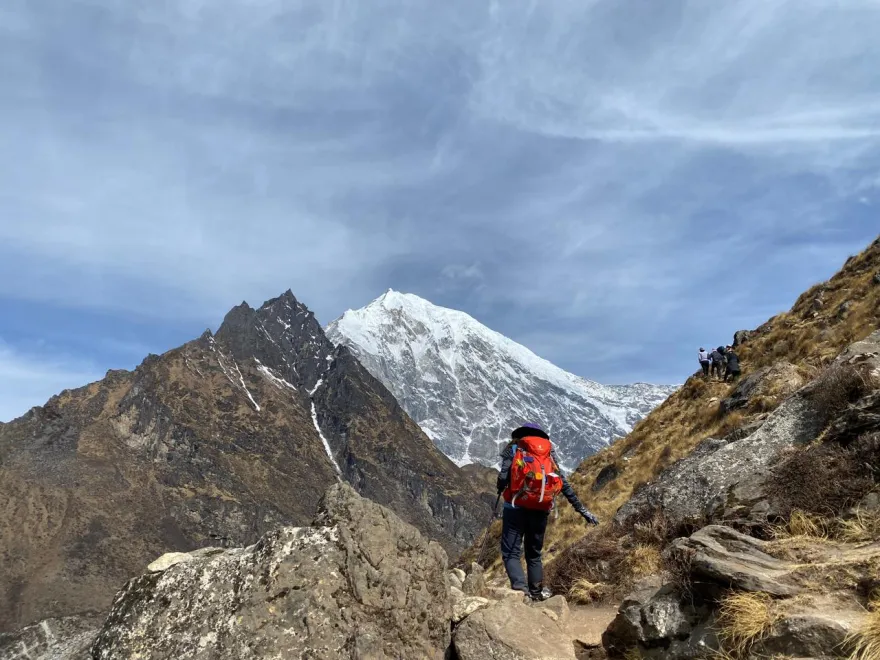
The highest point of the Tamang Heritage Trail is Nagthali Danda, which stands at approximately 3,165 meters (10,384 feet) above sea level. This viewpoint offers spectacular panoramic views of the Langtang Himalayas, Ganesh Himal, and surrounding mountain ranges. Since the altitude remains below many high-altitude trekking routes in Nepal, the risk of severe altitude sickness is relatively low. However, trekkers should still stay hydrated, walk gradually, and pay attention to their body's response to elevation.
Yes, the Tamang Heritage Trail is definitely worth visiting for travelers seeking culture, nature, and authentic village experiences. Unlike busier trekking routes, this trail provides opportunities to interact closely with Tamang communities and learn about their traditions, lifestyle, and heritage. Trekkers enjoy beautiful mountain views, peaceful forests, hot springs, and traditional architecture. The route offers an excellent balance between cultural immersion and scenic trekking, making it a rewarding alternative to more crowded Himalayan destinations.
For the Tamang Heritage Trail Trek, pack comfortable trekking clothes, sturdy hiking boots, warm layers, a waterproof jacket, gloves, a hat, and sunglasses. Essential items include a daypack, water bottle, personal medications, sunscreen, toiletries, and trekking poles if preferred. Temperatures can vary significantly between day and night, so layering is important. A camera and power bank are also useful for capturing scenery and staying connected. Packing light while carrying necessities ensures a more comfortable trekking experience.
No prior trekking experience is necessary for the Tamang Heritage Trail Trek. The route is suitable for beginners who have a basic level of physical fitness and can comfortably walk several hours each day. The trail is well-established and passes through villages with available accommodation and meals. Regular walking, light exercise, or hiking before the trip can improve endurance and enjoyment. Many first-time trekkers choose this route because it combines moderate difficulty with rich cultural experiences.
A sleeping bag is recommended for the Tamang Heritage Trail Trek, especially during colder months. Most teahouses provide blankets, but temperatures at higher elevations can become quite cold at night. A quality sleeping bag offers extra warmth, comfort, and hygiene throughout the trek. During spring and autumn, a three-season sleeping bag is generally sufficient. If you do not own one, many trekking agencies and rental shops in Kathmandu offer sleeping bags for hire at affordable rates.
Accommodation on the Tamang Heritage Trail mainly consists of teahouses and local lodges operated by village families. Rooms are generally simple but comfortable, usually featuring twin beds, blankets, and shared bathroom facilities. Some lodges offer attached bathrooms and additional amenities in larger villages. Staying in these accommodations allows trekkers to experience local hospitality and culture firsthand. While luxury facilities are limited, the welcoming atmosphere and authentic village setting make the overnight experience enjoyable and memorable.
Trekkers can enjoy a variety of local and international meals along the Tamang Heritage Trail. Common dishes include dal bhat, noodles, fried rice, soups, momos, potatoes, eggs, chapati, and seasonal vegetables. Many teahouses also serve tea, coffee, pancakes, porridge, and simple snacks. Dal bhat is particularly popular because it provides balanced nutrition and unlimited refills at many lodges. Meals are freshly prepared and offer sufficient energy for daily trekking activities and exploration.
Yes, hot showers and WiFi are available in many villages along the Tamang Heritage Trail, although services may vary by location and season. Most teahouses charge a small additional fee for hot water and internet access. WiFi connections can be slow or unreliable due to the mountainous terrain and weather conditions. Power charging facilities are also generally available for an extra charge. Trekkers should be prepared for occasional service interruptions while enjoying the remote Himalayan environment.
The best seasons for the Tamang Heritage Trail Trek are spring (March to May) and autumn (September to November). During these months, weather conditions are generally stable, skies are clear, and mountain views are spectacular. Spring brings colorful rhododendron blooms, while autumn offers crisp air and excellent visibility. Temperatures are comfortable for trekking, making these seasons ideal for both beginners and experienced hikers. These periods also provide the most favorable conditions for photography and sightseeing.
Yes, the Tamang Heritage Trail Trek can be completed during winter, typically from December to February. Winter offers clear skies, fewer trekkers, and beautiful mountain views. However, temperatures can drop significantly, especially during mornings and nights at higher elevations. Proper winter clothing, including insulated jackets, gloves, and warm sleeping gear, is essential. Some lodges may have limited services during extreme weather conditions. Trekkers who enjoy peaceful trails and colder temperatures often find winter rewarding.
Yes, the Tamang Heritage Trail Trek is possible during the monsoon season, which generally lasts from June to August. However, trekkers should expect frequent rainfall, muddy trails, slippery sections, and occasional leeches. Mountain views may be obscured by clouds, although the landscape becomes lush and green. Proper rain gear, waterproof bags, and suitable footwear are essential. While fewer tourists visit during this period, those who enjoy quiet trails and vibrant natural scenery may appreciate the monsoon experience.
Yes, current trekking regulations in Nepal generally require foreign trekkers to hire a licensed guide for many trekking routes, including the Tamang Heritage Trail. A guide enhances safety, assists with navigation, manages logistics, and provides valuable cultural and historical insights. Trekking with a guide also supports local employment and improves the overall experience. Many trekkers find that having a knowledgeable local companion enriches their understanding of the region, traditions, and daily life in Tamang communities.
The Tamang Heritage Trail is generally considered a safe trekking route for travelers. The trail passes through welcoming villages with established trekking infrastructure and local support. Risks such as minor injuries, weather changes, and altitude-related discomfort can occur but are usually manageable with proper preparation. Hiring a guide, carrying essential supplies, staying hydrated, and following local advice contribute significantly to safety. With sensible precautions, most trekkers complete the journey comfortably and enjoy a rewarding experience.
Solo travelers can enjoy the Tamang Heritage Trail, but current regulations may require foreign visitors to trek with a licensed guide. Traveling independently with a guide still provides flexibility while ensuring compliance with local rules. Solo trekkers often appreciate the opportunity to connect more closely with local communities and fellow travelers encountered along the route. The trail's friendly villages, available accommodations, and supportive environment make it an excellent choice for individuals seeking both adventure and cultural exploration.
To trek the Tamang Heritage Trail, trekkers generally need a Langtang National Park Entry Permit and a TIMS-related trekking authorization or any updated permit requirements specified by Nepalese authorities. Regulations may change, so it is important to verify current requirements before departure. These permits help support conservation efforts, trail maintenance, and visitor management within the region. Most trekking agencies can arrange the necessary documentation, making the process simple and convenient for travelers.
The cost of the Tamang Heritage Trail Trek varies depending on itinerary length, group size, services, and season. Budget trekkers may spend a few hundred dollars, while guided packages with transportation, accommodation, permits, meals, and support services generally cost more. Additional expenses may include snacks, hot showers, WiFi, charging devices, and personal equipment rentals. Booking through a reputable trekking company often provides good value by simplifying logistics and ensuring a smooth trekking experience.
Booking the Tamang Heritage Trail Trek is straightforward and can be done through a reputable trekking agency, tour operator, or local guide service. Compare itineraries, inclusions, reviews, and pricing before making a decision. Many companies allow online reservations and offer customized trekking packages based on your schedule and preferences. It is advisable to book in advance during peak trekking seasons. Once confirmed, the operator can assist with permits, transportation, accommodation, and other trekking arrangements.
| No of people | Price per person |
|---|---|
| 2 - 4 | $999 |
| 4 - 6 | $899 |
| 6 - 10 | $790 |
| No of people | Price per person |
|---|---|
| 1 - 1 | $800 |
| 2 - 3 | $750 |
| 4 - 6 | $600 |
| 7 - 10 | $525 |
| 11 | $490 |
| No of people | Price per person |
|---|---|
| 1 - 1 | $670 |
| 2 - 4 | $550 |
| 4 - 10 | $480 |
| 10 - 20 | $410 |