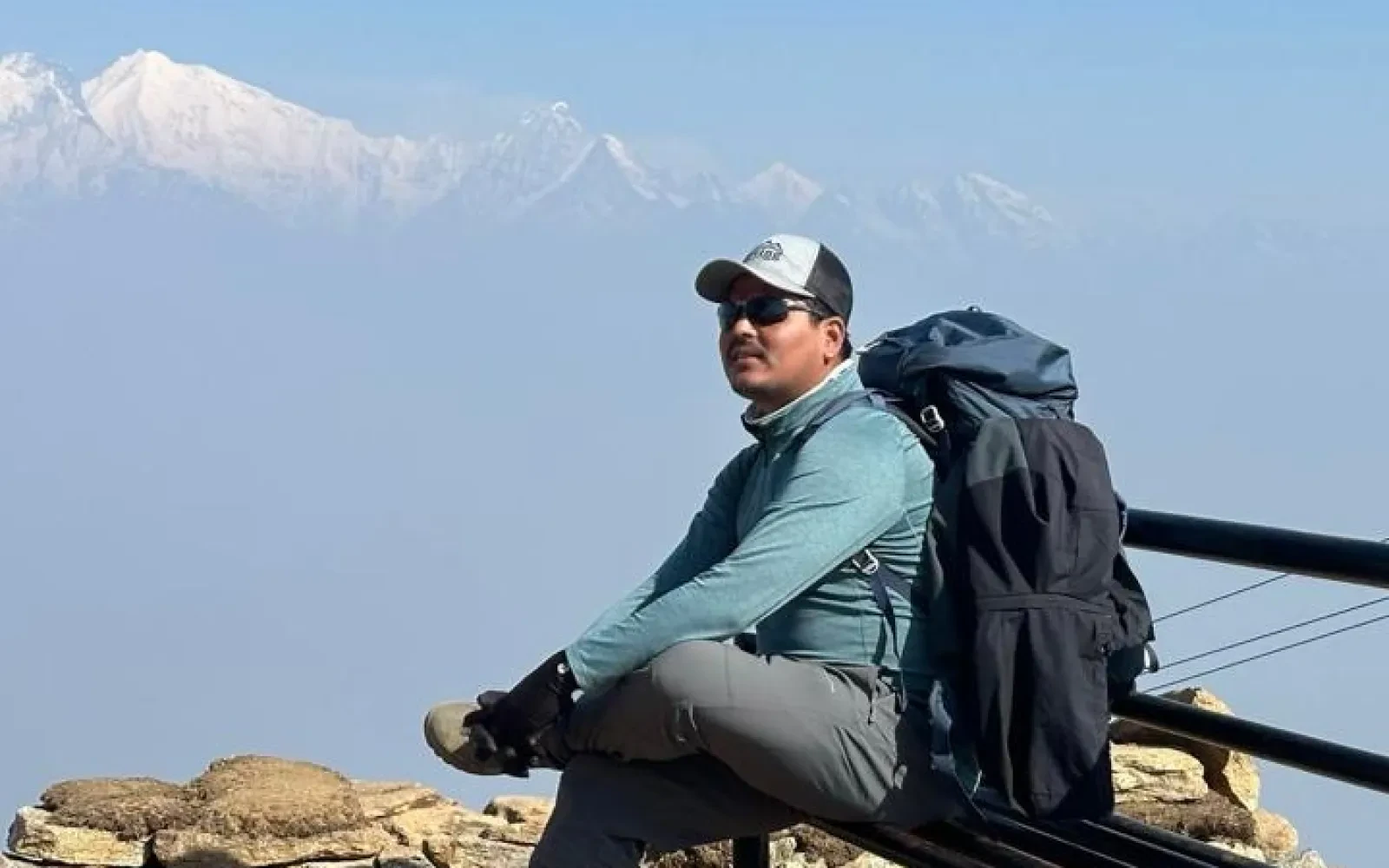
Imagine waking up, unzipping your tent or looking out a teahouse window, and being greeted by a massive wall of pure, blinding white ice glowing gold under the first rays of the morning sun. No haze. No clouds. Just raw, majestic Himalayan peaks so close you feel like you could reach out and touch them.
That is the magic of the Annapurna Base Camp (ABC) trek in October. There is a very good reason why this specific month is widely considered the absolute golden window for trekking in Nepal. If you are itching to lace up your hiking boots and tackle one of the world's most iconic trails, let’s dive into what makes October so special, what the daily grind looks like, and how to survive the inevitable crowds.
To understand why October is so spectacular, you have to look at what happens right before it. From June through September, the monsoon rains thrash Nepal. They wash away the dust, open up the rivers, and turn the lower valleys into impossibly lush, vibrant green jungles.
By the time October rolls around, the rain abruptly stops, leaving behind the crispest, cleanest air you will ever breathe. The atmospheric clarity is at an all-time annual high. You get day after day of bright blue skies, perfectly dry trails, and razor-sharp mountain views that will make your jaw drop.
But it’s not just about the mountains. October is also the peak festive season in Nepal. Major Hindu festivals like Dashain and Tihar usually fall in this month. As you hike through lower Gurung and Magar villages like Ghandruk or Chhomrong, you will see locals dressed in their finest clothes, giant bamboo swings erected in village squares, and an infectious, joyful energy in the air. It adds a rich layer of cultural magic to an already stunning natural adventure.
The weather in October is the definition of "just right" for physical exertion. You aren't sweating through your clothes in the lower valleys, nor are you battling sub-zero blizzards higher up.
· Lower Altitudes (Pokhara to Chhomrong): Expect beautiful, warm days with temperatures hovering between 15°C and 25°C. You’ll be hiking comfortably in a light t-shirt and shorts or trekking pants.
· Higher Altitudes (Deurali to ABC): As you climb past 3,000 meters, the air crisps up significantly. Daytime temperatures range from 5°C to 12°C. The moment the sun dips behind the massive peaks, however, the temperature drops fast. At Annapurna Base Camp (4,130 meters), night temperatures easily slide down to -5°C or even -10°C.
You will experience a massive contrast between the sun-drenched daytime walks and the freezing, huddling-around-the-dining-room-heater evenings.
Let’s be completely honest: because the weather is flawless, everyone wants a piece of it. October is the peak trekking season in the Annapurnas.
The trails are busy. You will share the path with international tour groups, independent backpackers, porters carrying staggering loads, and trains of pack mules carrying supplies to remote teahouses.
What does this mean for you logistically?
1. Teahouse Crunch: Teahouses fill up fast. If you travel without a guide or a pre-booked itinerary, you might find yourself arriving late to a village only to find every single room taken. During peak times, solo trekkers often have to sleep on communal dining room floors.
2. The Social Vibe: If you are looking for absolute solitude and a soul-searching, lonely mountain experience, October at ABC might frustrate you. But if you love a buzzing, social atmosphere where you can swap trail stories with people from twenty different countries over a steaming plate of Dal Bhat every night, you will absolutely love it.
The Route and What to Expect
The beauty of the ABC trek is its diversity. Unlike the Everest region, which pushes you into high alpine rock and ice almost immediately, the Annapurna Sanctuary route is a dramatic, slow-burn transition.
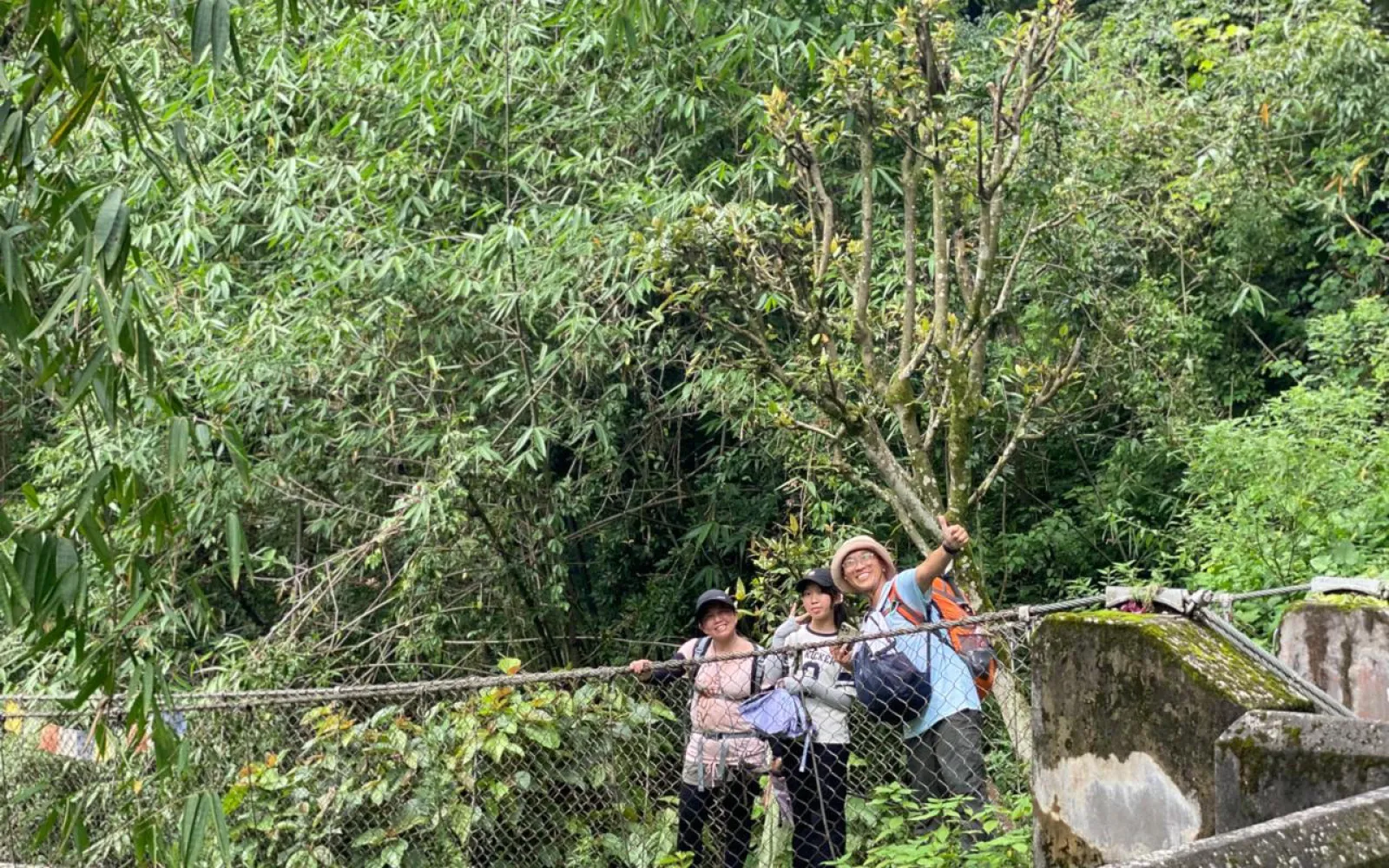
You start in the sub-tropical lowlands, walking through vibrant terraced rice fields and dense, fairytale-like forests of rhododendron, bamboo, and oak. You’ll cross swaying suspension bridges suspended over roaring, glacial-fed rivers.
As you ascend day by day, the trees thin out. The gorge narrows into a steep, rugged valley flanked by sheer rock cliffs. Suddenly, you break through the "gate" of the sanctuary between Machhapuchhre Base Camp (MBC) and ABC.
Here, you enter a mind-bending, 360-degree amphitheater of mountains. You are completely surrounded by giants: Annapurna I (the 10th highest mountain in the world), Annapurna South, Hiunchuli, and the iconic, sacred "Fishtail" peak, Machhapuchhre. Standing in that glacial bowl at sunrise, watching the peaks turn from deep blue to bright pink and blazing orange, is a spiritual experience that burns into your memory forever
· Start Early Each Day: Wake up at 6:00 AM, eat breakfast, and hit the trail by 7:00 AM. In the Himalayas, clouds often start rolling in by 2:00 or 3:00 PM, even in October. By starting early, you get the absolute best weather for hiking, finish your day's trek by early afternoon, and secure the best rooms at the next teahouse.
· Pack a Serious Sleeping Bag: Do not rely on the blankets provided by teahouses. They are rarely washed between guests and are definitely not warm enough for a -5°C night at base camp. Bring a high-quality down sleeping bag rated comfort-level to at least -10°C.
· Hydrate and Track Altitude: ABC sits at 4,130 meters. Altitude sickness (AMS) doesn't care how fit you are. Drink at least 3-4 liters of water daily, walk at a slow, steady pace (locally called bistari, bistari), and consider carrying Diamox just in case.
· Cash is King: There are no ATMs on the trail, and electricity/Wi-Fi costs extra the higher you go. Bring plenty of Nepali Rupees from Pokhara or Kathmandu to cover hot showers, device charging, snacks, and boiled drinking water.
If you can handle the crowds and plan your logistics smartly, an October trek to Annapurna Base Camp offers the most rewarding, visually flawless trekking experience in Asia. It is popular for a reason—because it genuinely is that spectacular.
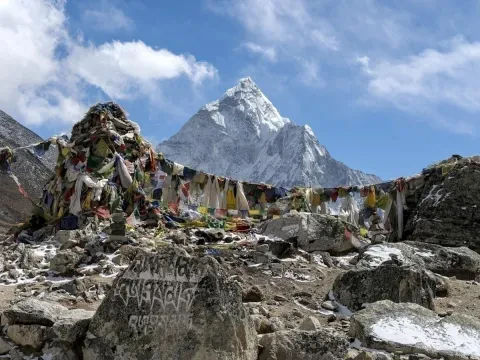
Choosing between a trek in the Annapurna Region and the Everest Region can be difficult. Roving Nepal Treks is here to help you make the right choice.
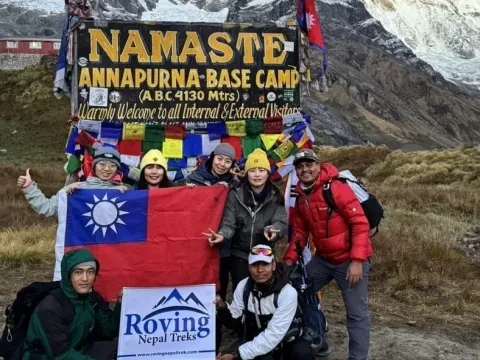
One of the darling trekking destination of the world is the Annapurna Base Camp Trek. Therefore, the charm of this route is very high among travelers from across the globe. The journey that takes trekkers to the foothill of the world's 10th tallest mountain is definitely a prized one. There are lots of questions about the Annapurna Base Camp Trek for Beginners. So, today's blog is all about finding out reasons that make the ABC Trek suitable for all age group from beginners to professional trekkers.
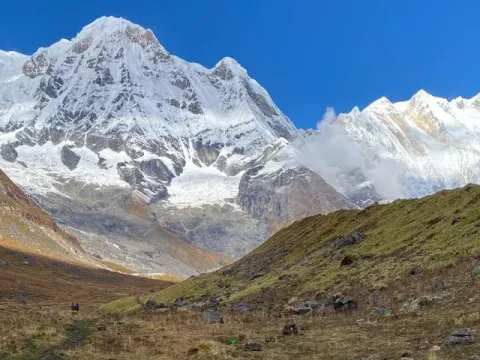
Where do you want to go in Nepal for mountain adventures and cultural encounters? Choose none other than the Annapurna region of Nepal! The place is an abode of the world’s 10th tallest mountain Mt. Annapurna (8091 m) and home of Gurung, Magar, Tibetan, Brahmins, Chhetris, and Dalit communities. Therefore, it is an exciting trekking trail to visit in Nepal. So, the main question remains the effective trekking itinerary. Today’s blog is about the 9 Days Annapurna Base Camp Trek Itinerary in Nepal. Learn about this authentic and scientific trekking itinerary to explore the Annapurna Base Camp (4130 m).
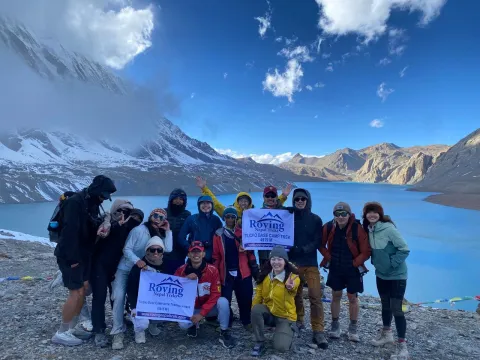
What makes the Annapurna Circuit Trek with Tilicho Lake special are not simply the mountains. It's the constant change. One week you're walking through green river valleys lined with pine forests and traditional villages. A few days later, you're crossing windswept high-altitude terrain that feels more like Tibet than Nepal. Then comes Tilicho Lake, a stunning turquoise body of water sitting at nearly 5,000 meters above sea level.
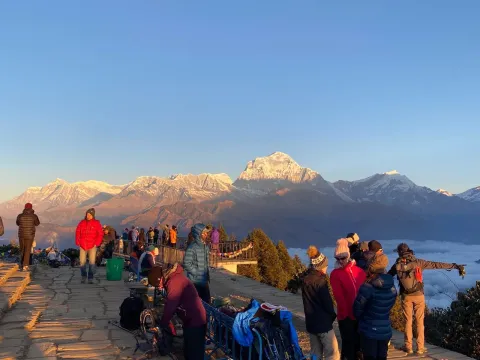
Unlike many high-altitude Himalayan treks, the Annapurna Base Camp Trek reaches an impressive elevation while passing through a variety of landscapes. Trekkers experience terraced farmland, traditional Gurung villages, rhododendron forests, waterfalls, rivers, alpine landscapes, and spectacular mountain viewpoints. With experienced local guides and careful planning, Roving Nepal Trek can help you create a safe and memorable Annapurna adventure.