Following the devastating flash floods along the Bhotekoshi River basin on August 26, natural disaster headlines have once again raised valid concerns for international travelers.
If you are currently planning a Himalayan trek, it is vital to separate localized natural disasters from the overall condition of Nepal's core trekking regions. The major high-altitude circuits—including the Everest, Annapurna, and Manaslu regions—remain safe, open, and fully operational for trekking.
Here is an objective look at the situation on the ground, what caused the recent flood, and how it impacts travel across Nepal.
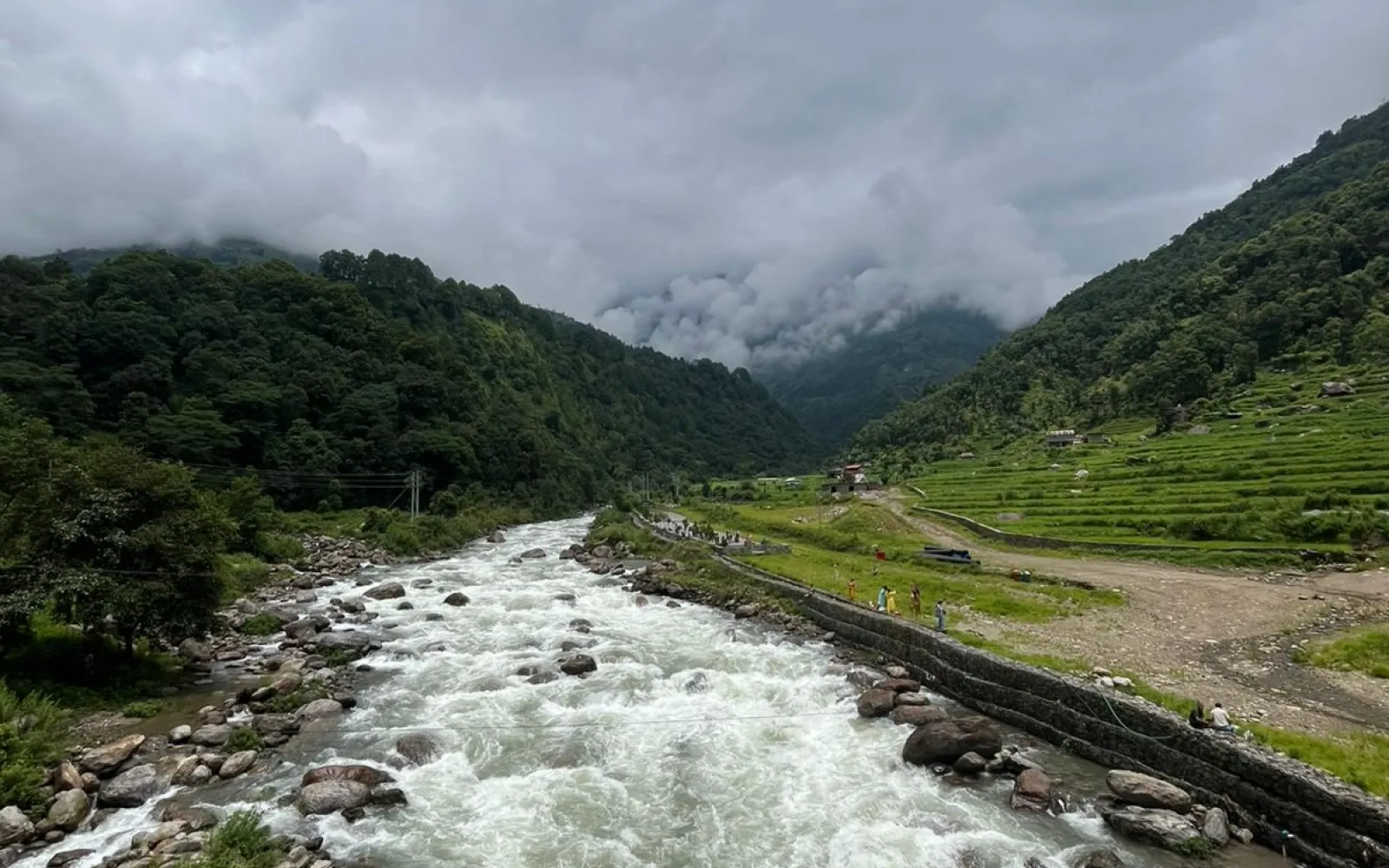
On the morning of August 26, a massive flash flood surged down the Bhotekoshi and Trishuli river systems. Early assessments indicate the deluge was caused by a upstream ice-rock avalanche and temporary river blockage in the transboundary Lhende River corridor near the Nepal-China border.
The resulting surge heavily affected low-altitude settlements, border infrastructure, and highway connections in the Rasuwa District (specifically around Timure and Syabrubesi), stretching downstream into parts of Nuwakot and Dhading. Search and rescue operations led by local security forces and disaster management teams are actively ongoing in those localized river corridors.
Because the Bhotekoshi basin serves as a key trade and entry point near the Tibetan border, the damage to immediate highway infrastructure in Rasuwa is severe. However, this event was geographically concentrated within that specific river corridor.
Regional Status: Where Can You Safely Trek?
Nepal’s geography is vast and defined by separate river basins and mountain ranges. A localized event in the Bhotekoshi valley does not mean the entire country's trails are compromised.
· Status: Fully Safe and Operational.
· Why: Located far to the east of the Bhotekoshi river system, the Sagarmatha National Park remains completely unaffected by the flood.
· Access: Flights into Lukla (from Kathmandu or Ramechhap) operate entirely outside the flood-impacted zone. The high-altitude trails, tea houses, and bridges throughout Namche Bazaar, Everest Base Camp, and Gokyo remain secure.
· Status: Safe and Open.
· Why: The Annapurna Conservation Area (ACAP) sits well to the west of the affected eastern river basins. High-altitude routes like Annapurna Base Camp, Mardi Himal, and the Annapurna Circuit are fully intact.
· Access: Main transit corridors such as the Prithvi Highway connecting Kathmandu to Pokhara remain open, though standard seasonal road maintenance applies.
· Status: Safe and Open.
· Why: The high pass of Larkya La and upper villages such as Samagaun and Samdo are located safely away from the Bhotekoshi watershed.
· Access: Standard road access to the trailheads via Gorkha remains functional. Restricted area permits continue to be issued, and local agencies are operating routes normally.
· Status: Temporarily Disrupted / Exercise Caution.
· Why: Because the main gateway to the Langtang trek passes through Syabrubesi in the Rasuwa district, highway access along the riverbanks has sustained notable damage from the Bhotekoshi surge.
· Recommendation: Trekkers planning to visit Langtang in the immediate future should check with their agencies for route updates, as overland transport to the trailhead is undergoing repair.
Key Safety Advice for Upcoming Trekkers
If you are flying into Nepal for the upcoming autumn trekking season, simple precautions will ensure a smooth experience:
· Fly to Mountain Hubs Where Possible: For regions like Everest, direct air connectivity avoids overland transit entirely.
· Stay Updated via Licensed Agencies: Local agencies maintain direct radio and phone contact with guides stationed across various districts, offering real-time updates superior to generalized news headlines.
· Build Buffer Days: Always build 1 to 2 buffer days into your travel schedule to accommodate mountain weather pattern changes or routine highway maintenance.
· Monitor Official Bulletins: Keep an eye on updates from the Nepal Tourism Board (NTB) and Department of Hydrology and Meteorology (DHM) for weather and travel advisories.
The Bottom Line
The flash flood along the Bhotekoshi River is a localized tragedy confined to specific northern border corridors. Beyond the affected riverfronts in Rasuwa, Nepal's premier mountain destinations—Everest, Annapurna, and Manaslu—remain safe, structurally stable, and ready to welcome mountain enthusiasts.