To trek in the Himalayas is to enter an internal conversation with vertical space. Yet, for all the romantic poetry written about Nepal’s high trails, modern Himalayan travel literature has largely degraded into a sea of commodity "guides." They read like brochures written by algorithms: identical packing lists, copied-and-pasted histories, and sanitized itinerary overviews that treat every mountain valley as interchangeable.
They are not interchangeable.
To walk the Modi Khola towards Annapurna Base Camp is entirely distinct from navigating the precipitous Budhi Gandaki gorge under the shadow of Manaslu, or ascending through the resilient Tamang settlements of the Langtang Valley. Each route possesses a unique spatial architecture, a distinct cultural pulse, and a specific psychological toll.
If you are trying to understand where to place your boots in Nepal, you do not need another list of checklist highlights. You need to understand how these three regions differ in terrain, culture, logistics, and spirit—and which one aligns with what you are searching for in the mountains.
The Three Visual Philosophies: Amphitheater, Wilderness Circuit, and Sacred Corridor
The most profound difference among these three regions lies in how you physically experience the mountains.
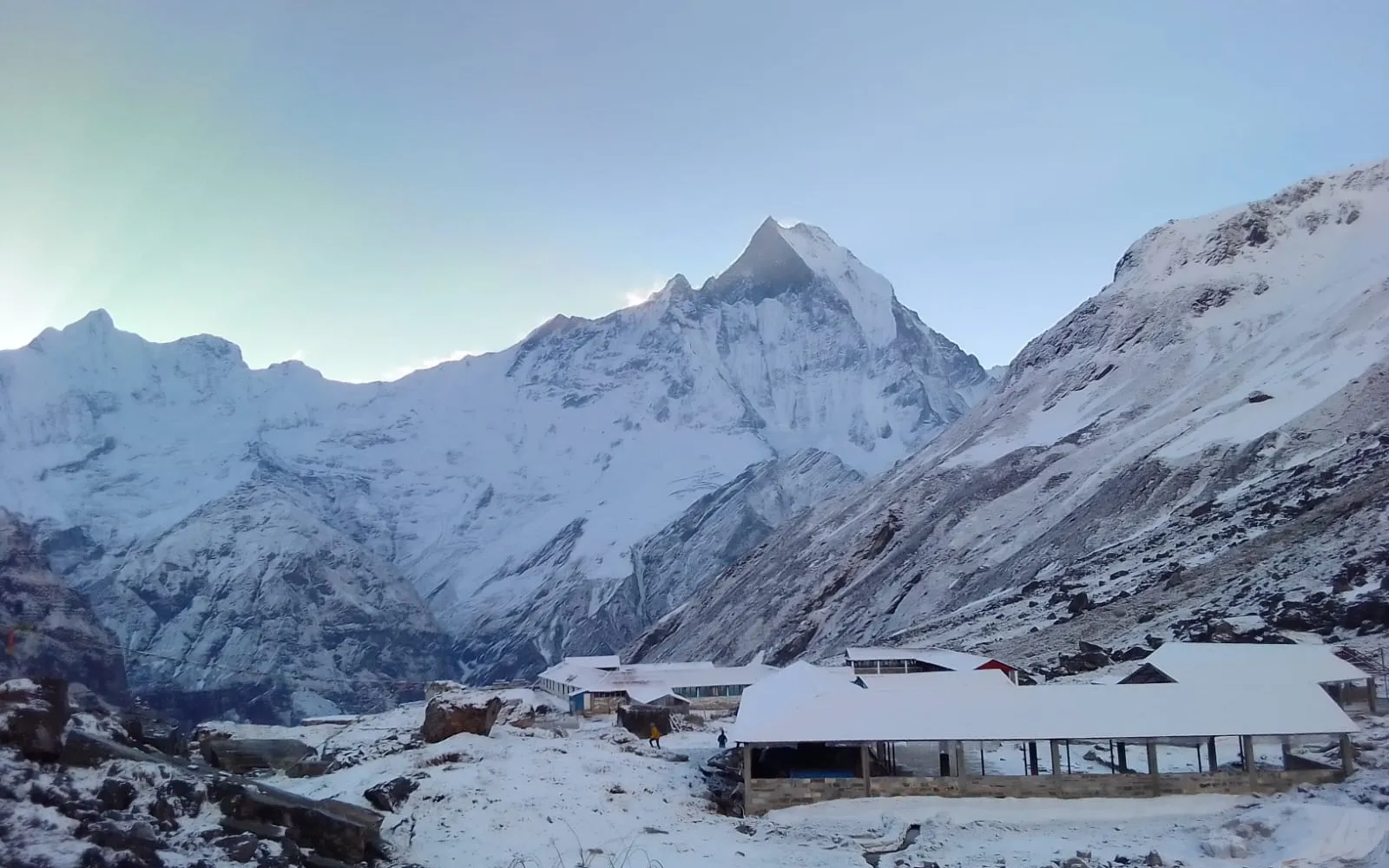
Trekking into the Annapurna Sanctuary feels like walking through a keyhole into a natural cathedral. For days, you climb along the Modi Khola, sandwiched inside a steep, densely forested gorge. The walls squeeze inward, obscuring the horizon.
And then, suddenly, the canyon explodes open.
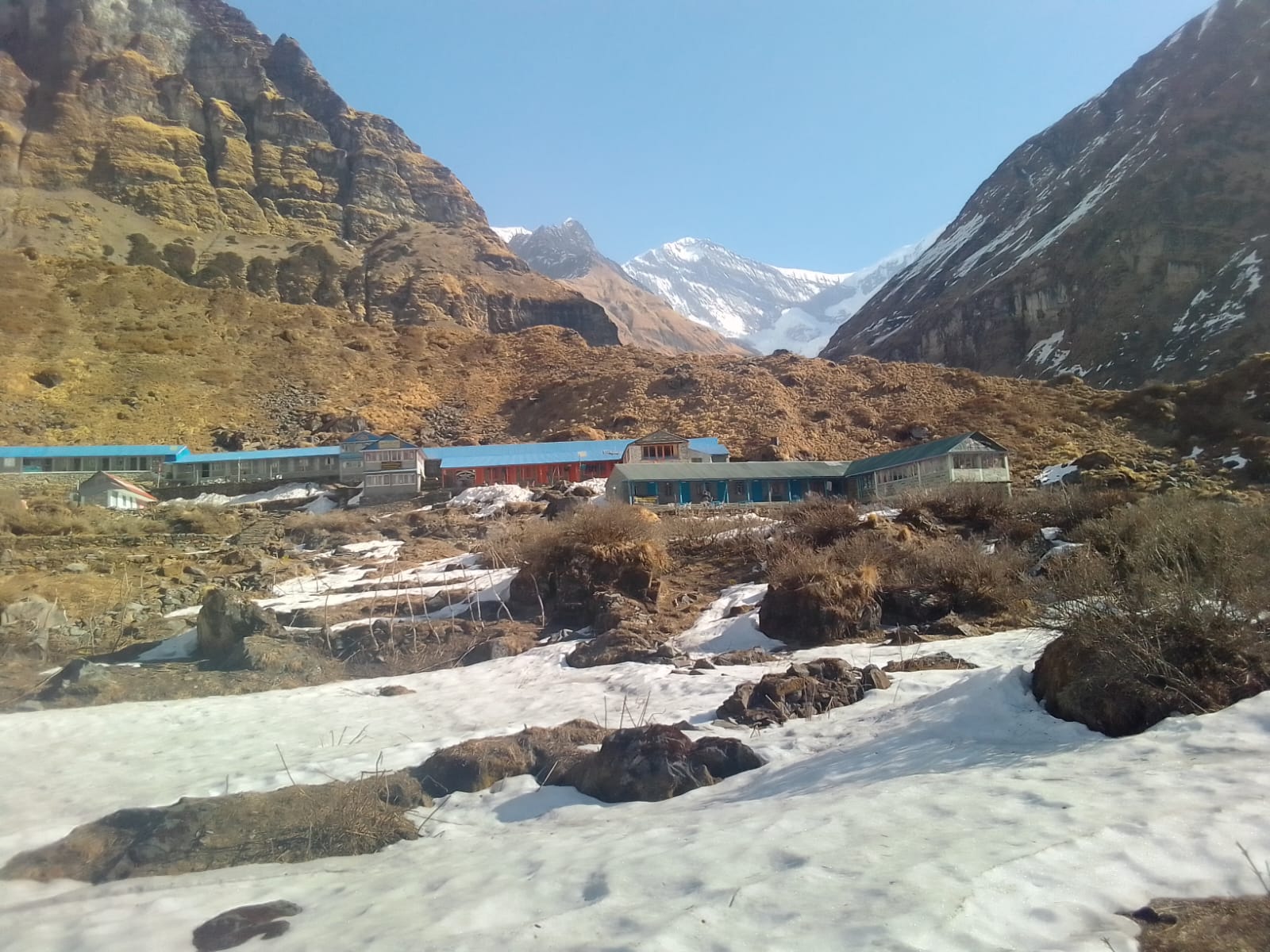
At 4,130 meters, you step into the Annapurna Sanctuary—a high-altitude basin surrounded by an unbroken 360-degree wall of snow and ice. Annapurna I (8,091m), Machhapuchhre (Fishtail, 6,993m), Annapurna South, and Hiunchuli tower directly above you. The spatial dynamic is centripetal: you are drawn directly into the epicenter of the mountains. You do not look at the Himalayas from a distance; you stand helpless inside their center.
If Annapurna Base Camp pulls you into a single point, the Manaslu Circuit circles a titan. Encircling Mt. Manaslu (8,163m)—the world’s eighth-highest peak—this trek is a dynamic, changing landscape.
You begin low, carved into the sheer rock walls of the Budhi Gandaki gorge, where subtropical heat, cascading waterfalls, and damp vegetation dominate. Day after day, the climate alters: pine forests replace subtropical foliage, riverbeds widen into glacial basins, and the architecture shifts from Hindu-influenced terraced farmlands to ancient Tibetan stone hamlets. The climax is not a static base camp, but the negotiation of the high, wind-swept Larkya La Pass at 5,106 meters. Manaslu is an expeditionary journey—a feeling of moving through space, time, and ecosystems.
Langtang is often called "the valley of glaciers," but physically, it is a grand linear staircase. Beginning in Syabrubesi, the trail follows the rushing Langtang Khola through dense oak and rhododendron forests before emerging into a vast, U-shaped alpine valley carved by ice.
The visual experience here is expansive and framed. To your north sits the Langtang Himal range, anchored by Langtang Lirung (7,234m). Unlike the tight sanctuary of Annapurna or the grueling pass-crossing of Manaslu, Langtang offers a classic high-mountain valley rhythm. The trek terminates at Kyanjin Gompa (3,870m), a high alpine plateau framed by glaciers, where side ascents up Tserko Ri (4,984m) reveal the rolling expanse of the Tibetan Plateau stretching into the distance.
Trekking in Nepal is never merely a wilderness exercise; it is a walk through living cultural ecosystems. The cultural identities of these three regions could not be more distinct.
The lower and middle reaches of the Annapurna region are the ancestral homeland of the Gurung and Magar peoples—ethnolinguistic groups renowned for their farming heritage and historic service in the Gurkha regiments.
Because Annapurna was one of the earliest trekking regions opened in Nepal, its trail culture is polished and commercialized. Teahouses here often resemble mountain inns, featuring extensive multi-page menus, wood-paneled dining rooms, and hot showers. The cultural experience is comfortable, social, and accessible, though less isolated than in regions further east or north.
Manaslu offers an entirely different depth of human history. Because the region was long restricted and remains tightly regulated under a government permit system, its upper valleys—known as Kutang and Nubri—have retained their classical Tibetan Buddhist culture.
Here, the trail winds past massive mani walls (stone tablets intricately carved with prayers), ancient chortens, and monasteries like the 900-year-old Pungyen Gompa. Villagers wear traditional Tibetan *chuba* robes, speak regional dialects closer to Tibetan than Nepali, and live by agricultural and spiritual rhythms largely unchanged by tourism. Walking through Samagaun or Samdo feels less like traversing a tourist route and more like stepping into an isolated mountain enclave.
Langtang is the heartland of the Tamang people, descendants of Tibetan horse traders who settled in northern Nepal centuries ago. The cultural atmosphere is deeply spiritual—defined by fluttering prayer flags, spinning prayer wheels powered by glacial streams, and quiet, stone-walled hamlets.
Yet, to speak of Langtang's culture is also to speak of human strength. In April 2015, a massive earthquake triggered a catastrophic ice and rock avalanche that completely buried the original Langtang Village, killing hundreds of locals and trekkers. The story of Langtang today is not just about ancient tradition; it is about rebirth. The valley has rebuilt its lodges, restored its trails, and welcomed travelers back with remarkable warmth. Trekking in Langtang means contributing directly to a local economy built entirely on quiet, stubborn resilience.
Selecting among these three regions requires an honest evaluation of your fitness, available time, altitude comfort, and tolerance for logistical complexity.
· You want immediate visual scale: You want to stand directly beneath steep 8,000-meter walls without having to cross a technical 5,000-meter mountain pass.
· You value trail comfort: You prefer reliable teahouses, warm showers, diverse food options, and cozy dining rooms after a long day of stepping up stone staircases.
· You want a proven classic: You don't mind sharing the trail with fellow international hikers in exchange for exceptional mountain views and an established trekking atmosphere.
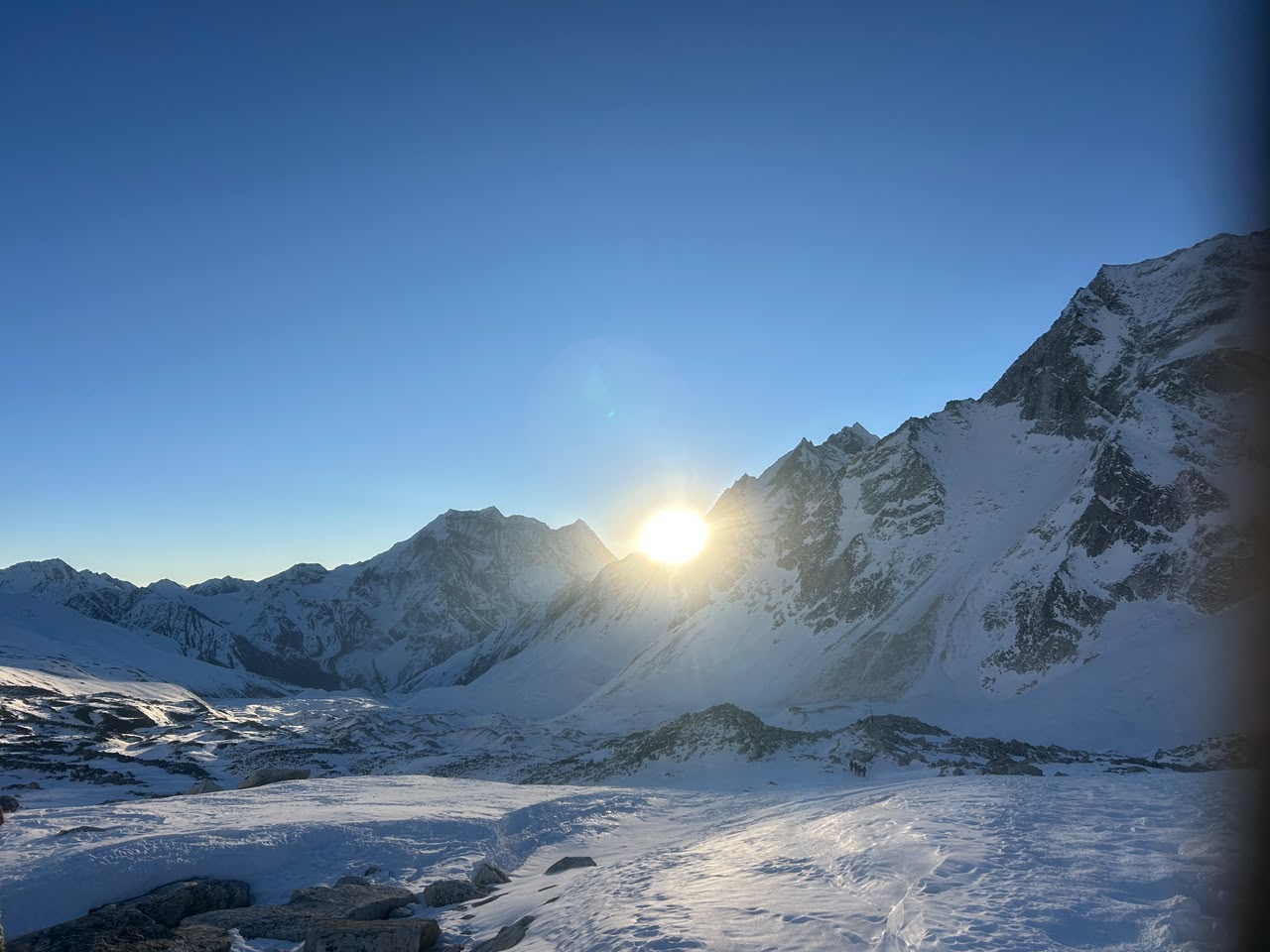
· You crave true off-the-beaten-path scale: You want the grand wilderness feel of the classic Annapurna Circuit before it was modernized with road development.
· You want high-pass drama: You want the physical challenge of crossing the 5,106m Larkya La Pass—surrounded by blue sheep, vast glaciers, and towering peaks.
· You seek untouched Buddhist heritage: You want to witness authentic Tibetan village life, ancient monasteries, and remote valleys where local culture remains untouched by mass tourism.
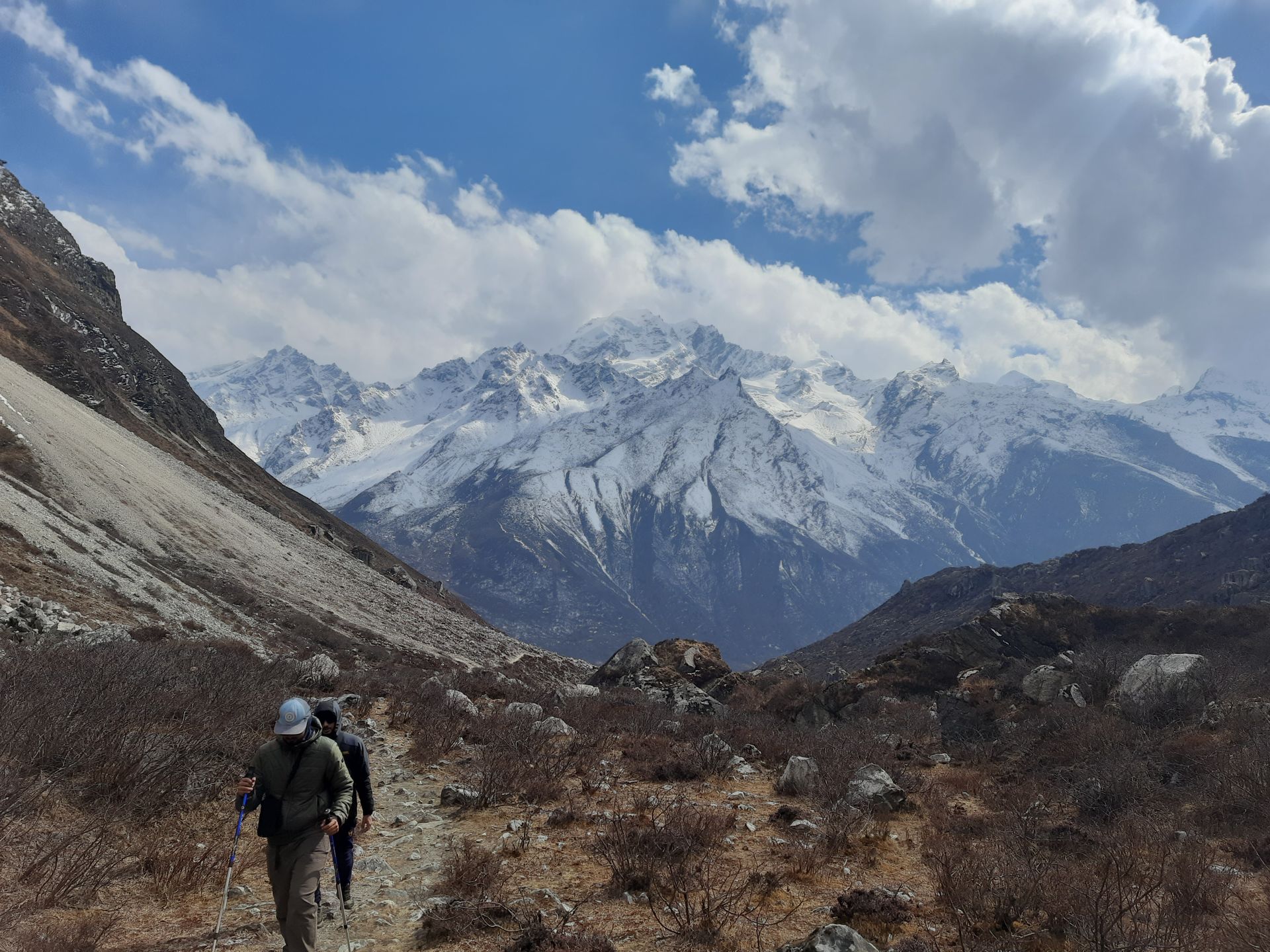
· You have limited time: You want a full Himalayan high-altitude experience in under 9 days, starting directly with an overland drive from Kathmandu.
· You prefer a gentler pace: You want a route with a gradual ascent up a river valley rather than thousands of steep stone steps.
· You prioritize solitude and connection: You want quiet trails, meaningful interactions with local Tamang families, and the freedom to explore side valleys without massive crowds.
Mindset Behind the Trail
The Himalayas do not yield their secrets to those who view them merely as background scenery for photos. Each of these three regions offers a different path toward the same fundamental experience: a reminder of how small we are, and how quiet the world can be when you step away from modern distractions.
· Annapurna Base Camp is a dramatic journey into the heart of a mountain sanctuary.
· Manaslu is a raw, challenging expedition through remote history and high mountain passes.
· Langtang is a soulful, quiet climb through a resilient valley rich in culture.
Whichever route you choose, respect the altitude, honor the local customs of the communities that welcome you, and let the slow pace of walking change your perspective.
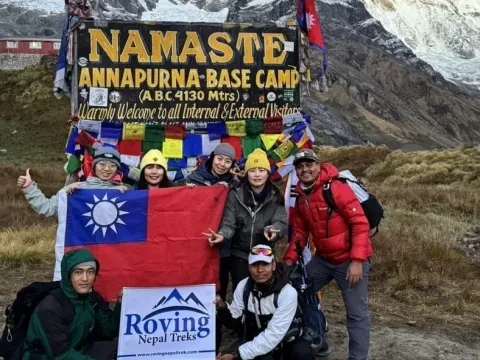
One of the darling trekking destination of the world is the Annapurna Base Camp Trek. Therefore, the charm of this route is very high among travelers from across the globe. The journey that takes trekkers to the foothill of the world's 10th tallest mountain is definitely a prized one. There are lots of questions about the Annapurna Base Camp Trek for Beginners. So, today's blog is all about finding out reasons that make the ABC Trek suitable for all age group from beginners to professional trekkers.
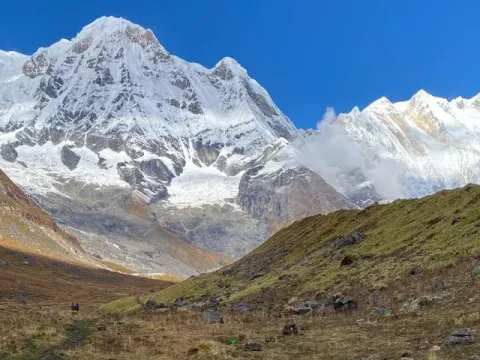
Where do you want to go in Nepal for mountain adventures and cultural encounters? Choose none other than the Annapurna region of Nepal! The place is an abode of the world’s 10th tallest mountain Mt. Annapurna (8091 m) and home of Gurung, Magar, Tibetan, Brahmins, Chhetris, and Dalit communities. Therefore, it is an exciting trekking trail to visit in Nepal. So, the main question remains the effective trekking itinerary. Today’s blog is about the 9 Days Annapurna Base Camp Trek Itinerary in Nepal. Learn about this authentic and scientific trekking itinerary to explore the Annapurna Base Camp (4130 m).
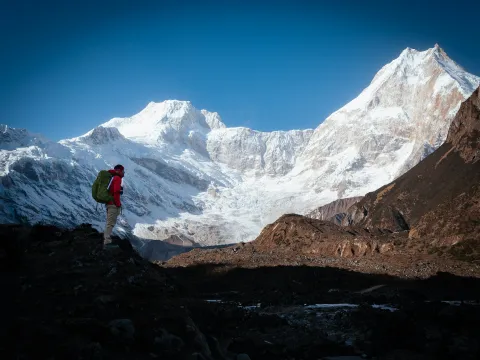
Let's find out about the Manaslu Circuit Trek Distance in today's blog. Lots of our clients are inquiring about this trek in these past two trekking seasons. People are shifting their attention to this amazing trekking trail inside the restricted areas of Nepal. Experience rawness, rural vibes, and Himalayan wilderness in the Manaslu Trek route that includes daring Larke La Pass crossing.
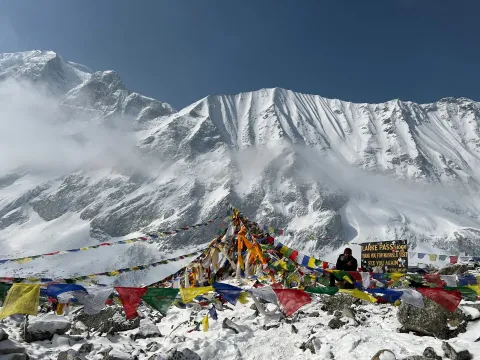
Planning a 12 Days Manaslu Circuit Trek and wondering how difficult it really is? How many hours will you walk each day? What altitude will you sleep at every night? And how much should you budget for food and drinks along the trail? This guide answers the practical questions that most trekking agencies overlook. We will talk about the Manaslu Circuit Trek Altitude Chart, Daily Walking hours & real food prices. Save time and money while knitting the best holiday activities in this amazing Himalayan nation.
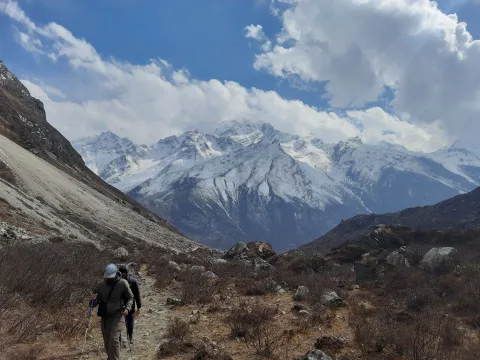
The Langtang Valley Trek is one of Nepal's most rewarding Himalayan adventures, offering breathtaking mountain scenery, rich Tamang culture, ancient monasteries, alpine forests, glaciers, and panoramic viewpoints. Located north of Kathmandu near the Tibetan border, this trek is ideal for travelers seeking spectacular Himalayan landscapes without the crowds commonly found on the Everest or Annapurna trekking routes.
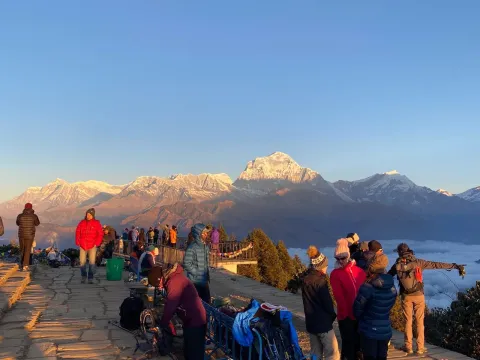
Unlike many high-altitude Himalayan treks, the Annapurna Base Camp Trek reaches an impressive elevation while passing through a variety of landscapes. Trekkers experience terraced farmland, traditional Gurung villages, rhododendron forests, waterfalls, rivers, alpine landscapes, and spectacular mountain viewpoints. With experienced local guides and careful planning, Roving Nepal Trek can help you create a safe and memorable Annapurna adventure.