Need help with booking? Send us a message.
As Per Itinerary
· Visit both Kanchenjunga North and South Base Camps.
· Experience one of Nepal's most remote trekking regions.
· Trek through the Kanchenjunga Conservation Area.
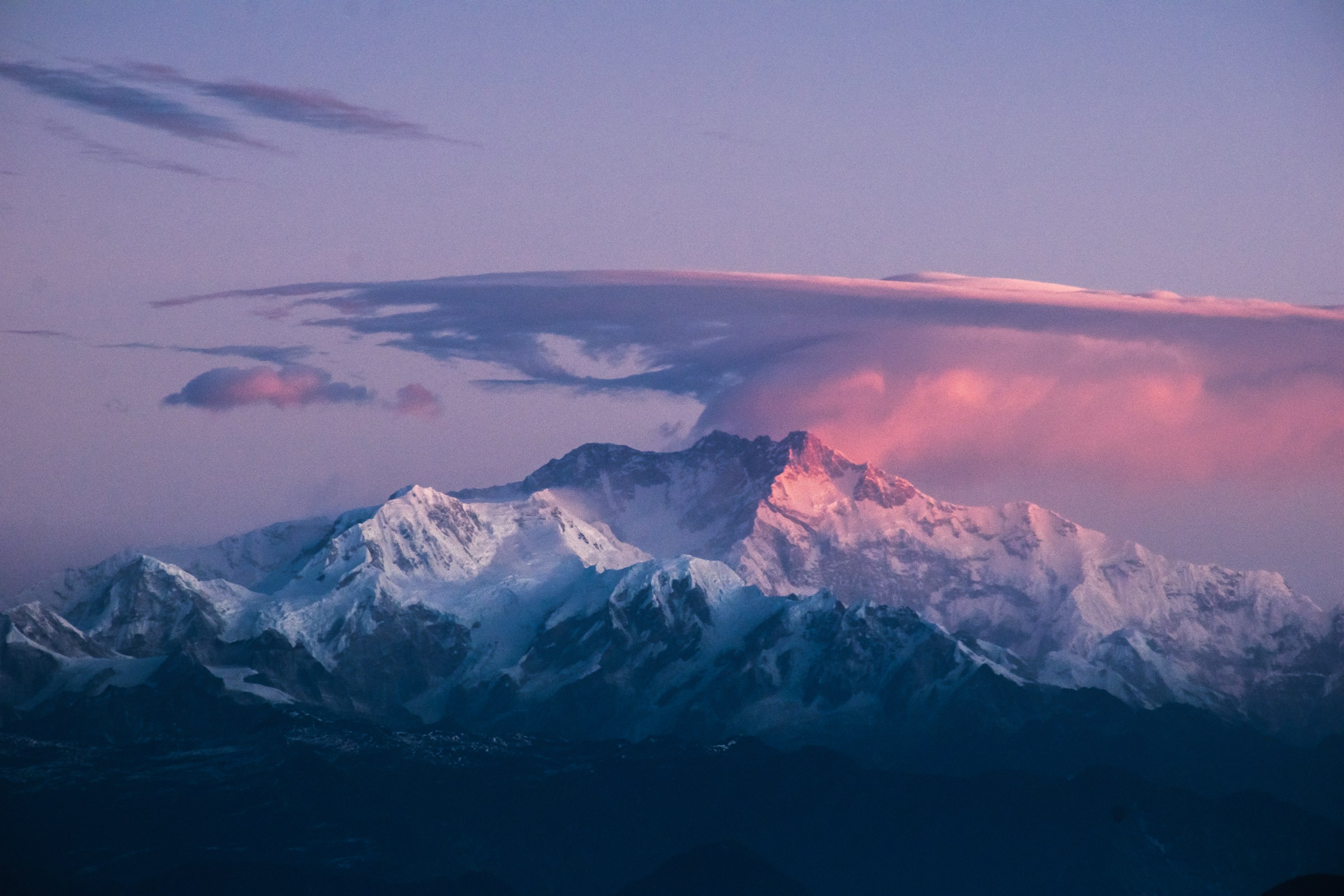
· Enjoy breathtaking views of Mount Kanchenjunga (8,586m).
· Cross Sele La, Sinion La, and Mirgin La passes.
· Explore traditional Limbu, Rai, Sherpa, and Tibetan villages.
· Witness glaciers, alpine valleys, waterfalls, and dense forests.
· Encounter rich biodiversity including red pandas and blue sheep.
· Experience authentic Himalayan culture away from crowded trekking routes.
· Complete one of Nepal's most rewarding trekking circuits.
The Kanchenjunga Circuit Trek is one of Nepal's most remote and rewarding trekking adventures, taking trekkers deep into the eastern Himalayas surrounding Mount Kanchenjunga (8,586m), the third-highest mountain in the world. Unlike the popular Everest and Annapurna regions, Kanchenjunga remains a true wilderness destination where pristine nature, authentic mountain culture, and breathtaking Himalayan scenery combine to create an unforgettable trekking experience.
This remarkable circuit explores both the North and South Base Camps of Kanchenjunga while traversing remote valleys, dense forests, glacial landscapes, alpine meadows, and traditional Himalayan settlements. The trek provides an extraordinary opportunity to experience Nepal's untouched mountain environment while encountering diverse ethnic communities that have preserved their traditions for centuries.
Kanchenjunga lies in the far eastern region of Nepal along the border with India’s Sikkim state. The mountain dominates the Kanchenjunga Conservation Area, a protected region covering more than 2,000 square kilometers of forests, glaciers, rivers, and alpine terrain. Due to its remote location, the region receives significantly fewer visitors than Nepal's more famous trekking destinations, making it ideal for travelers seeking solitude and adventure.
The Kanchenjunga Circuit Trek offers a rare opportunity to explore one of the last truly wild trekking regions in the Himalayas. The trail remains largely untouched by mass tourism and provides a sense of exploration that has disappeared from many popular trekking routes. Trekkers experience dramatic landscapes, authentic village life, spectacular mountain panoramas, and the satisfaction of completing one of Nepal's most challenging trekking circuits.
One of the trek's greatest attractions is the opportunity to visit both Kanchenjunga North Base Camp and South Base Camp. Pangpema, the North Base Camp, offers extraordinary views of Kanchenjunga's imposing north face, while Oktang near the South Base Camp provides breathtaking perspectives of the Yalung Glacier and southern peaks. Few trekking routes in Nepal offer such close encounters with a major Himalayan giant from multiple viewpoints.
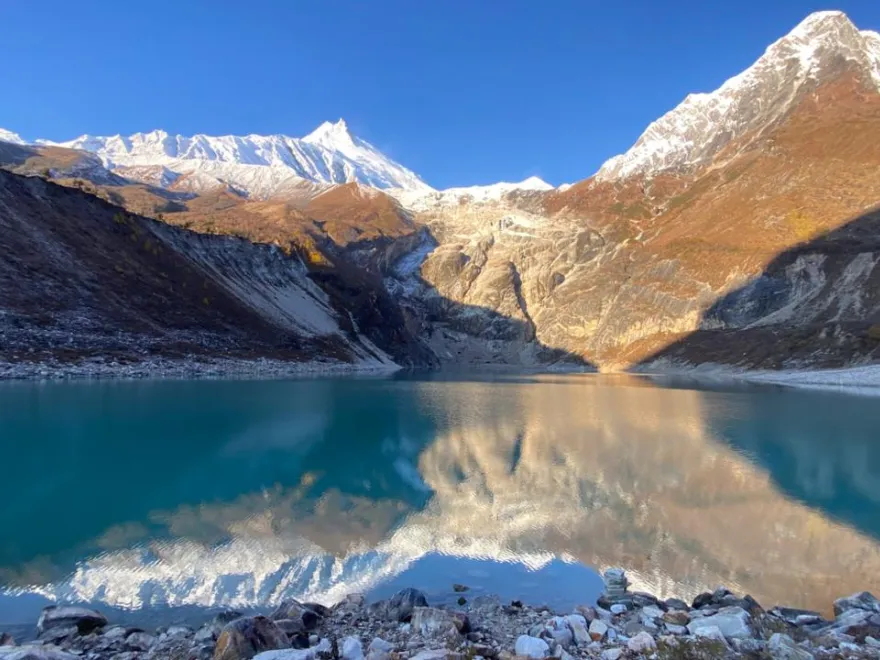
The trek features some of the most impressive mountain landscapes in the Himalayas. Throughout the journey, trekkers enjoy views of Kanchenjunga, Jannu, Makalu, Kabru, Rathong, Nepal Peak, Tent Peak, and numerous other snow-covered summits. Massive glaciers, deep valleys, icefalls, and high mountain passes create constantly changing scenery that captivates trekkers from beginning to end.
The Kanchenjunga region is home to diverse ethnic groups including the Limbu, Rai, Sherpa, and Tibetan communities. Traditional villages such as Ghunsa, Yamphudin, Gyabla, and Amjilosa provide opportunities to learn about local customs, architecture, agriculture, religion, and daily life. The warmth and hospitality of local residents add a meaningful cultural dimension to the trekking experience.
The Kanchenjunga Conservation Area is recognized as one of Nepal's most biologically diverse regions. Dense forests contain rhododendron, pine, fir, bamboo, and juniper species, while the higher elevations support alpine vegetation and grazing pastures. Wildlife enthusiasts may encounter red pandas, Himalayan black bears, musk deer, blue sheep, snow leopards, and hundreds of bird species throughout the journey.
The challenging crossing of Sele La, Sinion La, and Mirgin La represents one of the most exciting sections of the trek. These high mountain passes connect the northern and southern valleys while offering panoramic views of surrounding peaks and glaciers. Successfully crossing these passes provides a genuine sense of accomplishment and adventure.
The Kanchenjunga Circuit Trek is considered a challenging trekking route suitable for trekkers with good physical fitness and preferably previous high-altitude trekking experience. Daily walking hours typically range between five and eight hours, while the trek reaches elevations exceeding 5,000 meters. Proper preparation, gradual acclimatization, and a positive attitude are essential for a successful journey.
Accommodation along the route consists mainly of locally operated teahouses and mountain lodges. Facilities are basic but comfortable considering the remoteness of the region. Meals typically include Dal Bhat, noodles, fried rice, soups, Tibetan bread, pancakes, potatoes, and seasonal vegetables. The simple yet nutritious food provides sufficient energy for daily trekking activities.
Spring (March to May) and autumn (September to November) are widely considered the best seasons for trekking in the Kanchenjunga region. Spring brings colorful rhododendron blooms and pleasant temperatures, while autumn offers stable weather conditions and exceptional mountain visibility. Winter can bring heavy snowfall at higher elevations, and monsoon conditions may affect trail accessibility.
The Kanchenjunga region falls within a restricted area, requiring trekkers to obtain special permits. These include the Kanchenjunga Restricted Area Permit and the Kanchenjunga Conservation Area Permit. Nepalese regulations also require all foreign trekkers to travel with a licensed guide arranged through a registered trekking agency.
Unlike Everest Base Camp and Annapurna Circuit, Kanchenjunga remains largely untouched by commercial tourism. The trails are quieter, villages are more traditional, and the overall experience feels more like an expedition than a standard teahouse trek. Trekkers seeking wilderness, authenticity, and solitude often consider Kanchenjunga Nepal's finest trekking experience.
The Kanchenjunga Circuit Trek stands among the most rewarding adventures in the Himalayas. Combining extraordinary mountain scenery, rich cultural encounters, remote wilderness, and genuine exploration, it offers an experience that few other trekking routes can match. For trekkers willing to embrace the challenges of a remote Himalayan journey, Kanchenjunga delivers memories that last a lifetime.
Our guides have extensive experience leading treks throughout the Kanchenjunga region and are trained in altitude safety and wilderness management.
We support local communities by employing local staff, using locally owned lodges, and promoting sustainable tourism practices.
Smaller group sizes allow for a more personalized and flexible trekking experience while minimizing environmental impact.
Your safety remains our highest priority. Our itineraries are designed with proper acclimatization schedules and emergency procedures in place.
The Kanchenjunga Circuit Trek is one of Nepal's most extraordinary trekking adventures. Combining remote wilderness, authentic cultural experiences, breathtaking mountain scenery, and the opportunity to visit both North and South Base Camps, it offers a journey unlike any other in the Himalayas. For trekkers seeking a genuine expedition-style experience away from crowded trails, the Kanchenjunga Circuit Trek remains one of the finest and most rewarding trekking destinations in the world.Permits Required for Kanchenjunga Circuit Trek
Since the Kanchenjunga region is classified as a restricted area, foreign trekkers must obtain a special permit through a registered trekking agency.
This permit is required for entry into the protected conservation area and supports local conservation initiatives.
· Independent trekking is not permitted.
· A licensed guide is mandatory.
· Permits must be arranged through an authorized trekking company.
· Passport copies and photographs are required.
The Kanchenjunga Circuit Trek is physically demanding and requires good endurance. Trekkers should begin preparing several months before departure.
· Running
· Cycling
· Swimming
· Stair climbing
· Leg exercises
· Core strengthening
· Backpack hiking
Completing several long-distance hikes with a loaded backpack before the trek helps prepare the body for Himalayan conditions.
Altitude is one of the primary challenges of the Kanchenjunga Circuit Trek. The itinerary includes gradual elevation gain and acclimatization days to reduce risks.
· Headache
· Fatigue
· Nausea
· Dizziness
· Difficulty sleeping
· Ascend gradually
· Stay hydrated
· Avoid alcohol
· Eat regularly
· Follow guide instructions
· Report symptoms immediately
Proper acclimatization is the key to a safe and successful trek.
Upon arrival at Tribhuvan International Airport in Kathmandu, you will be greeted by our representative and transferred to your hotel. After check-in, you can relax after your international journey or explore the bustling streets of Thamel, Nepal's popular tourist district. During the evening, a comprehensive trek briefing is conducted where guides explain the route, safety procedures, altitude considerations, accommodation standards, and equipment requirements. This is also an excellent opportunity to purchase any last-minute trekking gear. Overnight stay at a comfortable hotel in Kathmandu.
 Accommodation 3*** Hotel
  Meals Breakfast
  Max. altitude 1,400m / 4,593ft.
 The adventure begins with an early morning flight from Kathmandu to Bhadrapur in Nepal's eastern lowlands. During clear weather, passengers enjoy spectacular aerial views of the Himalayan range stretching across northern Nepal. Upon arrival, a scenic drive leads through rolling hills, tea plantations, and charming rural settlements toward Ilam. Known as Nepal's tea capital, Ilam offers beautiful landscapes characterized by green tea gardens and peaceful countryside scenery. The cooler mountain climate provides a refreshing introduction to eastern Nepal. Overnight stay in Ilam.
Accommodation Tea House Meals As per Menu Max. altitude 1,200m / 3,937ft. After breakfast, the journey continues toward Taplejung, the administrative headquarters and primary gateway to the Kanchenjunga region. The road passes through picturesque villages, terraced farmlands, dense forests, and river valleys. Throughout the drive, travelers witness traditional rural lifestyles and stunning hill landscapes. As the road climbs higher into the eastern Himalayan foothills, views become increasingly dramatic. Taplejung serves as an important preparation point where final logistical arrangements are completed before entering the more remote trekking areas. Overnight stay in Taplejung.
Accommodation Tea House Meals As per menu Max. altitude 1,820m / 5,971ft. Today begins with an adventurous jeep journey from Taplejung to Sekathum, the official starting point of the Kanchenjunga Circuit Trek. The road is rugged and follows steep mountain slopes, crossing rivers and passing through remote villages that rarely see international visitors. The drive provides an excellent glimpse into the isolation and natural beauty that define the Kanchenjunga region. Along the way, you'll witness terraced fields, cascading waterfalls, and dense forested hillsides. Upon arrival in Sekathum, meet the local trekking crew, organize equipment, and prepare for the first trekking day. Overnight at a local lodge.
Accommodation Tea House Meals As per menu Max. altitude 1,650m / 5,413ft. Your first day on the trail follows the rushing Ghunsa Khola through narrow gorges and lush forests. The route features several suspension bridges crossing deep river valleys and gradually ascends through subtropical vegetation. Bamboo forests, moss-covered rocks, and towering cliffs create an enchanting atmosphere. The trail occasionally passes small settlements where local communities maintain traditional lifestyles. As you gain altitude, the landscape begins to transition from subtropical forest to temperate woodland. Amjilosa is a small Tibetan-influenced village perched on a hillside, offering beautiful views of the surrounding mountains. Overnight in a teahouse.
Accommodation Tea House Meals As per menu Max. altitude 2m / 7ft. Today's trail continues through dense forests of rhododendron, oak, and bamboo. The route follows the river upstream, crossing wooden bridges and passing through scenic valleys surrounded by towering hills. Wildlife sightings are possible in this section, particularly birds and smaller mammals that inhabit the conservation area. As the trek progresses, the influence of Tibetan culture becomes increasingly visible in local architecture and religious monuments. Arriving in Gyabla, trekkers are welcomed by a traditional mountain settlement known for its peaceful atmosphere and spectacular surroundings. Overnight stay in a local lodge
Accommodation Tea House Meals As per menu Max. altitude 2m / 7ft. One of the most rewarding trekking days, the route ascends gradually through forests before opening into wider valleys with impressive mountain scenery. Traditional chortens, prayer walls, and mani stones line sections of the trail, reflecting the strong Buddhist heritage of the region. The village of Phale offers an interesting cultural stop before continuing toward Ghunsa. As the largest settlement in the upper valley, Ghunsa serves as an important acclimatization location. Surrounded by snow-capped peaks and pine forests, the village provides a comfortable setting for rest and preparation for higher elevations. Overnight in Ghunsa.
Accommodation Tea House Meals As per menu Max. altitude 3m / 10ft. Proper acclimatization is essential for a safe and enjoyable trek. Today is dedicated to helping your body adjust to increasing altitude. A short hike above the village allows trekkers to gain elevation gradually while enjoying magnificent views of surrounding peaks and valleys. The excursion also provides opportunities to explore local monasteries, observe daily village life, and learn about regional culture. Returning to a lower sleeping altitude helps promote acclimatization while reducing the risk of altitude-related illness. The remainder of the day can be spent relaxing, reading, or preparing for the higher sections ahead. Overnight in Ghunsa.
Accommodation Tea House Meals As per menu Max. altitude 3m / 10ft. Leaving Ghunsa behind, the trail enters a more alpine environment characterized by sparse vegetation, rocky terrain, and increasingly dramatic mountain views. The route follows the river valley beneath towering cliffs and snow-covered peaks. Trekkers may spot blue sheep grazing on distant slopes or birds soaring overhead. As elevation increases, the landscape becomes more rugged and glacial in appearance. Kambachen is situated in a broad valley surrounded by spectacular Himalayan giants. The village provides one of the most impressive mountain settings on the entire trek. Overnight stay in Kambachen.
Accommodation Tea House Meals As per menu Max. altitude 4m / 13ft. Today's route traverses glacial terrain and remote alpine landscapes as you continue toward the northern base camp region. The trail passes beneath massive mountain walls and follows moraines formed by ancient glaciers. Vegetation becomes increasingly scarce as altitude rises, leaving a dramatic world of rock, ice, and snow. Stunning views of Jannu and surrounding peaks dominate the horizon. Upon arrival in Lhonak, trekkers find themselves deep within one of Nepal's most remote mountain environments. Rest, hydration, and careful acclimatization remain important at this elevation. Overnight in Lhonak.
Accommodation Tea House Meals As per menu Max. altitude 4m / 13ft. This is one of the most anticipated highlights of the Kanchenjunga Circuit Trek. An early morning departure leads across glacial landscapes toward Pangpema, commonly known as Kanchenjunga North Base Camp. As the trail climbs gradually, magnificent views of Kanchenjunga's immense north face become increasingly impressive. Upon reaching Pangpema, trekkers are rewarded with extraordinary panoramas of glaciers, icefalls, and towering Himalayan peaks. Few locations in Nepal offer such close and dramatic views of an 8,000-meter mountain. After spending time appreciating the scenery and taking photographs, return to Lhonak for overnight accommodation.
Accommodation Tea House Meals As per Menu Max. altitude 4,780m / 15,682ft. Today involves a long descent back through the spectacular northern valley. With altitude decreasing significantly, many trekkers feel stronger and more energetic. The return journey offers opportunities to appreciate scenery from a different perspective while enjoying warmer temperatures and increased oxygen levels. Passing through Kambachen and other familiar landmarks, the trail gradually re-enters forested terrain. The comfortable village of Ghunsa provides a welcome return to lower elevation and improved facilities. This overnight stop also prepares trekkers for the upcoming crossing into the southern valley. Overnight in Ghunsa.
Accommodation Tea House Meals As per menu Max. altitude 3m / 10ft. Leaving the main valley behind, the trail climbs steadily through rhododendron forests and alpine meadows toward Sele La Kharka. This remote campsite serves as the staging point for tomorrow's pass crossing. The route offers increasingly expansive mountain views as elevation is gained throughout the day. Depending on the season, colorful alpine flowers may cover the hillsides. The peaceful setting of Sele La Kharka provides a unique wilderness experience far from permanent settlements. Early rest is recommended in preparation for the demanding pass crossing ahead. Overnight at Sele La Kharka.
Accommodation Tea House Meals As per menu Max. altitude 4m / 13ft. Today is among the most challenging and rewarding days of the entire expedition. The trail crosses a spectacular series of high mountain passes connecting the northern and southern valleys of Kanchenjunga. Prayer flags flutter across the ridges while panoramic views stretch toward Kanchenjunga, Makalu, Jannu, and numerous surrounding peaks. Snowfields and alpine landscapes create a truly Himalayan atmosphere. After reaching the highest point at Mirgin La, a long descent leads into the beautiful southern valley. The arrival in Cheram marks a major milestone in completing the full circuit. Overnight stay in Cheram
Accommodation Tea House Meals As per menu The trail follows the Yalung Valley through increasingly dramatic alpine terrain. Glacial streams, rocky moraines, and towering mountain walls characterize the landscape. As trekkers move closer to the southern side of Kanchenjunga, views become increasingly spectacular. The route gains elevation gradually, allowing for proper acclimatization while approaching the South Base Camp region. Ramche serves as the final settlement before the viewpoint excursion. Surrounded by immense Himalayan scenery, the area offers exceptional opportunities for photography and mountain observation. Overnight in Ramche.
Accommodation Tea House Meals As per menu Today is another major highlight of the Kanchenjunga Circuit Trek as you visit Oktang, the most famous viewpoint of Kanchenjunga South Base Camp. The trail gradually ascends through glacial terrain and alpine meadows while offering increasingly impressive views of the Yalung Glacier. Upon reaching Oktang, trekkers are rewarded with breathtaking panoramas of Kanchenjunga's massive southern face, along with views of Kabru, Rathong, and other towering Himalayan peaks. The dramatic combination of glaciers, icefalls, and snow-covered mountains creates one of the most spectacular mountain vistas in Nepal. After spending time enjoying the scenery and taking photographs, descend back through Ramche and continue to Cheram for overnight accommodation.
Accommodation Tea House Meals As per menu Max. altitude 3m / 10ft. Leaving the high alpine environment behind, today's journey descends through rhododendron forests and remote valleys. The trail follows the Simbuwa Khola and passes through beautiful wilderness areas rich in biodiversity. As altitude decreases, vegetation becomes increasingly dense, with forests providing shade and a pleasant trekking atmosphere. During spring, colorful rhododendron blooms transform the landscape into a vibrant natural garden. Trekkers may also encounter local herders moving livestock through seasonal grazing areas. The lower elevation allows for a more comfortable night's sleep after several days spent at higher altitudes. Overnight stay in Tortong
Accommodation Tea House Meals As per Menu Max. altitude 2,995m / 9,826ft. Today's trail continues through beautiful forests, cultivated farmland, and traditional villages as the trek gradually approaches more populated regions. Numerous streams, suspension bridges, and scenic viewpoints make the day particularly enjoyable. The route passes through settlements where local communities continue to practice traditional agriculture and maintain centuries-old cultural traditions. Yamphudin is one of the largest villages encountered during the trek and provides an excellent opportunity to experience authentic Limbu culture. The welcoming atmosphere and comfortable accommodations make this a memorable stop along the journey. Overnight in Yamphudin.
Accommodation Tea House Meals As per itinerary Max. altitude 2,080m / 6,824ft. The final full trekking day follows rolling hills, terraced farmland, and scenic village trails. Unlike the rugged alpine landscapes experienced earlier in the trek, today's route showcases the cultural richness and agricultural beauty of eastern Nepal. Trekkers pass through traditional settlements where daily life revolves around farming, livestock, and community activities. The trail offers excellent opportunities to interact with local residents and observe rural Himalayan lifestyles. Arriving in Khebang marks the completion of the trekking portion of the Kanchenjunga Circuit. The evening is often celebrated with the trekking crew while reflecting on the incredible journey completed over the previous weeks. Overnight stay in Khebang.
Accommodation Tea House Meals As Per Menu Max. altitude 1,915m / 6,283ft. After breakfast, begin the long but scenic drive back toward the lowlands of eastern Nepal. The journey traverses winding mountain roads, river valleys, terraced hillsides, and numerous rural communities. Although lengthy, the drive offers a final opportunity to appreciate the diverse landscapes that make eastern Nepal such a fascinating region. Gradually descending from the Himalayan foothills to the subtropical plains provides a striking contrast to the high mountain environments experienced during the trek. Upon arrival in Bhadrapur, enjoy the comfort of a hotel and celebrate the successful completion of the Kanchenjunga Circuit adventure. Overnight in Bhadrapur.
Accommodation Tea House Meals as per menu Max. altitude 91m / 299ft. A short morning flight returns you to Kathmandu. During clear weather, passengers can once again enjoy remarkable aerial views of Nepal's mountain ranges stretching across the horizon. After arriving in the capital, transfer to your hotel and enjoy a well-deserved day of relaxation. Many trekkers choose to explore cultural attractions such as Durbar Square, Swayambhunath, or Boudhanath, while others prefer shopping for souvenirs or simply resting after the expedition. In the evening, a farewell dinner provides an opportunity to celebrate the successful completion of one of Nepal's most challenging trekking adventures. Overnight in Kathmandu.
Accommodation 3*** Hotel Meals Breakfast Max. altitude 1,400m / 4,593ft. Depending on your international flight schedule, enjoy some free time in Kathmandu before transfer to Tribhuvan International Airport. As your Kanchenjunga Circuit Trek comes to an end, you leave Nepal with unforgettable memories of remote Himalayan landscapes, traditional mountain cultures, dramatic glaciers, and extraordinary views of the world's third-highest mountain. The journey offers not only physical achievement but also a deeper appreciation for the natural and cultural richness of one of the Himalayas' last great wilderness regions. Our representative will assist with airport transfer and departure arrangements, marking the conclusion of this remarkable adventure.
Accommodation 3*** hotel Meals As per itinerary Max. altitude 1,400m / 4,593ft. Unlike Everest Base Camp or Annapurna Circuit, the Kanchenjunga region remains largely untouched by mass tourism. Trekkers can spend entire days walking through pristine landscapes without encountering large groups. The sense of solitude and exploration is one of the trek's defining characteristics.
The trek offers close-up views of some of the Himalayas' most magnificent peaks, including Kanchenjunga, Jannu, Kabru, Rathong, Nepal Peak, Tent Peak, and many others. Both the northern and southern faces of Kanchenjunga provide dramatically different perspectives of the world's third-highest mountain.
The route traverses a remarkable range of ecosystems. Trekkers pass through subtropical forests, bamboo groves, rhododendron woodlands, alpine meadows, glacial moraines, and high mountain passes. This diversity makes every day of the trek unique.
The remote villages encountered along the route preserve traditional lifestyles, architecture, and customs. Interactions with local communities provide valuable insights into Himalayan culture and daily life.
Spring is one of the most beautiful times to visit the Kanchenjunga region. Rhododendron forests bloom in vibrant colors, temperatures remain moderate, and mountain views are generally excellent. Wildlife activity also increases during this season, making it ideal for nature enthusiasts and photographers.
· Blooming rhododendron forests
· Comfortable trekking temperatures
· Excellent wildlife viewing opportunities
· Longer daylight hours
· Beautiful alpine landscapes
Autumn is considered the peak trekking season in Nepal. Following the monsoon rains, skies are typically clear, visibility is outstanding, and weather conditions are highly stable. This season provides the best opportunities for uninterrupted mountain views.
· Crystal-clear mountain panoramas
· Stable weather conditions
· Dry and comfortable trails
· Excellent photography opportunities
· Ideal trekking temperatures
Winter trekking is possible but more demanding. Heavy snowfall may affect high passes and temperatures can become extremely cold, particularly above 4,000 meters. Trekkers choosing this season should be well-prepared for harsh conditions.
Monsoon trekking is generally not recommended due to heavy rainfall, landslides, slippery trails, leeches, and reduced mountain visibility. Transportation disruptions are also more common during this period.
Accommodation throughout the Kanchenjunga Circuit Trek consists primarily of traditional teahouses and mountain lodges operated by local families. Facilities are basic compared to more developed trekking regions, but they provide a warm and authentic experience.
Typical accommodations include:
· Twin-sharing rooms
· Shared bathrooms
· Dining halls with heating stoves
· Basic electricity access
· Limited charging facilities
· Local hospitality and home-cooked meals
As altitude increases, facilities become simpler due to the remoteness of the region. However, the welcoming atmosphere of the teahouses often becomes one of the most memorable aspects of the journey.
Maintaining proper nutrition is essential during a long-distance trek. Teahouses along the route serve freshly prepared meals that provide energy for daily trekking activities.
· Tibetan bread
· Pancakes
· Chapati
· Porridge
· Eggs
· Tea and coffee
· Dal Bhat
· Fried rice
· Vegetable curry
· Noodle dishes
· Pasta
· Soups
· Potatoes
· Momos
Dal Bhat remains the most recommended meal because it offers balanced nutrition and unlimited refills in many teahouses.
· Airport transfers
· Hotel accommodation in Kathmandu
· Domestic flights
· Ground transportation
· Kanchenjunga permits
· Licensed trekking guide
· Porter services
· Teahouse accommodation during trek
· Three meals daily during trekking
· Government taxes and service charges
· International airfare
· Nepal entry visa
· Travel insurance
· Personal expenses
· Hot showers and charging fees
· Bottled drinks
· Alcoholic beverages
· Tips for guide and porter
· Personal trekking equipment
· Emergency evacuation expenses
Your Start Date is the day you land in Nepal, and your End Date is when you fly home.
If the set Kanchenjunga Circuit Trek group dates don’t suit your schedule, we can offer alternative dates upon request.
· Down jacket
· Waterproof shell jacket
· Fleece layers
· Thermal base layers
· Trekking pants
· Warm hat
· Sun hat
· Gloves
· Waterproof trekking boots
· Camp shoes
· Trekking socks
· Sleeping bag (-15°C recommended)
· Trekking poles
· Headlamp
· Sunglasses
· Water bottles
· Daypack
· Duffel bag
· Sunscreen
· Lip balm
· Personal medications
· Toiletries
· Power bank
· Water purification tablets
While beginners can complete the trek, it is generally recommended for trekkers with previous multi-day hiking or trekking experience. The route involves long walking days, significant altitude gain, remote conditions, and limited facilities compared to Everest or Annapurna. Beginners considering this trek should undertake a structured fitness program several months before departure, focusing on endurance, cardiovascular conditioning, and leg strength. Experience on shorter Himalayan treks such as Langtang Valley or Annapurna Base Camp can provide valuable preparation before attempting the Kanchenjunga Circuit.
The Kanchenjunga Conservation Area is one of Nepal's richest biodiversity hotspots. Wildlife found in the region includes red pandas, Himalayan black bears, musk deer, blue sheep, snow leopards, Himalayan tahr, and numerous bird species. Although sightings of rare animals such as snow leopards are uncommon, the region provides excellent opportunities for wildlife observation and nature photography. The diverse ecosystems range from subtropical forests to alpine environments, creating habitats for a remarkable variety of plants and animals throughout the trekking route.
The standard Kanchenjunga Circuit Trek generally takes between 20 and 24 days, depending on the itinerary, acclimatization schedule, transportation arrangements, and side trips included. Most itineraries allow sufficient time to visit both North Base Camp at Pangpema and South Base Camp at Oktang while ensuring proper acclimatization for altitude safety. The journey includes flights, long drives, and approximately 15 to 18 days of trekking. Some trekkers may choose longer itineraries that include additional acclimatization days or cultural exploration in villages along the route.
The highest point on the Kanchenjunga Circuit Trek is typically Mirgin La Pass at approximately 4,663 meters, crossed during the transition between the northern and southern valleys. However, the highest overnight area visited is often Lhonak at 4,780 meters, while Pangpema (Kanchenjunga North Base Camp) reaches approximately 5,143 meters during a day excursion. These elevations make proper acclimatization essential. Trekkers should remain aware of altitude sickness symptoms, maintain hydration, and follow their guide's recommendations throughout the high-altitude sections of the trek.
Accommodation during the Kanchenjunga Circuit Trek primarily consists of local teahouses and mountain lodges. Facilities are generally basic but comfortable considering the remoteness of the region. Most rooms feature twin beds with blankets, while bathrooms are often shared. Electricity, internet access, and hot showers may be available in some locations but become less reliable at higher elevations. Unlike the Everest region, luxury lodges are not available. The simplicity of the accommodations contributes to the authentic wilderness experience that makes Kanchenjunga unique.
Teahouses along the route offer a variety of meals designed to provide energy for trekking. The most common dish is Dal Bhat, a traditional Nepali meal consisting of rice, lentil soup, vegetables, and pickles. Other options include noodles, fried rice, Tibetan bread, pancakes, soups, potatoes, pasta, eggs, and seasonal vegetables. Although menu choices become more limited at higher elevations, trekkers generally find sufficient variety throughout the journey. Maintaining a balanced diet and staying hydrated are important for both performance and acclimatization.
The best seasons for the Kanchenjunga Circuit Trek are spring (March to May) and autumn (September to November). Spring offers moderate temperatures, blooming rhododendron forests, and colorful mountain landscapes. Autumn is known for stable weather, clear skies, and exceptional visibility, making it the most popular trekking season. Winter can bring heavy snowfall and freezing temperatures, particularly around the high passes, while the summer monsoon often causes landslides, muddy trails, and poor visibility. Most trekkers choose autumn for the most reliable mountain views and trekking conditions.
Yes, altitude sickness is a significant consideration because the trek reaches elevations above 5,000 meters. Symptoms may include headache, nausea, dizziness, fatigue, and difficulty sleeping. Proper acclimatization is the most effective prevention strategy, which is why itineraries include designated acclimatization days and gradual altitude gain. Trekkers should drink plenty of water, avoid alcohol, maintain a steady pace, and communicate any symptoms to their guide immediately. Following a carefully planned itinerary significantly reduces the risk of serious altitude-related complications.
The Kanchenjunga Circuit Trek is considered one of the most challenging teahouse treks in Nepal. The difficulty comes from its long duration, remote location, high-altitude environment, and limited infrastructure. Trekkers typically walk between five and eight hours daily for more than three weeks while reaching elevations above 5,000 meters. The crossing of multiple high passes and extended periods in isolated mountain regions requires strong physical fitness and mental resilience. Previous trekking experience at high altitude is highly recommended, although determined beginners with proper preparation can also complete the trek successfully.
Yes, hiring a licensed guide is mandatory for all foreign trekkers in the Kanchenjunga region. The area is classified as a restricted trekking zone by the Government of Nepal, and independent trekking is not permitted. Trekkers must obtain special permits through a registered trekking agency and travel with an authorized guide. Besides meeting legal requirements, guides provide valuable support with navigation, logistics, local communication, safety management, weather assessment, and cultural interpretation. Their expertise significantly enhances both safety and overall enjoyment throughout this remote Himalayan adventure.
Kanchenjunga offers a completely different experience compared to Nepal's more famous trekking regions. The trails are quieter, villages remain more traditional, and the landscapes feel genuinely wild and unexplored. Trekkers seeking solitude, authentic cultural encounters, and a true sense of adventure often consider Kanchenjunga one of Nepal's finest trekking destinations. While Everest and Annapurna provide greater infrastructure and accessibility, Kanchenjunga delivers unmatched wilderness, spectacular mountain scenery, and the satisfaction of completing one of the Himalayas' most rewarding trekking circuits.
Trekkers require two primary permits to enter the Kanchenjunga region. The first is the Kanchenjunga Restricted Area Permit (KRAP), which is mandatory for foreign visitors entering the restricted zones. The second is the Kanchenjunga Conservation Area Permit (KCAP), which supports conservation and local community development. These permits must be arranged through a registered trekking agency. Since permit regulations and fees occasionally change, trekkers should confirm current requirements before booking their trip. Carrying passport copies and passport-sized photographs is generally necessary during the application process.
| No of people | Price per person |
|---|---|
| 1 - 3 | $950 |
| 3 - 7 | $849 |
| No of people | Price per person |
|---|---|
| 1 - 3 | $2,400 |
| 4 - 8 | $1,900 |
| 8 - 12 | $1,700 |
| No of people | Price per person |
|---|---|
| 2 - 3 | $950 |
| 3 - 6 | $900 |
| 6 - 10 | $850 |
| 10 - 20 | $800 |