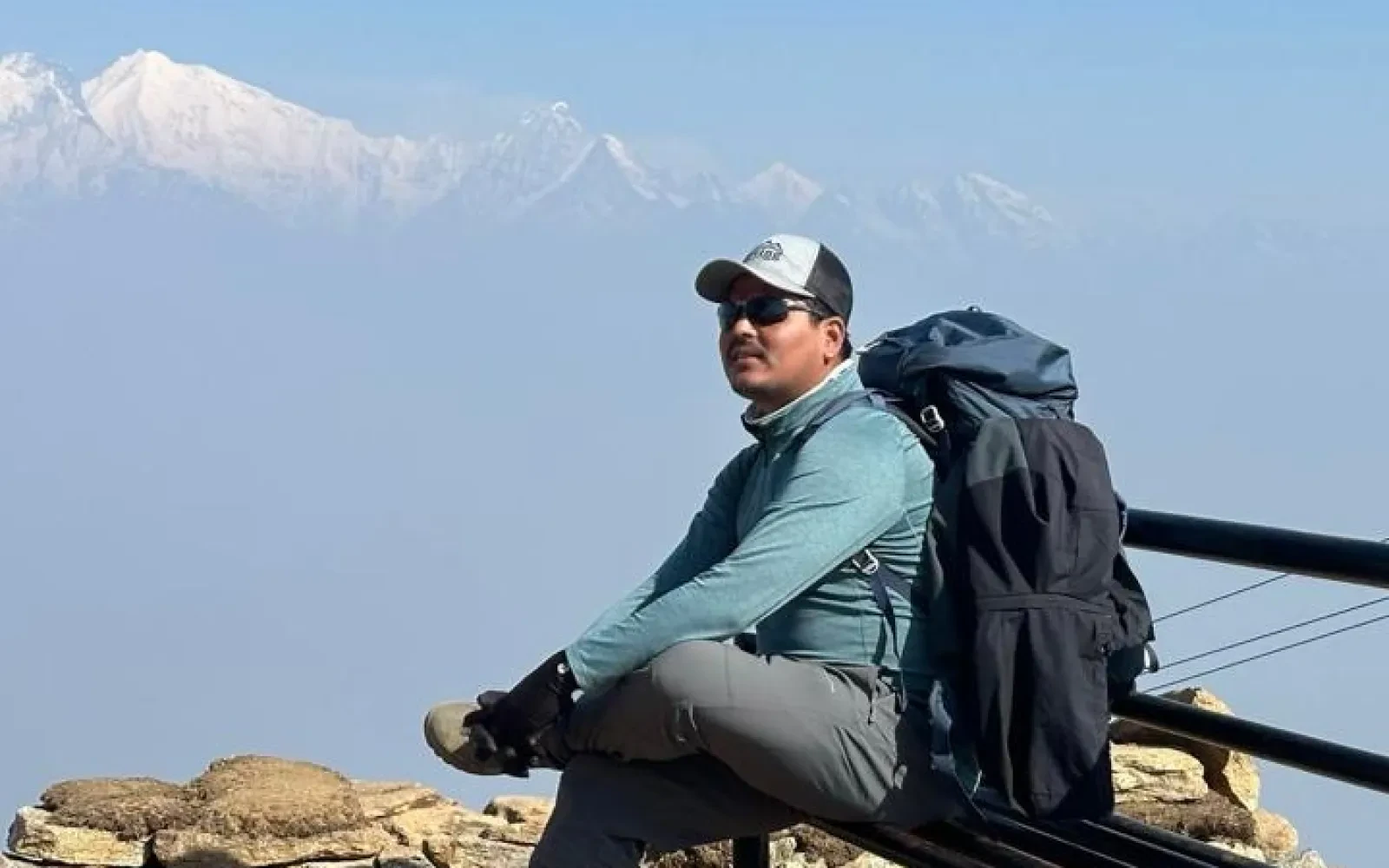
Understanding the itinerary of the trek is important before planning the trip. The itinerary can give idea about hours of walking, elevation gain, and attractions on the day. Therefore, an ideal itinerary is key to successful trip. The trail like the Everest Base Camp Trek must be planned properly so that trekkers don’t get the altitude sickness and complete the trek successfully.
Check out the prices for the Everest Base Camp Trek according to number of trekkers:
| Number of Trekker | Cost |
| 1 | 1700 $ |
| 2-4 | 1400 $ |
| 5+ | 1300 $ |
Roving Nepal Trek is an ideal trekking company to book the authentic and safe Everest Base Camp Trek package. You can contact +9779851297334 Whatsapp or Viber for direct message with the travel planner. Or, you can mail at [email protected] or [email protected]. Click the booking link to book the trek on this website.
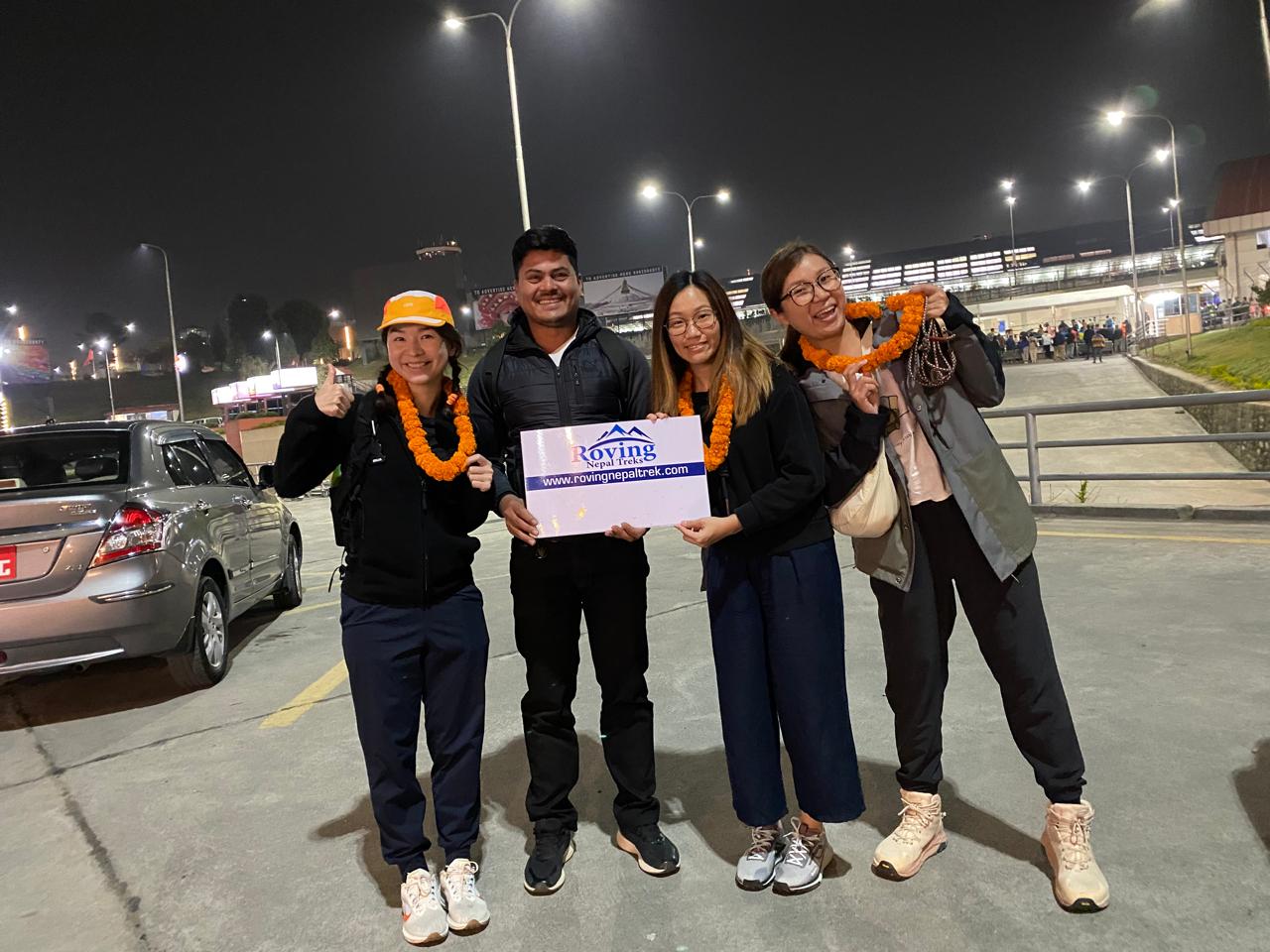
Your journey officially begins upon landing at Tribhuvan International Airport, where a representative welcomes you and transfers you to your hotel in the lively hub of Thamel. Take time to rest from your international flight and check over your gear. In the evening, you will attend a comprehensive pre-trek briefing with your lead guide. This session covers safety protocols, altitude awareness, and final preparations, ensuring you feel completely ready and mentally aligned before heading into the high Himalayas.
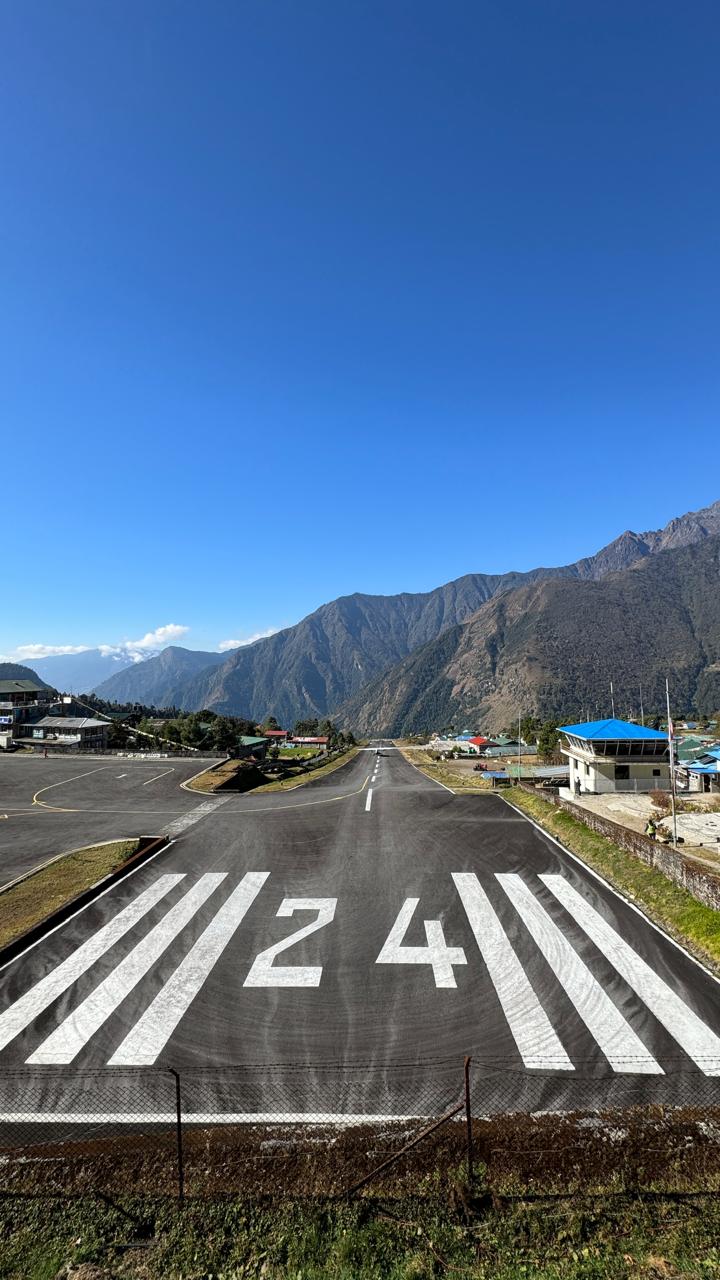
The morning starts with an early transfer for a thrilling mountain flight to Tenzing-Hillary Airport in Lukla, famous for its short, sloping airstrip. After meeting your porters and organizing your packs, you begin your first gentle day of trekking. The trail descends alongside the rushing Dudh Koshi River, passing through small stone villages and early mani stones. Walking shorter distances at a lower altitude helps ease your leg muscles into the rhythm of the expedition while beginning the necessary physical adjustment process.
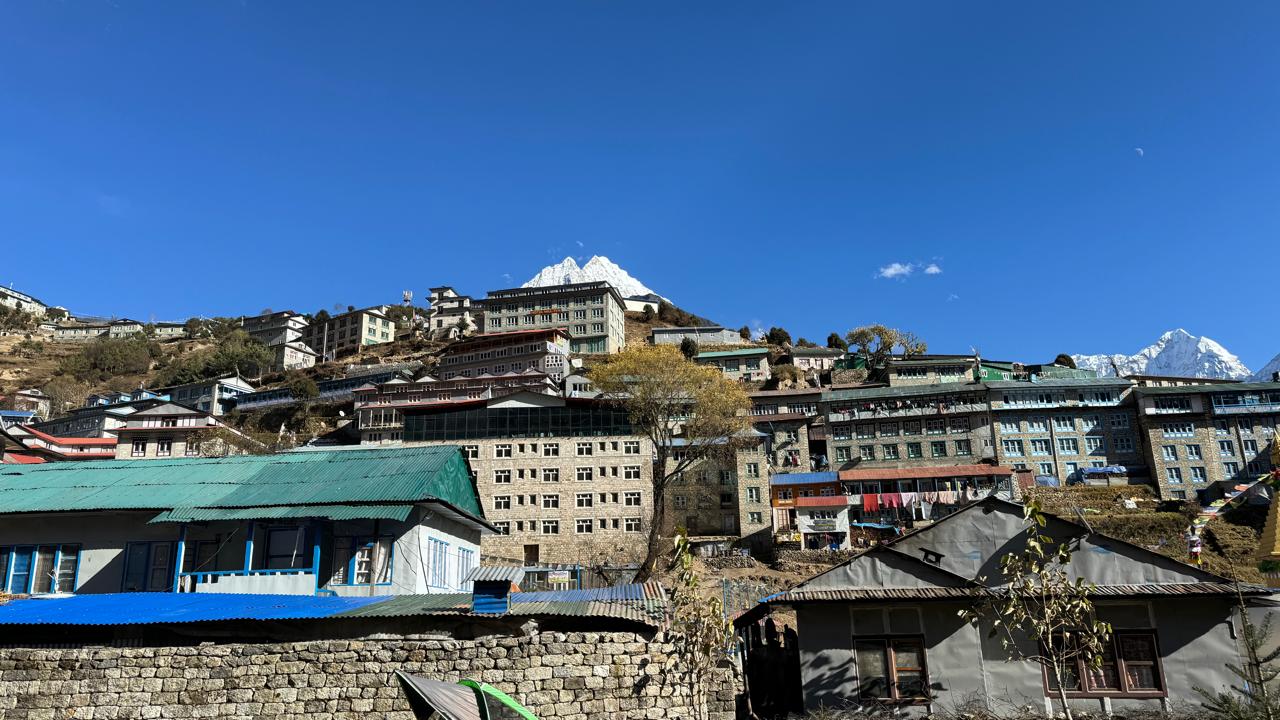
This is a challenging and exciting day as you climb nearly 900 vertical meters toward the mountains. You cross several suspension bridges draped in colorful prayer flags, including the iconic Hillary Suspension Bridge high above the river canyon. After registering your permits at the Sagarmatha National Park checkpoint in Monjo, you face a steep, continuous uphill climb through pine forests. Weather permitting, you may catch your very first breathtaking glimpse of Mount Everest before arriving in the vibrant, horseshoe-shaped Sherpa capital of Namche Bazaar.
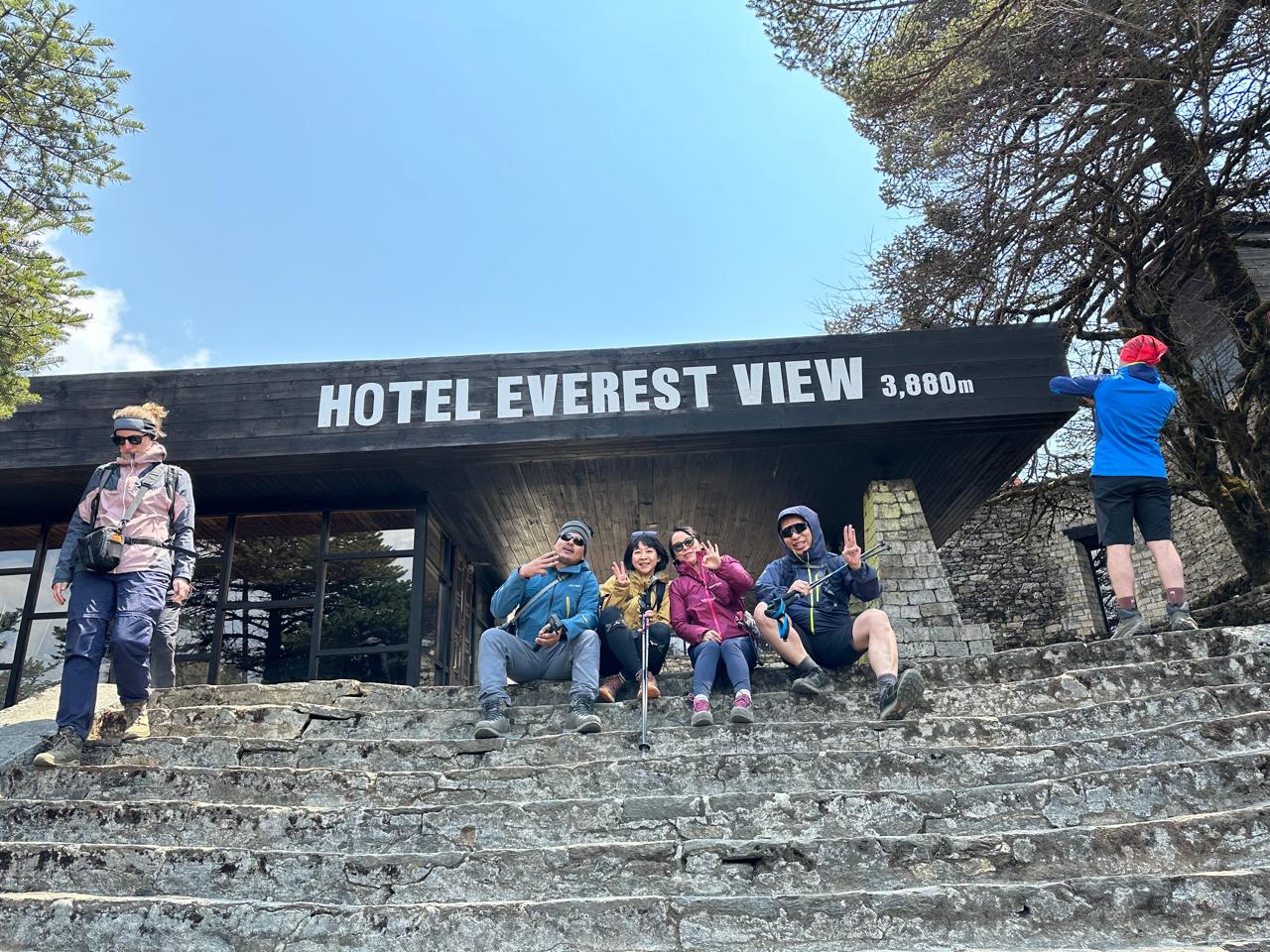
To prevent altitude sickness, today is dedicated to the vital physiological rule of "climb high, sleep low." After a hearty breakfast, you take an active morning hike up to the Everest View Hotel at 3,880 meters. This walk rewards you with stunning 360-degree panoramas of Everest, Lhotse, Nuptse, and the striking spire of Ama Dablam. Returning to Namche by midday, you can spend the afternoon exploring the local Sherpa culture museum, visiting bakeries, or interacting with local traders in the bustling market.
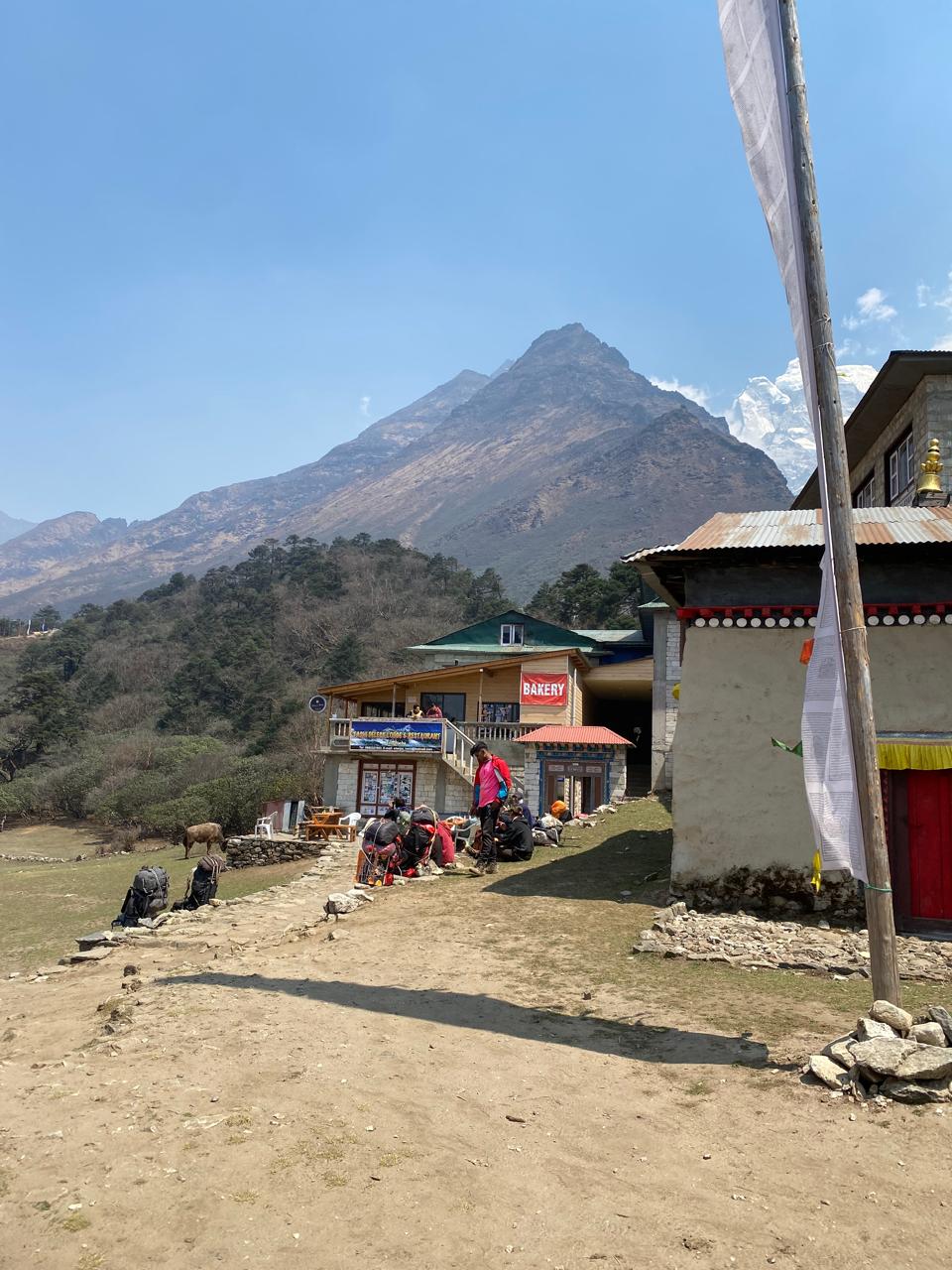
Leaving Namche, the trail contours along a magnificent, undulating high ridge offering sweeping valley views. You then descend steeply down to the riverbed at Phunki Tenga for a lunch break before tackling a long, demanding uphill climb through dense rhododendron and pine forests. Your destination is Tengboche, home to the region's largest and most famous Buddhist monastery. Surrounded by towering Himalayan giants, attending an evening prayer ceremony inside the monastery creates a deeply moving and unforgettable cultural highlight.
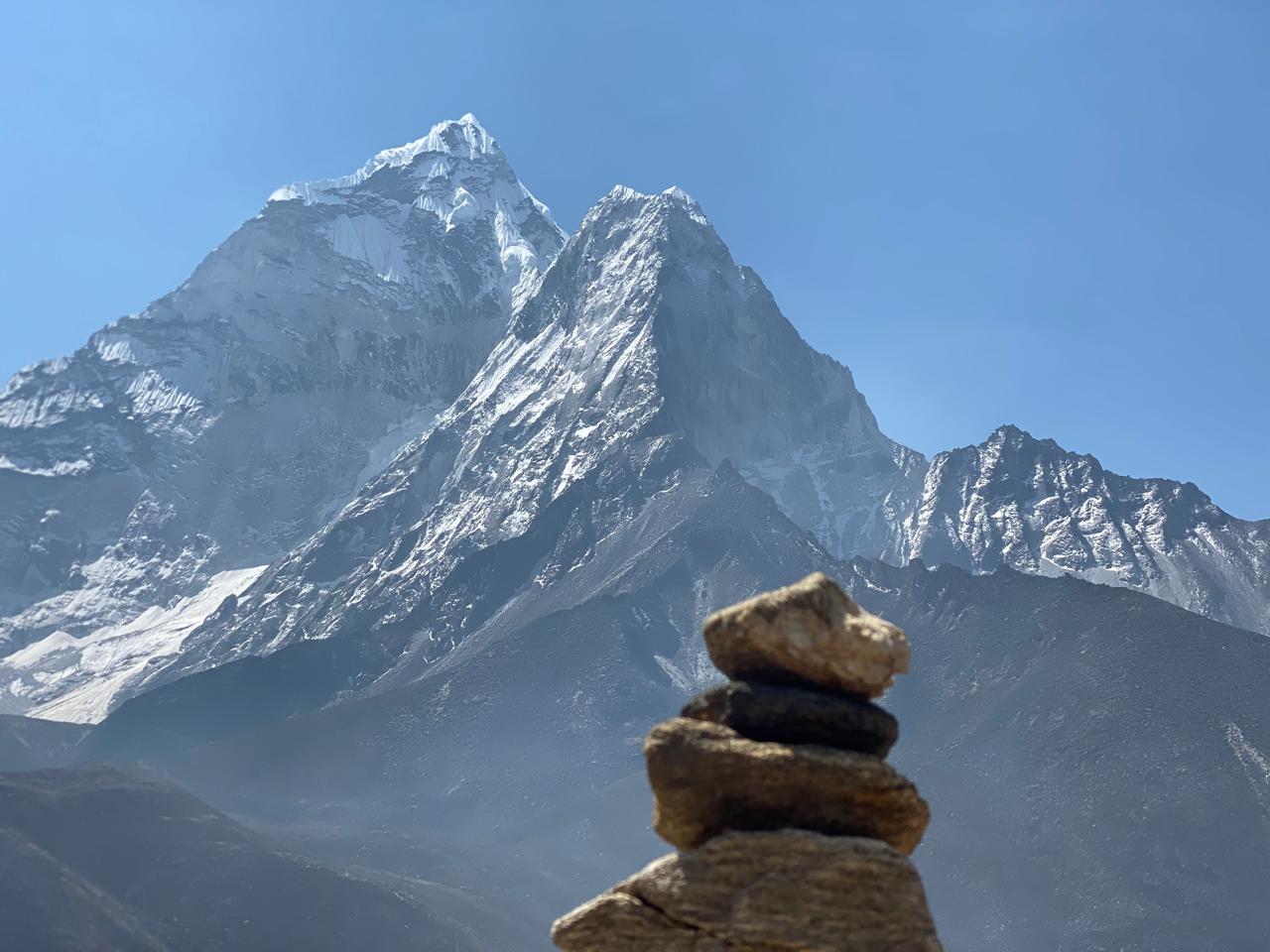
The morning journey begins with a peaceful descent through birch forests and past sacred carved mani stones, crossing the Imja Khola over a sturdy bridge. As you leave the tree line behind, the landscape opens into a wide, windswept glacial valley framed by colossal rock and ice walls. You hike past traditional stone-walled agricultural fields before arriving in Dingboche, a high-altitude settlement where farmers grow hardy crops like barley and potatoes beneath the imposing southern face of Ama Dablam.
With the air growing noticeably thinner above 4,400 meters, a second strategic acclimatization day is essential for your safety. Rather than resting completely, you undertake an active morning hike up the slopes of Nangkartshang Peak, climbing toward 5,000 meters. This sustained effort stimulates your body to produce more red blood cells while treating you to sweeping vistas of Makalu, Cho Oyu, and surrounding peaks. You spend the afternoon resting, hydrating, and preparing for the final push toward Base Camp.
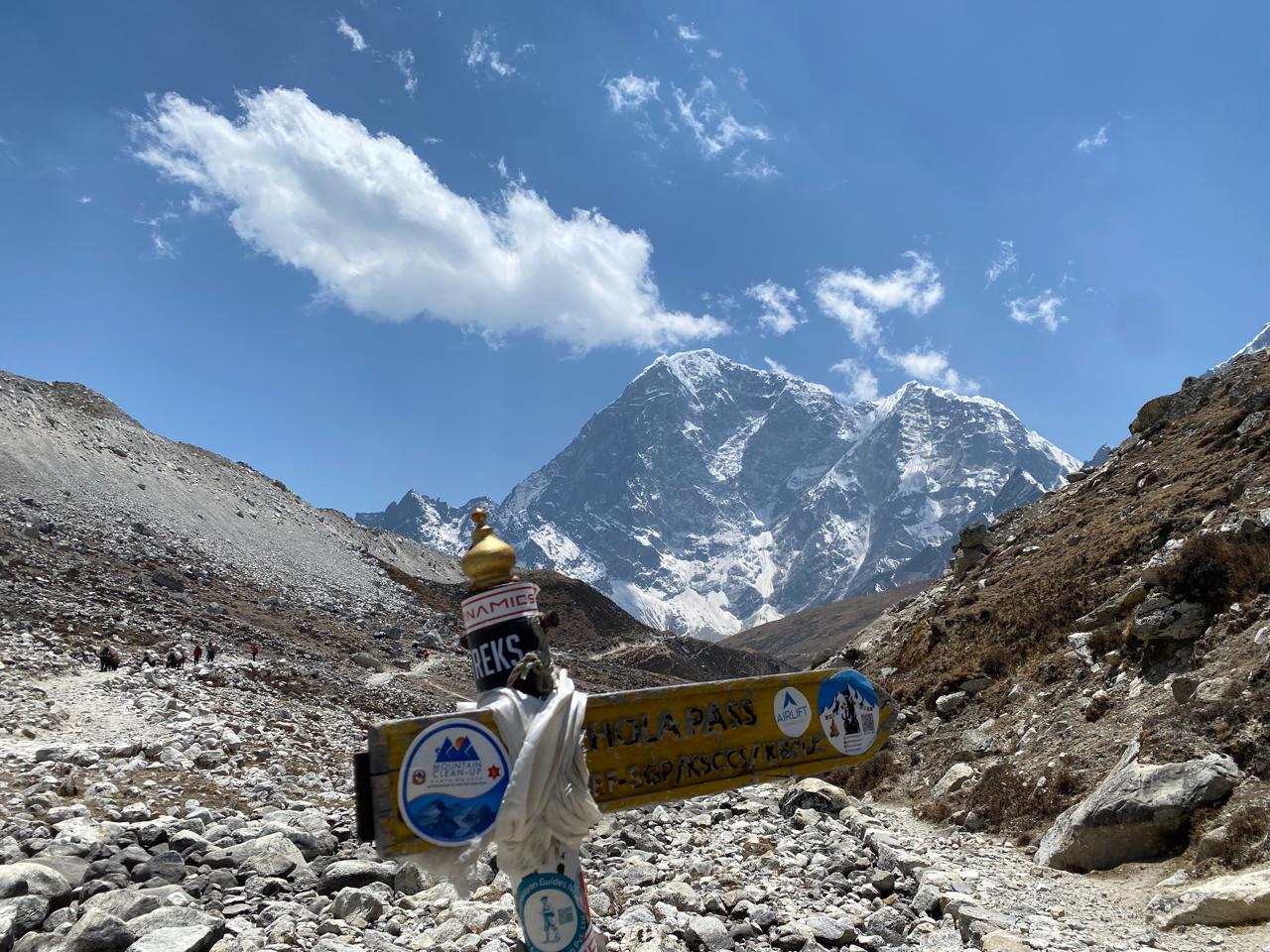
The trail climbs steadily out of the valley, leading you up onto the steep Dughla Ridge. Here, a sobering collection of stone memorials honors climbers and Sherpas who lost their lives on the surrounding peaks. After paying your respects, you navigate the rugged, boulder-strewn moraine of the Khumbu Glacier. The environment becomes stark, raw, and entirely alpine as you arrive in Lobuche, a tiny cluster of lodges nestled right beneath the towering, ice-fluted bulk of Nuptse.
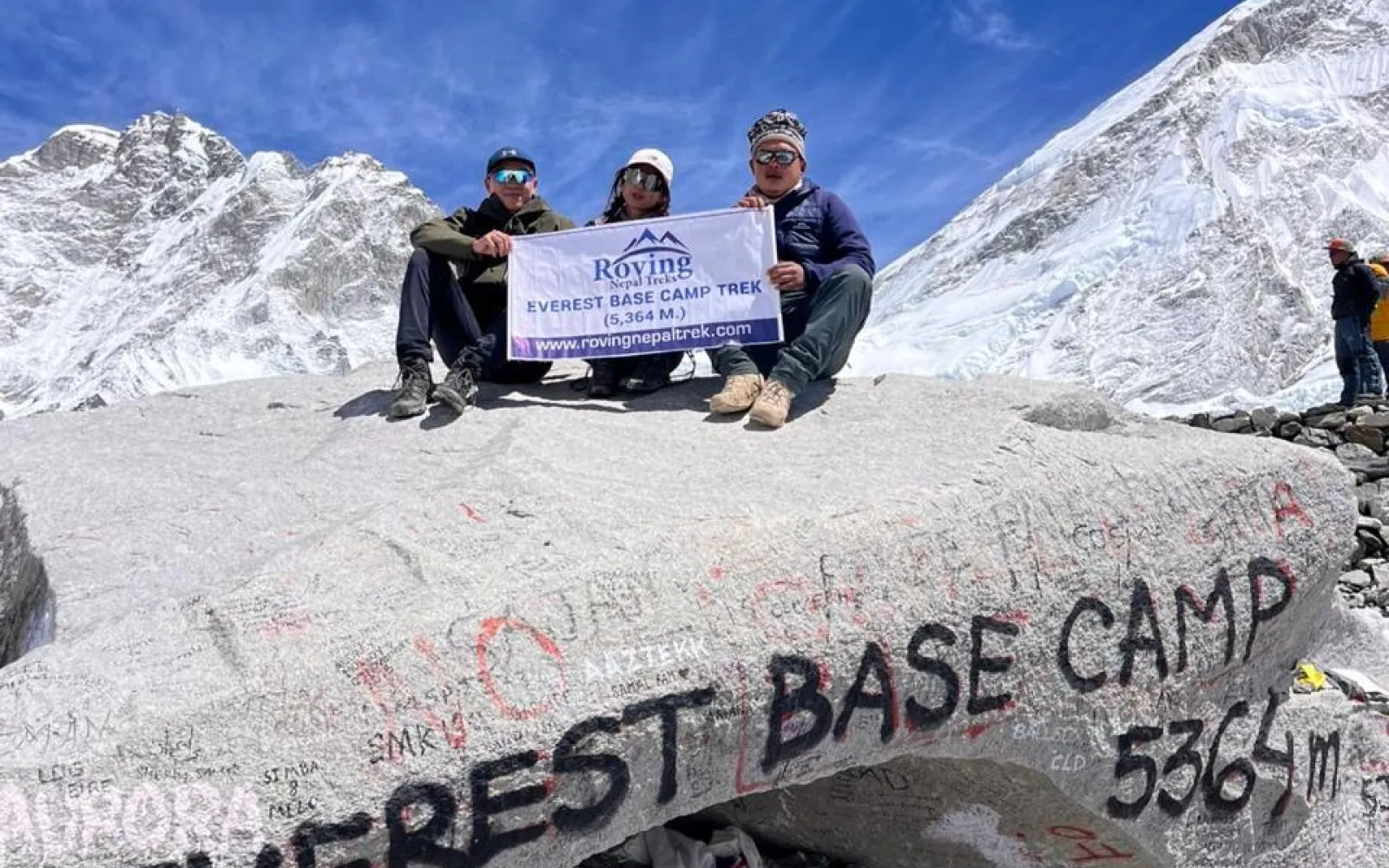
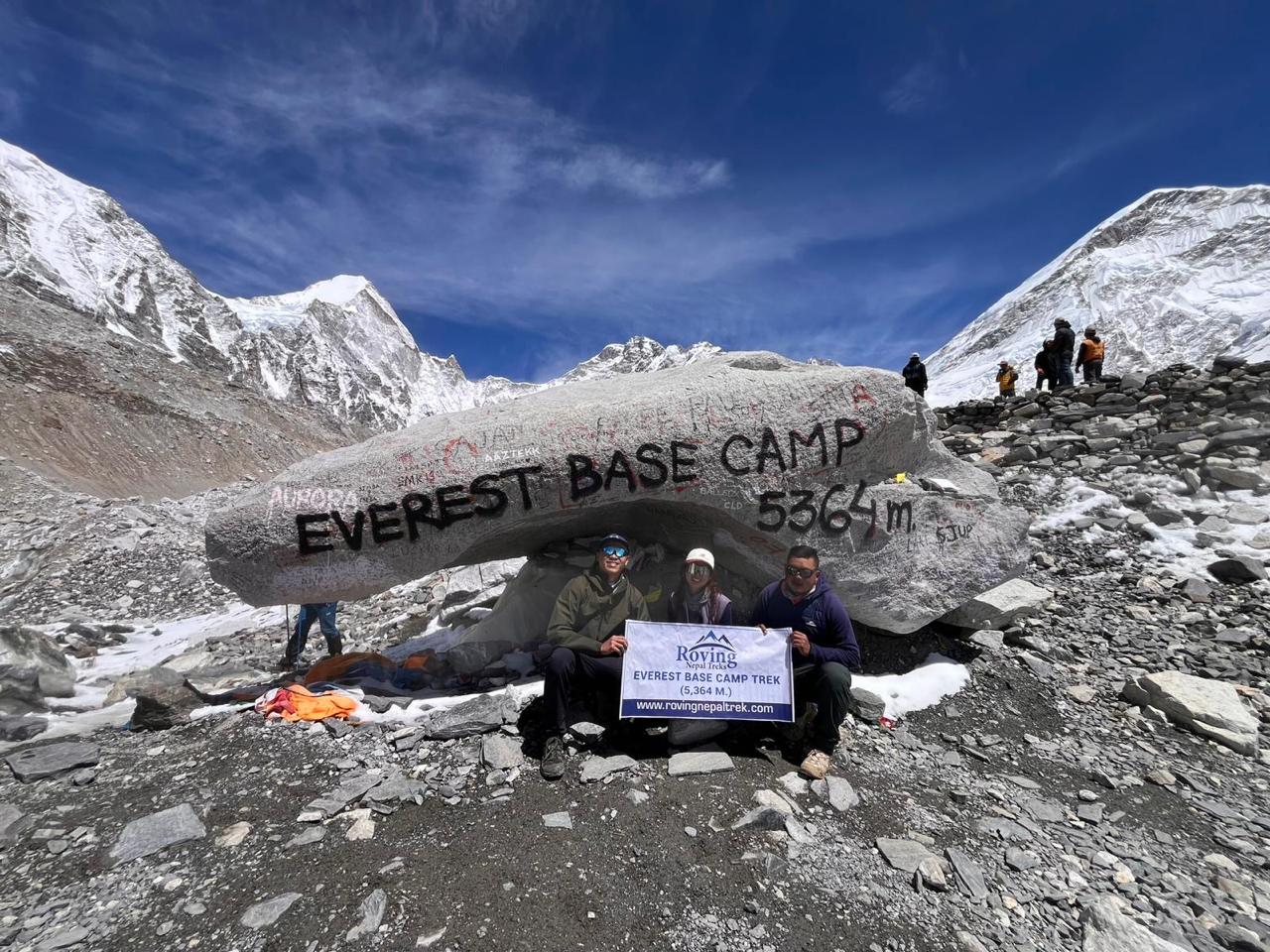
This is the ultimate milestone of your expedition. You trek across shifting glacial moraine and rocky dunes to reach Gorak Shep, your high-altitude staging post. After a quick lunch and rest, you embark on the historic trek across the chaotic, moving ice and towering seracs of the Khumbu Glacier straight to Everest Base Camp ($5,364\text{ m}$). Standing among the colorful expedition tents right beneath the Khumbu Icefall fills you with an immense sense of triumph before you retrace your steps back to Gorak Shep for the night.
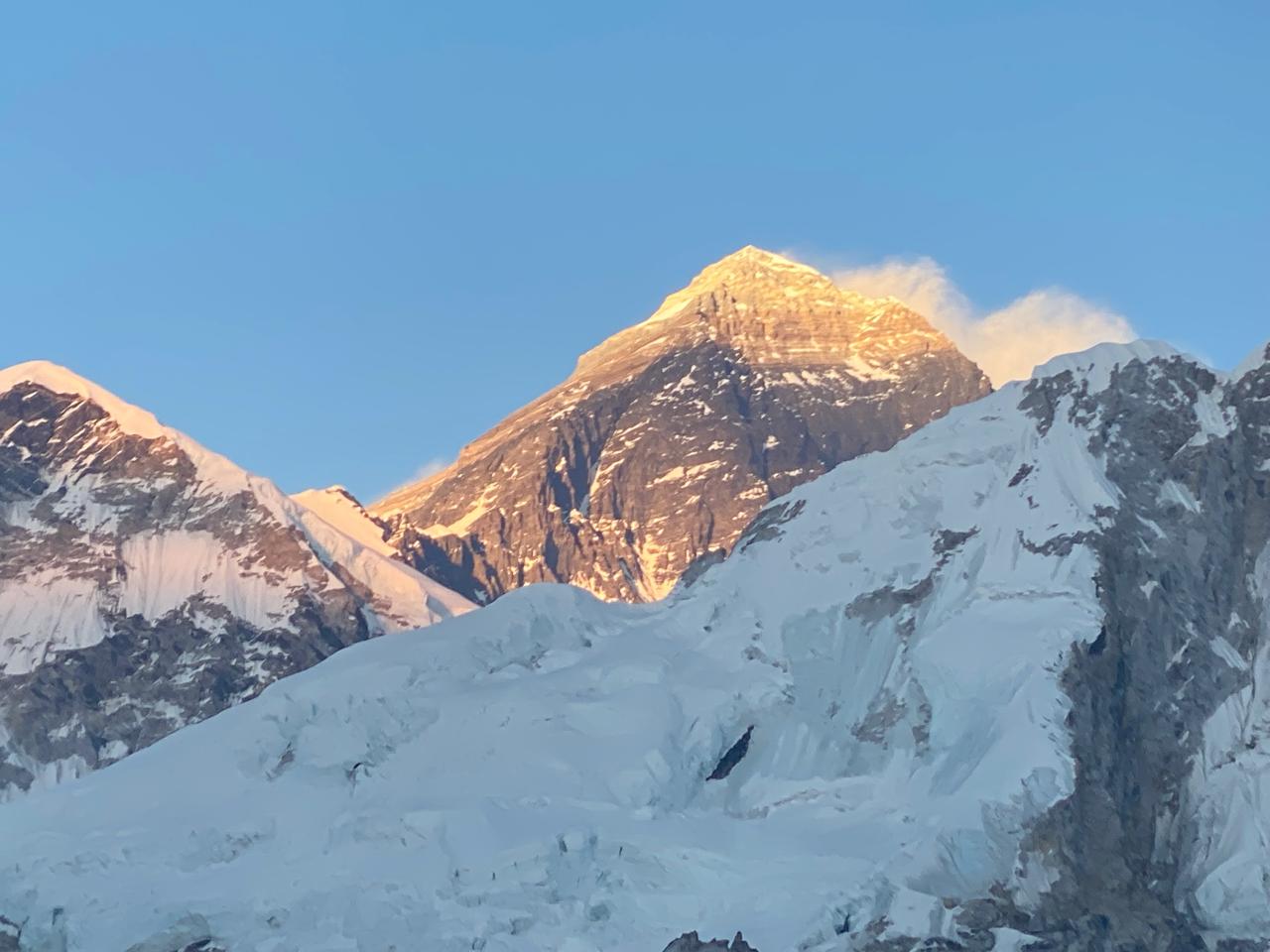
You wake up well before dawn for a bitterly cold, demanding pre-dawn climb up the black rocky slopes of Kala Patthar ($5,545\text{ m}$). Reaching the summit just as the first rays of sunlight strike the snow pyramid of Mount Everest offers a life-changing panoramic spectacle. After returning to Gorak Shep for breakfast, you pack your bags and begin a welcome, long descent down the valley, losing elevation quickly until you reach the wider, wind-protected pastures of Pheriche.
Descending further brings an immediate and noticeable improvement in oxygen levels, putting extra spring in your step. You enjoy a long, mostly downhill trek that retraces your familiar path past Pangboche and Tengboche. Crossing suspension bridges over rushing glacial rivers and climbing briefly back through pine forests, you watch the barren alpine landscape transition back into green hillsides before arriving back in the welcoming bustle of Namche Bazaar for a celebratory evening.
Your final day of trekking is a long, steady descent out of Sagarmatha National Park. You retrace the steep stone steps down to the river valley, crossing the Hillary Suspension Bridge one last time and passing through Monjo and Phakding. Reaching Lukla in the afternoon brings a profound sense of accomplishment. In the evening, you gather with your guides and porters for a final celebration, sharing stories, exchanging heartfelt thanks, and tipping the team who made your journey possible.
You catch an early morning scenic flight back to Kathmandu, watching the majestic Himalayan peaks fade into the distance one last time. Upon landing, you are transferred back to your hotel in Thamel. The rest of the day is entirely yours to unwind, enjoy a long hot shower, catch up on sleep, or explore the local markets to pick up traditional Nepalese handicrafts and souvenirs to take back home.
Your 14-day Himalayan adventure concludes today. Depending on your flight schedule, enjoy a final relaxed breakfast or last-minute coffee in Kathmandu. A representative from the trekking team will pick you up from your hotel and transfer you securely to Tribhuvan International Airport for your international flight home, carrying memories of the high Khumbu valleys that will stay with you for a lifetime.
Add at least one or two days as reserve days for the Everest Base Camp Trek in Nepal. The Lukla flight is very unpredictable and it requires proper planning. During Peak trekking season like spring and autumn season, the flight may take place from Manthali Airport instead from Kathmandu Domestic Airport. For this, you must drive to Manthali which about 3.5 hours to 4 hours from Kathmandu. Check our blog of Manthali Lukla Airport reality to know more about this. Furthermore, it is also important to note down the weather conditions.
Lukla is the gateway to many treks and peak climbing in the region. Major trips like the Island Peak Climbing, Lobuche Peak Climbing, Everest Base Camp Trek via Gokyo Lake, etc. take the same route.
Yes, it is possible to use Road transportation instead of Lukla flight but you can't reach Lukla directly. You must travel to Surke from Phaplu which is about 6 hours to 7 hours in a bumpy dirt track road. The cost of the jeep from Phaplu may cost around 250 $ per jeep.
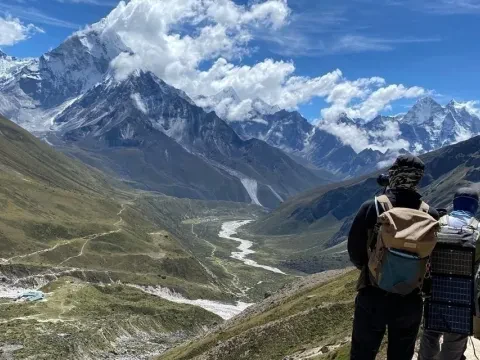
If you are planning to go trek to Everest Base Camp, this thorough set of Everest Base Camp Trek FAQs answers your every question.
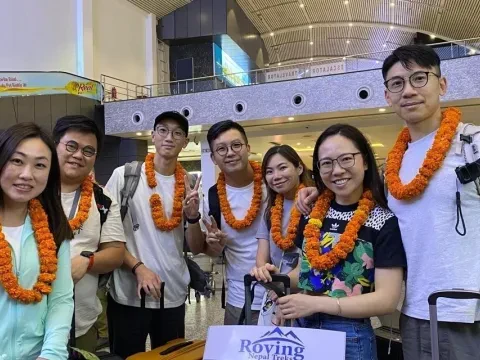
Book the Everest Base Camp Trek Cost 2026/2027 at just 1400 $ with special discounts from the Roving Nepal Trek, the best company in Nepal.
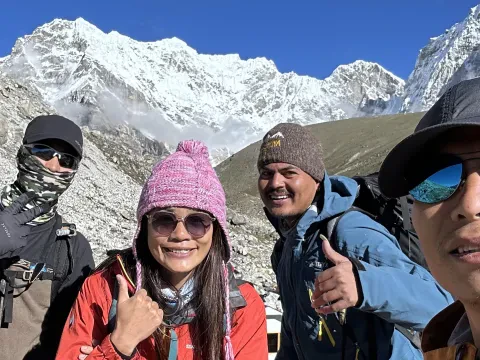
Well, Everest region of Nepal never fails to surprise you with its wonders of Himalayan wonders! The home of Sherpa people known for their mountaineering prowess, the region excels in trekking activities. Moreover, it is also an epitome for all kinds of Himalayan adventures from peak climbing to expeditions and luxury helicopter tours. The biggest hurdle to any kinds of activities in the region is the risk of altitude sickness. Therefore, today’s blog is all about finding out the best and authentic Everest Altitude Sickness Guide.
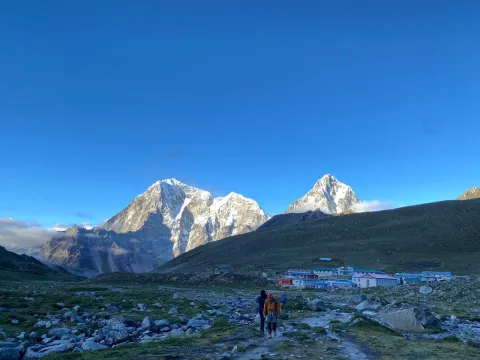
The Everest Base Camp Trek via Cho La Pass difficulty level for beginners can be hard due to its high altitude, rugged trails, and physically demanding pass crossing. First-time trekkers may struggle with long trekking days, steep ascents, and freezing temperatures at higher elevations.
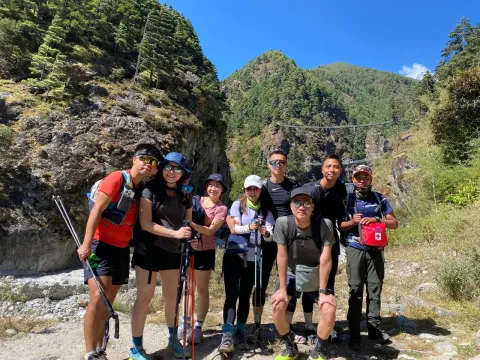
Get the latest and complete Everest Base Camp Trek Guide in today’s blog. The Everest Base Camp Trek is one of the world's most iconic trekking adventures, taking you into the heart of Nepal's Khumbu region and to the foot of the highest mountain on Earth, Mount Everest (8,848.86 m). With experienced local guides, careful planning, and the right preparation, your dream of reaching Everest Base Camp can become a safe and unforgettable adventure.
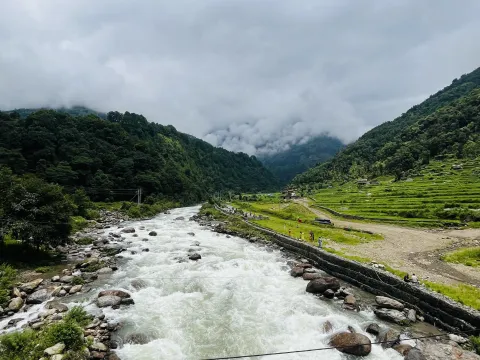
Trekking in Nepal is more than just a mountain vacation—it is a life-changing journey through ancient trade routes, sacred glacial valleys, and the highest mountain peaks on Earth. Whether you are stepping onto Himalayan trails for the first time or looking for your next high-pass challenge, choosing the right trek is the crucial first step.