Hello adventurers from across the globe! Today’s blog is about the Everest Base Camp Trek via Chola Pass difficulty level. Do you know that the Chola Pass route is the most popular adventure trail of the Everest region? Yes, it is adventurous as well as scenic. It connects the legendary Everest Base Camp Trek route and the beautiful Gokyo Valley. Similarly, the trail consists of two iconic mountain glaciers, Ngozumpa glacier and Khumbu glacier. Lots of people inquire to do the trek but they are unaware of the trek difficulty. Therefore, we are here with a blog to find out the Everest Base Camp Trek via Chola Pass difficulty level.
After finding out the difficulty of the trek, you will be able to prepare properly. Moreover, the better information about the trail means better chances of trip success. Let’s delve deeper into the Everest Base Camp Trek with Chola Pass journey’s difficulty level.
The Everest Base Camp Trek via Cho La Pass is considered challenging because it combines high altitude trekking with demanding terrain and long walking hours. Trekkers cross the Cho La Pass at 5,420 meters, where thin air and steep icy sections make the journey physically exhausting. The route also includes glacier crossings, rocky trails, and unpredictable mountain weather. Unlike the standard Everest Base Camp trek, this route requires stronger endurance, proper acclimatization, and mental resilience, making it suitable for experienced trekkers or fit adventurers seeking a tougher Himalayan adventure.
Altitude is one of the biggest challenges during the Everest Base Camp Trek via Cho La Pass. As trekkers ascend above 5,000 meters, oxygen levels drop significantly, making breathing more difficult and increasing fatigue. Symptoms like headaches, nausea, dizziness, and shortness of breath are common if acclimatization is not managed properly. The Cho La Pass itself sits at 5,420 meters, where harsh conditions can intensify altitude-related problems. Proper pacing, hydration, rest days, and gradual ascent are essential to reduce the risk of Acute Mountain Sickness during this demanding Himalayan trekking route.
The Everest Base Camp Trek via Cho La Pass difficulty level for beginners can be hard due to its high altitude, rugged trails, and physically demanding pass crossing. First-time trekkers may struggle with long trekking days, steep ascents, and freezing temperatures at higher elevations. However, beginners with good physical preparation, strong determination, and enough acclimatization can successfully complete the trek. Hiring experienced guides and following a steady pace greatly improves safety and comfort. Although challenging, the trek remains achievable for adventurous beginners who are ready for a demanding but rewarding Himalayan trekking experience.
Good physical fitness is essential for completing the Cho La Pass Trek comfortably and safely. Trekkers should be prepared for walking 5 to 8 hours daily on steep and uneven mountain trails. Cardiovascular endurance, leg strength, and stamina are especially important because of the high altitude and demanding terrain. Regular hiking, running, cycling, and strength training before the trek can significantly improve performance. Since the Cho La Pass crossing involves icy and rocky sections, balance and stability also help. Mentally, trekkers should be ready for challenging weather and physically exhausting trekking days.
Weather conditions around Cho La Pass can change rapidly, making the trek more challenging and unpredictable. Early mornings are often clear, but snowfall, strong winds, and freezing temperatures can develop suddenly at higher elevations. During winter and monsoon seasons, heavy snow and slippery trails may make the pass dangerous or temporarily inaccessible. The route includes rocky paths, glacier sections, and steep ascents that require careful footing. Trekkers should carry proper cold-weather gear and waterproof equipment. Choosing the right trekking season greatly improves safety, trail visibility, and overall trekking experience around Cho La Pass.
The Everest Base Camp Trek via Cho La Pass is more difficult than the standard Everest Base Camp trek because it involves crossing a high mountain pass at 5,420 meters. While the standard EBC route mainly follows established trails, the Cho La route includes steeper climbs, glacier crossings, and rougher terrain. It also requires better physical fitness and stronger acclimatization. However, the Cho La Pass trek offers more adventure, spectacular mountain scenery, and access to both Everest Base Camp and Gokyo Lakes. Trekkers seeking a challenging and diverse experience often prefer the Cho La route.
Acclimatization is extremely important during the Cho La Pass Trek because rapid altitude gain increases the risk of altitude sickness. Trekkers may experience headaches, fatigue, dizziness, nausea, and breathing difficulties above 4,500 meters. The Cho La Pass crossing becomes especially challenging because of its elevation and physically demanding terrain. Without proper acclimatization days, the body may struggle to adapt to lower oxygen levels. Gradual ascent, hydration, rest, and avoiding overexertion are key preventive measures. Severe cases of altitude sickness can become dangerous, so trekkers must monitor symptoms carefully throughout the journey.
Both clockwise and anticlockwise routes are possible for the Cho La Pass Trek, but many trekkers prefer the anticlockwise direction for easier acclimatization. In this route, trekkers first visit Everest Base Camp before crossing Cho La Pass toward Gokyo Valley. The gradual ascent helps the body adjust better to higher altitudes before reaching the demanding pass. The clockwise route is also scenic but involves a steeper and more difficult climb toward Cho La Pass earlier in the trek. For safety, comfort, and better altitude adaptation, the anticlockwise route is generally considered the more suitable option.
The toughest section of the Everest Base Camp and Cho La Pass Trek is usually the crossing of Cho La Pass itself. Trekkers face steep rocky climbs, icy trails, glacier sections, and freezing temperatures at over 5,400 meters. The thin air at this altitude makes even short distances physically exhausting. Other difficult sections include the ascent to Lobuche, the hike to Kala Patthar, and long trekking days between remote mountain villages. Weather conditions can also increase the difficulty. Proper preparation, acclimatization, and trekking experience help trekkers manage these challenging sections more comfortably and safely.
The best time to trek Everest Base Camp via Cho La Pass is during the spring season from March to May and autumn from September to November. These months offer stable weather, clear mountain views, and safer trail conditions. Spring brings blooming rhododendrons and moderate temperatures, while autumn provides crisp skies and excellent visibility after the monsoon season. Winter trekking is possible but challenging because of heavy snow and freezing temperatures around the pass. The monsoon season is generally avoided due to rain, slippery trails, and poor visibility in the Everest region.
The Everest Base Camp Trek via Cho La Pass usually takes around 16 to 20 days, depending on the itinerary and acclimatization schedule. Most trekking plans include rest days at places like Namche Bazaar and Dingboche to help the body adjust to high altitude. Daily walking hours generally range from 5 to 8 hours, with longer days during the Cho La Pass crossing. Some trekkers extend the journey to explore Gokyo Lakes or nearby viewpoints. A well-paced itinerary is important for reducing fatigue and lowering the risk of altitude sickness during the trek.
How Can You Reach Everest Base Camp?
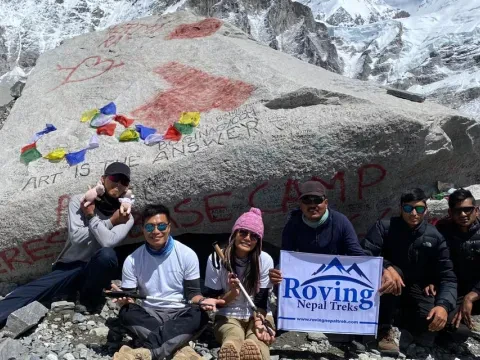
There is hardly any trekker or a common man who wouldn't know about Mount Everest. The charm and grace of Mount Everest sit right at the top. Talking about Everest Base Camp it is one of the toughest yet beautiful trekking journeys.
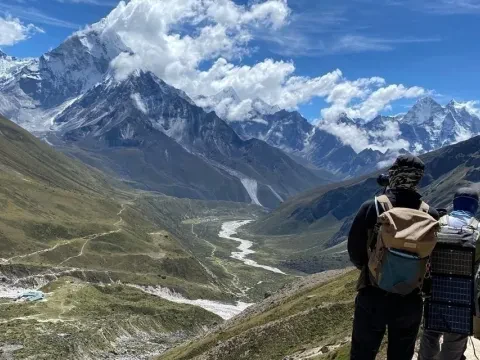
If you are planning to go trek to Everest Base Camp, this thorough set of Everest Base Camp Trek FAQs answers your every question.
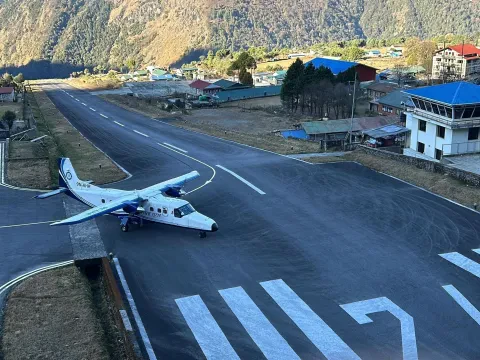
Everest trek. Everest trek.A journey from Lukla to Everest is filled with beautiful Sherpa villages, lush green forests, and many more. From peeking at the beautiful mountains like Lhotse and Nuptse there is much more to explore in the Lukla to Everest trek.
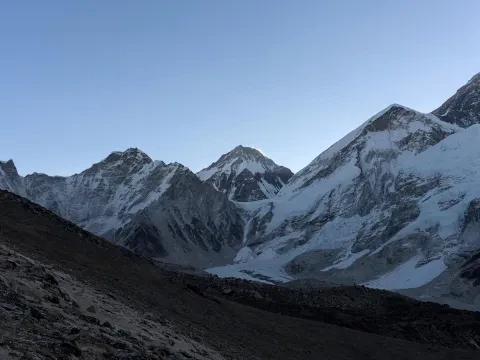
If Everest is known as the "King of the Mountains," should the EBC Trek be known as the "King of the Treks?" This blog explains why maybe it should be

Book the Everest Base Camp Trek Cost 2026/2027 at just 1400 $ with special discounts from the Roving Nepal Trek, the best company in Nepal.
Well, Everest region of Nepal never fails to surprise you with its wonders of Himalayan wonders! The home of Sherpa people known for their mountaineering prowess, the region excels in trekking activities. Moreover, it is also an epitome for all kinds of Himalayan adventures from peak climbing to expeditions and luxury helicopter tours. The biggest hurdle to any kinds of activities in the region is the risk of altitude sickness. Therefore, today’s blog is all about finding out the best and authentic Everest Altitude Sickness Guide.