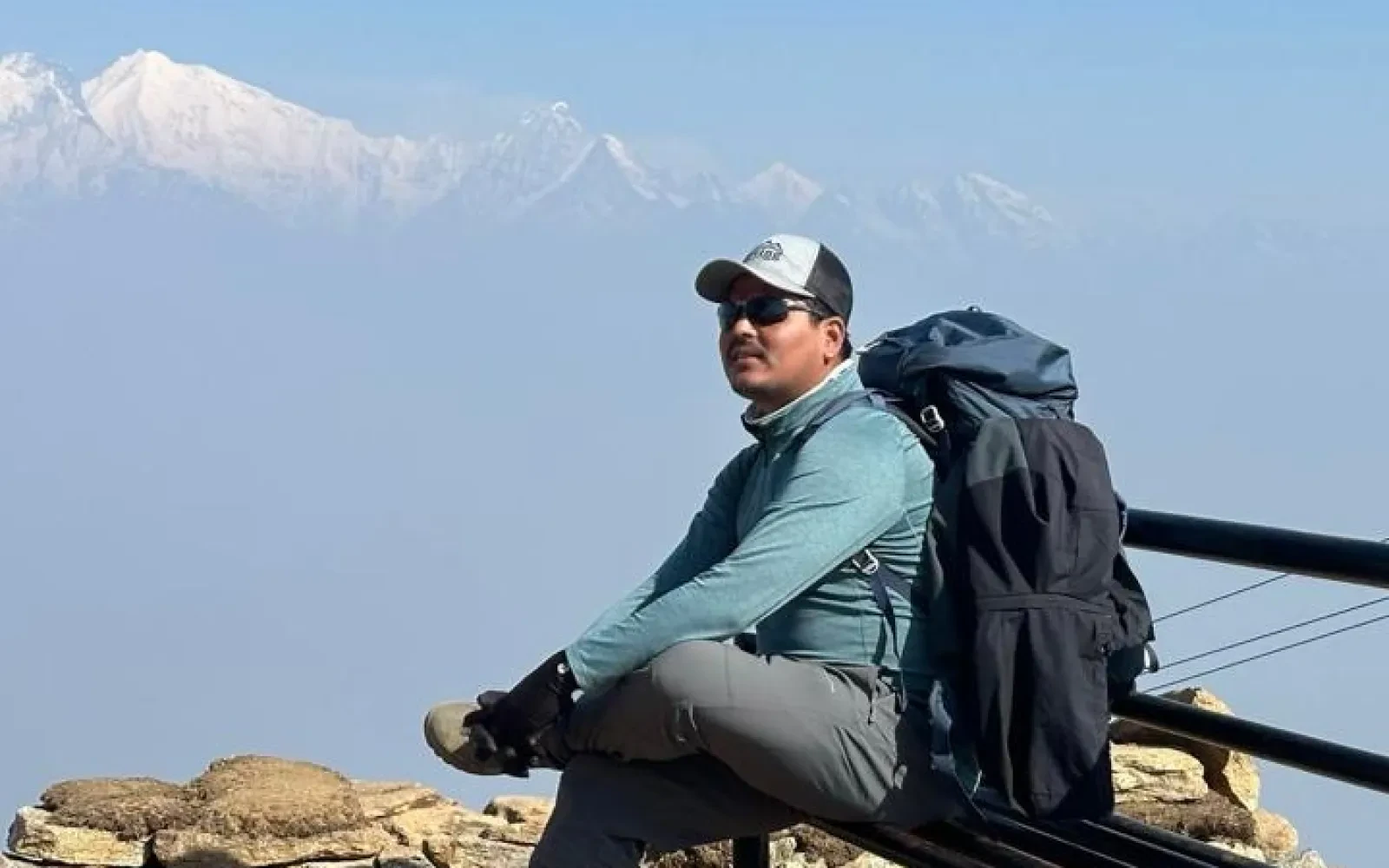
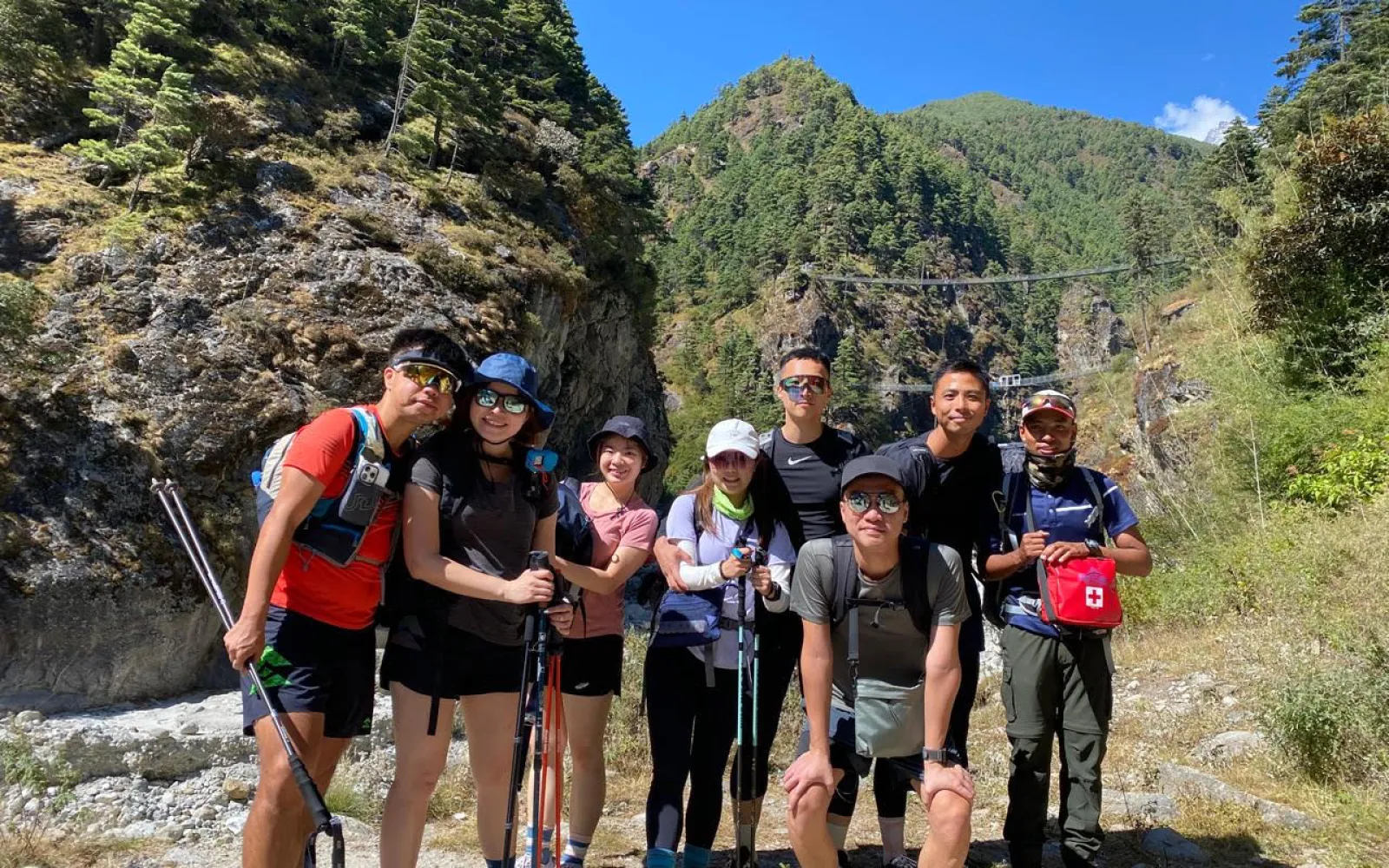
Get the latest and complete Everest Base Camp Trek Guide in today’s blog. The Everest Base Camp Trek is one of the world's most iconic trekking adventures, taking you into the heart of Nepal's Khumbu region and to the foot of the highest mountain on Earth, Mount Everest (8,848.86 m). Along the way, you'll experience dramatic Himalayan scenery, welcoming Sherpa villages, ancient Buddhist monasteries, suspension bridges, and unforgettable views of peaks such as Ama Dablam, Lhotse, Nuptse, Thamserku, and Pumori.
Our 14-day Everest Base Camp Trek is designed for trekkers who want a safe, well-paced journey with proper acclimatization. Starting with a scenic flight to Lukla, the route follows the Dudh Koshi River through the vibrant villages of Phakding and Namche Bazaar before continuing to Tengboche, Dingboche, Lobuche, Gorakshep, and finally Everest Base Camp (5,364 m). The trek also includes an early morning hike to Kala Patthar (5,545 m), widely regarded as the best viewpoint for panoramic views of Mount Everest.
Whether you're an experienced hiker or attempting your first Himalayan adventure, our experienced local guides will support you throughout the journey, ensuring your safety, comfort, and enjoyment.
Quick Facts
Duration: 14 Days
Maximum Altitude: 5,545 m (Kala Patthar)
Everest Base Camp Altitude: 5,364 m
Difficulty: Moderate to Challenging
Accommodation: Mountain Tea Houses
Meals: Breakfast, Lunch & Dinner during the trek
Best Seasons:
Group Size: Private and Small Groups Available
Starting Point: Kathmandu
Ending Point: Kathmandu
Few trekking destinations combine natural beauty, cultural richness, and personal achievement like Everest Base Camp. Every day brings changing landscapes—from lush forests and rushing rivers to alpine valleys and glacial terrain. Along the route, you'll gain insight into Sherpa traditions, visit centuries-old monasteries, and experience the warm hospitality of mountain communities.
Standing at Everest Base Camp is a memorable milestone, but many trekkers consider the sunrise from Kala Patthar to be the highlight of the journey. Watching the first light illuminate Mount Everest and the surrounding Himalayan peaks is an experience that stays with travelers long after they return home.
Beyond the scenery, the trek is an opportunity to challenge yourself physically while traveling at a pace that allows proper acclimatization. With experienced guides, careful planning, and responsible trekking practices, the journey is accessible to many people with good fitness and preparation.
The Everest Base Camp Trek is suitable for:
No technical climbing experience is required, but regular walking, hill training, or cardiovascular exercise before your trip will make the trek more enjoyable.
Our 14-day Everest Base Camp Trek itinerary is carefully designed to provide enough time for acclimatization while allowing trekkers to enjoy the natural and cultural highlights of the Khumbu region. The gradual ascent helps your body adjust to increasing altitude and improves the overall trekking experience.
Day 1: Arrival in Kathmandu (1,400 m)
Welcome to Nepal! Upon arrival at Tribhuvan International Airport, our team will meet you and transfer you to your hotel in Kathmandu.
After check-in, you can rest or explore the nearby streets of Kathmandu. In the evening, we will organize a trek briefing where your guide will explain the route, safety information, equipment requirements, and final preparations.
Accommodation: Hotel in Kathmandu
Meals: Welcome dinner
Day 2: Kathmandu Sightseeing and Trek Preparation
Today you can explore some of Kathmandu's cultural highlights, including ancient temples, historic squares, and traditional markets.
Popular places to visit include:
Your guide will also help check your trekking equipment and make sure everything is ready before heading to the mountains.
Accommodation: Hotel in Kathmandu
Meals: Breakfast
Day 3: Flight to Lukla and Trek to Phakding (2,610 m)
Early morning, we take a scenic flight from Kathmandu to Lukla, one of the world's most famous mountain airstrips. The flight offers spectacular views of Himalayan peaks.
After meeting porters and organizing the trekking equipment, we begin walking through the Dudh Koshi Valley.
The trail passes through small villages, pine forests, and suspension bridges before reaching Phakding.
Walking time: Approximately 3–4 hours
Distance: About 8 km
Accommodation: Tea house
Meals: Breakfast, Lunch, Dinner
Day 4: Phakding to Namche Bazaar (3,440 m)
Today is one of the most exciting trekking days as we enter Sagarmatha National Park and begin gaining significant altitude.
The trail follows the Dudh Koshi River, crossing several suspension bridges decorated with colorful prayer flags. After Monjo, we enter Sagarmatha National Park and continue toward Namche Bazaar.
The final climb to Namche offers the first possible views of Mount Everest (weather permitting).
Namche Bazaar is the largest settlement in the Khumbu region and an important trading center for Sherpa communities.
Walking time: Approximately 6–7 hours
Accommodation: Tea house
Meals: Breakfast, Lunch, Dinner
Day 5: Acclimatization Day in Namche Bazaar (3,440 m)
Acclimatization is essential for a safe Everest Base Camp Trek.
Today we take a short hike to higher altitude viewpoints before returning to Namche for rest.
Activities may include:
From viewpoints around Namche, you can see impressive peaks including Everest, Lhotse, Ama Dablam, and Thamserku.
Accommodation: Tea house
Meals: Breakfast, Lunch, Dinner
Day 6: Namche Bazaar to Tengboche (3,860 m)
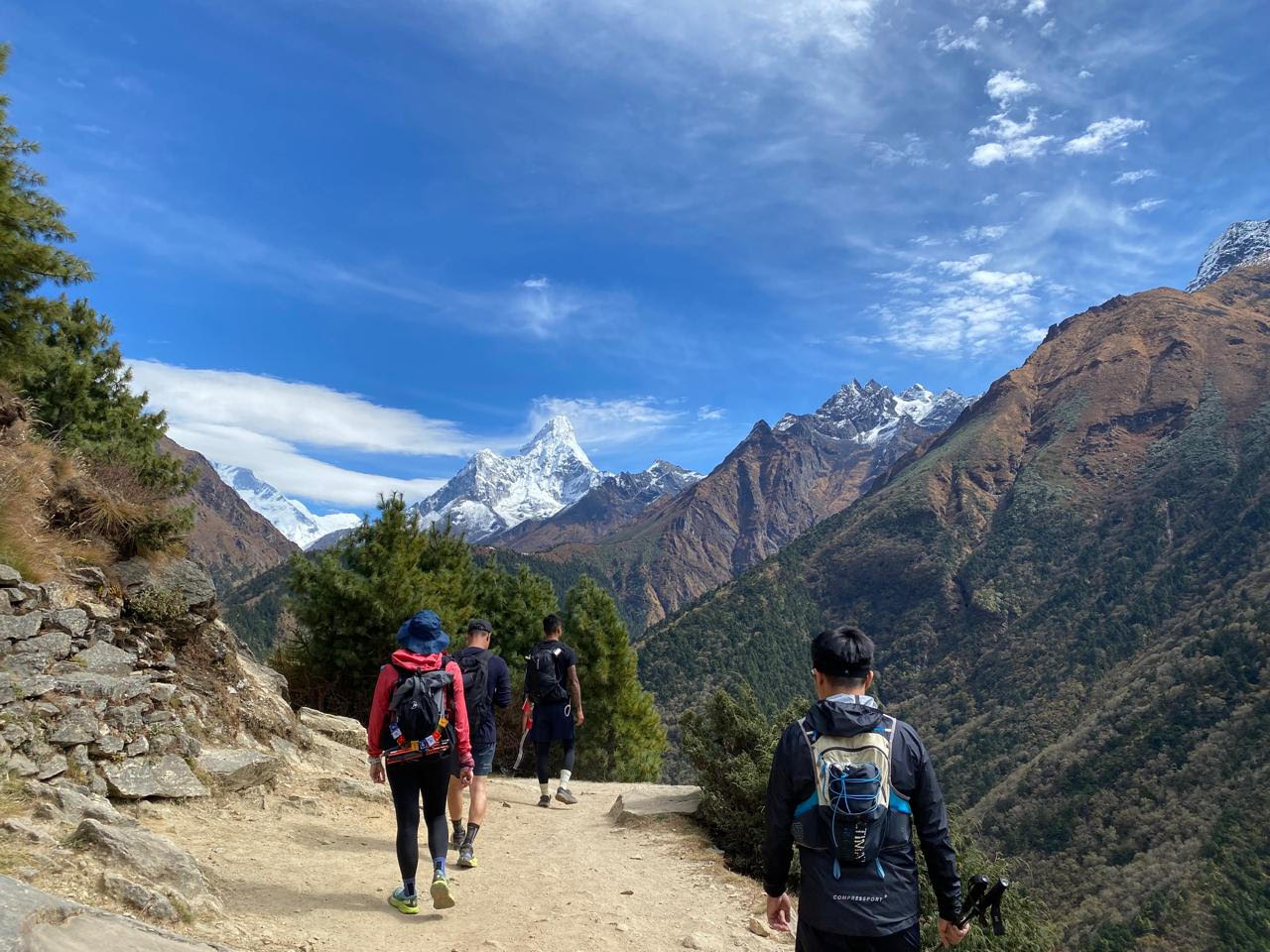
Leaving Namche, the trail follows a scenic hillside route with magnificent Himalayan views.
The path descends to the Dudh Koshi River before climbing through forests of rhododendron and pine toward Tengboche.
Tengboche is famous for the beautiful Tengboche Monastery, one of the most important Buddhist monasteries in the Everest region.
Walking time: Approximately 5–6 hours
Accommodation: Tea house
Meals: Breakfast, Lunch, Dinner
Day 7: Tengboche to Dingboche (4,410 m)
The landscape gradually changes as we move above the tree line.
The trail passes through:
You will enjoy close views of Ama Dablam, one of Nepal's most beautiful mountains.
Dingboche is a traditional Sherpa village surrounded by spectacular Himalayan peaks.
Walking time: Approximately 5–6 hours
Accommodation: Tea house
Meals: Breakfast, Lunch, Dinner
Day 8: Acclimatization Day in Dingboche (4,410 m)
Another important rest and acclimatization day helps your body adjust to higher altitude.
A popular activity is hiking to Nagarjun Hill or Chhukung Valley, depending on weather and group condition.
The viewpoint provides excellent views of:
Accommodation: Tea house
Meals: Breakfast, Lunch, Dinner
Day 9: Dingboche to Lobuche (4,910 m)
The trail climbs gradually through the alpine landscape.
You pass the memorial area at Thukla Pass, where memorials honor climbers and trekkers who lost their lives in the Everest region.
The surrounding views become increasingly dramatic as you approach the Khumbu Glacier area.
Walking time: Approximately 5 hours
Accommodation: Tea house
Meals: Breakfast, Lunch, Dinner
Day 10: Lobuche to Everest Base Camp and Gorakshep (5,164 m)
This is the most exciting day of the trek.
The trail follows the rocky path beside the Khumbu Glacier toward Gorakshep. After a short rest, we continue toward Everest Base Camp.
At Everest Base Camp, you can experience the incredible atmosphere of the world's highest expedition destination.
After spending time at Base Camp, we return to Gorakshep for overnight accommodation.
Everest Base Camp altitude: 5,364 m
Walking time: Approximately 7–8 hours
Accommodation: Tea house
Meals: Breakfast, Lunch, Dinner
Day 11: Kala Patthar Sunrise and Trek to Pheriche (4,240 m)
Early morning, we hike to Kala Patthar, the most famous viewpoint of the Everest region.
From the summit, you can enjoy breathtaking panoramic views of:
After sunrise, we descend back through Gorakshep and continue toward Pheriche.
Kala Patthar altitude: 5,545 m
Walking time: Approximately 6–7 hours
Accommodation: Tea house
Meals: Breakfast, Lunch, Dinner
Day 12: Pheriche to Namche Bazaar (3,440 m)
We retrace the trail through beautiful mountain villages and forests.
The lower altitude brings warmer temperatures and more oxygen, making the walk more comfortable.
Walking time: Approximately 6–7 hours
Accommodation: Tea house
Meals: Breakfast, Lunch, Dinner
Day 13: Namche Bazaar to Lukla (2,800 m)
The final trekking day follows the Dudh Koshi River back toward Lukla.
This is an opportunity to celebrate completing the Everest Base Camp journey with your trekking team.
Walking time: Approximately 6–7 hours
Accommodation: Tea house
Meals: Breakfast, Lunch, Dinner
Day 14: Flight from Lukla to Kathmandu
We take a scenic morning flight back to Kathmandu.
After arriving, you can relax, explore the city, or enjoy a farewell celebration.
Accommodation: Hotel in Kathmandu
Meals: Breakfast
Everest Base Camp Trek Route Summary
Kathmandu → Lukla → Phakding → Namche Bazaar → Tengboche → Dingboche → Lobuche → Gorakshep → Everest Base Camp → Kala Patthar → Namche → Lukla → Kathmandu
This route combines Himalayan scenery, Sherpa culture, and a gradual approach to altitude, making it one of the world's most rewarding trekking experiences.
The cost of the Everest Base Camp Trek depends on several factors, including the length of the trek, group size, accommodation standard, guide and porter services, transportation options, and the level of comfort you choose.
A typical Everest Base Camp Trek package includes professional local guides, accommodation during the trek, meals, permits, domestic transportation, and logistical support.
For a well-organized 14-day Everest Base Camp Trek with a licensed local trekking company in Nepal, prices generally range from approximately USD 1,300 to USD 2,500+ per person, depending on the services included.
Private treks, upgraded accommodation, helicopter return options, and luxury services may cost more.
Small groups and private treks usually cost more because expenses such as guides and transportation are shared among fewer people.
Benefits of a small group:
· More personalized service
· Flexible walking pace
· Better communication with your guide
· Easier management of special requirements
Most Everest Base Camp Treks use traditional mountain tea houses.
Tea house costs increase at higher elevations because supplies must be transported from lower regions.
Accommodation generally includes:
· Basic private or shared rooms
· Beds and blankets
· Shared bathroom facilities in many locations
Experienced guides are essential for:
· Route navigation
· Altitude awareness
· Local cultural information
· Emergency support
· Communication with local communities
Porters help carry trekking equipment and luggage, allowing trekkers to enjoy the journey more comfortably.
Peak trekking seasons (spring and autumn) usually have higher demand for:
· Flights to Lukla
· Tea house rooms
· Trekking services
Booking early is recommended during:
· March–May
· September–November
A professional trekking package generally includes:
✓ Airport pickup and drop-off
✓ Kathmandu hotel accommodation (as per package plan)
✓ Kathmandu sightseeing or trek preparation support (if included)
✓ Domestic flights between Kathmandu and Lukla
✓ Licensed English-speaking trekking guide
✓ Porter service
✓ Guide and porter expenses
✓ Sagarmatha National Park entry permit
✓ Khumbu Pasang Lhamu Rural Municipality permit
✓ Accommodation during the trek
✓ Meals during trekking days (breakfast, lunch, dinner)
✓ Trekking map and necessary assistance
✓ First aid support and basic safety equipment
Usually not included:
✗ International flights
✗ Nepal entry visa fee
✗ Travel insurance
✗ Personal trekking equipment
✗ Extra beverages and snacks
✗ Hot showers during the trek
✗ Wi-Fi and charging fees
✗ Personal expenses
✗ Tips for guides and porters
✗ Emergency evacuation costs
Trekkers need permits before entering the Everest region.
The Everest Base Camp route passes through Sagarmatha National Park, a UNESCO World Heritage Site.
The permit helps support:
· Conservation programs
· Environmental protection
· Park management
This local permit supports tourism management and infrastructure development in the Khumbu region.
Your trekking company normally arranges the required permits before starting the trek.
You can reduce costs by:
· Joining a small group trek.
· Booking directly with a local Nepal trekking company.
· Traveling in shoulder seasons.
· Bringing personal trekking equipment.
· Avoiding unnecessary luxury upgrades.
· Booking flights and hotels early.
However, choosing the cheapest possible option can affect safety, guide quality, and overall experience. Experienced guides, proper acclimatization planning, and reliable support are important investments for a high-altitude trek.
Choosing a local trekking company provides advantages such as:
Our experienced Nepal-based team understands:
· Mountain conditions
· Weather changes
· Trekking routes
· Local cultures
· Emergency procedures
We organize treks according to your:
· Available time
· Fitness level
· Budget
· Travel preferences
Safety is the priority throughout the journey. Our guides monitor:
· Altitude symptoms
· Weather conditions
· Trekking pace
· Health and comfort
Traveling with a local company helps you experience Nepal beyond the trail, including:
· Sherpa culture
· Mountain communities
· Traditional villages
· Himalayan hospitality
Standing at Everest Base Camp is more than reaching a destination—it is a journey through breathtaking landscapes, rich Himalayan culture, and personal achievement.
Contact Roving Nepal Trek to plan your Everest Base Camp adventure with experienced local guides and a carefully designed itinerary.
Start planning your Himalayan journey today.
The best time for the Everest Base Camp Trek depends on your priorities, such as clear mountain views, fewer crowds, warmer temperatures, or a quieter trekking experience.
The two main trekking seasons are:
· Spring (March to May)
· Autumn (September to November)
These months generally offer the most stable weather conditions, excellent visibility, and the best overall trekking experience.
Spring is one of the most popular seasons for trekking to Everest Base Camp.
During spring, the Himalayan landscape becomes colorful with blooming rhododendron forests, clear mountain views, and comfortable trekking conditions.
· Excellent mountain visibility
· Pleasant daytime temperatures
· Blooming flowers and green landscapes
· Good conditions for photography
· Active climbing season on Mount Everest
Approximate temperatures:
Lower regions (Namche and below):
· Daytime: 10°C to 15°C
· Night: 0°C to -5°C
Higher regions (Lobuche, Gorakshep, Base Camp):
· Daytime: 0°C to 8°C
· Night: -10°C to -15°C
Autumn is considered the best overall season by many trekkers.
After the monsoon season, the skies usually become clear, providing spectacular Himalayan views.
· Stable weather
· Crystal-clear mountain scenery
· Comfortable temperatures
· Excellent photography conditions
· Vibrant trekking atmosphere
Approximate temperatures:
Lower regions:
· Daytime: 12°C to 18°C
· Night: 0°C to -5°C
Higher regions:
· Daytime: -5°C to 8°C
· Night: -10°C to -20°C
Winter trekking is possible for experienced trekkers who are prepared for cold conditions.
The trail is quieter, and mountain views can be spectacular.
· Fewer trekkers
· Peaceful trails
· Clear winter skies
· Beautiful snow-covered landscapes
· Very cold temperatures
· Possible snowfall
· Some tea houses may close
· Shorter daylight hours
The monsoon season is generally less popular because rain and clouds can affect visibility.
However, trekking is still possible.
Challenges include:
· Cloudy mountain views
· Rain at lower elevations
· Possible flight delays to Lukla
· Slippery trails
The Everest Base Camp Trek is considered a moderate to challenging trek.
It does not require technical climbing skills, but trekkers should be prepared for:
· Long walking days
· High altitude
· Uneven mountain trails
· Changing weather conditions
The biggest challenge is altitude.
The trek reaches:
· Namche Bazaar: 3,440 m
· Dingboche: 4,410 m
· Lobuche: 4,910 m
· Everest Base Camp: 5,364 m
· Kala Patthar: 5,545 m
At these elevations, oxygen levels are much lower than at sea level.
Most trekking days involve:
· 5–8 hours of walking
· 8–15 km distance
· Gradual but continuous elevation gain
You should prepare with:
· Regular walking or hiking
· Cardiovascular exercise
· Strength training
· Stair climbing
· Weekend hikes before departure
A good level of fitness makes the trek more enjoyable.
Proper acclimatization is one of the most important parts of a successful Everest Base Camp Trek.
The itinerary includes rest days at:
· Namche Bazaar
· Dingboche
These days allow your body to adjust to increasing altitude.
Follow these guidelines:
· Walk slowly and maintain a comfortable pace.
· Drink plenty of water.
· Avoid excessive alcohol.
· Eat enough nutritious food.
· Inform your guide about any symptoms.
· Do not ignore altitude-related problems.
Altitude sickness can affect anyone regardless of age, fitness level, or previous trekking experience.
Common symptoms include:
· Headache
· Tiredness
· Loss of appetite
· Difficulty sleeping
· Dizziness
· Shortness of breath
More serious symptoms may include:
· Confusion
· Difficulty walking
· Severe breathing problems
If serious symptoms appear, immediate descent is the safest response.
Experienced guides monitor trekkers and help make decisions based on safety conditions.
Avoid rushed itineraries that increase altitude too quickly.
A gradual schedule with acclimatization days is safer.
A knowledgeable local guide provides:
· Route knowledge
· Safety monitoring
· Emergency support
· Cultural information
Important items include:
· Warm layers
· Quality hiking boots
· Down jacket
· Gloves
· Sun protection
· Water purification supplies
· Personal medication
Your insurance should cover:
· High-altitude trekking
· Emergency evacuation
· Medical treatment
· Trip interruption
Before your trek:
✓ Start fitness training 6–8 weeks before departure
✓ Break in trekking boots
✓ Prepare appropriate clothing layers
✓ Check travel insurance coverage
✓ Carry required documents
✓ Learn basic altitude awareness
✓ Prepare mentally for mountain conditions
The Everest Base Camp Trek is challenging, but with proper preparation, a suitable itinerary, and experienced support, it is an achievable adventure for many travelers.
Packing properly is one of the most important parts of preparing for the Everest Base Camp Trek. The right equipment helps you stay comfortable, safe, and prepared for changing Himalayan weather conditions.
The key to successful trekking is using a layering system. Temperatures can vary greatly between sunny afternoons and freezing nights, so clothing that can be added or removed easily is essential.
Base Layers
Base layers help manage moisture and keep your body warm.
Recommended:
✓ Thermal tops
✓ Thermal trousers
✓ Moisture-wicking hiking shirts
✓ Quick-dry underwear
Avoid cotton clothing because it absorbs moisture and dries slowly.
Trekking Clothes
Recommended:
✓ 2–3 pairs of hiking trousers
✓ Long-sleeve trekking shirts
✓ Fleece jacket
✓ Lightweight down jacket
✓ Waterproof jacket
✓ Waterproof trekking pants
Warm Clothing
Higher elevations can become extremely cold, especially around Lobuche, Gorakshep, and Everest Base Camp.
Bring:
✓ Warm down jacket
✓ Thermal layers
✓ Wool or fleece hat
✓ Neck warmer or buff
✓ Insulated gloves
✓ Warm trekking socks
Footwear
Your footwear is one of the most important parts of your preparation.
Recommended:
✓ Comfortable waterproof trekking boots
✓ Lightweight camp shoes or sandals
✓ Warm hiking socks
✓ Spare socks
Make sure your trekking boots are broken in before the trek to avoid blisters.
Backpack and Bags
Recommended:
✓ Day backpack (30–40 liters)
✓ Duffel bag (usually carried by porter)
✓ Waterproof backpack cover
✓ Dry bags for electronics and clothing
A comfortable backpack helps reduce fatigue during long walking days.
Sleeping Equipment
Tea houses provide blankets, but personal equipment improves comfort.
Recommended:
✓ Sleeping bag rated around -10°C to -20°C
✓ Sleeping bag liner
✓ Pillowcase or travel pillow
Trekking Accessories
Useful items include:
✓ Trekking poles
✓ Sunglasses with UV protection
✓ Sunscreen (SPF 50+)
✓ Lip balm with sun protection
✓ Headlamp
✓ Water bottle or hydration system
✓ Power bank
✓ Travel adapter
✓ Small towel
✓ Personal toiletries
Personal Medical Kit
Carry basic supplies such as:
✓ Personal medications
✓ First aid items
✓ Blister treatment supplies
✓ Pain relief medicine
✓ Altitude medication (only as advised by a medical professional)
✓ Electrolyte packets
Your guide usually carries a basic first aid kit, but personal supplies are recommended.
Electronics
Useful electronics:
✓ Phone
✓ Camera
✓ Extra batteries
✓ Power bank
✓ Charging cables
Electricity is available at many tea houses, but charging fees may apply at higher elevations.
You do not need to carry everything yourself. Porters can help transport your main luggage.
A comfortable approach:
Before traveling:
Mountain weather changes quickly. Always keep:
The Everest Base Camp Trek is considered moderately challenging. It does not require technical climbing skills, but it requires good fitness, preparation, and proper acclimatization because of the high altitude.
The standard Everest Base Camp Trek usually takes around 12–16 days, depending on the itinerary and acclimatization schedule.
A 14-day itinerary is popular because it provides a comfortable pace.
Everest Base Camp is located at approximately:
5,364 meters (17,598 feet) above sea level.
Kala Patthar, the famous viewpoint above Gorakshep, reaches approximately:
5,545 meters (18,192 feet).
Yes. Many first-time Himalayan trekkers complete the Everest Base Camp Trek successfully.
Beginners should:
The best months are generally:
Spring:
Autumn:
October and November are especially popular because of stable weather and excellent mountain visibility.
While some experienced trekkers travel independently, hiring a local guide provides important benefits:
Many tea houses offer Wi-Fi, although connection quality varies.
Higher areas may have slower internet and additional charges.
Many trekkers also use local SIM cards or satellite communication options.
Tea houses provide a variety of meals, including:
Dal bhat is especially popular because it provides energy for long trekking days.
Yes. Travel insurance is strongly recommended.
Your policy should cover:
Yes. Everest Base Camp is a trekking destination, not a technical climbing route.
No mountaineering skills are required, but physical preparation is important.
The Everest Base Camp Trek is a journey through some of the world's most spectacular mountain landscapes. From Sherpa villages and ancient monasteries to glaciers and Himalayan viewpoints, every day offers a new experience.
With experienced local guides, careful planning, and the right preparation, your dream of reaching Everest Base Camp can become a safe and unforgettable adventure.
Contact Roving Nepal Trek to begin planning your Everest Base Camp journey.
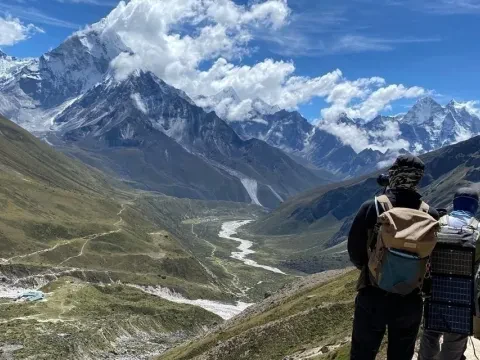
If you are planning to go trek to Everest Base Camp, this thorough set of Everest Base Camp Trek FAQs answers your every question.
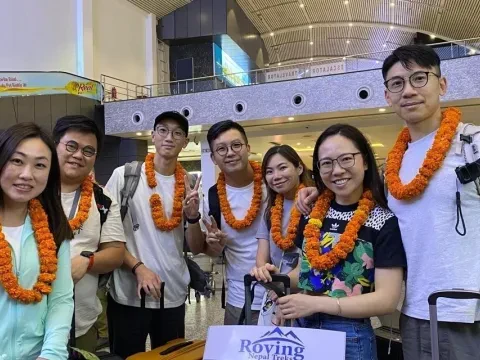
Book the Everest Base Camp Trek Cost 2026/2027 at just 1400 $ with special discounts from the Roving Nepal Trek, the best company in Nepal.
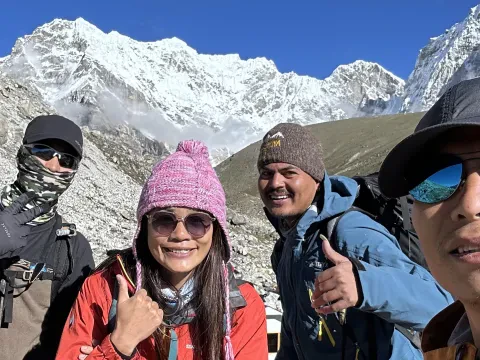
Well, Everest region of Nepal never fails to surprise you with its wonders of Himalayan wonders! The home of Sherpa people known for their mountaineering prowess, the region excels in trekking activities. Moreover, it is also an epitome for all kinds of Himalayan adventures from peak climbing to expeditions and luxury helicopter tours. The biggest hurdle to any kinds of activities in the region is the risk of altitude sickness. Therefore, today’s blog is all about finding out the best and authentic Everest Altitude Sickness Guide.
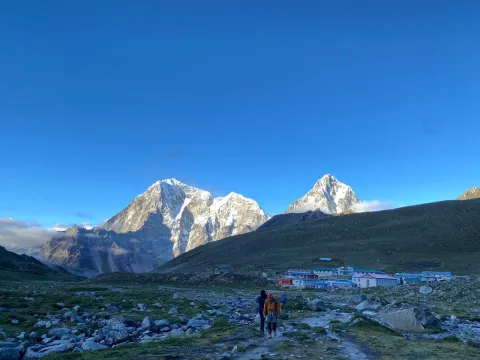
The Everest Base Camp Trek via Cho La Pass difficulty level for beginners can be hard due to its high altitude, rugged trails, and physically demanding pass crossing. First-time trekkers may struggle with long trekking days, steep ascents, and freezing temperatures at higher elevations.
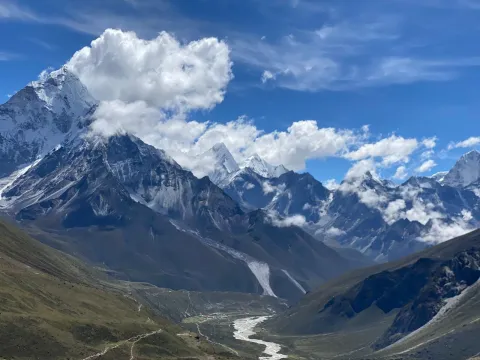
The blog features basic information about the Everest Base Camp Trek via Chola Pass Cost Breakdown 2026. Travelers must know about the cost of transportation, guide – porter salary, accommodation, meals, travel insurance, gear, permits, and miscellaneous things. Besides these things, travelers should also have information about the difference between package trek cost and independent travel cost.
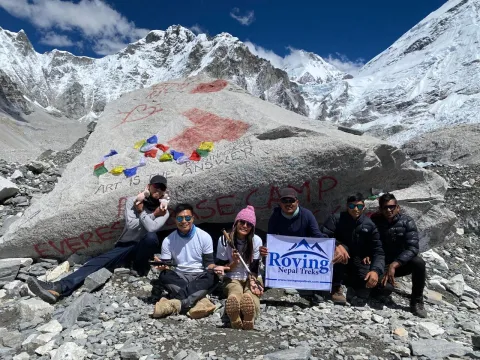
From the rugged beauty of the Khumbu Glacier to the sense of accomplishment that comes with reaching Base Camp, every step between Gorakshep and Everest Base Camp contributes to an experience that remains unforgettable long after the trek ends. For many travelers, it becomes a lifelong memory and the highlight of their journey through Nepal.
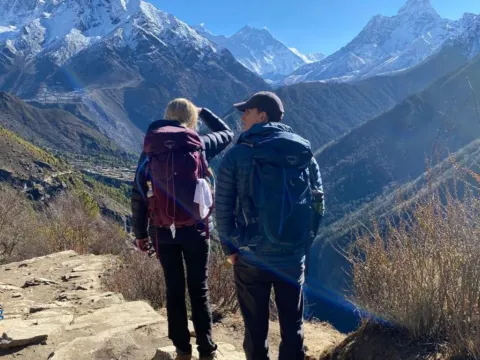
Are you planning a multi-generational trek to Everest Base Camp? If yes, then please check this blog for complete information about the Everest Base Camp Trek with Kids and Senior Citizens in Nepal. Our Family Seniors Kids Everest Treks blog has all important information including safety, itinerary, guidelines, challenges, tips, and logistics. Traveling with family is always hectic. Therefore, you must consider safety first. All boxes of trip operation must be ticked before embarking.