Well, Everest region of Nepal never fails to surprise you with its wonders of Himalayan wonders! The home of Sherpa people known for their mountaineering prowess, the region excels in trekking activities. Moreover, it is also an epitome for all kinds of Himalayan adventures from peak climbing to expeditions and luxury helicopter tours. The biggest hurdle to any kinds of activities in the region is the risk of altitude sickness. Therefore, today’s blog is all about finding out the best and authentic Everest Altitude Sickness Guide.
The things listed in the blog will help you complete the risk-free Everest Base Camp Trek in Nepal. The Everest Base Camp Cost is generally higher than other treks in Nepal. Therefore, your travel investment must be returned in the form of momentous travel tale. Your travel tale must be in such a level that you can share proudly with friends and families.
Let’s find out in detail about the Everest Altitude Sickness Guide. Before we delve deeper into finding out the Everest Altitude Sickness Guide, let’s know more about altitude sickness.
Altitude sickness is commonly occurring condition especially in the higher elevation places. Generally, the places above 2500 m are considered as the places where you may get altitude sickness. However, the places above 3500 m are high risk zone. Furthermore, the places above 7000 m are often considered as the death zone. During the journey above these places which are risky in terms of altitude sickness, your body may show certain symptoms. General symptoms of altitude sickness are headache, fever, diarrhea, and extreme exhaustion, difficulty in breathing or shortness in breathing, delusion, dizziness, and hallucination.
The extreme cases of altitude sickness are HACE and HAPE. HACE refers to the high altitude pulmonary edema and HACE refers to high altitude cerebral edema. These are the extreme cases and can be extremely fatal if not dealt properly. Please don’t underestimate the risks of altitude sickness if you are traveling to the higher places. The treks like the Annapurna Base Camp Trek, the Annapurna Circuit Trek, the Manaslu Circuit Trek, and the Everest Base Camp Trek must be meticulously planned to avoid risks of altitude sickness.
So, is there risk of altitude sickness in the Everest Base Camp Trek route? Yes, there is high risk of altitude sickness in the journey of the Everest Base Camp Trek in Nepal. The maximum altitude that you reach during this high – altitude trekking trip is 5545 m which is the height of Kalapathar Hill. However, the altitude of the Everest Base Camp in Nepal is around 5364 m above sea level. If you wish to avoid 5545 m altitude, then you can skip Kalapathar Hike but it is highly scenic. This blogger doesn’t recommend you to skip Kalapathar hike for sunrise experiences from the casement of Mt. Everest.
Normally, the risk of altitude sickness is from places above 2500 m but Lukla may not pose big threat of altitude sickness. However, you must be aware of your conditions once you land in the Tenzing Hillary Airport in Lukla. Please note down that the airport is one of the world’s most extreme airports of the world. Flying to the airport is the biggest risk due to its geographical terrain, short runway, and unpredictable weather conditions more than the risks of altitude sickness. In short, there is lesser risk of altitude sickness in Lukla airport.
Now, let’s go deeper into finding out the Everest Altitude Sickness Guide. Understanding the risks of altitude sickness and ways to prevent the sickness can help you to successfully complete the trek. After lots of travel investment on the Everest Base Camp Trek, you must successfully leave your footprints at the foothill of the world’s tallest mountain Mt. Everest.
The best way to avoid risks of altitude sickness in Everest Base Camp Trek in Nepal is by doing proper acclimatization activities. Besides acclimatization activities, you must follow the proper trekking pattern including food and drinks consumption habit. Heed the instructions of your trekking guide. Eat soupy foods and belly full meals. Stay hydrated throughout the trek.
As mentioned above, there are two acclimatization activities in the Everest Base Camp Trek itinerary. The first acclimatization activity is in Namche Bazaar (3440 m). Trekkers hike to the Everest View Hotel (3880 m) and prepare the body for trek above 3800 m. Similarly, the second acclimatization is the Nagarshan Hill (5100 m) hike from Dingboche Village. It prepares the body for activities above 4000 m altitude. Therefore, these two acclimatization activities are very important for safe trekking in the Everest region Nepal. Note down that these two acclimatization activities are also included in the Everest Three High Passes Trek itinerary.
Travel insurance is compulsory for the Everest Base Camp Trek in Nepal. In fact, any kinds of higher elevation trekking activities in Nepal require proper insurance plan. The plan must include emergency helicopter rescue, medical expenses, accidents, delays, and cancellations.
Beware of any kinds of fake rescue scams especially during the Everest Base Camp Trek in Nepal. Nowadays, there are lots of reports of fake rescues either by guests or by trekking companies. Authorities are investigating these issues. Activate the plan only when it is genuinely needed. If it is minor case, then descend instead of using the helicopter rescue.
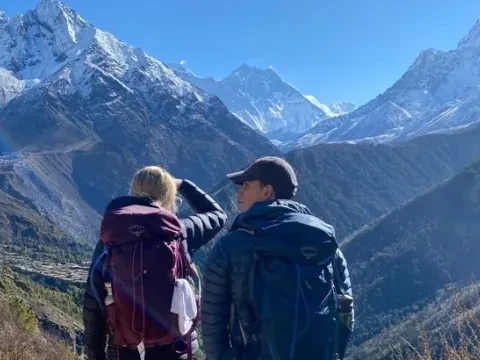
The items to pack for the trek might differ from person to person and even the trekking agency. Some common items need to be included wherever you are trekking in Nepal, be it Everest Base Camp or Tilicho Lake.
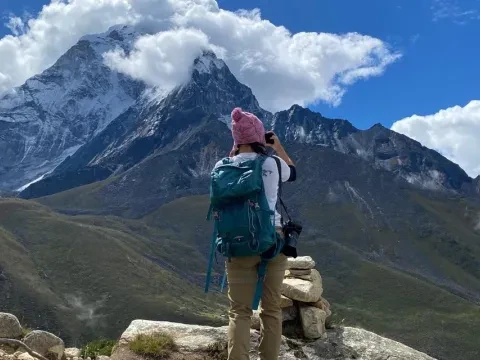
The world is changing and it's changing into digitalization. Therefore Wi-Fi facilities in Everest trek are a must for tourists. Standing at an altitude of 5364m tourists do demand better internet access.
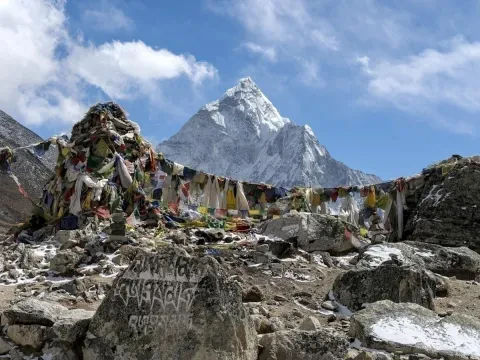
Choosing between a trek in the Annapurna Region and the Everest Region can be difficult. Roving Nepal Treks is here to help you make the right choice.
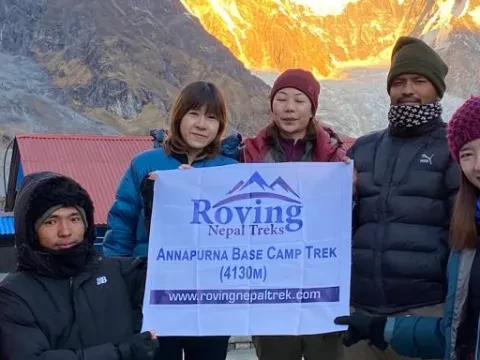
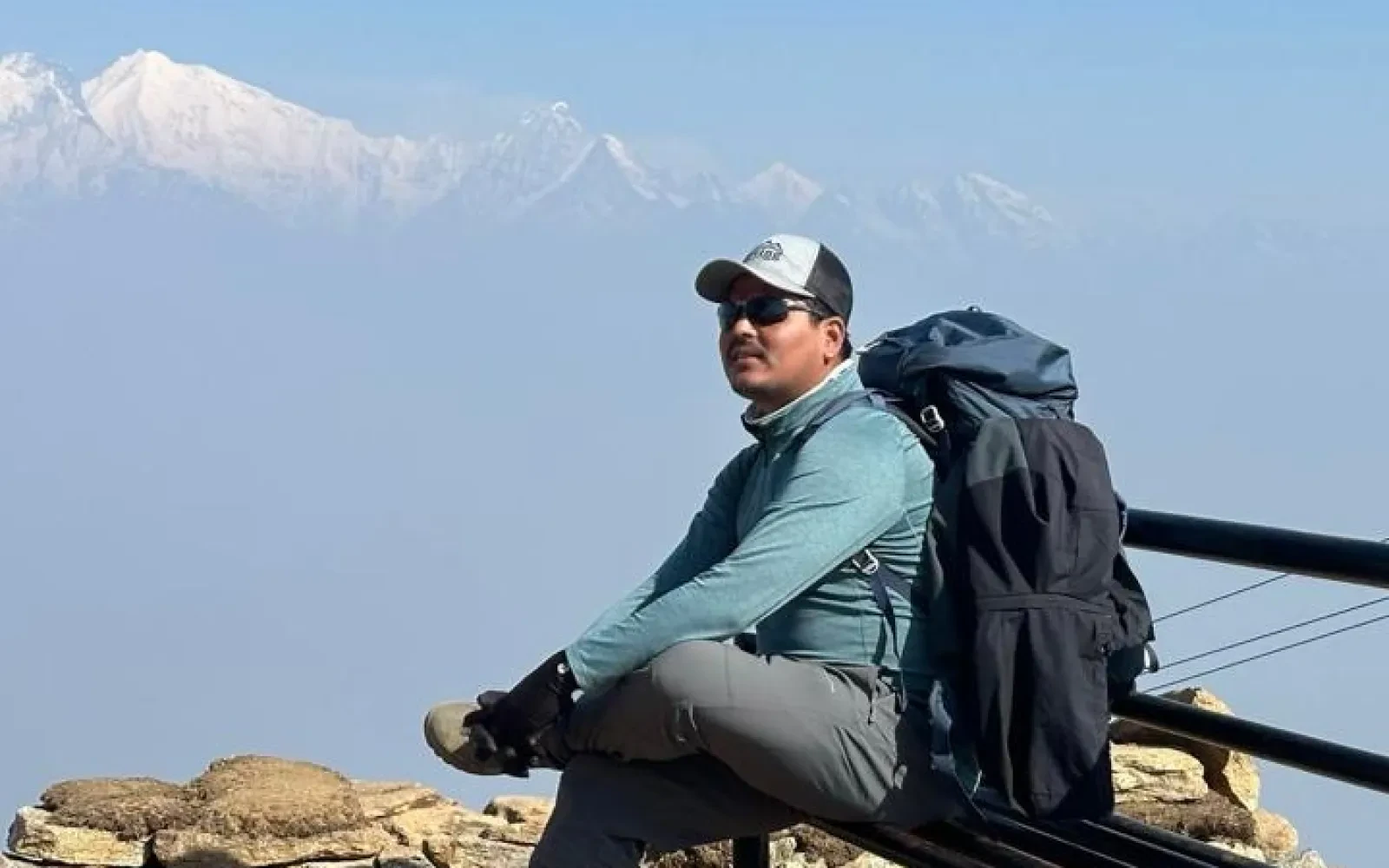
Choosing the right trekking guide can completely transform your Himalayan adventure. Among the countless guides shaping Nepal’s tourism landscape, one name stands out with unmatched trust, experience, and personal warmth—Bashu Sapkota. For many trekkers, he is not just a guide but a lifelong friend, mentor, and guardian on the trails. This is why people often say:“Best Trekking Guide of Nepal: Trek with Bashu.”

Book the Everest Base Camp Trek Cost 2026/2027 at just 1400 $ with special discounts from the Roving Nepal Trek, the best company in Nepal.