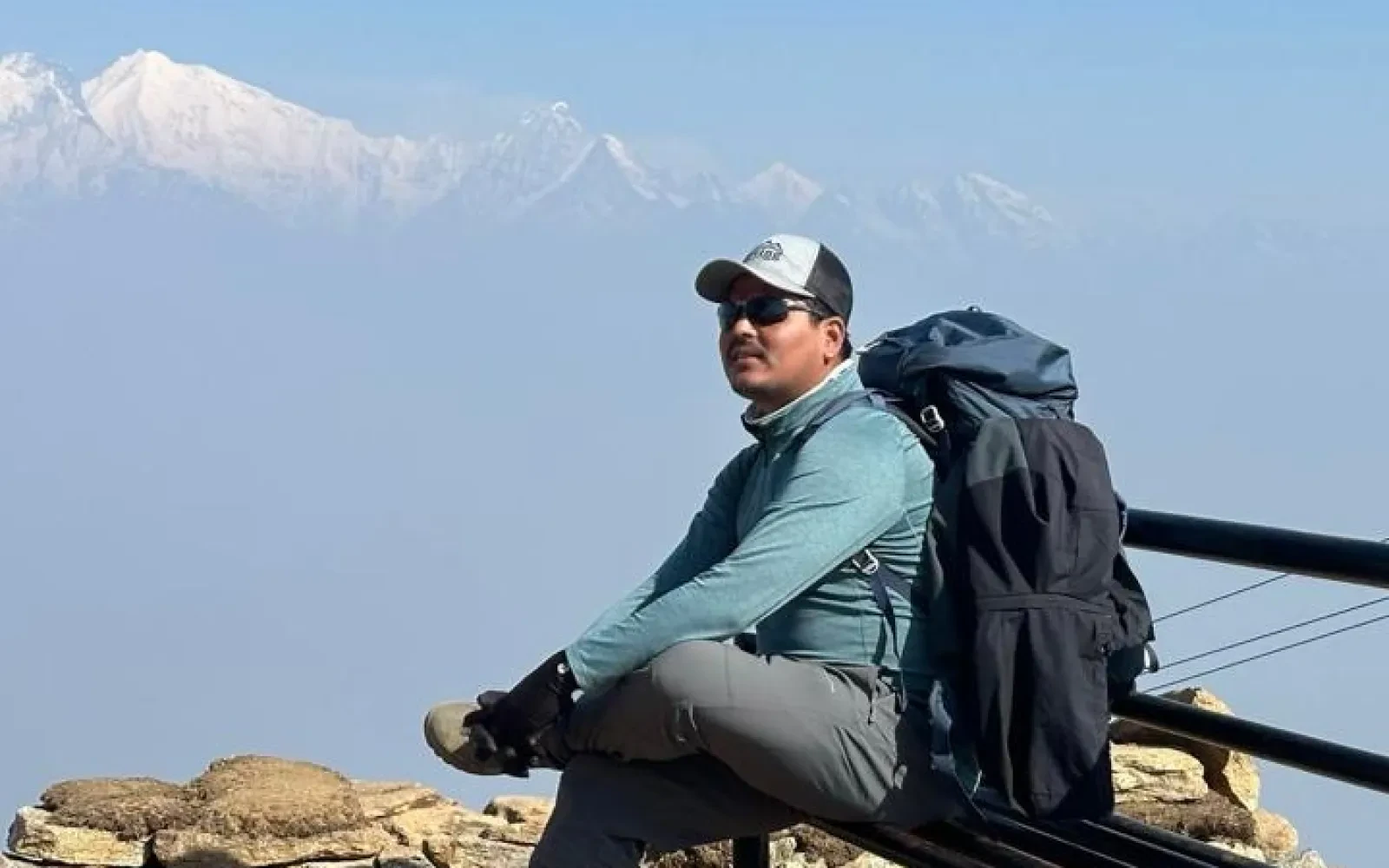
Most Nepal itineraries pull you in two opposite directions: either you spend three weeks trekking to Everest Base Camp until your knees give out, or you take a quick culture tour and miss the high Himalayas entirely. Pairing the Mardi Himal Trek with a safari in Chitwan National Park hits the absolute sweet spot.
In ten days, you go from freezing ridge walks right under Machapuchare (Fishtail Mountain) to sweating in sub-tropical jungles watching one-horned rhinos cross the river. It’s quick, diverse, and gives you two completely different sides of Nepal without spending your entire vacation stuck inside a bus.
The 10-Day Mountain-to-Jungle Itinerary
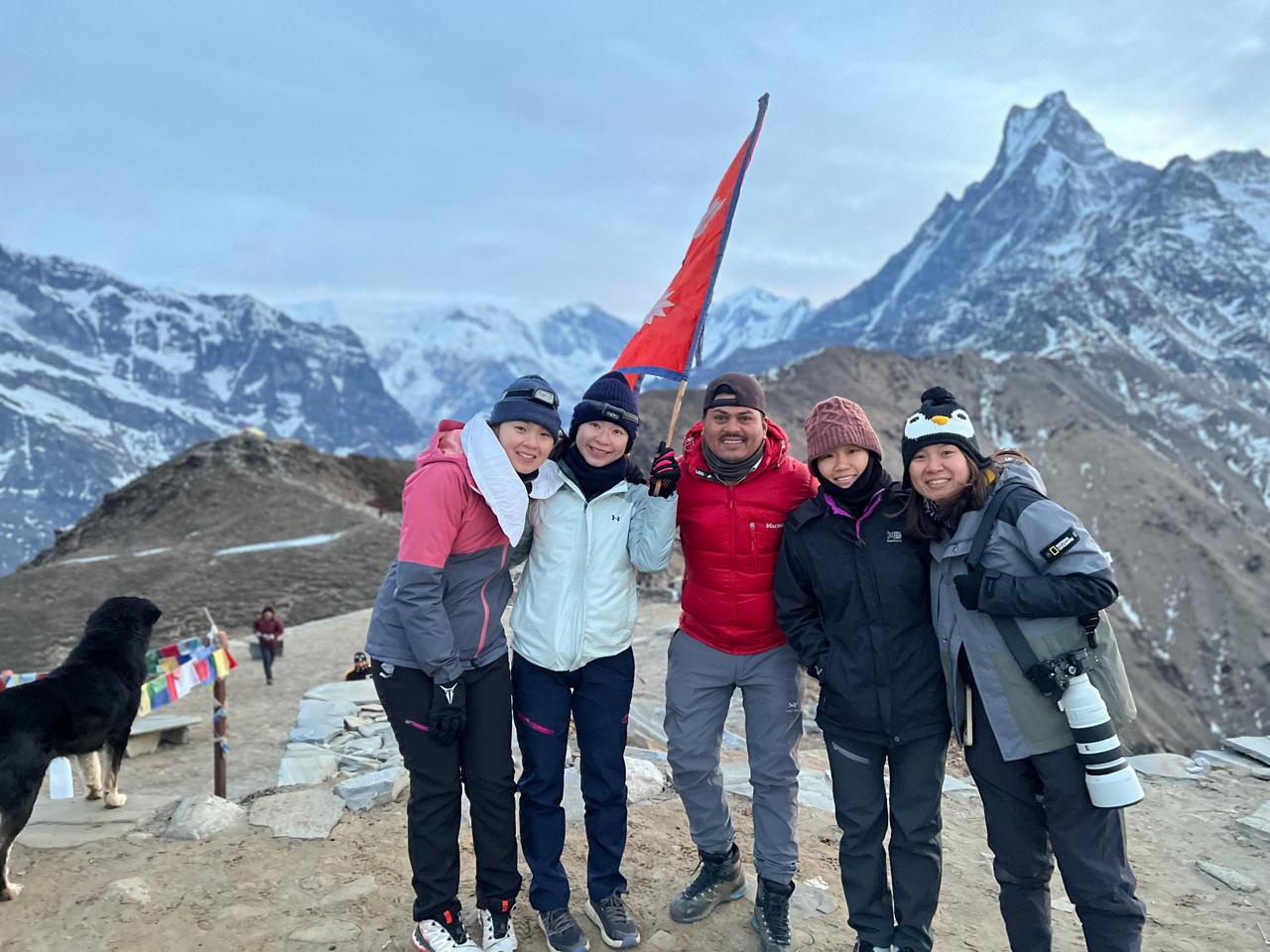
Day 1: Kathmandu to Pokhara
Skip the 7-hour road trip if you can afford the 25-minute flight. Spend the late afternoon walking around Phewa Lake, order a cold Everest beer, and get your trekking permits squared away.
Day 2: Drive to Kande, Trek to Forest Camp (2,600m)
A short 1-hour drive brings you to Kande. You’ll kick off with a steep climb up stone steps to Australian Camp, then dive into quiet, mossy oak and rhododendron forests. It’s roughly 5–6 hours of steady walking to reach Forest Camp.
Day 3: Forest Camp to High Camp (3,580m)
As you gain elevation, the thick trees thin out into stunted shrubs. You’ll pass Low Camp and Badal Danda (literally "Cloud Hill"), where the clouds roll below you. By late afternoon, you're on a narrow, exposed ridge line at High Camp with sweeping views of Annapurna South.
Day 4: High Camp to Mardi Himal Base Camp (4,500m) and down to Low Camp (2,970m)
Set your alarm for 4:00 AM. The pre-dawn walk along the narrow ridge to Upper Viewpoint (or Base Camp if you push hard) is cold and relentless, but watching the first golden light hit the sheer face of Fishtail makes every frozen breath worth it. Head back to High Camp for breakfast, then drop all the way down to Low Camp.
Day 5: Low Camp to Siding Village, Drive to Pokhara
Descent day. You’ll drop steeply through lush woods into Siding, a traditional Gurung village far off the main tourist track. Catch a local 4x4 jeep from Siding back to Pokhara for a hot shower and a proper meal.
Day 6: Pokhara to Chitwan National Park (Sauraha)
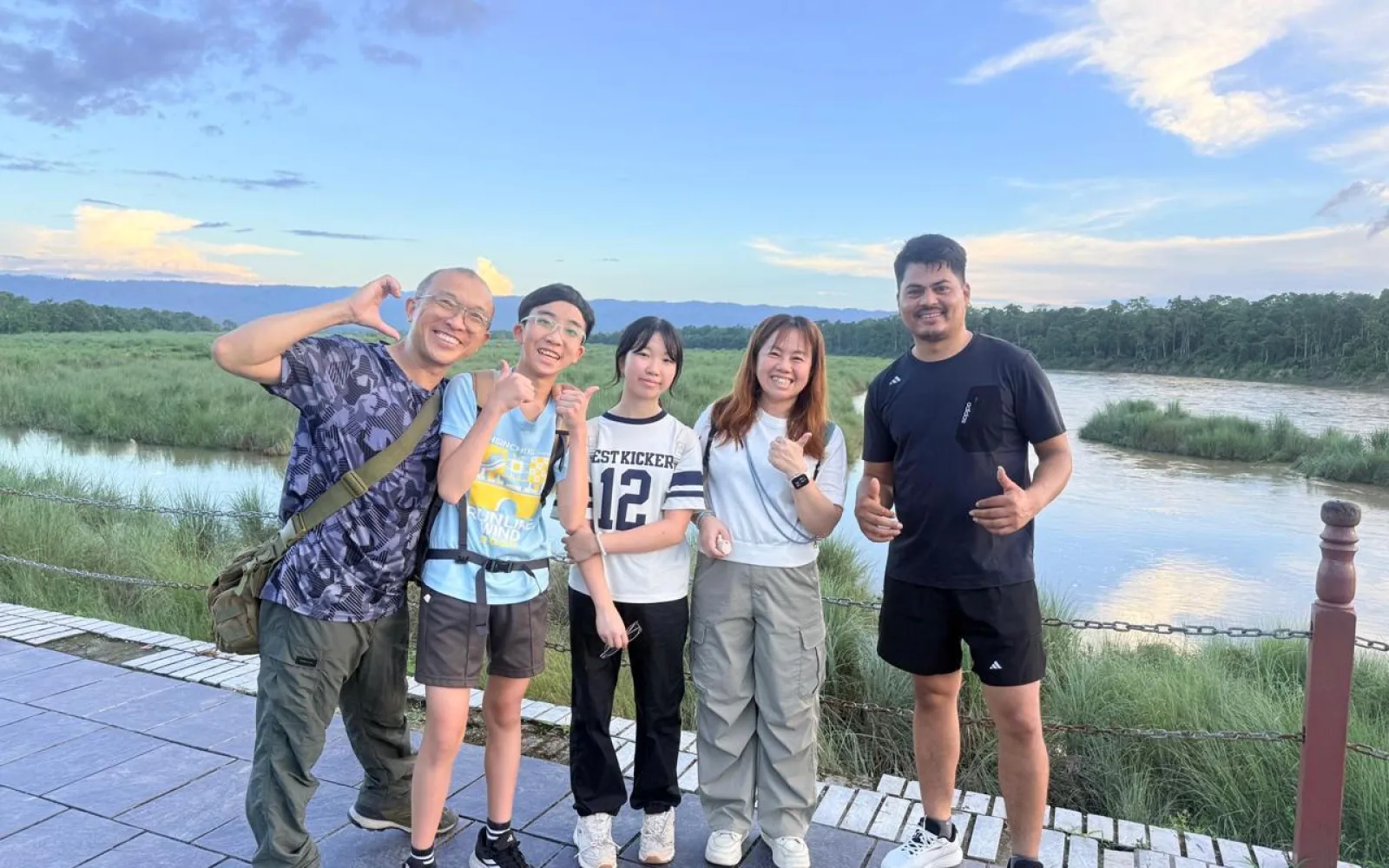
Leave the mountains behind. Take a morning tourist bus or private car 4–5 hours south down into the Terai plains. Check into your lodge near Sauraha, watch the sunset over the Rapti River, and catch a local Tharu cultural dance performance in the evening.
Day 7: Full Day Chitwan Wildlife Safari
Start early with a quiet dugout canoe ride down the Rapti River to spot marsh mugger crocodiles and exotic birds. Follow it up with a jeep safari deep into the core jungle area—keep your eyes peeled for one-horned rhinos, wild elephants, sloth bears, and if you're exceptionally lucky, a Bengal tiger.
Day 8: Jungle Walk & Return to Kathmandu
Take a guided morning nature walk on foot through the buffer zone (an adrenaline-pumping way to track wildlife with local naturalists). Afterward, fly or drive back to Kathmandu.
Practical Tips to Keep in Mind
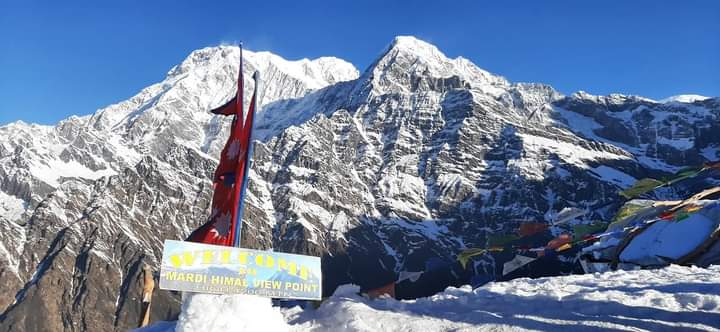
Pack for two distinct climates: High Camp drops well below freezing at night, requiring proper down layers and wind protection. Chitwan, on the other hand, stays warm and humid, so pack light cotton shirts, insect repellent, and a sun hat.
Timing matters: Spring (March to May) brings blooming rhododendron forests along the Mardi ridge, while Autumn (September to November) guarantees crystal-clear mountain views and pleasant jungle temperatures.
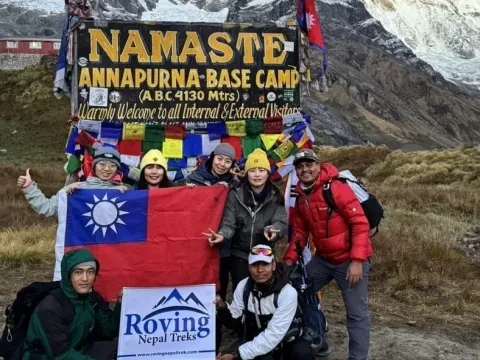
One of the darling trekking destination of the world is the Annapurna Base Camp Trek. Therefore, the charm of this route is very high among travelers from across the globe. The journey that takes trekkers to the foothill of the world's 10th tallest mountain is definitely a prized one. There are lots of questions about the Annapurna Base Camp Trek for Beginners. So, today's blog is all about finding out reasons that make the ABC Trek suitable for all age group from beginners to professional trekkers.
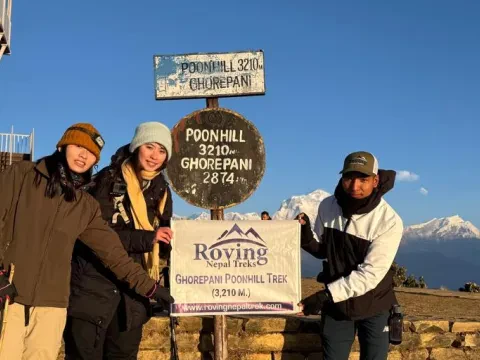
Winter season is off season for trekking in Nepal. However, there are many trekking routes where you can quench your thirst of walking in the trails of this tiny Himalayan nation. Today's blog is about finding out the best short winter treks in Nepal. Let's sit back and enjoy the magnificent list of the amazing trekking routes of Nepal okay to trek in winter season (December - February).
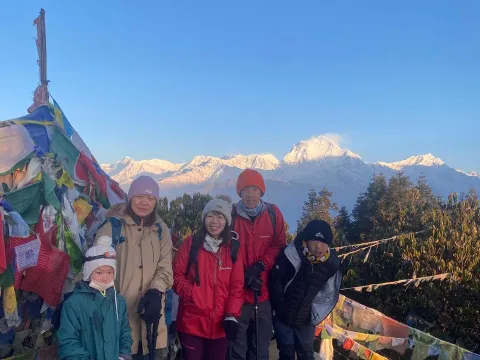
Trekking in Nepal with your kids is far more than just a vacation—it instills confidence, resilience, and a lifelong appreciation for nature and world cultures. By choosing the right trail for your family's experience level, staying flexible with your schedule, and savoring the journey step-by-step, you will create family memories that last a lifetime.
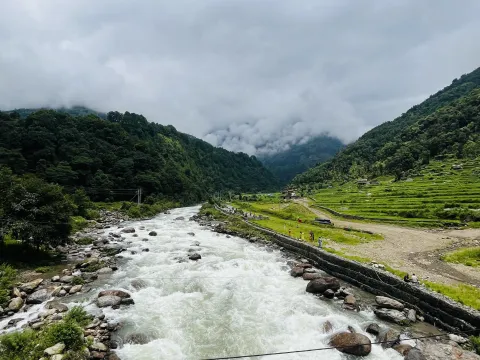
Trekking in Nepal is more than just a mountain vacation—it is a life-changing journey through ancient trade routes, sacred glacial valleys, and the highest mountain peaks on Earth. Whether you are stepping onto Himalayan trails for the first time or looking for your next high-pass challenge, choosing the right trek is the crucial first step.
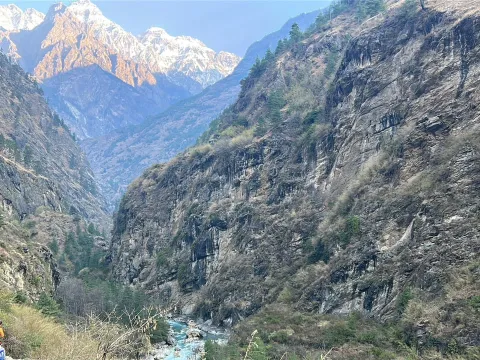
There is a precise moment in early October when the sky over the Himalayas shifts. The heavy, moisture-laden clouds of the summer monsoon break apart, chased away by high-altitude winds. What remains is an atmosphere so crisp and transparent it feels almost surreal. The air loses its humid weight, the dust is entirely washed from the leaves, and the great white walls of the world’s highest peaks emerge in absolute, unblemished clarity.
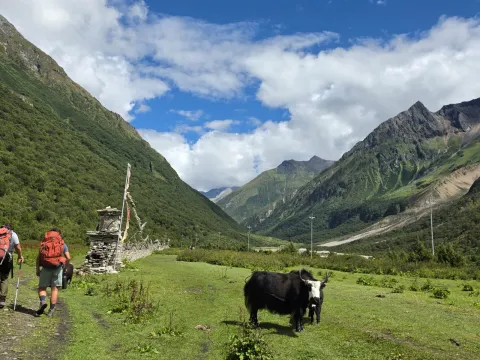
Help Nepal by booking these treks or any treks from Annapurna, Manaslu, and Everest region of Nepal. Today’s blog is about 5 Safe Treks in Nepal 2027 and Autumn Season 2026. In the middle of chaotic and traumatic time of Rasuwa Floods, these are the 5 safe yet promising treks to do in Nepal. Explore main 5 treks you can do in Nepal between Autumn 2026 and 2027.