Nepal has a way of stealing your heart long before you step onto the trail. It’s home to eight of the world's fourteen highest peaks, but it’s not just the altitude that keeps people coming back. It’s the smell of pine in the morning, the ring of donkey bells on high suspension bridges, the taste of hot dal bhat after an eight-hour walk, and the warmth of the tea house hosts who welcome you in at dusk. Today’s blog is about 5 Safe Treks in Nepal 2027 and Autumn Season 2026. In the middle of chaotic and traumatic time of Rasuwa Floods, these are the 5 safe yet promising treks to do in Nepal.
Help Nepal by booking these treks or any treks from Annapurna, Manaslu, and Everest region of Nepal.
If you’re planning your first or next trip to Nepal, picking a route can feel overwhelming. Every trail promises huge views, but each has a distinct character, pace, and physical demand.
Here’s a practical, honest look at five of Nepal’s finest treks—from famous bucket-list journeys to quiet ridge walks—to help you decide which one belongs on your itinerary.
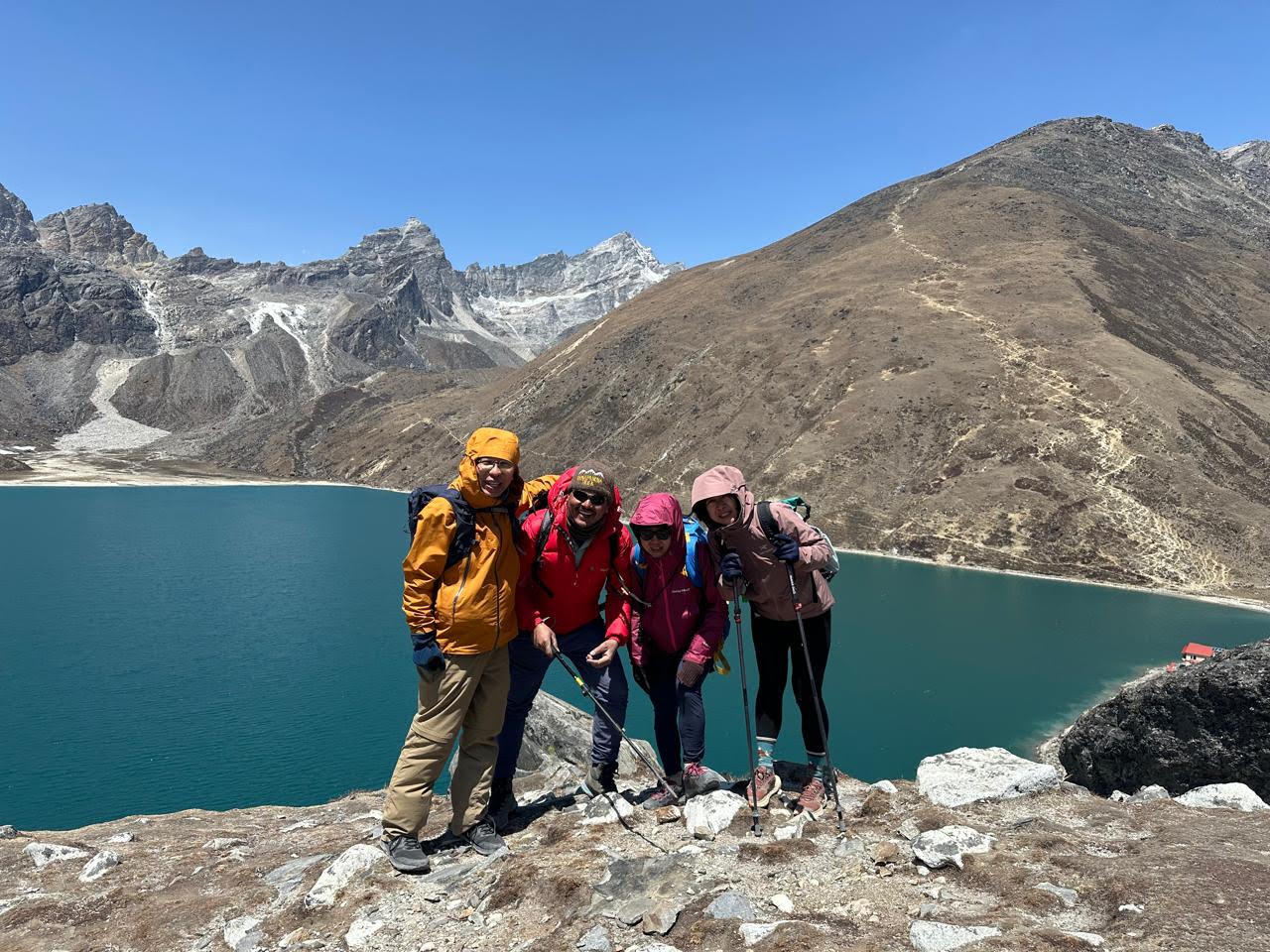
There’s a reason Everest Base Camp sits at the top of so many bucket lists. The Khumbu region carries a sense of history that hits you the moment you step off the plane in Lukla. Walking these paths means following in the footsteps of legendary mountaineers and immersing yourself in Sherpa culture. Many people from across the globe love to do this trek due to its superior attractions.
The journey kicks off with a memorable flight into Lukla before you follow the turquoise Dudh Koshi River upstream. You'll cross high suspension bridges draped in colorful prayer flags and make the steep, steady climb up to Namche Bazaar—a bustling amphitheater-shaped town that serves as the region's main trading hub.
As you push past the famous Tengboche Monastery, the trees disappear. The landscape transforms into a high-altitude alpine desert, framed by striking peaks like Ama Dablam, Lhotse, and Nuptse. After navigating the rocky lateral moraine of the Khumbu Glacier to reach Base Camp at 5,364 meters, the true highlight comes the next morning: an early hike up Kala Patthar (5,545m) to catch the first golden light hitting the peak of Mount Everest.
· Stand at the base of the highest mountain on Earth.
· Experience rich Sherpa culture and visit historic mountain monasteries.
· Take in some of the most dramatic, glacier-carved scenery in the world.
· Duration: 12–14 days
· Max Altitude: 5,545 meters (Kala Patthar)
· Difficulty: Strenuous
· Best Time to Go: March–May & September–November
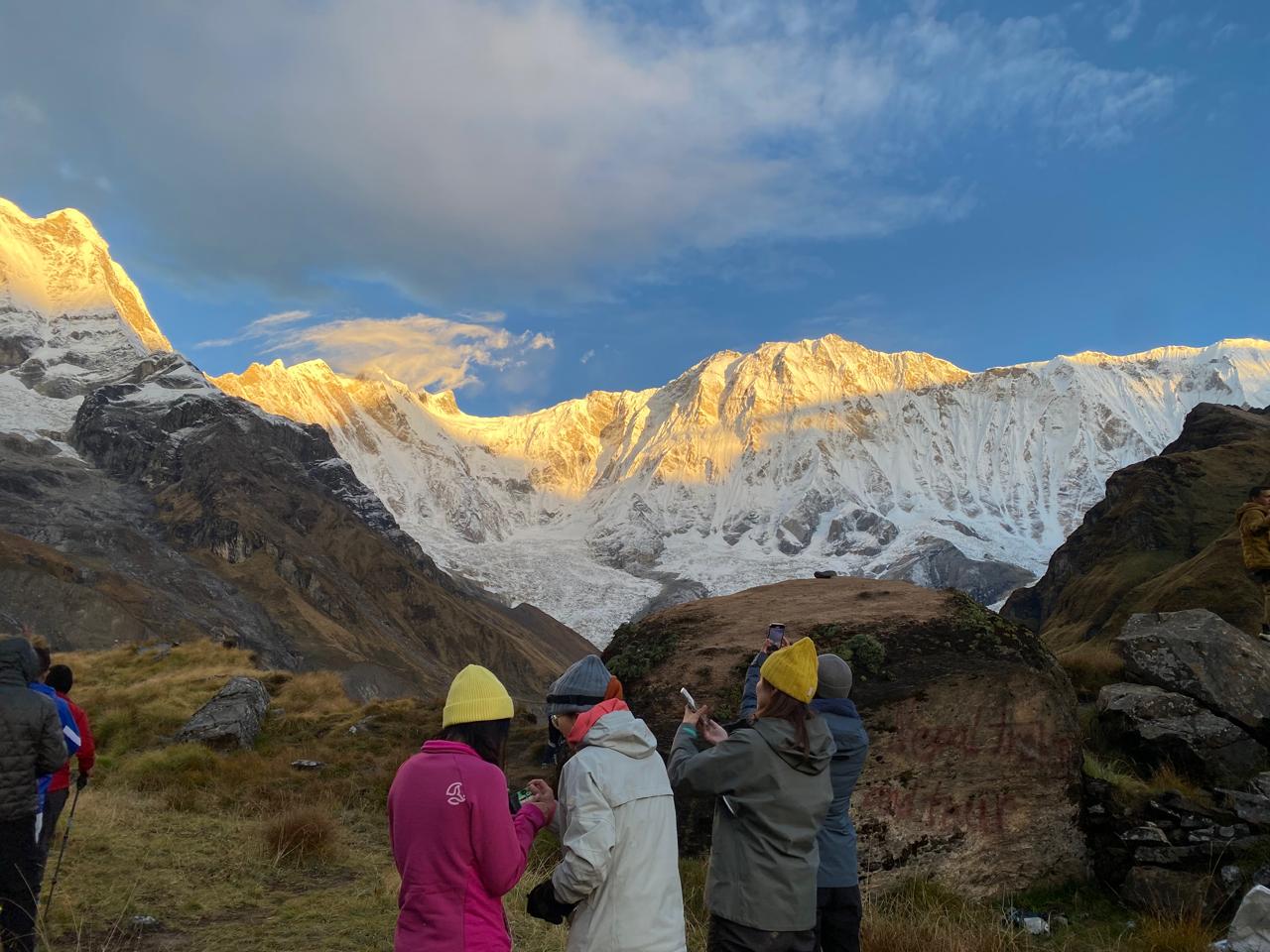
If walking into an amphitheater of giant, snow-capped walls sounds like your ideal trek, Annapurna Base Camp (ABC) delivers. Unlike routes that follow long river valleys across mountain ranges, the ABC trail heads straight into the heart of the Annapurna Massif.
Starting near the lakeside city of Pokhara, the trail winds through terraced rice fields and traditional Gurung villages like Ghandruk and Chhomrong. In the spring, these lower valleys burst into color as massive rhododendron forests bloom in shades of red and pink.
As you ascend through a narrow river gorge, the forest gives way to towering rock faces. You’ll pass Machhapuchhre Base Camp before stepping into the "Annapurna Sanctuary"—a wide, high basin completely surrounded by 7,000 and 8,000-meter giants, including Annapurna I, Annapurna South, and the sacred, fishtailed peak of Machhapuchhre. On the way down, you can soak your tired legs in the natural hot springs at Jhinu Danda.
· Rapid transition from lush subtropical jungle to high-altitude glacial basin.
· A slightly lower maximum altitude (4,130m) makes it a bit more accessible than EBC.
· Relax in natural thermal hot springs on the return route.
· Duration: 7–11 days
· Max Altitude: 4,130 meters
· Difficulty: Moderate to Strenuous
· Best Time to Go: March–May & September–November
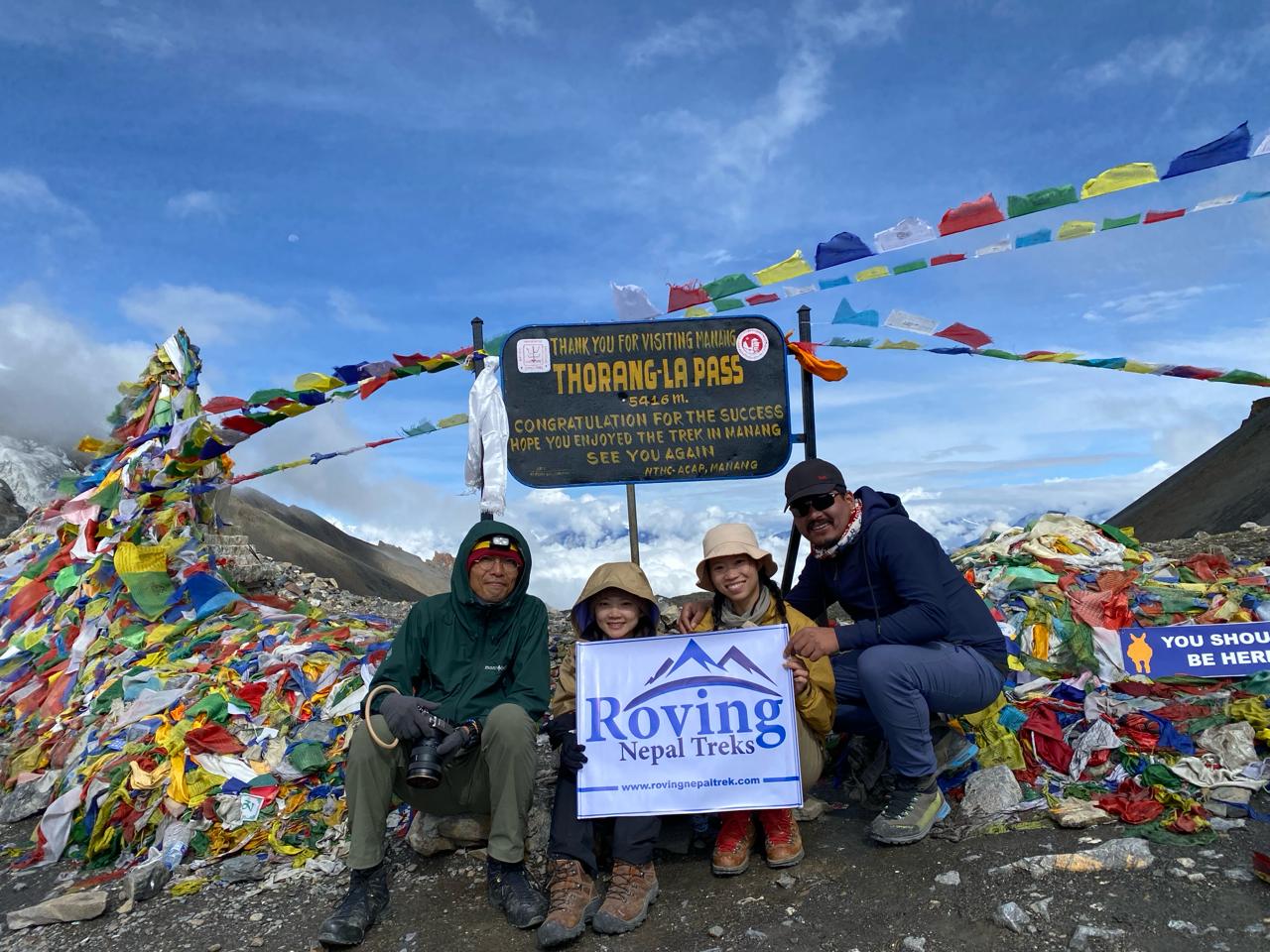
For decades, the Annapurna Circuit has been celebrated as one of the world's great long-distance walks. It orbits the entire Annapurna range, offering a constantly shifting landscape that feels like traversing multiple countries in a single journey.
Beginning in the green river valleys of Besisahar or Dharapani, you follow the roaring Marshyangdi River upward. As you climb, you’ll notice the environment shift dramatically. Green forests fade into the dry, windswept terrain of Manang, where Hindu culture transitions into Tibetan Buddhism.
Manang is the perfect place to rest and adjust to the thin air before tackling the trail's biggest obstacle: Thorong La Pass. Reaching the top of the pass at 5,416 meters at sunrise is a tough, freezing challenge, but the reward is a sweeping, unrestricted view across the Himalayas. From there, you drop down into the arid, Tibetan-like Mustang region to visit Muktinath, a site sacred to both Hindus and Buddhists.
· Unmatched variety—from lush river valleys to high-altitude desert plateaus.
· The physical achievement of crossing Thorong La, one of the world's highest trekking passes.
· A deep cultural mix of Hindu villages and mountain Buddhist communities.
· Duration: 10–16 days
· Max Altitude: 5,416 meters (Thorong La Pass)
· Difficulty: Strenuous
· Best Time to Go: March–May & September–November
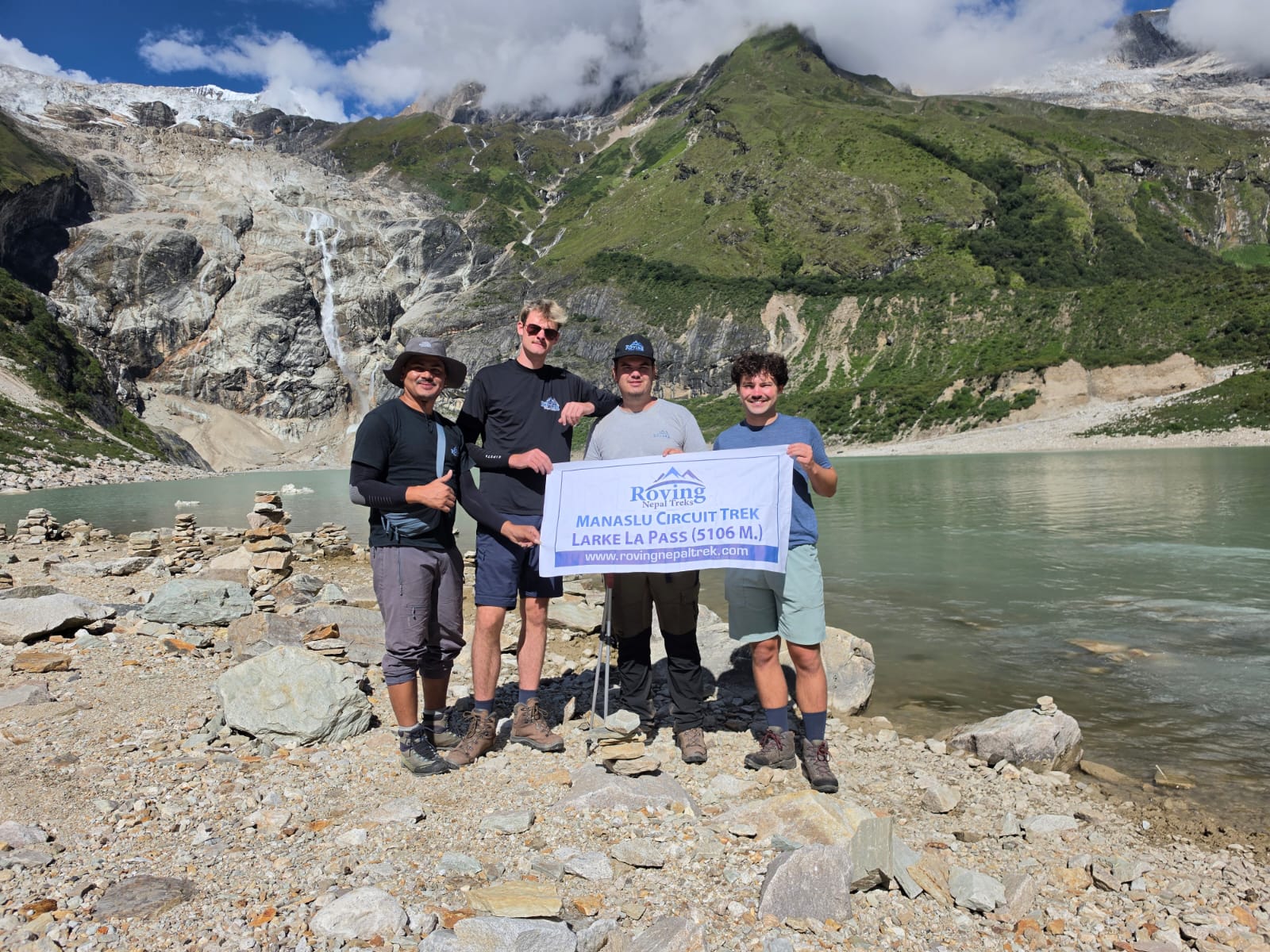
If you love the dramatic mountain passes and high-altitude culture of the Annapurna Circuit, but want to skip the commercial crowds, Manaslu is the answer. Circling Mount Manaslu (8,163m)—the world's eighth-highest peak—this restricted-area trek offers raw wilderness, old-world trails, and preserved Tibetan culture.
Because Manaslu is a restricted area, trekkers must travel with a registered guide and a minimum group of two. The trail follows the Budhi Gandaki River, weaving through deep river gorges and over swinging suspension bridges.
As you climb higher into the remote Nupri region, you’ll pass stone-built villages like Samagaon and Samdo, where locals still live a traditional way of life tied closely to Tibet. Mount Manaslu towers directly above your path for days. The crescendo of the trek is crossing the Larkya La Pass (5,106m), which offers expansive views of Himlung Himal, Cheo Himal, and the distant Annapurna range.
· Significantly fewer trekkers on the trail compared to Everest or Annapurna.
· Authentic, highly preserved Tibetan-influenced Bhotia culture.
· A genuine tea-house wilderness adventure on quiet mountain trails.
· Duration: 12–14 days
· Max Altitude: 5,106 meters (Larkya La Pass)
· Difficulty: Strenuous
· Best Time to Go: March–May & September–November
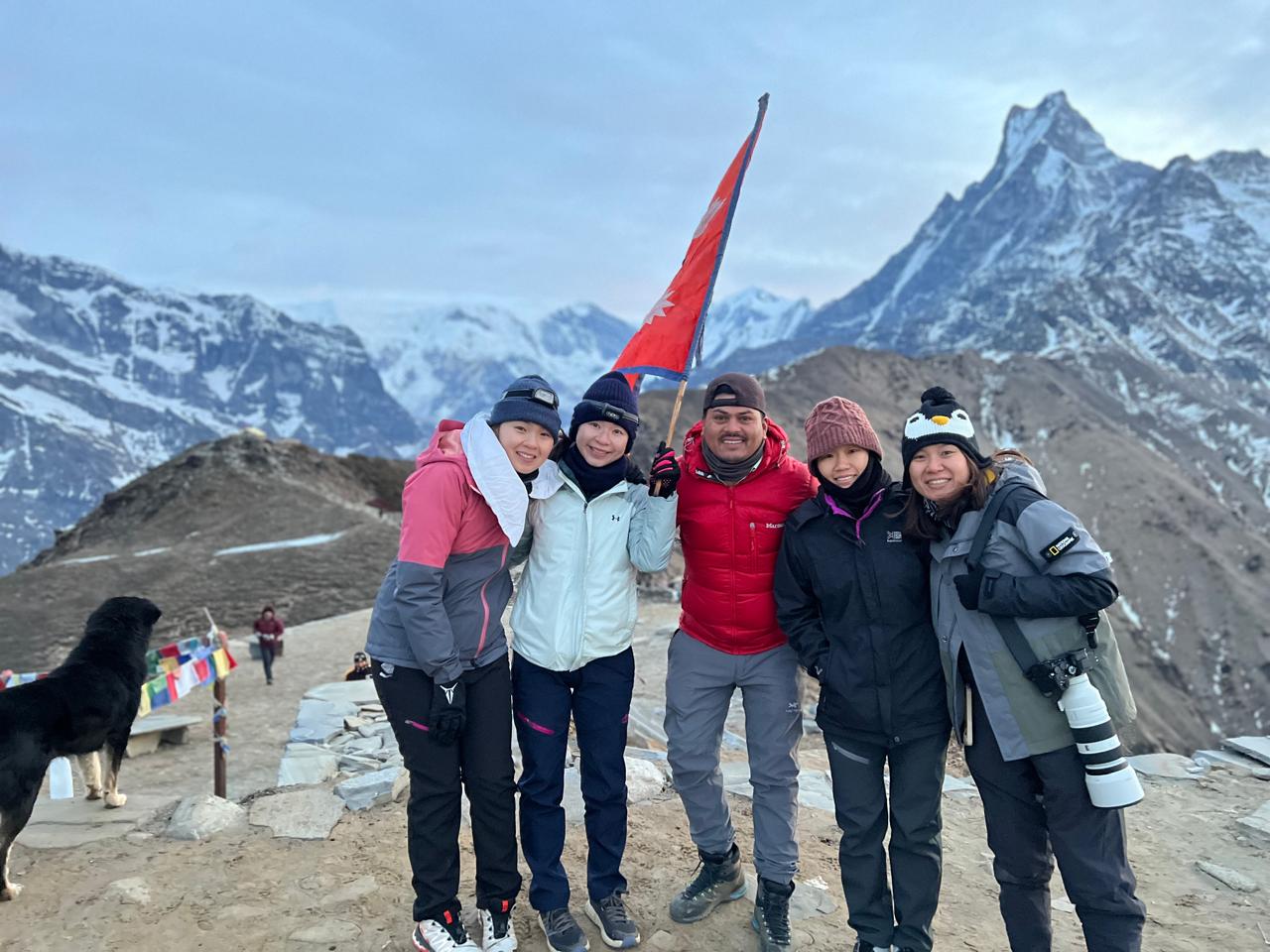
Short on time, but still want up-close views of towering Himalayan peaks? Mardi Himal is a brilliant alternative. Tucked away just east of the main Annapurna Base Camp route, this trek trades valley floors for high, open ridges.
Starting just a short drive from Pokhara, the trail climbs steadily through quiet, moss-covered forests of oak and rhododendron. It’s peaceful, shady, and feels a world away from the busier routes.
Everything changes once you break out above the tree line at Badal Danda. From here, you walk along a narrow ridge line with steep drops on either side, taking in views of Annapurna South to your left and the valley floor far below to your right. Higher up at High Camp and Mardi Himal Base Camp (4,500m), you end up standing almost directly beneath the sheer face of Machhapuchhre.
· Perfect for anyone with limited time (can easily be completed in under a week).
· Open ridge walking with uninterrupted views of the Annapurna range.
· Quieter trails and a simpler, tea-house experience.
· Duration: 4–6 days
· Max Altitude: 4,500 meters (Mardi Himal Base Camp)
· Difficulty: Moderate
· Best Time to Go: March–May & September–November
| Trek | Duration | Max Altitude | Difficulty | Best For |
|---|---|---|---|---|
| Everest Base Camp | 12–14 Days | 5,545 m | Strenuous | Big-bucket-list goals, high mountain scenery, Sherpa culture |
| Annapurna Base Camp | 7–11 Days | 4,130 m | Moderate / Strenuous | 360-degree peak views, varied terrain, hot springs |
| Annapurna Circuit | 10–16 Days | 5,416 m | Strenuous | Dramatic landscape shifts, high mountain pass crossing |
| Manaslu Circuit | 12–14 Days | 5,106 m | Strenuous | Quiet trails, remote villages, true wilderness |
| Mardi Himal | 4–6 Days | 4,500 m | Moderate | Shorter trips, ridge walking, stunning peak vantage points |
· Spring (March to May): Great weather, warmer days, and gorgeous rhododendron blooms covering the lower hills.
· Autumn (September to November): The golden window. Post-monsoon air leaves the skies crystal clear, giving you the best mountain views of the year.
· Annapurna Region (ABC, Circuit, Mardi Himal): You will need the Annapurna Conservation Area Permit (ACAP)
· Everest Region (EBC): Requires a Sagarmatha National Park Permit and a Khumbu Pasang Lhamu Rural Municipality Permit (purchased locally on the trail).
· Manaslu Region: Requires a Restricted Area Permit (RAP), Manaslu Conservation Area Permit (MCAP), Annapurna Conservation Area Permit (ACAP), Chumnubri Rural Municipality Entry Permit and a registered local guide.
You don't need to be a professional athlete to trek in Nepal, but you do need good cardiovascular endurance and strong legs. Prepare two to three months in advance with stair climbing, running, and day hikes carrying a weighted pack.
Once you're on the trail, prevent Acute Mountain Sickness (AMS) by keeping a steady, manageable pace, drinking 3–4 liters of water a day, and building clear rest days into your schedule to let your body adapt.
There’s no wrong choice here—only the route that best fits your schedule, fitness level, and travel style. Whether you want to stand beneath Mount Everest, cross high mountain passes, or walk quiet ridges above the clouds, Nepal is ready to welcome you. Pack your boots, take your time on the trail, and get ready for an adventure you’ll be talking about for the rest of your life.
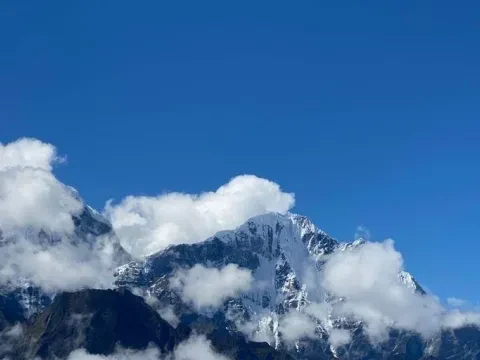
Discover essential trekking safety measures for the Himalayas in Nepal. Learn how to stay safe during high-altitude treks with expert tips on altitude sickness, weather, gear, and more.This guide will provide you with comprehensive trekking safety measures for the Himalayas in Nepal, ensuring your journey is both thrilling and safe.
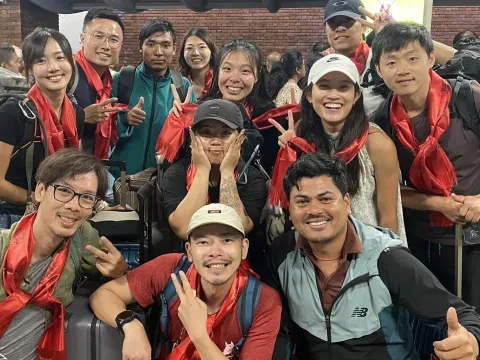
Book your 2026-2027 trekking packages with Roving Nepal Trek for the adventure of a lifetime!
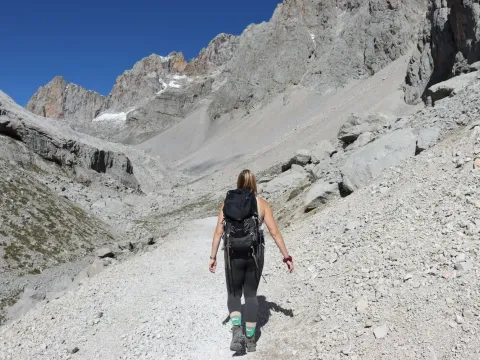
Is Nepal safe for solo female travellers? Learn about safety, solo trekking rules, travel tips, common scams, and the best places to visit in Nepal.