Trekking through the Himalayas with your children might sound like an ambitious dream reserved only for extreme adventurers, but Nepal offers some of the most accessible, warm, and family-friendly mountain trails in the world. Thanks to well-established teahouse networks, low-altitude foothill routes, and welcoming local communities, hiking in Nepal with kids is not only achievable—it is profoundly life-changing.
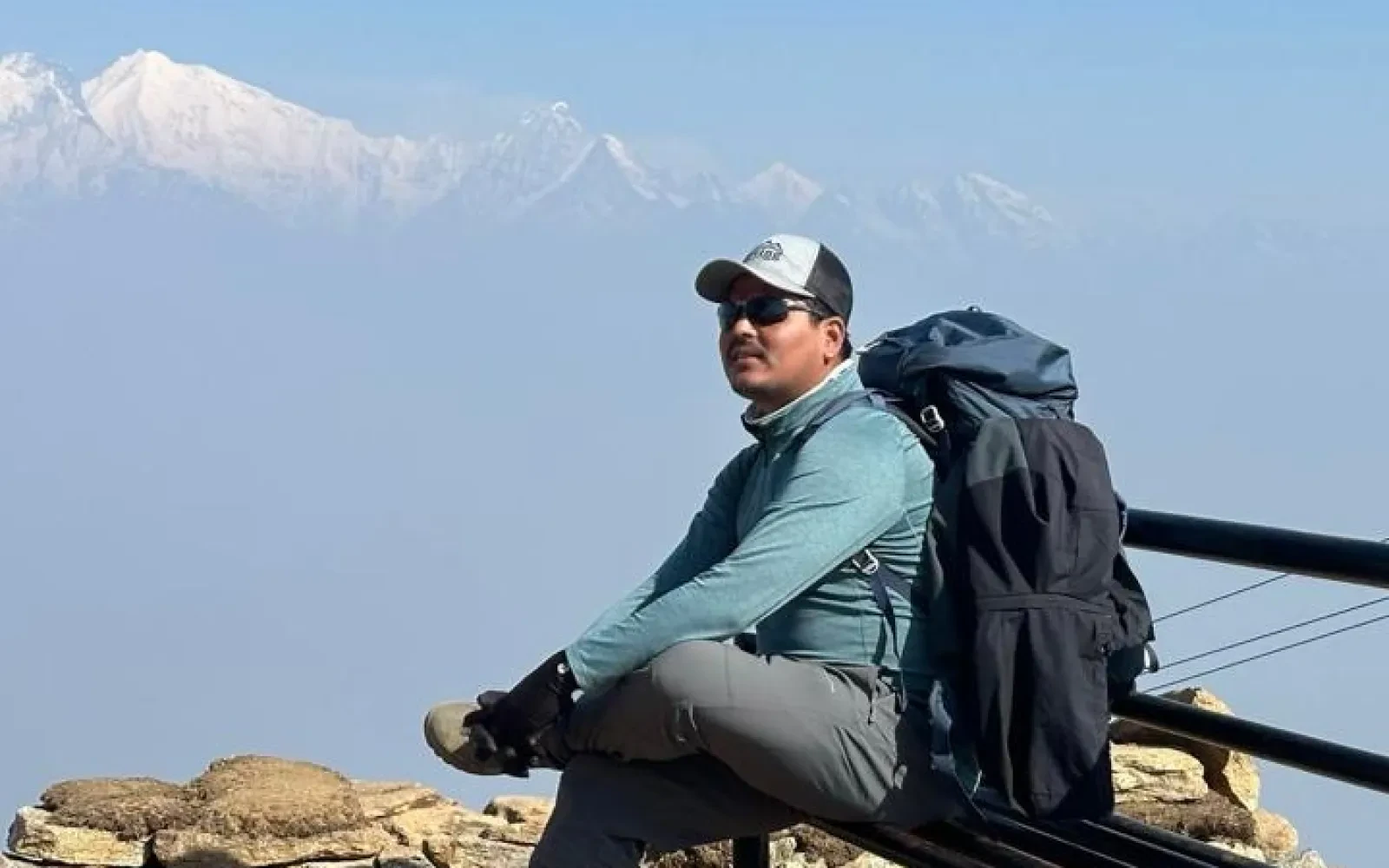
Whether you are traveling with curious toddlers, energetic pre-teens, or adventurous teenagers, Nepal’s trails offer a mix of rhodo-covered forests, suspension bridges, ancient stone villages, and close-up views of 8,000-meter peaks.
Unlike high-altitude backcountry wilderness where families must haul heavy camping gear and pitch tents in frigid conditions, Nepal is famous for its teahouse culture. Every few hours along major family routes, you will stumble upon cozy mountain lodges offering warm meals, hot tea, and private rooms with soft beds.
When choosing a trail for your children, the main factors to evaluate are maximum altitude, daily duration, and trail difficulty. Below are six of the best family-tested routes in Nepal, ranging from gentle weekend warm-ups to multi-day Himalayan journeys.
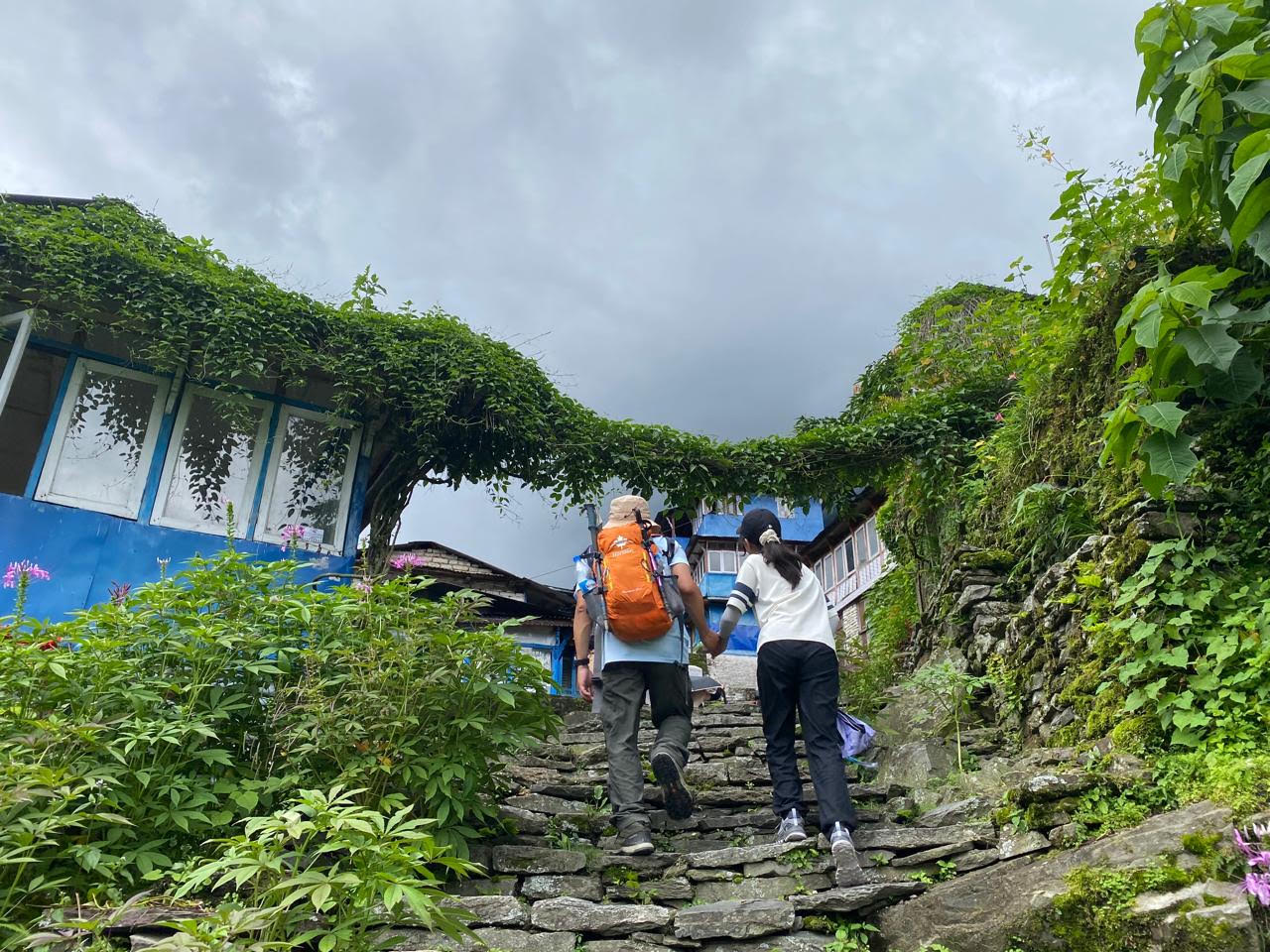
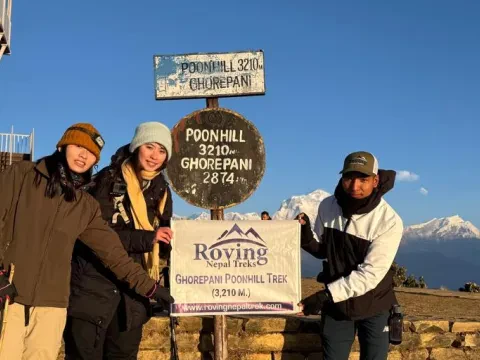
The Ghorepani Poon Hill Trek is widely considered the undisputed king of family trekking in Nepal. Starting a short drive from Pokhara, this trail winds through enchanted rhododendron forests that bloom in vibrant shades of pink and red during spring (March to April).
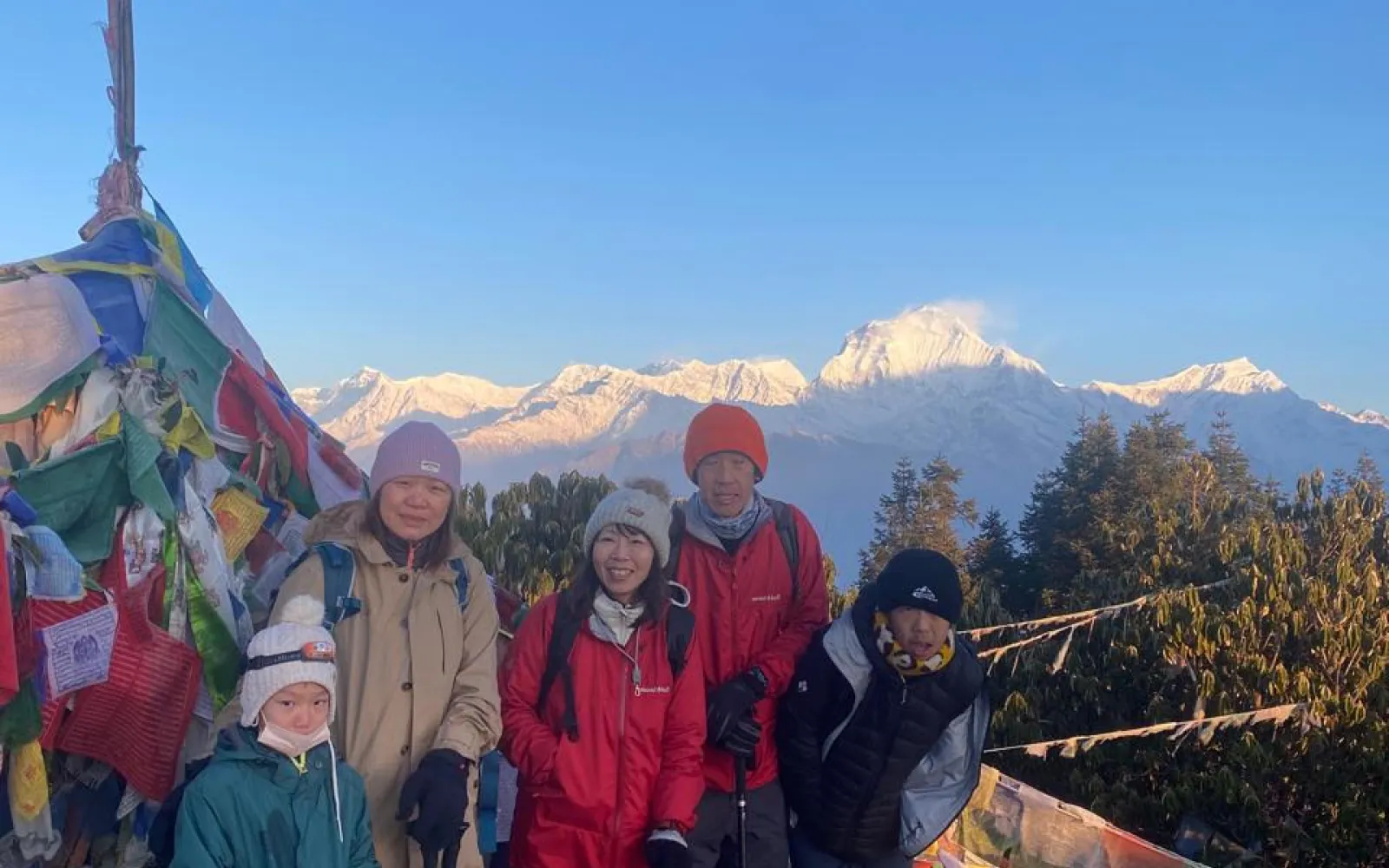
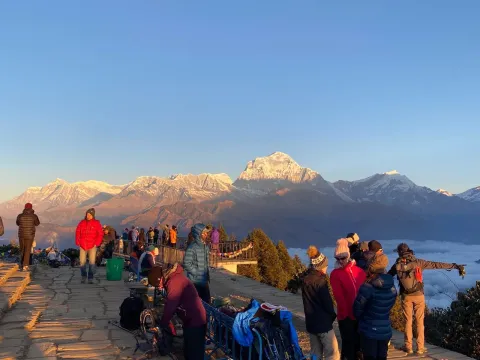
The main highlight of the journey is the dawn climb to Poon Hill, where families are rewarded with a 360-degree sunrise panorama over the Annapurna and Dhaulagiri mountain ranges. The trail is well-maintained with clear stone staircases, abundant teahouses, and low risk of altitude-related issues.
Parent Tip: The thousands of stone steps between Tikhedhunga and Ulleri can be tough on young knees. Turn staircase climbing into a counting game or treasure hunt to keep kids motivated.
If you want a low-stakes test run to see how your kids handle trekking, the Australian Camp and Dhampus loop is the ultimate choice. Located just a 1-hour drive from Pokhara to Kande, this short trail climbs gently through oak forests to a ridge at Australian Camp.
The view from Australian Camp is staggering for the minimal effort involved—providing front-row seats to Machhapuchhre (Fishtail Peak) and Annapurna South. Kids can run around the wide grassy hilltops, stay in comfortable lodges, and complete the trek back down through the traditional Gurung village of Dhampus without fatigue or altitude concerns.
Ghandruk is one of Nepal’s most famous traditional Gurung villages, featuring slate-roofed stone houses, narrow paved alleys, and organic mountain farms. Towering directly behind the village are the massive icy faces of Annapurna South and Hiunchuli.
This trek is perfect for families who want to focus on cultural connection rather than grinding out high daily mileage. Kids can explore the local Gurung Cultural Museum, dress up in traditional mountain attire, observe daily village craftwork, and enjoy fresh homemade meals cooked over wood fires.
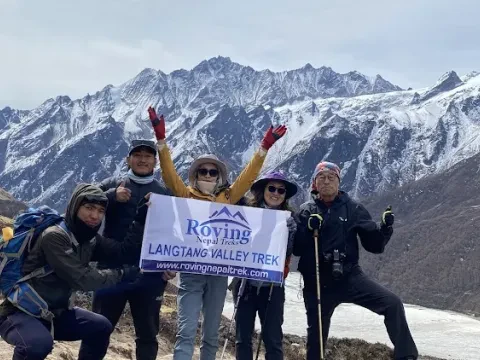
For families looking for a wilder adventure away from the main Pokhara trails, Langtang Valley offers dramatic mountain scenery with far fewer crowds. Reached via an 8-hour drive from Kathmandu, the trail ascends through pine forests, booming river gorges, and open alpine pastures.
Children will love watching red pandas (if extremely lucky!), Himalayan tahr, and roaming herds of yaks. The turnaround point at Kyanjin Gompa features a historic yak cheese factory established with Swiss support, where young trekkers can sample freshly made mountain cheese before gazing at surrounding glaciers.
You don't always need to catch a domestic flight or undertake a long drive to experience Himalayan hiking. The ridge trail connecting Nagarkot to Dhulikhel sits right on the edge of the Kathmandu Valley.
The trail offers easy, flat-to-gentle downhill terrain passing through pine forests, mustard fields, and rural terraced farmland. On clear days, the horizon stretches from the Annapurnas all the way to Mount Everest. It serves as an ideal warm-up hike or a light weekend getaway before or after sightseeing in Bhaktapur and Kathmandu.
While reaching Everest Base Camp (5,364 m) is generally not recommended for children under 12 due to altitude risks, the Everest View Trek lets families experience the iconic Khumbu region safely.
Starting with an exciting flight into Lukla, the trail leads through vibrant Sherpa hub villages like Phakding and Namche Bazaar. Children get to cross towering suspension bridges draped in colorful prayer flags, visit ancient Buddhist monasteries, and see Mount Everest, Lhotse, and Ama Dablam up close.
| Trek Name | Region | Max Altitude | Duration | Difficulty | Age Suitability |
|---|---|---|---|---|---|
| Australian Camp | Annapurna | 2,100 m | 2–3 Days | Easy | Ages 4+ |
| Nagarkot Ridge | Kathmandu | 2,175 m | 1–2 Days | Easy | Ages 4+ |
| Ghandruk Village | Annapurna | 1,940 m | 3–4 Days | Easy–Moderate | Ages 5+ |
| Poon Hill | Annapurna | 3,210 m | 4–5 Days | Moderate | Ages 7+ |
| Langtang Valley | Langtang | 3,870 m | 6–8 Days | Moderate | Ages 8+ |
| Everest Panorama | Khumbu | 3,880 m | 5–7 Days | Moderate–Challenging | Ages 9+ |
Planning a successful family trek requires adjusting your typical pacing, safety precautions, and packing lists. Keeping children happy and healthy on the trail comes down to preparation.
1. Hire a Guide and Porter
Never attempt a multi-day family trek in Nepal completely self-guided. A local licensed guide handles logistics, communicates with lodge owners, and shares cultural stories that keep kids engaged. Meanwhile, porters carry your heavy duffel bags, leaving you free to focus entirely on walking with your children.
2. Manage Altitude Safely
Child bodies are just as sensitive to thin air as adult bodies, but young children may not articulate early symptoms like mild nausea or light headaches.
3. Pack "Comfort Food" and Snack Insurance
While Nepalese Dal Bhat (lentils, rice, and vegetable curry) is nutritious and widely available, kids can occasionally hit a wall with new foods. Teahouses universally serve kid-pleasing items like pancakes, fried rice, vegetable noodles, and potato dishes. However, carrying familiar trail snacks like dried fruit, nuts, chocolate bars, and electrolyte powder packets provides crucial energy boosts during afternoon slumps.
4. Best Seasons for Family Trekking
When packing for your kids, focus on layers rather than heavy singular coats, as temperatures change drastically between warm sunny afternoons and cool teahouse evenings.
Trekking in Nepal with your kids is far more than just a vacation—it instills confidence, resilience, and a lifelong appreciation for nature and world cultures. By choosing the right trail for your family's experience level, staying flexible with your schedule, and savoring the journey step-by-step, you will create family memories that last a lifetime.
Winter season is off season for trekking in Nepal. However, there are many trekking routes where you can quench your thirst of walking in the trails of this tiny Himalayan nation. Today's blog is about finding out the best short winter treks in Nepal. Let's sit back and enjoy the magnificent list of the amazing trekking routes of Nepal okay to trek in winter season (December - February).
Choosing the right trekking guide can completely transform your Himalayan adventure. Among the countless guides shaping Nepal’s tourism landscape, one name stands out with unmatched trust, experience, and personal warmth—Bashu Sapkota. For many trekkers, he is not just a guide but a lifelong friend, mentor, and guardian on the trails. This is why people often say:“Best Trekking Guide of Nepal: Trek with Bashu.”
Well, Everest region of Nepal never fails to surprise you with its wonders of Himalayan wonders! The home of Sherpa people known for their mountaineering prowess, the region excels in trekking activities. Moreover, it is also an epitome for all kinds of Himalayan adventures from peak climbing to expeditions and luxury helicopter tours. The biggest hurdle to any kinds of activities in the region is the risk of altitude sickness. Therefore, today’s blog is all about finding out the best and authentic Everest Altitude Sickness Guide.
It is well known to all that Nepal is an ideal destination for trekking activities. The presence of mesmerizing Himalayas (over 1900 snow – capped mountains), diverse landscapes, diverse vegetation, and multi – ethnic communities (over 125 ethnic castes) makes it the best travel destination. Besides cultural tours, pilgrimage tours, and adventure mountain climbing activities, trekking is the most popular holiday choice. Therefore, lots of people visit Nepal for trekking to various destinations. Today’s blog is about the best beginner trek in Nepal. Walking in some of the trails in Nepal requires lots of physical fitness level and logistics management.
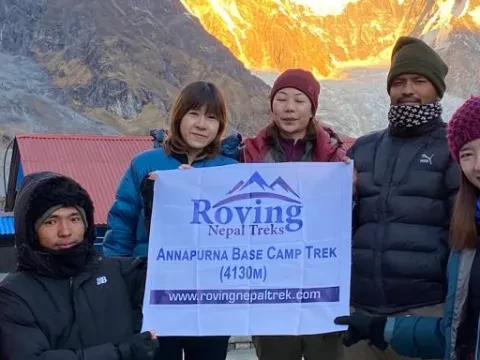
Unlike many high-altitude Himalayan treks, the Annapurna Base Camp Trek reaches an impressive elevation while passing through a variety of landscapes. Trekkers experience terraced farmland, traditional Gurung villages, rhododendron forests, waterfalls, rivers, alpine landscapes, and spectacular mountain viewpoints. With experienced local guides and careful planning, Roving Nepal Trek can help you create a safe and memorable Annapurna adventure.