Ask experienced trekkers to name one route that showcases the very best of Nepal and the Annapurna Circuit is almost always part of the conversation. Add Tilicho Lake to the itinerary, and the journey becomes even more memorable. Nowadays, people prefer to do the Annapurna Circuit Trek with Tilicho Lake than the single Thorong La Pass trek route. Therefore, we are writing this article for you to know more about this epic adventure in the Himalayas.
What makes this trek special are not simply the mountains. It's the constant change. One week you're walking through green river valleys lined with pine forests and traditional villages. A few days later, you're crossing windswept high-altitude terrain that feels more like Tibet than Nepal. Then comes Tilicho Lake, a stunning turquoise body of water sitting at nearly 5,000 meters above sea level.
Unlike many treks that focus on a single destination, the Annapurna Circuit with Tilicho Lake delivers a collection of unforgettable experiences packed into one adventure.
Some of the major highlights include:
The complete journey usually takes between 14 and 18 days, depending on acclimatization and walking pace.
The Annapurna Circuit circles the Annapurna Massif, one of the most spectacular mountain regions in the Himalayas. The classic trail traditionally began in Besisahar, although road access has changed some sections over recent years.
Most trekkers now start from Chame or nearby villages before gradually ascending toward Manang. From there, the route detours west toward Tilicho Lake before reconnecting with the main Annapurna Circuit trail. Afterward, trekkers continue toward Thorong La Pass and eventually descend to Muktinath and the Mustang region.
The trek typically covers between 180 and 230 kilometers, depending on the chosen itinerary.
Many first-time visitors wonder whether Tilicho Lake is worth the extra days. Most trekkers who have completed the route would answer with an immediate yes.
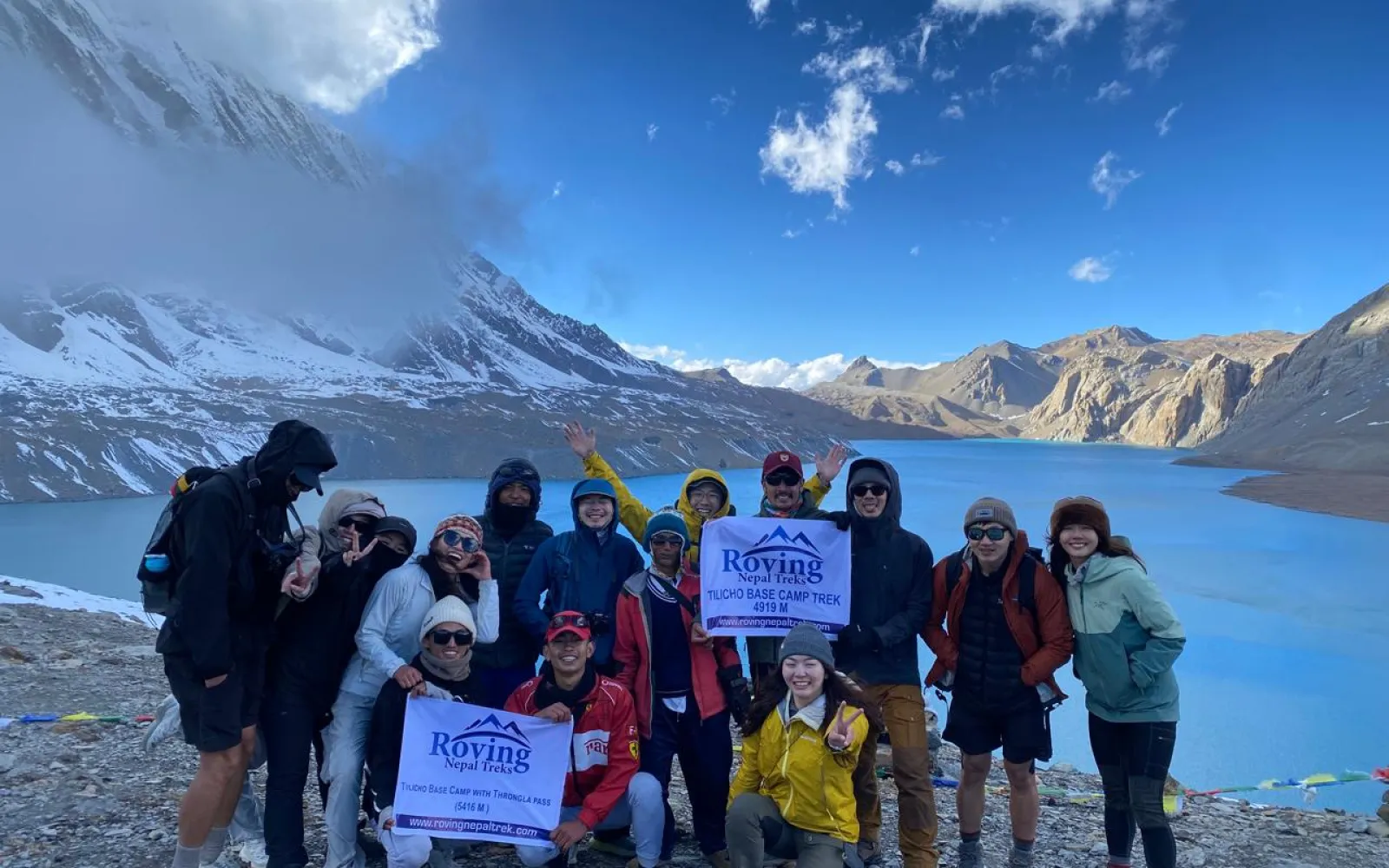
Located at an altitude of 4,919 meters, Tilicho Lake is considered one of the world's highest large lakes. Surrounded by rugged cliffs, glaciers, and snow-covered peaks, it offers scenery unlike anything else on the Annapurna Circuit.
The journey to the lake feels more remote than the main trail. After leaving Manang, the crowds begin to thin out. The landscape becomes harsher, drier, and increasingly dramatic. Every step toward Tilicho Base Camp builds anticipation.
Then, after a demanding morning climb, the lake suddenly appears beneath towering mountain walls. The combination of crystal-clear blue water and Himalayan wilderness creates one of Nepal's most photographed trekking destinations.
Before planning the trek, it's useful to understand some basic numbers.
| Trek Detail | Information |
|---|---|
| Duration | 14–18 Days |
| Maximum Elevation | 5,416 m |
| Tilicho Lake Altitude | 4,919 m |
| Average Walking Hours | 5–8 Hours Daily |
| Difficulty | Moderate to Challenging |
| Accommodation | Tea Houses |
| Best Seasons | Spring and Autumn |
| Permits Required | ACAP |
While the numbers may look intimidating, the trek is achievable for anyone with reasonable fitness and proper preparation.
The first half of the trek is a gradual introduction to the Himalayas. The trail follows river valleys, crosses suspension bridges, and passes through villages that have welcomed travelers for generations.
As altitude increases, the scenery begins to change. Dense forests slowly give way to open landscapes. Snow-covered peaks become more visible with every passing day.
Many trekkers find this section surprisingly enjoyable because the elevation gain is gradual enough to allow the body to adapt naturally.
Typical walking times include:
By the time trekkers reach Manang at 3,540 meters, they have entered a completely different environment.
Manang is often described as an acclimatization stop, but that description doesn't fully capture its importance.
At 3,540 meters, the village serves as the gateway to higher elevations. Spending an extra day here significantly improves the chances of crossing Thorong La Pass safely and comfortably.
Many trekkers use the acclimatization day to explore nearby viewpoints. Popular options include Gangapurna Lake, Ice Lake, and local monasteries overlooking the valley.
A common mistake among inexperienced trekkers is rushing through Manang. The extra day may seem unnecessary at first, but it often makes the difference between a successful trek and altitude-related problems later.
Leaving Manang feels like entering a more remote version of the Himalayas.
The route passes through Khangsar and Shree Kharka before reaching Tilicho Base Camp. Massive rock faces tower above the trail, while distant glaciers cling to the surrounding mountains.
This section requires attention, particularly on some landslide-prone slopes. However, the terrain is not technically difficult.
Most trekking days in this section involve:
Many trekkers consider this one of the most scenic sections of the entire circuit.
The day of the lake excursion often begins before dawn.
Trekkers leave Tilicho Base Camp early to avoid afternoon winds and unstable weather conditions. The climb itself usually takes between three and four hours.
As the sun rises over the surrounding peaks, the colors of the landscape begin to change. Golden light reflects off snowy ridges while the lake gradually reveals its deep blue surface.
At 4,919 meters, breathing becomes noticeably more difficult. Oxygen levels are roughly half of what they are at sea level. Despite the physical challenge, most trekkers spend considerable time simply absorbing the scenery.
It is one of those rare places where photographs struggle to capture the true scale of the landscape.
While Tilicho Lake is often the emotional highlight of the trek, Thorong La Pass is the physical milestone everyone talks about.
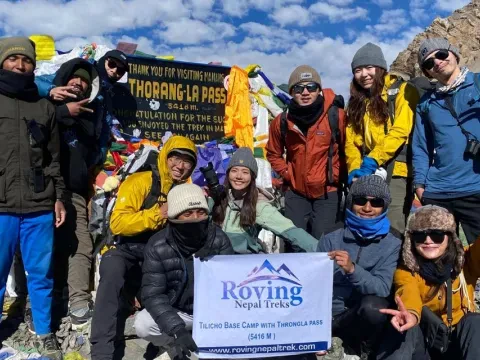
Standing at 5,416 meters, it is one of the highest trekking passes in the world that can be crossed without mountaineering equipment.
The climb begins early, often between 3:00 and 5:00 in the morning. Starting before sunrise helps trekkers avoid strong winds that commonly develop later in the day.
Most people need:
The summit itself is marked by colorful prayer flags and panoramic Himalayan views stretching in every direction.
Fitness certainly helps on the Annapurna Circuit, but altitude is what determines how comfortable the experience becomes.
Above 3,000 meters, the body receives significantly less oxygen. This is why acclimatization plays such a critical role throughout the journey.
Common symptoms of altitude sickness include headaches, fatigue, dizziness, nausea, and difficulty sleeping.
Experienced guides generally recommend:
Most altitude-related problems can be prevented through patience and proper pacing.
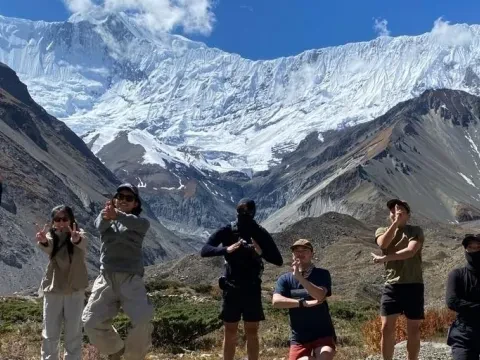
One reason the Annapurna Circuit remains so popular is the sheer number of giant peaks visible throughout the trek.
The route offers views of multiple mountains exceeding 7,000 meters.
| Mountain | Elevation |
|---|---|
| Annapurna II | 7,937 m |
| Annapurna III | 7,555 m |
| Annapurna IV | 7,525 m |
| Gangapurna | 7,455 m |
| Tilicho Peak | 7,134 m |
| Nilgiri | 7,061 m |
| Dhaulagiri I | 8,167 m |
Even seasoned trekkers are often surprised by how close some of these mountains appear from the trail.
Life Inside the Tea Houses in Annapurna Trek Route
One of the biggest advantages of the Annapurna Circuit is its excellent tea-house infrastructure.
Accommodation is simple but comfortable. Most rooms contain twin beds, blankets, and access to shared bathrooms.
Even in remote villages, trekkers can usually find meals such as:
The higher you climb, the more expensive food becomes due to transportation challenges. Supplies often arrive by mule, porter, or vehicle where roads exist.
Weather conditions can vary dramatically during the trek. A warm afternoon in the lower valleys can quickly become a freezing morning near Thorong La Pass.
Packing smartly helps reduce fatigue while ensuring comfort at higher elevations.
The Annapurna Circuit has remained one of the world's great trekking routes for decades, and the addition of Tilicho Lake only strengthens its reputation.
Very few adventures combine such diverse landscapes, rich cultural experiences, high-altitude challenges, and world-class mountain scenery into a single journey. Within two weeks, trekkers move through subtropical valleys, ancient villages, alpine deserts, glacial terrain, and some of the highest walking routes on Earth.
Standing beside Tilicho Lake at 4,919 meters and later crossing Thorong La Pass at 5,416 meters creates a sense of achievement that stays with people long after they return home.
For travelers looking for a trek that offers both beauty and substance, the Annapurna Circuit with Tilicho Lake remains one of Nepal's most rewarding Himalayan adventures.
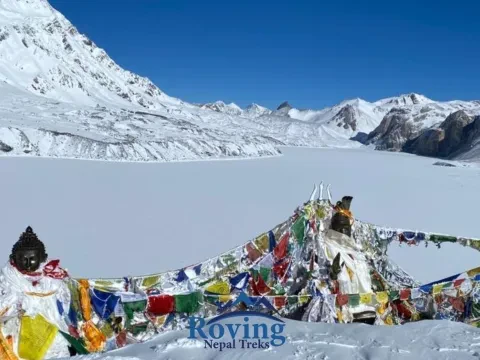
Nestled within the rugged embrace of Nepal's Annapurna Region, the Tilicho Lake Trek stands as a testament to nature's grandeur and the allure of high-altitude adventure.
Annapurna Circuit Trek (ACT) costs between $800 and $1600.
Do you know that the Annapurna Circuit Trek in Nepal is the most commercial and the oldest trekking route of Nepal? Yes, the trail of the Annapurna Circuit Trek has been the cornerstone of Nepalese trekking industry. Therefore, the interest in this route is very high among trekkers from across the globe. People yearn to knit momentous travel moments in the valleys like Manang and Mustang with the iconic Thorong La Pass (5416 m). So, the Roving Nepal Trek decided to provide authentic information about the trek. The blog titled “How to prepare for the Annapurna Circuit Trek in Nepal?” can be useful for you to plan or budget for the trek.