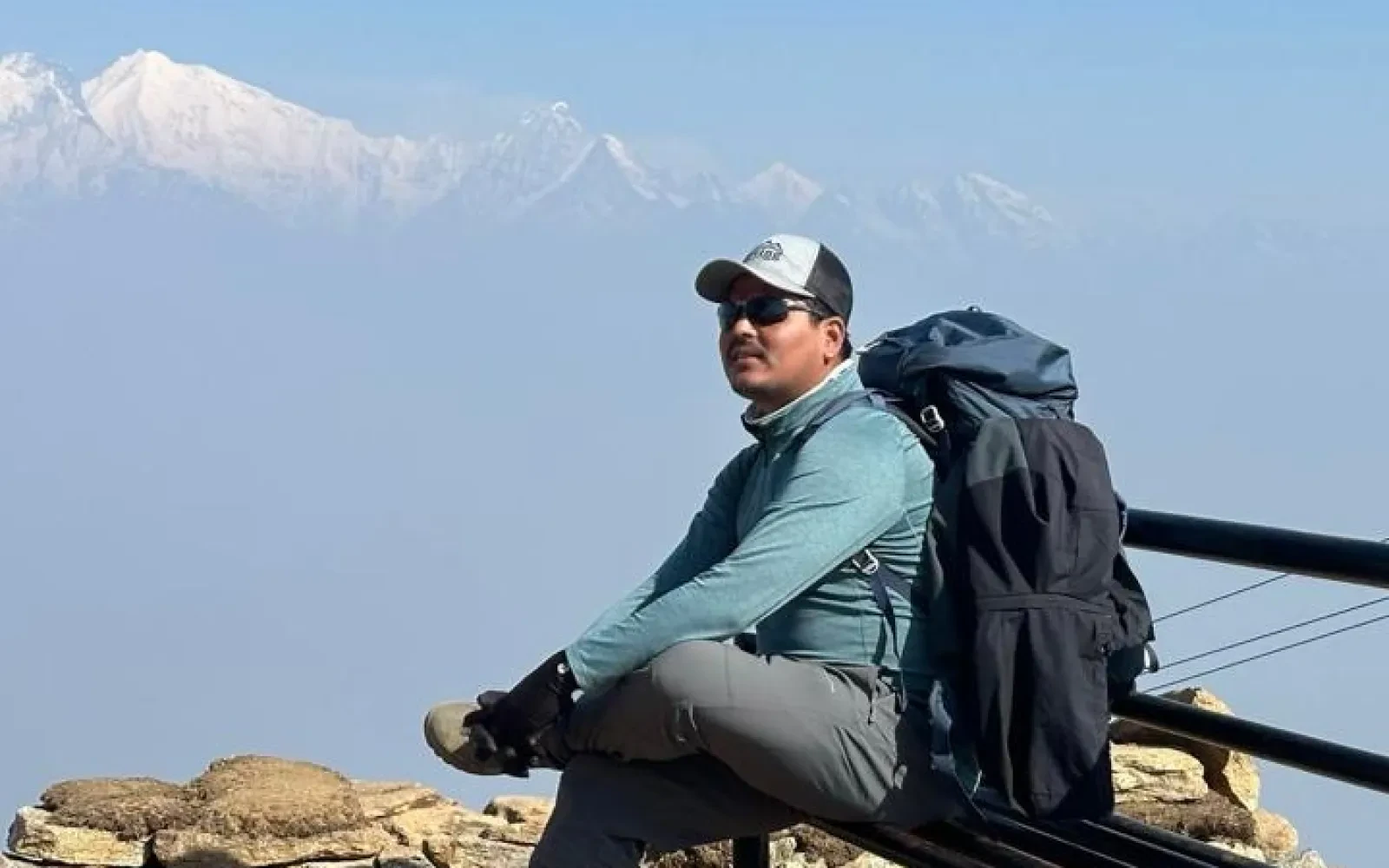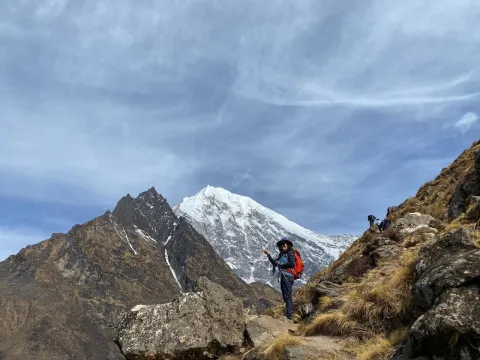
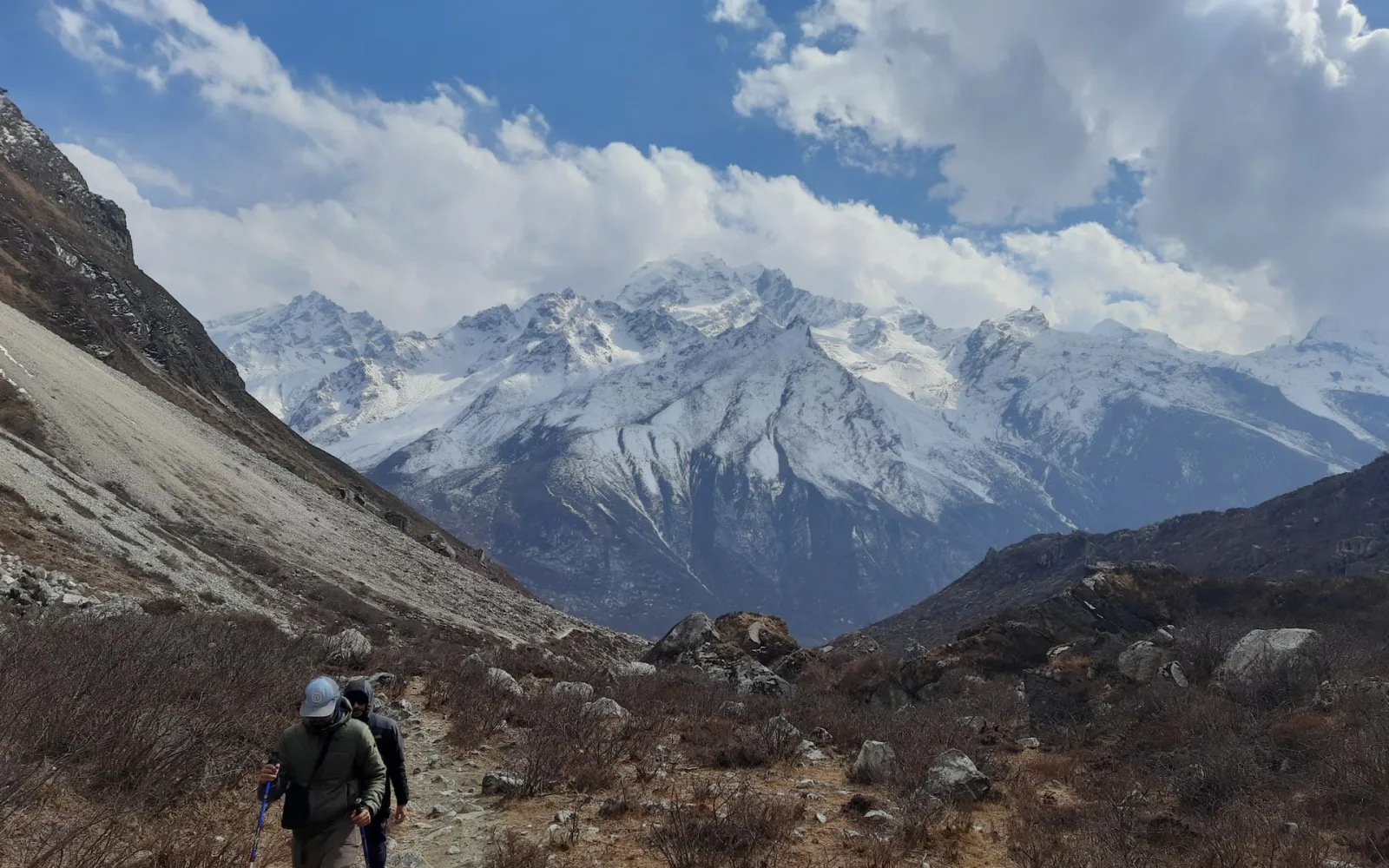
The Langtang Valley Trek is one of Nepal's most rewarding Himalayan adventures, offering breathtaking mountain scenery, rich Tamang culture, ancient monasteries, alpine forests, glaciers, and panoramic viewpoints. Located north of Kathmandu near the Tibetan border, this trek is ideal for travelers seeking spectacular Himalayan landscapes without the crowds commonly found on the Everest or Annapurna trekking routes.
One of the most common questions trekkers ask before planning this journey is: How long is the Langtang Valley Trek? The answer depends on your itinerary, side hikes, acclimatization days, and starting point. On average, the trekking distance ranges between 65 km and 80 km (40–50 miles) for the classic round-trip route. If additional hikes to Kyanjin Ri, Tserko Ri, or nearby glaciers are included, the total trekking distance can exceed 90 km (56 miles).
This comprehensive guide explains every aspect of the Langtang Valley Trek distance, including day-wise mileage, elevation changes, walking hours, terrain difficulty, altitude considerations, and practical planning tips. Whether you are a beginner or an experienced trekker, understanding these distances will help you prepare physically and mentally for an unforgettable Himalayan experience.
The Langtang Valley Trek is situated inside Langtang National Park, Nepal's first Himalayan national park established in 1976. The trekking trail begins at Syabrubesi, approximately 122 km north of Kathmandu, and gradually ascends through dense rhododendron forests, bamboo groves, cascading waterfalls, traditional Tamang settlements, yak pastures, and alpine meadows before reaching Kyanjin Gompa at an elevation of 3,870 meters (12,697 ft).
Unlike many high-altitude treks, the Langtang Valley Trek follows a river valley, allowing trekkers to gain elevation progressively. The route is well established with numerous tea houses providing accommodation and meals throughout the journey.
Key Facts:
Its relatively short duration and accessibility from Kathmandu make it one of Nepal's best short Himalayan treks.
The classic Langtang Valley Trek covers approximately 65–80 kilometers (40–50 miles) depending on the itinerary chosen. Most trekkers complete the journey over 7 to 9 days, walking approximately 8–15 kilometers each day.
Here is a general breakdown:
| Trek Variation | Total Distance |
|---|---|
| Classic Trek | 65 km |
| With Kyanjin Ri Hike | 72 km |
| With Tserko Ri Hike | 80 km |
| Extended Exploration | 85–95 km |
Several factors influence the final trekking distance:
Compared with other Himalayan treks, the Langtang Valley Trek is relatively compact while still delivering exceptional mountain views, making it suitable for trekkers with limited vacation time.
Understanding the daily walking distance helps trekkers pace themselves and manage energy effectively.
| Day | Route | Distance | Walking Hours |
|---|---|---|---|
| 1 | Kathmandu to Syabrubesi (Drive) | 122 km | 7–8 hrs drive |
| 2 | Syabrubesi to Lama Hotel | 11 km | 6–7 hrs |
| 3 | Lama Hotel to Langtang Village | 14 km | 6–7 hrs |
| 4 | Langtang Village to Kyanjin Gompa | 7 km | 3–4 hrs |
| 5 | Hike to Kyanjin Ri/Tserko Ri | 8–14 km | 5–8 hrs |
| 6 | Kyanjin Gompa to Lama Hotel | 21 km | 7–8 hrs |
| 7 | Lama Hotel to Syabrubesi | 11 km | 5–6 hrs |
The return journey follows nearly the same route but generally requires less time because it is mostly downhill. However, descending still requires careful footing, especially on rocky sections.
Before beginning the trek, travelers must reach Syabrubesi, the official starting point.
The road distance from Kathmandu to Syabrubesi is approximately 122 kilometers (76 miles). Despite the relatively short distance, the drive typically takes 7 to 9 hours due to winding mountain roads, traffic congestion near Kathmandu, and occasional road construction.
The journey offers beautiful scenery including:
Transportation options include:
Private jeeps are faster and more comfortable, reducing travel fatigue before the trek begins.
The first trekking day covers approximately 11 kilometers.
Although the distance seems relatively short, the trail involves continuous ascents and descents through lush forests beside the Langtang River. Trekkers usually spend 6 to 7 hours completing this section.
Highlights include:
This section serves as a gentle introduction to Himalayan trekking while allowing hikers to adjust to carrying backpacks and walking on uneven terrain.
This section covers around 14 kilometers, making it one of the longest trekking days.
Trekkers gradually climb from approximately 2,480 meters to 3,430 meters, gaining nearly 950 meters in elevation.
Walking typically requires:
Major highlights include:
As elevation increases, oxygen levels decrease, making the trek feel considerably more demanding than the actual distance suggests.
This stage is relatively short at approximately 7 kilometers, taking around 3 to 4 hours.
Although shorter than previous days, this section offers some of the trek's most spectacular scenery.
Trekkers pass:
Upon reaching Kyanjin Gompa, hikers are rewarded with panoramic views of:
The shorter distance helps trekkers acclimatize before attempting higher elevation hikes.
One of the most popular side hikes is Kyanjin Ri.
Distance:
The trail climbs steeply over rocky terrain before reaching one of Nepal's finest viewpoints.
From the summit, trekkers enjoy panoramic views of:
Although physically demanding, this hike is highly recommended because it offers exceptional scenery without requiring technical climbing skills.
For experienced trekkers, Tserko Ri provides an even greater challenge.
Statistics:
This is the highest point reached during the standard Langtang Valley Trek.
Trekkers often begin before sunrise to witness spectacular morning light illuminating the Himalayan peaks.
Because of the significant altitude gain, hikers should only attempt Tserko Ri after proper acclimatization and favorable weather conditions.
Distance alone does not determine trekking difficulty. Elevation gain plays an equally important role.
| Location | Elevation |
|---|---|
| Kathmandu | 1,400 m |
| Syabrubesi | 1,503 m |
| Lama Hotel | 2,480 m |
| Langtang Village | 3,430 m |
| Kyanjin Gompa | 3,870 m |
| Kyanjin Ri | 4,773 m |
| Tserko Ri | 4,984 m |
Over the course of the trek, hikers gain nearly 3,500 meters in elevation.
As altitude increases, oxygen availability decreases, making even short walking distances feel significantly longer.
Many first-time trekkers assume distance determines walking time, but Himalayan trekking is different.
For example:
Factors influencing walking speed include:
Most trekking groups maintain an average speed of 2–3 km per hour, which is perfectly normal in mountainous terrain.
Factors That Affect the Trek Distance
Several factors influence the total distance you ultimately cover.
These include:
Many trekkers walk significantly farther than the official itinerary because they enjoy exploring the beautiful surroundings around Kyanjin Gompa.
Although the Langtang Valley Trek is classified as moderate, the daily walking distances become more demanding because of altitude.
Expect:
Trekkers with reasonable fitness who regularly hike, jog, or cycle can usually complete the trek successfully after adequate preparation.
Proper pacing, hydration, and acclimatization are more important than speed.
Successfully completing the Langtang Valley Trek depends on smart preparation rather than exceptional athletic ability.
Helpful tips include:
Consistent pacing conserves energy and makes the overall distance feel much more manageable.
The trekking distance remains the same throughout the year, but seasonal conditions greatly affect the experience.
Spring (March–May):
Autumn (September–November):
Winter (December–February):
Monsoon (June–August):
For most trekkers, spring and autumn provide the best balance of weather, trail conditions, and scenery.
Yes. With proper preparation, a moderate fitness level, and enough time for acclimatization, many first-time trekkers successfully complete the route.
Most trekking days involve 7–14 kilometers, depending on the itinerary and optional side hikes.
The highest point on the standard route is Tserko Ri (4,984 meters), while Kyanjin Gompa (3,870 meters) is the highest overnight stop.
Yes. A well-paced itinerary can be completed in 7 days, though 8–10 days is recommended for a more comfortable experience and better acclimatization.
For most trekkers, altitude is the greater challenge. Daily distances are moderate, but thinner air above 3,000 meters can make walking feel more strenuous.
The Langtang Valley Trek offers an exceptional balance of accessibility, natural beauty, cultural richness, and Himalayan adventure. While the classic trekking route covers approximately 65 to 80 kilometers, the journey is about far more than distance. Every kilometer reveals changing landscapes, from subtropical forests and rushing rivers to alpine meadows, glaciers, and towering snow-capped peaks.
With daily walking distances ranging from 7 to 14 kilometers, most trekkers find the route manageable when they maintain a steady pace and allow time for acclimatization. Optional hikes to Kyanjin Ri and Tserko Ri add both distance and unforgettable panoramic views, making the trek even more rewarding. Whether you are an experienced hiker or embarking on your first Himalayan adventure, understanding the trek's distance, elevation profile, and daily stages will help you prepare effectively and enjoy a safer, more memorable journey through one of Nepal's most spectacular mountain valleys.
By planning carefully, training beforehand, and respecting the altitude, you'll discover why the Langtang Valley Trek remains one of Nepal's most cherished trekking experiences.