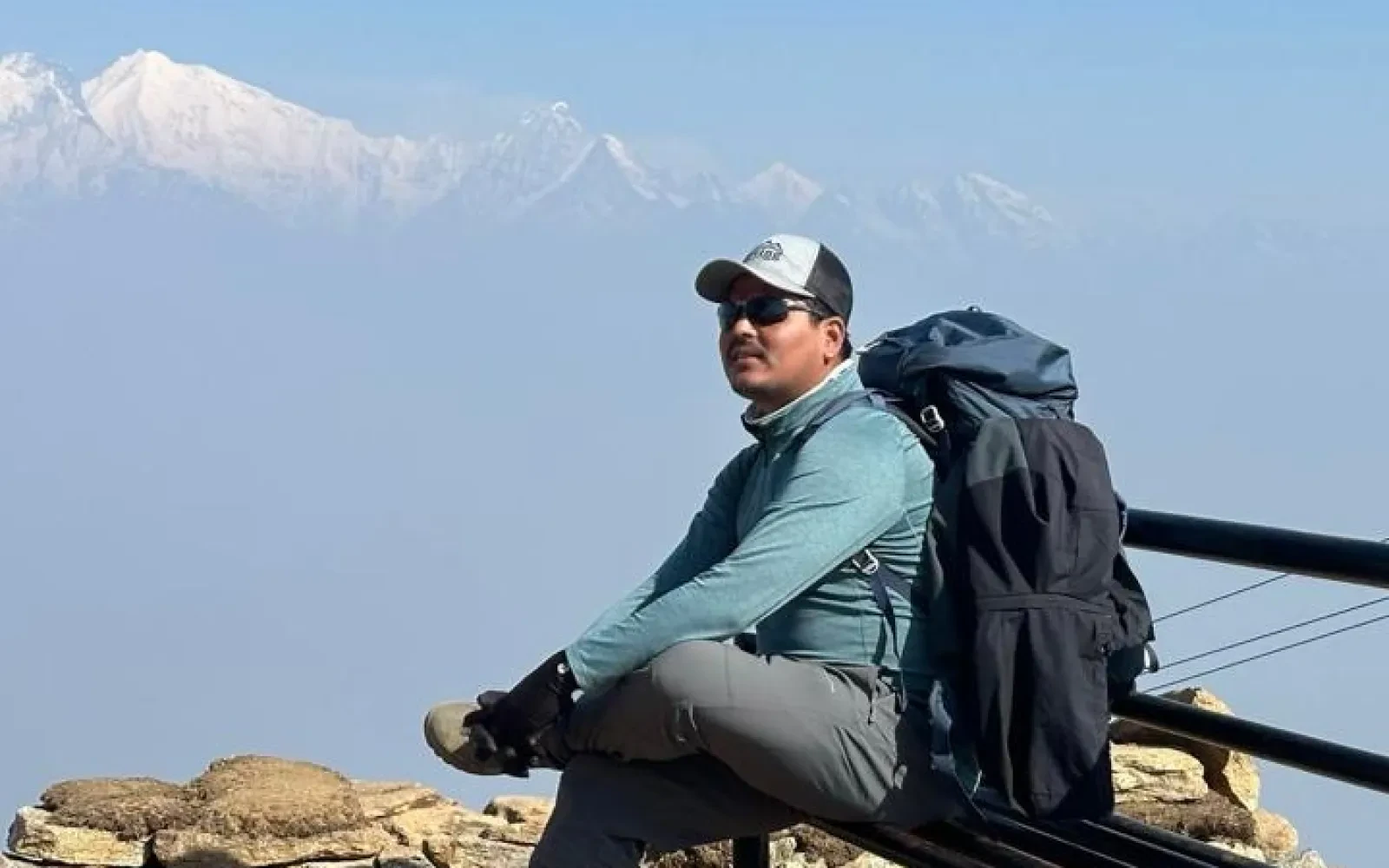
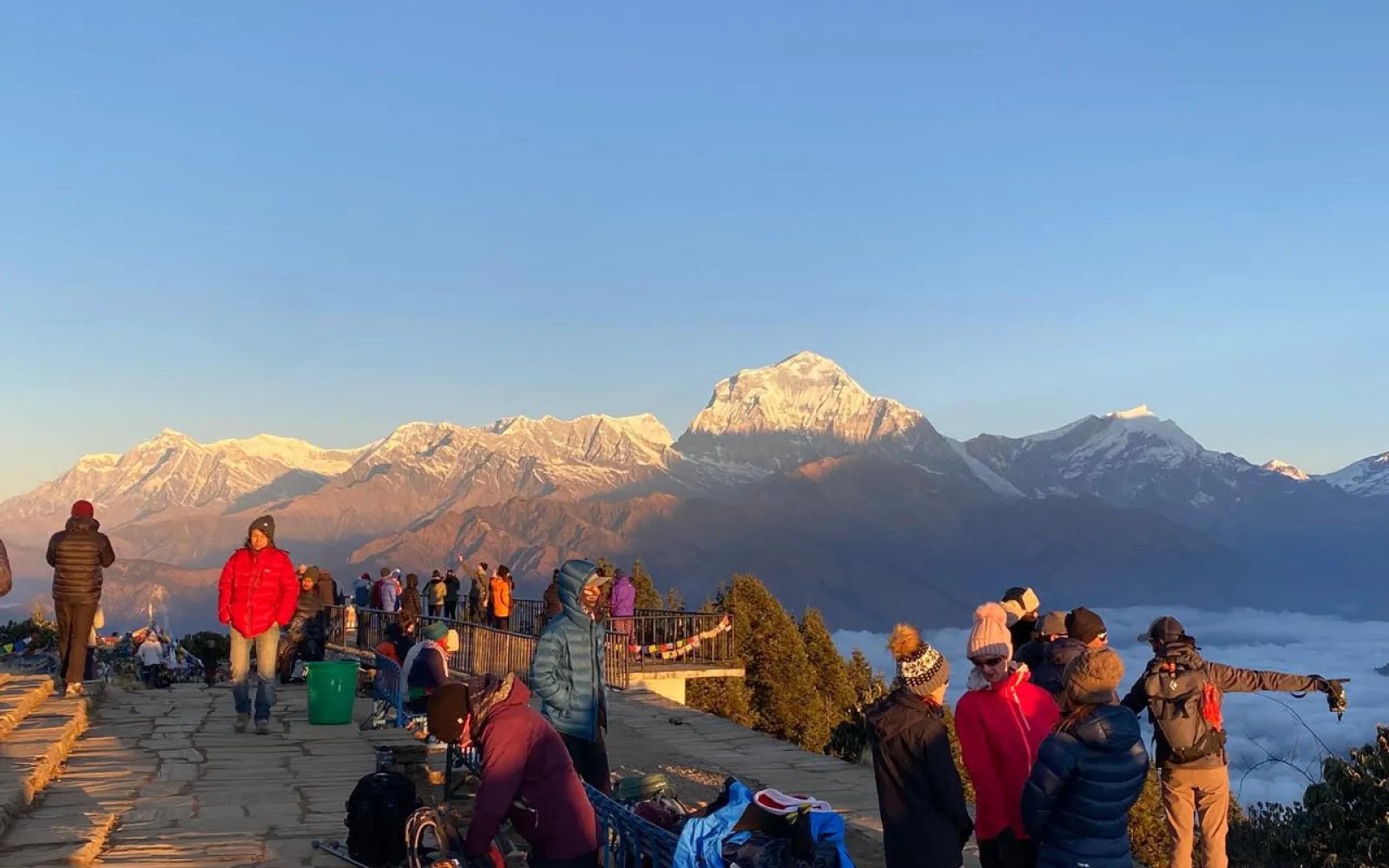
The Annapurna Base Camp Trek is one of Nepal's most popular Himalayan trekking adventures, offering an incredible combination of mountain scenery, cultural experiences, diverse landscapes, and accessible trekking routes.
The journey takes you deep into the Annapurna Sanctuary, a natural amphitheater surrounded by some of the world's most impressive peaks, including Annapurna I (8,091 m), Machhapuchhre (Fishtail) (6,993 m), Hiunchuli, Annapurna South, and Gangapurna.
Unlike many high-altitude Himalayan treks, the Annapurna Base Camp Trek reaches an impressive elevation while passing through a variety of landscapes. Trekkers experience terraced farmland, traditional Gurung villages, rhododendron forests, waterfalls, rivers, alpine landscapes, and spectacular mountain viewpoints.
Our Annapurna Base Camp Trek itinerary is designed with a comfortable pace, allowing travelers to enjoy the scenery while gradually adapting to increasing altitude. The route combines natural beauty with authentic Himalayan culture and welcoming local communities.
The trek usually begins from Pokhara, Nepal's beautiful lakeside city, and follows trails through villages such as Ghandruk, Chhomrong, Bamboo, Deurali, and Machhapuchhre Base Camp before reaching Annapurna Base Camp at 4,130 meters.
Trek Name: Annapurna Base Camp Trek
Duration: 7–14 Days (depending on route)
Maximum Altitude: 4,130 m
Starting Point: Pokhara
Ending Point: Pokhara
Difficulty: Moderate
Accommodation: Tea Houses and Lodges
Best For:
The Annapurna region offers some of the most dramatic mountain landscapes in Nepal.
During the trek, you can enjoy views of:
The close-up views from Annapurna Base Camp create an unforgettable Himalayan experience.
The Annapurna region is home to diverse ethnic communities, especially Gurung and Magar people.
Along the route, travelers can experience:
Villages like Ghandruk are especially known for their beautiful architecture and cultural importance.
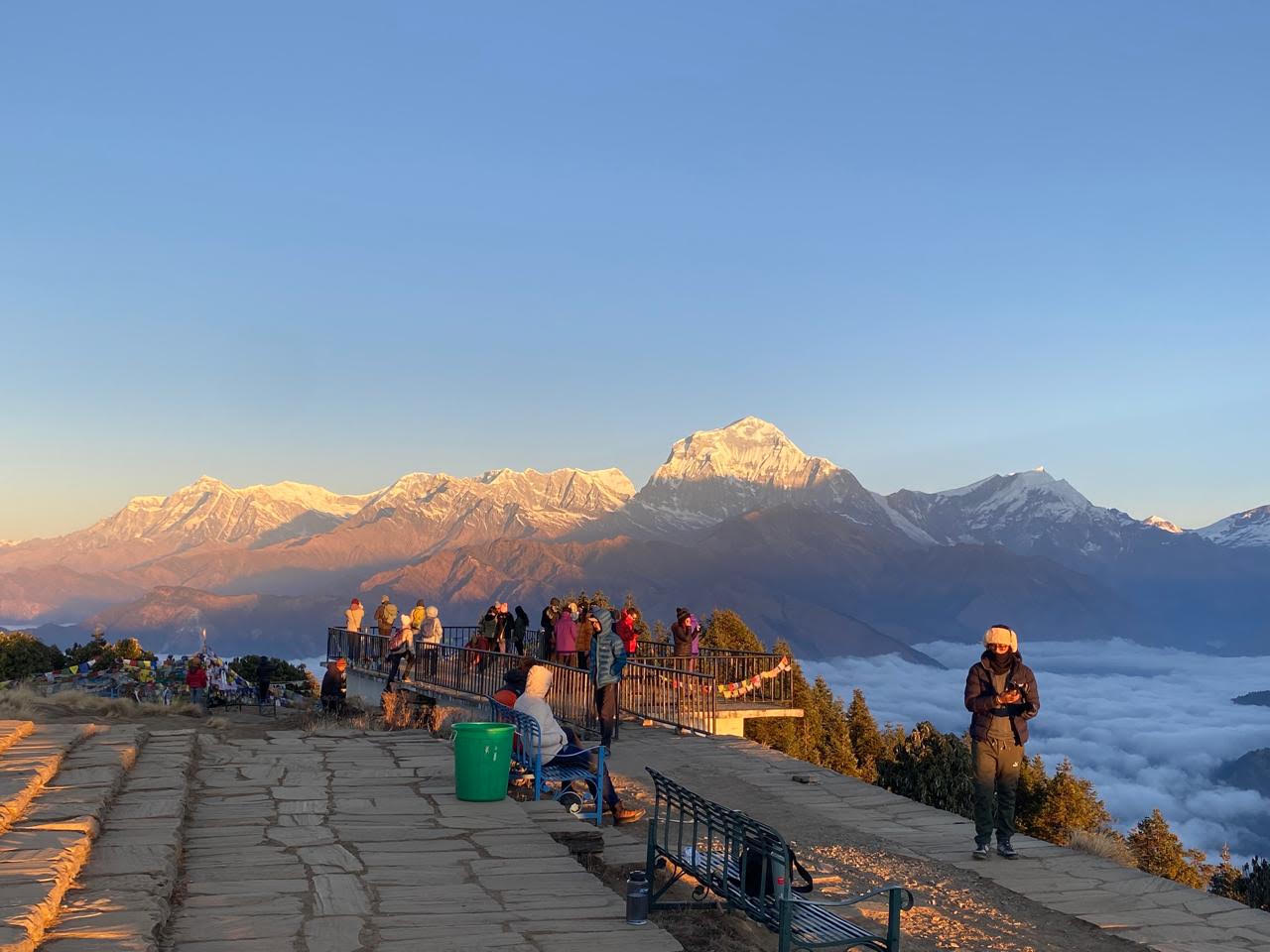
One of the unique features of the Annapurna Base Camp Trek is the variety of landscapes within a relatively short distance.
The trail passes through:
Every day brings a different environment.
Compared with some higher Himalayan routes, the Annapurna Base Camp Trek is more accessible.
It is suitable for:
Good fitness and preparation are still important because the trek involves uphill climbs and long walking days.
The classic route follows:
Pokhara → Nayapul/Sewai → Ghandruk → Chhomrong → Bamboo → Deurali → Machhapuchhre Base Camp → Annapurna Base Camp → Bamboo → Jhinu Danda → Pokhara
The route may vary depending on road conditions, season, and personalized itinerary planning.
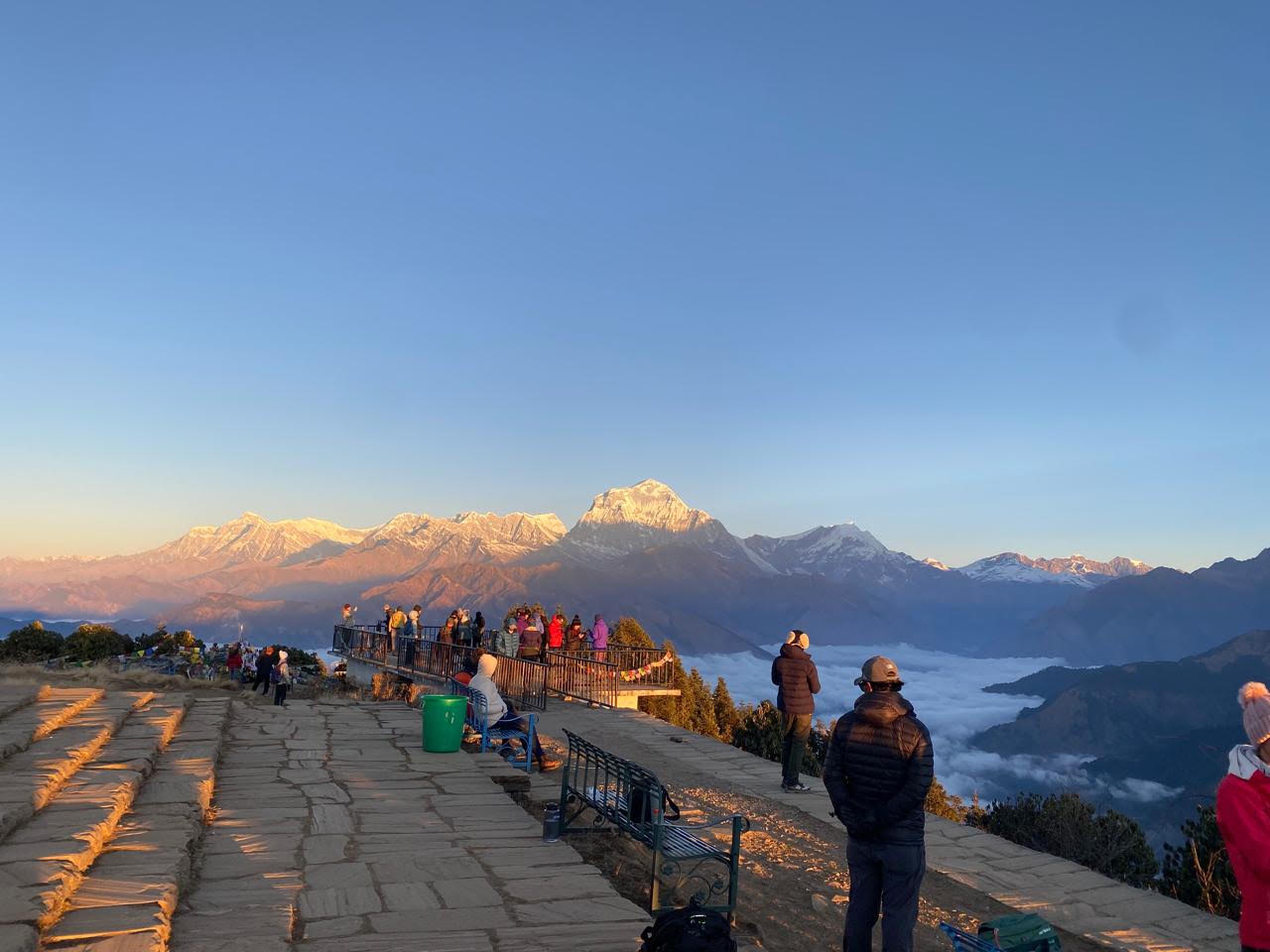
The journey is not only about reaching the destination. The experience includes:
Annapurna Base Camp is a perfect choice for travelers who want a memorable Himalayan adventure with a balanced combination of challenge, comfort, and scenery. If not you can also book shorter Annapurna Trek like Mardi Himal Trek, Poon Hill Trek or choose shorter 9 Days Annapurna Base Camp Trek.
The cost of the Annapurna Base Camp Trek depends on factors such as trek duration, group size, transportation, accommodation choices, and included services.
A typical guided Annapurna Base Camp Trek package generally costs approximately:
USD 700–1,500+ per person
The final price depends on whether you choose a private trek, group trek, upgraded accommodation, or additional services.
Costs may include:
Professional guides provide:
Porters help carry luggage and make the trek more comfortable.
Tea houses provide:
Typically included:
✓ Trekking guide
✓ Porter service (depending on package)
✓ Accommodation during trek
✓ Meals during trekking days
✓ Annapurna Conservation Area Permit
✓ TIMS card (where required)
✓ Ground transportation
✓ Trek preparation support
Package Excludes
Usually excluded:
✗ International flights
✗ Nepal visa fee
✗ Travel insurance
✗ Personal equipment
✗ Extra drinks and snacks
✗ Hot showers and charging fees
✗ Personal expenses
✗ Tips
Trekkers need permits to enter the Annapurna region.
Annapurna Conservation Area Permit (ACAP)
This permit supports:
Spring (March–May)
Spring is one of the best seasons.
Advantages:
Autumn (September–November)
Autumn is considered the best overall season.
Advantages:
Winter (December–February)
Winter trekking is possible.
Advantages:
Challenges:
Monsoon (June–August)
The trek is possible but less popular because of:
The Annapurna Base Camp Trek is considered a moderate trek.
Challenges include:
The maximum altitude is:
Annapurna Base Camp: 4,130 m
Proper preparation makes the trek enjoyable for many travelers.
Essential items:
Clothing
✓ Hiking trousers
✓ Quick-dry shirts
✓ Thermal layers
✓ Fleece jacket
✓ Down jacket
✓ Waterproof jacket
✓ Warm socks
Footwear
✓ Waterproof trekking boots
✓ Camp shoes
✓ Hiking socks
Equipment
✓ Backpack
✓ Trekking poles
✓ Sleeping bag
✓ Sunglasses
✓ Sunscreen
✓ Headlamp
✓ Water bottle
Personal Items
✓ Personal medication
✓ Toiletries
✓ Camera
✓ Power bank
✓ Travel documents
The trek usually takes between 7 and 14 days depending on the route and itinerary.
Yes. Beginners with good fitness and preparation can complete this trek.
Annapurna Base Camp is located at:
4,130 meters (13,550 feet)
The Everest Base Camp Trek reaches a higher altitude, but Annapurna Base Camp involves many steep stone steps.
Difficulty depends on fitness, itinerary, and weather conditions.
A guide is recommended because they provide:
Independent trekking is possible, but many travelers prefer guides for safety, navigation, and a better local experience.
Tea houses usually serve:
The Annapurna Base Camp Trek offers an unforgettable journey into the heart of the Himalayas.
From traditional villages and forest trails to the breathtaking Annapurna Sanctuary, every day brings a new experience.
With experienced local guides and careful planning, Roving Nepal Trek can help you create a safe and memorable Annapurna adventure.
Start planning your Annapurna Base Camp Trek today.
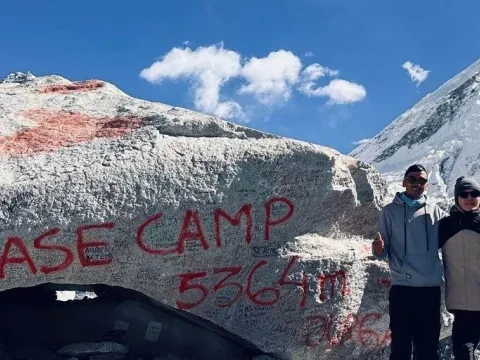
Discover the key differences between trekking to Everest Base Camp (EBC) and Annapurna Base Camp (ABC) in Nepal. Compare costs, difficulty, cultural experiences, scenery, safety, altitude, and more to choose the best trek for your adventure. Explore the ultimate EBC vs. ABC guide!
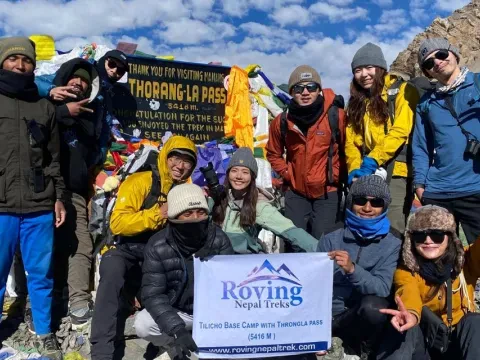
Annapurna Circuit Trek (ACT) costs between $800 and $1600.
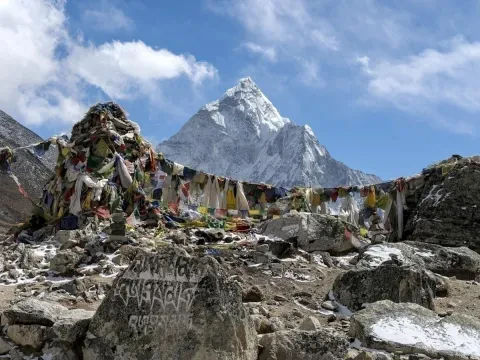
Choosing between a trek in the Annapurna Region and the Everest Region can be difficult. Roving Nepal Treks is here to help you make the right choice.
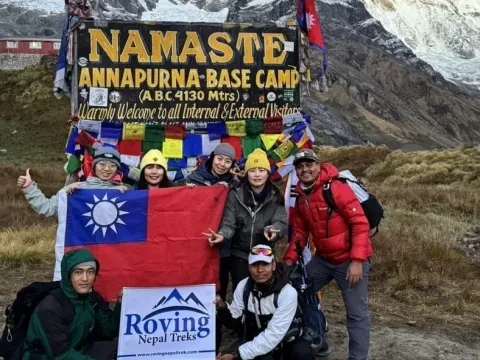
One of the darling trekking destination of the world is the Annapurna Base Camp Trek. Therefore, the charm of this route is very high among travelers from across the globe. The journey that takes trekkers to the foothill of the world's 10th tallest mountain is definitely a prized one. There are lots of questions about the Annapurna Base Camp Trek for Beginners. So, today's blog is all about finding out reasons that make the ABC Trek suitable for all age group from beginners to professional trekkers.
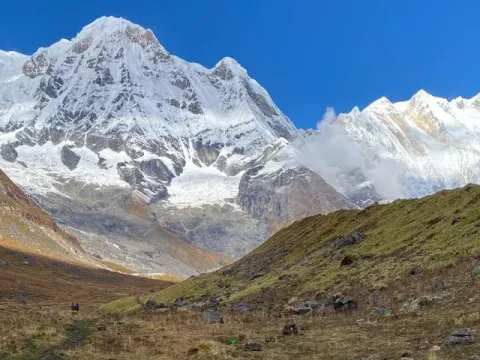
Where do you want to go in Nepal for mountain adventures and cultural encounters? Choose none other than the Annapurna region of Nepal! The place is an abode of the world’s 10th tallest mountain Mt. Annapurna (8091 m) and home of Gurung, Magar, Tibetan, Brahmins, Chhetris, and Dalit communities. Therefore, it is an exciting trekking trail to visit in Nepal. So, the main question remains the effective trekking itinerary. Today’s blog is about the 9 Days Annapurna Base Camp Trek Itinerary in Nepal. Learn about this authentic and scientific trekking itinerary to explore the Annapurna Base Camp (4130 m).
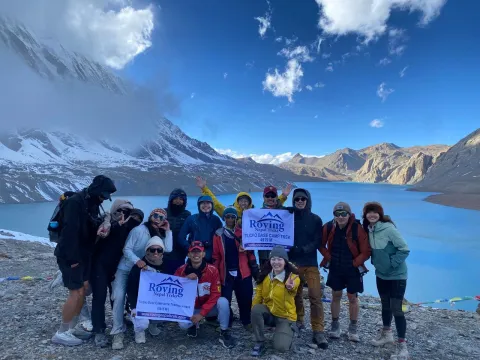
What makes the Annapurna Circuit Trek with Tilicho Lake special are not simply the mountains. It's the constant change. One week you're walking through green river valleys lined with pine forests and traditional villages. A few days later, you're crossing windswept high-altitude terrain that feels more like Tibet than Nepal. Then comes Tilicho Lake, a stunning turquoise body of water sitting at nearly 5,000 meters above sea level.