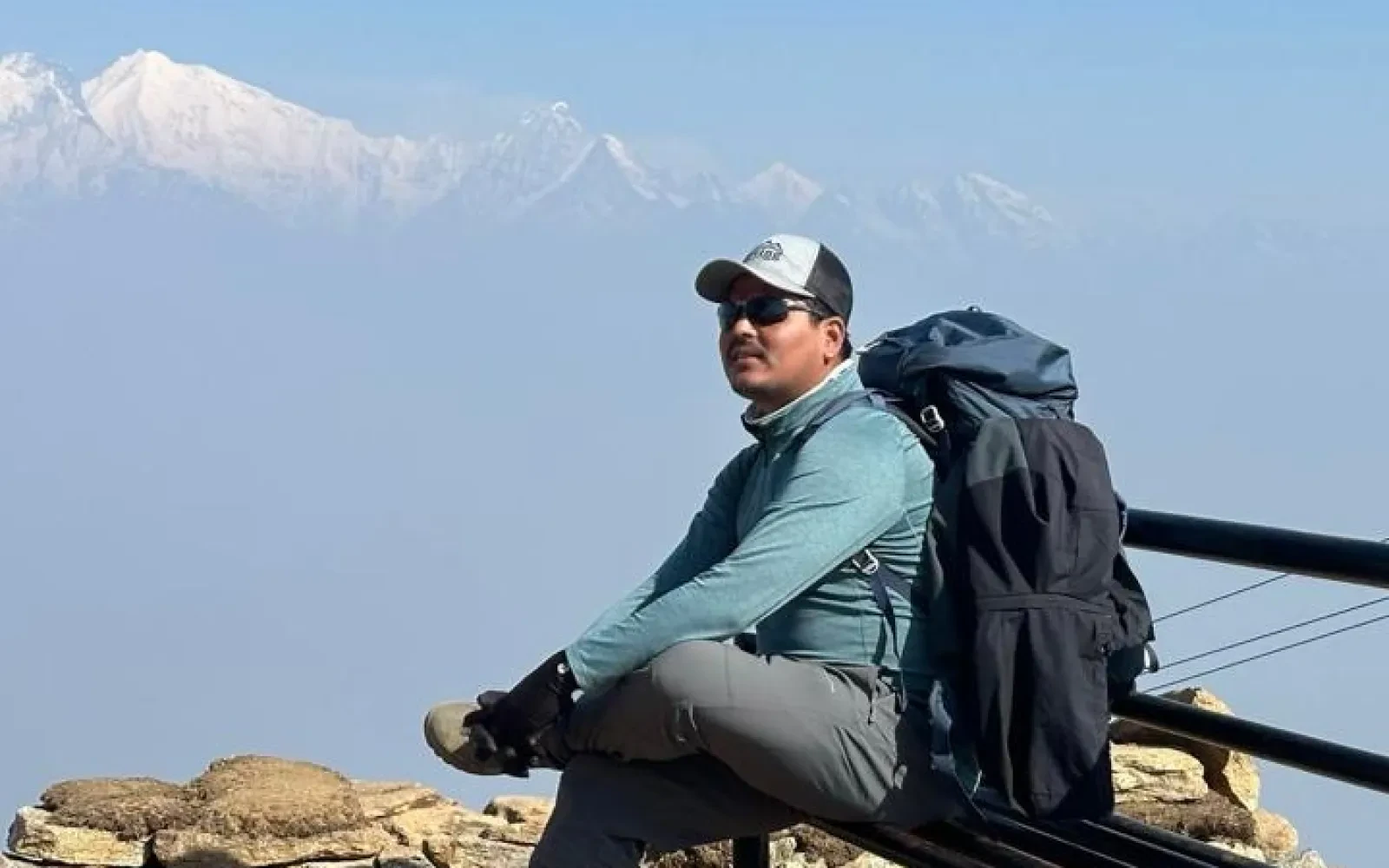
There is a precise moment on the trail when the modern world quietly surrenders to the raw rhythm of the Himalayas. For most trekkers in Nepal, that feeling has become harder to find. Commercialization, jeep roads, and tea houses equipped with high-speed internet have transformed legendary routes like the Annapurna Circuit into bustling corridors.
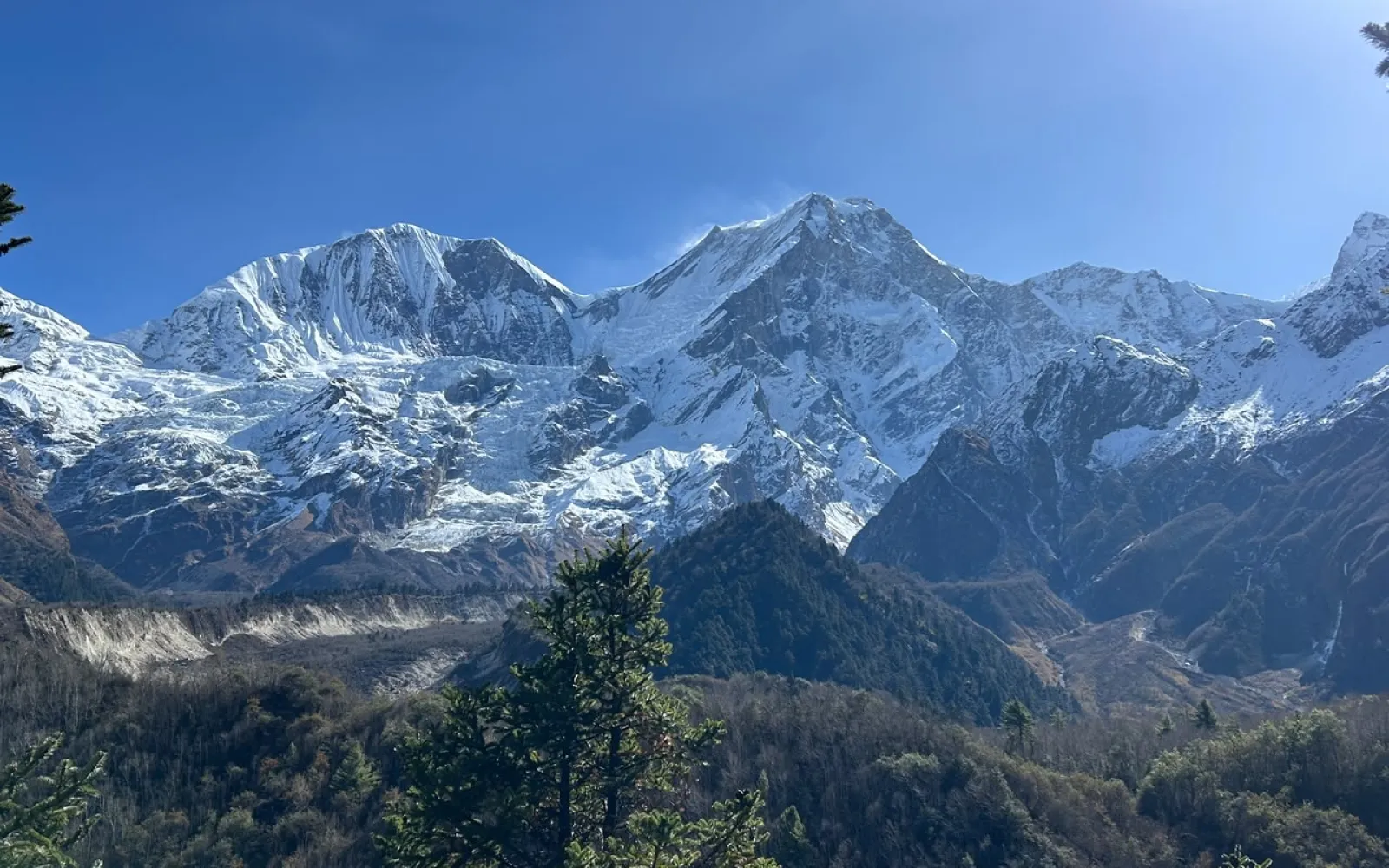
Yet, tucked beneath the shadow of the world’s eighth-highest peak (8,163m), the Manaslu region tells a different story.
Trekking around Mount Manaslu—known locally as Kutang, the "Mountain of the Spirit"—is not merely an exercise in high-altitude endurance. It is a journey through a living cultural museum, transition of ecosystems from subtropical sub-valleys to arctic mountain passes, and a raw encounter with Himalayan solitude.
Unlike the open-access trails of Everest or Langtang, the region surrounding Manaslu requires a Restricted Area Permit (RAP) alongside a registered licensed guide. While this might sound like extra paperwork, it is actually the circuit’s greatest blessing.
By regulating trekker numbers, Nepal has preserved the authentic soul of the Budhi Gandaki Valley. You won’t find souvenir stalls every twenty minutes or motorized traffic drowning out the river's roar. Instead, you walk along ancient salt-trade routes carved into sheer granite cliffs, crossing suspension bridges draped in weathered prayer flags.
For travelers seeking the full, unhurried high-altitude experience, the classical Manaslu Circuit Trek offers an unmatched 14-to-18-day progression through pine forests, remote Gurung villages, and alpine settlements heavily influenced by Tibetan Buddhism.
What makes this journey artistically unique is its dramatic cultural evolution over a matter of days:
· The Lower Valley: Starting in humid subtropical pine and bamboo forests, the trail meanders through terraced fields tended by the Gurung and Magar communities.
· The High Valley (Nubri): As you cross past Philim and Namrung, the landscape opens up. Mani walls (stone tablets carved with sacred mantras), chortens, and kani gateways mark your entry into Nubri—a realm of Tibetan heritage where ancient monasteries like Ribung Gompa in Lho overlook sweeping vistas of Manaslu’s twin summits.
If you wish to step even further off the grid into a sacred valley where non-violence (Ahimsa) has been practiced for over a century, extending your route into the hidden Tsum Valley Trek reveals ancient cave monasteries, friendly locals, and landscapes virtually untouched by time.
Every great trek needs a climax, and Manaslu’s climax is one of the most rewarding mountain passes in Asia.
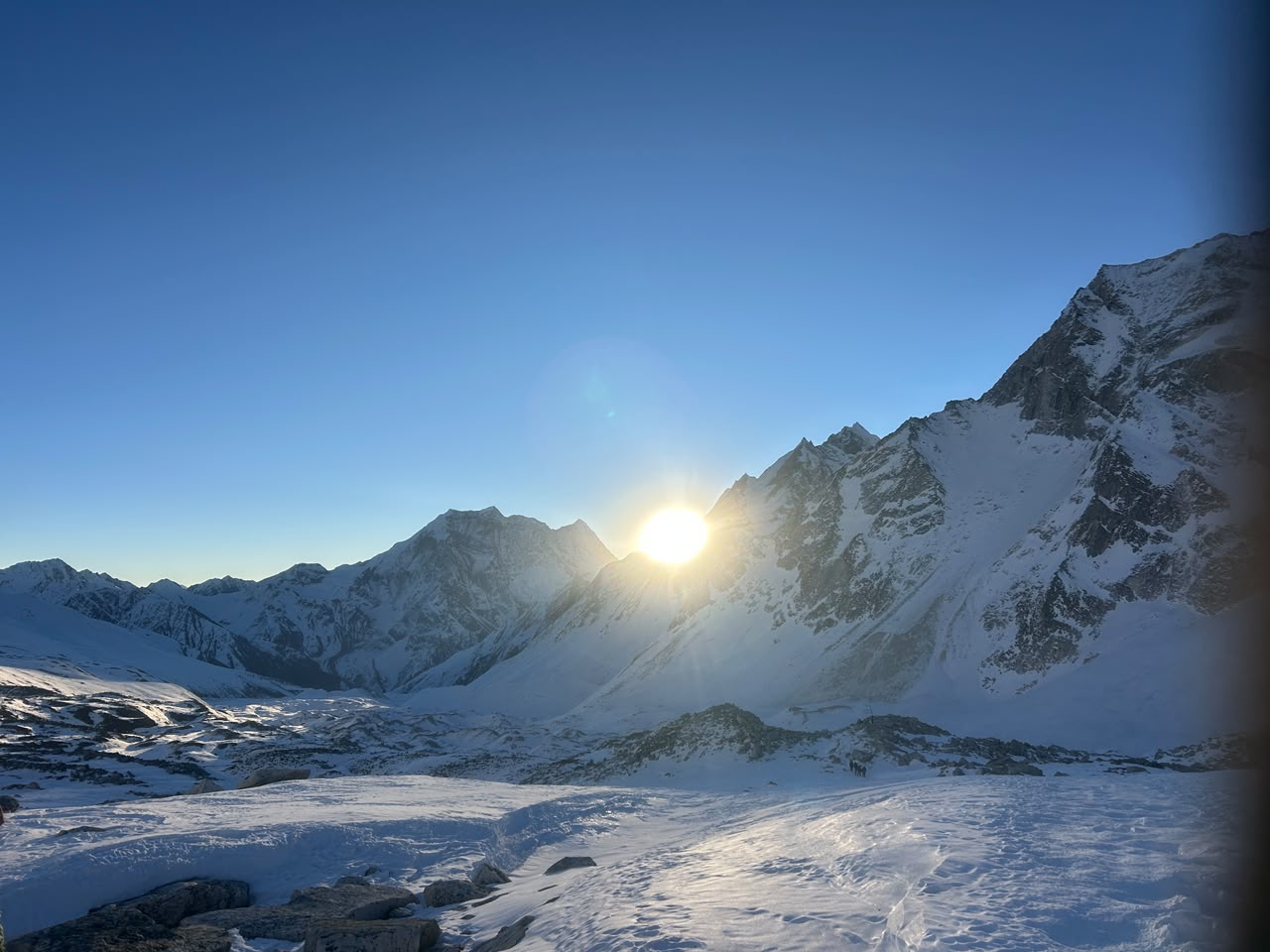
The push to Larke La begins before dawn from the high-altitude outpost of Dharmasala. Walking in the frozen starlight, the crisp alpine air bites at exposed skin while your headlamp illuminates a path over glacial moraines.
When the sun finally hits the surrounding peaks—Himlung Himal, Cheo Himal, Kang Guru, and Annapurna II—the entire sky ignites in hues of gold and deep violet. Standing at 5,106 meters, surrounded by flutterings of prayer flags fluttering in the icy mountain breeze, the sense of accomplishment is profound.
Because the trail requires strategic acclimatization and careful logistical planning, choosing the right itinerary depends on your time and experience:
· For the classic wilderness experience: Choose a standard 14-to-16-day loop that allows ample rest in Samagaun to explore Birendra Lake or Manaslu Base Camp.
· For tight schedules: If you are short on days but physically well-conditioned, a streamlined Manaslu Circuit Short Trek optimizes transit and hiking days without sacrificing the pass crossing or safety protocol.
Final Thoughts: Why Walk Manaslu Now?
In a world where off-the-beaten-path destinations grow rarer by the year, Manaslu remains a sanctuary for genuine mountain enthusiasts. It asks for sweat, respect for local customs, and proper preparation—and in return, gives back memories of a wild, untamed Nepal that few ever get to see.
Choosing between the Classic Manaslu Circuit Trek and the Manaslu Short Trek comes down to balancing available time against physical preparation and your desire for acclimatization. Both routes cross the magnificent Larke La Pass (5,106m), but they deliver vastly different operational experiences on the trail.
| Feature | Classic Manaslu Circuit Trek | Manaslu Short Trek |
|---|---|---|
| Duration | 14 – 16 Days | 10 – 12 Days |
| Pace | Moderate & Steady (5–6 hrs/day) | Fast & Demanding (7–9 hrs/day) |
| Difficulty | Moderate to Challenging | Strenuous / Demanding |
| Acclimatization | Built-in rest days in Samagaun & Samdo | Minimal / Compressed rest stops |
| Side Trips | Includes Manaslu Base Camp, Birendra Lake, Pungyen Monastery | Focuses purely on main trail highlights |
| Best For | First-time high-altitude trekkers, slow-paced travelers | Fit, experienced trekkers tight on time |
· Classic Route: Spans 14 to 16 days. It typically starts with a drive to Machha Khola or Soti Khola, walking through lower elevation settlements like Jagat, Deng, and Namrung with gradual gain.
· Short Route: Trimmed to 10 to 12 days. Time is saved by taking longer private 4WD drives directly into higher entry points (bypassing lower walking days) or combining multiple low-altitude trail segments into single long trekking days.
· Classic Route: Operates at a relaxed, steady pace. You have the luxury of spending extra days around Samagaun (3,520m). This allows time for acclimatization day-hikes to Manaslu Base Camp (4,400m), Birendra Lake, or the ancient Pungyen Monastery.
· Short Route: Highly objective-driven. You trek for longer hours daily, covering more kilometers per stage. Most optional cultural side-trips are omitted so you stay on schedule for the pass.
· Classic Route (Moderate to Challenging): The primary advantage of the full itinerary is gradual elevation gain. Allowing your body to adjust naturally reduces the risk of Acute Mountain Sickness (AMS). While passing Larke La is always physically taxing, your body is well-rested when you attempt it.
· Short Route (Strenuous): Because altitude gain is compressed into fewer days, your cardiovascular system faces steeper daily demands. You must carry a solid base of pre-trek endurance training. The pass crossing day becomes significantly more demanding due to accumulated fatigue.
· Choose the Classic Trek if: You want a complete experience, time to soak in Nubri cultural heritage, lower altitude risks, and time to visit Manaslu Base Camp.
· Choose the Short Trek if: You have limited vacation days, excellent pre-existing physical fitness, prior experience above 4,000 meters, and want an efficient "highlights" journey over Larke La Pass.
Trekking around Manaslu involves passing through a controlled, high-altitude border region as well as two distinct protected conservation zones. Proper permit organization and gear selection are crucial to a smooth expedition.
Because the upper trail runs close to the border of Tibet, the Nepalese government tightly regulates access. You cannot trek independently; permits must be processed through a licensed, registered Nepal trekking agency.
This is the main, mandatory permit for entering the regulated section between Jagat and Dharapani. Cost varies depending on the season and the number of days spent inside the restricted zone:
· Autumn Peak (September – November): $100 USD per person for the first 7 days, plus $15 USD per day for each additional day.
· Winter/Spring/Summer Off-Peak (December – August): $75 USD per person for the first 7 days, plus $10 USD per day for each additional day.
Covers entry into the protected natural park from the start of the trek through the upper Budhi Gandaki valley.
Cost: NPR 3,000 (approx. $23–$30 USD) for foreign nationals.
Because the traditional trek exits via Dharapani (which connects to the Annapurna Circuit), an ACAP is required for the final section.
Cost: NPR 3,000 (approx. $23–$30 USD) for foreign nationals.
Collected at the local rural municipality checkpoint (typically in Jagat) to support area development.
Cost: NPR 1,000 (approx. $8–$10 USD).
If adding the Tsum Valley side trek to your route, you will need a separate Tsum Valley RAP:
Cost: $40 USD/week (Autumn) or $30 USD/week (Off-peak).
Important Regulations to Note:
· Licensed Guide Mandatory: A licensed guide must accompany you throughout the trek.
· Document Requirements: You need a original passport valid for at least 6 months, a valid Nepal entry visa, digital/hardcopy passport photos, and proof of travel insurance.
The trail transitions from hot, humid river valleys (700m) to sub-zero high alpine conditions on Larke La Pass (5,106m). Packing strategically in layers is essential.
· Trekking Boots: Broken-in, waterproof ankle-support hiking boots.
· Camp Shoes: Light sneakers or sandals (e.g., Crocs) for teahouses in the evening.
· Socks: 3–4 pairs of Merino wool hiking socks + 1 pair of thick thermal socks for higher altitude nights.
· Gaiters: Recommended for snow or scree when crossing Larke La Pass.
· Base Layer: 2–3 moisture-wicking thermal tops and bottoms (synthetic or merino wool).
· Mid Layer: Fleece jacket or lightweight insulated mid-layer.
· Outer Layer:
o High-fill down jacket (rated to -10°C / 14°F or lower for Samagaun, Dharmasala, and pass day).
o Windproof & waterproof shell jacket and pants (Gore-Tex or equivalent).
· Trekking Clothes: 2–3 lightweight, quick-dry t-shirts and 2 pairs of durable trekking pants.
· Warm Beanie / Fleece Hat: Covers ears for freezing mornings.
· Sun Hat / Cap: Crucial for lowlands and sunny high-altitude days.
· Buff / Neck Gaiter: Protects face and throat from dust and cold winds.
· Gloves: 1 pair of lightweight liner gloves + 1 pair of heavy waterproof/windproof winter gloves or mittens.
· Sunglasses: UV-400 polarized sunglasses (essential to prevent snow blindness at Larke La).
· Sleeping Bag: Rated down to -15°C / 5°F (teahouse blankets are often not warm enough at high elevations).
· Trekking Poles: Highly recommended for downhill knee support and snow stability.
· Headlamp: Minimum 200 lumens + extra batteries / power bank for pre-dawn pass crossings.
· Duffel Bag or Backpack: A 70–90L duffel bag (if hiring a porter) + a 30–35L daypack for personal essentials.
· Water Purification: Water purification tablets, UV filter (SteriPEN), or squeeze filter (lakes/rivers/taps are non-potable).
· Insulated Water Bottle / Flask: Steel or Nalgene bottle with an insulating sleeve (hydration bladders often freeze on the pass).
· First Aid Kit: Altitude medication (Diamox/Acetazolamide), blister kits, ibuprofen, anti-diarrheal meds, basic bandages, and rehydration salts.
· Toiletries: Biodegradable soap, wet wipes, hand sanitizer, lip balm with SPF, high-SPF sunscreen, and quick-dry microfiber towel.
· Power Bank: 10,000–20,000 mAh capacity (charging at teahouses incurs extra costs at high altitude).
· Universal Adapter & Cables.
Ready to plan your Himalayan expedition? Explore itineraries, permits, and expert-guided departures directly at Roving Nepal Trek.
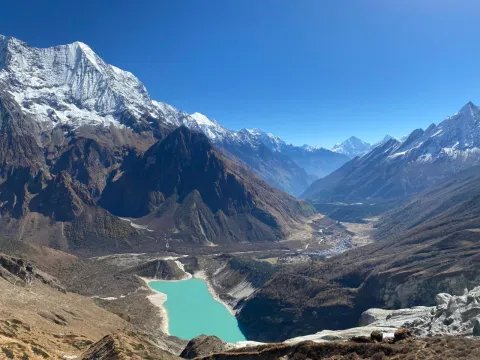
What do you know about traveling to the most remote areas of Nepal? It requires money and manpower both for a successful and safe journey. Therefore, today’s blog is about the Manaslu Circuit Trek Cost Guide. Get the latest information about various expenses that you must do while doing the famous 12 Days Manaslu Circuit Trek in Nepal.
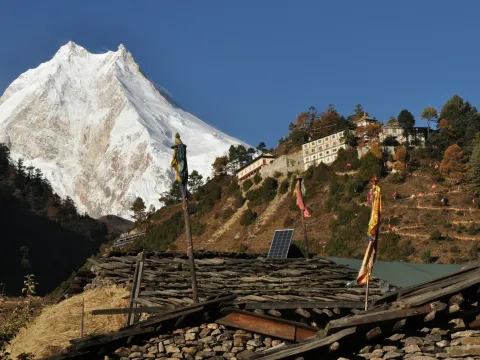
The Manaslu Circuit Trek is one of Nepal's most spectacular trekking experiences, offering remote mountain landscapes, authentic Himalayan villages, and the challenging crossing of Larkya La Pass at 5,106 meters. Proper preparation is crucial for a successful trek, and having the right packing list can make a significant difference in your comfort and safety.
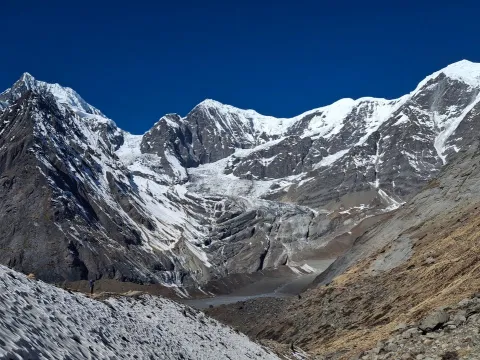
The Manaslu Circuit Trek is one of Nepal's most rewarding and less crowded trekking adventures, offering an authentic Himalayan experience away from the busy trails of the Everest and Annapurna regions. Encircling the world's eighth-highest mountain, Mount Manaslu (8,163m), this spectacular journey takes trekkers through remote mountain villages, dense forests, deep river gorges, Buddhist monasteries, and high alpine landscapes.
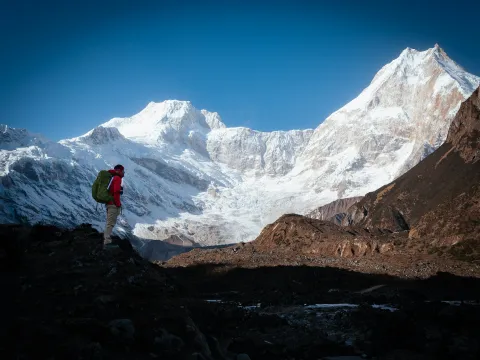
Let's find out about the Manaslu Circuit Trek Distance in today's blog. Lots of our clients are inquiring about this trek in these past two trekking seasons. People are shifting their attention to this amazing trekking trail inside the restricted areas of Nepal. Experience rawness, rural vibes, and Himalayan wilderness in the Manaslu Trek route that includes daring Larke La Pass crossing.
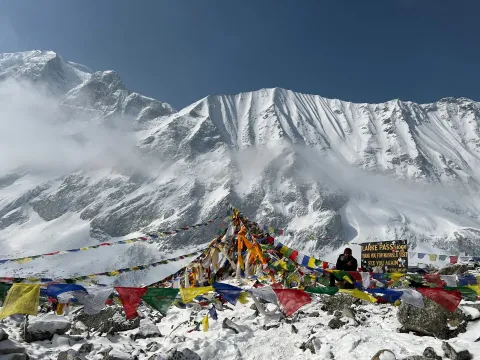
Planning a 12 Days Manaslu Circuit Trek and wondering how difficult it really is? How many hours will you walk each day? What altitude will you sleep at every night? And how much should you budget for food and drinks along the trail? This guide answers the practical questions that most trekking agencies overlook. We will talk about the Manaslu Circuit Trek Altitude Chart, Daily Walking hours & real food prices. Save time and money while knitting the best holiday activities in this amazing Himalayan nation.
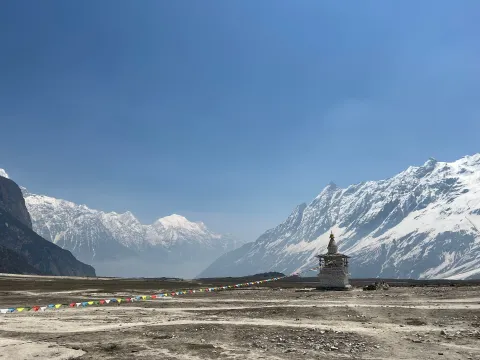
You have to make sure how you are trekking in the trail. Pre – booked package trek means your agency pays all your lodging, meals, and permits. Therefore, carry around NRs. 3500 to NRs. 4500 per day for personal expenses. Similarly, if you are paying for your food and lodging yourselves, then carry around 45 $ to 65 $ per day. This answers your question “how much cash to carry on the Manaslu Circuit Trek?” and helps you plan in an advance.
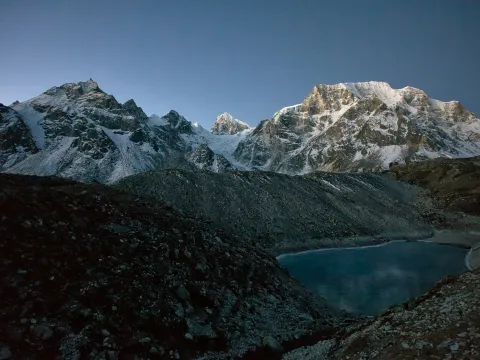
Samagaon Village (3530 m) is the most important milestone of the Manaslu Circuit Trek in Nepal. It is the place where your body adapts to the demands of higher elevation places. Trekkers must undergo Samagaon Acclimatizatin before pushing to Samdo and Dharmasala before crossing Larke La Pass. Today’s blog is about what to do in Samagaon Acclimatization Guide which is the ultimate Manaslu Rest Day Guide. Furthermore, we will also talk about proper acclimatization technique.
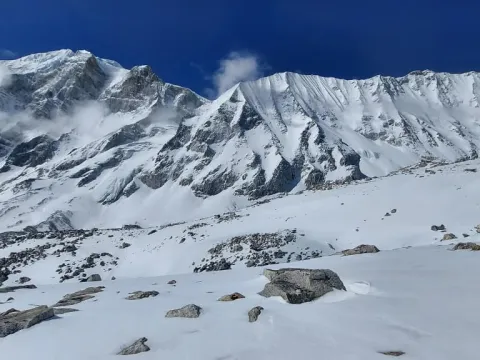
Are you looking at your Manaslu Circuit Trek itinerary and staring at that Day 2 line saying Drive from Kathmandu to Machha Khola (7 – 8 hours)? You are probably wondering what you have gotten yourself into. People say that the journey matters more than the destination. It’s true! Whoever wrote that has never spent 7 to 8 hours on a local bus bouncing along a Cliffside dirt track on the banks of glacial river. Let’s skip the glossy travel agent fluff: Yes, the local bus from Kathmandu to Machha Khola is incredibly uncomfortable.