Note down that there are zero functional ATMs between Machha Khola and Dharapani in the Manaslu Circuit Trek route. If you underestimate cash, then you may have to borrow from your trekking guide or from other group members. You have to make sure how you are trekking in the trail. Pre – booked package trek means your agency pays all your lodging, meals, and permits. Therefore, carry around NRs. 3500 to NRs. 4500 per day for personal expenses. Similarly, if you are paying for your food and lodging yourselves, then carry around 45 $ to 65 $ per day. This answers your question “how much cash to carry on the Manaslu Circuit Trek?” and helps you plan in an advance.
At first, you should know that the Manaslu Circuit Trek route is in the remote areas of Nepal. The trail traverses through villages and valleys completely away from the main city areas. Therefore, the internet and accessibility facilities are limited. Electricity may not work properly and they largely depend upon solar energy or local micro hydropower. If you find a POS or Card reading machine in local tea houses, that might not work due to poor connectivity. Even if you get a machine, average processing fee ranges around 3 % to 10 %.
Nowadays, lots of people are using mobile banking in Nepal. Various wallets like E-Sewa, Khalti, Moru, and Banking apps are in operations. Foreign banking application may not work in local tea houses. Therefore, you are advised not to rely on mobile banking. If you are a Nepalese citizen, then mobile banking is available in almost every eateries and tea houses of the trail. Small changes like personal shopping of bottled water, chocolates, etc. require cash. Therefore, we are writing “how much cash to carry on the Manaslu Circuit Trek?” blog for your information.
The last place you can withdraw money in the Manaslu Circuit Trek route is in Aarughat. The town is on the banks of Budi Gandaki River and it is about 30 kilometers before Machha Khola. If you haven’t withdrawn money in Kathmandu, then you can withdraw from Prabhu Bank Atm in Aarughat, Dhading. Another ATM is in the Gorkha side of Aarughat but you have to take a long route to get there. The best option is the Dhading side Aarughat ATM of Prabhu Bank.
| Expense Category | Estimated Cost (NPR) | Notes / Altitude Impact |
|---|---|---|
| Restricted Area Permit (RAP) | 13,000–22,000 | Fixed government fee depending on season and number of trekking days. Usually arranged through your trekking agency. |
| Manaslu Conservation Area Permit (MCAP) | 3,000 | Fixed permit. |
| Annapurna Conservation Area Permit (ACAP) | 3,000 | Required after crossing Larke Pass into the Annapurna region. |
| Guide Fee | 4,000–6,500/day | Mandatory for the Manaslu Circuit. Excludes tips. |
| Porter Fee (Optional) | 2,500–4,000/day | Shared between two trekkers to reduce cost. |
| Guide & Porter Tips | 8,000–20,000 | Budget depending on trek length and service quality. |
| Kathmandu → Machha Khola Transport | 2,000–4,500 | Local bus is cheaper; jeep is more comfortable but costs more. |
| Dharapani → Kathmandu Transport | 3,000–8,000 | Shared jeep plus bus, or direct jeep. |
| Teahouse Accommodation | 500–1,500/night | Rooms become more expensive and limited at higher villages during peak season. |
| Breakfast | 600–1,000/day | Prices steadily increase with altitude due to transportation costs. |
| Lunch | 700–1,200/day | Similar meals cost significantly more above Samagaun. |
| Dinner | 700–1,300/day | Dal Bhat offers unlimited refills at many teahouses and is good value. |
| Snacks & Chocolate | 300–1,000/day | Imported snacks can cost 2–4× more at higher elevations. |
| Drinking Water | 200–700/L | Prices rise sharply above Namrung and Samdo. Water purification tablets or a filter can save money. |
| Tea & Coffee | 200–600/cup | Hot drinks become increasingly expensive at higher altitude. |
| Charging Electronics | 200–800/device | Many villages charge per device or per hour, especially above 3,500 m. |
| Wi-Fi / Internet | 300–800/day | Available in some villages but becomes less reliable higher up. |
| Hot Shower | 300–800 | Less common and more expensive at higher elevations. |
| Battery Charging (Power Bank Alternative) | 300–800 | Useful if carrying cameras or multiple devices. |
| Emergency Buffer | 10,000–20,000 | Recommended for weather delays, extra accommodation, transport changes, or unforeseen expenses. |
Latest entry permit fee of Chumnubri Rural Municipality is NRs. 2000 to foreigners. SAARC nationals and Nepalese trekkers have to pay NRs. 200. The rule changed from NRs. 1000 to NRs. 2000 since February 2026.
· There are no reliable ATMs after leaving Kathmandu.
· Most teahouses and shops accept cash only.
· Food, drinks, charging, Wi-Fi, and hot showers become progressively more expensive as altitude increases because supplies are carried by mules, porters, or helicopters.
· Weather around Larke Pass (5,106 m) can delay your itinerary, so carrying an emergency cash buffer is highly recommended.
Well, tipping is not compulsory in Nepal but it is customarily mandatory. Trekking crew members expect tips at the end of the trip. Normally, you tip your staff members either in Bimthang Village or in Besisahar. It depends upon your travel itinerary. Allocate around 10 $ to 15 $ per day from the whole group to tip your trekking guide. Similarly, you can set aside 8 $ to 12 $ per day from the group to tip your porter. If possible, pay tips in Nepalese currency to local porters so they don’t have to pay exchange fee back in their village.
Carry around NRs. 15000 to NRs. 20000 separate from your daily allowance. The trail is unpredictable and jeep track may get blocked due to landslides. You may have to use extra jeep transfers. Furthermore, you may have to do minor medical purchases or extra rest days due to weather conditions. So, it is wise to put aside some cash as an emergency fund.
Make sure to prepare well in Kathmandu before embarking on the trek. As mentioned above, the last ATM is in Aarughat which may not function properly. Therefore, preparation in Kathmandu is vital. Overall, you may have to carry around NRs. 40000 to NRs. 60000. I hope that “how much cash to carry on the Manaslu Circuit Trek?” blog has helped you to plan the trek.
You can simply book a completely hassle free trek where permits, transport, standard meals, guide/porter salary, etc. are handled seamlessly. Check out our fully guided Manaslu Circuit Trek package to let our team manage the heavy logistics while you focus on the trail.
What do you know about traveling to the most remote areas of Nepal? It requires money and manpower both for a successful and safe journey. Therefore, today’s blog is about the Manaslu Circuit Trek Cost Guide. Get the latest information about various expenses that you must do while doing the famous 12 Days Manaslu Circuit Trek in Nepal.
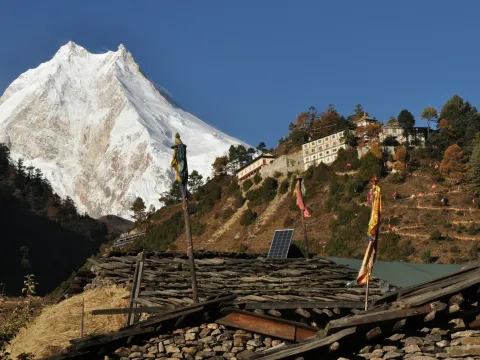
The Manaslu Circuit Trek is one of Nepal's most spectacular trekking experiences, offering remote mountain landscapes, authentic Himalayan villages, and the challenging crossing of Larkya La Pass at 5,106 meters. Proper preparation is crucial for a successful trek, and having the right packing list can make a significant difference in your comfort and safety.
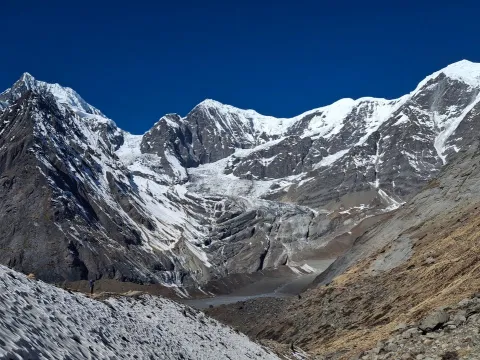
The Manaslu Circuit Trek is one of Nepal's most rewarding and less crowded trekking adventures, offering an authentic Himalayan experience away from the busy trails of the Everest and Annapurna regions. Encircling the world's eighth-highest mountain, Mount Manaslu (8,163m), this spectacular journey takes trekkers through remote mountain villages, dense forests, deep river gorges, Buddhist monasteries, and high alpine landscapes.
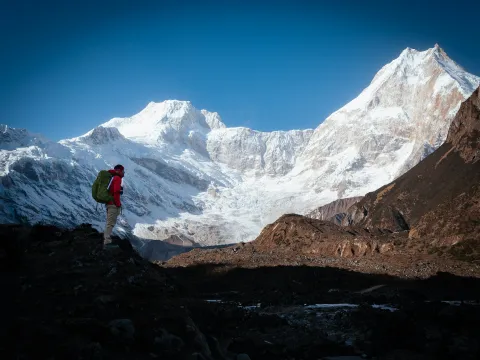
Let's find out about the Manaslu Circuit Trek Distance in today's blog. Lots of our clients are inquiring about this trek in these past two trekking seasons. People are shifting their attention to this amazing trekking trail inside the restricted areas of Nepal. Experience rawness, rural vibes, and Himalayan wilderness in the Manaslu Trek route that includes daring Larke La Pass crossing.
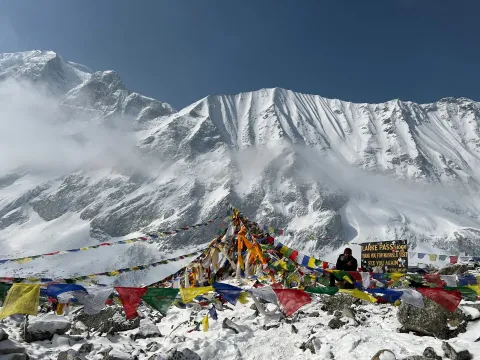
Planning a 12 Days Manaslu Circuit Trek and wondering how difficult it really is? How many hours will you walk each day? What altitude will you sleep at every night? And how much should you budget for food and drinks along the trail? This guide answers the practical questions that most trekking agencies overlook. We will talk about the Manaslu Circuit Trek Altitude Chart, Daily Walking hours & real food prices. Save time and money while knitting the best holiday activities in this amazing Himalayan nation.