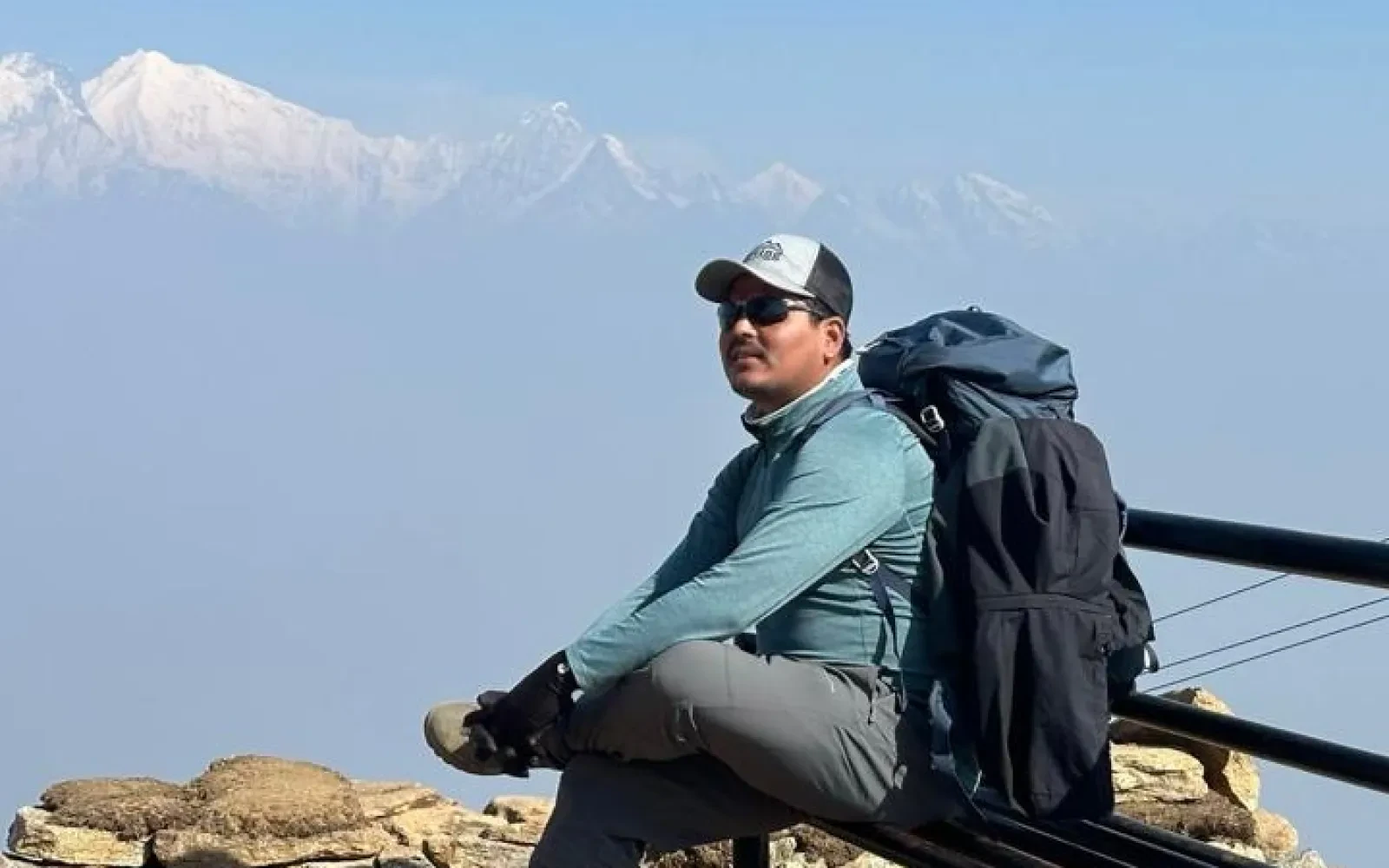
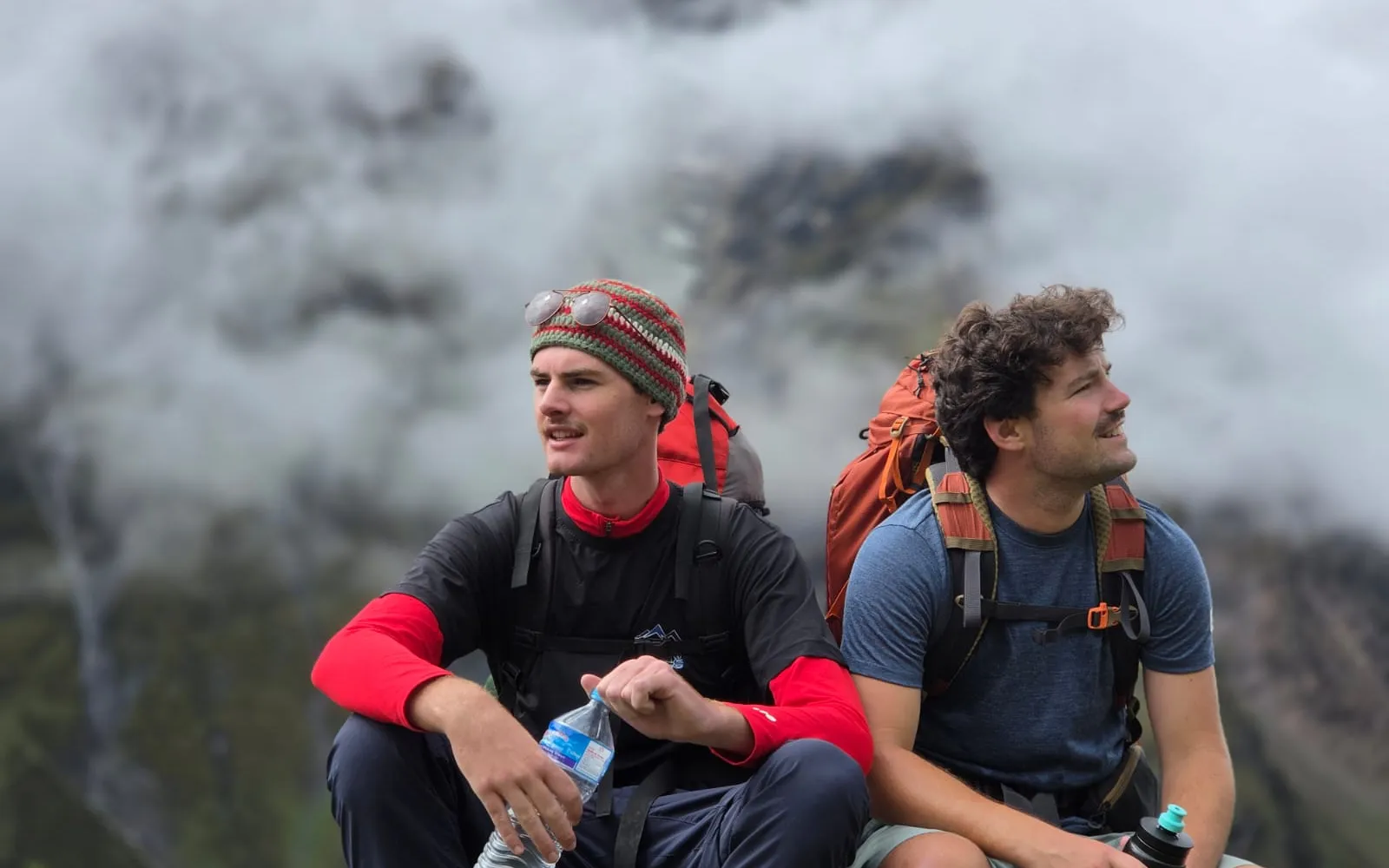
When we witness the heartbreaking footage of the recent Rasuwa flash floods, our immediate instinct is to ask how we can help the people of Nepal. We see the devastated river corridors, the displaced mountain communities, and the incredible resilience of a nation that has faced more than its fair share of natural disasters. Our hearts ache for the families who have lost everything to the sudden surge of water and debris. In the face of such a tragedy, it is completely natural to want to send aid, donate to relief funds, and offer our distant support. However, as the initial emergency response transitions into long-term recovery, we must recognize that the most powerful, sustainable, and direct way we can help Nepal right now is simply by packing our bags and booking a trek package.
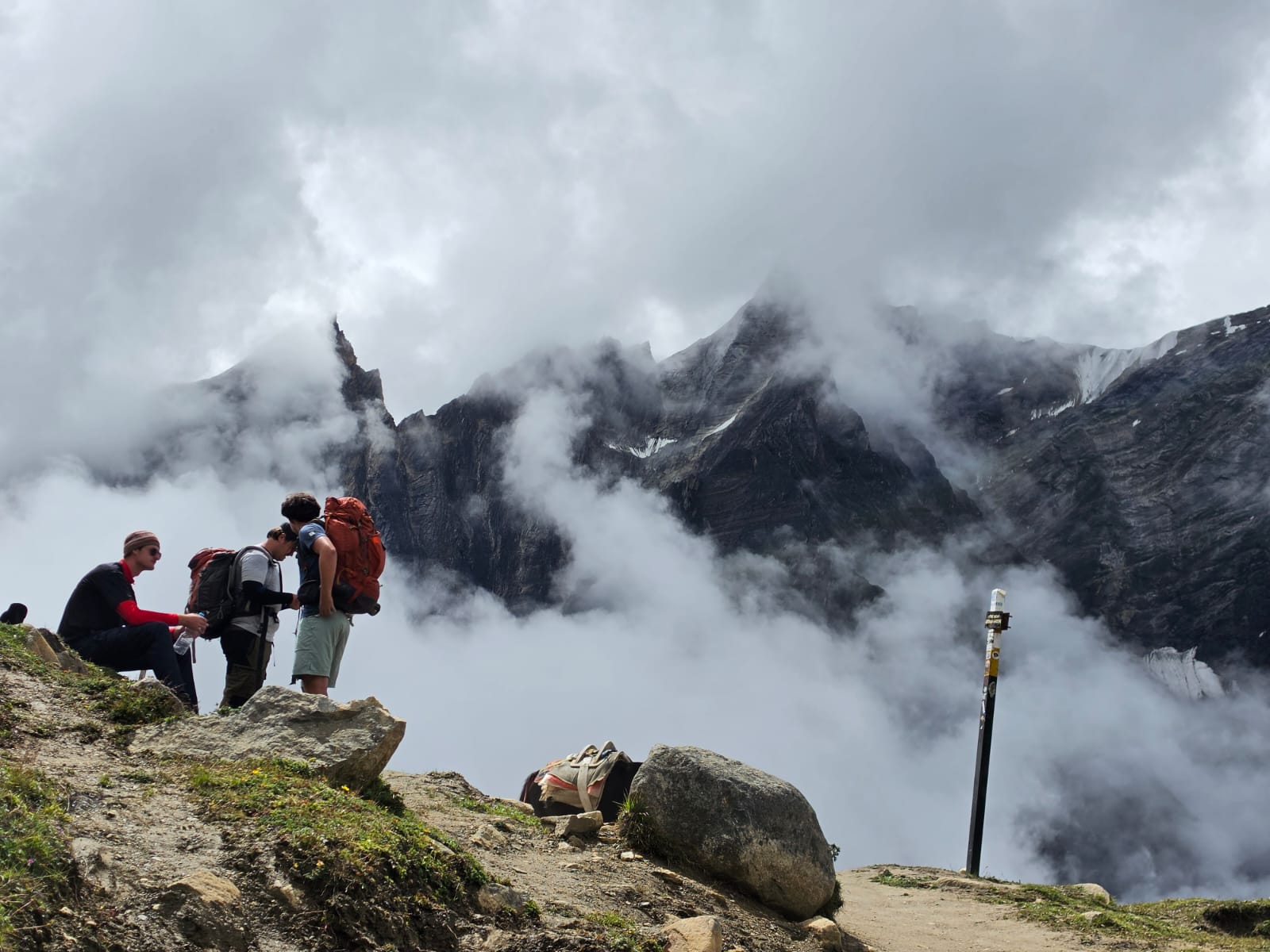
The recent flash floods in the Rasuwa district have left a profound scar on the region. The sudden and catastrophic surge of water severely damaged vital infrastructure, swept away homes, and disrupted the livelihoods of thousands of people who depend on the local ecosystem and cross-border trade. For the communities situated along the affected river valleys, the road to recovery will be incredibly long and arduous. Families have been displaced, and the local micro-economies that sustain these remote villages have been brought to a sudden halt. While humanitarian organizations and the government are working tirelessly to provide immediate relief, the broader economic shock threatens to plunge unaffected regions into a secondary crisis. This is exactly where our role as travelers becomes absolutely critical to the nation's survival.
There is a common misconception that when a disaster strikes a specific district in Nepal, the entire country is closed for business. We often mistakenly believe that by staying away, we are giving the country space to heal. In reality, staying away does the exact opposite. Tourism is the lifeblood of the Nepalese economy, particularly in the mountainous regions where alternative sources of income are practically nonexistent. When we cancel our trips or hesitate to book new ones out of misplaced caution, we inadvertently cut off a vital financial lifeline. By choosing to travel to Nepal right now, we inject immediate, desperately needed capital into the grassroots economy. Our presence funds the rebuilding efforts indirectly, as the tax revenues and local income generated by our treks help support national resilience. We are not just tourists; we become active partners in their recovery.
When we book a trek package, the money we spend creates a massive economic ripple effect that reaches far beyond the trails we walk. A porter guiding us through the safe and pristine trails of the Annapurna region might very well be sending the majority of their wages back to extended family members who are currently rebuilding their flood-damaged homes in Rasuwa or neighboring districts. The teahouses where we sleep, the local farmers who grow the vegetables for our dal bhat, and the transport operators who drive us to the trailheads all rely on our patronage. When we spend our funds on a trekking adventure, we ensure that wealth is distributed deep into rural areas, providing families with the financial independence they need to recover from the disaster with dignity, rather than relying solely on international aid.
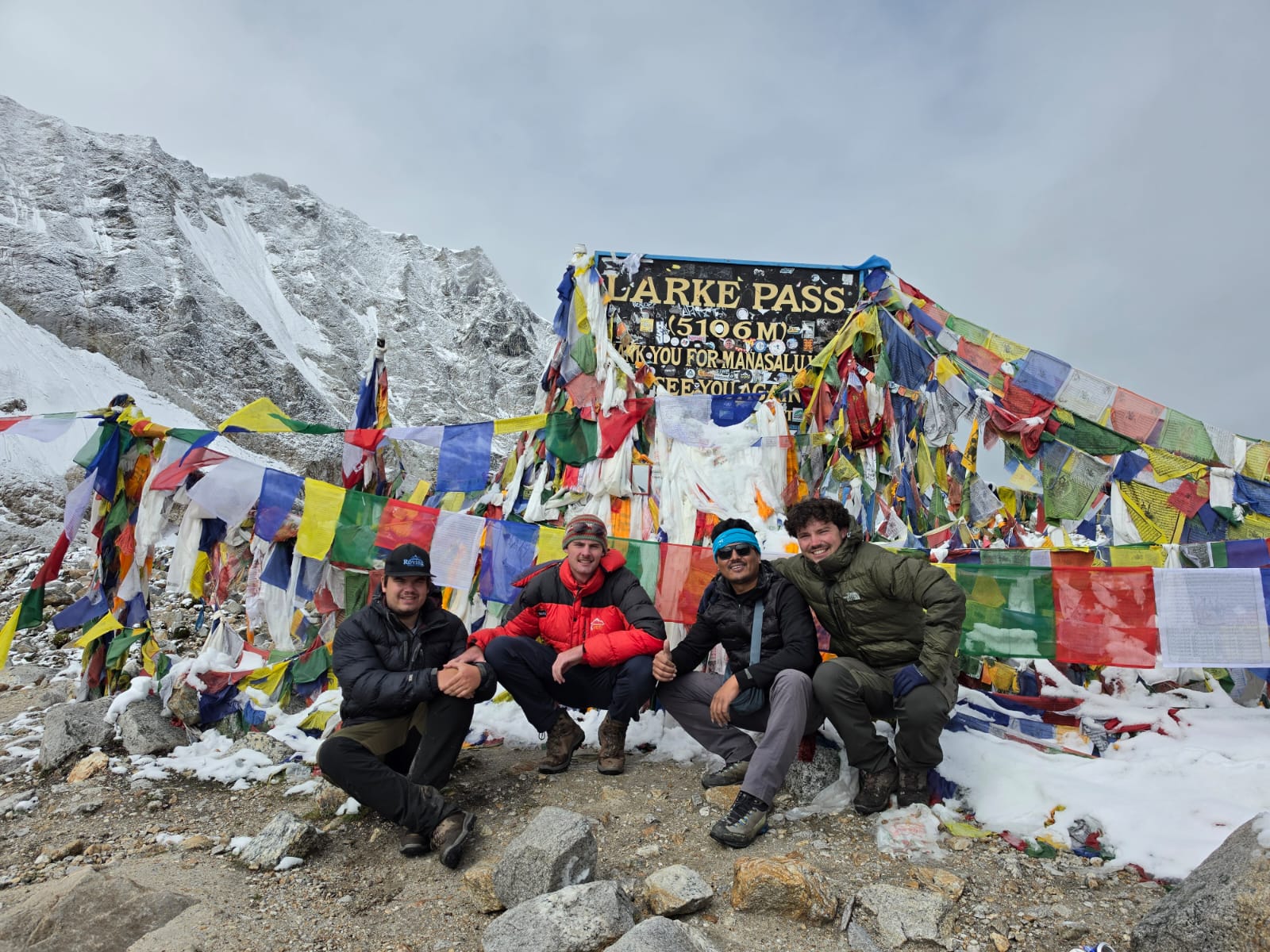
To maximize the impact of our visit, we must be incredibly intentional about where our money goes. It is absolutely essential that we bypass massive international booking platforms and overseas agencies that retain a large percentage of our payment as commission. Instead, we must book our trek packages directly with reputable, locally owned and operated Nepalese trekking companies. When we book through domestic operators, we guarantee that every single dollar stays within the country. We can easily browse their offerings by visiting their official platforms, such as the Roving Nepal Trek, to find itineraries that suit our exact needs. These local companies are far more invested in the fair treatment of their staff, ensuring that the guides and porters receive proper wages, reliable insurance, and the crucial financial support they need during these challenging times.
Our trekking experiences are profoundly shaped by the warmth, expertise, and incredible strength of the Nepalese guides and porters who accompany us. These individuals are the absolute backbone of the Himalayan tourism industry. When we hire them, we are providing a dignified and vital livelihood. Because of the recent floods, many tourism workers are facing unprecedented anxiety about the upcoming trekking seasons. By booking our packages now, we send a clear message of solidarity and provide them with the financial security they need to support their families. Spending weeks on the trail with our guides also fosters a beautiful cultural exchange. We learn about their deep spiritual connection to the mountains, their intimate knowledge of the terrain, and their incredible resilience, while they gain the stable income necessary to weather the current national hardships.
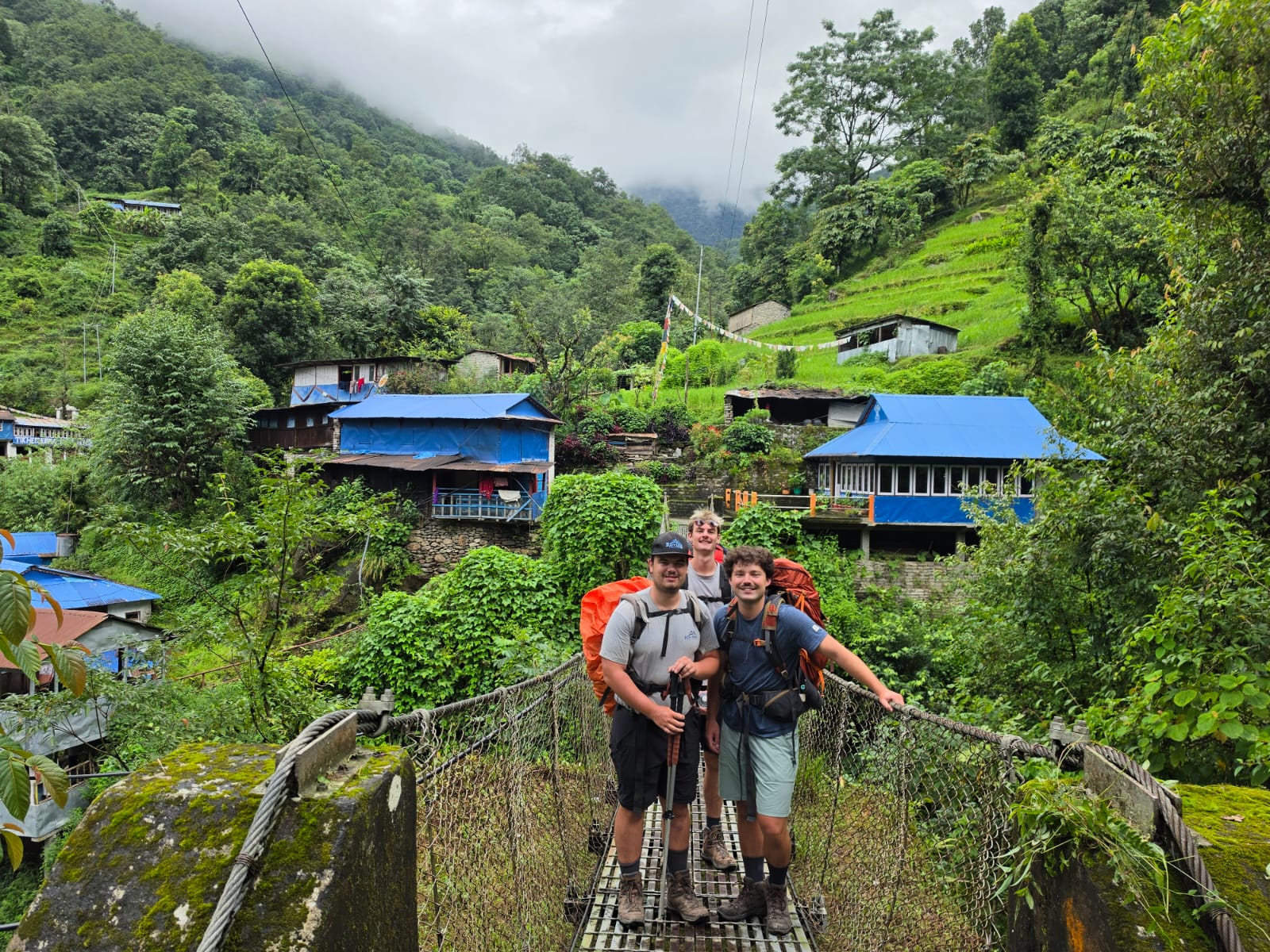
While the Rasuwa region rightfully focuses on emergency recovery, we must remember that Nepal is a vast and geographically diverse country. Some of the most spectacular trekking routes in the world remain completely unaffected by the recent floods, and they are fully open, safe, and eagerly waiting for our arrival. The iconic Everest Base Camp trek continues to offer unparalleled views of the world's highest peaks and a deep dive into Sherpa culture. The sweeping valleys of the Annapurna Circuit remain as breathtaking as ever. By spreading out across these open routes, we prevent overcrowding in specific areas while ensuring a steady flow of tourism revenue into the national economy. The communities along these safe trails have spent months preparing their teahouses for our arrival, and our visits ensure their hard work translates into sustainable livelihoods.
For those of us looking for an extraordinary, off-the-beaten-path adventure that avoids the busier classic routes, the Mardi Himal Trek is an absolute must-do. Nestled just east of the famous Annapurna Base Camp trail, this spectacular ridge trek offers some of the most dramatic, up-close views of Mount Machapuchare without the heavy foot traffic. It is good to know that this is a relatively short trek, usually taking us about five to seven days to complete, making it perfect for those with limited time. We will walk through enchanting, dense rhododendron forests before emerging above the tree line to witness sweeping, panoramic views of the Annapurna range. The teahouses along the Mardi Himal route are slightly more basic than those on the main Annapurna trails, offering us a highly authentic, intimate experience with the local host families. Choosing a route like this helps direct our financial support to developing trekking areas, spreading the economic benefits of tourism even further across the nation.
Taking the leap to book our trek is an incredibly exciting process that instantly connects us to the recovery of Nepal. We first need to assess our fitness levels and determine how much time we can spend in the country. Once we have a general idea of our capabilities, we can visit the websites of our chosen local agencies to explore their detailed itineraries. After selecting a package that captures our imagination, we simply reach out to the agency directly to discuss our preferred dates and ask any questions we might have about the route. We will then pay an initial deposit to secure our spot, which allows the local team to immediately begin handling the complex logistics of our journey. From booking our domestic flights to reserving our teahouse accommodations, the local experts take care of everything, allowing us to focus entirely on preparing ourselves for the adventure ahead.
Once we have committed to our journey, our local trekking agency will handle the acquisition of our necessary permits, but we still have an important role to play in the preparation phase. We must promptly provide our agency with clear copies of our passports, our international flight details, and several passport-sized photographs so they can secure our local to necessary permits and relevant national park entry permits. More importantly, we must take personal responsibility for securing comprehensive travel insurance. We need to meticulously review our policies to ensure they explicitly cover high-altitude trekking up to the maximum elevation of our specific route, as well as emergency helicopter evacuation. Having this robust insurance is non-negotiable; it guarantees our safety and ensures that our local guides are never burdened with the financial or logistical stress of managing an uninsured emergency on the mountain.
As we travel to Nepal to support its recovery, we must be absolutely vigilant in practicing responsible and sustainable tourism. We are guests in an incredibly fragile mountain ecosystem, and it is our collective duty to protect it. We must commit to leaving no trace, carrying all of our non-biodegradable waste back down the mountain with us. We should proactively refuse single-use plastics, opting instead to bring reusable bottles and water purification tablets. Beyond environmental stewardship, we must respect the local culture by dressing modestly, honoring the sanctity of religious sites, and always asking for permission before taking photographs of the people we meet. By treading lightly and respectfully, we ensure that our presence is a blessing rather than a burden to the communities we have come to support.
Deciding to book a trek package in Nepal right now is so much more than planning a vacation; it is a profound act of global citizenship. We venture into the Himalayas seeking personal challenges, spiritual clarity, and the unmatched beauty of the highest mountains on earth. In return, our presence provides a crucial economic foundation for a country striving to rebuild after the devastating Rasuwa floods. Every step we take along the trails, every meal we eat in a high-altitude teahouse, and every conversation we share with our local guides contributes to a massive, collective effort to restore hope and prosperity. There has never been a more meaningful time to lace up our boots and return to the mountains. By booking our trekking package today, we embark on a journey that will forever change our lives while actively helping to rebuild the heart of Nepal.
When natural disasters like the recent flash floods strike, it is completely normal for us to question our safety before traveling. However, we must remember that Nepal is geographically vast, and a localized disaster in one river corridor does not mean the entire country is unsafe. While regions directly affected by the floods, such as Rasuwa and the Langtang area, require time and space for rescue and rebuilding, major trekking routes like Everest, Annapurna, and Manaslu remain completely unaffected and open for business. By staying informed and communicating directly with our local trekking agencies, we can easily select routes that offer complete safety and peace of mind.
A common and compassionate concern we share is whether our presence will consume food, water, or transport desperately needed for relief efforts. Fortunately, the logistics of Himalayan trekking mean that safe, open regions operate entirely independently from disaster-struck zones. The teahouses along the unaffected routes have already stocked their supplies for the season and are eagerly waiting for our arrival. Instead of draining resources, our visits provide the vital income these communities rely on to sustain their own families and send financial support back to relatives in the recovering districts.
To guarantee that our travel budget supports the local economy, we must absolutely bypass international third-party booking sites and overseas agencies. We can ensure our money has a direct impact by booking exclusively with verified domestic operators like the Roving Nepal Trek, the Nepal High Trek, the Nepal Trekking Rangers, or the Hikers Himalaya. By booking locally, we make sure that our deposits go directly to Nepalese guides, porters, and lodge owners, helping to fund community resilience and rebuild the local economy from the ground up.
Since the Rasuwa area needs space to recover, we can turn our attention to the many spectacular trails that are fully operational. The classic paths to Everest Base Camp and the Annapurna Circuit are safe and ready to welcome us with their usual warmth and breathtaking views. If we are looking for a shorter, quieter alternative, the Mardi Himal Trek is an exceptional choice that offers dramatic scenery while distributing our tourism dollars to developing trekking areas. We can simply discuss our fitness levels and timeframes with our local agency to find the perfect, safe route for our journey.
Before we even pack our boots, we must take personal responsibility for securing comprehensive travel insurance. We need to meticulously read our policy documents to guarantee that we are covered for high-altitude trekking up to the specific maximum elevation of our chosen route. Furthermore, it is absolutely essential that our insurance explicitly includes emergency helicopter evacuation. Having this robust coverage protects us financially and ensures our local guides never have to shoulder the burden of coordinating uninsured emergency logistics on the mountain.
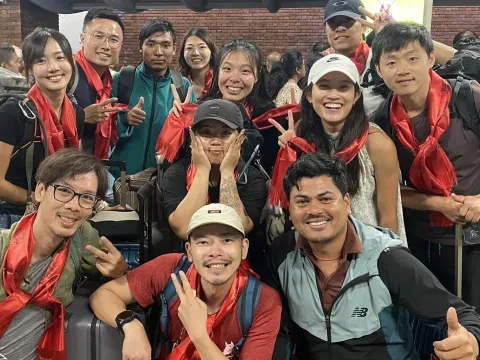
Book your 2026-2027 trekking packages with Roving Nepal Trek for the adventure of a lifetime!
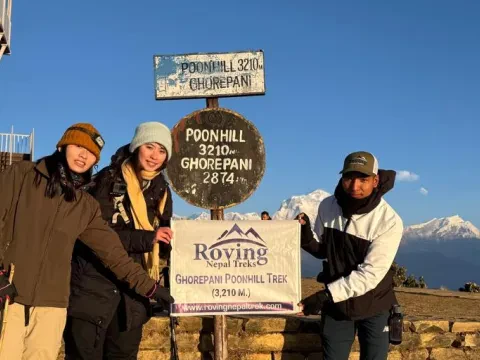
Winter season is off season for trekking in Nepal. However, there are many trekking routes where you can quench your thirst of walking in the trails of this tiny Himalayan nation. Today's blog is about finding out the best short winter treks in Nepal. Let's sit back and enjoy the magnificent list of the amazing trekking routes of Nepal okay to trek in winter season (December - February).
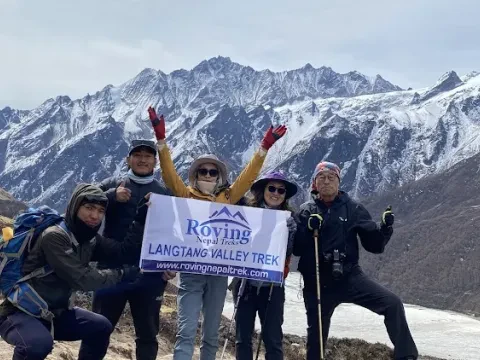
It is well known to all that Nepal is an ideal destination for trekking activities. The presence of mesmerizing Himalayas (over 1900 snow – capped mountains), diverse landscapes, diverse vegetation, and multi – ethnic communities (over 125 ethnic castes) makes it the best travel destination. Besides cultural tours, pilgrimage tours, and adventure mountain climbing activities, trekking is the most popular holiday choice. Therefore, lots of people visit Nepal for trekking to various destinations. Today’s blog is about the best beginner trek in Nepal. Walking in some of the trails in Nepal requires lots of physical fitness level and logistics management.
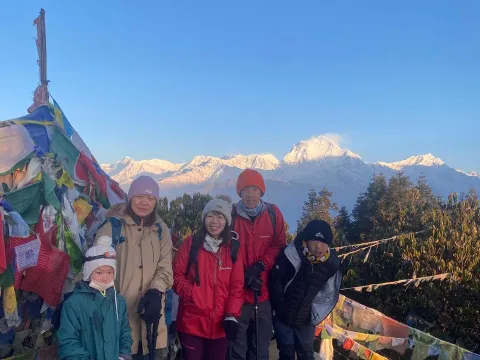
Trekking in Nepal with your kids is far more than just a vacation—it instills confidence, resilience, and a lifelong appreciation for nature and world cultures. By choosing the right trail for your family's experience level, staying flexible with your schedule, and savoring the journey step-by-step, you will create family memories that last a lifetime.
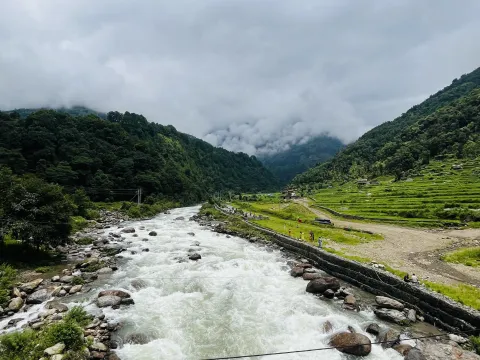
Trekking in Nepal is more than just a mountain vacation—it is a life-changing journey through ancient trade routes, sacred glacial valleys, and the highest mountain peaks on Earth. Whether you are stepping onto Himalayan trails for the first time or looking for your next high-pass challenge, choosing the right trek is the crucial first step.
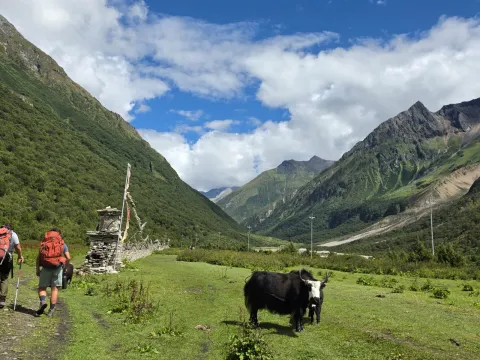
Help Nepal by booking these treks or any treks from Annapurna, Manaslu, and Everest region of Nepal. Today’s blog is about 5 Safe Treks in Nepal 2027 and Autumn Season 2026. In the middle of chaotic and traumatic time of Rasuwa Floods, these are the 5 safe yet promising treks to do in Nepal. Explore main 5 treks you can do in Nepal between Autumn 2026 and 2027.