We remember stumbling into Dingboche with heavy boots and burning lungs, completely ready for a hot cup of lemon ginger tea. Wind whipped across the stone-walled fields, making every breath feel sharp and precious. You arrive here when your legs are already tired from the climb out of Namche Bazaar. It is a stunning settlement tucked away in the Imja Khola valley. Stone fences line the barley fields, built painstakingly by locals to protect crops from biting winds and wandering yaks. We found ourselves instantly charmed by its raw, rustic beauty. You realize quickly that this isn't just a stopping point. It is a living, breathing high-altitude community.
Look for a wide, windswept valley beneath towering Himalayan walls. That is where you will find this remarkable place. We always tell trekkers it sits in the Solukhumbu district of northeastern Nepal, cradled inside the Khumbu region. It branches off from the main Everest Base Camp trail near Pangboche, heading east toward Island Peak. You are deep inside Sagarmatha National Park now. Rivers roar through deep gorges below, while giant peaks loom above like ancient guardians. We love staring at the map here because you can physically see how far you have climbed away from the lush forests of the lower valleys.
Numbers matter up here. Dingboche sits at roughly 4,410 meters or 14,468 feet above sea level. We felt that elevation the moment we climbed the final ridge into the village. Air gets thin. Simple tasks like tying your boots suddenly demand conscious effort and a pause for breath. You cannot rush things at this height. Your body has to work twice as hard to pump oxygen through your veins. We always remind our groups to respect the mountain's math. Ignoring the altitude here usually invites severe headaches and ruined trekking plans.
Getting here takes sweat, grit, and several days of steady walking. Most folks fly from Kathmandu to Lukla, then trek through Phakding, Namche, and Tengboche before reaching this valley. We usually take the trail splitting off from Pheriche or Pangboche. You cross a suspension bridge draped in colorful prayer flags, then grind your way up a dusty, gradual slope. It isn't a technical climb, but it tests your endurance. Every step upward feels heavier than the last. We love the final stretch when the stone houses of the village finally poke over the horizon, signaling that rest is near.
Timing can make or break your Himalayan adventure. We always recommend planning your trip during the pre-monsoon spring months of March to May or the post-monsoon autumn window from September to November. Skies stay clear. Rhododendrons bloom down below in spring, while crisp autumn air offers crystal-clear mountain panoramas. Winter brings freezing temperatures and heavy snow that can block trails entirely. Monsoon season brings heavy rain and hidden mountain peaks wrapped in thick fog. We experienced an unexpected snowfall in October once, and while it was breathtaking, it definitely slowed down our pace.
Weather up here has a mind of its own. Mornings usually greet you with brilliant, piercing blue skies and dazzling sunshine. By afternoon, clouds roll up the valley, bringing biting winds and a dramatic drop in temperatures. We learned to pack our down jackets right at the top of our daypacks. Nighttime temperatures routinely plunge well below freezing, especially outside the peak months. You will see frost coating your lodge window by dawn. Wind is the real constant companion here, whistling through the stone walls and reminding everyone just how high up in the atmosphere we really are.
This place serves as a crucial milestone on the classic route to the foot of Everest. Most itineraries schedule a vital multi-night stop here. We spent two nights walking the same paths to help our red blood cells multiply. You pass right through the heart of the village whether you are heading toward Lobuche or detouring toward Chhukhung. Trekkers buzz with excitement and nervous anticipation here. Everyone shares stories in the dining halls about upcoming high passes and glacier crossings. We always feel a strong sense of camaraderie sitting by the stove, knowing everyone faces the same thin-air challenges ahead.
Do not skip this step. Acclimatization is the absolute secret to making it safely to base camp. We use our time here to follow the golden rule: climb high, sleep low. Instead of lying in bed all day, we lace up our boots and head up the nearby ridges. Your body adapts much better when you stress it slightly during the day and return to the lower village elevation to sleep. We watched several trekkers try to skip this acclimatization window, and almost all of them suffered from altitude sickness later. Take it slow. Drink liters of water. Let your lungs adjust.
Boredom is rarely an issue if you keep moving safely. We love spending our free afternoons exploring the sprawling stone-walled fields or chatting with local lodge owners. You can visit the local bakery to treat yourself to a surprisingly fresh cinnamon roll at high altitude. Photography enthusiasts find endless inspiration in the changing light hitting the mountain faces. We also spent hours watching yaks graze on the sparse vegetation, listening to the melodic clanging of their brass bells echoing across the quiet valley floor. Every corner offers a new perspective on Himalayan life.
This hike is our ultimate favorite acclimatization weapon. The trail rises steeply right behind the village, testing your lungs from the very first minute. We huffed and puffed our way up the switchbacks, stopping every few minutes to catch our breath. Reaching the summit ridge at roughly 5,083 meters feels like conquering the world. Prayer flags snap wildly in the ferocious wind. We stood there stunned by the panoramic sweep of Makalu, Lhotse, and Ama Dablam spread out below us. It is tough work, but the reward pays off a hundred times over.
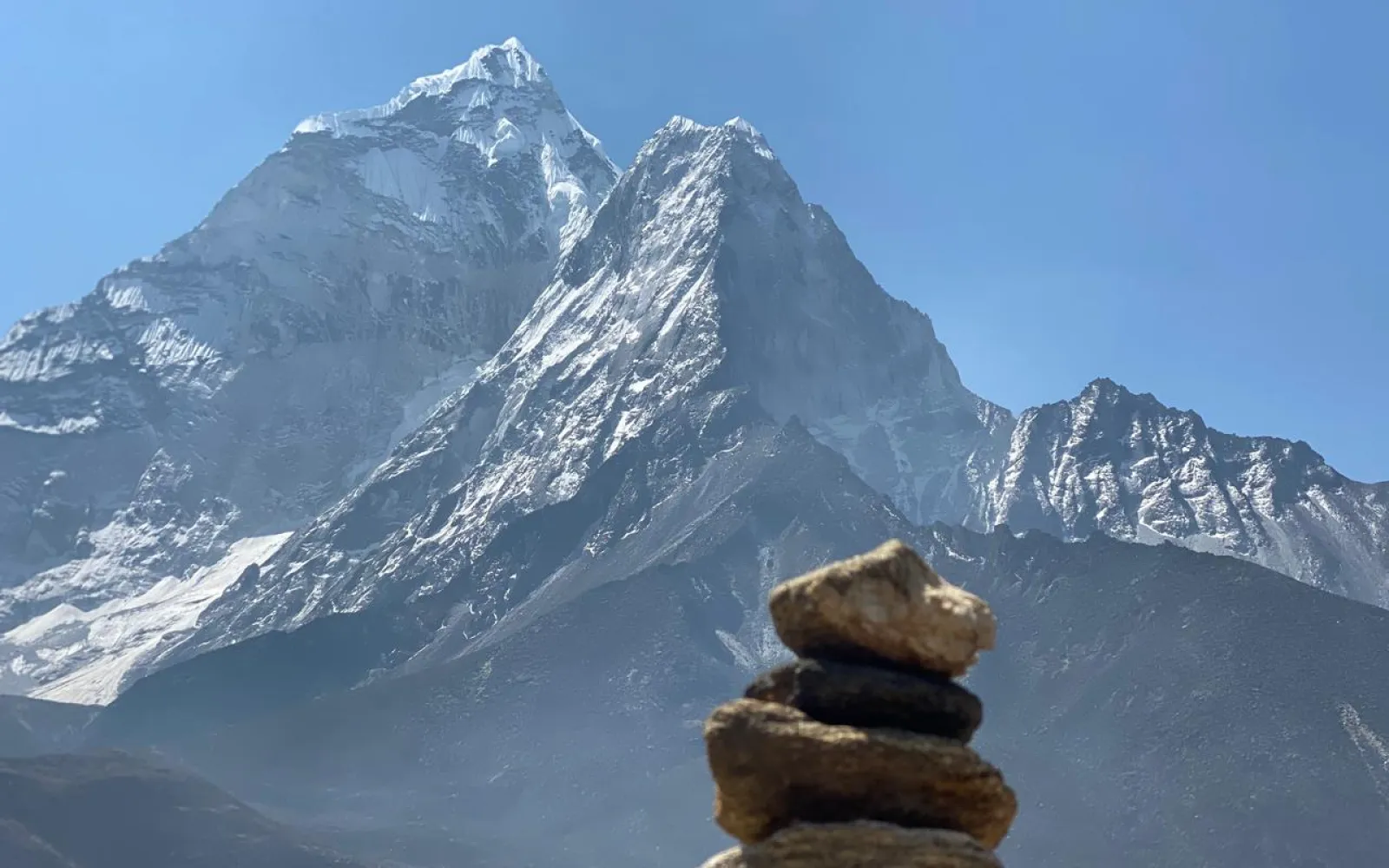
The scenery here leaves you completely speechless. You wake up surrounded by literal giants. Ama Dablam dominates the skyline with its razor-sharp, fluted ice ridges catching the morning sun. We spent hours sipping hot coffee on a wooden bench just staring at Island Peak and Lhotse standing tall at the head of the valley. Alpenglow turns the snowy peaks into glowing orange beacons every single evening. You do not need to climb a massive peak to enjoy world-class mountain views. Just step outside your teahouse door and look up.
Life up here revolves around resilience, community, and deep-rooted Buddhist traditions. We noticed mani walls, chortens, and colorful prayer flags scattered everywhere, protecting travelers from unseen spirits. Locals manage a tough mountain existence by herding yaks, farming hardy crops like potatoes and barley, and running welcoming teahouses. We sat down with an elderly lodge owner who shared stories of old trading routes over cups of butter tea. Their warm hospitality and genuine smiles always humble us, proving that human warmth thrives even in the harshest environments on earth.
Lodges here are cozy, rustic havens built of stone and timber. Do not expect luxury, but expect a warm hearth and a welcoming bed. We always appreciated the central dining hall heated by a yak-dung-burning stove in the middle of the room. Bedrooms are basic, featuring twin wooden beds, foam mattresses, and walls thin enough to hear your neighbor snoring. We zipped up our sleeping bags tightly inside our rooms as night temperatures plummeted. Staying in these family-run teahouses directly supports the local economy, which we believe is the best way to travel sustainably.
Carbs are your best friend at this altitude. We fueled our long hiking days with massive plates of garlic soup, Tibetan bread, and steaming portions of dal bhat. Dal bhat powers Nepal, and it will certainly power you up the trail. Endless refills of lentil soup and rice keep your energy levels steady. We even found apple pie and chocolate cake baked fresh in local kitchens. Drinking plenty of safe water and hot ginger-lemon-honey tea kept our throats happy against the dry, dusty air. Never turn down a hot meal when you are trekking this high.
Staying connected is possible, though don't expect blazing fast speeds. We bought local SIM cards in Kathmandu, but cellular data can be spotty or non-existent past Namche. Most teahouses sell Wi-Fi cards for a flat fee, which let you send a quick message home. Charging your phone or camera batteries requires paying a small hourly fee since electricity relies on solar panels and small generators. We always carry power banks and extra camera batteries wrapped in warm clothing to preserve their charge against the freezing mountain cold.
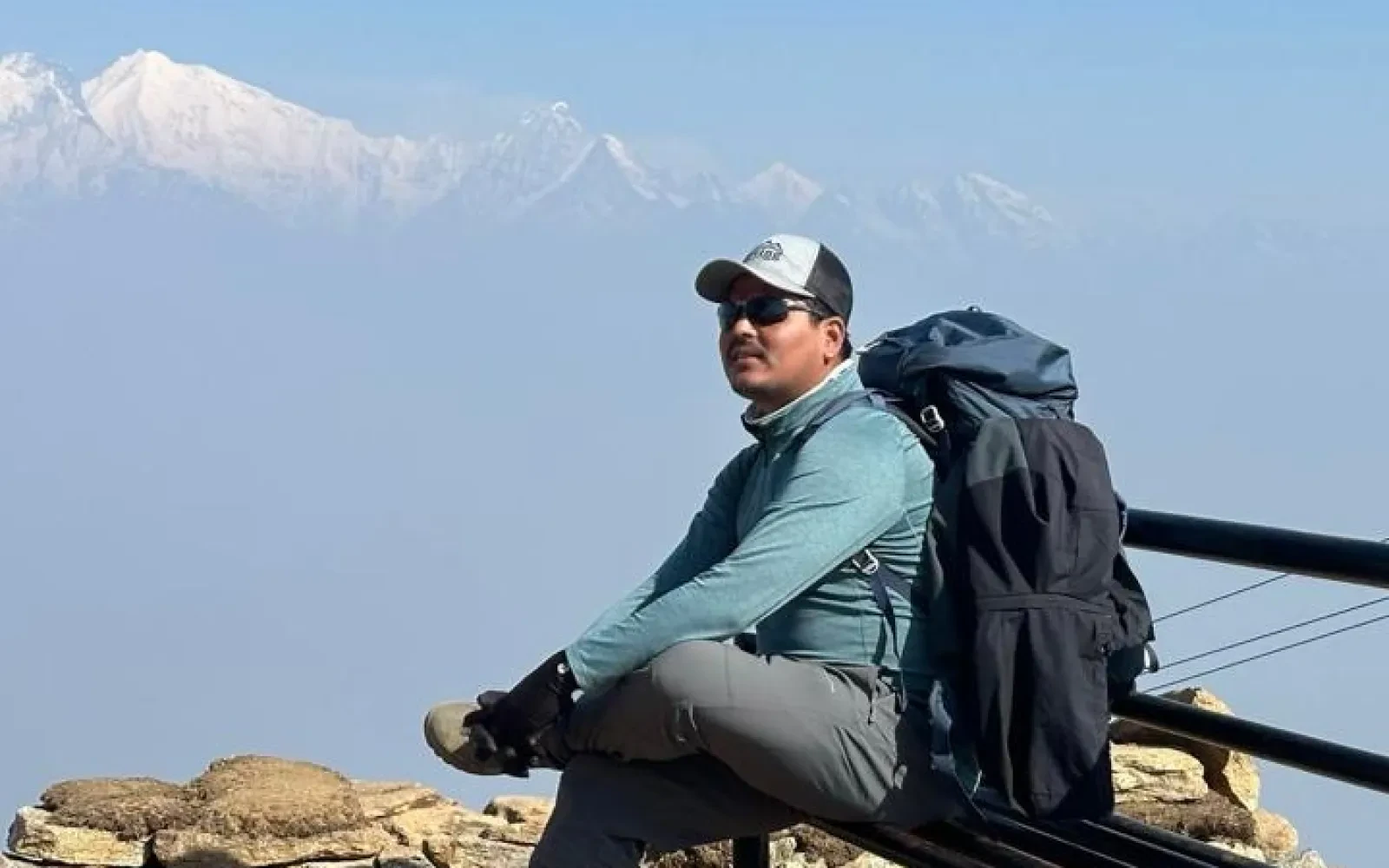
Packing light while staying warm is a delicate balancing act. We live by the layer system. Thermal base layers, fleece mid-layers, and a heavy-duty down jacket are absolute non-negotiables. Sturdy, broken-in trekking boots saved our ankles on the rocky trails. We never leave our lodges without woolen beanies, UV-blocking sunglasses, and high-SPF sunscreen because mountain sun is deceptively brutal. Pack blister care items, wet wipes, and water purification tablets right in your top pocket. Trust us, carrying a lighter backpack makes those steep climbs up to Dingboche feel a whole lot easier.
Altitude sickness does not care how fit you look in the gym. We always watch out for headaches, nausea, dizziness, and unusual fatigue. Descending immediately is the only true cure if symptoms worsen into HAPE or HACE. We drank at least four liters of water daily and avoided alcohol completely while staying at altitude. Carrying a pulse oximeter gave us peace of mind every morning to check our oxygen saturation levels. Listen closely to your body, communicate openly with your trekking partners, and never hesitate to turn back if the mountain demands it.
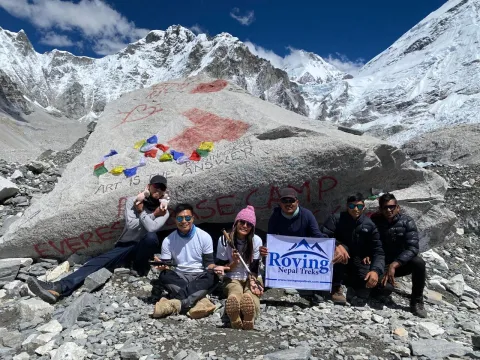
From the rugged beauty of the Khumbu Glacier to the sense of accomplishment that comes with reaching Base Camp, every step between Gorakshep and Everest Base Camp contributes to an experience that remains unforgettable long after the trek ends. For many travelers, it becomes a lifelong memory and the highlight of their journey through Nepal.
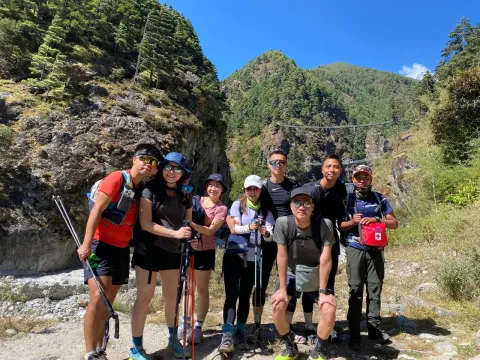
Get the latest and complete Everest Base Camp Trek Guide in today’s blog. The Everest Base Camp Trek is one of the world's most iconic trekking adventures, taking you into the heart of Nepal's Khumbu region and to the foot of the highest mountain on Earth, Mount Everest (8,848.86 m). With experienced local guides, careful planning, and the right preparation, your dream of reaching Everest Base Camp can become a safe and unforgettable adventure.
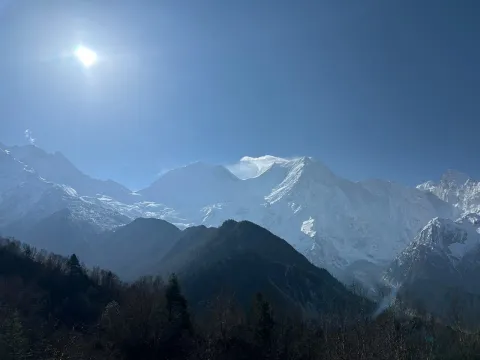
I am sharing my Manaslu Circuit Trek Diary in today's blog post. Last year on October 2025, I went to the Manaslu Circuit Trek journey for the first time with my friends. It was so eventful. The journey changed my perspective of mountains and rural Nepal. Now, I can say clearly why the trail is getting lots of attention and popularity from people across the globe. Natural beauty and cultural heritages including raw thrills of the trail can make your walking vacation worth every penny spent for this.