Planning to trek in Nepal in October 2026? October is one of the most popular months for trekking in Nepal, thanks to generally clearer skies after the monsoon, comfortable daytime conditions, and excellent mountain visibility.
From the legendary Everest Base Camp Trek to the spectacular Annapurna Circuit, remote Manaslu Circuit, peaceful Langtang Valley, and culturally fascinating Upper Mustang, October offers a wide range of trekking experiences.
If you are planning your Nepal adventure for October 2026, this guide covers everything you need to know, including weather, the best treks, trekking conditions, permits, estimated costs, crowds, packing recommendations, and practical tips.
Yes. October falls within Nepal's main autumn trekking season.
The Nepal Tourism Board identifies September to November as one of the best periods for trekking, while October and November generally offer some of the clearest post-monsoon mountain views. Nepal Tourism Board+1
The monsoon normally begins to retreat before October, reducing rainfall across many trekking areas. As a result, trekkers can often enjoy:
However, October is also a busy trekking month. Popular trails can become crowded, particularly around Everest Base Camp and major Annapurna routes.
Weather varies considerably according to altitude and region.
Nepal's mountainous areas remain considerably cooler than the lower valleys, and temperatures decrease as elevation increases. The Nepal Tourism Board notes that average temperatures can drop by around 6°C for every 1,000 meters of elevation gained. Nepal Tourism Board
At lower elevations, October can feel pleasantly warm during the day. At higher elevations, mornings and nights can be cold, and temperatures may fall below freezing.
A typical October trekking day may include:
Weather in the Himalayas can change quickly, so trekkers should always be prepared for colder conditions than expected.
There are several reasons October remains a favorite month for Himalayan trekking.
1. Better Mountain Visibility
After the monsoon, the atmosphere is often clearer, creating excellent opportunities to see Himalayan peaks.
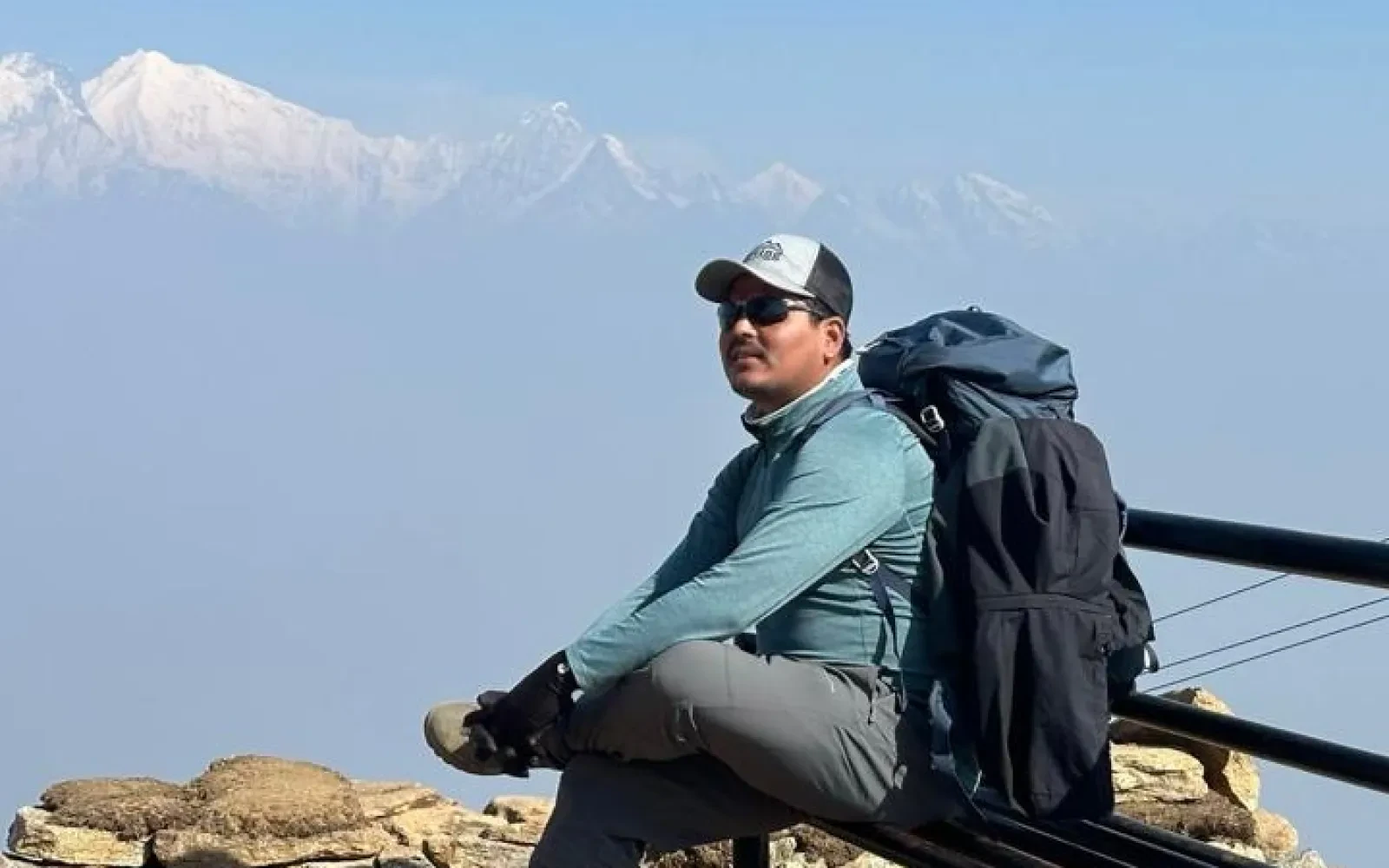
Depending on your route, you may see mountains including Everest, Lhotse, Ama Dablam, Manaslu, Annapurna, Dhaulagiri, Machhapuchhre, and numerous surrounding peaks.
2. Comfortable Trekking Conditions
At moderate elevations, October usually provides comfortable walking conditions compared with the colder winter months.
3. Excellent Photography
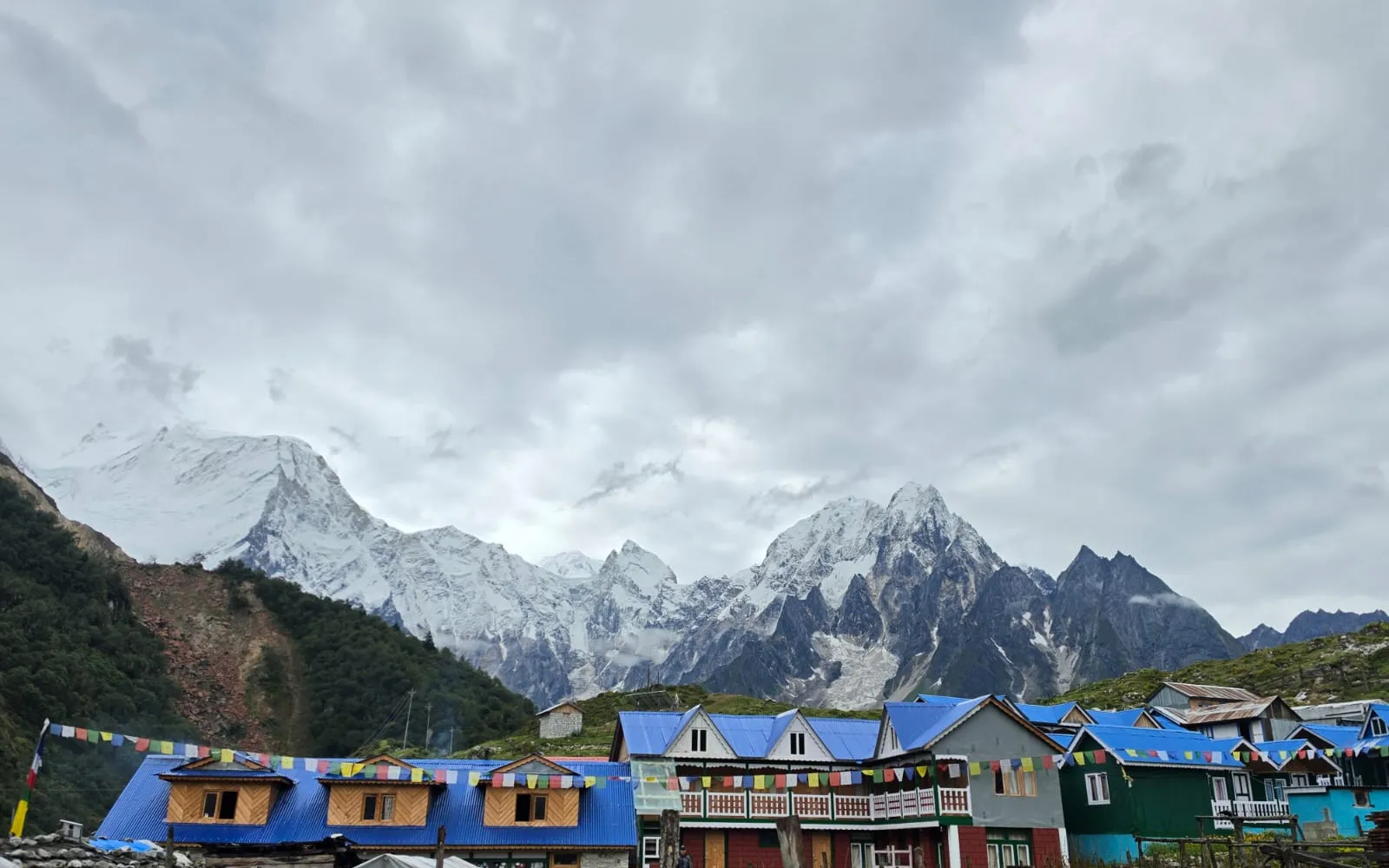
Clearer skies, dramatic mountain landscapes, traditional villages, prayer flags, monasteries, forests, and sunrise views make October particularly attractive for photographers.
4. Active Trekking Season
October is a busy period in the Himalayas. Teahouses, guides, porters, transportation services, and trekking agencies are generally operating at full capacity.
5. Many Trekking Choices
October is suitable for a wide variety of trekking experiences, from short Himalayan hikes to demanding high-altitude adventures.
There is no single trek that is right for every traveler. Your ideal route depends on your available time, fitness, altitude experience, interests, and desired level of adventure.
Here are some of the major trekking options to consider for October 2026.
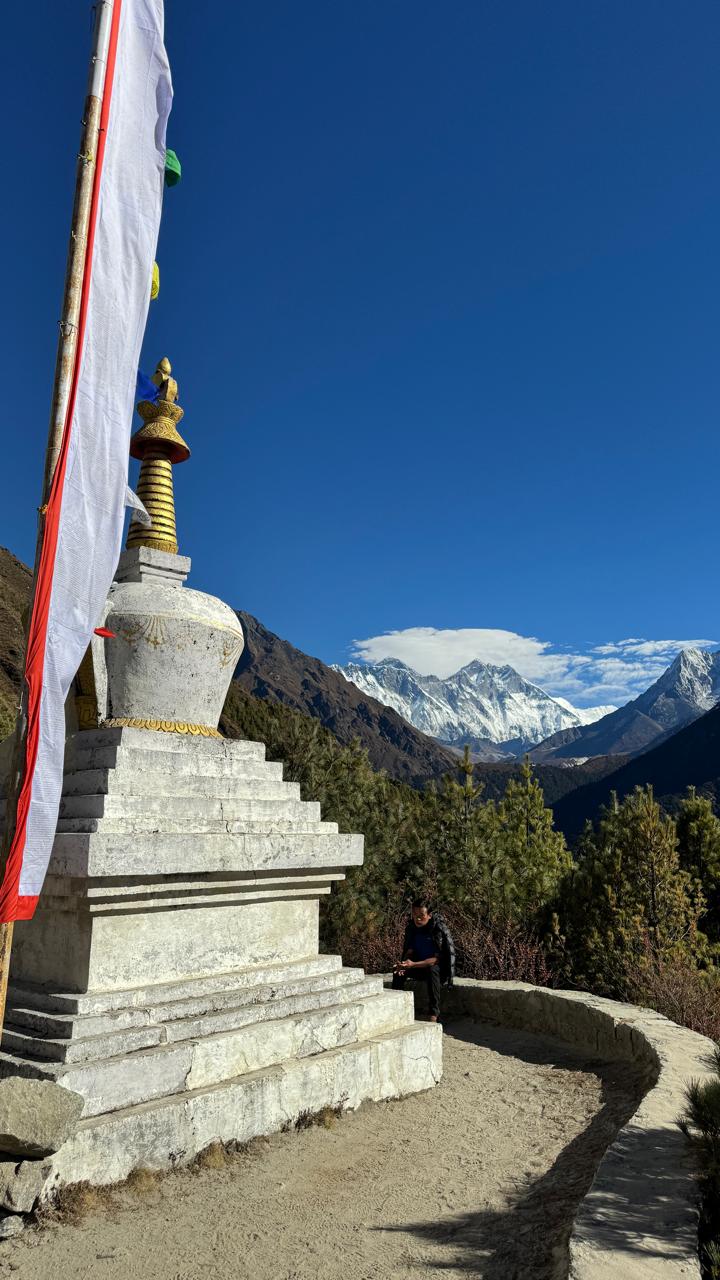
The Everest Base Camp Trek is one of Nepal's most famous Himalayan adventures.
The route takes trekkers through the Khumbu region, including Sherpa villages, monasteries, suspension bridges, forests, and high mountain landscapes before reaching Everest Base Camp.
October is an important trekking month in the Everest region. The Nepal Tourism Board lists October-November among the best seasons for Sagarmatha National Park. Nepal Tourism Board
Highlights include:
Best for: First-time high-altitude trekkers, mountain enthusiasts, and travelers who want to experience the Everest region.
Roving Nepal Trek offers several Everest itineraries, including standard Everest Base Camp, shorter versions, Gokyo combinations, Three Passes, and helicopter-return options.
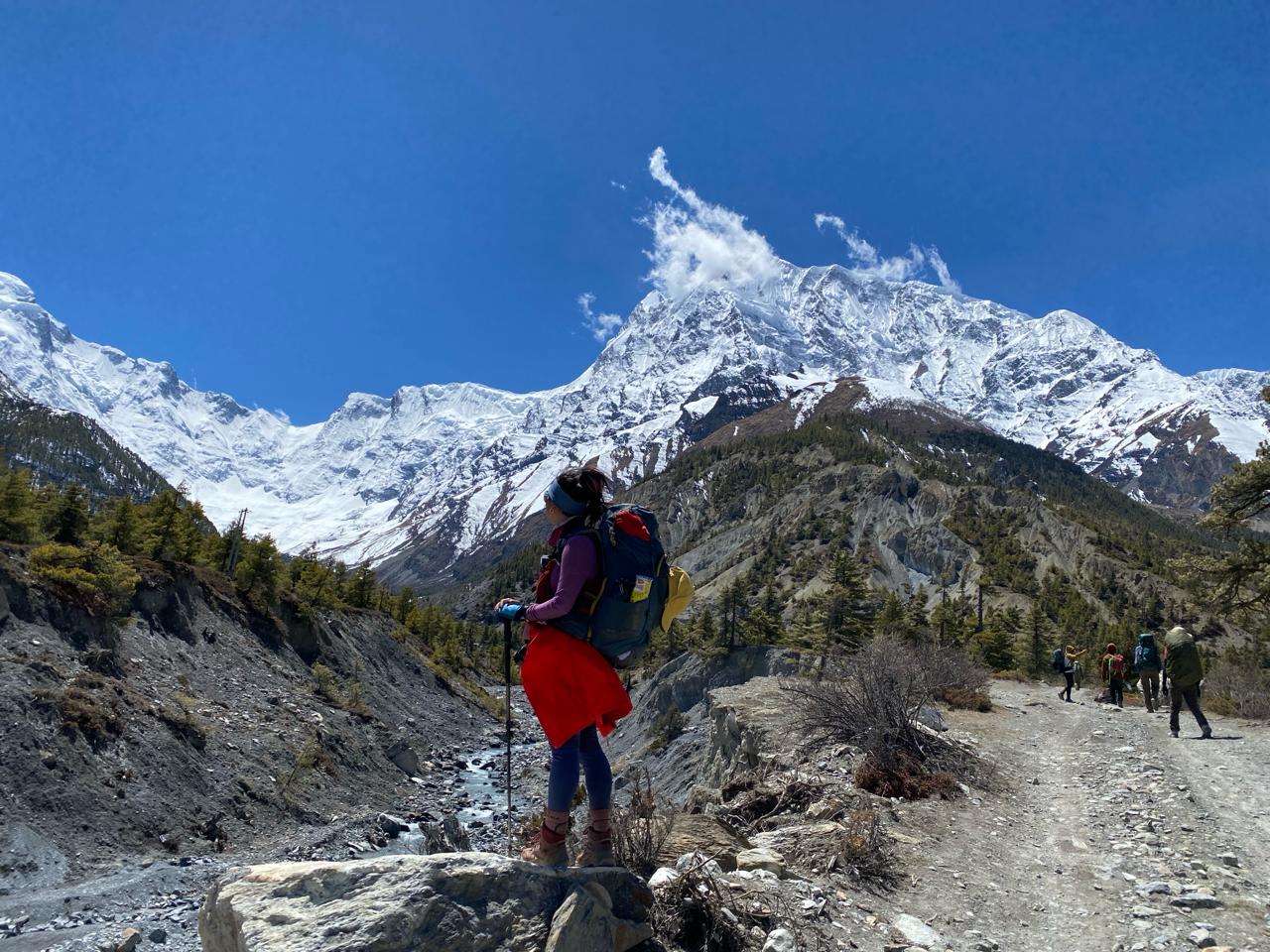
The Annapurna Circuit Trek is one of Nepal's classic long-distance Himalayan treks.
The route crosses diverse landscapes, from lower mountain villages and forests to the high-altitude environment around Manang and Thorong La.
The highest point of the classic circuit is Thorong La at approximately 5,416 meters. NTB Trade
October offers good conditions for exploring the Annapurna region, although weather at high altitude can still change rapidly.
Highlights include:
Best for: Trekkers who want changing landscapes, cultural experiences, and a longer Himalayan journey.
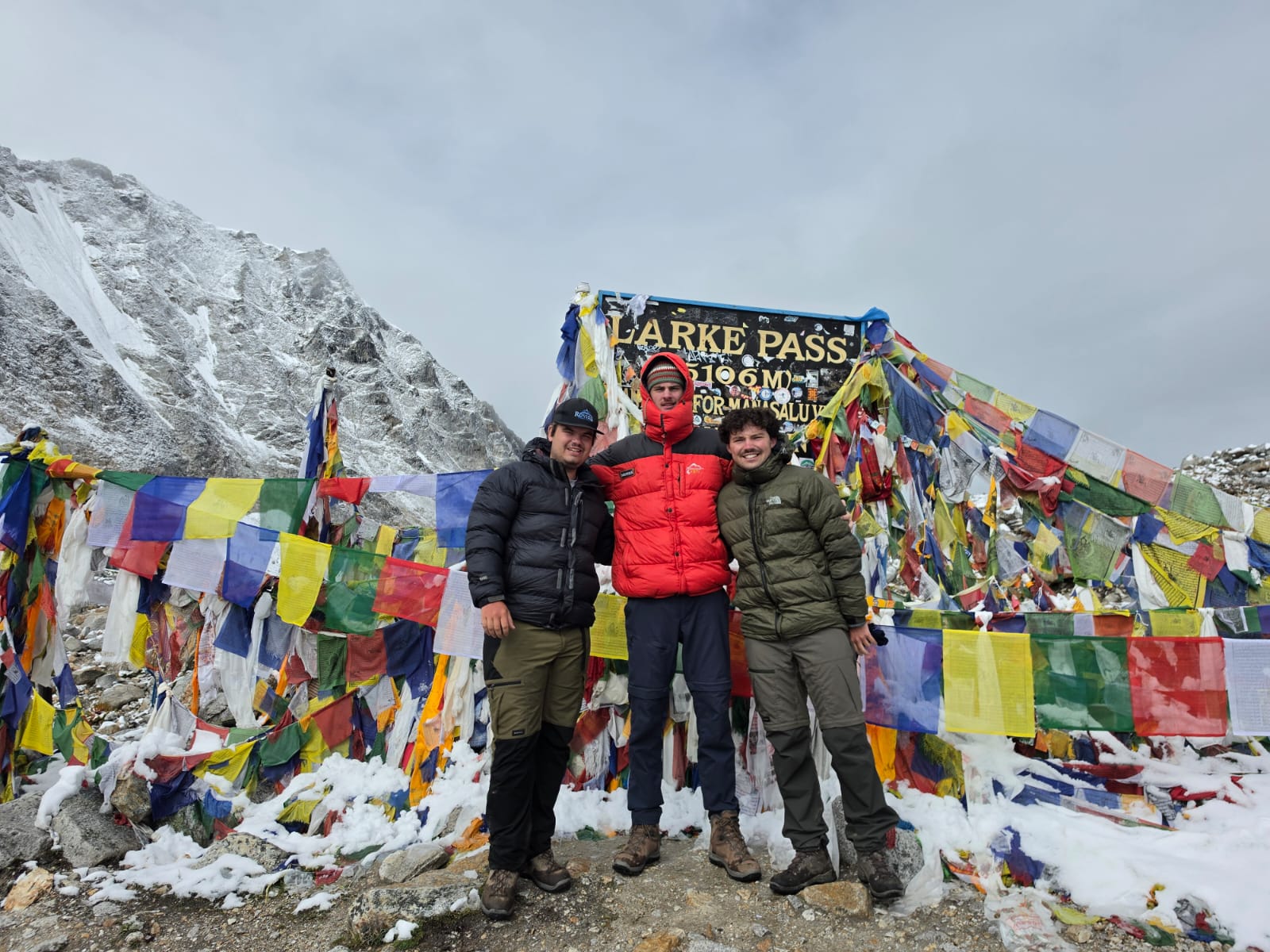
The Manaslu Circuit Trek is an excellent option for travelers looking for a more remote Himalayan experience.
The route circles Mount Manaslu and passes through culturally rich mountain communities before reaching the high Larkya La area.
The Manaslu region is classified as a restricted trekking area, and special trekking permits apply. The Nepal Tourism Board currently lists September-November fees for the Manaslu restricted area. Nepal Tourism Board
October can be particularly attractive because it falls within the principal autumn trekking season.
Highlights include:
Best for: Experienced trekkers and travelers looking for a quieter alternative to Everest.
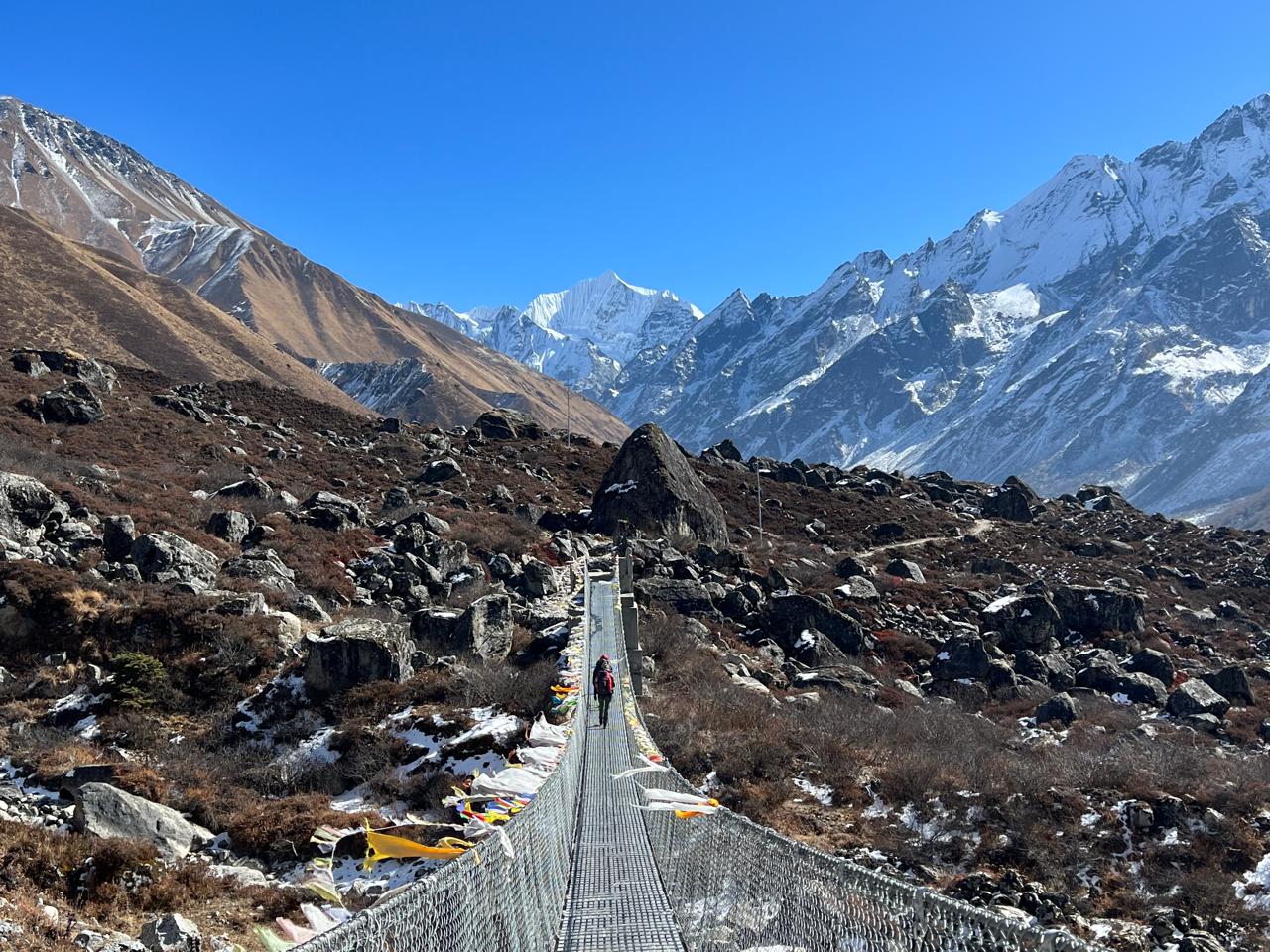
If you have less time but still want a genuine Himalayan trekking experience, Langtang Valley is worth considering.
The trek takes you through forests, Tamang communities, mountain villages, and high-altitude landscapes north of Kathmandu.
The Langtang region is also among the areas where trekking guides and Langtang National Park requirements apply under current Nepal Tourism Board provisions. Nepal Tourism Board
Best for: Travelers with limited time, families, first-time Himalayan trekkers, and people looking for a trek relatively close to Kathmandu.
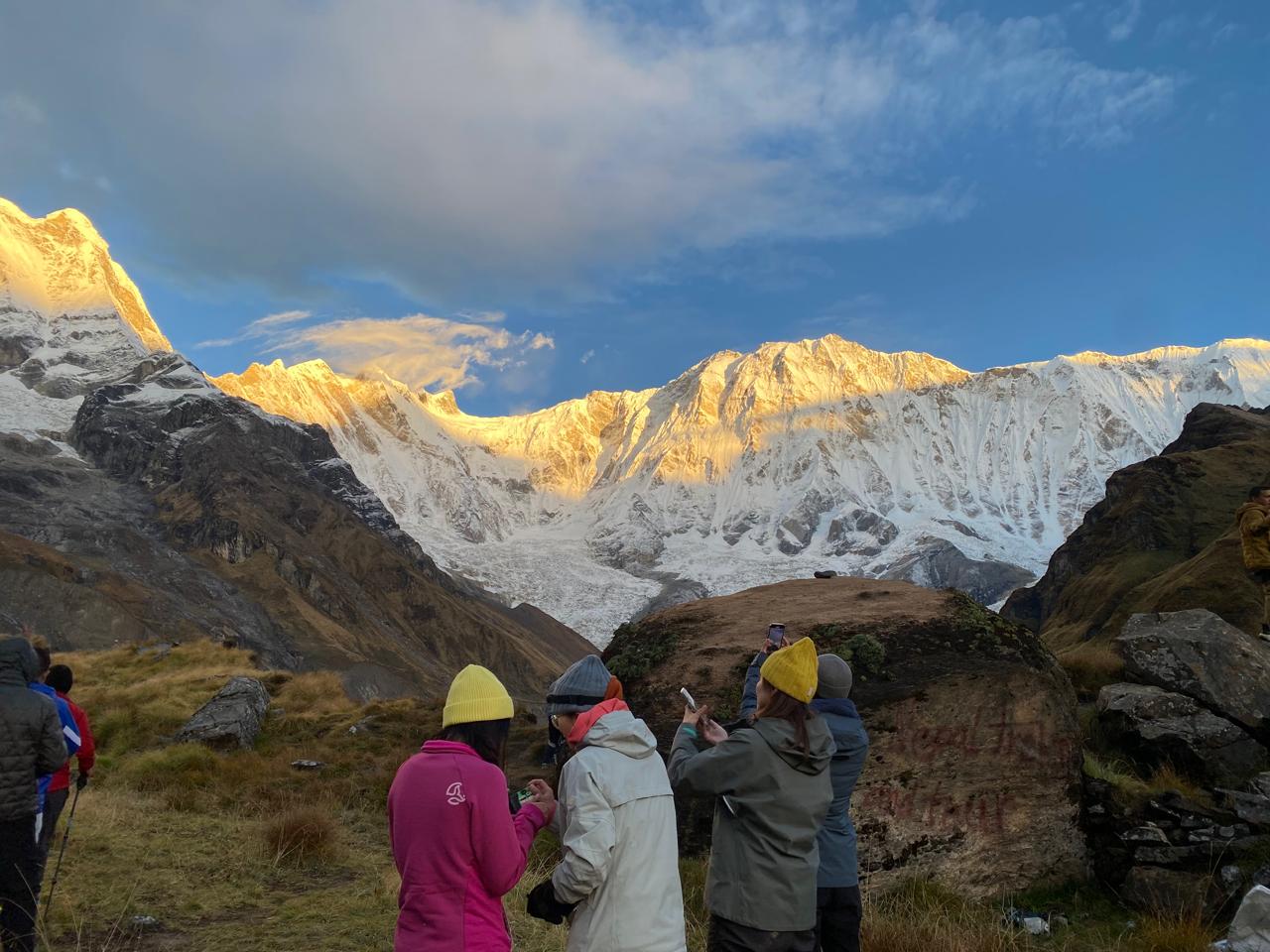
The Annapurna Base Camp Trek provides an opportunity to walk deep into the Annapurna Sanctuary and reach the base camp surrounded by spectacular Himalayan peaks.
It is shorter than many classic long-distance routes while still providing an impressive high-mountain experience.
Best for: Travelers who want dramatic mountain scenery without committing to a very long trek.
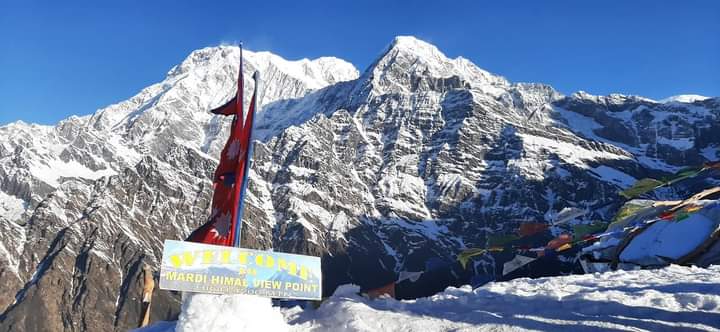
The Mardi Himal Trek is another popular option in the Annapurna region.
It combines forest trails, traditional villages, ridge walking, and panoramic mountain views.
It can be a good choice for travelers who have limited time but want a Himalayan trekking experience.
Best for: Shorter trips, scenic trekking, and travelers who prefer a less demanding itinerary than the major high-pass routes.
Upper Mustang offers a very different Himalayan landscape.
Located in Nepal's rain-shadow region, Mustang is significantly drier than many other parts of the country. The landscape features barren cliffs, dramatic rock formations, ancient villages, monasteries, and Tibetan-influenced culture.
Upper Mustang is a restricted area and requires a special permit. NTB Trade+1
Best for: Travelers interested in Tibetan culture, archaeology, dramatic landscapes, and less conventional Himalayan experiences.
If Everest Base Camp is your main goal, October is an important month to consider.
The classic journey normally passes through Namche Bazaar, Tengboche, Dingboche, Lobuche, Everest Base Camp, and Kala Patthar.
Because October is a busy trekking season, accommodation and flights can experience higher demand.
It is therefore sensible to arrange your:
in advance.
The Everest region is a protected area, and current Nepal Tourism Board information lists Everest Base Camp among the routes requiring a licensed trekking guide and agency-issued TIMS card. Nepal Tourism Board
October is also an important month for the Manaslu Circuit.
The trek involves significant elevation gain and a high mountain pass, so preparation is essential.
Because the Manaslu region is a restricted area, trekkers need the appropriate special permit as well as the applicable trekking documentation. Current Nepal Tourism Board information lists September-November special permit rates for the Manaslu restricted area. Nepal Tourism Board
If you choose Manaslu for October, allow sufficient time for acclimatization and avoid treating the trek as a race.
October is one of Nepal's busiest trekking months.
The popularity is easy to understand: favorable autumn weather, mountain visibility, and established trekking infrastructure attract visitors from around the world.
Official Nepal tourism statistics also show October as a major trekking month. For example, Nepal Tourism Board's 2024 statistics recorded 1,921 trekkers under TIMS data in October, compared with 1,152 in September and 892 in November for the same dataset. Nepal Tourism
Crowding varies considerably by route.
The Everest Base Camp and Annapurna routes tend to be busier than remote trekking areas.
If you prefer quieter trails, consider routes such as:
Even on popular routes, early starts and carefully selected itineraries can help you avoid the busiest periods on the trail.
The cost of a Nepal trek depends on the route, duration, accommodation, transportation, guide and porter services, permits, meals, and additional activities.
Your total budget may include:
High-altitude or restricted-area treks generally require more logistical planning and can cost more than shorter trekking routes.
Rather than choosing a trek solely by price, compare the total package inclusions.
Ask your trekking company whether the quoted price includes transportation, permits, accommodation, meals, guide, porter, insurance for staff, and other relevant expenses.
Permit requirements depend on your trekking region.
Current Nepal Tourism Board guidance states that many major trekking areas require trekkers to be accompanied by a licensed trekking guide. TIMS card is not needed now. This includes routes in the Everest, Langtang, Manaslu, Annapurna, and several other regions. Nepal Tourism Board
Restricted regions can require additional permits.
For example:
Permit rules and fees can change, so confirm the current requirements with your trekking agency before departure.
Your packing list should depend on the altitude and duration of your trek.
For a typical October trek, consider packing:
Clothing
Footwear
Backpack and Equipment
Personal and Medical Items
Documents
Avoid overpacking. Most trekkers discover that a lighter pack makes long days at altitude considerably easier.
Altitude is one of the most important considerations on a Himalayan trek.
A good itinerary should allow your body time to adapt to increasing elevation.
Common symptoms associated with altitude sickness can include headache, nausea, dizziness, fatigue, and difficulty sleeping.
Do not ignore worsening symptoms.
Your guide should monitor your condition, and you should be prepared to descend if necessary.
Good acclimatization practices include:
Fitness helps, but being physically fit does not eliminate the risk of altitude sickness.
Most popular trekking routes in Nepal have teahouses and lodges.
Accommodation generally consists of simple rooms, often with shared bathroom facilities at higher elevations.
Meals commonly include a mixture of Nepali, Tibetan, Indian, and international dishes.
Popular trekking meals may include:
October is a busy trekking month, so popular lodges can fill up quickly.
Booking your trek with an experienced local agency can make accommodation and logistical arrangements easier.
Yes, depending on the route.
A first-time trekker does not necessarily need previous Himalayan experience, but route selection is important.
Shorter and lower-altitude routes can be suitable for beginners who have reasonable fitness.
More demanding routes such as Everest Base Camp, Manaslu Circuit, or high-pass treks require more preparation because of altitude, duration, and terrain.
Before selecting your trek, consider:
An experienced trekking agency can help match the itinerary to your experience and available time.
Nepal has many established trekking routes, but current regulations mean that several major trekking regions require trekkers to use licensed guides and obtain TIMS through a trekking agency. Nepal Tourism Board
A guided trek can also simplify:
For restricted-area routes, working with a registered trekking agency is particularly important because of the additional permit and guide requirements.
Keep these practical tips in mind when planning your 2026 adventure:
Book Early
October is a peak trekking period. Arrange popular routes and accommodation ahead of time.
Build Some Flexibility Into Your Schedule
Weather can affect mountain transportation and trekking plans. Avoid creating an itinerary with no spare days.
Prepare for Different Temperatures
You may experience warm conditions in Kathmandu and much colder temperatures at high altitude during the same trip.
Protect Yourself From the Sun
UV exposure increases at altitude. Sunglasses, sunscreen, and appropriate clothing are important.
Respect Local Culture
Nepal's trekking routes pass through communities with distinctive traditions and religious practices. Dress respectfully and ask before photographing people or religious ceremonies.
Follow Leave-No-Trace Principles
Carry waste appropriately, minimize plastic use, and respect the natural environment.
The best route depends on what you want from your trip.
Choose Everest Base Camp if:
You want the classic Everest experience and are comfortable with a longer high-altitude trek.
Choose Annapurna Circuit if:
You want dramatic changes in scenery, villages, culture, and a high mountain pass.
Choose Manaslu Circuit if:
You want a more remote Himalayan experience and are prepared for a demanding trek.
Choose Langtang Valley if:
You have less time and want a Himalayan trek relatively close to Kathmandu.
Choose Annapurna Base Camp if:
You want dramatic mountain scenery on a comparatively compact itinerary.
Choose Mardi Himal if:
You want a shorter trek with excellent mountain views.
Choose Upper Mustang if:
You are interested in Tibetan-influenced culture and an unusual trans-Himalayan landscape.
Roving Nepal Trek organizes trekking adventures across many of Nepal's major trekking regions, including Everest, Annapurna, Langtang, Manaslu, and Mustang.
Our trekking programs include options ranging from classic Himalayan journeys to shorter treks, high-altitude adventures, helicopter-return itineraries, and culturally focused routes.
For October 2026, we recommend planning your trek early, particularly if you have specific travel dates or want a popular itinerary such as Everest Base Camp.
Our team can help you select an itinerary based on your:
October is an exciting time to explore Nepal's Himalayas. With autumn conditions, spectacular mountain scenery, established trekking infrastructure, and a wide range of routes, it is an excellent month to experience Nepal on foot.
Whether your goal is Everest Base Camp, Annapurna Circuit, Manaslu Circuit, Langtang Valley, Annapurna Base Camp, Mardi Himal, or Upper Mustang, start planning early and choose an itinerary that matches your experience and expectations.
Ready to trek Nepal in October 2026? Contact Roving Nepal Trek to discuss your itinerary and start planning your Himalayan adventure.
Is October the best month for trekking in Nepal?
October is one of the main trekking months in Nepal. The post-monsoon period generally brings clearer skies and good trekking conditions, although weather varies by altitude and region. Nepal Tourism Board
Is Everest Base Camp possible in October?
Yes. October is one of the main trekking periods for the Everest region, although the route can be busy and high-altitude weather can change quickly. The Nepal Tourism Board identifies October-November as a best season for Sagarmatha National Park. Nepal Tourism Board
Is Manaslu Circuit open in October?
Yes. October falls within the September-November period for which the Nepal Tourism Board publishes Manaslu restricted-area permit rates. Additional permit and guide requirements apply. Nepal Tourism Board+1
Does it rain in Nepal in October?
October is generally much drier than the monsoon months, but rainfall is still possible and weather varies by region. Mountain weather can change rapidly.
Is October crowded in Nepal?
Popular trekking routes can be busy in October because it is part of Nepal's peak autumn trekking season. Less-traveled routes can provide a quieter experience.
What should I wear trekking in Nepal in October?
Use layers. Pack moisture-wicking base layers, warm mid-layers, an insulated jacket, waterproof/windproof outerwear, warm accessories, and appropriate trekking footwear.
Do I need a guide for trekking in Nepal?
Current Nepal Tourism Board rules require licensed guides and agency-issued TIMS cards on many major trekking routes, including Everest, Annapurna, Langtang, and Manaslu routes. Requirements vary by region. Nepal Tourism Board
How early should I book an October 2026 trek?
Because October is a busy trekking period, advance planning is recommended, particularly for fixed departures, popular routes, domestic transportation, and accommodation.
Can beginners trek in Nepal in October?
Yes, beginners can trek in Nepal, but route difficulty should match their fitness, experience, available time, and altitude tolerance. Shorter and lower-altitude routes can be more appropriate for first-time trekkers.
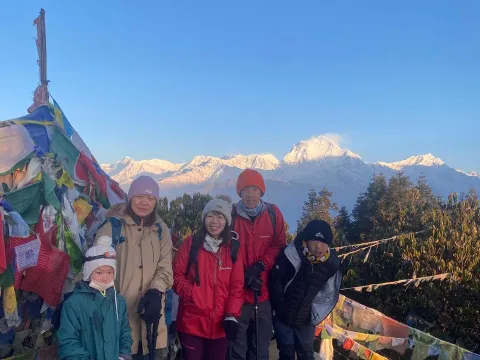
Trekking in Nepal with your kids is far more than just a vacation—it instills confidence, resilience, and a lifelong appreciation for nature and world cultures. By choosing the right trail for your family's experience level, staying flexible with your schedule, and savoring the journey step-by-step, you will create family memories that last a lifetime.
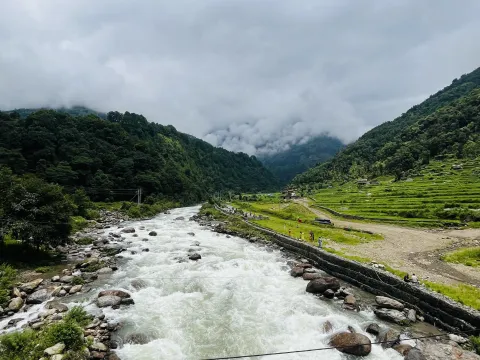
Trekking in Nepal is more than just a mountain vacation—it is a life-changing journey through ancient trade routes, sacred glacial valleys, and the highest mountain peaks on Earth. Whether you are stepping onto Himalayan trails for the first time or looking for your next high-pass challenge, choosing the right trek is the crucial first step.
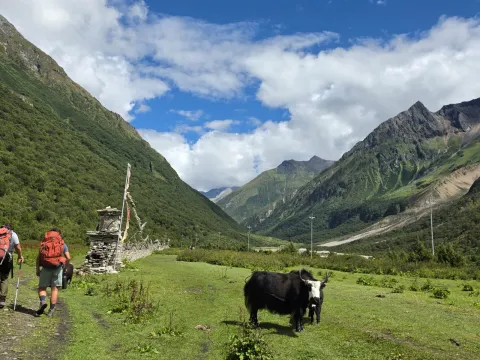
Help Nepal by booking these treks or any treks from Annapurna, Manaslu, and Everest region of Nepal. Today’s blog is about 5 Safe Treks in Nepal 2027 and Autumn Season 2026. In the middle of chaotic and traumatic time of Rasuwa Floods, these are the 5 safe yet promising treks to do in Nepal. Explore main 5 treks you can do in Nepal between Autumn 2026 and 2027.