To walk the trails of the Manaslu region is to move through a living manuscript of stone, wind, and faith. While the world outside rushes forward on digital highways, here, in the shadows of the eighth highest mountain on Earth, time is measured by the slow turn of prayer wheels and the heavy scent of burning juniper.
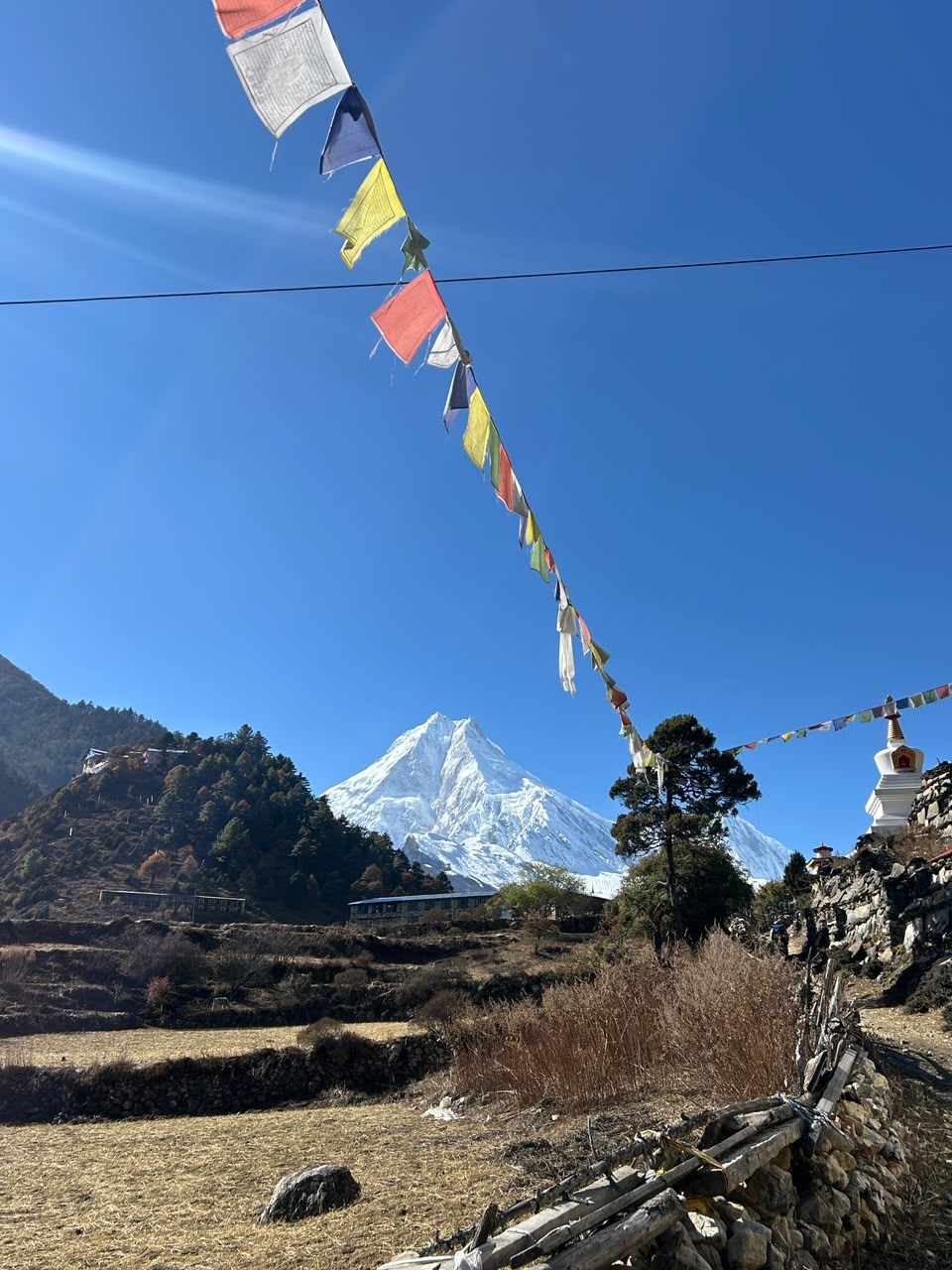
High in the northern folds of Nepal, where the Buri Gandaki river carves deep gorges before giving way to wide, windswept high-altitude basins, Buddhism is not merely a religion. It is the architecture of survival. Every mani wall, every fluttering lungta (prayer flag), and every weathered wooden gompa (monastery) tells a story of human resilience, spiritual devotion, and an intimate dialogue with a harsh, breathtaking wilderness.
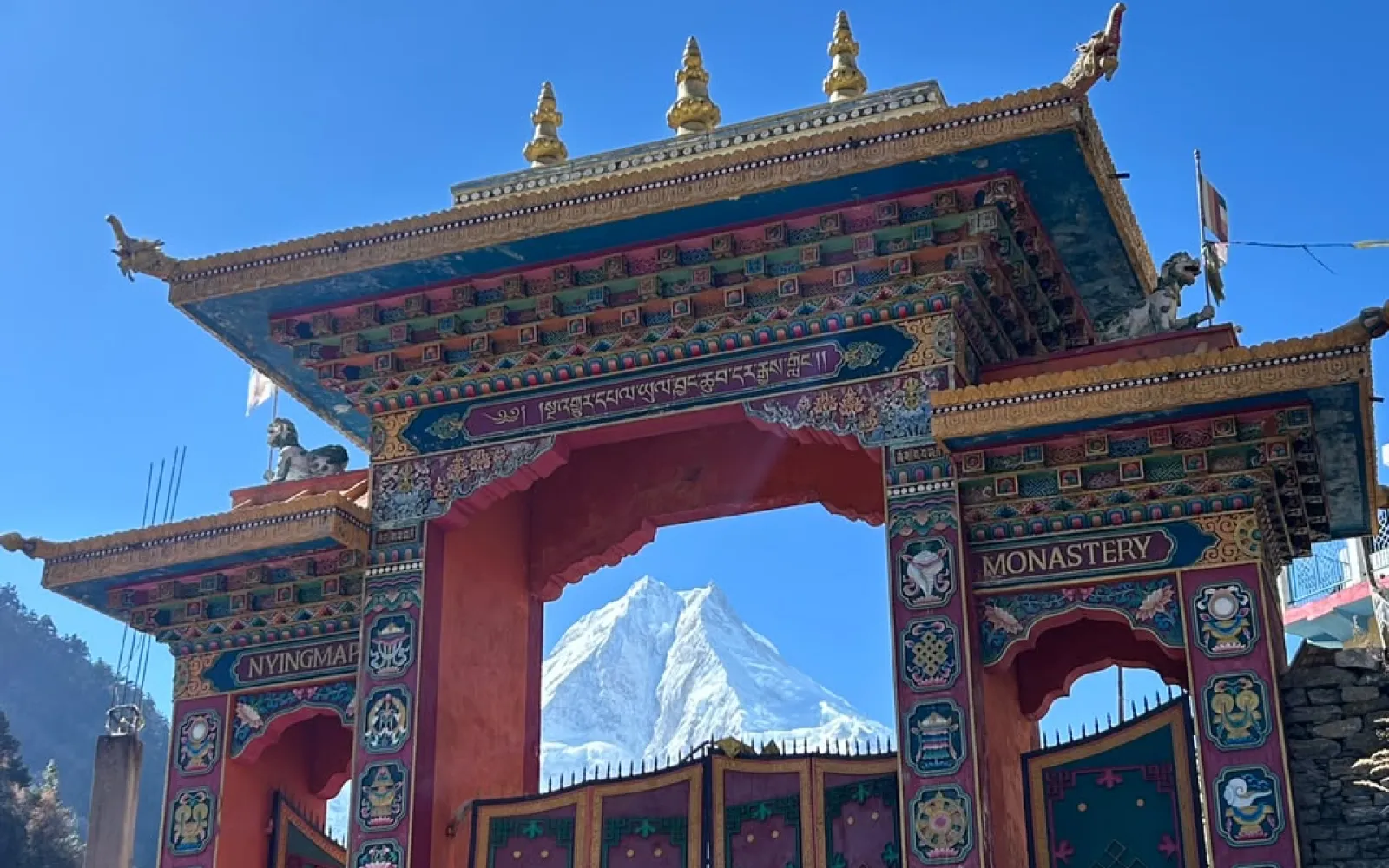
For those willing to venture beyond standard trekking itineraries, the monasteries of Manaslu and its hidden sanctuary, the Tsum Valley, offer a profound look into a Tibetan cultural world largely untouched by modernity. These are not museum pieces; they are the pulsing hearts of remote communities where monks and nuns maintain ancient lineages of wisdom against the teeth of Himalayan winters.
As you climb away from the subtropical forests and cross the suspension bridges over roaring torrents, the landscape gradually shifts. The air thins, the pine trees give way to scrub and stark cliffs, and the first architectural markers of Tibetan Buddhism begin to appear.
Chumling is often the first significant spiritual landmark travelers encounter upon entering the lower reaches of the Tsum Valley. Perched quietly above the valley floor, this historic monastery serves as an immediate introduction to the region's spiritual ethos. It houses ancient statues, thangkas, and sacred texts that have been preserved by generations of villagers. Life here is intimately tied to the agricultural rhythms of the valley, and visiting Chumling sets a contemplative tone for the higher, wilder reaches ahead.
Tucked away near Chumling, Panago Gompa is a quieter, intensely personal village monastery. Far from the grand tourist routes, it embodies the intimate scale of Tsum's spiritual life. Local families take turns maintaining the sanctuary, ensuring that butter lamps continue to burn and daily offerings are made, keeping the spiritual tether of the village secure.
One of the most striking sociological features of the Tsum Valley is the prominence of its nunneries. Unlike many regions where monastic life is male-dominated, Tsum harbors powerful, independent communities of nuns (ani) who drive the region's religious and educational life.
Founded in 1905 under the Nyingma lineage, Rachen Gompa is one of the largest and most visually striking nunneries in the entire valley. Situated on a broad, sunny plateau in the upper-middle Tsum Valley, it houses a large community of nuns who dedicate their lives to study, meditation, and ritual practice.
The interior of Rachen Gompa is a sensory marvel. Walls are adorned with exquisite murals depicting the thousand-armed Chenrezig (Avalokiteshvara), and the deep, resonant chants of the nuns during evening prayers drift out across the fields, harmonizing with the whistling mountain wind. To sit quietly at the back of the assembly hall while butter lamps flicker in the twilight is to experience a rare, unhurried stillness.
If Rachen is majestic and accessible, Gumba Lungdang is wild and deeply secluded. Clinging to a steep ridge high above the valley floor with the staggering, razor-sharp face of the Ganesh Himal looming directly behind it, this remote nunnery is a legendary retreat center.
The path to Gumba Lungdang is not for the faint of heart—a steep, root-tangled climb through dense forests that feels like a physical test of intent. The nuns here are known for undertaking rigorous, long-term meditation retreats, including the formidable Mani Rimdu or intense cycles of 100 million mantra recitations. The silence here is absolute, broken only by the roar of distant avalanches and the low hum of prayer.
At the very frontier of the Tsum Valley, pressed up against the borderlands of Tibet, sits Mu Gompa. Founded in 1895 by the Sixth Shakya Lama, it is the highest and most historically significant monastery in the valley.
Reaching Mu Gompa requires pushing past the tree line into a stark, lunar landscape of grey stone, glacial silt, and piercing blue skies. The monastery itself looks like an ancient fortress of faith, built directly into the mountain slope. Inside, its cavernous prayer halls safeguard an immense library of sacred scriptures, ancient ritual objects, and statues of lineage masters.
To stand on the roof of Mu Gompa at dawn, watching the first golden light strike the distant Himalayan peaks while the morning horn (gyaling) echoes across the empty plateau, is a transcendent experience. It feels less like visiting a building and more like standing at the edge of the world, where earth meets sky.
Crossing over from Tsum or following the main Manaslu Circuit trail leads you into the Nubri Valley, the upper basin of the Buri Gandaki where the massive bulk of Mount Manaslu (8,163 m) dominates the horizon. Here, the monasteries are intimately intertwined with the high-altitude mountaineering culture and the ancient trans-Himalayan trade routes.
Perched on a terraced hill above the village of Lho, Ribung Gompa offers one of the most sublime vistas in the Himalayas. From its courtyard, the glittering white face of Mount Manaslu towers directly overhead, a silent, imposing guardian.
Ribung is a vibrant village monastery. During festival times, the courtyard fills with villagers wearing traditional woolen chubas, drums beat out ancient rhythms, and masked cham dances re-enact the triumph of compassion over inner demons. The spiritual energy here is robust and communal, anchoring a village that deals daily with the harsh realities of high-altitude farming and livestock herding.
Pungyen Gompa is perhaps the most spiritually charged—and historically complex—site in the entire Manaslu region. Tucked away in a high glacial bowl directly beneath the east face of Manaslu, it is intimately associated with Pungyen, the fierce local protector deity of the mountain.
Historically, local villagers believed that the deity Pungyen ruled the mountain. When early international climbing expeditions attempted to scale Manaslu in the 1950s, local communities blamed the subsequent avalanches and tragedies on the anger of the deity, a wrath reportedly provoked by mountaineering feet treading on sacred ground. The original gompa suffered destruction during these turbulent eras, but it has since been rebuilt. Visiting Pungyen Gompa today feels like stepping into a sanctuary of raw elemental power; the wind howls off the glacier, and the presence of the mountain is suffocatingly close.
Located right on the edge of Samagaun—the largest permanent settlement in upper Nubri—Sama Gompa is a sprawling monastic complex that acts as the cultural and administrative anchor for the local Bhotia community.
Surrounded by massive mani walls carved with millions of mantras, the monastery is a busy hub of monastic study and daily rituals. Young monks in crimson robes can frequently be seen debating philosophy in the courtyards or carrying water from glacial streams, blending the timeless traditions of Tibetan monasticism with the earthy realities of village life.
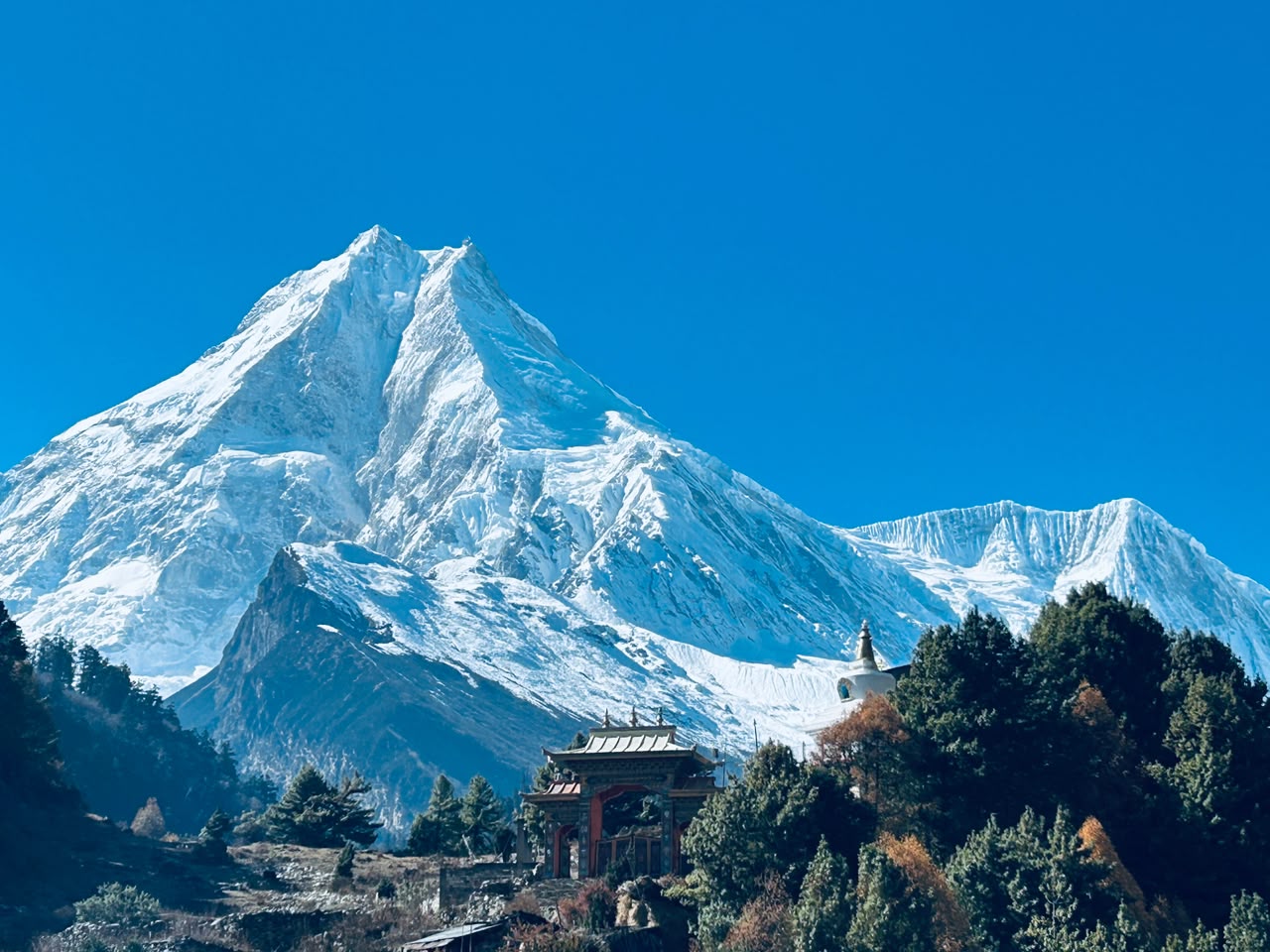
Deep in a hidden lateral valley known as Kyimolung—one of the sacred beyuls (hidden lands) blessed by Guru Rinpoche in the 8th century—lies Serang Gompa. This is a place of profound, almost mythical isolation.
Surrounded by sheer cliffs, waterfalls, and pine forests, Serang is a Nyingma monastery and meditation center that operates almost like an independent eco-spiritual community. It features a monastic school where young children from across the Manaslu region receive both traditional Buddhist education and modern schooling. To journey to Serang is to step entirely outside the framework of contemporary life, entering a sanctuary designed explicitly for inner transformation.
Lower down in the Bihi area, Shringi Gompa honors Shringi Rishi, the pre-eminent protective deity of the entire Nubri and Tsum valleys. Long before institutional Buddhism took deep root in these mountains, indigenous animist traditions revered the local peaks and spirits. Shringi Gompa represents a fascinating synthesis—where ancient mountain worship and Vajrayana Buddhism merged into a unified worldview. The gompa serves as a vital cultural center, reminding travelers that the spiritual geography of Manaslu is ancient, layered, and deeply protective of its environment.
To travel past these gompas is to realize that the true wealth of the Manaslu region does not lie in its summits or its trekking routes, but in its people and their enduring worldview.
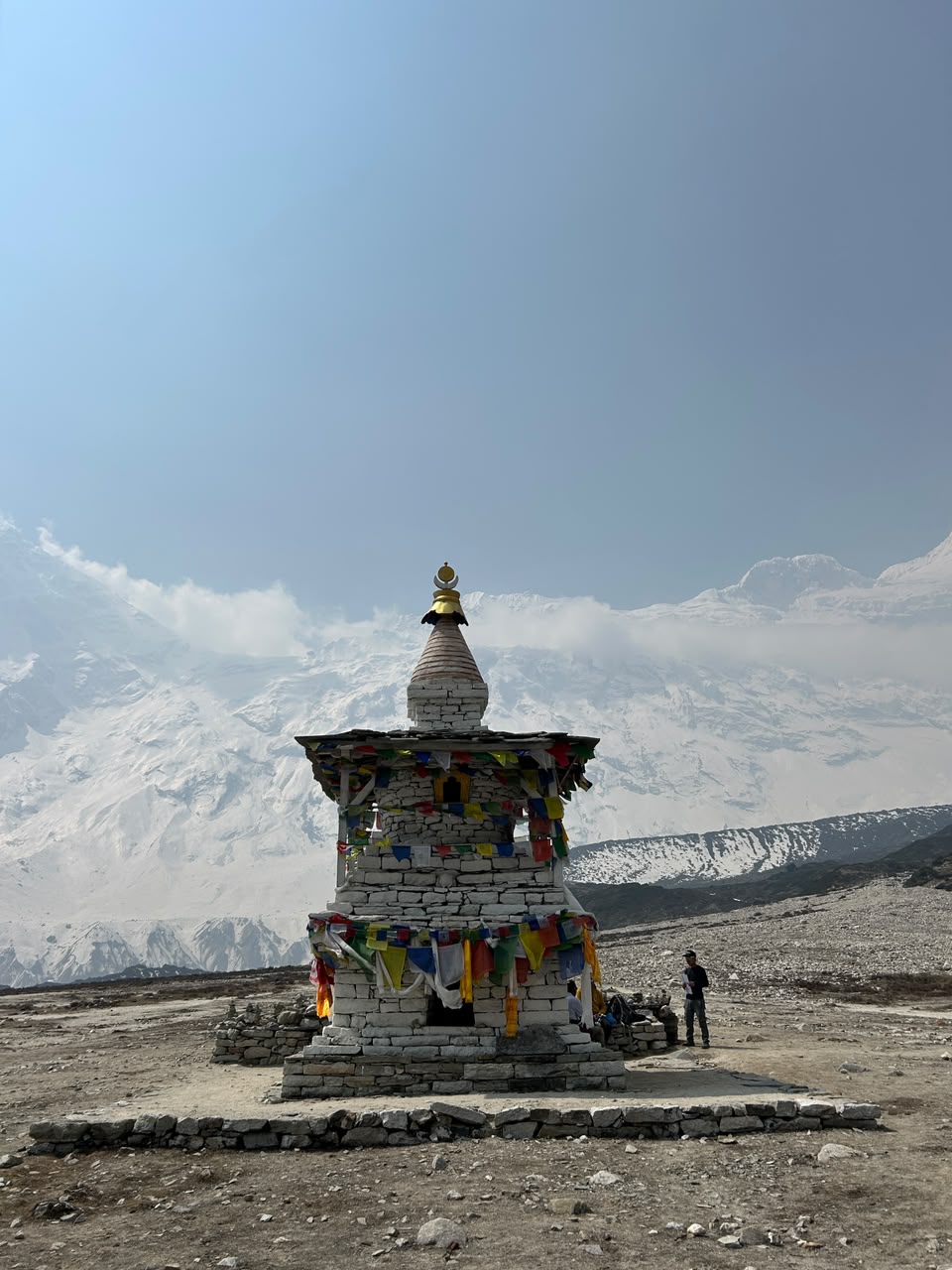
In a world obsessed with speed, accumulation, and noise, the monasteries of Manaslu stand as quiet monuments to an alternative way of being. They teach that endurance is found in community, that beauty exists in silence, and that even in the harshest, most isolated corners of the earth, the human spirit will always find a way to reach upward toward the sacred.
When you leave these valleys behind—long after the dust of the trail has washed off your boots and the altitude has faded from your lungs—the low, resonant hum of the copper horns and the bright flash of fluttering prayer flags against the grey stone will stay with you, quietly echoing in the back of your mind.
What do you know about traveling to the most remote areas of Nepal? It requires money and manpower both for a successful and safe journey. Therefore, today’s blog is about the Manaslu Circuit Trek Cost Guide. Get the latest information about various expenses that you must do while doing the famous 12 Days Manaslu Circuit Trek in Nepal.
The Manaslu Circuit Trek is one of Nepal's most spectacular trekking experiences, offering remote mountain landscapes, authentic Himalayan villages, and the challenging crossing of Larkya La Pass at 5,106 meters. Proper preparation is crucial for a successful trek, and having the right packing list can make a significant difference in your comfort and safety.
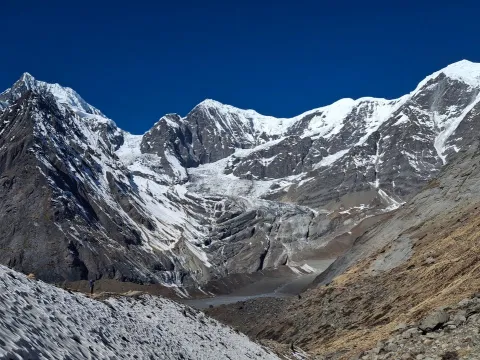
The Manaslu Circuit Trek is one of Nepal's most rewarding and less crowded trekking adventures, offering an authentic Himalayan experience away from the busy trails of the Everest and Annapurna regions. Encircling the world's eighth-highest mountain, Mount Manaslu (8,163m), this spectacular journey takes trekkers through remote mountain villages, dense forests, deep river gorges, Buddhist monasteries, and high alpine landscapes.
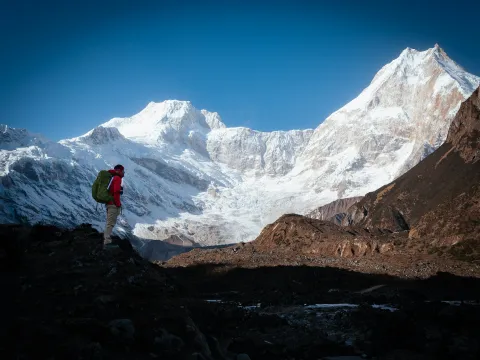
Let's find out about the Manaslu Circuit Trek Distance in today's blog. Lots of our clients are inquiring about this trek in these past two trekking seasons. People are shifting their attention to this amazing trekking trail inside the restricted areas of Nepal. Experience rawness, rural vibes, and Himalayan wilderness in the Manaslu Trek route that includes daring Larke La Pass crossing.
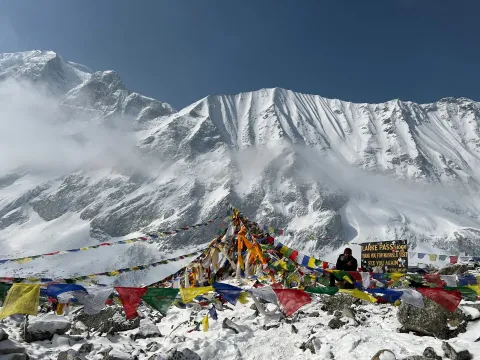
Planning a 12 Days Manaslu Circuit Trek and wondering how difficult it really is? How many hours will you walk each day? What altitude will you sleep at every night? And how much should you budget for food and drinks along the trail? This guide answers the practical questions that most trekking agencies overlook. We will talk about the Manaslu Circuit Trek Altitude Chart, Daily Walking hours & real food prices. Save time and money while knitting the best holiday activities in this amazing Himalayan nation.
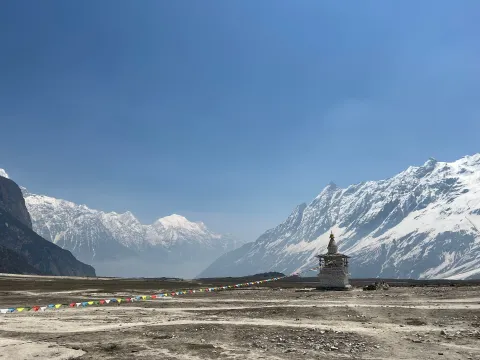
You have to make sure how you are trekking in the trail. Pre – booked package trek means your agency pays all your lodging, meals, and permits. Therefore, carry around NRs. 3500 to NRs. 4500 per day for personal expenses. Similarly, if you are paying for your food and lodging yourselves, then carry around 45 $ to 65 $ per day. This answers your question “how much cash to carry on the Manaslu Circuit Trek?” and helps you plan in an advance.