Ask ten strangers in a Thamel gear shop whether you should hike to Everest Base Camp in December, and eight of them will look at you like you’ve lost your mind. Too cold, they’ll say. Your water bottles will freeze solid inside your backpack, your toes will go numb before you even hit Tengboche, and the wind coming off the Khumbu Glacier will slice right through three layers of merino wool. Find out its worth in today's blog.
Are they lying? Nope.
December above four thousand meters is bitterly, unapologetically cold once the sun drops behind the ridges at 4:00 PM. That said, those same armchair experts leave out the best part of winter in the Khumbu. While October hikers spend half their vacation staring at the sweaty backpack of the person two feet ahead of them and begging for a leftover plywood bed in Dingboche, December hands you the biggest mountains on earth on a quiet silver platter. No yak traffic jams on the Hillary Bridge. No waiting forty-five minutes for a lukewarm plate of dal bhat. Just crisp, cobalt-blue skies and dead silence.
So, is suffering through sub-zero bedrooms worth having the Everest trail practically to yourself? Let’s break down what walking up to 5,364 meters in the first month of winter actually feels like on your lungs, your skin, and your wallet.
People hear the word "winter" in the Himalayas and immediately picture waist-deep snowdrifts burying the trail or ferocious blizzards ripping tent poles out of the ground. Honestly, that’s more of a late-January or February problem.
Early to mid-December in the Everest region is dry. Bone-dry, actually. Because the summer monsoon moisture has long since vanished and the heavy mid-winter western disturbances haven't usually rolled in yet, precipitation in December is shockingly low. You aren't slogging through slush all day. Most mornings, you step out of your lodge at 7:30 AM onto frozen dirt and dry granite stones, squinting up at a sky so fiercely blue it almost looks fake.
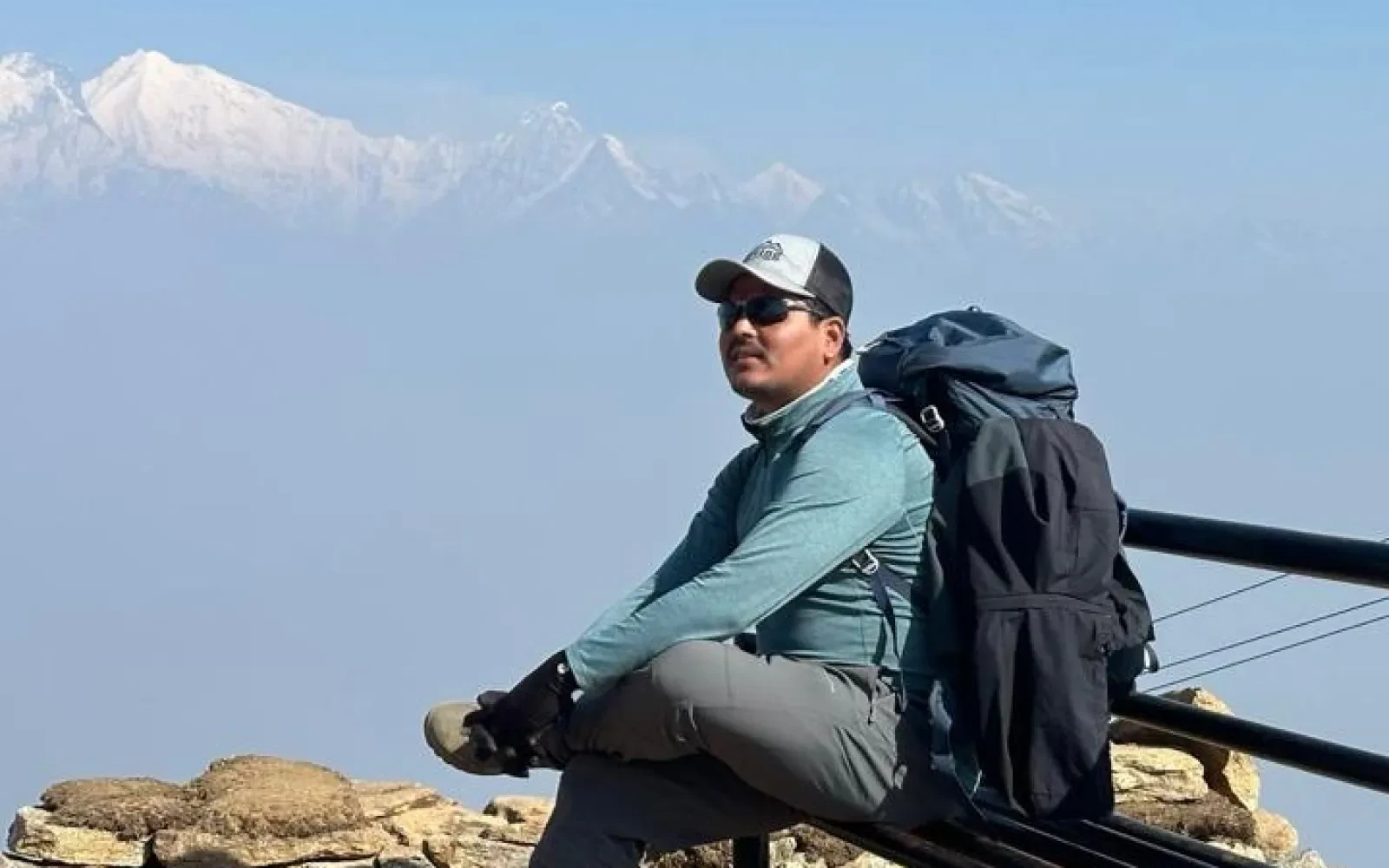
In peak autumn—say, the second week of October—leftover post-monsoon humidity often boils up from the lower valleys by 1:00 PM, wrapping Ama Dablam and Lhotse in thick white cloud banks for the rest of the afternoon. In December? Those peaks stay razor-sharp from dawn until the stars come out. If you care about photography, watching the late-afternoon alpenglow turn the southwest face of Nuptse into glowing copper without a single cloud in the frame makes every shiver worth it.
Let’s not sugarcoat the thermometer readings. You need to respect the freeze up here, because the temperature swings between midday sunshine and midnight shadow are wild.
Down in Lukla (2,860m) and Phakding, early December feels like a crisp autumn week in the Alps or Colorado. You’ll walk in a light fleece or sun hoodie while the sun beats down on your neck, with daytime temperatures hovering around 8°C to 12°C (46°F to 54°F). Even Namche Bazaar at 3,440 meters feels pleasant on a sunny afternoon if you sit on a sheltered bakery roof drinking hot lemon ginger honey.
Then the sun dips behind Kongde Ri. Within twenty minutes, the warmth vanishes like somebody opened a meat-locker door.
Once you push past Pangboche into the treeless alpine zone—places like Dingboche (4,410m), Lobuche (4,940m), and finally Gorakshep (5,164m)—the real winter teeth come out. Daytime highs up there barely scrape -2°C to -5°C, and when the afternoon katabatic winds start howling down off the Khumbu icefall, the windchill will sting any exposed skin on your cheeks. At night? Expect the outdoor thermometer at Gorakshep to plunge anywhere between -15°C and -22°C (5°F to -8°F).
Inside your teahouse bedroom, it won't be much warmer. Since Himalayan lodges have zero central heating and paper-thin plywood walls, indoor bedroom temperatures above 4,500 meters routinely sit around -5°C to -10°C by 3:00 AM. Leave your contact lens solution or your wet toothbrush on the little wooden windowsill overnight, and you’ll be chipping them out of a block of ice at breakfast.
One of the biggest myths floating around travel forums is that the Khumbu shuts down completely on December 1st. Not true. While roughly half of the lodge owners in the higher villages lock their shutters and head down to Kathmandu for a warmer winter break after the November rush clears out, plenty of teahouses stay open right through Christmas and New Year’s in every single village along the main Everest Base Camp corridor.
You will always find a bed and hot food in Lukla, Phakding, Namche, Tengboche, Dingboche, Lobuche, and Gorakshep.
Even better, the whole vibe inside the dining room changes in December. In October, dining halls are chaotic factories where eighty hungry trekkers shout orders at two exhausted kitchen boys, and the yak-dung stove only gets lit for an hour before the boss kicks everyone off to bed. In December, there might only be four or six hikers in the entire lodge. You end up pulling your plastic chair right up against the glowing iron stove alongside the lodge owner’s family and the local porters, swapping stories, playing cards, and drinking endless refills of black tea while the wind rattles the windowpanes outside.
One catch: forget about running water above Namche. All the PVC pipes leading into the mountain villages freeze solid by late November. That means no hot gas showers after Namche (unless you pay a few hundred rupees for a steaming plastic bucket of stove-heated water), and flushing the squat toilet means scooping water out of a big plastic drum after breaking the thin crust of ice on top with a wooden stick. Bring a fat pack of baby wipes and keep them inside your sleeping bag at night so they don't turn into frozen cardboard sheets.
Here is a massive winter perk that nobody talks about enough.
If you trek in October or April, aviation authorities almost always divert Lukla flights out of Kathmandu to Manthali Airport in Ramechhap to ease runway congestion. That forces you to wake up at 1:00 AM and endure a spine-rattling, five-hour drive down twisting river highways in a cramped van before you even board your tiny twin-otter airplane.
By December, air traffic drops way down. Because the skies aren't clogged with fifty peak-season charter flights every morning, airlines usually run direct Kathmandu-to-Lukla flights right from the domestic terminal at Tribhuvan International Airport. You sleep in a real hotel bed until 5:00 AM, drink coffee like a civilized human being, take a ten-minute taxi ride to the airport, and step off the plane in Lukla thirty-five minutes later. Plus, morning fog in December is often far more predictable than the freak cloud build-ups of early autumn, meaning fewer soul-crushing multi-day airport delays.
If you are sticking strictly to the classic out-and-back route to Everest Base Camp and Kala Patthar, the trail stays mostly dry rock and dusty dirt through December, barring an unlucky early storm.
The Three Passes Trek is a whole different gamble. Crossing Kongma La (5,535m), Cho La (5,420m), or Renjo La (5,360m) in winter requires serious flexibility and a healthy dose of humility. Even a modest two-day snowfall in late November can coat the steep glacial slab on the eastern side of Cho La in blue ice, turning a tough hike into a genuine mountaineering hazard where one slip sends you sliding into a boulder field. Moreover, the tiny seasonal settlements like Dzongla or Chukhung have far fewer open lodges in winter, and if a pass gets snowed shut, you have to backtrack all the way down the valley through Phortse. If your heart is set on the Gokyo Lakes via Cho La in December, pack real steel microspikes—not those flimsy rubber coil chains—and add two buffer days to your flight ticket home.
Standard three-season gear lists will leave you miserable in December. You don't need an 8,000-meter expedition suit, sure, but skimping on down feathers or footwear is a fast track to frostnip on Kala Patthar at dawn.
Here’s something doctors in Pheriche point out every winter: hypothermia and Acute Mountain Sickness (AMS) love playing tricks on each other. When your body works overtime burning calories just to keep your core warm at 4,900 meters, you fatigue faster and dehydrate twice as quickly because you don't feel like drinking ice-cold water. Worse, violent shivering or mild confusion from being too cold can mask early signs of cerebral edema.
Never skip your acclimatization days in Namche Bazaar and Dingboche just because the weather looks clear and you want to hurry back down to a warm shower. Force yourself to drink four liters of warm garlic soup, ginger tea, and treated water every single day, even when your teeth are chattering. And eat heavy carbs—your internal furnace needs extra plates of potatoes and rice to survive a -15°C night.
If your idea of a good mountain holiday involves sitting outside in a t-shirt sipping cold beer, chatting with thirty new backpackers every evening, and taking a hot shower after every hike, stay home until April. December will chew you up.
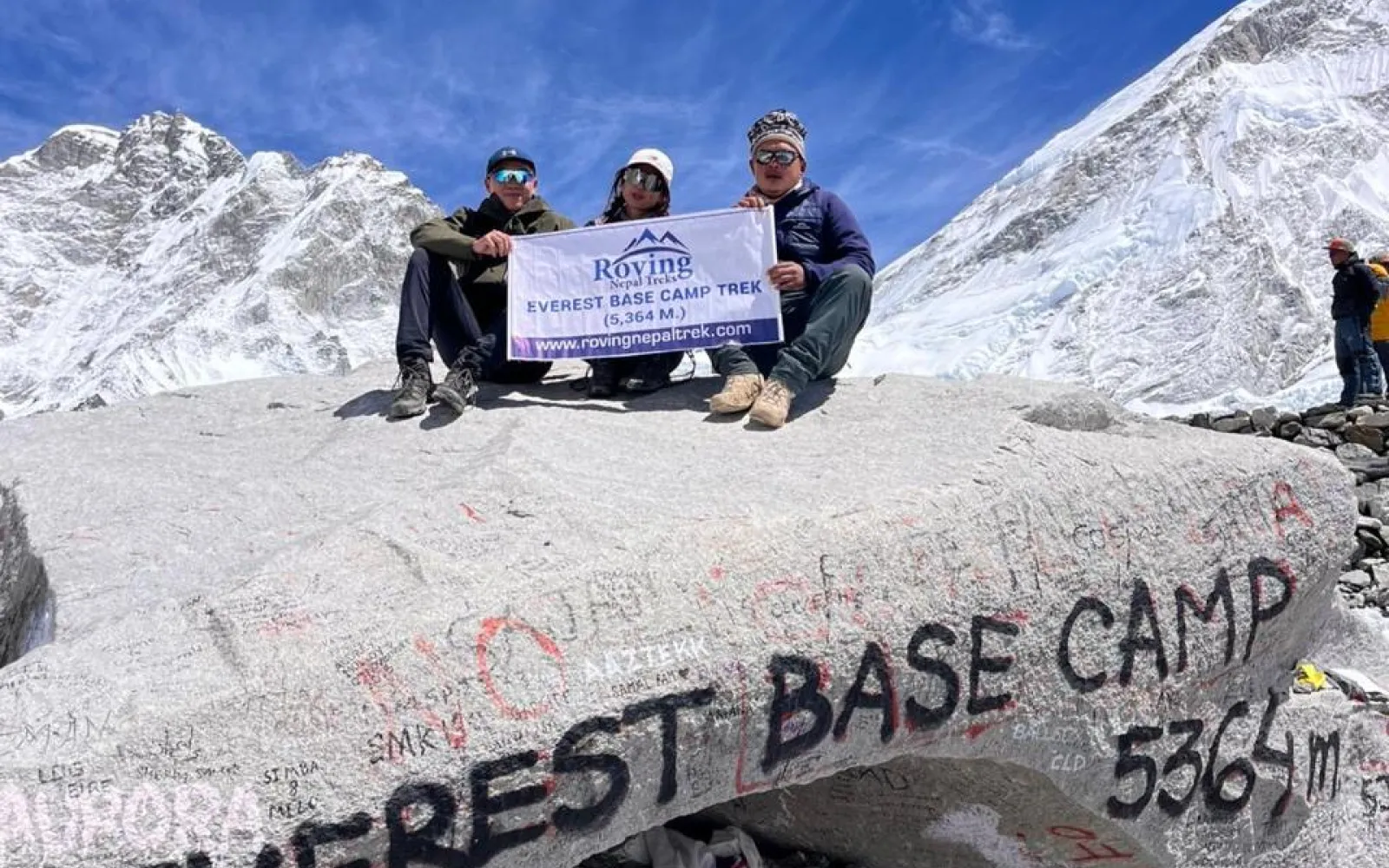
On the flip side, if you hate crowds, don't mind wearing a headlamp and a puffy jacket to eat dinner, and want to stand on the rubble of Everest Base Camp listening to the eerie, gunshot cracks of shifting glacial ice without fifty people photobombing your moment, December is pure gold. Pack the heavy mittens. Buy the extra power bank. The mountains are waiting, and for once, nobody else is standing in your way.
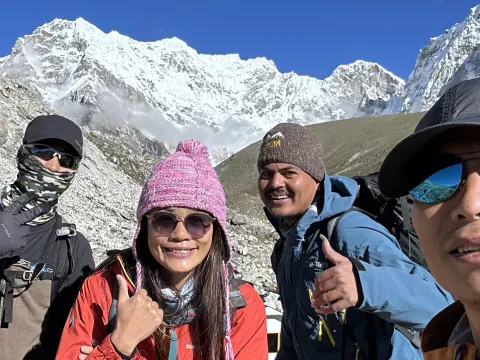
Well, Everest region of Nepal never fails to surprise you with its wonders of Himalayan wonders! The home of Sherpa people known for their mountaineering prowess, the region excels in trekking activities. Moreover, it is also an epitome for all kinds of Himalayan adventures from peak climbing to expeditions and luxury helicopter tours. The biggest hurdle to any kinds of activities in the region is the risk of altitude sickness. Therefore, today’s blog is all about finding out the best and authentic Everest Altitude Sickness Guide.
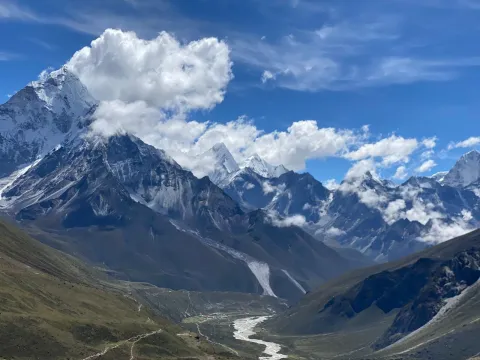
The blog features basic information about the Everest Base Camp Trek via Chola Pass Cost Breakdown 2026. Travelers must know about the cost of transportation, guide – porter salary, accommodation, meals, travel insurance, gear, permits, and miscellaneous things. Besides these things, travelers should also have information about the difference between package trek cost and independent travel cost.
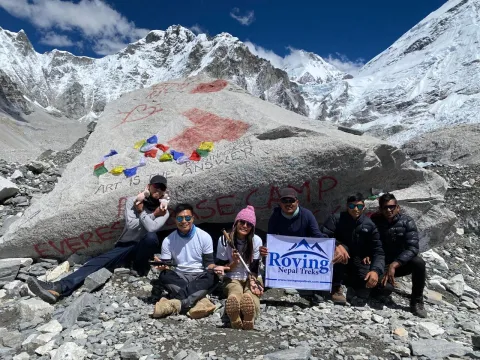
From the rugged beauty of the Khumbu Glacier to the sense of accomplishment that comes with reaching Base Camp, every step between Gorakshep and Everest Base Camp contributes to an experience that remains unforgettable long after the trek ends. For many travelers, it becomes a lifelong memory and the highlight of their journey through Nepal.