If you’ve spent any time reading generic travel guides about Nepal, you’ve probably seen the same blanket advice: “Avoid late summer. The monsoon will wash out your plans.”
While lower elevation trails do see rain early on, late August and September are actually incredible times to hike. As the monsoon wind fades into late summer, the Himalayas transform. You’re treated to dust-free air, roaring waterfalls, emerald-green valleys, and trails blissfully free of peak autumn crowds.
If you want an authentic, vibrant, and peaceful Himalayan adventure, here are the top routes to take in August and September.
· Best Time: Late August through September
· Max Elevation: 4,500m (Mardi Himal Base Camp)
· Difficulty: Moderate
The Mardi Himal Trek is one of the best short-duration routes in the Annapurna region. Following a dramatic ridge line right up to the base of the iconic Machhapuchhre (Fishtail Mountain), this trail gets you close to giant peaks in just a few days.
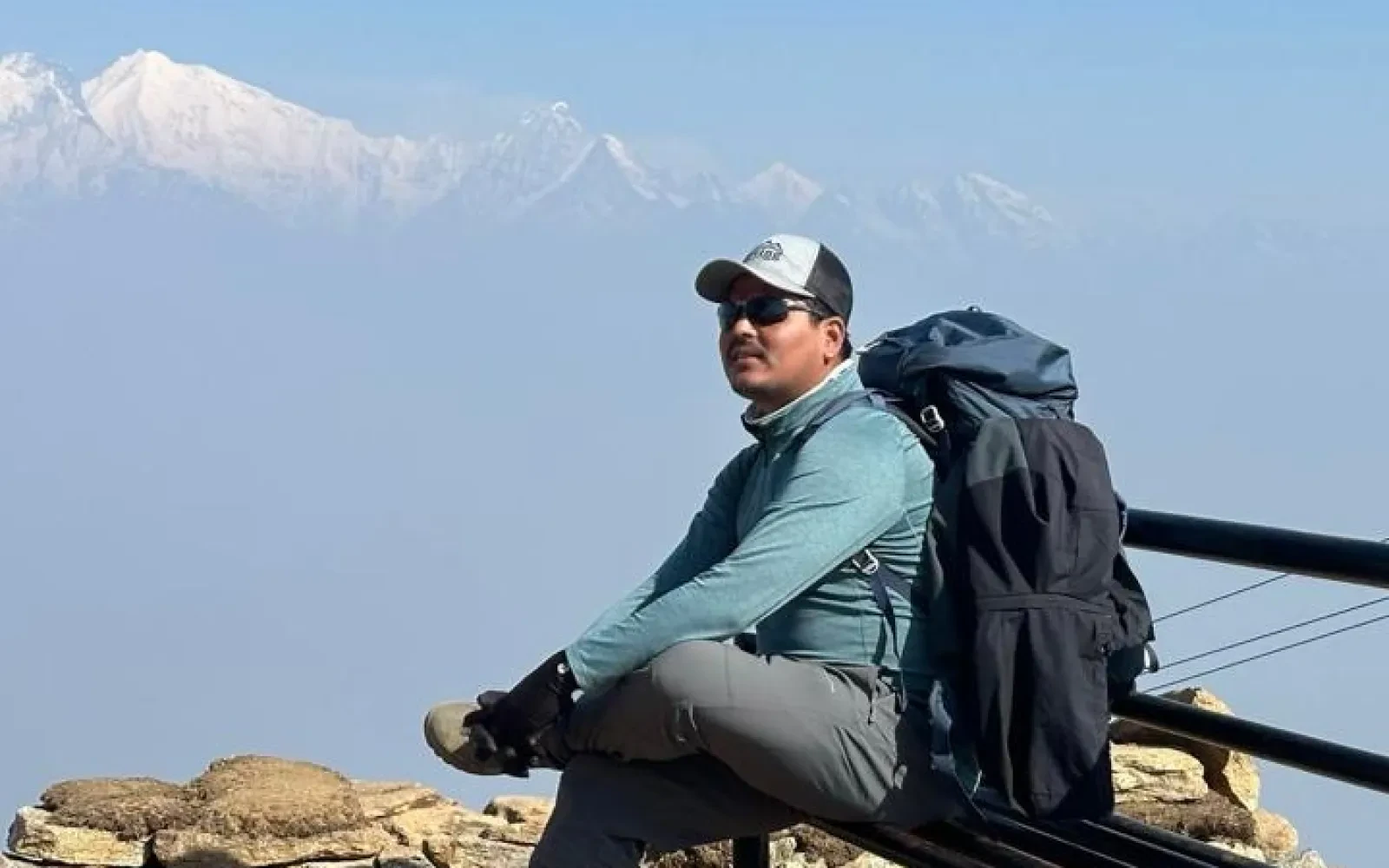
During late August and September, the forest sections between Forest Camp and High Camp burst with lush greenery and blooming alpine flora. Because you spend much of your time on an elevated ridge, morning views above the cloud line offer breathtaking, clear panoramas before gentle afternoon mists drift in.
· Best Time: Mid-to-Late September
· Max Elevation: 4,130m (Annapurna Base Camp)
· Difficulty: Moderate to Demanding
Standing inside the Annapurna Sanctuary—encircled 360 degrees by 7,000 and 8,000-meter peaks—is a bucket-list moment. In September, as the monsoon rains clear out, the Modi Khola valley comes alive with cascading waterfalls rushing down massive vertical stone faces.
Walking to ABC in September means enjoying pristine, washed-clean air and vibrant landscapes before the heavy October crowds arrive. Crisp mornings offer clear views of Annapurna I, Annapurna South, and Hiunchuli towering directly overhead.
· Best Time: Late August through September
· Max Elevation: 3,210m (Poon Hill Viewpoint)
· Difficulty: Easy to Moderate
If you are short on time or prefer a lower-altitude trek, Ghorepani Poon Hill is ideal. Passing through traditional Gurung and Magar villages, stone stairs, and dense rhododendron forests, it culminates in one of Nepal’s most famous sunrise viewpoints.
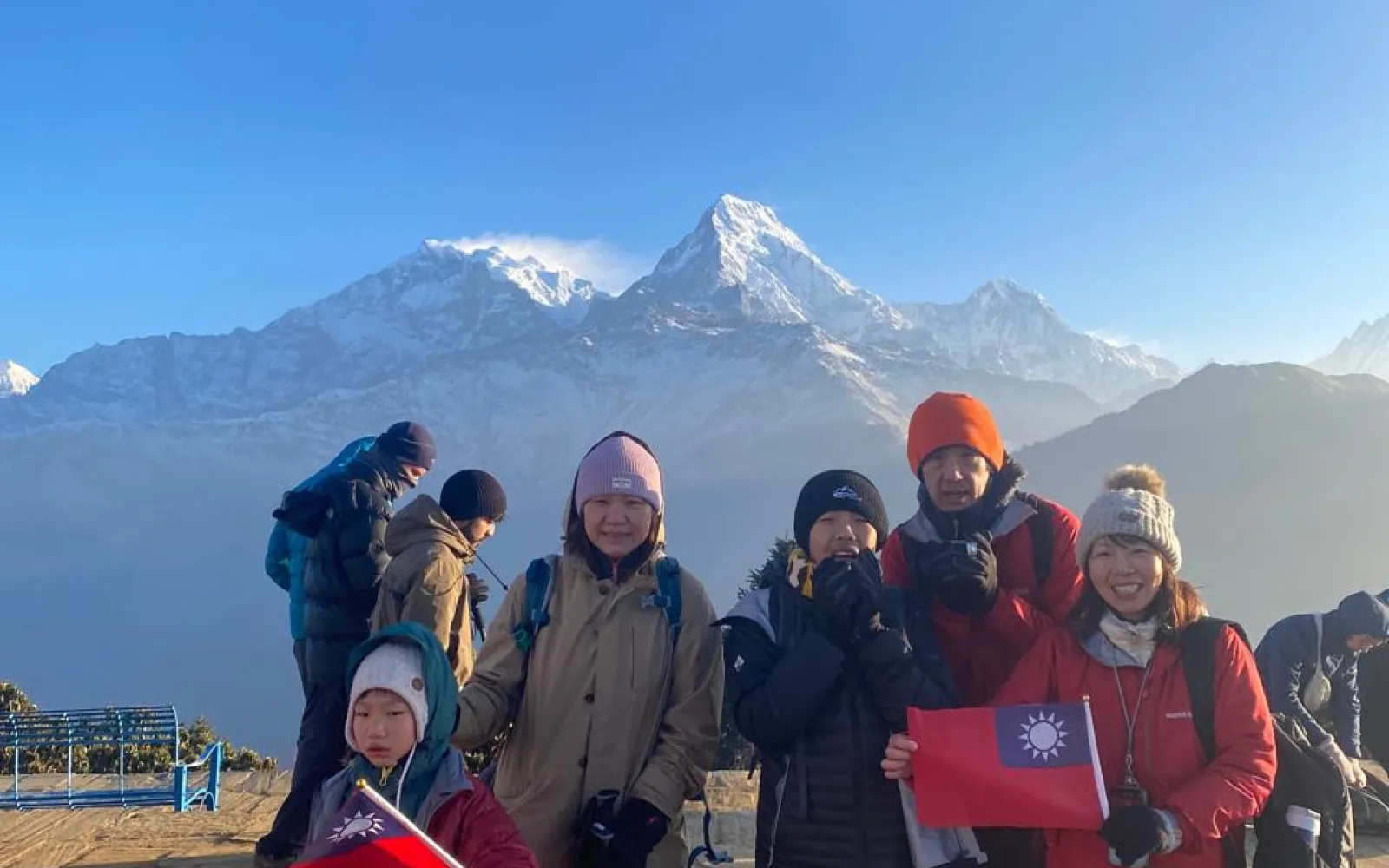
By September, mornings at Poon Hill yield sweeping views of both the Dhaulagiri and Annapurna ranges bathed in golden sunlight. The trail's classic stone-paved steps make it manageable even if there's a light late-summer shower along the lower stretches.
· Best Time: September
· Max Elevation: 5,416m (Thorong La Pass)
· Difficulty: Demanding
While lower sections of the Annapurna Circuit can get wet in early August, the high-altitude section past Manang sits in a rain-shielded zone. By September, as the weather settles, this classic route comes alive.
Taking a side trip to Tilicho Lake (4,919m)—one of the highest lakes in the world—is especially rewarding in September. The air clears up after the summer rains, leaving crystal-clear reflections of surrounding glaciers on the water's surface. Plus, the tea houses along the trail are open, welcoming, and far less packed than they get by October.
· Best Time: Mid-to-Late September
· Max Elevation: 3,870m (Kyanjin Gompa / optional climb up Kyanjin Ri at 4,773m)
· Difficulty: Moderate
For those looking for a shorter trek closer to Kathmandu, the Langtang Valley in September is a breath of fresh air. As the tail end of the monsoon clears out, the valley is left coated in vivid, electric-green foliage.
Rivers rush through the valley floor, waterfalls cascade right beside the trail, and local cheese factories in Kyanjin Gompa operate at full speed. Mornings in late September are typically crisp and clear, giving you pristine views of Langtang Lirung before light afternoon mists roll in.
· Plan for Travel Days: Mountain flights and road transfers can be delayed by lingering cloud cover or landslides in August. Always build 1–2 buffer days into your itinerary.
· Pack the Right Gear: Lightweight waterproof gear, sturdy boots with good traction, and trekking poles are essential for wet or muddy patches on lower trails.
· Embrace the Mornings: During shoulder season, wake up early, start walking by sunrise, and aim to reach your lodge by early afternoon before any mountain mist or scattered showers settle in.
Trekking Nepal in August and September isn't about compromising—it's about timing your days well. Whether you want the dramatic ridge walk of Mardi Himal or the sweeping views at Poon Hill, walking these paths before the main autumn rush offers a side of the Himalayas few travelers ever get to experience.
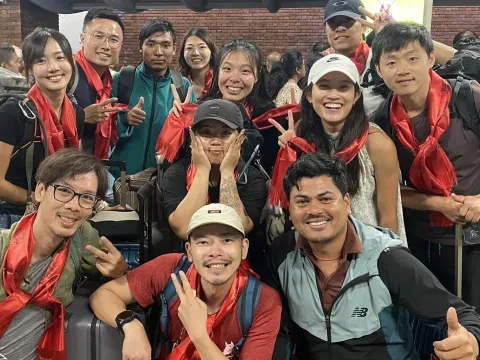
Book your 2026-2027 trekking packages with Roving Nepal Trek for the adventure of a lifetime!
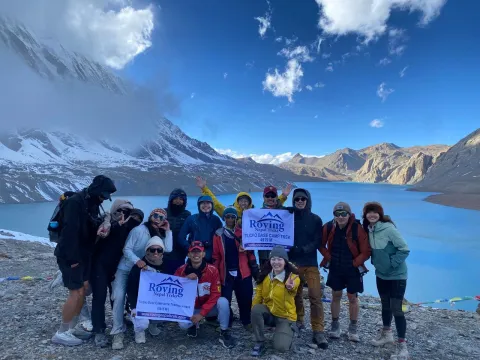
What makes the Annapurna Circuit Trek with Tilicho Lake special are not simply the mountains. It's the constant change. One week you're walking through green river valleys lined with pine forests and traditional villages. A few days later, you're crossing windswept high-altitude terrain that feels more like Tibet than Nepal. Then comes Tilicho Lake, a stunning turquoise body of water sitting at nearly 5,000 meters above sea level.
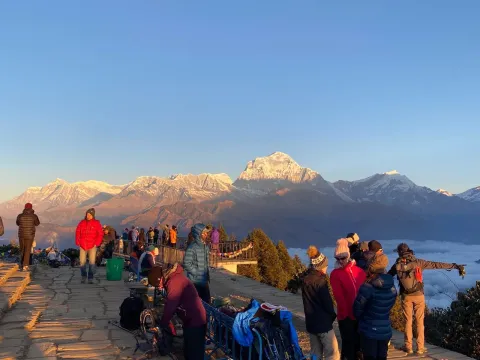
Unlike many high-altitude Himalayan treks, the Annapurna Base Camp Trek reaches an impressive elevation while passing through a variety of landscapes. Trekkers experience terraced farmland, traditional Gurung villages, rhododendron forests, waterfalls, rivers, alpine landscapes, and spectacular mountain viewpoints. With experienced local guides and careful planning, Roving Nepal Trek can help you create a safe and memorable Annapurna adventure.