Trekking in Nepal is always joyous and adventurous. Nowhere in the world you will find the plethora of experiences from natural to cultural attractions like in Nepal. Therefore, thousands of trekkers choose Nepal as their priority destination for trekking activities. In today’s blog, we are delving deeper into explaining the Nepal Trekking Permits. The importance of permit and we will also talk about the places where you can trek without any permits. It will surely erase all the misconception about the importance of permits for trekking in Nepal.
First and foremost, we must know the answer about the need of the Nepal Trekking Permit. There are basically three reasons that you must look into and get the permits for the trek.
1. Contribute to Local Community
There are some trekking permits which are issued by the local community or the local level government. The accumulated money is used to make sure that the local resources are properly utilized. The local community actively participate in creating healthy environment for the trekkers or tourists. The preservation of ancient traditions, culture, and food takes momentum. Hence, these permits can help to contribute the local economy of the host places. Remember that the remote regions of Nepal can be greatly benefit directly or indirectly due to the revenue generated from the permits.
2. Support in the Conservation Work & Sustainability
The administrative costs of the various conservation sites and national parks run by the revenue from the Nepal Trekking Permits. Therefore, the conservation works and trail maintenance works become smooth. It enhances the overall trekking experiences for the trekkers eventually helping out on win – win basis. The sustainable tourism is today’s need. If the revenue continues, then the authorities can continuously upgrade the services in the trail. Therefore, the permits can be essential tools to maintain sustainable tourism industry in Nepal.
3. Safety and Security
The Nepal Trekking Permits can ensure the safety of a trekker. For example, every check post keeps the physical record of the permit that gives idea to others about the whereabouts of a trekker. Nepal’s geographical terrain is very diverse. You may get lost or be in troublesome situations. During such emergencies, tracking of the lost trekkers become easy due to Nepal Trekking Permit. The entry and exit points determine your exact location making it easy for authorities to look out for trekkers in case of emergencies.
Well, there are very few trails which are possible to do without Nepal Trekking Permits. These places are in the lower elevation areas and lesser known off the beaten trails. Almost every commercial trekking route, trails inside the conservation area and national park territory require permits. In some places, the local rural municipality ask for the entry permit especially in the remote Himalayan belts.
1. Conservation Area Permit
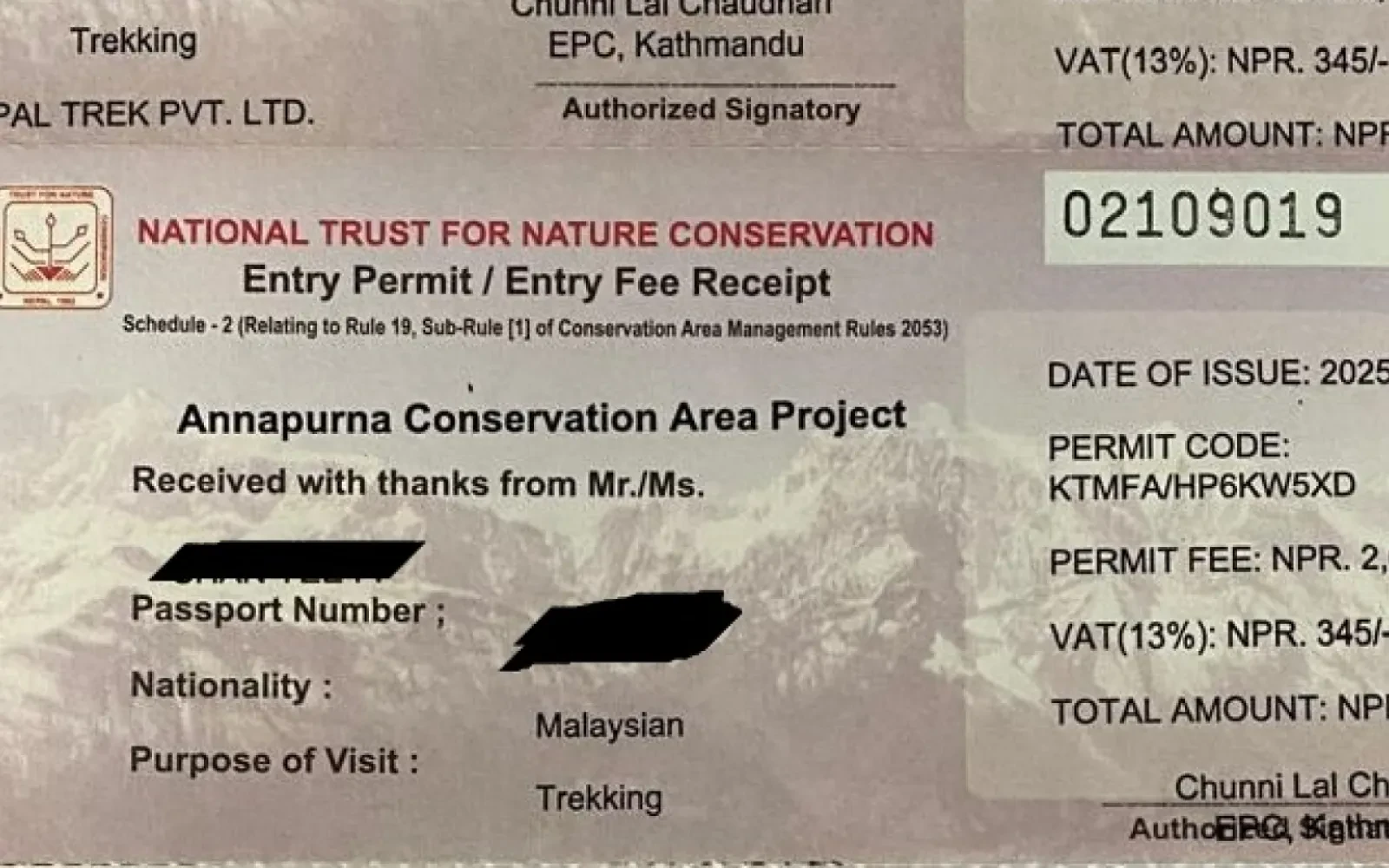
The most common Nepal Trekking Permit is the conservation area permit. There are lots of commercial and major trekking routes which fall in the conservation zone. Therefore, you need to buy the conservation area permit for the trek. In an average, the cost of the conservation area permit is NRs. 3000 to foreigners and NRs. 1500 to SAARC nationals. The price may vary according to places. Major conservation areas of Nepal are AnnapurnaConservation Area Project, Manaslu Conservation Area Project, Kanchenjunga Conservation Area, etc.
2. Special Restricted Area Permit
In the northern border of Nepal, some of the places are still under the restricted zone. Therefore, you must present the special restricted area permit issued by the immigration department of Nepal Government. These restricted area permits cost from 75 $ to 500 $ per person for the limited period of time with additional charges for each extra day. Each restricted region has their own policy and permit cost. Places like Upper Mustang, Manaslu, Upper Dolpo, Kanchenjunga, Nar Phu, etc. are under the restricted region of Nepal.
3. Local Rural Municipality Entry Permit
Nowadays, lots of local rural municipality have started to collect entry fee from trekkers. It is to make sure that they are safe and they can walk in the well-maintained trekking trail inside the municipality. The cost depends upon the area where you trek. For example, the local rural municipality entry for Khumbu is NRs. 2000 whereas the same permit costs NRs. 1000 in Manaslu. So, the price can vary from place to place but you don’t have to pay everywhere.
4. National Park Permit
There are many national parks inside this small nation. In fact, the world’s highest situated national park the Sagarmatha National Park is also present in Nepal. The cost of the Nepal Trekking Permits for the entry inside the national park is similar to that of conservation areas (NRs. 3000 to foreigners & NRs. 1500 to SAARC nationals).
5. UNESCO WORLD HERITAGE SITES Entry Permit
Remember to enter the heritage sites of Nepal especially the UNESCO sites require you to get the entry ticket. However, lots of temples and ancient landmarks are free to enter. Some of the major UNESCO WORLD HERITAGE SITES of Nepal are Kathmandu Durbar Square, Patan Durbar Square, Swyambhunath, Lumbini, Pashupatinath, Bouddhanath, Changunarayan, etc.
No, you don’t need to buy ticket to enter monasteries in Nepal either in Kathmandu or in the trekking areas. These monasteries run entirely on donation. Therefore, after visiting the monastery you can leave some donation in the box.
Don’t even think about bypassing the rule of Nepal Trekking Permits for the trek. If found without permit, then you have to pay double or triple the price of the original permit. In some cases, you may have to face criminal charges and your trekking may have to be halted. Therefore, it is wise to get the permit rather than bypassing the law.
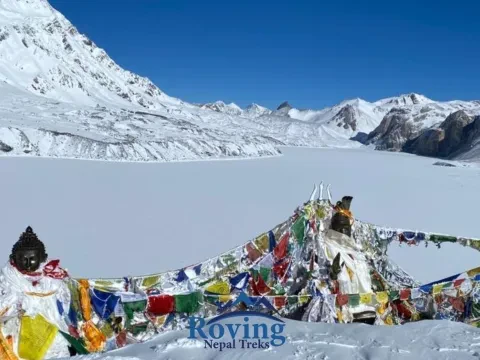
Nestled within the rugged embrace of Nepal's Annapurna Region, the Tilicho Lake Trek stands as a testament to nature's grandeur and the allure of high-altitude adventure.
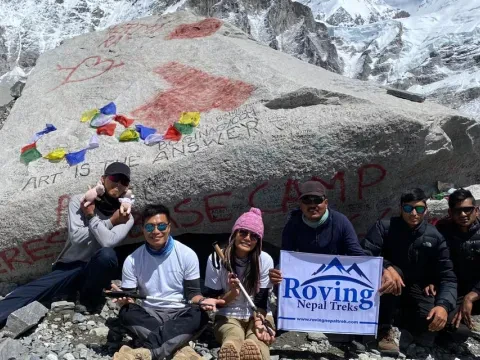
There is hardly any trekker or a common man who wouldn't know about Mount Everest. The charm and grace of Mount Everest sit right at the top. Talking about Everest Base Camp it is one of the toughest yet beautiful trekking journeys.
The items to pack for the trek might differ from person to person and even the trekking agency. Some common items need to be included wherever you are trekking in Nepal, be it Everest Base Camp or Tilicho Lake.
If you are planning to go trek to Everest Base Camp, this thorough set of Everest Base Camp Trek FAQs answers your every question.
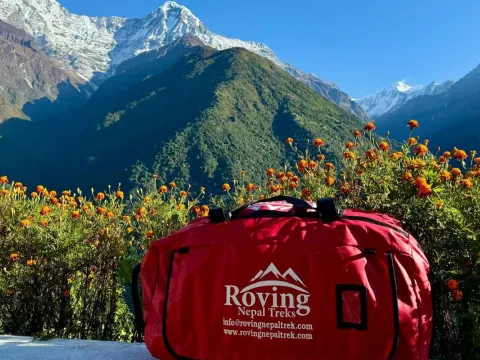
However, to feel the natural Nepal you must do trekking activities. In this blog, let's know more abouttop 5 trekking routes of Nepal.
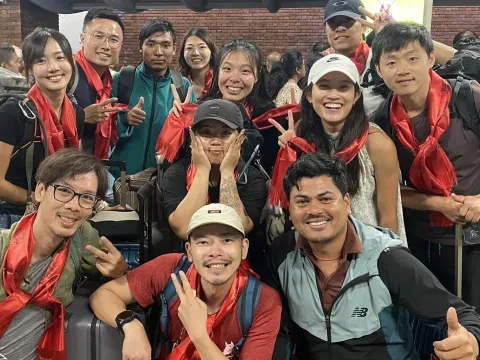
Book your 2026-2027 trekking packages with Roving Nepal Trek for the adventure of a lifetime!
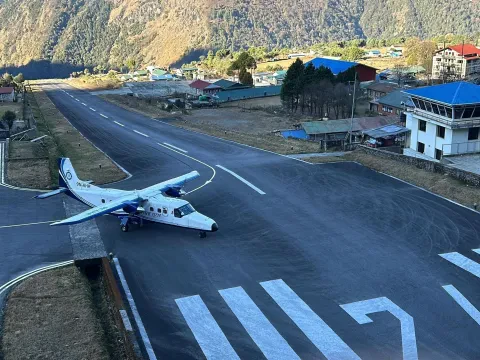
Everest trek. Everest trek.A journey from Lukla to Everest is filled with beautiful Sherpa villages, lush green forests, and many more. From peeking at the beautiful mountains like Lhotse and Nuptse there is much more to explore in the Lukla to Everest trek.
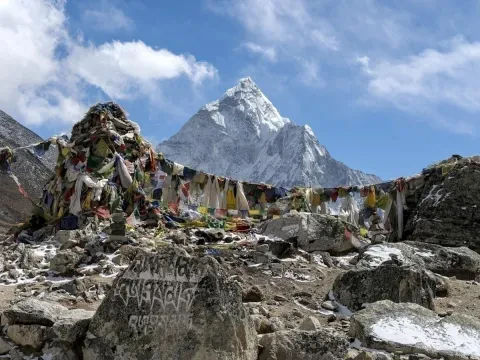
Choosing between a trek in the Annapurna Region and the Everest Region can be difficult. Roving Nepal Treks is here to help you make the right choice.
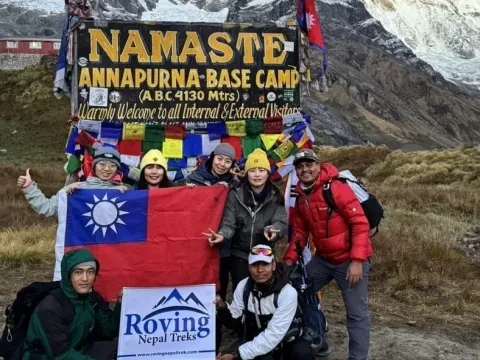
One of the darling trekking destination of the world is the Annapurna Base Camp Trek. Therefore, the charm of this route is very high among travelers from across the globe. The journey that takes trekkers to the foothill of the world's 10th tallest mountain is definitely a prized one. There are lots of questions about the Annapurna Base Camp Trek for Beginners. So, today's blog is all about finding out reasons that make the ABC Trek suitable for all age group from beginners to professional trekkers.