You might think the Himalayas cost a fortune. They don't. While summiting Everest requires deep pockets, trekking the valleys below is surprisingly cheap. We see backpackers pulling off epic weeks in the mountains for less than a night in a London hotel. Nepal is built for this. The teahouse network means you don’t need expensive tents or massive porter crews carrying gourmet food. You just pack your bag and go. For a few dollars, you get a warm bed and endless plates of hot dal bhat to fuel your climb. The permits are cheap. The buses are rugged but cost almost nothing. It's the ultimate adventure hack. We at Roving Nepal Trek have walked these paths for years, and we know exactly where your money stretches the furthest.
Let's break it down. It is cheaper than you expect. A budget trekker can easily survive on $25 to $30 a day on the trail. That covers three solid meals, a basic bed, and enough hot tea to keep you warm when the sun drops behind the peaks. Permits usually cost around $40 to $50 depending on the region. A good local guide runs about $25 to $30 a day, which split between two people is practically nothing for the safety they bring. You pay more as you go higher. A Snickers bar in Kathmandu is a dollar, but at 4,000 meters, it costs three. That's just mountain economics. Still, compared to the Alps or Patagonia, your cash lasts forever up here.
Not all trails are cheap. Some require expensive flights. Others demand restricted area permits that drain your wallet before you even lace up your boots. We picked these seven routes specifically because they keep costs incredibly low without sacrificing the raw, jaw-dropping views you came to Nepal to see. Most start with a cheap local bus ride from Kathmandu or Pokhara. No flights needed. They all feature well-established teahouses, meaning competition keeps room prices fair. From the rhododendron forests of Ghorepani to the glacial moraines of Langtang, these routes give you the absolute best of the Himalayas. Here are the trails where your budget survives.
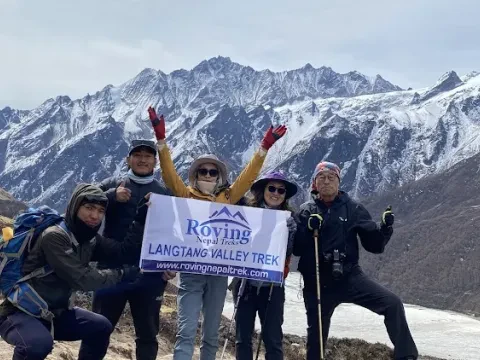
Langtang is a masterpiece. For now until 2027 spring, Langtang may be closed due to Rasuwa Bhotekoshi Flash Flood. Syabrubeshi needs to recover after massive destruction. It sits right near the Tibetan border. You catch a bumpy, terrifyingly beautiful local bus from Kathmandu to Syabrubesi, totally skipping the need for an expensive domestic flight. That saves you hundreds right away. The trail winds through dense forests before violently opening up into a massive, U-shaped glacial valley. We love this route because it feels wild. It is less crowded than Everest, meaning teahouse owners are thrilled to see you and prices stay reasonable. You'll eventually hit Kyanjin Gompa at 3,870 meters. Eat the local yak cheese there. It's rich, sharp, and cheap. The whole trip takes about a week, making it perfect for tight schedules and even tighter budgets.
This is the new classic. Ten years ago, nobody walked this route. Now, it's the best short trek out of Pokhara. You hike directly along a sharp, dramatic ridge instead of hiding down in a valley. The views of Machapuchare—the Fishtail mountain—are so close you feel like you could touch the snow. It takes about five days. You start with a cheap taxi ride to Kande. Because it is short, your daily costs stay incredibly low. The teahouses are basic. Sometimes you just get a wooden plank bed and a blanket. But watching the sunrise hit the Annapurna range from High Camp at 3,580 meters makes you completely forget about the hard mattress. It's pure magic.
This one is famous for a reason. It is cheap, fast, and stunning. You only need four or five days on the trail. That keeps your total budget incredibly low. The path is basically one giant staircase made of stone, winding up through massive, ancient rhododendron forests that bloom bright red in the spring. You don't go crazy high. Poon Hill sits at 3,210 meters, so you don't have to spend extra days acclimatizing or worrying about altitude sickness. Every morning, you wake up early, grab a cheap headlamp, and hike up to watch the sunrise light up the Dhaulagiri range. We always tell beginners to start here. The apple pie in Ghorepani is legendary, and yes, it fits the budget.
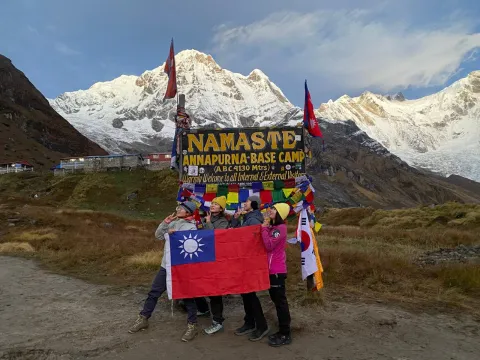
You want big mountains fast. This is how you do it. We squeeze the classic Annapurna Base Camp route into just seven or eight days. It cuts out the long, meandering side trails and marches you straight up the Modi Khola gorge right into the sanctuary. The sheer walls of rock and ice completely surround you. It is breathtaking. Since you are moving faster and spending fewer days on the trail, you save a ton of cash. The teahouses get busy, especially at Base Camp, so you might share a room with strangers. But waking up at 4,130 meters with a hot cup of black tea while avalanches crash in the distance? That is worth every single cheap plate of rice you ate to get there.
Khopra is a hidden gem. It is the perfect alternative if you want to avoid the massive crowds marching up to Poon Hill. You walk right off the beaten path. It takes about a week, and because it flies under the radar, the community lodges are highly affordable. All the money goes straight back into the local schools. You end up standing on Khopra Ridge at 3,660 meters, staring straight across a massive plunging valley at Mount Dhaulagiri. If you have the energy, we highly recommend the day hike up to Khayer Lake. It's a grueling, lung-busting climb. But the sacred, icy waters reflecting the mountain peaks are completely free to look at, and utterly unforgettable.
Wait. Everest on a budget? Yes. You can do this. Instead of spending two weeks marching all the way to Base Camp, you do a sharp five-day loop. The main expense is the Lukla flight, but once you land, your trail costs are minimal because the trip is so short. You climb up the brutal hill to Namche Bazaar. We stay there, acclimatize, and hike up to the Everest View Hotel. You get the exact same staggering view of Everest, Lhotse, and Ama Dablam that the Base Camp trekkers get. You just don't have to suffer for another week in the freezing cold to see it. It's a brilliant hack for seeing the world's highest peak without draining your bank account.
The full circuit takes weeks. We condense it. By using the new dirt roads that have crept up the valleys, we drive you in a cheap local jeep straight to Chame or Pisang. From there, you just hike the absolute best parts of the trail. You cross the massive Thorong La Pass at 5,416 meters. It's brutally tough. The air is dangerously thin. But the sense of achievement is massive. After the pass, you drop down to Muktinath and catch another local bus back down to Pokhara. By cutting out the lower, hot, dusty walking days, we save you at least a week of food and guide fees. You get the ultimate Himalayan crossing for half the price.
Don't buy bottled water. It is a massive waste of cash and terrible for the mountains. Bring a filter or purification tablets and drink from the taps. It costs nothing. Eat the dal bhat. It is the national dish of rice and lentils, and teahouse owners will refill your plate until you literally cannot eat another bite. It is the best value calorie-for-calorie on the trail. Skip the fancy Western gear shops in your hometown. You can rent a heavy sleeping bag and a thick down jacket in Thamel for about a dollar a day. Lastly, bring your own snacks. Chocolate bars in Kathmandu are cheap, but the price triples by the time you reach 4,000 meters.
Timing is everything. For the absolute best weather, you want October or April. The skies are crystal clear. But here is the catch. Those are peak months, and teahouse prices stay firm. If you really want to stretch your budget, trek during the shoulder seasons. Late November or early December is fantastic. It is freezing cold. The nights are bitter. But the skies are often still clear, and teahouse owners will frequently give you a room for free if you promise to eat dinner and breakfast in their dining hall. Avoid the summer monsoon completely. It is cheap, but the leeches and relentless rain will make you miserable. Stick to the cold edges of the busy season to save cash.
It is well known to all that Nepal is an ideal destination for trekking activities. The presence of mesmerizing Himalayas (over 1900 snow – capped mountains), diverse landscapes, diverse vegetation, and multi – ethnic communities (over 125 ethnic castes) makes it the best travel destination. Besides cultural tours, pilgrimage tours, and adventure mountain climbing activities, trekking is the most popular holiday choice. Therefore, lots of people visit Nepal for trekking to various destinations. Today’s blog is about the best beginner trek in Nepal. Walking in some of the trails in Nepal requires lots of physical fitness level and logistics management.
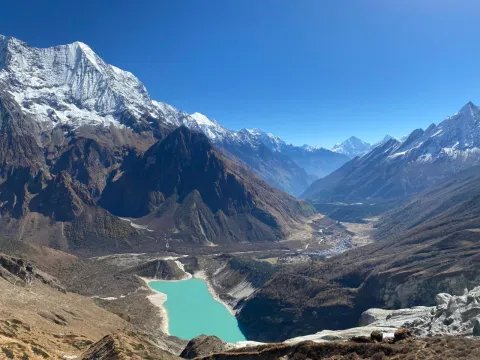
What do you know about traveling to the most remote areas of Nepal? It requires money and manpower both for a successful and safe journey. Therefore, today’s blog is about the Manaslu Circuit Trek Cost Guide. Get the latest information about various expenses that you must do while doing the famous 12 Days Manaslu Circuit Trek in Nepal.
If you have ever stared at a photograph of the morning light hitting the icy peak of Mount Ama Dablam or watched dust swirl behind a yak train on the Annapurna Circuit, you already know the pull. Nepal calls to travelers in a way few other places on Earth manage to do. It isn’t just a destination; for many, it is a pilgrimage of dirt, endurance, and quiet wonder.