Frozen blue water. When you dream about trekking high into the Himalayas, two impossible basins of glacial ice almost always rise to the top of your bucket list: Tilicho Lake in the Annapurna range and the sacred Gokyo Lakes tucked right beside Mount Everest. Both stun you. Yet they feel like totally different planets once your boots hit the dirt, because one forces you across crumbling scree slopes in a raw amphitheater while the other welcomes you with lakeside bakeries and a massive grey glacier. Which one fits your style? Let our team at Roving Nepal Trek break it down.
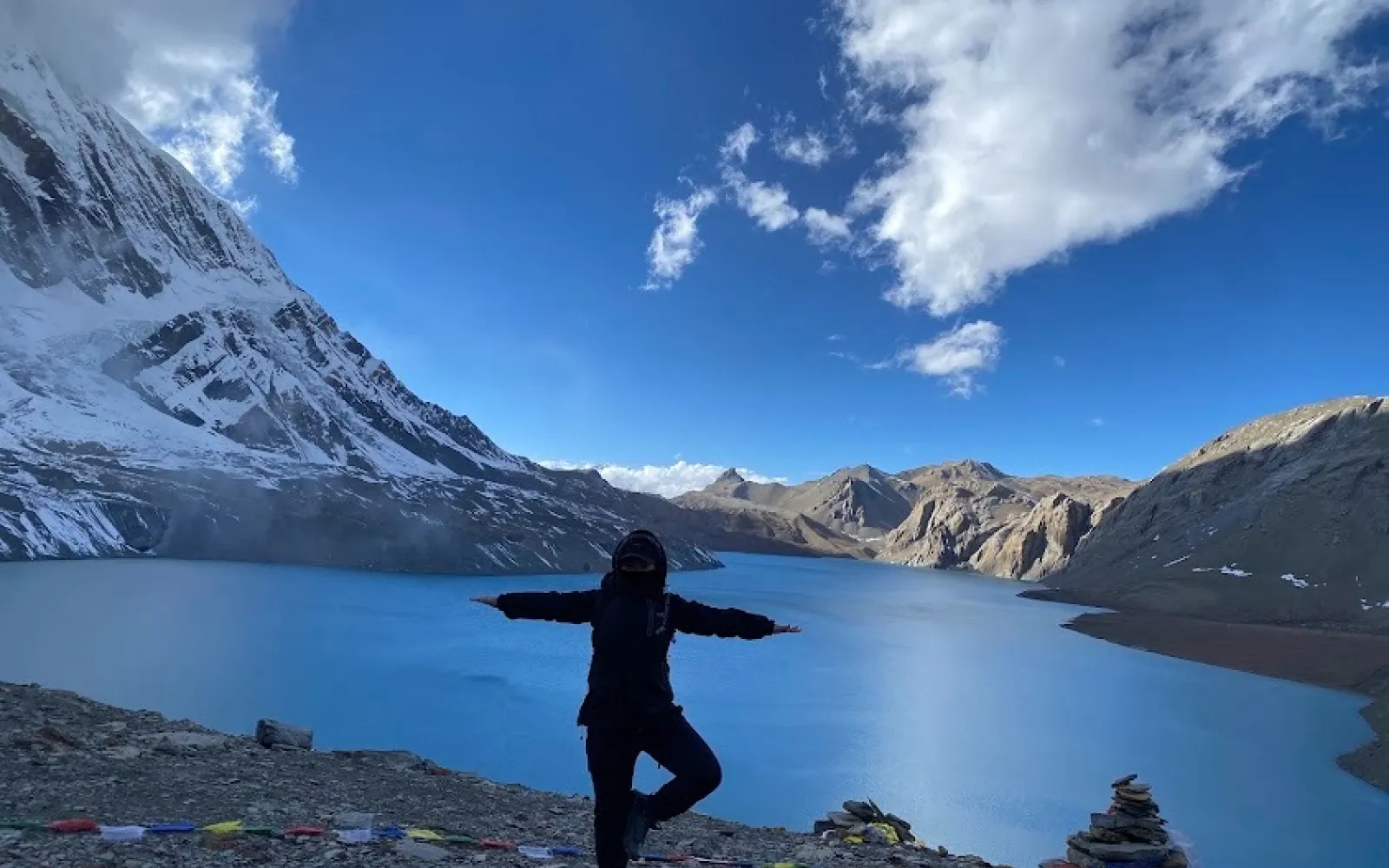
Pick your poison. If you crave raw, wild isolation where cold winds whip off a four-kilometer sheet of turquoise water and there isn't a single teahouse in sight at the shore, Tilicho Lake will steal your heart immediately. Gokyo feels gentler. Instead of one giant alpine sea, you hike past a chain of six emerald pools with cozy lodges sitting right on the water's edge at the third lake. Honestly, we at Roving Nepal Trek tell thrill-seekers to chase Tilicho's dramatic cliffs, while photographers who love warm bedsheets beside the water always fall hard for Gokyo.
Numbers lie sometimes. Looking strictly at the map, Tilicho Lake sits higher at 4,919 meters compared to the main Gokyo village shoreline at roughly 4,750 meters, making the Annapurna contender seem like the undisputed high-altitude champion. Here's the catch. Nobody sleeps at Tilicho Lake because it’s a freezing day-hike up from Tilicho Base Camp at 4,150 meters, whereas in Gokyo you eat, sleep, and breathe right at 4,750 meters for two nights before climbing Gokyo Ri at 5,357 meters. Sleeping high changes everything. That’s why Roving Nepal Trek watches your oxygen levels closely in both valleys.
Tilicho hits harder. While both routes demand strong lungs and stubborn legs, the push from Shree Kharka to Tilicho Lake involves traversing sketchy, sliding gravel paths followed by a relentless zigzagging climb up twenty-two switchbacks that feel infinite in thin air. Gokyo paces differently. You still tackle the steep Namche Hill and thin-air days along the Dudh Koshi river, yet the walking path up past Machhermo stays stable, wide, and surprisingly gradual until you tackle Gokyo Ri. Honestly, if sketchy footing makes your palms sweat, our Roving Nepal Trek guides will steer you toward Gokyo every single time.
Let’s talk giants. At Tilicho, you aren't looking at peaks from a distance; you stand directly beneath the terrifying vertical ice wall of the Grande Barrière, with Tilicho Peak and Gangapurna towering right over the water like white fortresses. It’s claustrophobic grandeur. Gokyo trades that closed-in wall for sweeping, big-sky panoramas where Cho Oyu—the world’s sixth-highest mountain—reflects right in the northern valley and climbing Gokyo Ri reveals four eight-thousand-meter monsters at once, including Everest, Lhotse, and Makalu. Want sheer vertical drama? Go Tilicho, though Roving Nepal Trek clients chasing famous summits always pick Gokyo.
Count your vacation days. Thanks to rough mountain roads creeping up the Marsyangdi valley toward Manang, you can actually knock out a standalone Tilicho Lake trek in about nine or ten days if you take jeeps back down instead of crossing Thorong La. Gokyo takes longer. Because you fly into Lukla at 2,860 meters and must climb purely on foot with mandatory rest days in Namche Bazaar, a safe round-trip Gokyo itinerary demands at least eleven to twelve days. Don't rush Everest. At Roving Nepal Trek, we refuse to cut acclimatization days just to save forty-eight hours.
Loose rocks fall. That’s the brutal truth about the hour-long landslide traverse between Shree Kharka and Tilicho Base Camp, where narrow dirt paths cut across steep forty-five-degree scree slopes and afternoon winds regularly knock small stones down from the cliffs above. Snow makes it worse. By comparison, the Gokyo trail walks on solid granite stones and stable glacial moraine, except for a short shifting section near the Ngozumpa Glacier edge. Look, neither route is a city sidewalk. Still, our Roving Nepal Trek guides always cross Tilicho’s landslide zone before 8:00 AM when frost holds the pebbles together.
Your wallet notices Gokyo. Trekking in the Everest region requires expensive domestic flights—often routed through Ramechhap—plus local rural municipality fees, Sagarmatha National Park permits, and noticeably pricier teahouse menus where a pot of tea costs as much as a city lunch. Tilicho saves cash. Since you reach the Annapurna trailhead by highway bus and rugged local jeeps via Besisahar and Chame, you skip the two-hundred-dollar airplane ticket entirely and only pay for ACAP permits. Want high-altitude magic on a tighter budget? Roving Nepal Trek can stretch your dollars much further around Manang.
October owns both trails. Right after the summer monsoon clears out in late September, the skies over Manang and Khumbu turn an impossibly deep cobalt blue, offering crystal-clear mountain reflections before winter ice freezes both lakes solid in December. Spring works great too. March through May brings warmer afternoons, though Tilicho often holds heavy, lingering winter snow across its landslide zone well into April, which occasionally blocks the path completely. Here's the catch with Gokyo: Lukla clouds. When you book with Roving Nepal Trek, we always suggest adding one buffer day for Everest flights.
People make the mountains. Walking up toward Tilicho through Upper Manang immerses you in centuries-old Tibetan-influenced Gurung and Manangi culture, where weathered stone houses cluster beneath fluttering prayer flags, ancient Braga monasteries cling to cliffs, and yak herders still trade across high valleys. Gokyo feels different. Once you leave the bustling Sherpa capital of Namche Bazaar and climb past Dole, the upper Gokyo settlements are purely seasonal grazing outposts built for tourists and summer yaks rather than year-round ancestral villages. If deep, living village heritage matters to you, our Roving Nepal Trek team loves Manang’s historic warmth.
Ambitious? I like it. Because Tilicho sits in central Nepal’s Annapurna range and Gokyo lies far to the east in the Khumbu region, there is no continuous high-altitude trail linking them without flying or driving all the way back through Kathmandu. You need three weeks. Still, if you have twenty-four days and iron legs, Roving Nepal Trek can easily link both adventures: you crush Tilicho and Thorong La first so your blood builds peak red blood cells, then hop a flight to Lukla and breeze right up to Gokyo fully acclimatized. It’s the ultimate Himalayan lake double-header.
Choosing between two icons hurts. Every week, trekkers message us late at night wondering if Tilicho’s famous landslide trail is really as scary as YouTube makes it look, or whether Lukla flight cancellations will wreck their tight two-week holiday to Gokyo. You deserve straight talk. Instead of vague brochure promises, our senior guides at Roving Nepal Trek pulled together answers to the exact logistical, safety, and fitness questions we handle on the trail every season. Read these ten breakdowns carefully. By the end, you’ll know right in your gut which frozen shoreline belongs on your calendar.
Tilicho wins on grit. Even though the standard Gokyo trek keeps you above 4,000 meters for more consecutive days, the actual physical push to Tilicho Lake feels tougher because of the unstable scree traverse and that brutal, freezing 800-meter morning climb from Base Camp. Footing matters a lot. In Gokyo, the trail stays firm under your boots unless you decide to add the steep boulder-hop over Cho La Pass. Honestly, when clients ask us at Roving Nepal Trek which day feels harder on the lungs and nerves, the pre-dawn Tilicho ascent takes the crown.
Gokyo treats rookies better. That might sound backwards since Everest sounds intimidating, yet the Gokyo valley offers wider paths, zero scary landslide crossings, and much more comfortable teahouses with heated dining rooms where beginners can recover well each evening. Tilicho feels raw. Dealing with falling pebbles near Shree Kharka while simultaneously feeling the dizzying effects of 4,000-meter air for the first time in your life can overwhelm anxious first-timers. Take it from Roving Nepal Trek: if you’ve never tested your body in thin air before, Gokyo’s steady, supportive infrastructure makes a smarter classroom.
Both demand total respect. However, Tilicho causes more sudden altitude sickness lately because impatient trekkers take four-wheel-drive jeeps all the way up to Manang at 3,540 meters in a single day, skipping the gradual three-day walk that lets human lungs adapt naturally. That’s a trap. In Gokyo, nobody drives past Lukla, so your feet force a slower ascent, though sleeping two nights at 4,750 meters in Gokyo village still carries real risks. At Roving Nepal Trek, we enforce a strict rest day in Manang for Tilicho hikers and an extra stop in Machhermo for Gokyo crews.
Not even close. When heavy snow dumps on the Gokyo valley, the final walk from Machhermo to the third lake becomes a slow, tiring trudge through white powder, yet the broad valley floor remains relatively safe from steep slides. Tilicho turns dangerous fast. Fresh snow hides the narrow dirt track across the Shree Kharka landslide slopes and loads the upper gullies with slab avalanche hazards, often forcing local authorities to close the trail completely. Because safety comes first at Roving Nepal Trek, our guides pack microspikes for both routes and never push Tilicho during active blizzards.
Gokyo gives you options. Walking up the Dudh Koshi and Ngozumpa valley, you pass small clusters of teahouses every two hours—like Phortse Tenga, Dole, Lhabarma, and Luza—meaning if a headache creeps in at lunch, you can simply stop right there for the night. Tilicho locks you in. Once you leave Khangsar, your only overnight stops are Shree Kharka and Tilicho Base Camp, with zero lodges in between across the landslide zone. If someone feels sluggish on a Roving Nepal Trek departure in Gokyo, splitting a five-hour day into two tiny walks is effortless.
Yes, people do it constantly. Instead of continuing north from Shree Kharka toward Yak Kharka and grinding over the 5,416-meter Thorong La Pass into Mustang, you simply hike back down to Khangsar and Manang after visiting Tilicho Lake, then hop a jeep down the valley. It saves four days. More importantly, skipping the pass removes the highest, coldest day of the Annapurna Circuit while still giving you a nearly 5,000-meter trophy. At Roving Nepal Trek, we design this exact out-and-back Tilicho plan for hikers who have just nine days or want to avoid Mustang winds.
Hands down, yes. Tilicho gives you one massive, unforgettable body of water and some hanging ice up on the cliff walls, whereas Gokyo is literally an outdoor museum of high-altitude glaciology. You get six lakes. Right beside the village runs the massive Ngozumpa Glacier—the longest glacier in the Himalayas—where you can peer over the moraine ridge to watch milky meltwater ponds shift and hear deep ice groaning beneath grey boulders. Whenever geology lovers book with Roving Nepal Trek, we take them past the third lake toward Fourth and Fifth Lakes for unmatched glacial views.
Each has a headache. Gokyo lives at the mercy of Lukla airport, where thick mountain fog or strong crosswinds can ground twin-otter planes for two or three days straight, forcing you to either wait in Ramechhap or pay extra for a helicopter share. Tilicho avoids airplanes completely. That said, the dirt road between Besisahar and Manang clings to vertical river cliffs and suffers from mudslides or washed-out bridges during late monsoon and early autumn. At Roving Nepal Trek, we track road crews and flight weather daily so our clients never get stranded without a backup plan.
Gokyo relies on helicopters. Because there are no motorable roads anywhere in the upper Everest region, getting a sick trekker down from Gokyo at 4,750 meters means either descending on horseback toward Namche or calling in an insurance-backed helicopter rescue from the lodge helipad. Tilicho offers two escapes. Helicopters can easily land at Tilicho Base Camp or Shree Kharka in clear weather, plus once you descend just a few hours back to Khangsar, a four-wheel-drive jeep can rush you straight down the highway to lower altitude. Roving Nepal Trek coordinates both air and ground rescues 24/7.
Two weeks is magic. With twelve to fourteen days in your pocket, you actually have the exact window required to complete Tilicho Lake combined with the Thorong La Pass crossing, giving you lush green valleys, rich Manangi monasteries, a giant alpine lake, and a classic pass crossing. Gokyo fits twelve days too. Still, once you factor in Ramechhap drives and potential Lukla flight delays, a twelve-day Gokyo trip leaves very little breathing room if weather turns sour. Honestly, for a stress-free, wildly diverse two-week holiday, Roving Nepal Trek recommends the Tilicho and Annapurna loop.
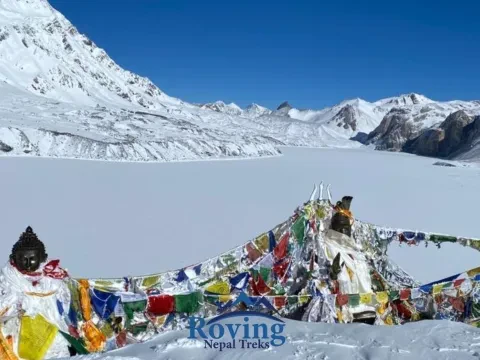
Nestled within the rugged embrace of Nepal's Annapurna Region, the Tilicho Lake Trek stands as a testament to nature's grandeur and the allure of high-altitude adventure.

Everyone knows about the Everest Base Camp trek, and almost everyone who detours into the stunning Gokyo Valley knows about the steep climb up Gokyo Ri. But there is a hidden gem tucked further up the valley that many trekkers completely miss out on: Scoundrel Viewpoint. If you are doing the Gokyo Lakes Trek or crossing the Cho La Pass, spending an extra day to explore the upper lakes and sit at Scoundrel Viewpoint is one of the best decisions you can make.
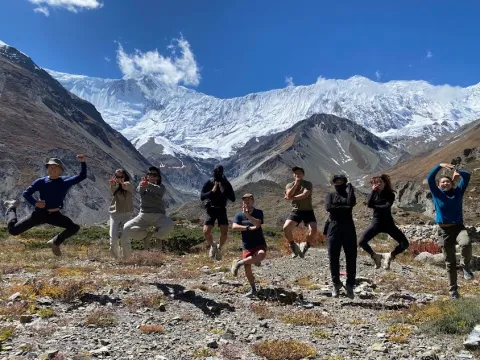
Look, this isn't your average stroll in the park. Adding the Tilicho Lake detour to the classic Annapurna Circuit transforms a standard route into a lung-busting, knee-grinding beast of a trek. Why do it? Because it’s arguably the most spectacular detour in the Himalayas.