Nepal trekking without a guide is no longer possible on most mainstream trails, but the rules vary depending on the region you plan to visit.
While independent hiking was common for decades, national policy changes phased out solo trekking in national parks and conservation areas. If you are planning an independent trek, here is where you can still walk without a guide, where guides are strictly enforced, and how permits work.
The rules depend on local jurisdictions and conservation status.
| Trekking Region | Can You Trek Without a Guide? | Required Permits | Permit Enforcement |
| Everest Region (EBC, Gokyo, Three Passes) | Yes (in practice) | Sagarmatha National Park Permit + Khumbu Rural Municipality Permit | Local authority operates independently; does not check for guides. |
| Annapurna Region (Circuit, ABC, Poon Hill, Mardi Himal) | No | ACAP + Agency-issued TIMS card | Checkpoints require a licensed guide and agency TIMS. |
| Langtang & Gosainkunda | No | Langtang National Park Permit + Agency-issued TIMS card | Mandatory guide checkpoints at park entry points. |
| Restricted Areas (Manaslu, Upper Mustang, Nar Phu) | No | Restricted Area Permit (RAP) + Conservation permits | Strictly enforced; minimum 2 trekkers plus a licensed guide. |
| Kathmandu & Pokhara Day Hikes | Yes | None (or local park entrance fees) | Open for self-guided day walks. |
Important Travel Note: Due to recent flash floods and heavy seasonal rainfall, several access roads, bridges, and trailheads—particularly in parts of the Langtang/Rasuwa corridor and connecting highways—have faced severe damage or temporary closures. Trail conditions across Nepal can change rapidly after major weather events. Always research the latest local road and trail statuses, check with official authorities or your local agency, and plan your route and backup options accordingly before setting out.
In the Annapurna Conservation Area and Langtang National Park, foreign travelers cannot trek independently.
Under Nepal Tourism Board regulations, the self-issued "green" TIMS card has been discontinued. TIMS cards are issued exclusively through authorized trekking agencies which must register a certified guide along with your permit details. Checkpoints along trails like Poon Hill, Annapurna Circuit, and Langtang Valley will turn away unguided foreign trekkers.
The Khumbu (Everest) region remains the primary route where trekking without a guide is practically feasible.
The Khumbu Pasang Lhamu Rural Municipality operates its local permit system and does not implement the national TIMS card requirement. Trekkers purchase the local permit and national park entry permit directly at Lukla or Monjo without needing agency sponsorship or a mandatory guide. You can walk to Everest Base Camp, Gokyo, and surrounding high passes independently, provided you manage your altitude safety and teahouse logistics.
Remote zones such as Manaslu, Upper Mustang, Tsum Valley, and Kanchenjunga remain restricted-access zones. Independent travel has never been permitted here: you must have an authorized agency arrange your itinerary, a licensed guide, and a minimum group size of two foreign travelers.
If you choose an unguided route like Everest, you take full personal responsibility for your logistics and mountain safety:
Navigating permit rules, trail checkpoints, and high-altitude logistics can quickly complicate trip planning. While independent trekking sounds appealing, dealing with full teahouses, changing weather, and altitude safety on your own takes considerable time and effort.
At Roving Nepal Trek, we make your journey simple and safe. Our team arranges all required TIMS cards and permits, pairing you with experienced, licensed local guides who prioritize your health and pace. Whether you need a private guide for a solo trek or a fully tailor-made itinerary, we handle the details so you can focus on the mountains.
Can I trek solo with a private guide?
Yes. The requirement is to trek with a licensed guide, not as part of a large tour group. A registered agency can provide a dedicated private guide for single travelers.
Can I hire a porter instead of a guide?
No. While porters carry baggage, they do not hold government guide licenses and cannot legally satisfy the mandatory guide requirement at trail checkpoints.
Which easy treks allow independent walking?
Trails outside formal conservation or restricted areas—such as day hikes from Pokhara (Sarangkot, World Peace Pagoda) or Kathmandu Valley rim trails (Nagarkot, Champadevi)—can be completed without a guide or agency paperwork.
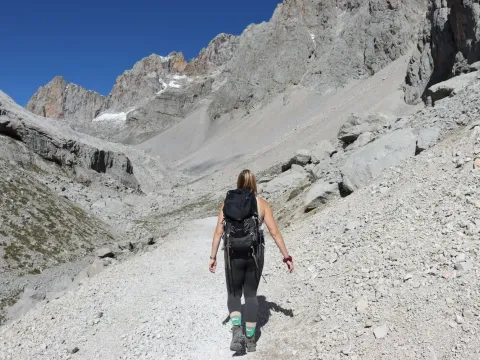
Is Nepal safe for solo female travellers? Learn about safety, solo trekking rules, travel tips, common scams, and the best places to visit in Nepal.
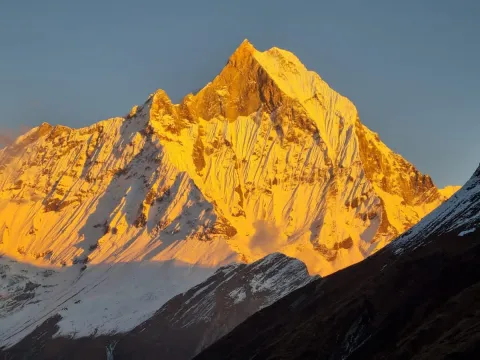
When news breaks of a natural disaster in the Himalayas, the global headlines often paint a sweeping picture. A single headline reading "Flash Floods in Nepal" can make it sound as if an entire nation of mountains has suddenly closed its gates. The Himalayas have sustained life, culture, and adventure for centuries. While local relief efforts continue in Rasuwa, the vast trails of Everest, Annapurna, and Manaslu remain as majestic, welcoming, and serene as ever.
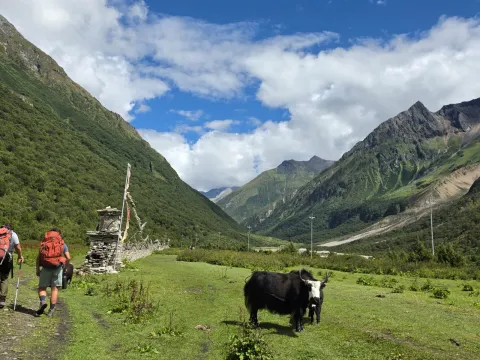
Help Nepal by booking these treks or any treks from Annapurna, Manaslu, and Everest region of Nepal. Today’s blog is about 5 Safe Treks in Nepal 2027 and Autumn Season 2026. In the middle of chaotic and traumatic time of Rasuwa Floods, these are the 5 safe yet promising treks to do in Nepal. Explore main 5 treks you can do in Nepal between Autumn 2026 and 2027.