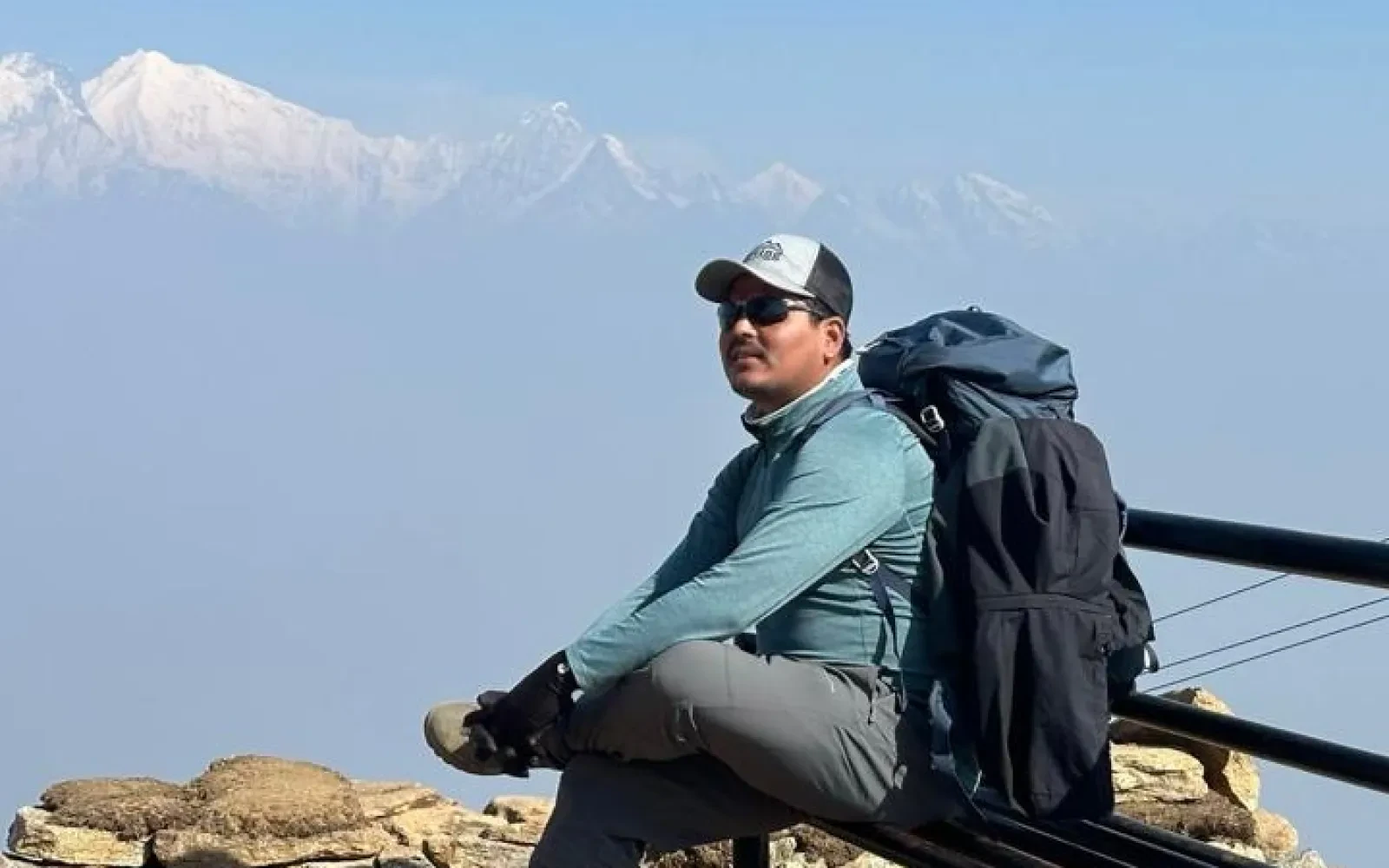
Look, comparing these two is completely wild. One is a roaring highway of bucket-list chasers, while the other feels like a ghost town hidden behind a wall of jagged ice. Which one actually feeds your soul? Honestly, Everest gives you those massive bragging rights and dramatic icefalls that look incredible on a phone screen. But Manaslu? Manaslu breaks you down in the best way possible, quietly forcing you to earn every muddy footprint alongside Roving Nepal Trek guides who know the trail's hidden rhythms. It’s raw.
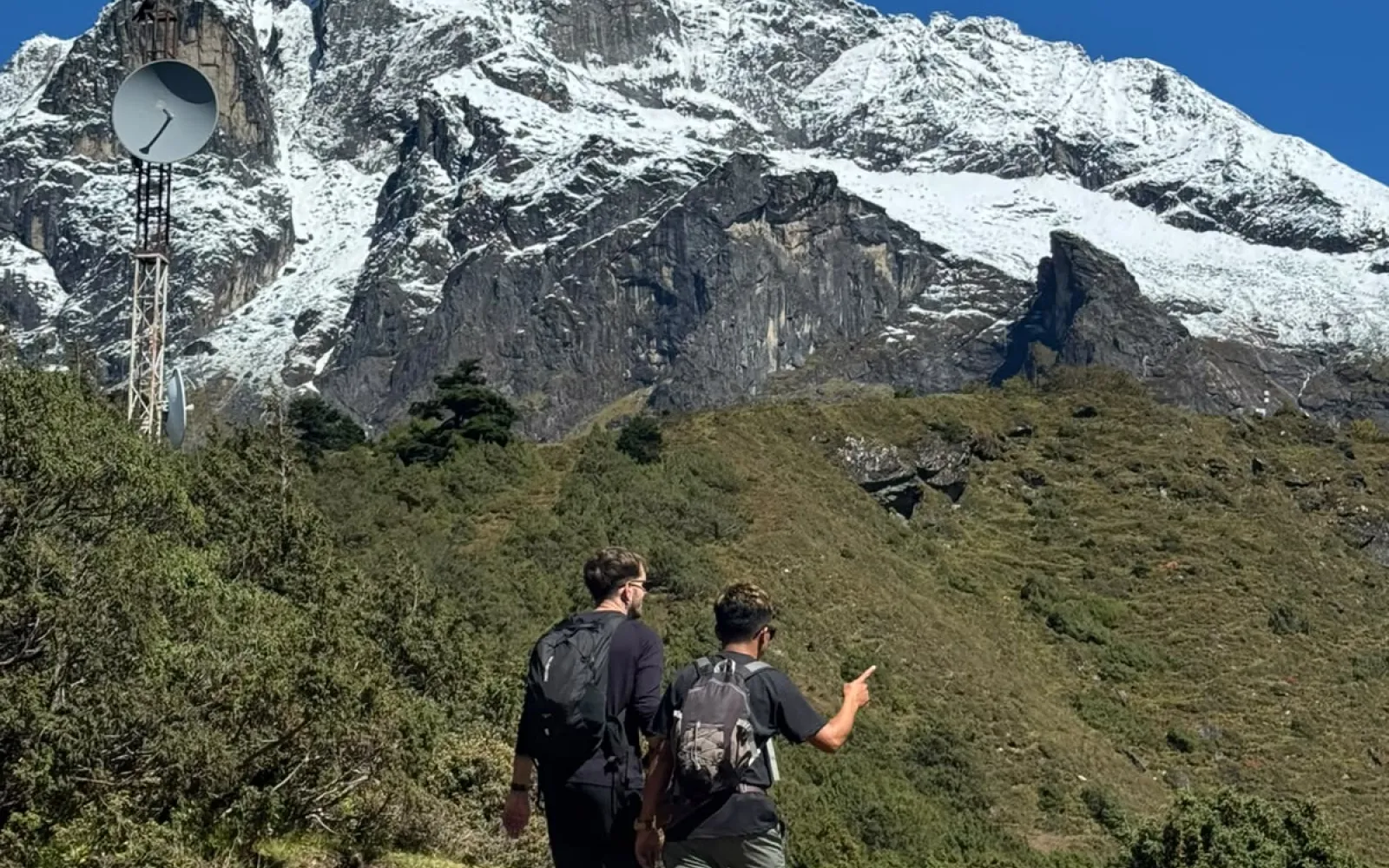
You hate human traffic jams, right? Imagine flying halfway across the globe just to stand in a freezing queue at a swinging suspension bridge, bumping elbows with fifty strangers. Khumbu gets packed. Here's the catch with the Manaslu loop: you practically own the trail. You’ll spend agonizing but beautiful hours winding through dizzying pine forests and steep gorge switchbacks without seeing another soul outside our small Roving Nepal Trek crew. We love the isolation. Listening to the biting Himalayan wind rushing through an empty valley is ridiculously humbling.
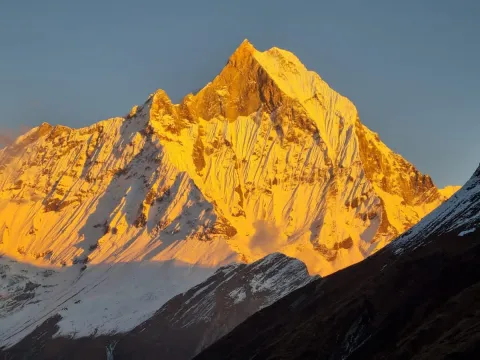
Seriously, does anyone actually think only Everest looks good? Mount Manaslu itself is an absolute monster, dominating the sky like a shattered white tooth pulling clouds apart. We’ve seen grown adults weep. You get these sweeping, ridiculous valley views that slowly shift from sticky subtropical greens to brutally stark alpine whites while hiking up. Roving Nepal Trek crews know the truth. The eighth highest peak packs an entirely different, heavily isolated visual punch that just feels earned. It sneaks up on you. Bam! Your memory card fills up immediately.
Step into Samagaun, and you've basically time-traveled. Forget the fancy bakeries and imported espresso machines you routinely stumble across in Namche Bazaar. It's totally different. The settlements out here are rough, mud-brick affairs clinging desperately to the freezing mountainside while dodging rockfalls. Monks drink salty butter tea. Honestly, Roving Nepal Trek guides have incredibly deep, generation-spanning family ties in these hidden pockets of Tibetan culture. We sit inside. That means you get dragged into dark, smoky kitchens to share real meals instead of just awkwardly snapping photos from the dirt path.
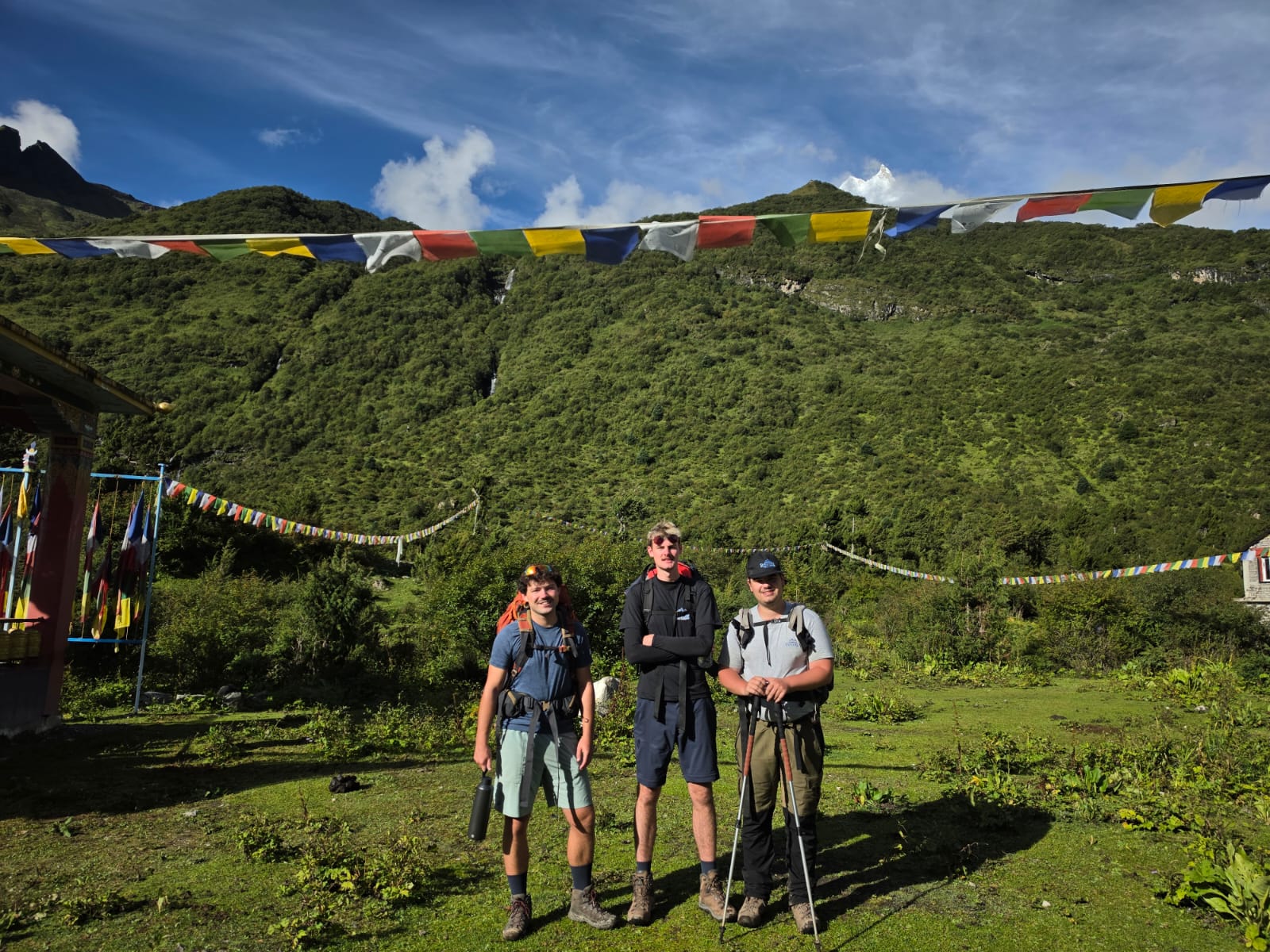
Helicopters don't just magically appear out here. If you snap an ankle out near the jagged Tibetan border, figuring out the rescue is a genuine, sweat-inducing logistical nightmare. That rough edge changes everything. You aren't merely a pampered tourist walking a well-trodden sidewalk; you’re heavily relying on your wits and crew. Roving Nepal Trek respects the isolation. We pack differently, walk deliberately, and lean on each other to navigate the sketchy landslide zones safely. It’s beautifully gritty. You finish smelling awful but grinning like an absolute maniac.
Everest bleeds your wallet dry. Everything from a crinkly water bottle to a lukewarm shower costs a ridiculous premium because thousands willingly pay it. Manaslu stays refreshingly affordable. Since the strict restricted area permits weed out casual backpackers, local teahouses haven't jacked up their daily rates to insane levels yet. Roving Nepal Trek focuses on real value. We constantly tell clients they get way more adventure for their money on this remote circuit. You keep your cash. That smaller budget buys a genuinely untainted, wildly authentic experience.
Ever felt like a walking dollar sign? That happens constantly on the main tourist highways when exhausted lodge owners rapidly shuffle hundreds of hikers through crowded dining rooms. Up here, everything flips. These hosts actually pull up rickety chairs near the smoldering yak-dung heater to swap ridiculous stories about the snowfall. They happily pour endless cups of scorching tea. Roving Nepal Trek shares decades of trust with them. We never just book beds. We bring you into their incredibly cozy, smoke-stained living rooms as honored guests.
Larkya La brutally tests your weak knees. Kala Patthar is a lung-buster, but this specific mountain pass demands an agonizing, freezing slog starting hours before dawn. Your eyelashes freeze shut. You’ll stumble blindly across weird ice patches in the dark, questioning all your life choices. Then the sun erupts. Honestly, Roving Nepal Trek guides routinely watch exhausted trekkers break down and cry at the summit. We love that raw emotion. Conquering this 5,106-meter monster makes the heavily trodden Everest lookouts seem strangely soft.
Buddhism here isn't polished for tourist cameras. You won't find freshly painted stupas guarded by annoying ticket booths and aggressive souvenir stalls. It feels completely raw. Instead, you casually stumble across crumbling stone mani walls covered in moss, sitting quietly in a muddy yak pasture. Roving Nepal Trek loves sharing this heavy, ancient vibe. We walk silently past tiny wooden monasteries where deep throat chanting genuinely vibrates through the icy floorboards. Nobody is performing. They pray for survival, not your spare change.
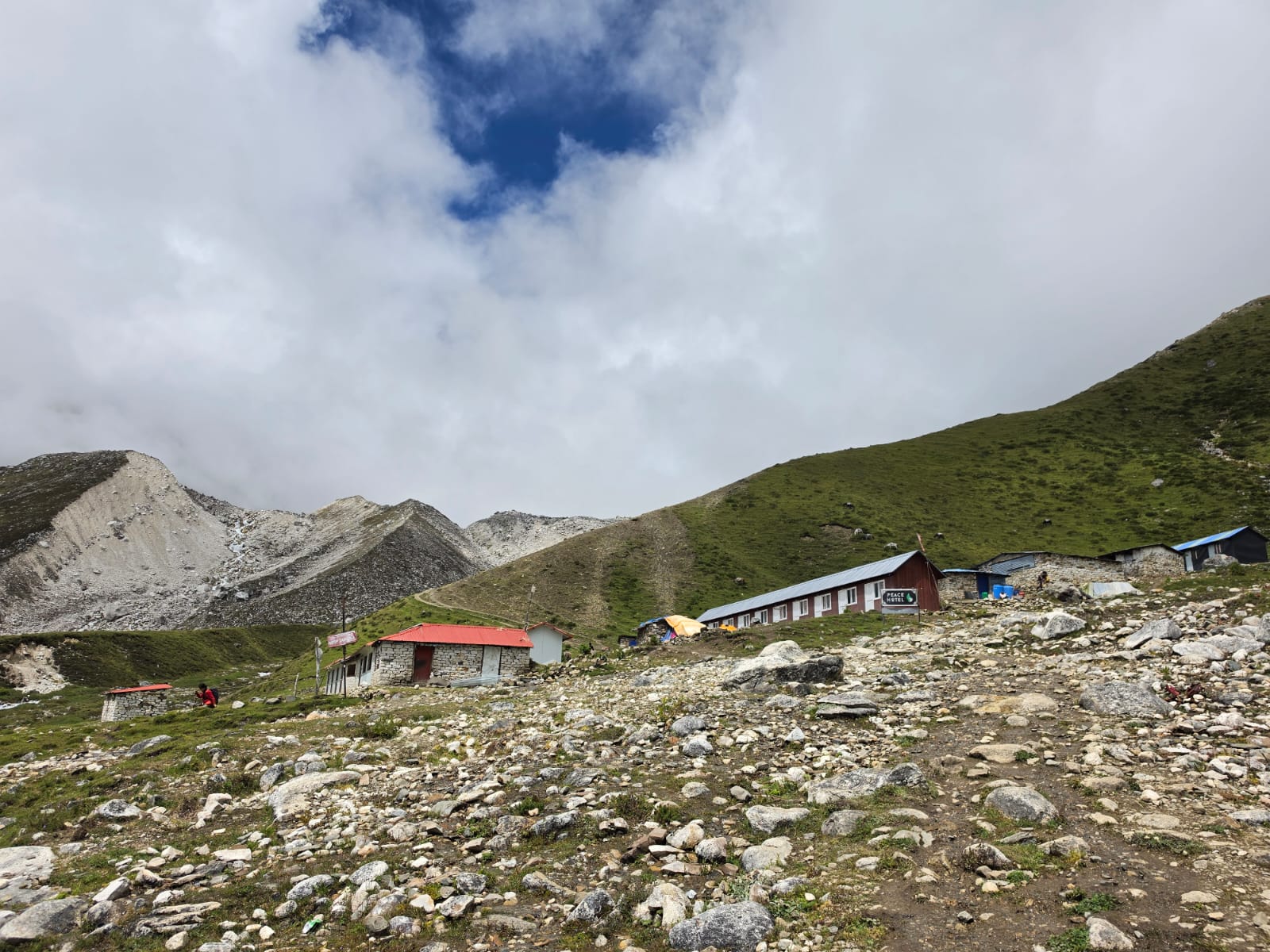
You start out sweating heavily in a sticky jungle. Macaques literally scream from the wet banana trees while insane humidity completely soaks your shirt. Give it five days. Suddenly, you’re shivering violently inside a thick down jacket, staring at blue glacier ice that looks sharp enough to cut glass. The terrain shifts are wild. Roving Nepal Trek considers this chaotic route the ultimate geological rollercoaster. You walk everywhere. Trading humid bamboo groves for dusty, wind-blasted plateaus keeps your brain guessing, unlike routes that only offer grey rocks.
There are no bakeries here. No strange pubs are pouring overpriced drinks at four thousand meters up in the clouds. Does that scare you? It shouldn't, because that commercialized fluff completely ruins the raw isolation you supposedly flew across the world to find. Roving Nepal Trek prefers the absolute quiet. We purposefully bring people here to completely unplug from that manufactured nonsense plaguing the bigger trails. You eat simply. Foraging whatever the host pulled from their tiny dirt patch forces a beautifully uncomfortable, highly necessary mental reset.
Blue sheep literally block the narrow paths. They just stand there, chewing dry grass, totally ignoring your existence while you frantically dig for a camera. It happens constantly. Turn a steep corner and you might bump into a tiny, centuries-old gompa rotting quietly in the freezing rain. Roving Nepal Trek loves these weird collisions. We never guarantee snow leopard sightings, but our guides regularly point out their massive paw prints smeared across the morning mud. Watch your step. You are intruding into an ancient ecosystem that barely tolerates us.
Your brain needs oxygen, right? Everest slowly starves you over several miserable days of high-altitude sleeping, leaving you feeling hungover before you even reach the icefall. This circuit plays a totally different game. You actually sleep relatively low during the approach, happily breathing thick air. But then? You get hammered with one brutally steep, ridiculously high elevation push over the frozen pass. Roving Nepal Trek manages this aggressively. We force clients to drink gallons of water and walk like lazy sloths to survive that short, violent altitude spike safely.
You can't just wander in here alone. The government flat-out bans solo backpackers to protect the fragile environment and keep people from disappearing into deep gorges. It sounds highly annoying, honestly. That heavy red tape is actually a massive blessing that successfully filters out the chaotic tourist noise. Agencies are legally mandatory. Roving Nepal Trek handles all the ugly paperwork while you simply focus on walking. We aren't babysitters. A trusted local guide becomes your absolute lifeline when the dirt trail abruptly vanishes under a fresh, terrifying landslide.
Are you terrified of missing the famous tourist signs? Just go walk Everest. But if you actually want to hear your own thoughts echo off a massive glacier, pack for the hidden loop. This route is for introverts. It’s built for hikers who prefer eating quietly with a local family rather than shouting over fifty foreigners in a massive dining hall. Roving Nepal Trek wants gritty adventurers here. Dirt is mandatory. If you crave authentic isolation and skip hot showers, this challenge will ruin comfortable trekking for you forever.
Well, Everest region of Nepal never fails to surprise you with its wonders of Himalayan wonders! The home of Sherpa people known for their mountaineering prowess, the region excels in trekking activities. Moreover, it is also an epitome for all kinds of Himalayan adventures from peak climbing to expeditions and luxury helicopter tours. The biggest hurdle to any kinds of activities in the region is the risk of altitude sickness. Therefore, today’s blog is all about finding out the best and authentic Everest Altitude Sickness Guide.
Planning a 12 Days Manaslu Circuit Trek and wondering how difficult it really is? How many hours will you walk each day? What altitude will you sleep at every night? And how much should you budget for food and drinks along the trail? This guide answers the practical questions that most trekking agencies overlook. We will talk about the Manaslu Circuit Trek Altitude Chart, Daily Walking hours & real food prices. Save time and money while knitting the best holiday activities in this amazing Himalayan nation.
When news breaks of a natural disaster in the Himalayas, the global headlines often paint a sweeping picture. A single headline reading "Flash Floods in Nepal" can make it sound as if an entire nation of mountains has suddenly closed its gates. The Himalayas have sustained life, culture, and adventure for centuries. While local relief efforts continue in Rasuwa, the vast trails of Everest, Annapurna, and Manaslu remain as majestic, welcoming, and serene as ever.