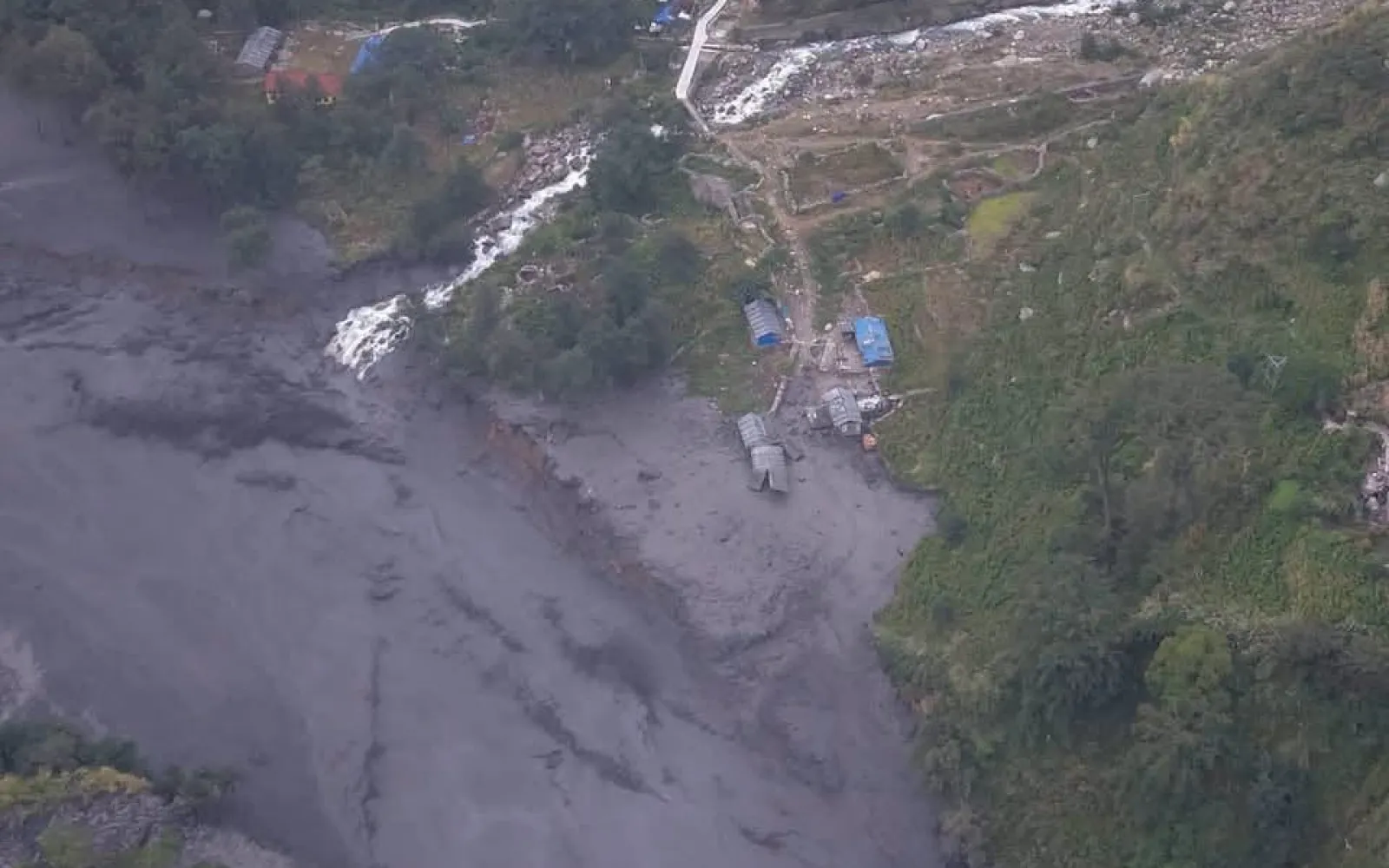
It happened fast. One minute the Budhi Gandaki was its usual churning self, and the next, it was a terrifying wall of thick, muddy debris roaring through the valley. News coming out of the upper Gorkha region today is grim. A massive, sudden flash flood has completely reshaped the river’s path, taking out nearly everything sitting too close to the banks. At Roving Nepal Trek, our phones haven't stopped ringing. Guides up in the valley are reporting chaotic scenes. We’re still piecing together the exact scale of the damage, but right now, the primary focus is just keeping people safe on higher ground.
Recent Update is that it is safe and not imminent danger now. River is flowing smoothly.
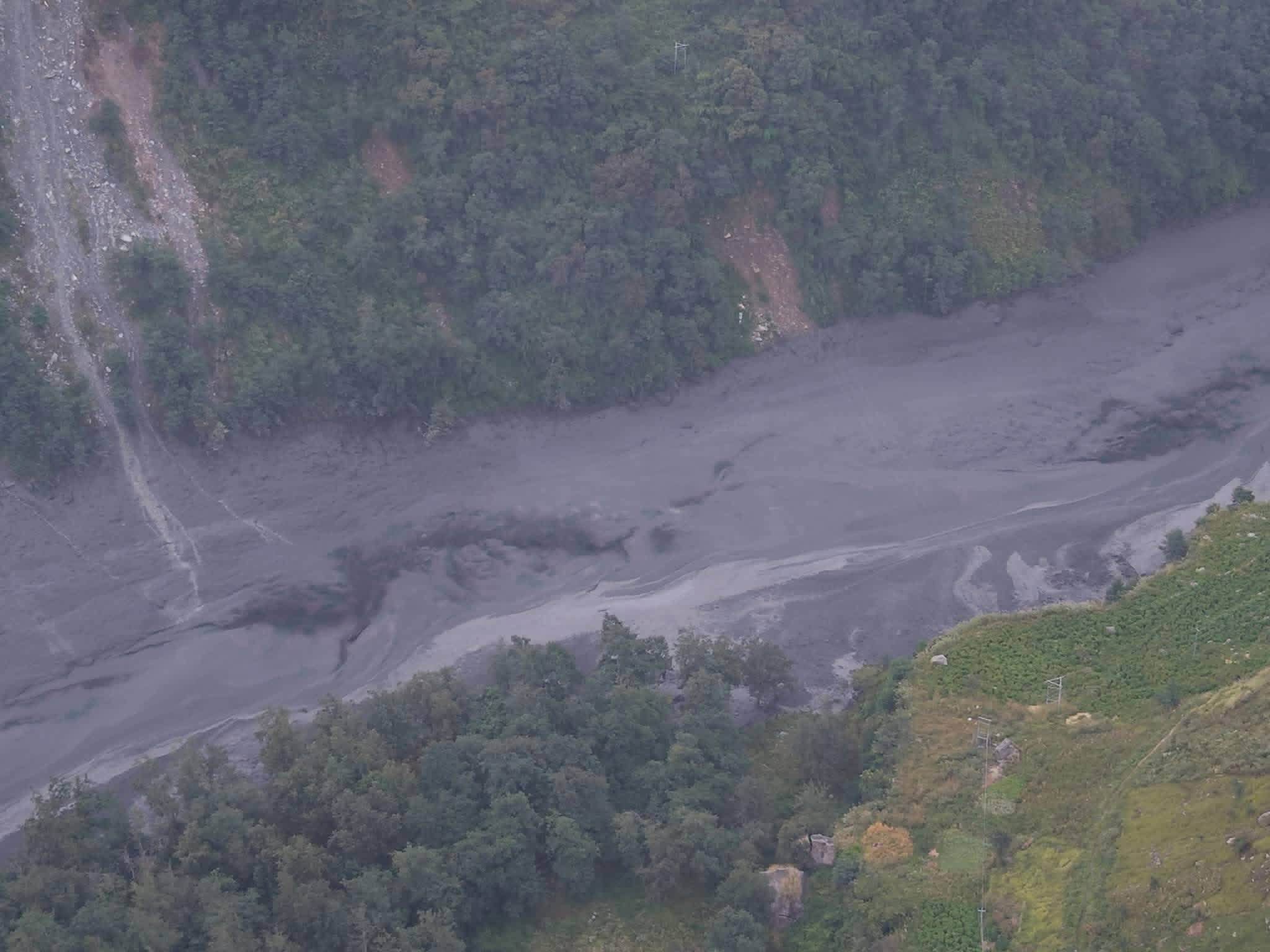
So, what actually triggered this mess? A dry landslide up near the Chhekampar and Chumanubri area. Look, these Himalayan slopes are steep and unforgiving. Without warning, a massive section of earth just gave way, slamming down into the river gorge. That dirt and rock created an instant, unstable dam. When you choke off a powerful river like the Budhi Gandaki, the water has to go somewhere. The pressure built up behind that temporary blockage until it finally blew out, sending a terrifying surge of pent-up water, silt, and boulders crashing downstream. It wasn't rain; it was gravity and bad luck.
The trail took a massive hit. You know how the Manaslu Circuit hugs the river for days, right? Well, huge sections of that riverside path are simply gone. Washed completely away. Our team at Roving Nepal Trek is getting reports that the sections between Jagat and Deng are particularly chewed up. Walking the standard route right now is completely impossible in several spots. We’ve had to scramble to halt groups heading up the valley. It’s a harsh reminder of how fragile these mountain arteries actually are. Nature decided to rewrite the map today.
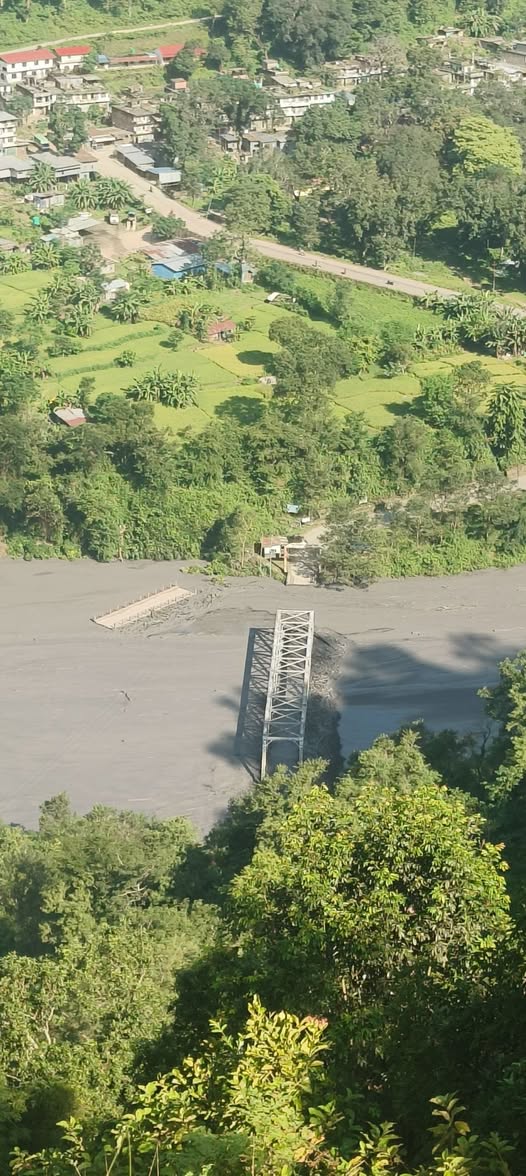
This is the hardest part to swallow. Those iconic, swaying suspension bridges that connect the high villages? Several have been totally ripped from their cables. The raging water didn't just top them; it snagged the bridge decks with floating debris and tore them apart. Honestly, losing the bridges severs the lifeline for these communities. It’s not just an inconvenience for trekkers. Without those crossings, getting supplies up the valley or moving between certain settlements is instantly impossible. Rebuilding them is going to take serious time and effort.
2 Motorable Bridge and 3 Suspension bridges are completely washed by the flood.
The folks living in Chumanubri and Dharche are bearing the brunt of this nightmare. These are tight-knit, remote communities perched right above the riverline. The sheer volume of mud and water didn't just stay in the riverbed; it surged into the lower agricultural terraces. People are terrified. Some teahouse owners literally had to drop everything and run uphill as the water level spiked. The immediate danger might have passed in some spots, but the fear of secondary slides or more blockages keeps everyone on edge. They’re watching the river like a hawk.
The police aren't messing around up there. Strict evacuation orders hit the radios fast. Anyone down near the riverbanks was ordered to scramble to higher ground immediately. At Roving Nepal Trek, we immediately radioed all our guides to pull their groups far above the water line and stay put. Do not try to cross any damaged bridges. Do not try to skirt around washouts near the water. The local authorities in Gorkha are blasting out advisories telling everyone in the lower valley to stay completely clear of the Budhi Gandaki until further notice.
Right now? The route is a mess. Specifically, the stretch winding up through Philim and towards Deng is reporting catastrophic washouts. You literally cannot get through. The river undercut the cliffs, and the trail just collapsed into the water. If you’re currently stuck below Jagat, you aren't going any further north for a while. Our guides are assessing the damage where they can, but many sections are too dangerous to even approach. The ground is still shifting.
The skies are buzzing today. Helicopters from Kathmandu and Pokhara are running constant reconnaissance flights up the gorge. They are desperately trying to get a bird's-eye view of the blockage site and spot anyone who might be stranded on the wrong side of a washed-out bridge. Rescue teams are struggling because the ground routes are so badly severed. It’s a logistical nightmare. They are prioritizing moving vulnerable locals and dropping emergency supplies, but the steep terrain and unpredictable weather make every flight risky.
It’s heartbreaking for the lodge owners. Some of those lower teahouses—the ones that sat right near the picturesque river bends—are heavily damaged or filled with thick, nasty silt. Even the lodges perched higher up are struggling. Why? Because the trail is gone, meaning no trekkers and no income. Plus, their supply lines are totally cut off. A lot of these families invest everything into preparing for the autumn trekking season. Now, they are busy digging mud out of their dining rooms instead of serving dal bhat.
The danger isn't just up high. That massive surge of water and debris is barreling south. Settlements all the way down towards Trishuli Dobhan and even Mugling are on high alert. The volume of water might dissipate a bit as the valley widens, but the sheer amount of silt and floating trees makes the river incredibly dangerous. Local police have been running through the lower villages warning people to pull their livestock back and stay away from the banks.
The response from Gorkha headquarters has been frantic but necessary. They’ve mobilized every available police unit in the district. They are setting up checkpoints on the lower trails to physically stop trekkers from heading up into the danger zone. They’re also trying to coordinate with the army for potential temporary bridge construction. Look, they are overwhelmed, but they are doing exactly what they need to do: prioritizing human life over everything else.
Honestly? Not really. The Manaslu Circuit is essentially a single, deep gorge route until you get much higher up. When the main riverside trail washes out like this, you can't just hop over a ridge and find a parallel path. The terrain is just too severe. We are looking into some obscure high-altitude herder trails, but those aren't safe for standard trekking groups. For now, if the main trail is blocked, you are stuck.
No. Absolutely not. If you are booked for the Manaslu Circuit in the next week or two, you need to pause. The ground is unstable, key bridges are gone, and the risk of further landslides near the blockage site is high. Roving Nepal Trek has suspended all new departures for this route until we get a clear, verified safety green light from our head guides on the ground. It’s just too dangerous right now.
Don't trust random social media rumors. Things are changing by the hour. Stick to official sources. Check the local Gorkha administration updates. For our clients, we are posting daily situation reports directly on the Roving Nepal Trek website as we get satellite calls from our guides. The Trekking Agencies' Association of Nepal (TAAN) will also release official bulletins once the damage is fully assessed. Wait for the facts before making any decisions.
If your Manaslu trip is derailed, don't panic. Nepal is huge. If you want that high-altitude, remote feel, pivot immediately to the Annapurna Circuit. The trails there are totally unaffected by this specific river event. Alternatively, look at the Langtang Valley—it's gorgeous right now and very accessible. The Everest region is also open and operating normally. Talk to us at Roving Nepal Trek; we can seamlessly reroute your itinerary so you still get an epic Himalayan experience.
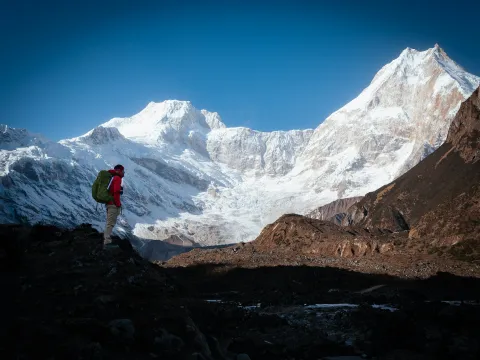
Let's find out about the Manaslu Circuit Trek Distance in today's blog. Lots of our clients are inquiring about this trek in these past two trekking seasons. People are shifting their attention to this amazing trekking trail inside the restricted areas of Nepal. Experience rawness, rural vibes, and Himalayan wilderness in the Manaslu Trek route that includes daring Larke La Pass crossing.
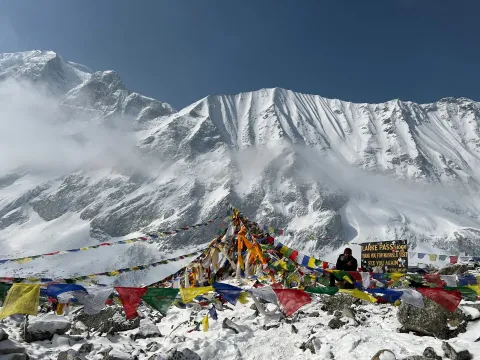
Planning a 12 Days Manaslu Circuit Trek and wondering how difficult it really is? How many hours will you walk each day? What altitude will you sleep at every night? And how much should you budget for food and drinks along the trail? This guide answers the practical questions that most trekking agencies overlook. We will talk about the Manaslu Circuit Trek Altitude Chart, Daily Walking hours & real food prices. Save time and money while knitting the best holiday activities in this amazing Himalayan nation.
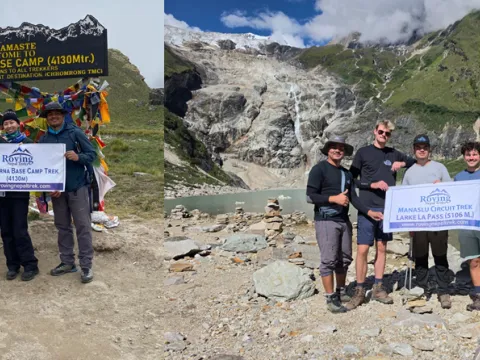
Picking between these two iconic treks isn't easy. It hurts our brains sometimes. We love them both. The Annapurna Sanctuary pulls you right into a massive amphitheater of ice and rock, while Manaslu offers raw, untamed wilderness. You get jaw-dropping mountain views on either path. At Roving Nepal Trek, we tell our clients this: do Annapurna to fall in love with the Himalayas, and do Manaslu to test your soul against them.