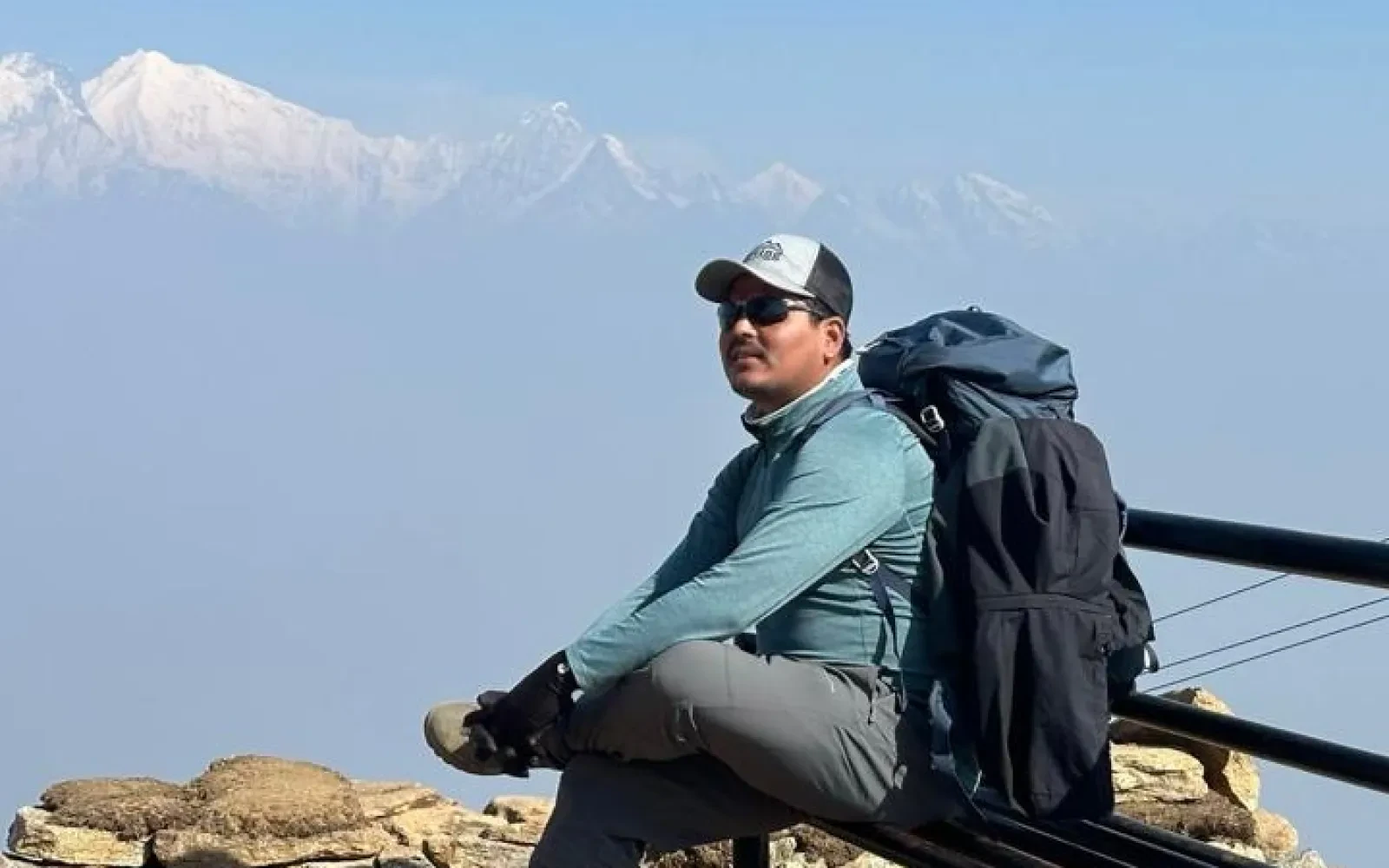
If you ask ten different hikers what they remember most about the Annapurna Base Camp trek, you will get ten different answers. Some will talk about the blinding white amphitheater of the Sanctuary at dawn. Others will mention the endless, knee-destroying labyrinth of stone steps leading out of Chomrong.
But talk to anyone who actually stopped at Jhinu Danda, and their eyes will take on a distant, blissful glaze.
Jhinu isn't a mountain peak. It doesn’t boast a sweeping panoramic viewpoint or a high-altitude pass where you wave prayer flags in the jetstream. Instead, Jhinu is something far better when your body is broken and your boots are caked in dried red mud: it is an absolute sanctuary.
Getting to Jhinu requires paying a toll in cartilage. Whether you are descending from the heights of Chomrong or looping back down from Upper Sinuwa after weeks in the high alpine, the trail to Jhinu is a masterclass in steep geography.
The stone staircase seems infinite. Your quads shake. Your trekking poles tap a steady, rhythmic warning against the slate. The air changes as you drop lower into the Modi Khola river valley. It grows thicker, heavier, and smells faintly of damp moss, decomposing leaves, and woodsmoke.
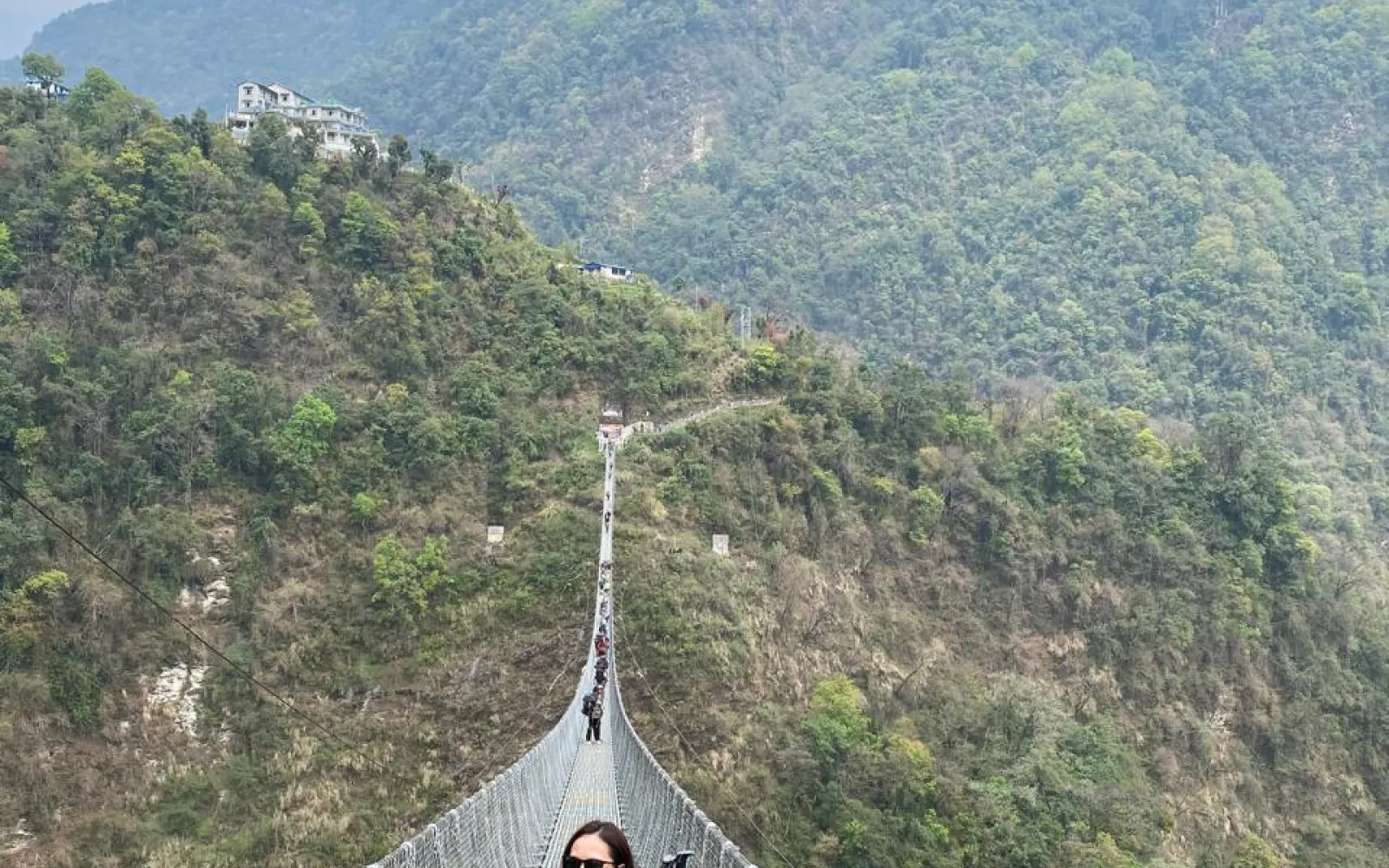
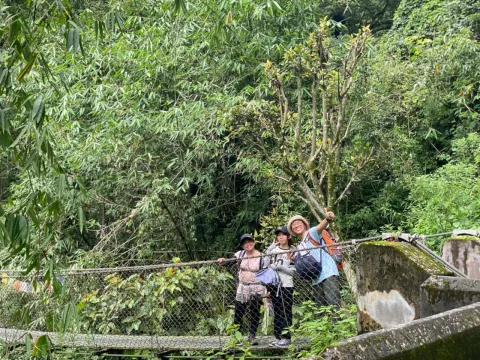
And then, just as your knees threaten to mutiny, the trail flattens. You cross a suspension bridge that bounces rhythmically over the roaring, glacial-blue water of the river, and you enter Jhinu.
It is a quiet cluster of slate-roofed teahouses perched precariously on a green ridge. It feels worlds away from the commercialized hustle of Pokhara or the wind-scoured ridges higher up the trail. Here, the primary currency is not gear or permits; it is recovery.
The main reason anyone stays in Jhinu is a twenty-minute scramble down a steep, dirt-and-root path toward the edge of the riverbank.
Follow the sound of rushing water, and you will find the natural hot springs—known locally as Tatopani. Nestled right against the roaring Modi Khola, these pools are a minor miracle of geology. Underground geothermal activity heats the water, which is piped into a series of stone-and-concrete basins built into the river rocks.
The ritual of the Jhinu hot spring is sacred among trekkers:
Sitting in those pools as the sun dips behind the canyon walls is an otherworldly experience. You share the space with strangers from Tokyo, Berlin, and Buenos Aires. Nobody talks much. You just listen to the deafening, beautiful roar of the river rushing past inches away, watching grey mist rise up to meet the darkening canopy of the ravine.
Back up in the village proper, life moves to an unhurried cadence. Jhinu is traditionally a Gurung settlement, and the warmth of the local hospitality matches the thermal pools down below.
Teahouses here are modest, family-run operations. There are no luxury lodges with heated floors, and you won't find artisanal espresso. What you will find are wooden dining rooms smelling of diesel heaters and garlic soup, long communal tables where stories are traded over cups of ginger lemon honey tea, and plates of dal bhat piled so high they defy geometry.
In the evening, the electricity might flicker or cut out entirely, replaced by the soft, amber glow of a single solar bulb or a headlamp. Outside, the stars in the Annapurna gorge are sharper and closer than you ever thought possible, unhindered by city light pollution.
You sleep soundly in a simple room under heavy woolen blankets, lulled entirely by the profound, heavy silence of the mountains.
Jhinu occupies a unique psychological space on the trail.
For those heading up toward Annapurna Base Camp, it is a wonderful final taste of civilization, hot water, and relative luxury before entering the austere, high-altitude zone where showers cost extra and breathing gets harder.
For those coming down, it is the ultimate decompression chamber. It is the emotional turning point where the expedition ends and the return to normal life begins. The trail dust starts to wash off, the heavy pack feels a little lighter, and the reality of what you just accomplished finally begins to settle in.
If you ever find yourself planning a trek in the Annapurna region, do not rush past Jhinu to shave a day off your itinerary. Give it an afternoon. Give it an evening. Let the hot springs do their work, and let the village remind you why you came to the mountains in the first place.
Beyond the steaming pools and the burning quads, Jhinu Danda holds a few quiet secrets that most guidebooks gloss over. Beneath its surface as a simple trekking stop lies a fascinating layer of local ecology, culture, and logistics.
The thermal pools down by the Modi Khola aren't owned by a luxury resort or a corporate entity. They are entirely managed by a local community committee. The modest entry fee collected at the gate goes straight back into the village fund, helping maintain local infrastructure, clean up trails, and support community projects.
While the village itself stays open year-round, the hot springs have a seasonal vulnerability. During the peak monsoon months (typically June and July), heavy rains swell the Modi Khola river so aggressively that the glacial water can rise and completely submerge or overwhelm the stone pools, forcing a temporary seasonal shutdown until the river calms.
Because Jhinu is tucked into a steep, low-altitude gorge surrounded by dense bamboo and broadleaf rhododendron forests, it acts as a natural shelter for Himalayan wildlife. Trekkers who wake up early before the crowds often find the tree line alive with the calls of the striking Scarlet Minivet and the Great Barbet, while massive Himalayan Griffons can sometimes be seen riding the thermal updrafts high above the canyon.
Jhinu is more than just a pitstop on the way to Annapurna Base Camp. It serves as a crucial geographical crossroads where multiple alternative trekking routes collide. Trails descending from the traditional Gurung villages of Ghandruk and Landruk converge here via New Bridge, making Jhinu a quiet melting pot for travelers coming off entirely different loops of the Annapurna conservation area.
While the local Gurung community is largely integrated into modern rural life and mainstream religion, older generations in and around Jhinu still quietly practice elements of Bon—an ancient, pre-Buddhist animist shamanism—alongside Tibetan Buddhism. If you look closely at older stone foundations and local trail markers, you’ll find subtle remnants of earth-spirit veneration that predate modern mountain tourism entirely.
Because Jhinu sits significantly lower in elevation—roughly 1,780 meters above sea level—the bottom of the Modi Khola gorge traps heat differently than the surrounding mountain ridges. While high-alpine zones feature pine forests and snow, the immediate vicinity of Jhinu enjoys a surprisingly subtropical microclimate. It’s not uncommon to spot local orchards or patches where hardy citrus fruits and even wild bananas manage to thrive against the backdrop of snowy peaks.
Roads have pushed deeper into the Annapurna foothills over the years, but inner gorge sections like the one leading to Jhinu remain strictly pedestrian and pack-animal territory. Jhinu acts as a vital navigational bottleneck for the commercial caravans of mules and dzos (yak-cow hybrids) that haul everything from bottled soda and gas canisters to bags of cement. Watching these heavily laden pack animals expertly navigate the steep, narrow stone staircases is a masterclass in mountain logistics.
Electricity in rural Himalayan settlements is an ongoing engineering feat. Many of the teahouses in and around Jhinu rely on small-scale, locally managed micro-hydropower installations. Ingenious villagers harness the raw kinetic energy of rushing side-streams to generate off-grid electricity, though power can still fluctuate wildly depending on seasonal water flow and heavy downpours.
Education in a steep canyon requires an extraordinary daily effort. Children living in the scattered, high-slung farmsteads surrounding Jhinu must tackle hundreds of vertical stone steps every single morning just to reach the local school. For these kids, physical endurance and mountain navigation are mastered long before they ever pick up a backpack.
Before modern engineering brought heavy steel-wire suspension bridges to the Modi Khola, crossing the river near Jhinu was a perilous undertaking. Older generations relied on primitive wooden cantilever structures or rudimentary rope crossings that could easily be swept away during heavy monsoon swells. Today’s soaring suspension bridges, which bounce rhythmically high above the rushing turquoise water, represent a massive, hard-won transformation in how the village connects to the outside world.
Have you ever experienced natural hot springs after a grueling hike, or is a post-trek soak something high on your travel bucket list? Book the Annapurna Base Camp Trek in Nepal and enjoy this majestic natural healing!
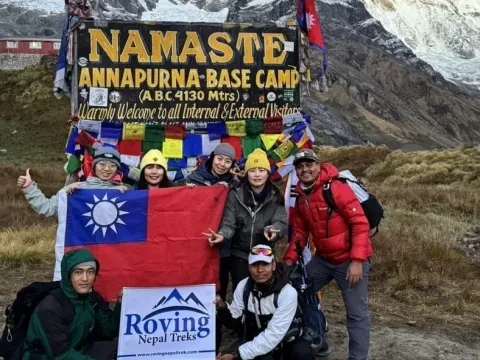
One of the darling trekking destination of the world is the Annapurna Base Camp Trek. Therefore, the charm of this route is very high among travelers from across the globe. The journey that takes trekkers to the foothill of the world's 10th tallest mountain is definitely a prized one. There are lots of questions about the Annapurna Base Camp Trek for Beginners. So, today's blog is all about finding out reasons that make the ABC Trek suitable for all age group from beginners to professional trekkers.
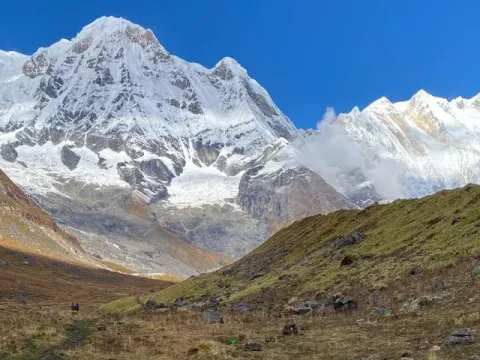
Where do you want to go in Nepal for mountain adventures and cultural encounters? Choose none other than the Annapurna region of Nepal! The place is an abode of the world’s 10th tallest mountain Mt. Annapurna (8091 m) and home of Gurung, Magar, Tibetan, Brahmins, Chhetris, and Dalit communities. Therefore, it is an exciting trekking trail to visit in Nepal. So, the main question remains the effective trekking itinerary. Today’s blog is about the 9 Days Annapurna Base Camp Trek Itinerary in Nepal. Learn about this authentic and scientific trekking itinerary to explore the Annapurna Base Camp (4130 m).
Imagine waking up, unzipping your tent or looking out a teahouse window, and being greeted by a massive wall of pure, blinding white ice glowing gold under the first rays of the morning sun. No haze. No clouds. Just raw, majestic Himalayan peaks so close you feel like you could reach out and touch them.