The lunar calendar drives this whole thing. For 2026, we're right in the thick of it this October. Dashain starts in 11th October and ends in 25th October. It’s wild. The entire country practically shuts down from mid to late October to party, pray, and feast. You might think booking flights now is easy. Think again. You’re competing with literally everyone heading home. If you're coming with us at Roving Nepal Trek, we’ve got your back on dates. Still, always double-check the calendar before packing those bags. Ready to dive in?
Good versus evil. It’s an age-old trope, right? But here, it’s not just some bedtime story. Dashain marks goddess Durga tearing apart the demon Mahishasura. Blood, guts, divine intervention. Hindus also celebrate Ram beating Ravana. Honestly, the religious roots run ridiculously deep. But beyond the gods? It’s about family. Pure and simple. Grandparents who haven't seen their kids in months finally get to squeeze them. Debts are forgiven, grudges buried, and everyone just breathes for a minute. You can feel the relief hanging in the autumn air. It’s magic. Honestly, you just have to be here to get it.
Fifteen straight days. Sounds exhausting? It kind of is, but in the best way possible. It kicks off with Ghatasthapana, where people plant seeds in the dark. That’s the Jamara. After that, it’s a slow build. The first week feels quiet. Sneaky quiet. Then day seven hits. Boom. The energy explodes across every street and village. Everything peaks on day ten with Tika, but we don’t stop there. Oh no. The visiting and feasting drag right on through to Kojagrat Purnima. That’s the full moon night. Staying awake brings wealth, supposedly. I’ve tried it. Usually just brought a headache.
Navigating the daily rituals is chaotic. Day one is planting barley. Days two through six? Mostly local temple visits and a weirdly calm anticipation. Then Phulpati drops on day seven. Suddenly, Kathmandu goes absolutely nuts with military parades and royal offerings. Eighth and ninth days are intense. Blood sacrifices happen everywhere. Not for the faint of heart. Then comes the tenth day, the main event. Relatives travel miles just to get smeared with red rice paste. The remaining days? Just endless family hopping, digesting heavy mutton curries, and maybe nursing a solid food coma. It’s brilliant.
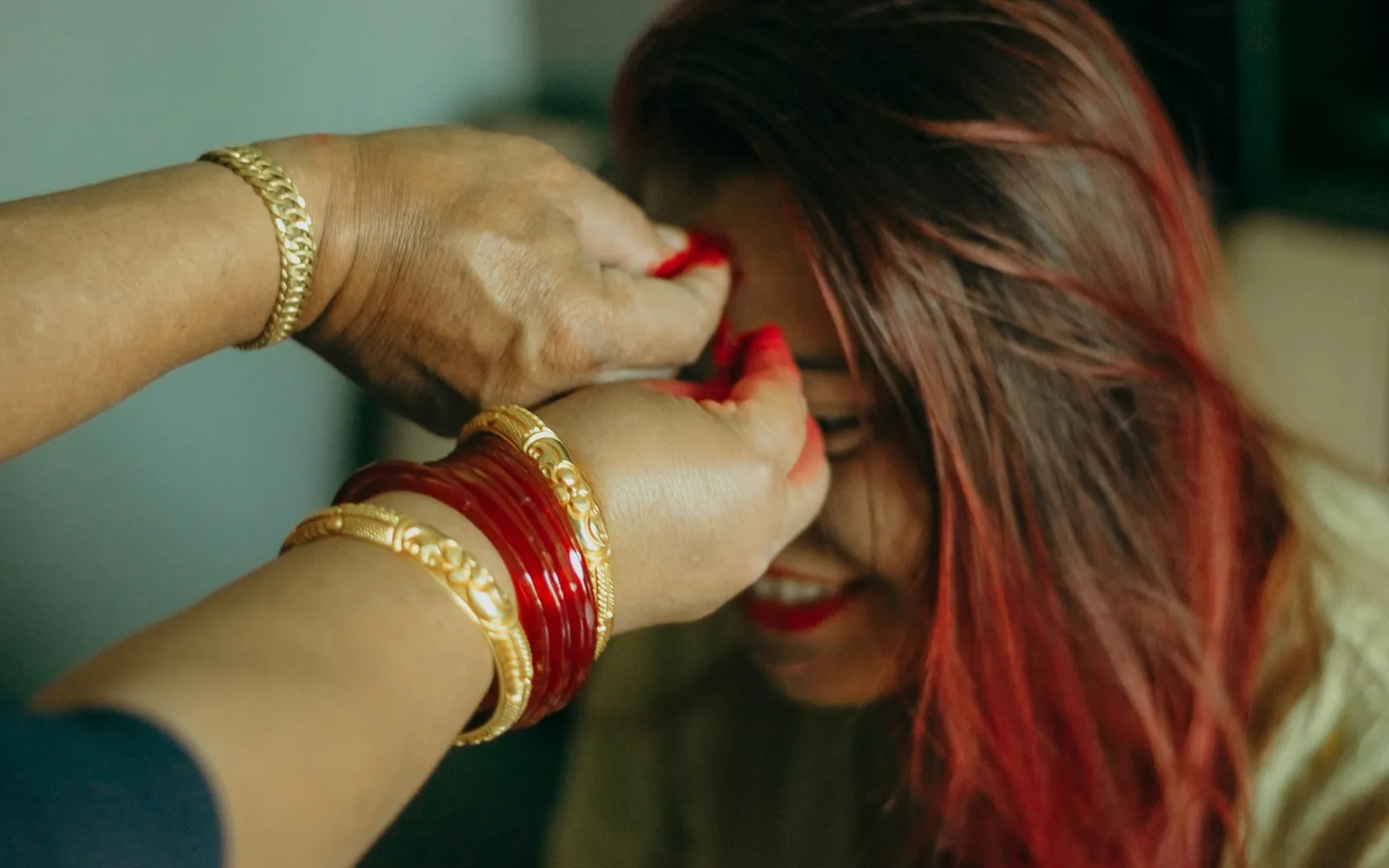
Red rice and yellow grass. That’s the core of it. Look, Tika isn't just a forehead decoration. It’s a messy blob of yogurt, rice, and vermillion powder smashed right between your eyebrows by the elders. They chant blessings while doing it. It’s beautiful. Along with that, they tuck Jamara behind your ear. That’s the pale yellow barley grass planted back on day one. Because it grows in complete darkness, the color is weirdly neon. Getting this combo means you’re protected. It means you belong. Honestly, watching a tough Nepali grandpa tenderly bless his grandkids will wreck you.
Phulpati literally translates to flowers and leaves. Sounds harmless. But in Kathmandu, it’s a massive flex of tradition. Long ago, the royals started bringing a sacred bundle all the way from Gorkha to the capital. They still do it. A parade of soldiers, priests, and marching bands escorts this holy bouquet into Hanuman Dhoka. It’s incredibly loud. Gun salutes echo across the valley. Traffic? Forget about it. The city gridlocks instantly. If you’re touring with Roving Nepal Trek, we usually tell folks to just grab a rooftop tea and watch the chaos unfold. It’s a sensory overload.
Brace yourself. Days eight and nine are bloody. Literally. Maha Ashtami and Maha Navami are when the goddess demands her due. Goats, buffaloes, ducks. They all meet a swift end in temple courtyards. The belief? Spilled blood appeases Durga’s fierce avatars. Even cars, tractors, and airplanes get sprinkled with blood to prevent accidents. It’s gritty. Some travelers find it shocking. That said, it’s a raw, unfiltered slice of ancient faith. You don't have to watch, obviously. But the meat from these sacrifices feeds families for days. Nothing gets wasted here. It’s heavy, sure, but fascinating.
2026 Vijaya Dashami or Dashain Tika Sait (auspicious time) is 11:15 onwards. The big one. Day ten. This is what all the fuss is about. Everyone wakes up early, bathes, and throws on brand-new clothes. Then, the waiting begins. You sit by seniority to get Tika from the oldest family member. Pockets get stuffed with fresh cash, which kids absolutely love. The rest of the day is a blur of eating, drinking, and moving to the next relative's house. The streets are packed with people sporting giant red foreheads. Families who haven't spoken all year finally break bread. It’s loud. It’s messy. It’s the happiest day in Nepal.
Forget your diet. Seriously. Dashain is a carnivorous marathon. The star of the show? Mutton. Goat meat is everywhere. People eat it fried, curried, roasted, or stuffed inside momos. Then there’s the chiura. Beaten rice. It’s dry, crunchy, and perfect for soaking up spicy meat gravies. Wash it all down with some homemade raksi or chhyang if you’re brave enough. The local booze hits hard. We also inhale loads of sel roti, those sweet, deep-fried rice flour rings. If you’re trekking with us, expect heavy plates. You’ll probably leave Nepal five pounds heavier. Totally worth it.
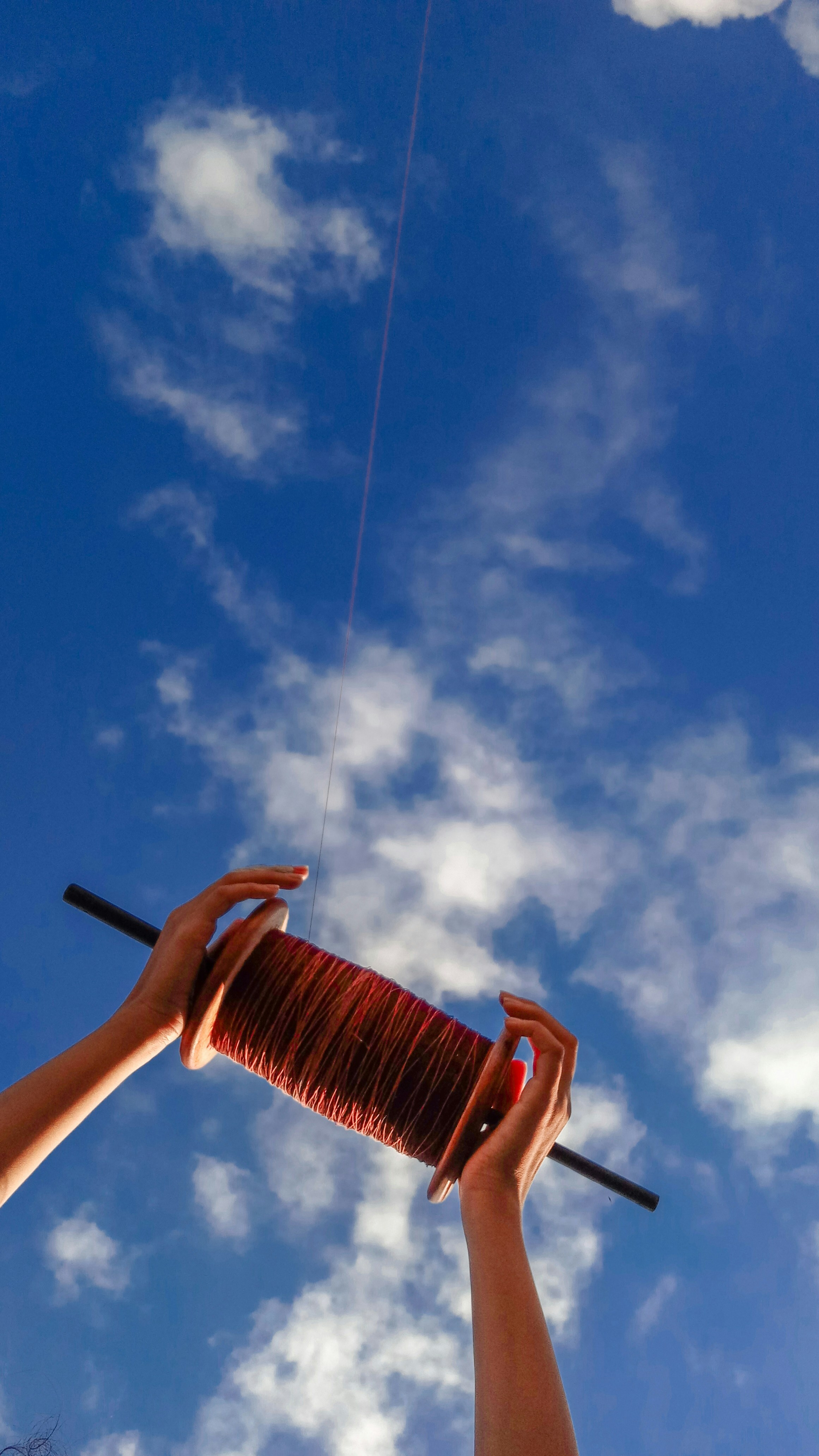
Look up. The sky is full of kites. Not just friendly flying, either. Kids coat their kite strings in crushed glass and try to cut each other down. It’s ruthless. And on the ground? Bamboo swings. Huge ones. We call them linge ping. They pop up in empty fields overnight. You’re supposed to leave the ground at least once a year during Dashain, so everyone takes a turn. Even the grandmas. Flying through the crisp autumn air on a sketchy bamboo structure? Terrifying. But the laughter echoing across the hills is just infectious. Pure joy.
Kathmandu empties out. It’s bizarre. Millions of people jam into overcrowded buses, risking terrible roads just to get back to their villages. Why go through the misery? Because Dashain without family isn't Dashain. It’s that simple. Ticket counters turn into war zones weeks in advance. People literally sit on bus roofs for two days straight. The pull of home is undeniably magnetic. For travelers, it means the cities get blissfully quiet while the highways turn into nightmares. It’s the largest annual migration in the country. A chaotic, beautiful mess of homesick souls rushing back to their roots.
City life vs village life. The contrast is sharp. Kathmandu goes eerily silent. Shops shutter. The smog clears. The remaining locals enjoy empty roads and massive rooftop kite battles. It’s oddly peaceful. Out in the villages? Total opposite. The hills come absolutely alive. Relatives pour in from the cities, packing stone houses to the rafters. Village squares buzz with massive feasts, endless card games, and creaking bamboo swings. The city offers the pomp of royal parades, sure. But the village? That’s where the raw, beating heart of the festival lives. You really need to see both.
Traveling right now takes serious guts. Public buses? Sold out. Domestic flights? Booked solid months ago. If you plan to move around this October, expect delays. Lots of them. That said, hotels in Kathmandu actually have empty rooms, which is a rare treat. Many trekking trails are delightfully quiet since local guides are busy celebrating. Here’s the catch: finding an open restaurant in the city requires walking miles. At Roving Nepal Trek, we sort these headaches out for you. Just bring patience. And maybe some extra snacks for those unpredictable highway traffic jams. You'll need them.
How Visitors Can Experience Dashain Respectfully as a Cultural Festival?
Don't just act like a creepy paparazzi. Engage. If you see an animal sacrifice, keep your camera down unless told otherwise. It’s a religious rite, not a tourist spectacle. Want to join in? Go buy a kite. The locals will love showing you how to fly it. If a family invites you in for Tika—which happens all the time—accept it gracefully. Let them put the red paste on your forehead. Eat the food they offer. Say thank you. Just be present. Dashain is wildly generous. Lean into the chaos, show some respect, and you’ll leave as family.
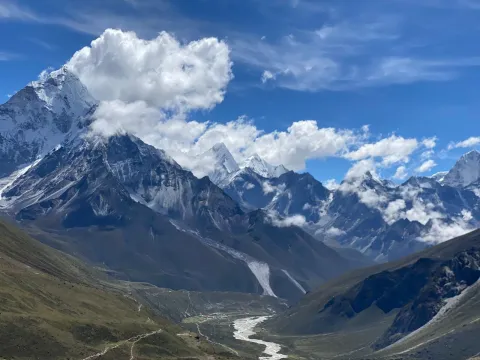
The blog features basic information about the Everest Base Camp Trek via Chola Pass Cost Breakdown 2026. Travelers must know about the cost of transportation, guide – porter salary, accommodation, meals, travel insurance, gear, permits, and miscellaneous things. Besides these things, travelers should also have information about the difference between package trek cost and independent travel cost.
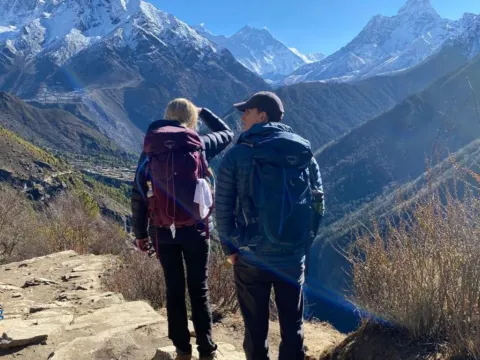
Are you planning a multi-generational trek to Everest Base Camp? If yes, then please check this blog for complete information about the Everest Base Camp Trek with Kids and Senior Citizens in Nepal. Our Family Seniors Kids Everest Treks blog has all important information including safety, itinerary, guidelines, challenges, tips, and logistics. Traveling with family is always hectic. Therefore, you must consider safety first. All boxes of trip operation must be ticked before embarking.
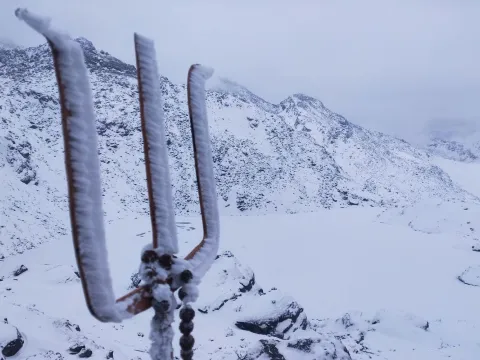
Plan your Janai Purnima 2026 trek to Gosainkunda. Discover the festival, sacred lake, trek route, itinerary, travel tips, and what to expect.