The Manaslu Circuit is wild. It is rugged, utterly exhausting, and absolutely the best trekking experience you can find in Nepal right now. We know you are dreaming of crossing that 5,106-meter pass. We also know planning it feels overwhelming.
Here is exactly how we tackle this beast of a trek, day by day, complete with what you will actually pay to make it happen. Let’s get straight to it.
Landing in Kathmandu hits you fast. The air smells like incense, exhaust, and pure adventure. We'll grab you at Tribhuvan International Airport, dodging the enthusiastic taxi drivers shouting for fares, and throw your duffels in our jeep. Welcome to Nepal. You'll spend this first afternoon shaking off the jet lag at your hotel in Thamel. We always tell our trekkers to just wander the narrow alleys for a bit, grabbing a hot plate of momos from a street vendor before crashing hard. Rest up. The real work hasn't even started yet, but the energy here is absolutely electric.
Paperwork day. We handle the heavy lifting at the tourism board while you chill. Manaslu is a restricted area, meaning the permits require your original passport and a bit of bureaucratic patience. Use this downtime wisely. Go check out the monkey temple at Swayambhunath, or do some last-minute gear shopping in Thamel. We highly suggest renting a solid down sleeping bag if you didn't bring one. Later, we'll all sit down for a cold Everest beer and run through the trek briefing. We cover the route, safety protocols, and exactly what to pack. Tomorrow, we hit the road.
Brace yourself. This drive is notoriously brutal. We pile into a sturdy 4WD early in the morning and leave the valley behind, trading paved highways for deeply rutted dirt tracks hugging massive cliffs. The road to Machha Khola bumps, grinds, and rattles your bones for a solid eight to ten hours depending on the mud. Look out the window, though. The terraced green hills and deep river valleys are gorgeous. We'll stop for a massive plate of dal bhat halfway through. By the time we roll into the humid air of Machha Khola, you'll be begging to walk.
Boots on the ground. Finally. We start walking up the Buri Gandaki river gorge, and things heat up fast. The lower trail feels like a jungle. You'll sweat straight through your base layer within the first hour while dodging mule trains carrying supplies up the valley. We cross a few shaky suspension bridges that swing wildly over the roaring milky-blue water. It's exhilarating. Later in the afternoon, the valley abruptly tightens up before spitting us out at the stone-paved streets of Jagat. This village is basically the gateway to the restricted region. Hand over your permits. We're in.
The trail gets serious today. We push higher into the mountains, leaving the intense subtropical heat behind. Expect long, sweeping stone staircases that really test your calves. We'll weave through tiny Gurung settlements where locals dry golden corn on their slate roofs. The river below gets louder, violently crashing through narrow slot canyons. We cross a massive suspension bridge at Philim, grab some tea, and keep pushing into bamboo forests. Keep your eyes peeled for langur monkeys swinging through the canopy. Pulling into Deng, the cultural shift hits you. The Tibetan influence starts showing in the carved mani stones.
Altitude starts knocking. We take it slow from here. The gorge feels incredibly isolated, boxed in by sheer granite walls that block the sun for most of the morning. We cross the river back and forth, passing through dense pine forests that smell intensely of damp earth and resin. You'll spin your first prayer wheels today. Spin them clockwise, always. The climb up to Namrung is a steep, lung-busting grind that makes you question your life choices, but the payoff is huge. Namrung is a proper Tibetan-style village with tight alleys and our first real, jaw-dropping views of Siring Himal.
This is where the magic happens. We finally break out of the deep gorge and the Himalayas explode right in front of us. We pass through Lho, a stunning village dominated by a massive monastery and insane views of Mount Manaslu's twin peaks. Grab a sea-buckthorn juice here. It's terribly sour but packed with vitamins. From there, we push up into the alpine zone. Trees thin out. The air gets crisp and painfully thin. Shyala is a tiny, windswept settlement sitting on a wide plateau. The 360-degree mountain panorama from the teahouse porch will literally leave you speechless.
A short but spectacular walking day. We take a slight detour off the main path to hike up to Pungyen Monastery, and trust us, you don't want to skip this. It's a hidden plateau tucked right beneath the towering ice walls of Manaslu. The wind up there howls, carrying the scent of burning juniper and blowing prayer flags into a frenzy. It feels entirely disconnected from the modern world. After soaking that in, we drop down into Samagaon. It's the biggest village in the region. Yaks wander the muddy streets freely while locals weave wool on wooden looms.
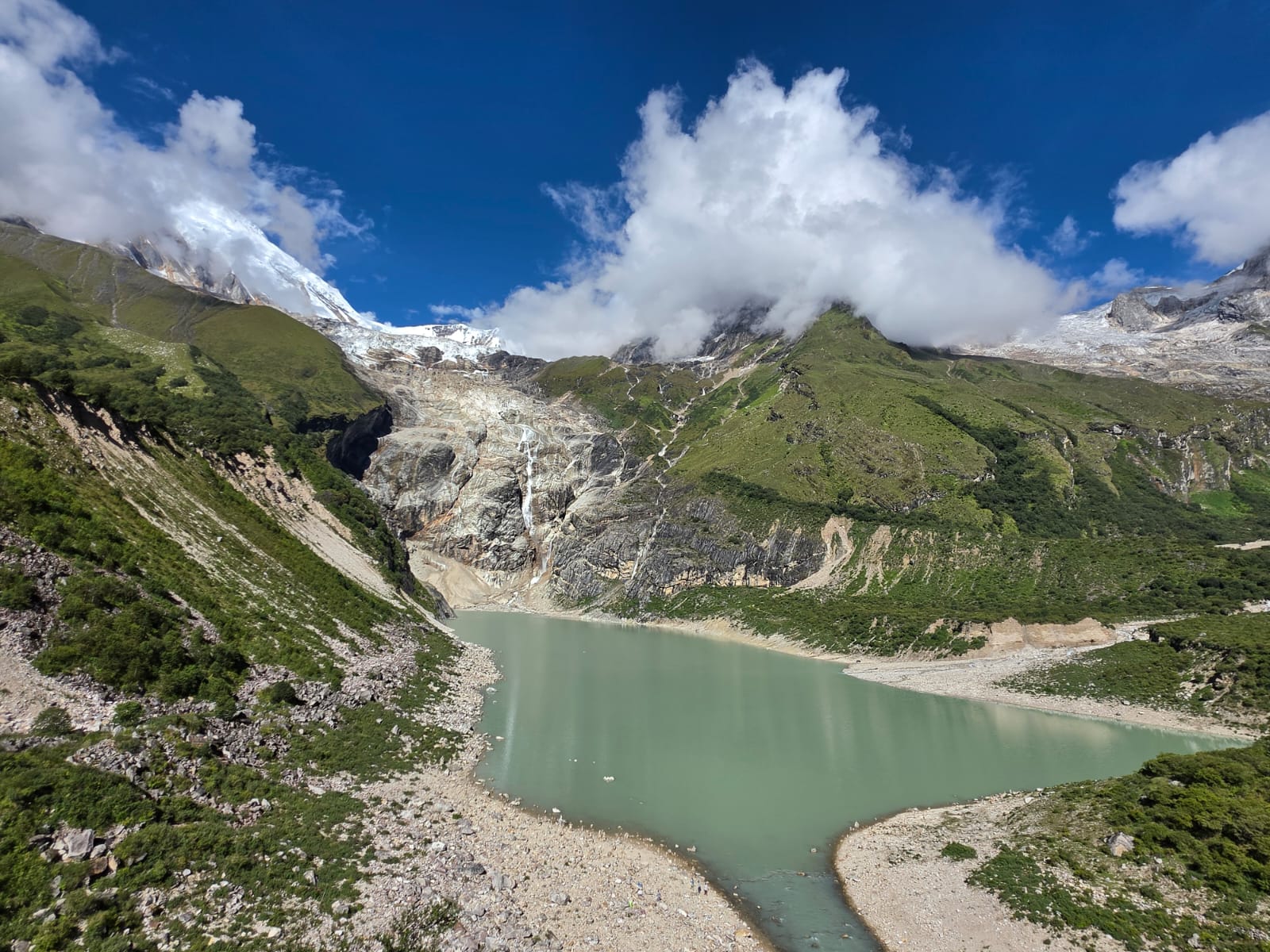
Rest day? Not quite. We need to trick your body into making more red blood cells, so we climb high and sleep low. The trek up to Manaslu Base Camp is brutal. It's a steep, rocky slog through glacial moraine that completely drains your energy, but standing where expedition climbers pitch their yellow tents is an unmatched feeling. If you're feeling beat, we'll just hike to Birendra Lake instead. This turquoise glacial lake sits quietly at the bottom of a massive icefall. Sometimes you can hear avalanches thundering high up on the mountain. We head back down for garlic soup.
We enter the high desert today. The landscape strips down to nothing but rocks, dirt, and blinding white glaciers. It's a short trek, only about three or four hours of walking, which your tired legs will deeply appreciate. The trail follows the valley floor, passing long mani walls carved with ancient mantras. We are right up against the Tibetan border now. Samdo is a rugged, dusty refugee settlement where the cold bites right through your down jacket the second the sun drops behind the peaks. Drink liters of hot ginger tea tonight. Hydration is everything at this altitude.
The final push before the pass. We leave Samdo and slowly grind our way up the barren, wind-blasted valley. There are no trees, no shrubs, just a harsh, beautiful moonscape. You'll feel the lack of oxygen with every single step. We intentionally walk at a snail's pace to keep everyone feeling strong. Dharamsala isn't a village. It's literally just a stone shelter and a few semi-permanent tents clinging to the side of the mountain. It's basic, it's freezing, and the toilets are terrifying. Eat your noodles, pack your daybag for tomorrow, and try to get some fitful sleep.
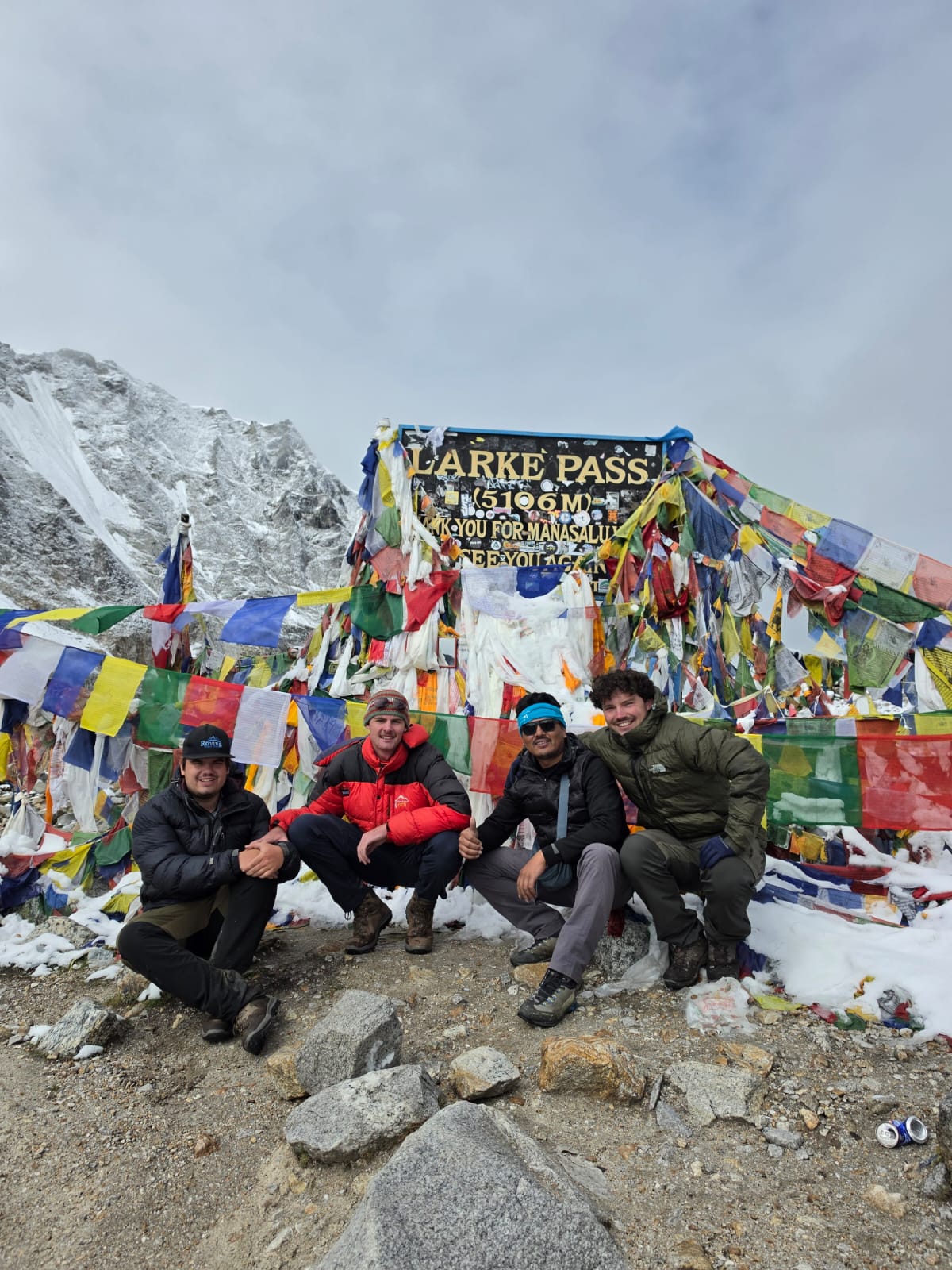
Showtime. We wake up at 3:00 AM, strap on headlamps, and step into the freezing darkness. The climb to Larkya La is a slow, freezing sufferfest over icy moraines. Your lungs burn. Your toes go numb. But when the sun finally breaches the horizon and paints the surrounding 7,000-meter peaks in fiery orange, you forget the pain entirely. Hitting the prayer-flag-draped summit at 5,106 meters is purely emotional. Take the photo. Then, we tackle the knee-destroying, thousand-meter descent down loose scree into Bimthang. You'll stumble into the teahouse utterly exhausted, completely hollowed out, but incredibly proud.
Gravity is finally our friend. We wake up in Bimthang surrounded by a mind-bending amphitheater of mountains before diving back down into the treeline. The change in scenery is rapid and shocking. Within hours, we swap glaciers for dense rhododendron forests and warm, oxygen-rich air. Your body suddenly feels invincible. The trail is mostly downhill, following the milky waters of the Dudh Khola. We stop for lunch in a sunny pasture before continuing down to Tilije. It's a vibrant Gurung village famous for its local apple brandy. We usually celebrate the pass tonight with a small glass.
The walking is done, but the adventure isn't quite over. We hop into a local jeep in the morning for a bumpy, chaotic ride down to Besisahar, sharing the dusty road with herds of goats and oncoming buses. The road hugs terrifying drop-offs, but local drivers know every single pothole. In Besisahar, we switch to a comfortable microbus and hit the paved highway back to Kathmandu. As we follow the Marshyangdi river, you'll probably fall asleep against the window. We roll into Thamel by late afternoon. Hot showers and a massive celebratory steak dinner are absolutely mandatory tonight.
It always ends too fast. You wake up in a soft bed, probably feeling a phantom sway from the trail, and realize you don't have to pack a duffel bag today. Enjoy a slow breakfast. Drink real espresso. We'll swing by your hotel a few hours before your flight to load up the jeep one last time. Driving through Kathmandu's chaotic traffic to the airport, the quiet isolation of the Himalayas already feels like a wild dream. We'll give you a massive hug at the departure gate. Safe flights. We know you'll be back for another round.
How much does this beast actually cost? Expect to drop between $1,200 and $1,800 USD per person. That largely depends on whether you join a group or go private.
Permits eat up a chunk. The restricted area permit runs you $100 for the first week during peak season, plus a daily fee for every day after that. You also need ACAP and MCAP permits, throwing another $60 onto the pile.
Guides are strictly mandatory. You literally cannot hike Manaslu legally without one. A solid, licensed guide runs about $30 to $35 a day. Want a porter to carry your heavy gear so you can actually enjoy the views? Budget another $25 a day for them.
Food and beds on the trail are cheap, but the prices creep up the higher we climb. A basic plywood room might cost $5, but you'll spend $25 to $30 a day on meals. Bring extra cash for the little things. Hot showers, battery charging, and Wi-Fi are never free in the high mountains.
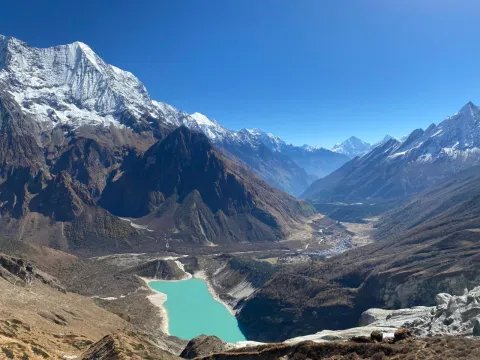
What do you know about traveling to the most remote areas of Nepal? It requires money and manpower both for a successful and safe journey. Therefore, today’s blog is about the Manaslu Circuit Trek Cost Guide. Get the latest information about various expenses that you must do while doing the famous 12 Days Manaslu Circuit Trek in Nepal.
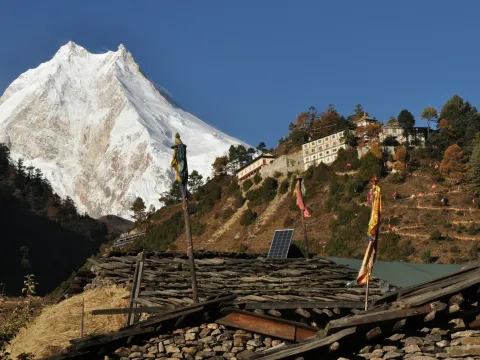
The Manaslu Circuit Trek is one of Nepal's most spectacular trekking experiences, offering remote mountain landscapes, authentic Himalayan villages, and the challenging crossing of Larkya La Pass at 5,106 meters. Proper preparation is crucial for a successful trek, and having the right packing list can make a significant difference in your comfort and safety.
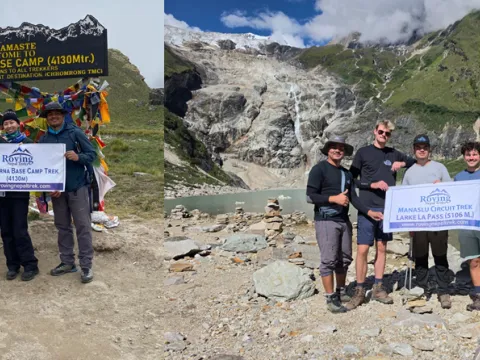
Picking between these two iconic treks isn't easy. It hurts our brains sometimes. We love them both. The Annapurna Sanctuary pulls you right into a massive amphitheater of ice and rock, while Manaslu offers raw, untamed wilderness. You get jaw-dropping mountain views on either path. At Roving Nepal Trek, we tell our clients this: do Annapurna to fall in love with the Himalayas, and do Manaslu to test your soul against them.