Nepal is renowned for its high Himalayan mountains, but you do not always need years of mountaineering experience to climb a Himalayan peak. Several mountains in Nepal are considered relatively accessible for beginners who have good fitness, proper preparation, and experienced guides.
The easiest mountains to climb in Nepal are generally trekking peaks that combine trekking with basic mountaineering skills. However, “easy” does not mean risk-free. High altitude, cold weather, steep terrain, snow and ice can make these climbs challenging.
| Mountain | Elevation | Difficulty | Region | Best For |
| Yala Peak | 5,732 m | Easy–Moderate | Langtang | First-time climbers |
| Mera Peak | 6,476 m | Moderate | Everest | First 6,000 m+ climb |
| Island Peak | 6,189 m | Moderate | Everest | Trekking + climbing |
| Tent Peak (Tharpu Chuli) | 5,663 m | Moderate | Annapurna | First peak climb |
| Lobuche East | 6,119 m | Moderate | Everest | Experienced trekkers |
Location: Langtang Region
Elevation: 5,732 meters (18,806 ft)
Difficulty: Easy to Moderate
Best for: First-time peak climbers
Yala Peak is one of the more accessible climbing peaks in Nepal and is a popular choice for travelers looking for their first Himalayan climbing experience.
The peak is located in the Langtang region, north of Kathmandu. The journey takes you through the Langtang Valley, where you can experience mountain landscapes, forests, local villages and Himalayan culture before reaching the climbing area.
The climb involves trekking to higher elevations and then using basic mountaineering equipment for the summit section. You should still be prepared for cold temperatures, steep terrain and high altitude.
Permits: A climbing permit and other required trekking/conservation permits are needed. Roving Nepal can arrange the necessary permits based on your itinerary.
Location: Everest Region
Elevation: 6,476 metres (21,247 ft)
Difficulty: Moderate
Best for: First 6,000 m+ climb
Mera Peak is one of the most popular choices for travelers looking for an introduction to climbing above 6,000 meters.
At 6,476 metres, it is higher than Island Peak and offers impressive views of some of Nepal's major Himalayan peaks, including Everest, Makalu, Lhotse and Baruntse from the summit area.
Although Mera Peak is often described as one of the more accessible 6,000-meter peaks, the altitude makes it a serious climb. You need good physical fitness and enough time for acclimatization.
The route also takes you through remote mountain landscapes and traditional Sherpa settlements, making the journey itself an important part of the experience.
Permits: Mera Peak requires a climbing permit as well as the applicable trekking or conservation permits for the route.
Location: Everest Region
Elevation: 6,189 metres (20,305 ft)
Difficulty: Moderate
Best for: travelers who want to combine trekking and climbing
Island Peak, also known as Imja Tse, is one of Nepal's best-known trekking peaks.
Located in the Everest region, the climb can be combined with the Everest Base Camp Trek, allowing travelers to experience the famous Khumbu region before attempting the summit.
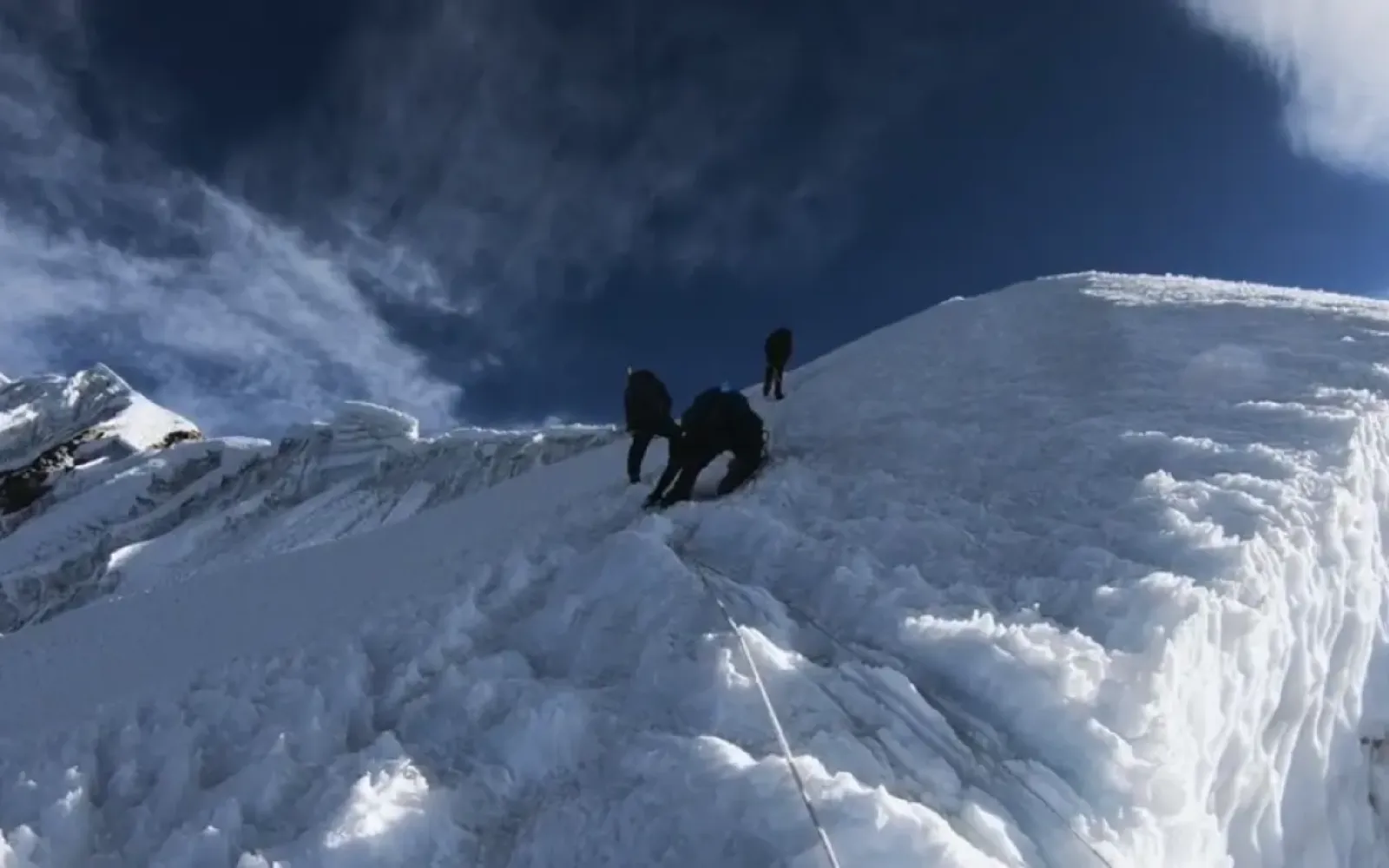
The climbing section includes steep terrain, snow and ice, so basic mountaineering skills are important. Many climbers also receive practical training from their guides before the summit attempt.
Permits: A climbing permit and the required regional permits are necessary. The exact requirements depend on the itinerary and route.
Location: Annapurna Region
Elevation: 5,663 metres (18,579 ft)
Difficulty: Moderate
Best for: travelers looking for their first peak-climbing experience
Tent Peak, also called Tharpu Chuli, is located in the Annapurna region near the famous Annapurna Sanctuary.
The peak is a good option for travelers who want to experience Himalayan peak climbing while exploring the Annapurna landscape.
The approach to the mountain passes through the Annapurna region and can be combined with the Annapurna Base Camp Trek. This means you can experience traditional villages, forests and dramatic mountain scenery before reaching the climbing section.
Permits: Climbers need the relevant peak-climbing permit along with the required trekking and conservation permits for the route.
Location: Everest Region
Elevation: 6,119 metres (20,075 ft)
Difficulty: Moderate
Best for: Experienced trekkers wanting their first Himalayan peak
Lobuche East is another popular trekking peak in the Everest region. At 6,119 meters, it offers a challenging introduction to high-altitude mountaineering.
The peak can be approached through the Everest region, making it possible to combine the climb with the Everest Base Camp route.
Compared with some other beginner-friendly peaks, Lobuche East involves more technical sections. Therefore, it is better suited to trekkers who already have some experience with high-altitude trekking and are ready to develop their mountaineering skills.
The summit provides spectacular views of the surrounding Himalayan peaks, making the demanding climb worthwhile as part of the overall mountain experience.
Permits: A climbing permit and the relevant regional trekking permits are required.
Not necessarily. Beginners can attempt these peaks with proper preparation and professional guidance. However, being physically fit for trekking does not automatically mean you are ready for a mountain climb. You should be comfortable with:
The word “easy” is relative when it comes to Himalayan climbing.
A peak below 6,000 metres can still be physically demanding, while a higher peak may be technically manageable for someone with the right experience. The biggest challenges usually include altitude, weather, cold, steep terrain and long trekking days.
Acclimatization is also essential. Your itinerary should allow your body enough time to adjust to increasing altitude rather than rushing towards the summit. This is why choosing an itinerary based on your experience and fitness is more important than simply choosing a mountain because it is called an “easy” peak.
Climbing a Himalayan peak is a different experience from a regular trek. You need the right itinerary, permits, an acclimatization plan, climbing equipment and experienced mountain guides.
At Roving Nepal Trek, we help travelers plan peak-climbing adventures in Nepal according to their experience, fitness, available time and interests. Our team can assist with the required permits, logistics, guides and trekking arrangements so you can focus on preparing for the climb.
Ready to plan your first Himalayan climb? Contact Roving Nepal Trek to discuss the right peak and itinerary for your adventure.
What is the easiest mountain to climb in Nepal?
Yala Peak is often considered one of the more accessible climbing peaks for beginners. However, the difficulty depends on your fitness, altitude experience, weather conditions and climbing preparation.
What is the easiest 6,000 m peak in Nepal?
Mera Peak is commonly chosen by climbers looking for an introduction to 6,000-meter peak climbing. Despite being relatively accessible, its 6,476-meter elevation makes proper acclimatization and preparation essential.
Can beginners climb mountains in Nepal?
Yes. Beginners can attempt some trekking peaks with proper physical preparation, acclimatization, climbing training and professional guidance. Previous mountaineering experience is helpful but is not always required.
Is Mera Peak suitable for first-time climbers?
Mera Peak can be suitable for climbers attempting their first 6,000-meter peak, particularly those with good fitness and previous high-altitude trekking experience. Proper preparation and acclimatization are essential.
Is Island Peak harder than a normal trek?
Yes. Island Peak involves climbing sections that require basic mountaineering skills and equipment, so it is more demanding than a standard trekking route.
Can I combine peak climbing with Everest Base Camp?
Yes. Island Peak and Lobuche East can be incorporated into itineraries that also include the Everest Base Camp route, depending on the itinerary and available time.