Nepal is where a lot of people fall in love with trekking for the first time. It's also where a few first-timers learn the hard way that the mountain doesn't care how excited you are - only how prepared you are. After nearly two decades leading trekkers through the Himalayas, we've noticed the difference between a beginner who finishes glowing and one who struggles is almost never fitness. It's route choice, expectations, and knowing what actually matters versus what doesn't.
So let's cut through it. Here's what we tell every beginner before their first trek in Nepal - and the routes we'd point you toward first.
The single biggest mistake beginners make is picking a route based on a famous photo instead of the actual profile. Everest Base Camp and the Annapurna Circuit are spectacular, but they're rated difficult for good reason - long days, real altitude, and two weeks or more on the trail. They make wonderful second treks.
For your first, look for a well-marked route, shorter daily distances, comfortable teahouse lodging each night, and a maximum altitude that keeps serious altitude sickness off the table. A good beginner trek should challenge you and leave you smiling, not broken.
Here are the routes we most often recommend to first-timers — all teahouse treks, all guide-supported, all achievable for a reasonably fit beginner.
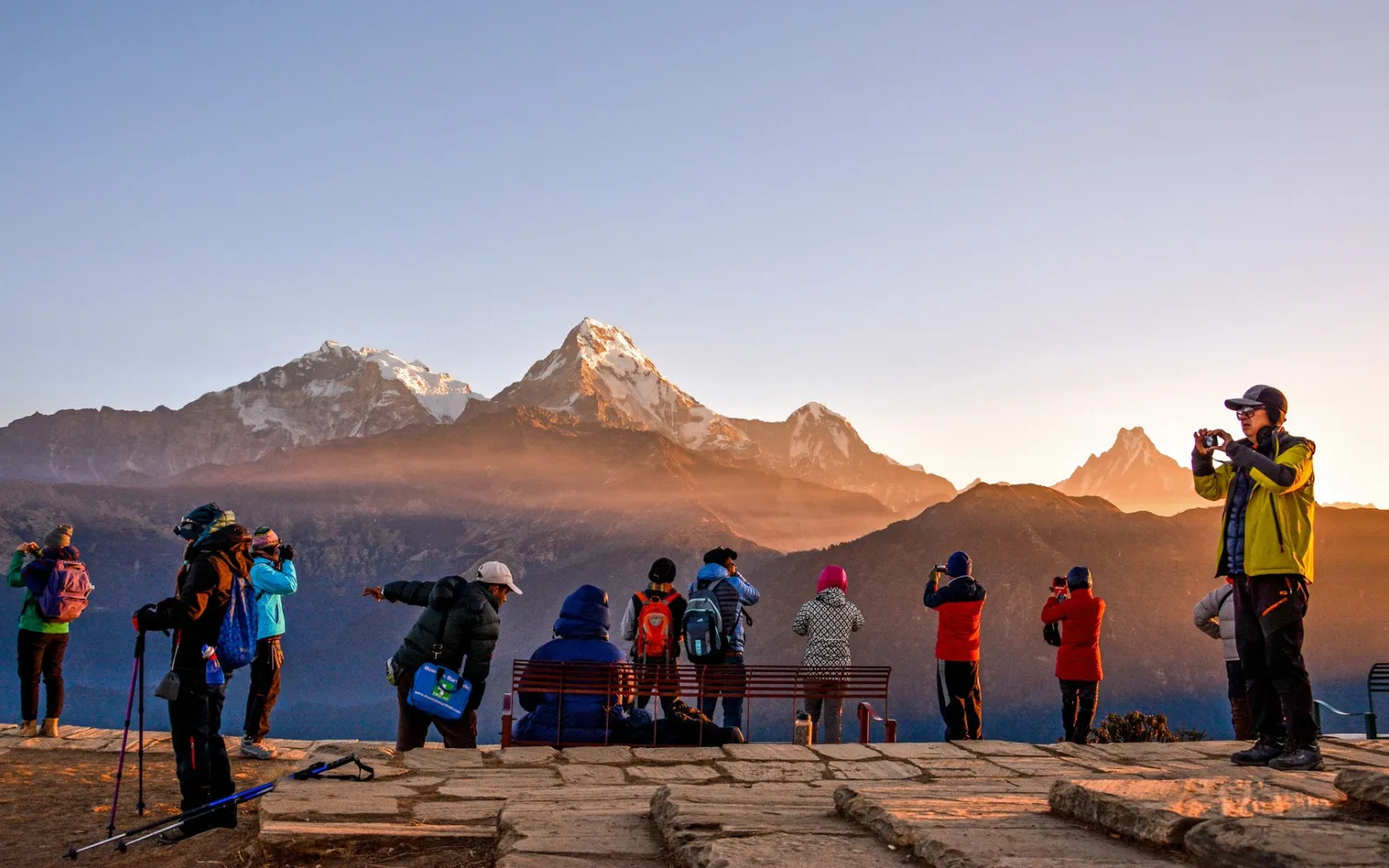
Ghorepani Poon Hill Trek (9 days) — This is the classic first trek in Nepal, and for good reason. Gentle rhododendron-forest trails, cozy villages, and one of the most famous sunrise viewpoints in the country over the Annapurna and Dhaulagiri ranges. Moderate difficulty, no extreme altitude, and endlessly rewarding.
Mardi Himal Trek (10 days) — A quieter, less-crowded ridge trek in the Annapurna region with dramatic close-up mountain views. A little more climbing than Poon Hill, but still very manageable for a fit beginner who wants something off the busier trails.
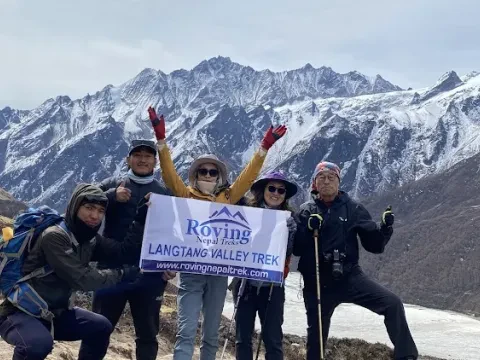
Langtang Valley Trek (10 days) — Rated easy on our difficulty scale and closer to Kathmandu, so there's no domestic flight to worry about. Glacial valleys, Tamang villages, and a warm, resilient local culture make this one of the most underrated beginner treks in Nepal.
Tamang Heritage Trail Trek (8 days) — Gentle walking, natural hot springs, and deep cultural immersion in traditional Tamang villages. Perfect if you care as much about people and culture as about mountain views.
3 Days Chisapani Nagarkot Trek (3 days) — Short on time or want to test your legs before committing to a bigger route? This low-altitude trek right on Kathmandu's doorstep is the ideal warm-up, with hill views of the Himalayas and no altitude concerns at all.
Not sure which fits you? That's exactly what our team is for — tell us your fitness, timeframe, and interests and we'll match you to the right trail.
If you remember nothing else from this article, remember this: break in your boots before you fly to Nepal. Not the night before. Weeks before.
Blisters are the number one reason beginners suffer, and they come almost entirely from new footwear and the wrong socks. Get proper trekking boots with ankle support, wear them on plenty of walks until they feel like part of your foot, and pack real moisture-wicking hiking socks. Cotton holds sweat, sweat causes friction, friction causes blisters — so skip the cotton. Carry a small blister kit anyway; even seasoned guides do.
New trekkers tend to bring either nothing useful or everything they own. Aim for a pack that carries what you genuinely need and nothing that just weighs on your shoulders.
The essentials that always earn their place: layers rather than one heavy jacket (a base layer, an insulating mid-layer, and a waterproof shell), at least two liters of water plus a way to refill, high-energy snacks, a headlamp, sunscreen and sunglasses, a basic first-aid and blister kit, and a power bank. Himalayan weather swings hard between a cold morning, a warm afternoon, and a cold evening — being able to add or shed a layer in seconds is what keeps you comfortable all day. A good rule: your daypack shouldn't exceed about 10% of your body weight. On our supported treks, porters carry the heavy bags, so you walk with just a light daypack — one of the quiet reasons a guided trek is so much kinder to first-timers.
Here's what surprises people: altitude sickness has almost nothing to do with fitness. Marathon runners get it. It's about how quickly you ascend and how well your body adapts.
The beginner routes above stay low enough that this usually isn't a major concern — another reason they're the right place to start. On any higher trek, the rules are simple: ascend slowly, don't gain too much sleeping altitude in a single day, drink plenty of water, and listen to your body. Headache, nausea, and dizziness are signals to stop climbing, not to push through. This is where a good guide earns their keep — our itineraries are built with proper acclimatization, and our guides are trained to spot the early signs and adjust the pace before a small problem becomes a big one.
You don't need to be an athlete. You do need your body ready for several hours of continuous walking, often uphill, often on stone steps and uneven ground.
In the weeks before your trip, walk regularly, add some stairs or hills, and if you can, do a practice hike with a loaded pack. That practice walk is worth more than any gym session — it breaks in your boots, tells you if your pack sits right, and reveals your real pace. Don't neglect the downhills either; Nepal's descents are long, and your knees will thank you for training them.
Beginners burn out by racing the first hour. The trail rewards a steady rhythm you can hold all day over a sprint you pay for later. Find a pace where you can still hold a conversation — if you're gasping, you're going too fast. Take short, regular breaks, eat and drink before you feel hungry or thirsty, and look up from the trail once in a while. You came for the Himalayas, not just the finish line. As our travelers often say in their reviews, the best days are the ones where the guide keeps the pace relaxed and the spirits high.
There's no shame in trekking with a guide — there's wisdom in it. A good local guide reads the weather, knows the trail and the teahouses, manages the pace, watches your health at altitude, and handles the small emergencies before they become big ones. When a Lukla flight gets cancelled or a route needs changing for weather, that experience is the difference between a lost day and a smooth solution.
For your first trek, that safety net lets you simply enjoy the experience. It's the heart of how we work at Roving Nepal Trek: local expert guides from Sherpa, hill, and other communities across Nepal, small groups and private options, a genuine safety-first approach, and itineraries you can tailor to your own pace and budget.
The trail will test your patience before it tests your legs. Weather turns, paths get muddy, and the viewpoint always looks further than it is. The trekkers who love the experience are the ones who expect a little discomfort and meet it with humor. Trekking in Nepal isn't about conquering a mountain — it's about moving through an extraordinary landscape at human pace, meeting its people, and discovering you're more capable than you thought. Show up curious, stay flexible, and let the Himalayas do the rest.
Before you fly out, make sure you've got the basics covered: broken-in boots and proper socks, weather-appropriate layers, enough water and snacks, a headlamp and power bank, sun protection, a first-aid and blister kit, and a beginner-friendly route matched to your fitness. Choose the right season — spring (March–May) and autumn (September–November) offer the clearest skies and most comfortable weather for first-timers — and let your guide handle the permits and logistics.
Ready to take your first step in the Himalayas? Pick a beginner-friendly route, lace up those broken-in boots, and let us handle the rest. Plan your trip with Roving Nepal Trek or message us on WhatsApp — our local guides will help you choose the perfect first trek and walk every step of it with you.
New to trekking and not sure where to start? Tell us your dates and fitness level, and we'll recommend exactly the right trail.
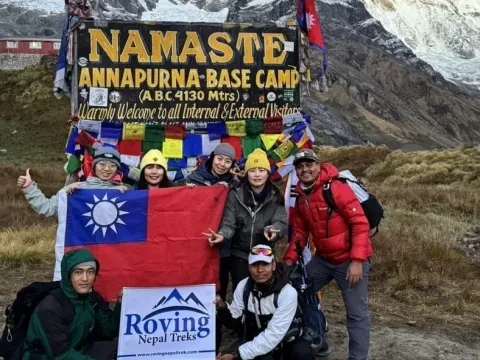
One of the darling trekking destination of the world is the Annapurna Base Camp Trek. Therefore, the charm of this route is very high among travelers from across the globe. The journey that takes trekkers to the foothill of the world's 10th tallest mountain is definitely a prized one. There are lots of questions about the Annapurna Base Camp Trek for Beginners. So, today's blog is all about finding out reasons that make the ABC Trek suitable for all age group from beginners to professional trekkers.
It is well known to all that Nepal is an ideal destination for trekking activities. The presence of mesmerizing Himalayas (over 1900 snow – capped mountains), diverse landscapes, diverse vegetation, and multi – ethnic communities (over 125 ethnic castes) makes it the best travel destination. Besides cultural tours, pilgrimage tours, and adventure mountain climbing activities, trekking is the most popular holiday choice. Therefore, lots of people visit Nepal for trekking to various destinations. Today’s blog is about the best beginner trek in Nepal. Walking in some of the trails in Nepal requires lots of physical fitness level and logistics management.