People always talk big about mountains, scenery, accommodation, meals, and culture while discussing about trekking in Nepal. Nobody tells the fundamental aspect of defecating during trekking in Nepal. We are writing today’s blog about squat toilet or commode toilet in Nepal trekking routes. Eating is essential but defecating is also essential. So, we are writing Nepal Trekking Route Toilet. It is about person’s preferences. Pits are important when you talk about trekking. So, we are writing this blog to let you know about the types of toilet in the trekking routes of Nepal.
Let's talk about one of the most vital—yet rarely advertised—parts of trekking in Nepal: the squat toilet.
While major hubs like Namche Bazaar or lower Annapurna often have western-style flush toilets, the higher or more remote you go, the more common the traditional squat toilet becomes. It can be a bit of a shock if you’ve never seen one, but with a few simple tips, you’ll master it in no time.
Here is a practical guide to conquering the teahouse squat toilet like a seasoned trekker.
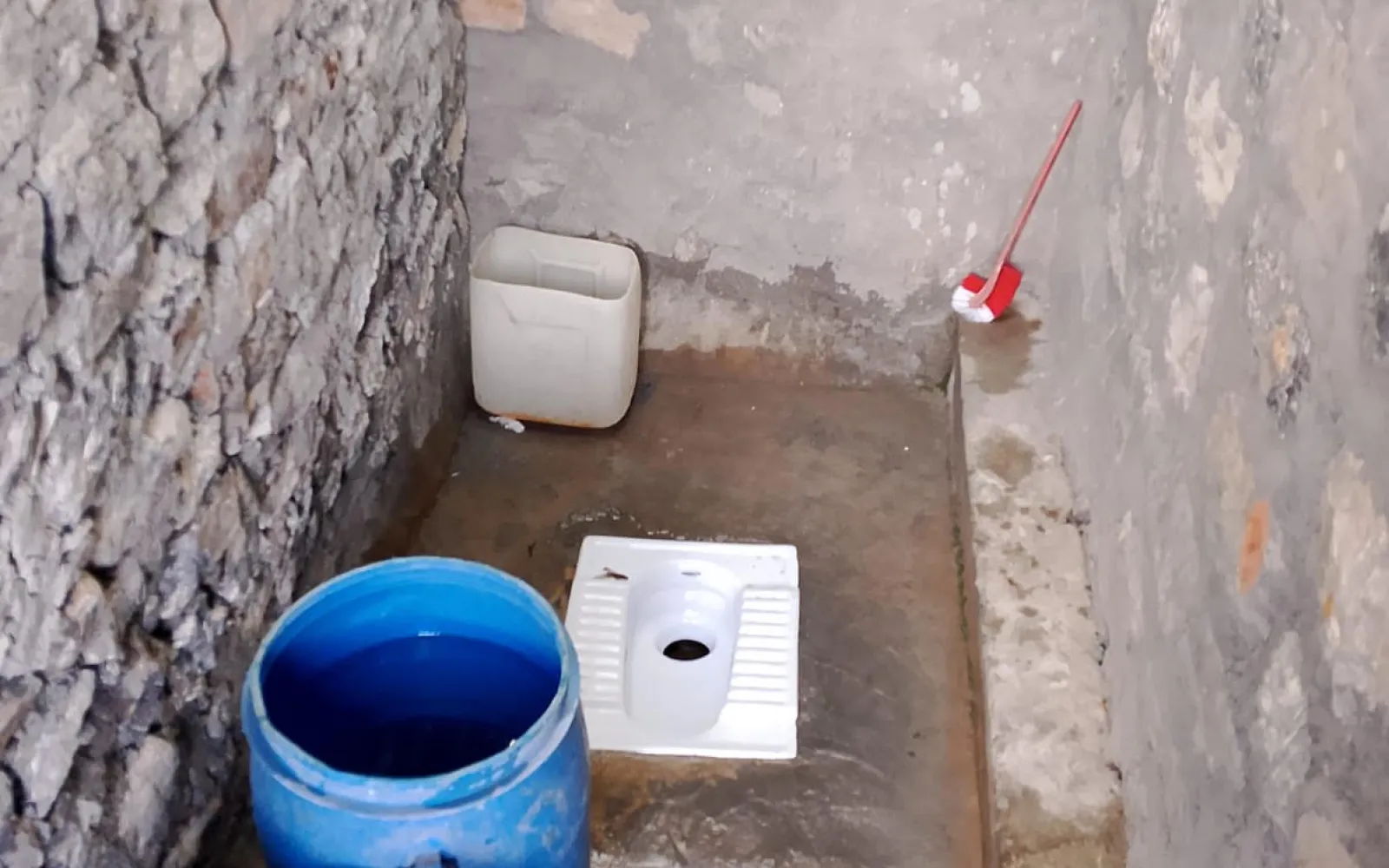
A typical squat toilet in the Himalayas consists of porcelain or concrete pan set flush into the floor with a hole at one end and footrests on either side.
Instead of an automated flush system, you will almost always find a large bucket of water and a small plastic jug (called a bota) next to the toilet. This water serves a dual purpose: it is used for manual flushing and for personal cleaning.
The trekking routes which are short and in the lower elevation areas have western style toilets. If you are in the Everest View Trek journey, then you can find quality toilets of western style. Nepal Trekking Route toilet in Everest View Trek route is better than in the higher elevation places.
To make the experience as stress-free as possible, keep these four essential tips in mind before you head to the bathroom:
The Silver Lining: From an anatomical standpoint, squatting is actually the healthier, more natural way to go—and you don't have to worry about sharing a dirty toilet seat with dozens of other trekkers!
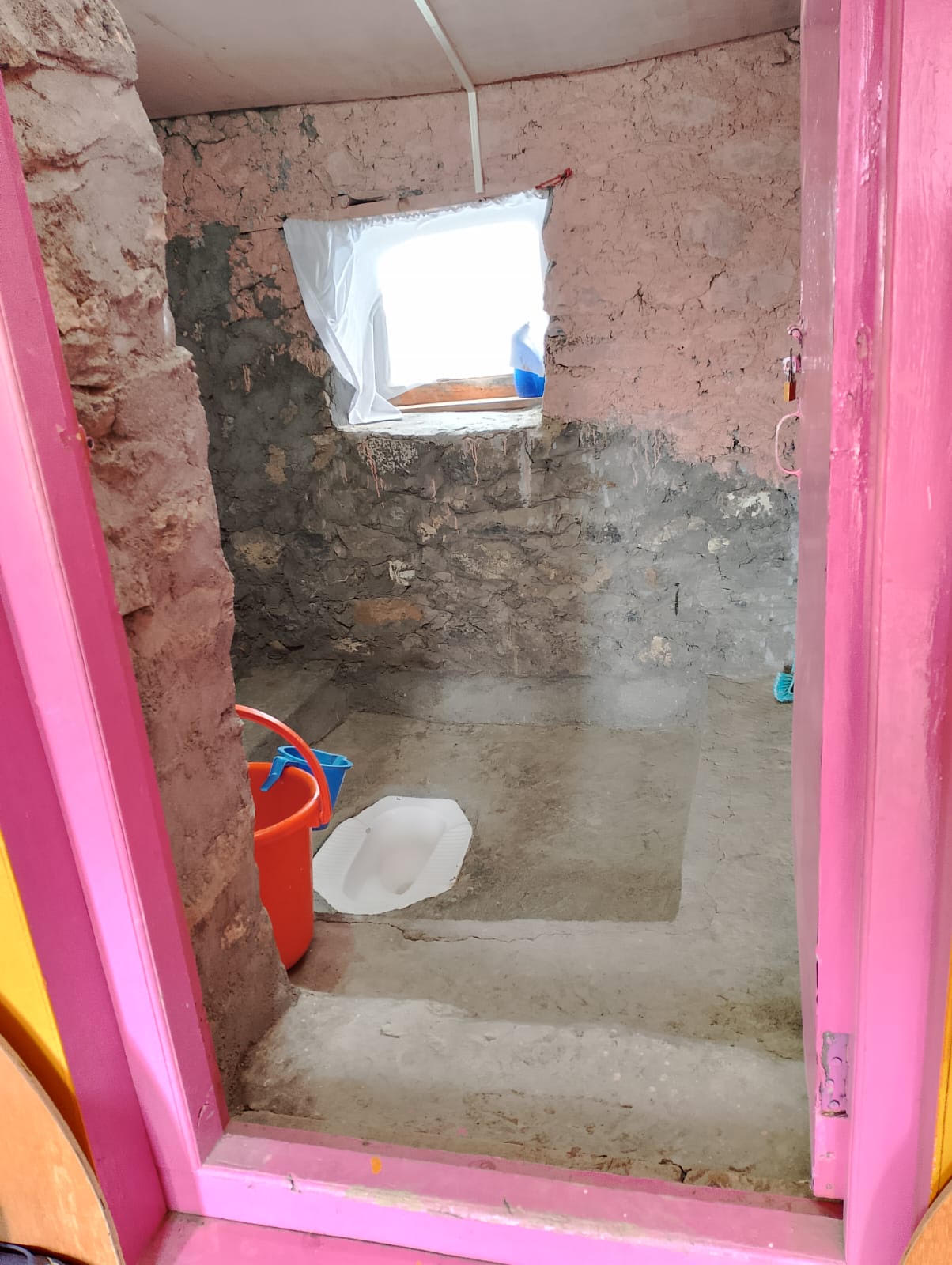
In higher elevation places, the pipe may be jammed and you may have to rely on toilet papers only. The shared toilet may give foul smell. Majority of tea houses in Nepal’s trekking regions have shared toilet option. Sometimes, you may have to wait for another trekker to finish his or her routine before you can use toilet.
If you are looking for best services, impeccable hospitality, then don’t forget to contact our travel planners before booking the trek. We will ensure that your smallest demands are also fulfilled while managing a holiday trip for you.
Book your 2026-2027 trekking packages with Roving Nepal Trek for the adventure of a lifetime!
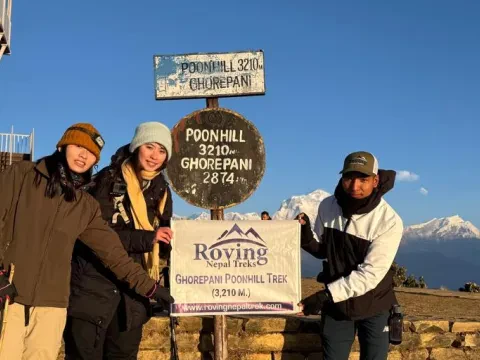
Winter season is off season for trekking in Nepal. However, there are many trekking routes where you can quench your thirst of walking in the trails of this tiny Himalayan nation. Today's blog is about finding out the best short winter treks in Nepal. Let's sit back and enjoy the magnificent list of the amazing trekking routes of Nepal okay to trek in winter season (December - February).
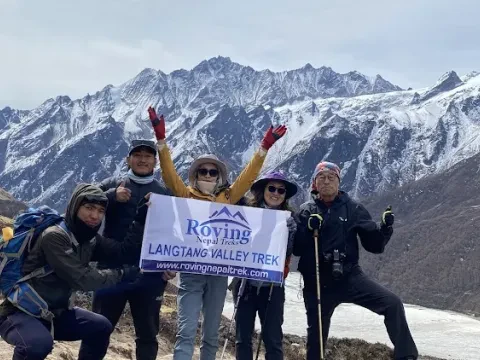
It is well known to all that Nepal is an ideal destination for trekking activities. The presence of mesmerizing Himalayas (over 1900 snow – capped mountains), diverse landscapes, diverse vegetation, and multi – ethnic communities (over 125 ethnic castes) makes it the best travel destination. Besides cultural tours, pilgrimage tours, and adventure mountain climbing activities, trekking is the most popular holiday choice. Therefore, lots of people visit Nepal for trekking to various destinations. Today’s blog is about the best beginner trek in Nepal. Walking in some of the trails in Nepal requires lots of physical fitness level and logistics management.