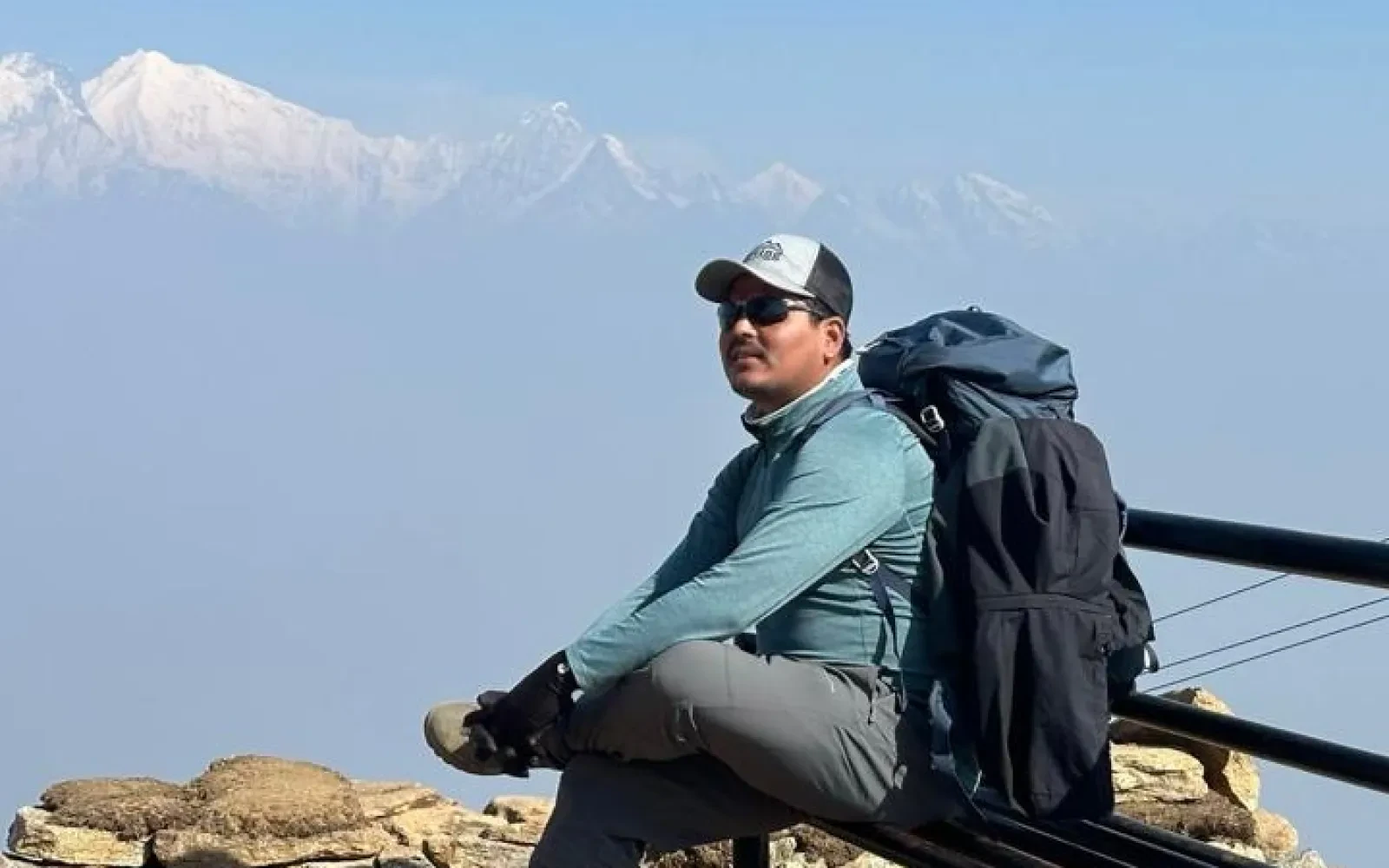
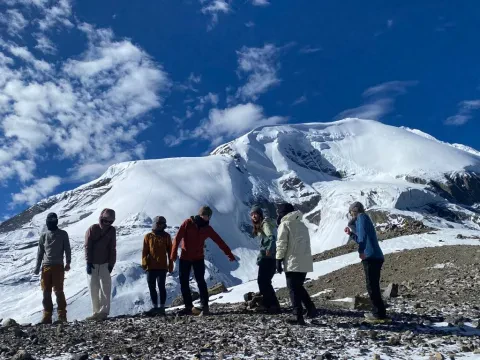
Just imagine trekking the Annapurna circuit in 8 days Sounds very hard isn't it ? But Roving Nepal Trek will make all of it possible with ease. Although the trek might be quick and hectic it can be done. Annapurna Circuit Trek is one of the most beautiful and toughest treks in the world. Mainly because of the uneven trails and major reduction in several days, this particular trek isn't everyone's cup of tea. Why is it 8 days Annapurna Circuit Trek Special? A lot of the readers might feel the 8-day Annapurna circuit trek isn't a possible thing but it can be done. The most special part about this short trek is enjoying the same beauty by saving time and money. In a time less than 10 days, trekkers will be able to view all the beautiful mountains, travel back to Kathmandu, and also interact with the local people. However, it is important to notice that this package is tough and physically demanding. How Hard Is 8 Day Annapurna Circuit Trek? Just to be very clear, the 8-day Annapurna circuit trek is a hard ask. You will have to be fit to complete the trek. Right from the very first day, we will be trekking for at least 6 hours a day. Anyone with little to no experience in high-altitude trekking aren't advised to join the trek. Meanwhile, Roving Nepal Trek can train anyone who can be part of this trekking journey. People with poor physical health can rather book the Annapurna Circuit trek which goes for 10-12 days. You will have enough time to cope and also acclimatize during that trek. Cost of 8 days Annapurna Circuit Trek A lot of the readers might think that a shorter trek means little cost compared to others. Well, that is true in some aspects but not all. For the 8-day Annapurna Circuit Trek, we generally have to be highly prepared in gear and also nutrition. The cost of that font will be higher and can rise gradually. However, the less time you spend on the trail the less money will be spent. The accurate cost of the 8-day Annapurna Circuit Trek is hard to predict as it depends on various factors. Meanwhile, interested trekkers can get in contact with Roving Nepal Trek and we will guide you through the itinerary, plans, and even the affordable cost rate for the short ABC trek. Is Solo Trek for 8-Day Annapurna Circuit Trek Possible? One of the highly asked questions at Roving Nepal Trek is whether a solo trek to the Annapurna circuit on an 8-day trip is possible or not. Well, it is possible but very risky to execute. According to the new rules as well, solo trekking in Nepal isn't allowed. As the trekker only has 8 days, the trekking itinerary must be prepared well. Not only that you also need to have an experienced guide. A guide who knows his way around the toughest trek in record time. With so many complications and variables to follow, a solo trek at the Annapurna circuit isn't advised at all. Things To Do For A Safe 8 Day Annapurna Circuit Trek A lot of the readers think that physical fitness is enough to get you through the Annapurna Circuit Trek. Just to be very clear it isn't. Although experience of trekking and physical fitness is the key there are other contributing factors too. 8 days to one of the toughest treks in the world is hard, so you need to be mentally strong too. Not only that try and acclimatize well to be safe from Acute Mountain Sickness issues which can make it tougher during the trek. More than that try and remain hydrated. A month before the actual 8-day Annapurna Circuit Trek try and have healthy food. Foods that will involve more of the green and less of fried items. This will create a better digestive system for and after the trek. Permits Required For Annapurna Circuit Trek If you are thinking there are some changes with the 8-day Annapurna circuit trek for a permit you are wrong. Trekkers would need to have the same permits they have for a longer trek. The first one is the Trekkers Information Management System (TIMS) card for the entrant into the home country. The second permit would be the Annapurna Conservation Area Project (ACAP) permit. ACAP permit will allow the trekker to enter the Annapurna Conservation Area and explore flora and fauna. All of these permits can be achieved by the Nepal Tourism Board.
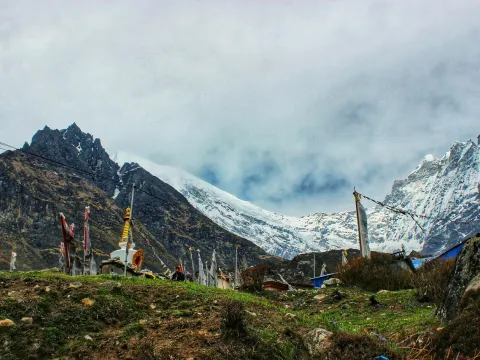
Nepal is home of more than 125 ethnic communities with their own unique traditions, culture, and values. Therefore, you can call this tiny Himalayan nation blessed by gods and goddesses as these tribes live harmoniously without any kinds of unrest. Mountains are our biggest assets and so does the cultural diversity. Near the Kathmandu Valley inside the Langtang region, we give you the best cultural trek combined with natural wonders in the form of the Tamang Heritage Trail Trek. The travel planners of the Roving Nepal Trek has specially designed this trekking itinerary to give you chance to know about the indigenous Tamang community’s lifestyle, culture, traditions, and values. Book the Tamang Heritage Trail trek in Nepal and experience both nature’s allures and cultural understanding. Make sure to contact our travel planners today to book the trekking package of your liking. Note down that you can combine the Tamang Heritage Trail Trek with the famous Langtang Valley Trek in Nepal. Tamang Heritage Trek RouteThe route of the Tamang Heritage Trail Trek in Nepal has changed now! Earlier, the trail used to be long due to lack of accessibility. Nowadays, lots of Tamang Villages are accessible to the rural off road. Therefore, the travel planners of the Roving Nepal Trek have knitted the updated trekking itinerary based on the latest development works in the region. We have covered major Tamang villages of the region and we have also kept the option to whether use the tea house or community home stays during their journey of the Tamang Heritage Trail Trek in Nepal’s Langtang region. Best Time for Tamang Heritage Trekking in NepalChoose the months of winter season (December – February), spring season (March – May), and autumn season (September – November) for better trekking experiences. Besides these seasons, monsoon season is not highly recommended. High chances of heavy rainfall and poor visibility make the entire trekking experiences shallow and bitter. Therefore, we recommend you to do trekking in spring, autumn, and winter season but not in monsoon season. If you have free time in monsoon season, then you can relish green lush forests, green terraced farmlands, and cool temperature. The villages can still look best even during monsoon season. Difficulty Level of Tamang Village Trek in LangtangThe journey of the Tamang Heritage Trail Trek in Nepal is comparatively easier than other trekking trips in the Langtang region. However, some sections of this trail are hard to trek due to steep uphill sections. For example, trek to places like Nagathali and Briddim can be difficult to walk due to steep uphill through forests and terraced farmlands. Even if it is comfortable than other treks, you must prepare physically to be able to walk about 6 to 7 hours a day. Make sure that you are well prepared for the trek. Prepare your body at least one month prior to the trek. Perform exercises like cycling, swimming, walking, running, and hiking activities to build up cardio – vascular abilities and physical fitness level. Accommodation during the TrekAccommodation along the Tamang Heritage Trail is primarily provided by local teahouses and community-run lodges. These lodges offer simple yet comfortable rooms with basic facilities such as beds, blankets, and shared bathrooms. Staying in these accommodations allows trekkers to experience the warm hospitality of the Tamang people while directly supporting local communities. Rooms are generally twin-sharing, and amenities become more basic at higher elevations. Although luxury facilities are limited, the authentic village atmosphere and stunning mountain surroundings make the experience memorable. It is advisable to carry a sleeping bag, especially during colder months when temperatures can drop significantly.Meals and Drinking Water on the TrailTrekkers can enjoy a variety of meals throughout the Tamang Heritage Trail, with most teahouses serving traditional Nepali and Tibetan-inspired dishes. Popular options include dal bhat, noodles, fried rice, soups, momos, and seasonal vegetables. Breakfast often consists of porridge, eggs, bread, pancakes, and tea. Drinking water is available at villages and lodges, but trekkers should purify water before consumption using purification tablets, filters, or UV sterilizers. Bottled water may be available in some locations but is discouraged due to environmental concerns. Carrying a reusable water bottle is highly recommended for a safer and more sustainable trekking experience.Transportation for Tamang Heritage Trail TrekThe Tamang Heritage Trail typically begins from Syabrubesi, a small town in the Langtang region of Nepal. Most trekkers travel from Kathmandu to Syabrubesi by road, which takes approximately seven to nine hours depending on road conditions. Transportation options include public buses, shared jeeps, and private vehicles. Shared jeeps are faster and more comfortable than buses, making them a popular choice among trekkers. After completing the trek, transportation is available back to Kathmandu from the ending point. The scenic drive offers beautiful views of rivers, terraced hillsides, and rural settlements, adding another memorable aspect to the journey.Permits Required for Tamang Heritage Trail TrekTrekkers undertaking the Tamang Heritage Trail must obtain the necessary permits before starting the journey. The primary permits required are the Langtang National Park Entry Permit and the TIMS (Trekkers’ Information Management System) Card, depending on current trekking regulations. These permits help support conservation efforts, maintain trekking infrastructure, and ensure visitor safety. Permits can be obtained in Kathmandu through authorized offices or registered trekking agencies. Trekkers should always carry their permits during the trek, as they may be checked at various checkpoints along the route. Regulations can change, so it is important to verify current requirements before departure.Tamang Culture and Local VillagesOne of the most rewarding aspects of the Tamang Heritage Trail is the opportunity to experience the rich culture of the Tamang community. The Tamang people have strong Tibetan influences reflected in their language, dress, architecture, religion, and daily lifestyle. Villages such as Gatlang, Tatopani, Thuman, and Briddim showcase traditional stone houses, Buddhist monasteries, prayer flags, and cultural heritage. Visitors often witness local customs, folk dances, and traditional music during their stay. The trail offers meaningful cultural interactions that go beyond mountain scenery, allowing trekkers to gain a deeper understanding of local traditions and the resilience of Himalayan communities.Altitude and Acclimatization InformationThe Tamang Heritage Trail reaches moderate altitudes compared to many Himalayas trekking routes, making it suitable for trekkers with average fitness levels. The highest point of the trek is Nagthali, situated at approximately 3,165 meters above sea level. Although the risk of altitude sickness is lower than on higher treks, proper acclimatization remains important. Trekkers should ascend gradually, stay hydrated, eat nutritious meals, and avoid excessive physical exertion. Recognizing early symptoms of altitude sickness, such as headaches, dizziness, and fatigue, is essential. Taking adequate rest and maintaining a steady pace greatly contributes to a safe trekking experience.Safety Tips for Tamang Heritage Trail TrekSafety should always be a priority while trekking the Tamang Heritage Trail. Trekkers should prepare with proper gear, including sturdy hiking boots, layered clothing, rain protection, and a basic first-aid kit. Checking weather forecasts before and during the trek is highly recommended. Staying hydrated and maintaining energy through regular meals can help prevent fatigue. Hiring an experienced guide enhances safety and provides valuable local knowledge. Trekkers should inform family members or trekking agencies about their itinerary and travel plans. Respecting local customs, following marked trails, and avoiding unnecessary risks contribute to a secure and enjoyable adventure.Why Choose Tamang Heritage Trail Trek?The Tamang Heritage Trail offers a unique combination of cultural immersion, natural beauty, and authentic village experiences. Unlike busier trekking routes, this trail provides a peaceful environment where visitors can connect closely with local communities and traditions. Trekkers enjoy breathtaking views of the Langtang Himalayan range, picturesque villages, lush forests, and terraced landscapes. The route is ideal for those seeking a moderate trek without extreme altitude challenges. Additionally, the trail supports community-based tourism, helping improve local livelihoods. For travelers interested in both cultural discovery and mountain scenery, the Tamang Heritage Trail presents an enriching and unforgettable Himalayan adventure.