Roving Nepal Trek prides on the trek management inside Nepal. An excellent crew members and experienced guides allow us to knit the best itineraries for the trekkers to enjoy the fullest. Langtang Region of Nepal is the closest naturally as well as culturally rich trekking destination of Nepal. Therefore, every year thousands of trekkers trek on the trekking routes of the region.
Nestled in the central part of Nepal, the Langtang Region offers a breathtaking tapestry of pristine landscapes, diverse flora and fauna, and vibrant local cultures. Renowned for its accessibility from Kathmandu and the spectacular views of the Langtang Himalayan range, this region is a trekker's paradise. The Langtang Valley Trek, Langtang Gosainkunda Trek, and the Helambu Trek are some of the popular routes in this region, each promising a unique adventure.
Langtang Valley Trek
The Langtang Valley Trek, a classic journey, begins with a scenic drive from Kathmandu to Syabrubesi. From there, trekkers traverse dense forests, terraced fields, and traditional Tamang villages. The region is rich in biodiversity, showcasing rare species like the red panda and various species of pheasants. As you ascend, the views of Langtang Lirung (7,227m), Ganesh Himal, and other snow-capped peaks become increasingly mesmerizing.
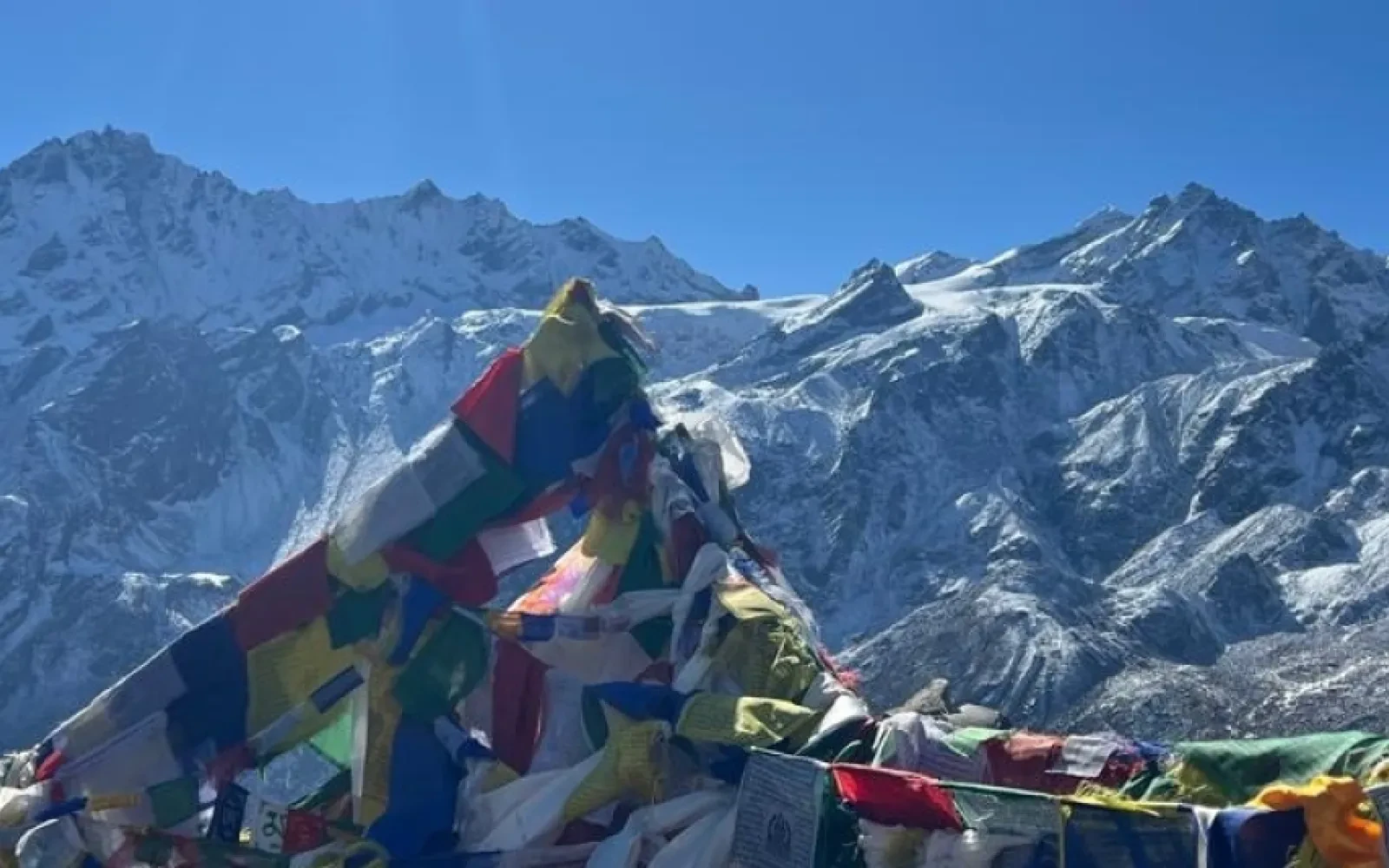
The Langtang Valley itself is a pristine glacial valley surrounded by soaring peaks. The local Tamang and Sherpa communities, with their unique culture and hospitality, add a distinct charm to the trek. The traditional wooden houses, intricate monasteries, and prayer flags fluttering in the wind create an atmosphere of spiritual serenity.
Gosainkunda Trek
For those seeking a more challenging trek with added cultural and spiritual significance, the Langtang Gosainkunda Trek is an excellent choice. This trek combines the Langtang Valley with the sacred alpine lakes of Gosainkunda. The high-altitude lakes are considered sacred by Hindus, and the trek offers panoramic views of the Langtang Himalayas, Ganesh Himal, and even the Annapurna range on clear days.
Langtang National Park
In addition to the natural beauty, trekkers encounter the diverse ecosystems of the Langtang National Park. The trek is an opportunity to witness the coexistence of subtropical forests, alpine meadows, and high-altitude yak pastures. The park is also home to the elusive red panda, Himalayan Thar, and various species of deer and birds.
Short Trek route of Langtang Region
The Helambu Trek, on the other hand, introduces trekkers to the unique Hyolmo culture of the Helambu region. Starting from Sundarijal, just an hour's drive from Kathmandu, the trek offers a blend of lush rhododendron forests, charming villages, and panoramic mountain views. Trekkers traverse through picturesque Sherpa villages, interact with locals, and witness the traditional lifestyle of the Helambu people.
The Langtang Region's allure lies not only in its natural beauty but also in its potential for sustainable tourism. The area is gradually recovering from the impact of the devastating earthquake in 2015, and trekking here contributes to the local economy, aiding in the rebuilding process.
In conclusion, the Langtang Region is a trekker's haven, offering a harmonious blend of natural splendor, cultural richness, and warm hospitality. Whether you choose the Langtang Valley Trek, Langtang Gosainkunda Trek, or the Helambu Trek, each route is a unique adventure that promises to leave an indelible mark on your soul. Trekking in this region is not just a journey through stunning landscapes; it's an immersion into the heart of Nepal's Himalayan culture and traditions.
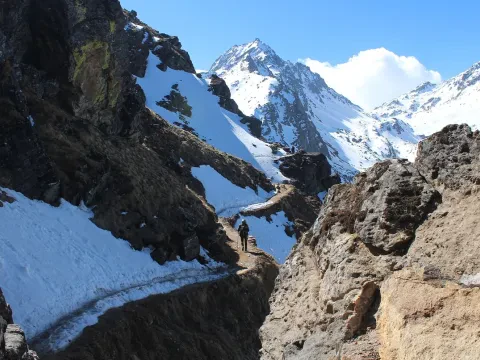
Exploring the Enchanting Beauty of Langtang Valley is probably the most interesting short trekking route of Nepal. It is undoubtedly the Trekker's Paradise. Get ready to fully immerse into the Lama Culture and mystical Himalayan landscape. The journey of Langtang Valley Trek is the most pristine adventure up in the Himalayas that is nearby Kathmandu Valley.Nestled in the heart of the Himalayas, the Langtang Valley Trek stands as a testament to the raw, untouched beauty of nature. This journey takes trekkers through a mesmerizing landscape, offering a unique blend of cultural richness and breathtaking scenery. In this exploration, we delve into the enchanting allure of the Langtang Valley, uncovering its hidden gems and unparalleled vistas.How to Reach Langtang Valley from Kathmandu?The journey commences in the bustling capital of Nepal, Kathmandu, where trekkers gear up for the expedition. A scenic drive leads to Syabrubesi, the gateway to Langtang, where the true adventure begins. As the urban landscape fades away, lush greenery and the promise of high-altitude wonders unfold. Syabrubesi serves as an introduction to the local Tamang culture, with traditional houses dotting the landscape. Trekkers have the opportunity to interact with the friendly locals, immersing themselves in the rich tapestry of Tamang traditions, folklore, and daily life. Traversing the trail meanders through dense rhododendron and bamboo forests, revealing glimpses of Langtang River below. The symphony of birdsong accompanies trekkers as they ascend, creating a serene ambiance. Lama Hotel, nestled amidst the verdant landscape, offers a tranquil overnight stay.As the altitude increases, so does the grandeur of the landscape. Langtang Village, with its terraced fields and the backdrop of towering mountains, captivates trekkers. The local yak cheese factory is a must-visit, providing insights into the region's economy and traditional practices. The trek culminates in the spiritual haven of Kyanjin Gompa. This ancient monastery, set against the backdrop of snow-capped peaks, is a surreal sight. Beyond the monastery, trekkers can explore the glacial terrain, with opportunities for photography and encounters with the elusive Himalayan wildlife.Tserko Ri HikingThe Tserko Ri (5033 m), a vantage point near Kyanjin Gompa, is a trekker's paradise. The early morning ascent rewards with a breathtaking sunrise panorama, unveiling the Langtang Lirung and other peaks. The crisp mountain air and the play of colors on the snow-clad mountains create an unforgettable experience.The return journey retraces the steps through Langtang Valley, allowing trekkers to savor the memories created along the way. Descending through familiar landscapes, one gains a deeper appreciation for the unique blend of natural beauty and cultural richness that defines Langtang.Conservation and Responsible TourismLangtang Valley is not only a trekker's haven but also an ecosystem of great ecological importance. Trekkers are encouraged to adopt responsible tourism practices, respecting the delicate balance of nature and supporting local conservation initiatives. You can find the century old practices. Even if there are modern houses in the villages like Kyanjin Gompa, Langtang, and Syaprubeshi; you can find plethora of traditional practices. The harmony between people and nature is splendid. Most of the people on this area still indulge in the traditional farming and animal husbandry.The monastery present in Kyanjin Gompa is century old landmark. Therefore, visiting the monastery in itself is legend in making. Therefore, relish the chance to witness nature, history, and culture in one single trekking trip to Nepal.2015 Earthquake in Langtang ValleyDuring the 2015 earthquake, lots of lives were lost and buildings collapsed. More than 14 districts of Nepal were affected. In comparison to other trekking regions of Nepal, Langtang region tolled the highest. In fact, the entire village of Langtang Valley was washed away. Callously, the earthquake caused the Langtang Lirung Avalanche. Many people lost their lives and houses. However, people of Langtang Region are very intrepid and tenacious. They revived again. You will not find any difference between before and after the earthquake in terms of lodging and food. Moreover, the services and hospitality now is better than before.Diverse Vegetation & LandscapeAn entire trekking trail of Langtang Valley Trek in Nepal is within the Langtang National Park. It is renowned for the diverse flora and fauna. Interestingly, the park is famous for the two different types of vegetation. In the early part of the trekking, trekkers can experience the temperate deciduous forests. As the trekking ascends higher, the vegetation starts to turn into alpine. Around Tserko Ri area, trekkers can experience the Tundra vegetation as well.The Landscape is unique too. The waterfalls and rivers make the trail rich in natural resources as well. Raging white water rapids and the lakes mirroring the image of snowcapped mountains is truly a magnificent experience to gather during this trek. If you wish to experience cultural side of the region, then you can choose Gosaikunda Lake Trek. This stretch can be included in the Langtang Valley Trekking itinerary or can be done in a separate itinerary. Best Time to do Langtang Valley TrekAn ideal time to do trekking in Langtang region is either spring season or autumn season. The highly recommended time to do the Langtang Valley Trek is spring. During the months of spring season, the trail gets engulfed by the green lush and colorfully blooming flower forests. The weather is nice and warm. Therefore, we recommend you to do the trek on these seasons. Please avoid the rainy season to do the Langtang Trek. During this season, there is high risk of landslide. The trail is highly prone to the landslides and flood. Along the trail, there are numerous streams. These streams become ragingly big during the monsoon season. The Chisapani Nagarkot Trek route from this region is okay to trek during monsoon season. The Langtang Valley Trek is more than just a physical journey; it is a soul-stirring odyssey through a land where nature and culture intertwine seamlessly. From the vibrant streets of Kathmandu to the serene heights of Kyanjin Gompa, every step echoes the grandeur of the Himalayas and the indomitable spirit of the people who call Langtang home. This trek is a celebration of the extraordinary, a testament to the enduring allure of the world's highest mountain range.
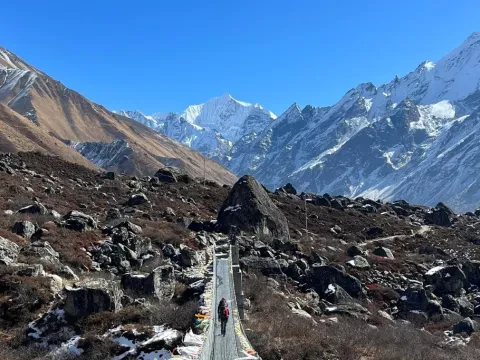
Langtang Valley of Nepal is nestled amidst the breathtaking landscape of the Himalayas. It promises an unforgettable journey through the sacred Gosainkunda Lake and the mythical Kyanjin Gompa area. The place is renowned for its pristine beauty, spiritual significance, and cultural richness. The place is undoubtedly the best place for trekking activities. The Langtang Valley Gosainkunda Lake Trek is a beautiful detour of the Langtang Region. Get ready to immerse yourself in the cultural richness of the Lama People and soak into the enchanting natural beauty of Langtang. The place is often regarded as the mystical land up in the Himalayas. If you are in search of serene tranquility, the Langtang Valley Gosainkunda Lake Trek is an ideal choice. Langtang Valley Trek and Gosainkunda Lake Trek The Langtang Valley Gosainkunda Lake Trek is a combination of Langtang Valley Trek and Gosainkunda Lake Trek. Trekkers will get a chance to trek on these two beautiful trekking routes of the region. Moreover, the trekkers can explore the Chisapani area too. Therefore, it is a wholesome trekking package to enjoy and understand the region to the fullest. The trek begins with the drive from Kathmandu to Syaprubeshi, the trek start point. The trail ascends via cheerful villages, green lush forests, raging white water rapid streams, terraced farmlands, and splendid views of snowy mountains at every corner. As the trekkers trek deeper into the valley, they are greeted by the impeccable hospitality of the Lama ethnic people. These people are renowned for their culture, traditions, and intrepidity. Along the journey, trekkers can immerse themselves into the local way of living, century-old monasteries, teahouses, and bridges with prayer flags. The visit of Kyanjin Gompa monastery, sunrise from Kyanjin Ri, and exploration of Gosainkunda Lake are the major activities of the trek. The lake is in the most picturesque place on the trekking trail with the towering mountains on the backdrop. What is the myth behind Gosainkunda Lake? The Gosainkunda Lake is sacred to both Hindus and Buddhists. Therefore, the place symbolizes the religious harmony that exists in Nepal. According to myth, gods and demons were mining the elixir from the ocean. Among all the good things that got mined on that day, the poison suddenly appeared and threatened to engulf an entire universe. At that very moment, lord Shiva appeared and engulfed all the poison. That is the reason why Lord Shiva is also called Nilkantha (Blue Necked). In the fury, he hit his trident on the rocks and formed the lake. Therefore, the water from the lake is supposed to heal people from their sins and sorrows. Langtang Valley Gosainkunda Lake Trek Difficulty and Rewards The journey of Langtang Valley Gosainkunda Lake Trek offers a splendid experience. While it offers an enriched adventure experience, it is not without its complications and challenges. Trekkers have to walk on steep ascents, rugged terrain, and high altitude. There is a risk of altitude sickness and trekkers require a good level of fitness. However, all the hard work and effort will be rewarded splendidly with the panoramic views of snowy mountains and mystical valleys. Some of the noticeable mountains on the trekking trail are Langtang Lirung, Dorje Lakpa, Ganesh Himal, and Gauri Shankar. Relish the chance to witness the awe-inspiring Himalayan grandeur. Forget about the challenges! Enjoy the majestic rewards. Tamang Heritage and Cultural Encounters One of the major aspects of the Langtang Valley Gosainkunda Lake Trek is an opportunity to be with the local Tamang people. These people are also called Lama People. Get insights into the century-old traditions, folk music, local delicacies, and most importantly the warm smiles with welcoming demeanor of Tamang people. When is the best time to do the Langtang Trek? The best time to do the Langtang Valley Gosainkunda Lake Trek is during the months of spring and autumn. The spring in Nepal is months between March and May. Autumn falls in September, October, and November. During this time of the year, the weather is mild and the skies are clear. It gives immense chances for the trekkers to enjoy the grandeur of Mother Nature and the wonders of Tamang culture. Why you should avoid trekking in the Langtang region during monsoon season? There are many landslides and flood-prone areas in the Langtang Valley Gosainkunda Lake Trek route. During monsoon season, smaller streams on the trail become ragingly big, and steep ascents are almost impossible. There is a high risk of accidents during monsoon season. The skies are unclear and the trail is not safe. Therefore, avoid monsoon season for this trek. Accommodations & Food on the Langtang Trek route After the 2015 earthquake, the Langtang region saw major changes in terms of accommodation and food. It is better than before. You can find quality teahouses and restaurants on the trekking route. The food menu ranges from local to international. Trekking Solo VS Trekking with Trekking Agency in Langtang There have been many incidents of trekkers missing or accidents in the past on the Langtang Valley Gosainkunda Lake Trek route. The valleys, forests, and rugged terrain of the area make it unsafe for the solo trekker. Therefore, you must get the trekking package from a trekking agency for hassle-free trekking in the Langtang region of Nepal. Keep behind all the chaos and unfamiliarity! Enjoy the blissful trekking! How can I book the Langtang Trekking Package? The journey of the Langtang Valley Gosainkunda Lake Trek is a perfect blend of two iconic trekking routes of the region. It offers great harmony in the trip with both natural and cultural wonders. Moreover, trekkers can explore the inner spirituality in the tranquil mythic valleys of Langtang. You can book the Langtang Valley Gosainkunda Lake Trek in Nepal by mailing the Roving Nepal Trek or simply by contacting the travel planners of the Roving Nepal Trek. Enquire about the prices and suitable dates. The travel planners of Roving Nepal Trek can tailor-made itineraries according to your requirements. Trek in the Langtang Valley Gosainkunda Lake Trek Route is an epic adventure. It rewards trekkers for the best possible holiday moments!
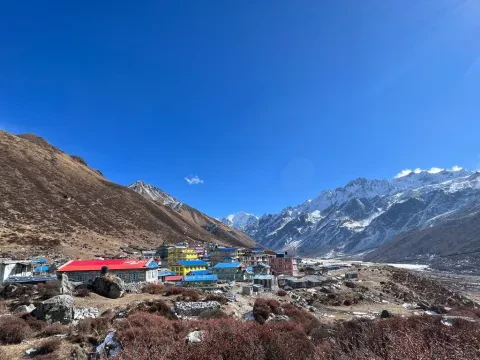
Enjoy the splendid short trekking to the sacred lake of Nepal. The Gosainkunda Lake is the holiest place for both Hindus and Buddhists. The lake is an identity of Nepal’s magnificent religious harmony. In the Langtang Region of Nepal, trekkers can enjoy the joyful Gosainkuna Short Trek. In just about 5 days, trekkers can get outstanding scenery of mountains and lakes. Roving Nepal Trek has knitted the perfect itinerary for travelers to enjoy the majestic beauty of Mother Nature and immerse into the unique culture. How to Reach Gosainkunda Lake? Gosainkunda Lake of Nepal is one of the most sacred natural water lakes. It is located in the most picturesque place up in the Himalayas with many snowy mountains in the backdrop. At an altitude of 4380 m from sea level, the lake is frequented by both Buddhists and Hindus for the pilgrimage. However, the scenic beauty and splendid walking trail have made this lake a famous trekking destination. To reach Gosainkunda Lake, you can either take the route of the Langtang Valley Gosainkunda Lake Trek trail or start the trek from Dhunche. Moreover, there is another alternative route as well from the Chisapani Helambu Trek route. The most common route to reach Gosainkunda Lake is via jeep or bus drive from Kathmandu to Dhunche. The road trip lasts for about 7 to 8 hours depending upon the condition of the road. After reaching Dhunche, trekkers have to trek for 2 days to reach Gosainkunda Lake. Some people take the helicopter directly to the lake as well. Gosainkunda Lake Myth The lake is religiously significant to both sets of Buddhists and Hindu followers. According to Hindu mythology, the lake is the home of Lord Shiva and Goddess Gauri (Parvati). Gods and demons did the Samundra Manthan (Ocean Mining) to find elixir. During the process, the poison also got mined along with the jewels and elixir. The poison was about to destroy the whole universe. Therefore, Lord Shiva appeared and swallowed all the poison. To get relief from the burning pain, he threw his trident onto the mountains. Thus, it formed the lake. Therefore, Hindu people believe that the deities live in the water of the lake. In the Janaipurnima festival, thousands of followers visit the lake and dip into the water. People believe that dipping the water takes them closer to the divinity and helps them to get rid of all sorrows and sins. As for the Buddhists, the lake is the place for them to pay reverence to the departed soul. They believe that dipping in the water and praying on the shores of the lake help the people to have a peaceful afterlife. There are more than 100 ponds and smaller lakes in the vicinity. All these ponds are believed to be the home of deities. What is it like to trek on the Gosainkunda Short Trek route? It feels like you are walking above clouds into the new world while doing the trek on the Gosainkunda Short Trek route. The trail traverses through green lush rhododendron forests and villages of the Tamang people. The cascading hills and snow mountains vista enrich the entire trekking trip. During the months of the spring season, the trail becomes red and white due to the blooming rhododendrons. Interestingly, the trail is covered by more than 15 species of rhododendron flower trees. Tamang villages, monasteries, and local cottage factories help trekkers to understand the lifestyle of the local people. In just 3 days of trekking, trekkers can experience a diversity of attractions ranging from alpine lakes to mountains and forests to villages. Therefore, the experience of trekking on the Gosainkunda Short Trek route is splendid. The mountain vistas on this trekking route are unparalleled. You can get panoramic views of mountains like Langtang Lirung, Ganesh, Gauri Shankar, Dorje Lakpa, and Manaslu. All these mountains are major snowy peaks of Nepal. Difficulty Level The final destination is Gosainkunda Lake. It is at an altitude of 4380 m and this is not an ordinary height to be at. Therefore, you need to have a fair amount of fitness and stamina. As trekkers start to ascend from Dhunche, the air oxygen level becomes thinner. There is a high risk of altitude sickness on this trail. Moreover, the trail has steep ascents that may demand immense physical stamina. Plan accordingly! Roving Nepal Trek has ideal trekking support crew members for the trekkers to leave behind worries and rely on these people for a successful trip. Food & Accommodation There are hardly 15-20 teahouses and restaurants on the trekking trail. Therefore, getting good accommodation during peak trekking season is very difficult. You need an expert planner to plan this trek if you are trekking in peak season. Even if you are trekking in the off-season, a handful of lodges will only open making it fairly difficult to find the teahouse and restaurants. You will get the basic local delicacies from the menu and a fairly decent bed to sleep in. Can I extend my trek from Gosainkunda to other places in Langtang? Yes, you can extend the trek from Gosainkunda to other places in the Langtang region. You can either trek to Langtang Valley via Thulo Syapru or you can trek to Helambu Chisapani. Therefore, plan your requirements with the travel planners of Roving Nepal Trek. We will knit the best itinerary for you to quench the thirst of trekking in the most serene, spiritual, and mystical place of Nepal. What is an ideal time to do Gosainkunda Short Trek? Spring season is the best time to do the Gosainkunda Short Trek. However, the early autumn season is also highly recommended. During the spring season, you can enjoy the magnificent scenery of rhododendron forests. The blooming flowers and pleasant smell make the trip a fantastic natural outing. As for the autumn season, trekkers can get the chance to see the way Hindus and Buddhist people celebrate the festivals on the shores of the lake. Book the Gosainkunda Short Trek in Nepal with the Roving Nepal Trek Pvt. Ltd. We provide you with the most reasonable rates and high-quality services during the trek.
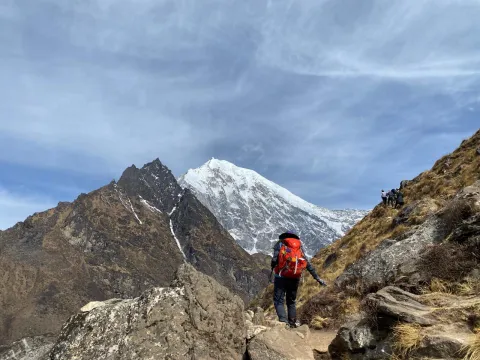
The 5 Days Langtang Valley Trek is one of the best short trekking adventures in Nepal, offering stunning Himalayan scenery, authentic Tamang culture, and peaceful mountain trails. Located north of Kathmandu near the Tibetan border, the Langtang region is ideal for trekkers seeking a quick yet rewarding Himalayan experience. The trek passes through lush forests, alpine meadows, charming villages, and glacier-fed rivers before reaching the beautiful Kyanjin Gompa. Travelers can enjoy breathtaking views of Langtang Lirung, Dorje Lakpa, and surrounding peaks. This short Langtang trek package is perfect for beginners, nature lovers, and adventure seekers looking for a scenic Nepal trekking holiday.Why Choose the Langtang Valley Trek in NepalThe Langtang Valley Trek is a perfect choice for trekkers wanting a less crowded alternative to Everest and Annapurna. This trek combines breathtaking mountain landscapes, rich Tamang culture, and accessible trekking routes within a short duration. The Langtang region offers stunning glacier views, yak pastures, ancient monasteries, and friendly local hospitality. Because of its proximity to Kathmandu, the trek requires less travel time while still delivering a true Himalayan trekking experience. The 5 Days Langtang Valley Trek is suitable for beginners and experienced hikers alike. Its moderate difficulty, scenic beauty, and cultural richness make it one of Nepal’s most popular short trekking destinations.Highlights of the 5 Days Langtang TrekThe 5 Days Langtang Trek offers incredible natural beauty and cultural experiences in a short time. Major highlights include panoramic views of Langtang Lirung, Kyanjin Ri, Dorje Lakpa, and snow-covered Himalayan peaks. Trekkers walk through rhododendron forests, bamboo trails, waterfalls, and traditional Tamang villages. Kyanjin Gompa, the spiritual heart of the region, provides peaceful surroundings and breathtaking mountain scenery. The trek also includes local cheese factories, yak pastures, and glacier viewpoints. Travelers can experience authentic Himalayan culture while enjoying comfortable tea house accommodation. This short Langtang trek is ideal for those seeking adventure, photography opportunities, and unforgettable mountain experiences in Nepal.Detailed 5 Days Langtang Valley Trek ItineraryThe 5 Days Langtang Valley Trek itinerary is carefully designed to maximize adventure and acclimatization. The journey begins with a scenic drive from Kathmandu to Syabrubesi, followed by trekking through Bamboo, Lama Hotel, and Langtang Village. Trekkers gradually ascend toward Kyanjin Gompa, the highlight of the trek, surrounded by spectacular Himalayan peaks. A hike to Kyanjin Ri offers panoramic mountain views and unforgettable sunrise scenery. The return trail follows the same scenic route back to Syabrubesi. This well-balanced itinerary combines trekking, cultural exploration, and mountain sightseeing, making it one of the best short trekking packages in Nepal for all adventure lovers.Best Time to Do the Langtang Valley TrekThe best time for the Langtang Valley Trek is during spring (March to May) and autumn (September to November). These seasons offer stable weather, clear mountain views, and comfortable trekking temperatures. Spring brings blooming rhododendron forests and colorful landscapes, while autumn provides crystal-clear Himalayan panoramas after the monsoon season. Winter trekking is possible for experienced hikers who can handle cold temperatures and snowfall. Monsoon season is less recommended due to slippery trails and limited visibility. Choosing the right trekking season ensures better mountain views, safer trails, and an enjoyable trekking experience in the beautiful Langtang Valley region of Nepal.Langtang Valley Trek Difficulty LevelThe Langtang Valley Trek is considered a moderate trekking adventure suitable for beginners with good physical fitness. Trekkers walk approximately 5 to 7 hours daily through forests, rocky paths, and gradual uphill sections. Although no technical climbing skills are required, the increasing altitude can make the trek physically demanding. Proper acclimatization, hydration, and pacing are important for a safe trekking experience. The highest point, Kyanjin Ri, offers breathtaking mountain views but requires extra effort during the hike. Overall, the 5 Days Langtang Trek is manageable for most trekkers seeking a rewarding Himalayan trekking experience in Nepal.Required Permits for Langtang Valley TrekTrekkers need two permits for the Langtang Valley Trek: the Langtang National Park Entry Permit and the TIMS (Trekkers’ Information Management System) card. These permits help support conservation efforts and ensure trekker safety throughout the region. Permits can be obtained in Kathmandu through trekking agencies or tourism offices before starting the trek. Carrying permits is mandatory, as they are checked at several points along the trail. Travelers should also bring passport-sized photos and a valid passport copy. Obtaining the necessary permits ensures a smooth trekking experience while supporting sustainable tourism in Nepal’s beautiful Langtang region.Accommodation and Meals During the TrekAccommodation during the 5 Days Langtang Valley Trek is mainly provided in traditional tea houses and lodges along the trail. Rooms are simple yet comfortable, usually offering twin beds, blankets, and shared bathrooms. Meals typically include Nepali dal bhat, noodles, fried rice, soups, pancakes, tea, coffee, and Tibetan bread. Most tea houses provide warm meals and a cozy atmosphere after long trekking days. Higher elevations may have more limited food options, but basic facilities remain available. Staying in tea houses allows trekkers to experience local hospitality and authentic Himalayan culture while enjoying scenic mountain surroundings throughout the journey.Transportation from Kathmandu to SyabrubesiTransportation from Kathmandu to Syabrubesi is usually by local bus, tourist bus, or private jeep. The scenic drive takes approximately 7 to 9 hours, depending on road conditions and traffic. The route passes through rivers, hills, terraced farms, and traditional villages before reaching the Langtang region. Private jeeps are more comfortable and faster, making them popular among trekkers seeking convenience. Public buses are more budget-friendly but can be crowded. The road journey itself offers beautiful countryside views and an exciting start to the Langtang Valley Trek. Proper transportation planning helps ensure a smoother and more comfortable trekking adventure in Nepal.Altitude and Acclimatization InformationAltitude is an important factor during the Langtang Valley Trek, as trekkers reach elevations above 4,000 meters at Kyanjin Ri. Proper acclimatization helps reduce the risk of altitude sickness and ensures a safer trekking experience. Trekkers should walk slowly, stay hydrated, avoid alcohol, and rest when necessary. Symptoms like headaches, nausea, and dizziness should never be ignored. The itinerary is usually designed with gradual elevation gain to help the body adjust naturally. Although the Langtang Trek is shorter than other Himalayan treks, altitude awareness remains essential. Good preparation and careful pacing make the journey safer and more enjoyable for all trekkers.Packing List for the 5 Days Langtang TrekPacking properly for the 5 Days Langtang Trek ensures comfort and safety throughout the journey. Essential items include warm clothing, trekking boots, thermal layers, gloves, hats, sunglasses, and a waterproof jacket. Trekkers should also carry a sleeping bag, trekking poles, reusable water bottle, sunscreen, personal medications, and basic toiletries. Lightweight backpacks are recommended to make hiking easier. Weather conditions in the Himalayas can change quickly, so layered clothing is important. Electronic items such as power banks and headlamps are also useful. A well-prepared packing list helps trekkers enjoy a smoother and more comfortable Langtang trekking experience in Nepal.Local Tamang Culture and TraditionsThe Langtang region is home to the Tamang community, one of Nepal’s oldest Himalayan ethnic groups. Trekkers can experience unique Buddhist traditions, ancient monasteries, prayer wheels, and colorful prayer flags throughout the journey. Tamang villages reflect Tibetan-influenced culture, architecture, language, and lifestyle. Local people are known for their warm hospitality and traditional mountain living. During the trek, visitors may observe traditional clothing, yak farming, and local festivals. Exploring Tamang culture adds a meaningful cultural dimension to the trekking experience. The Langtang Valley Trek is not only about mountain scenery but also about connecting with authentic Himalayan traditions and local communities.Mountain Views and Scenic AttractionsThe Langtang Valley Trek offers spectacular mountain scenery and diverse natural attractions throughout the trail. Trekkers can enjoy breathtaking views of Langtang Lirung, Dorje Lakpa, Gangchempo, and several snow-covered Himalayan peaks. The route passes through forests, waterfalls, rivers, glaciers, yak pastures, and alpine meadows. Kyanjin Gompa and Kyanjin Ri provide some of the most stunning panoramic viewpoints in the region. Sunrise and sunset over the mountains create unforgettable photography opportunities. The peaceful landscapes and less crowded trails make Langtang a hidden gem in Nepal. Nature lovers and adventure seekers will enjoy every moment of this scenic Himalayan trek.Safety Tips for Langtang Valley TrekkingSafety is essential during the Langtang Valley Trek, especially because of altitude and changing mountain weather. Trekkers should walk at a comfortable pace, stay hydrated, and follow proper acclimatization practices. Hiring an experienced guide improves safety and navigation along the trail. It is important to carry warm clothing, a first aid kit, and travel insurance that covers high-altitude trekking. Weather conditions can change rapidly, so checking forecasts before trekking is recommended. Avoid trekking alone in remote sections and always inform someone about your route. Proper preparation and responsible trekking habits ensure a safe and enjoyable Langtang Valley adventure in Nepal.Cost Includes and Excludes for the Trek PackageThe 5 Days Langtang Valley Trek package generally includes transportation, trekking permits, accommodation, guide services, and meals during the trek. Some packages may also include porter services, airport transfers, and hotel accommodation in Kathmandu. However, personal expenses such as travel insurance, snacks, drinks, charging fees, Wi-Fi, hot showers, and tips are usually excluded. International flights and Nepal visa fees are also not included in most packages. Understanding the cost inclusions and exclusions helps trekkers plan their budget properly. Choosing a reliable trekking package ensures a comfortable, organized, and memorable trekking experience in Nepal’s beautiful Langtang region.
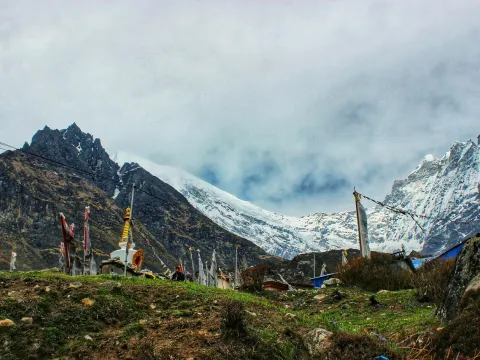
Nepal is home of more than 125 ethnic communities with their own unique traditions, culture, and values. Therefore, you can call this tiny Himalayan nation blessed by gods and goddesses as these tribes live harmoniously without any kinds of unrest. Mountains are our biggest assets and so does the cultural diversity. Near the Kathmandu Valley inside the Langtang region, we give you the best cultural trek combined with natural wonders in the form of the Tamang Heritage Trail Trek. The travel planners of the Roving Nepal Trek has specially designed this trekking itinerary to give you chance to know about the indigenous Tamang community’s lifestyle, culture, traditions, and values. Book the Tamang Heritage Trail trek in Nepal and experience both nature’s allures and cultural understanding. Make sure to contact our travel planners today to book the trekking package of your liking. Note down that you can combine the Tamang Heritage Trail Trek with the famous Langtang Valley Trek in Nepal. Tamang Heritage Trek RouteThe route of the Tamang Heritage Trail Trek in Nepal has changed now! Earlier, the trail used to be long due to lack of accessibility. Nowadays, lots of Tamang Villages are accessible to the rural off road. Therefore, the travel planners of the Roving Nepal Trek have knitted the updated trekking itinerary based on the latest development works in the region. We have covered major Tamang villages of the region and we have also kept the option to whether use the tea house or community home stays during their journey of the Tamang Heritage Trail Trek in Nepal’s Langtang region. Best Time for Tamang Heritage Trekking in NepalChoose the months of winter season (December – February), spring season (March – May), and autumn season (September – November) for better trekking experiences. Besides these seasons, monsoon season is not highly recommended. High chances of heavy rainfall and poor visibility make the entire trekking experiences shallow and bitter. Therefore, we recommend you to do trekking in spring, autumn, and winter season but not in monsoon season. If you have free time in monsoon season, then you can relish green lush forests, green terraced farmlands, and cool temperature. The villages can still look best even during monsoon season. Difficulty Level of Tamang Village Trek in LangtangThe journey of the Tamang Heritage Trail Trek in Nepal is comparatively easier than other trekking trips in the Langtang region. However, some sections of this trail are hard to trek due to steep uphill sections. For example, trek to places like Nagathali and Briddim can be difficult to walk due to steep uphill through forests and terraced farmlands. Even if it is comfortable than other treks, you must prepare physically to be able to walk about 6 to 7 hours a day. Make sure that you are well prepared for the trek. Prepare your body at least one month prior to the trek. Perform exercises like cycling, swimming, walking, running, and hiking activities to build up cardio – vascular abilities and physical fitness level. Accommodation during the TrekAccommodation along the Tamang Heritage Trail is primarily provided by local teahouses and community-run lodges. These lodges offer simple yet comfortable rooms with basic facilities such as beds, blankets, and shared bathrooms. Staying in these accommodations allows trekkers to experience the warm hospitality of the Tamang people while directly supporting local communities. Rooms are generally twin-sharing, and amenities become more basic at higher elevations. Although luxury facilities are limited, the authentic village atmosphere and stunning mountain surroundings make the experience memorable. It is advisable to carry a sleeping bag, especially during colder months when temperatures can drop significantly.Meals and Drinking Water on the TrailTrekkers can enjoy a variety of meals throughout the Tamang Heritage Trail, with most teahouses serving traditional Nepali and Tibetan-inspired dishes. Popular options include dal bhat, noodles, fried rice, soups, momos, and seasonal vegetables. Breakfast often consists of porridge, eggs, bread, pancakes, and tea. Drinking water is available at villages and lodges, but trekkers should purify water before consumption using purification tablets, filters, or UV sterilizers. Bottled water may be available in some locations but is discouraged due to environmental concerns. Carrying a reusable water bottle is highly recommended for a safer and more sustainable trekking experience.Transportation for Tamang Heritage Trail TrekThe Tamang Heritage Trail typically begins from Syabrubesi, a small town in the Langtang region of Nepal. Most trekkers travel from Kathmandu to Syabrubesi by road, which takes approximately seven to nine hours depending on road conditions. Transportation options include public buses, shared jeeps, and private vehicles. Shared jeeps are faster and more comfortable than buses, making them a popular choice among trekkers. After completing the trek, transportation is available back to Kathmandu from the ending point. The scenic drive offers beautiful views of rivers, terraced hillsides, and rural settlements, adding another memorable aspect to the journey.Permits Required for Tamang Heritage Trail TrekTrekkers undertaking the Tamang Heritage Trail must obtain the necessary permits before starting the journey. The primary permits required are the Langtang National Park Entry Permit and the TIMS (Trekkers’ Information Management System) Card, depending on current trekking regulations. These permits help support conservation efforts, maintain trekking infrastructure, and ensure visitor safety. Permits can be obtained in Kathmandu through authorized offices or registered trekking agencies. Trekkers should always carry their permits during the trek, as they may be checked at various checkpoints along the route. Regulations can change, so it is important to verify current requirements before departure.Tamang Culture and Local VillagesOne of the most rewarding aspects of the Tamang Heritage Trail is the opportunity to experience the rich culture of the Tamang community. The Tamang people have strong Tibetan influences reflected in their language, dress, architecture, religion, and daily lifestyle. Villages such as Gatlang, Tatopani, Thuman, and Briddim showcase traditional stone houses, Buddhist monasteries, prayer flags, and cultural heritage. Visitors often witness local customs, folk dances, and traditional music during their stay. The trail offers meaningful cultural interactions that go beyond mountain scenery, allowing trekkers to gain a deeper understanding of local traditions and the resilience of Himalayan communities.Altitude and Acclimatization InformationThe Tamang Heritage Trail reaches moderate altitudes compared to many Himalayas trekking routes, making it suitable for trekkers with average fitness levels. The highest point of the trek is Nagthali, situated at approximately 3,165 meters above sea level. Although the risk of altitude sickness is lower than on higher treks, proper acclimatization remains important. Trekkers should ascend gradually, stay hydrated, eat nutritious meals, and avoid excessive physical exertion. Recognizing early symptoms of altitude sickness, such as headaches, dizziness, and fatigue, is essential. Taking adequate rest and maintaining a steady pace greatly contributes to a safe trekking experience.Safety Tips for Tamang Heritage Trail TrekSafety should always be a priority while trekking the Tamang Heritage Trail. Trekkers should prepare with proper gear, including sturdy hiking boots, layered clothing, rain protection, and a basic first-aid kit. Checking weather forecasts before and during the trek is highly recommended. Staying hydrated and maintaining energy through regular meals can help prevent fatigue. Hiring an experienced guide enhances safety and provides valuable local knowledge. Trekkers should inform family members or trekking agencies about their itinerary and travel plans. Respecting local customs, following marked trails, and avoiding unnecessary risks contribute to a secure and enjoyable adventure.Why Choose Tamang Heritage Trail Trek?The Tamang Heritage Trail offers a unique combination of cultural immersion, natural beauty, and authentic village experiences. Unlike busier trekking routes, this trail provides a peaceful environment where visitors can connect closely with local communities and traditions. Trekkers enjoy breathtaking views of the Langtang Himalayan range, picturesque villages, lush forests, and terraced landscapes. The route is ideal for those seeking a moderate trek without extreme altitude challenges. Additionally, the trail supports community-based tourism, helping improve local livelihoods. For travelers interested in both cultural discovery and mountain scenery, the Tamang Heritage Trail presents an enriching and unforgettable Himalayan adventure.