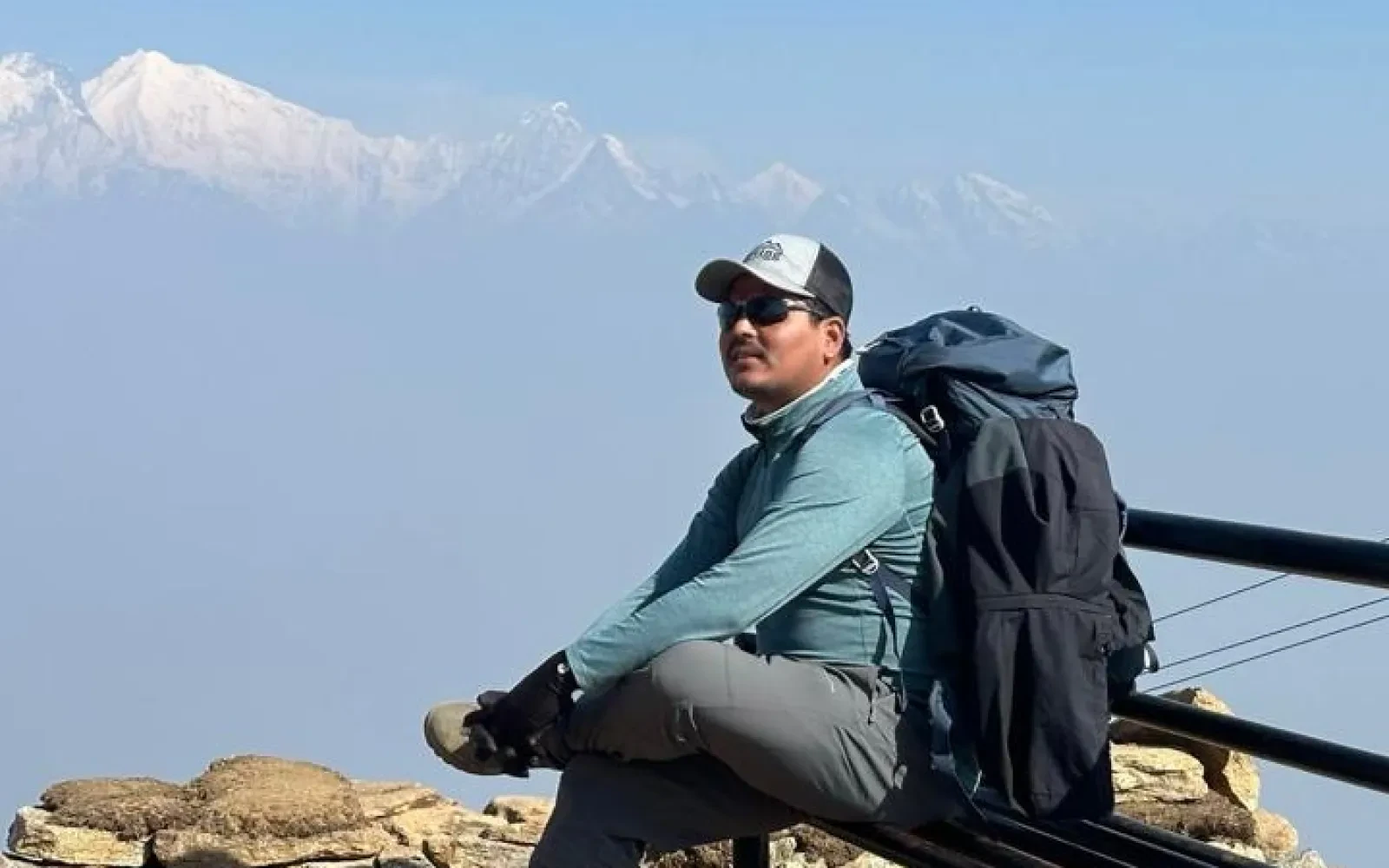
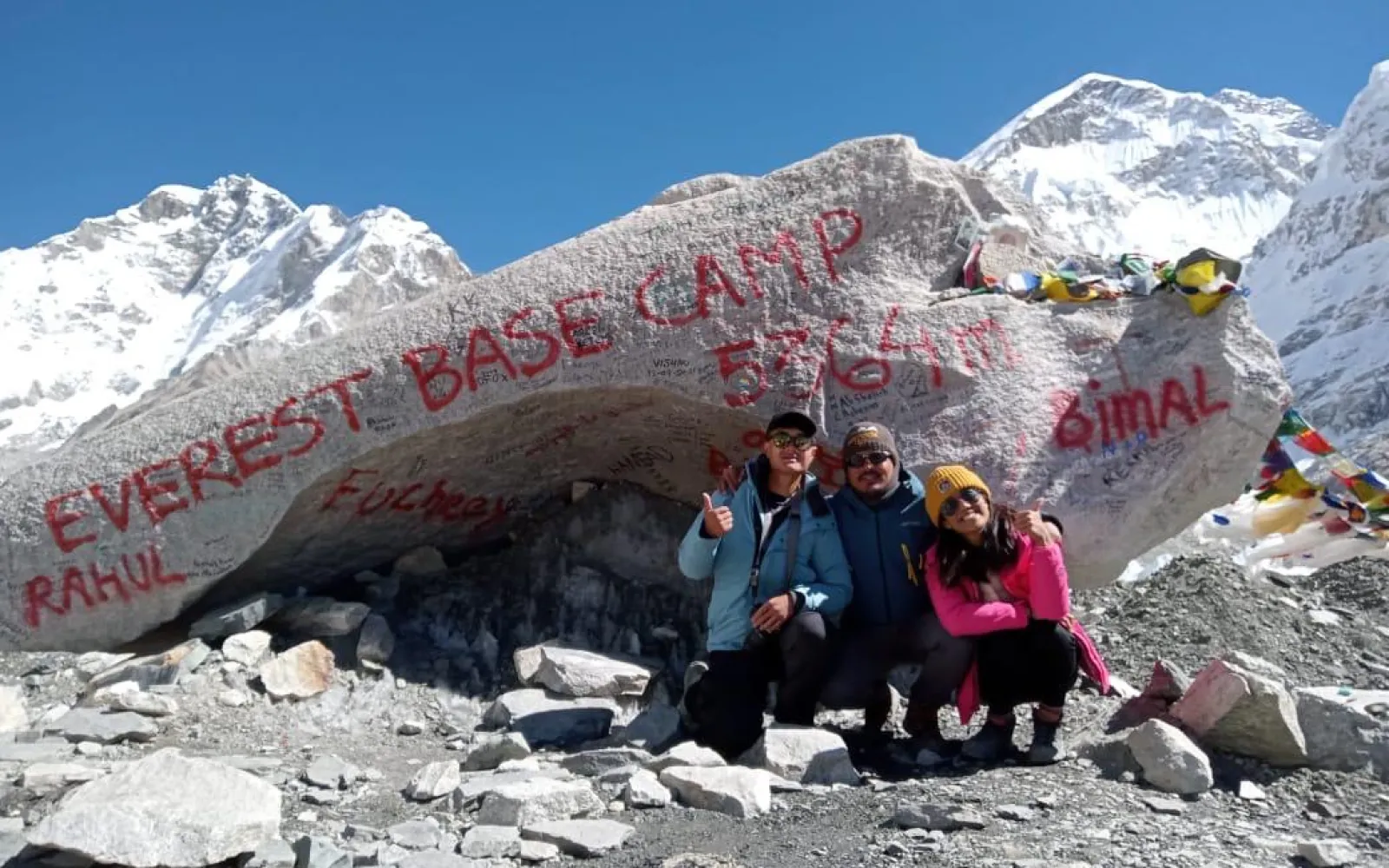
The uncertainties of the Lukla airport, lots of flights get cancelled. Therefore, trekkers may have to face delays. Lots of complains are heard from the Everest trekkers due to flight cancellations. The weather conditions are the biggest hurdles of the Everest Base Camp Trek starting from Lukla. Therefore, people are searching for options to do EBC Trek without Lukla flights. You can do the Everest Base Camp Trek without flying to Lukla either from Ramechhap or from Kathmandu. The best way is to go by road to Surke via Phaplu. It takes around 6 to 7 hours of off road journey. Upon reaching the village, you can trek from Surke to Everest Base Camp. Skip Lukla for more guaranteed trek departures in Everest region!
The Surke to Everest Base Camp trek combines breathtaking Himalayan scenery with rich Sherpa culture and a rewarding trekking experience. Although Surke lies just below Lukla, it remains relatively peaceful compared to the busy airport town. Trekkers who start here enjoy a more gradual transition into the mountains while experiencing villages and landscapes that many visitors overlook.
From Surke, the trail gradually climbs toward Chaurikharka before joining the classic Everest Base Camp route near Phakding. From there, trekkers continue through famous destinations such as Namche Bazaar, Tengboche, Dingboche, Lobuche, Gorakshep, and finally Everest Base Camp. Every day introduces new landscapes, from subtropical forests and roaring rivers to alpine meadows, glacial valleys, and dramatic mountain panoramas.
The trek typically takes between 12 and 14 days, depending on acclimatization and individual pace. Besides standing at the foot of the world's tallest mountain, trekkers gain unforgettable memories through interactions with local communities, visits to Buddhist monasteries, and the peaceful beauty of Sagarmatha National Park. The Surke route is perfect for travelers looking to experience the Everest region beyond its most popular tourist path.
Surke is a charming Sherpa village located in Nepal's Solukhumbu District at an elevation of approximately 2,290 meters (7,513 feet). Situated just below Lukla, the village rests along the Dudh Koshi River and serves as an alternative starting point for trekkers heading toward Everest Base Camp.
Unlike Lukla, which is known worldwide for its busy airport, Surke offers a peaceful environment where visitors can experience traditional mountain life. Stone houses, terraced farmland, prayer flags, and forested hills create a welcoming atmosphere that immediately introduces travelers to the beauty of the Khumbu region.
Many trekkers arrive in Surke after landing at Lukla Airport and descending for about 30 to 45 minutes. Others may reach the village by trekking from lower Solu villages after driving from Kathmandu or Salleri. Regardless of how you arrive, Surke provides an excellent opportunity to acclimate to the mountain environment before beginning the ascent toward Everest Base Camp.
Starting your journey here allows you to avoid the crowds often found around Lukla while enjoying additional cultural experiences. The village also supports local teahouses and family-run lodges, making your first night in the Everest region both comfortable and memorable.
Choosing the Surke to Everest Base Camp trek offers several advantages that make the journey more enjoyable and authentic. One of the biggest benefits is escaping the immediate crowds surrounding Lukla. While Lukla remains the main entry point for most trekkers, Surke provides a quieter and more relaxed beginning to your Himalayan adventure.
Another significant advantage is the gradual elevation gain. Beginning slightly lower allows your body additional time to adjust before climbing toward higher altitudes, reducing the risk of altitude sickness during the first few days of trekking.
Starting from Surke also supports smaller local communities that receive fewer visitors compared to Lukla. Staying in local lodges and purchasing meals directly benefits families who rely on tourism throughout the trekking season. Travelers seeking meaningful cultural experiences often appreciate this closer connection with Sherpa hospitality.
Photographers and nature lovers will also enjoy the peaceful surroundings. Dense forests, cascading waterfalls, suspension bridges, and traditional villages create beautiful landscapes without the heavy foot traffic found on more crowded sections of the Everest trail. For many trekkers, beginning in Surke transforms the Everest Base Camp trek from a popular adventure into a more personal and immersive Himalayan experience.
The Surke to Everest Base Camp route follows one of Nepal's most iconic trekking corridors while adding an authentic starting point in the lower Khumbu region. After leaving Surke, the trail ascends through Chaurikharka before connecting with the classic Everest Base Camp route near Phakding.
From Phakding, trekkers continue beside the Dudh Koshi River, crossing several famous suspension bridges before reaching Namche Bazaar, the bustling commercial center of the Khumbu region. Namche serves as an important acclimatization stop and offers spectacular viewpoints overlooking Everest and surrounding peaks.
Beyond Namche, the route passes through Tengboche, home to the famous Tengboche Monastery, before continuing toward Dingboche, Lobuche, and Gorakshep. The final ascent leads to Everest Base Camp at approximately 5,364 meters (17,598 feet), where trekkers stand beside the legendary Khumbu Glacier beneath the towering peaks of the Himalayas.
Most trekkers also climb Kala Patthar before sunrise for panoramic views of Mount Everest. Widely regarded as the best viewpoint in the region, Kala Patthar rewards visitors with breathtaking scenery that cannot be seen directly from Everest Base Camp itself. Throughout the journey, the trail offers a remarkable combination of natural beauty, cultural heritage, and high-altitude adventure.
A well-planned itinerary is essential for a successful Surke to Everest Base Camp trek, particularly because proper acclimatization significantly improves safety and enjoyment. While experienced trekkers may complete the route more quickly, most visitors benefit from a balanced schedule that allows adequate time to adapt to increasing altitude.
A typical itinerary begins with arrival in Lukla followed by a short descent to Surke. The following day leads to Phakding before continuing to Namche Bazaar, where trekkers spend an additional day acclimatizing through short hikes to nearby viewpoints. The journey then continues through Tengboche and Dingboche, with another acclimatization day recommended before climbing toward Lobuche.
From Lobuche, trekkers hike to Gorakshep before making the final journey to Everest Base Camp. Most groups return to Gorakshep overnight before waking early to climb Kala Patthar for sunrise views of Mount Everest. The return journey follows the same trail back through Pheriche, Namche Bazaar, and finally Lukla.
This itinerary balances adventure with safety, giving trekkers enough time to appreciate the landscapes, recover from long hiking days, and reduce the risk of altitude-related illness. While weather conditions or personal fitness may require minor adjustments, maintaining a gradual ascent remains one of the most important factors for a successful Everest Base Camp experience.
The Surke to Everest Base Camp trek is a physically demanding but highly rewarding Himalayan adventure. The round-trip trek covers approximately 130 to 140 kilometers (81 to 87 miles), depending on your itinerary and any optional side hikes, such as the climb to Kala Patthar. Most trekkers complete the journey in 12 to 14 days, including two essential acclimatization days in Namche Bazaar and Dingboche. These rest days are crucial for allowing your body to adapt to the increasing altitude and significantly reduce the risk of Acute Mountain Sickness (AMS).
Daily hiking distances typically range between 8 and 15 kilometers, requiring five to eight hours of walking over rugged mountain terrain. The trail includes numerous uphill climbs, rocky paths, suspension bridges, steep staircases, and glacial moraine sections near Lobuche and Gorakshep. Although no technical climbing skills are required, good physical fitness and endurance are essential for completing the trek comfortably.
One of the biggest challenges is not the distance but the high altitude. As you ascend above 3,500 meters, the oxygen level decreases significantly, making even short walks more strenuous. Proper pacing, hydration, nutritious meals, and gradual ascent are far more important than speed. Many experienced trekkers follow the simple Himalayan rule: "Walk slowly and steadily."
Preparing with regular cardio exercises, strength training, and long hikes several weeks before your trip will greatly improve your trekking experience. With proper preparation and a positive mindset, the Surke to Everest Base Camp trek is achievable for most healthy individuals.
Choosing the right season can make a significant difference in your overall trekking experience. The best time for the Surke to Everest Base Camp trek is during the spring (March to May) and autumn (September to November) seasons. These months offer stable weather, comfortable temperatures, excellent visibility, and spectacular mountain views.
Spring transforms the lower Everest region into a colorful landscape filled with blooming rhododendron forests, magnolia trees, and lush green hills. Daytime temperatures are relatively mild, making trekking enjoyable while the skies remain mostly clear. This season also attracts mountaineering expeditions preparing to climb Mount Everest, adding excitement to the journey.
Autumn is equally popular because the monsoon rains have cleared the atmosphere, creating crisp blue skies and outstanding visibility. Photographers often consider autumn the best season for capturing the dramatic Himalayan landscapes. The weather is generally dry, trails remain in excellent condition, and temperatures are comfortable during the day.
Winter (December to February) offers peaceful trails and fewer crowds but comes with freezing temperatures, especially above Dingboche. Heavy snowfall can occasionally block high passes and make trekking more challenging.
The monsoon season (June to August) is the least favorable time due to frequent rainfall, slippery trails, cloud-covered mountain views, and possible flight delays. However, experienced trekkers seeking solitude may still enjoy the lush greenery if prepared for unpredictable weather.
The Surke to Everest Base Camp trek is far more than a journey to the foot of the world's highest mountain. Every stage of the trail offers unforgettable attractions that combine natural beauty, cultural heritage, and breathtaking Himalayan scenery.
One of the first highlights is the peaceful village of Surke, where trekkers experience traditional Sherpa hospitality away from the busy crowds. As the trail continues toward Phakding and Namche Bazaar, you'll cross iconic suspension bridges decorated with colorful prayer flags and suspended high above the rushing Dudh Koshi River.
Namche Bazaar, often called the gateway to Everest, is one of the most vibrant mountain towns in Nepal. Visitors can explore local markets, museums, bakeries, cafes, and panoramic viewpoints overlooking Mount Everest, Lhotse, and Ama Dablam.
Another unforgettable destination is Tengboche Monastery, the largest Buddhist monastery in the Khumbu region. Surrounded by snow-covered peaks, this sacred site offers a peaceful atmosphere where trekkers can observe Buddhist ceremonies and appreciate centuries-old Himalayan traditions.
Higher on the trail, the landscape changes dramatically as lush forests give way to alpine valleys, rocky terrain, glaciers, and towering peaks. Reaching Everest Base Camp itself is an emotional achievement for trekkers from around the world. Standing beside the Khumbu Glacier beneath the immense Himalayan mountains creates memories that last a lifetime.
Many trekkers consider the sunrise hike to Kala Patthar (5,545 meters) the true highlight of the journey. From this viewpoint, you'll witness one of the finest panoramic views of Mount Everest and the surrounding Himalayan giants glowing in the golden morning light.
Accommodation during the Surke to Everest Base Camp trek is primarily provided by traditional teahouses, which are family-run mountain lodges offering simple yet comfortable facilities. These lodges play an essential role in supporting the local economy while providing trekkers with warm meals, cozy beds, and a welcoming place to rest after long hiking days.
Rooms usually contain two single beds with mattresses, pillows, and blankets. During colder months, carrying a quality sleeping bag is highly recommended for additional warmth, especially at higher elevations where nighttime temperatures often drop below freezing.
Food along the trail is surprisingly varied. The most popular meal is Dal Bhat, Nepal's traditional combination of rice, lentil soup, vegetables, and curry. It provides excellent energy for trekking and is often served with unlimited refills. Other common menu items include fried rice, noodles, pasta, momos, soups, potatoes, pancakes, eggs, porridge, pizza, and Tibetan bread.
Hot drinks such as ginger tea, lemon tea, coffee, and hot chocolate are widely available. Staying well hydrated is essential, so many trekkers refill reusable water bottles and purify water using filters or purification tablets instead of purchasing plastic bottles.
As altitude increases, food prices gradually become more expensive because every supply must be transported by porters, yaks, or helicopters. Despite the higher costs, the quality of hospitality remains one of the most memorable aspects of trekking in the Everest region.
Altitude sickness is one of the most important considerations during the Surke to Everest Base Camp trek. As you climb above 3,000 meters, the amount of available oxygen decreases significantly, making proper acclimatization essential for your health and safety.
Common symptoms of Acute Mountain Sickness (AMS) include headaches, nausea, dizziness, fatigue, loss of appetite, difficulty sleeping, and shortness of breath. These symptoms should never be ignored, as severe altitude illness can become life-threatening if left untreated.
The best way to prevent altitude sickness is by ascending gradually. Most Everest Base Camp itineraries include acclimatization days in Namche Bazaar and Dingboche, allowing your body sufficient time to adapt to the higher elevation. During these days, trekkers usually hike to higher viewpoints before returning to sleep at a lower altitude, following the well-known principle of "climb high, sleep low."
Drinking three to four liters of water each day, eating nutritious meals, avoiding alcohol, and maintaining a slow, steady walking pace all contribute to successful acclimatization. Many trekkers also consult their doctor before departure regarding preventive medications such as acetazolamide.
Listening to your body is the most important safety guideline. If symptoms worsen despite rest, the safest decision is to descend immediately to a lower elevation and seek medical assistance if necessary. No mountain is worth risking your health, and responsible trekking ensures that your Everest Base Camp adventure remains both safe and unforgettable.
Before starting the Surke to Everest Base Camp trek, every trekker must obtain the required permits. These permits help conserve the natural environment, support local communities, and regulate tourism in the Everest region. Fortunately, the permit process is straightforward, and most trekkers can obtain them either in Kathmandu or at designated checkpoints along the route.
The first permit required is the Khumbu Pasang Lhamu Rural Municipality Entry Permit. This local permit replaced the former TIMS card for most trekkers in the Everest region. It contributes directly to infrastructure development, waste management, and tourism services within the Khumbu area. The permit is typically issued at the checkpoint near Lukla or Monjo. The cost is NRs. 3000 to all trekkers.
The second mandatory permit is the Sagarmatha National Park Entry Permit. Since Everest Base Camp lies within Sagarmatha National Park, every visitor must carry this permit before entering the protected area. The park is recognized as a UNESCO World Heritage Site and is home to rare wildlife such as the Himalayan tahr, musk deer, snow leopard, and colorful Himalayan pheasants. It's cost is NRs. 3000 to foreigners and NRs. 1500 to SAARC nationals.
Always carry your passport and multiple passport-sized photographs, as they may be requested during the permit process. Keep your permits accessible throughout the trek because they are checked at several locations.
If you are trekking with a registered trekking agency, your guide will usually arrange all permit formalities before your journey begins, allowing you to focus on enjoying the adventure.
Packing wisely is one of the most important factors for a comfortable and successful Surke to Everest Base Camp trek. Mountain weather changes rapidly, and trekkers often experience warm sunshine, cold winds, rain, and freezing temperatures within the same day. Carrying appropriate equipment ensures both comfort and safety throughout the journey.
Choose lightweight, moisture-wicking layers that can be added or removed as temperatures change.
Recommended clothing includes:
· Thermal base layers
· Fleece jacket
· Insulated down jacket
· Waterproof and windproof shell jacket
· Waterproof trekking pants
· Comfortable hiking pants
· Moisture-wicking trekking shirts
· Warm hat
· Sun hat
· Neck gaiter or buff
· Lightweight gloves
· Insulated gloves
· Wool socks
· Comfortable underwear
Good footwear is essential because the trail includes rocky paths, uneven terrain, and steep climbs.
Bring:
· Waterproof trekking boots
· Camp shoes or sandals
· Gaiters (optional during snowy seasons)
Essential equipment includes:
· Backpack (35–45 liters)
· Duffel bag (if using a porter)
· Sleeping bag rated for sub-zero temperatures
· Trekking poles
· Rain cover
· Dry bags
· Headlamp with spare batteries
· Reusable water bottles
· Water purification tablets or water filter
Do not forget:
· Sunscreen (SPF 50+)
· Lip balm
· Sunglasses with UV protection
· Personal medications
· Basic first-aid kit
· Wet wipes
· Hand sanitizer
· Toothbrush and toiletries
· Quick-dry towel
· Power bank
· Charging cables
· Camera
· Passport
· Travel insurance documents
· Cash in Nepalese Rupees
Packing efficiently keeps your backpack lighter and makes each day of trekking more enjoyable.
The total cost of the Surke to Everest Base Camp trek depends on your travel style, group size, transportation choices, and whether you hire guides or porters. Independent trekkers usually spend less, while guided packages offer greater convenience and logistical support.
Below is a general estimate for budgeting your trek.
· Kathmandu to Lukla flight (round trip) cost you around 500 $ for two way flights
· Optional road transportation if flights are unavailable which costs around 170 $ per jeep from Phaplu
· Khumbu Pasang Lhamu Rural Municipality Permit
· Sagarmatha National Park Entry Permit
Teahouse accommodation generally becomes more expensive as you gain elevation because supplies must be transported by porters or pack animals. Allocate around 5 $ to 15 $ per night for lodging facilities in the basic tea houses of the Everest region.
Daily meal costs vary depending on altitude, but most trekkers spend enough for breakfast, lunch, dinner, snacks, and hot drinks each day. Therefore, you can keep aside around 40 $ to 65 $ per day for meals in the trek.
Hiring a licensed guide greatly enhances safety, navigation, and cultural understanding. Many trekkers also hire a porter to carry heavier luggage, making the journey much more comfortable. A guide charges you 30 $ to 55 $ per day and a porter charges you 20 $ to 30 $ per day.
Budget extra money for:
· Charging electronic devices
· Hot showers
· Wi-Fi
· Drinking water
· Snacks
· Tips for guides and porters
· Emergency expenses
For most travelers, a comfortable budget ranges between USD 1,200 and USD 2,000, depending on services, transportation, and accommodation preferences. Luxury Everest Base Camp packages cost considerably more.
Proper preparation can transform your Surke to Everest Base Camp trek into one of the most rewarding adventures of your life. While reaching Everest Base Camp is a major achievement, enjoying the journey safely should always remain your top priority.
Start physical training at least two months before departure. Hiking with a loaded backpack, stair climbing, cycling, swimming, and regular cardio exercises help prepare your body for long trekking days.
Walk slowly throughout the trek. Many first-time trekkers make the mistake of hiking too fast during the early days. Conserving energy helps your body adapt to the altitude more effectively.
Drink plenty of water each day and avoid excessive alcohol consumption, especially above Namche Bazaar. Proper hydration supports acclimatization and reduces fatigue.
Respect local customs and traditions. The Khumbu region is home to the Sherpa people, whose Buddhist culture has shaped life in the Himalayas for centuries. Walk clockwise around mani stones and stupas, ask permission before photographing local people, and behave respectfully inside monasteries.
Purchase comprehensive travel insurance that covers high-altitude trekking and emergency helicopter evacuation. Although emergencies are uncommon, proper insurance provides valuable peace of mind.
Finally, remain flexible. Mountain weather can change rapidly, occasionally causing flight delays or itinerary adjustments. Patience and a positive attitude are often just as important as physical fitness during Himalayan expeditions.
Yes. Beginners with good physical fitness, proper preparation, and enough time for acclimatization can successfully complete the trek. Training before departure significantly improves the experience.
Most itineraries require 12 to 14 days, including acclimatization days and the return journey.
The highest point most trekkers visit is Kala Patthar (5,545 meters / 18,192 feet), which offers spectacular panoramic views of Mount Everest.
Current trekking regulations may require hiring a licensed guide in many regions of Nepal. Even where independent trekking is allowed, a guide provides valuable local knowledge, navigation, safety support, and cultural insights.
Yes. Drinking water is available in every village. However, trekkers should always purify water using filters, purification tablets, or UV sterilizers instead of relying on bottled water.
Most villages provide paid Wi-Fi services, although connection speeds vary depending on altitude and weather conditions.
The most reliable ATM is located in Namche Bazaar. However, carrying sufficient Nepalese cash from Kathmandu is strongly recommended because ATM services can occasionally be unavailable.
Within Sagarmatha National Park, trekkers may encounter Himalayan tahr, musk deer, colorful pheasants, Himalayan monals, and, in very rare cases, the elusive snow leopard.
Spring and autumn offer the clearest skies, colorful landscapes, and outstanding mountain visibility, making them ideal for photography.
Yes. Comprehensive travel insurance covering high-altitude trekking and emergency helicopter evacuation is strongly recommended for every trekker.
The Surke to Everest Base Camp trek offers an unforgettable journey through one of the world's most spectacular mountain landscapes. Beginning in the peaceful village of Surke provides a quieter and more authentic introduction to the Everest region while allowing trekkers to experience traditional Sherpa culture before joining the classic Everest Base Camp trail.
From crossing suspension bridges above the Dudh Koshi River to exploring vibrant Namche Bazaar, visiting the spiritual Tengboche Monastery, standing beside the legendary Khumbu Glacier, and witnessing sunrise from Kala Patthar, every day presents new adventures and unforgettable scenery. The trek combines breathtaking Himalayan panoramas with meaningful cultural encounters that leave lasting impressions long after returning home.
Proper planning, physical preparation, gradual acclimatization, and responsible trekking practices are the keys to a successful journey. Whether your goal is to challenge yourself, capture incredible photographs, experience Sherpa hospitality, or stand at the base of the world's highest mountain, the Surke to Everest Base Camp trek delivers an adventure unlike any other.
If you're searching for an authentic Himalayan experience filled with natural beauty, rich culture, and personal achievement, the Surke to Everest Base Camp trek deserves a place at the top of your travel bucket list. Every step along this iconic trail brings you closer not only to Mount Everest but also to the timeless spirit of the Himalayas.
If you are planning to go trek to Everest Base Camp, this thorough set of Everest Base Camp Trek FAQs answers your every question.
Choosing between a trek in the Annapurna Region and the Everest Region can be difficult. Roving Nepal Treks is here to help you make the right choice.
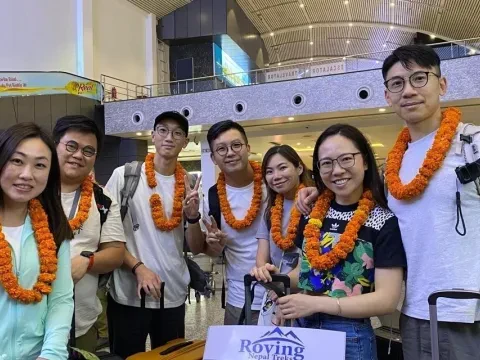
Book the Everest Base Camp Trek Cost 2026/2027 at just 1400 $ with special discounts from the Roving Nepal Trek, the best company in Nepal.
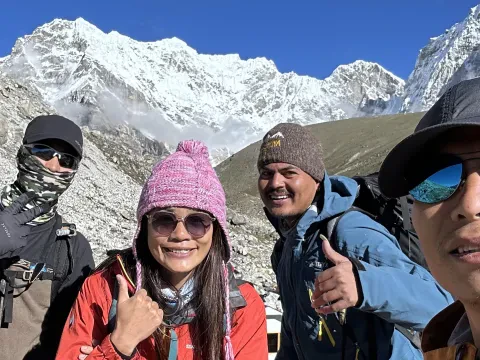
Well, Everest region of Nepal never fails to surprise you with its wonders of Himalayan wonders! The home of Sherpa people known for their mountaineering prowess, the region excels in trekking activities. Moreover, it is also an epitome for all kinds of Himalayan adventures from peak climbing to expeditions and luxury helicopter tours. The biggest hurdle to any kinds of activities in the region is the risk of altitude sickness. Therefore, today’s blog is all about finding out the best and authentic Everest Altitude Sickness Guide.
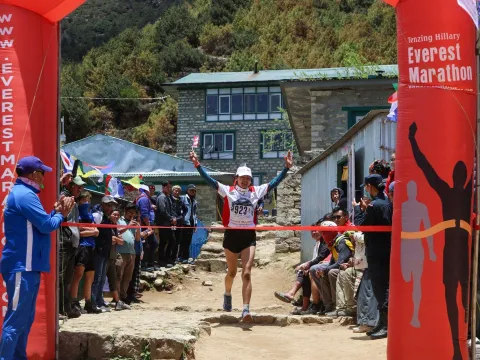
Hello adventurers from across globe! Are you guys excited that the World’s Highest Everest Marathon 2026 returns on May 29 from Everest Base Camp? Yes, lots of extreme altitude runners from different parts of the world are gearing up for this amazing event in Khumbu Nepal. There are three categories of this high – altitude running event. They are 42k Men’s and Women’s championship, Half Marathon (Male and Female Category), and 70k Ultra Trail (Male and Female Category).
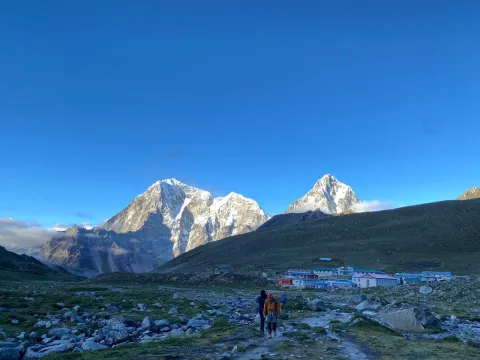
The Everest Base Camp Trek via Cho La Pass difficulty level for beginners can be hard due to its high altitude, rugged trails, and physically demanding pass crossing. First-time trekkers may struggle with long trekking days, steep ascents, and freezing temperatures at higher elevations.